The best cycling routes around Excelsior
4.5
(113)
872
riders
86
rides
Touring cycling routes around Excelsior, Minnesota, are primarily characterized by their location on the scenic Lake Minnetonka, offering a network of trails. Many routes utilize former railroad corridors, providing generally flat and accessible paths through forested areas, wetlands, and rolling agricultural land. The region's topography includes gentle elevation changes, making it suitable for various skill levels. These trails often traverse diverse landscapes, including mature hardwood forests and open countryside.
Best touring cycling routes around Excelsior
- The most popular touring cycling route is Arcola Trestle Bridge – Dakota Rail Regional Trail loop from Vine Hill P&R, a 25.0 miles (40.3 km) trail that takes 2 hours 26 minutes to complete. This moderate route follows a hard-surface former railroad corridor, offering a smooth ride.
- Another top favourite among local touring cyclists is Excelsior Brewing – Carver Park Reserve Trail loop from Excelsior, an easy 10.5 miles (16.8 km) path. This route winds through the natural settings of Carver Park Reserve, featuring wetlands and forested sections.
- Local touring cyclists also love the Carver Park Reserve Trail – Carver Park Reserve loop from Excelsior, a 21.8 miles (35.0 km) trail leading through the diverse landscapes of Carver Park Reserve, often completed in about 2 hours 10 minutes.
- Touring cycling around Excelsior is defined by scenic lake views, former railroad corridors, and diverse parkland, including wetlands and mature hardwood forests. The network offers options for different ability levels, from easy family rides to more moderate excursions.
- The routes in Excelsior are highly rated by the komoot community with an average score of 4.6 stars from over 80 reviews. More than 800 touring cyclists have used komoot to explore Excelsior's varied terrain.
Last updated: October 1, 2026
4.8
(4)
33
riders
31.2km
01:55
150m
150m
Moderate bike ride. Good fitness required. Mostly paved surfaces. Suitable for all skill levels.
5.0
(3)
24
riders
60.4km
03:40
260m
260m
Moderate bike ride. Good fitness required. Mostly paved surfaces. Suitable for all skill levels.

4.5
(2)
44
riders
23.8km
01:28
80m
80m
Easy bike ride. Great for any fitness level. Mostly paved surfaces. Suitable for all skill levels.
4.5
(4)
27
riders
43.3km
02:43
180m
180m
Moderate bike ride. Good fitness required. Mostly paved surfaces. Suitable for all skill levels.
5.0
(1)
15
riders
44.5km
02:42
240m
230m
Moderate bike ride. Good fitness required. Mostly paved surfaces. Suitable for all skill levels.
Get access to more routes and recommendations from other explorers.
Already have an account?
Our route recommendations are based on thousands of hikes, rides, and runs completed by other people on komoot.
Start today with a free account
Your next adventure awaits.


Tips from the Community

Prince's former home, recording studio, and event space. Now a museum and people have turned the fence into a shrine to Prince.
2
0
The storage area where the street cars rest. Don't know much about this line, but it looks like maybe it runs again?
1
0
Works ok as a starting place to bike from, but didn't realize the parking is all parallel, so maybe 4 cars can get in there. Nice little city park, and just down the path about .25 miles is Victoria proper with a porta potty, one of the things missing from this little park.
2
0
Caught glimpses of it today like you say Matthew. Guessing it pops out more in the fall/winter.
2
0
Carver is a great park, and it connects to the Lake Minnetonka LRT Regional Trail, the gravel one seen in some of these pictures. The main trails for biking in Carver are all paved or single track for mountain biking. They also groom for fat biking in the winter along with having great cross country skiing.
2
0

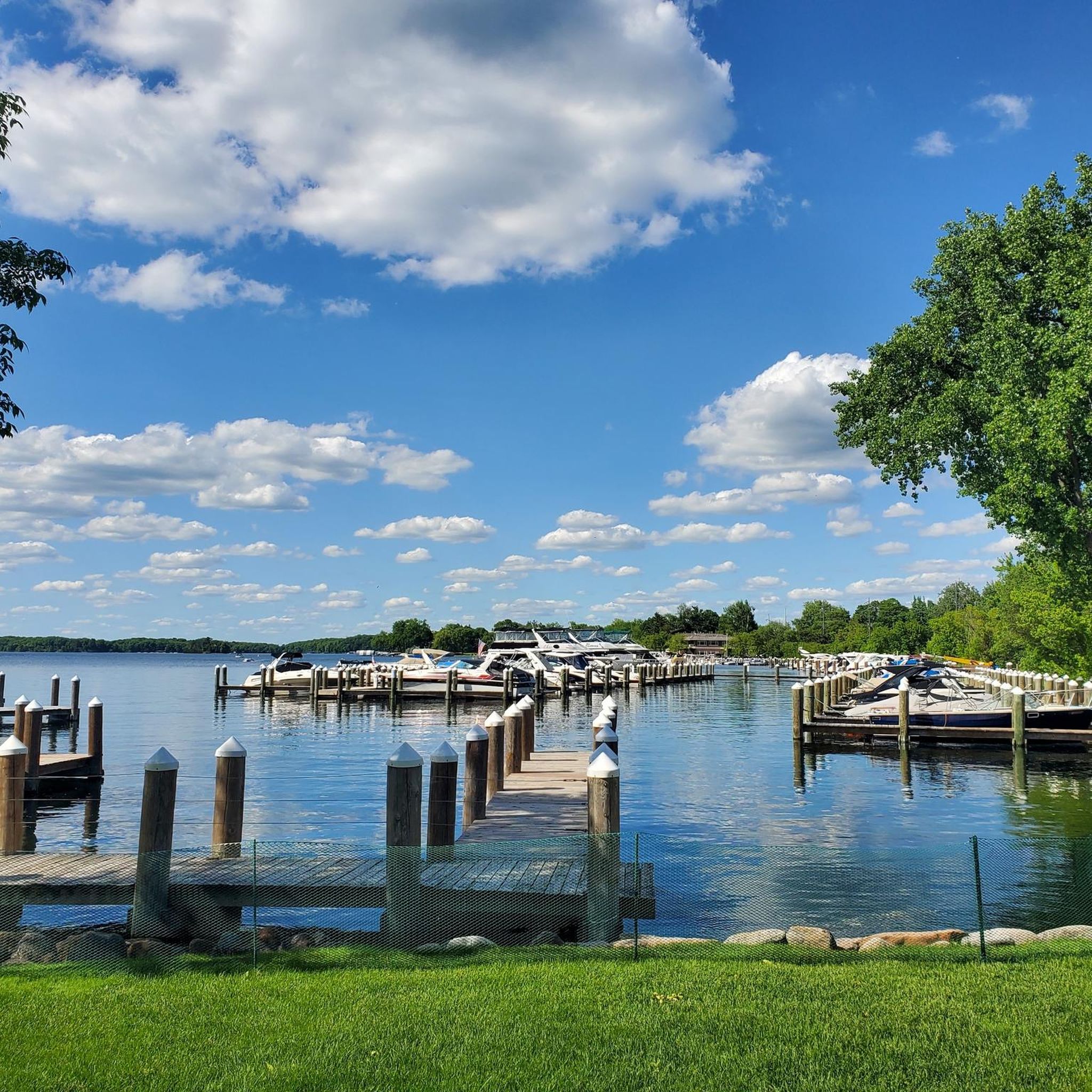
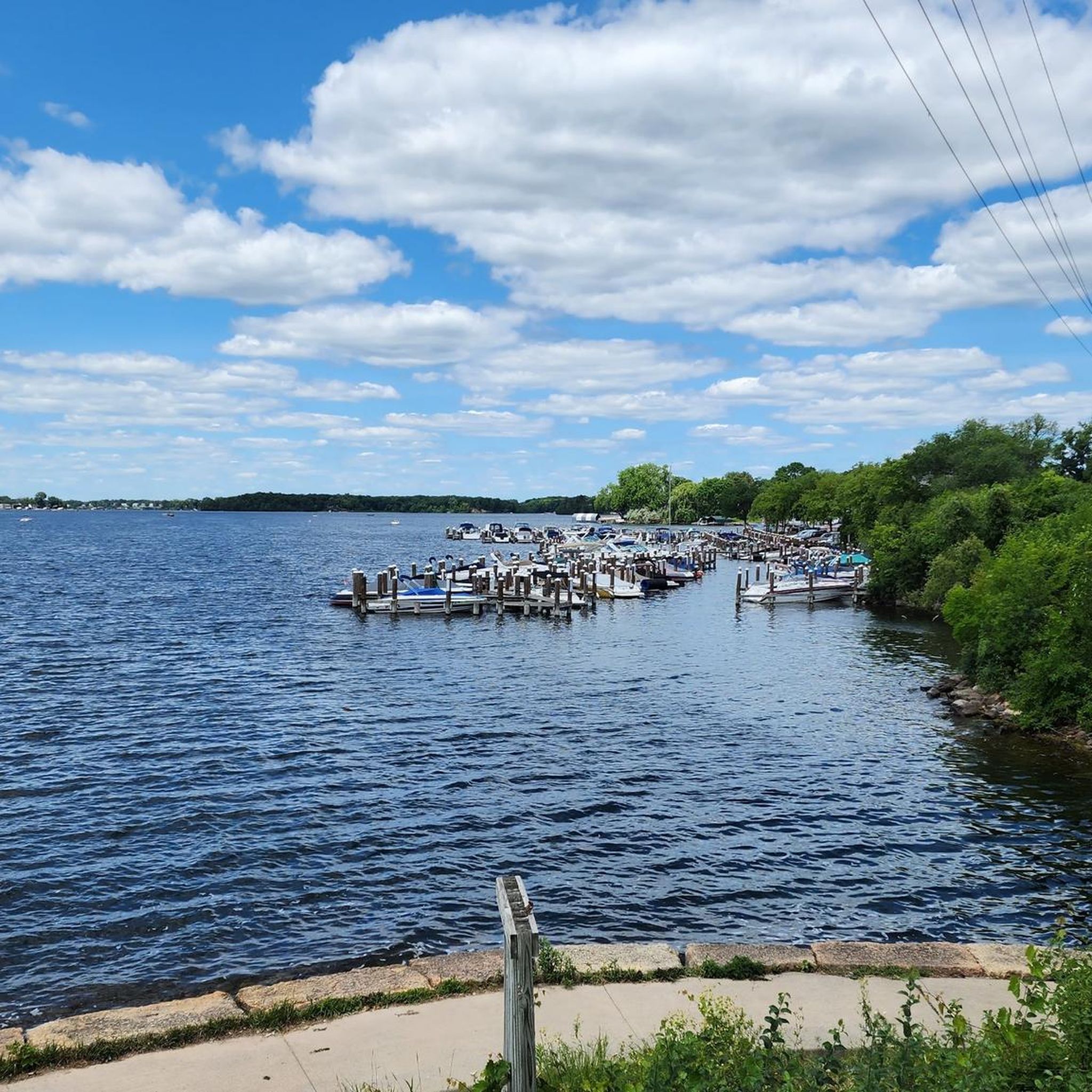
This secluded beach looks perfect for a summer break. Bring your swimsuit!
0
0
Frequently Asked Questions
How many touring cycling routes are available around Excelsior?
There are over 80 touring cycling routes available around Excelsior, Minnesota. These routes cater to various skill levels, with a good mix of easy and moderate options.
What kind of terrain can I expect on touring cycling routes in Excelsior?
The touring cycling routes in Excelsior are primarily characterized by their location on the scenic Lake Minnetonka. Many routes utilize former railroad corridors, providing generally flat and accessible paths. You can expect to ride through diverse landscapes including forested areas, wetlands, mature hardwood forests, and rolling agricultural land, with gentle elevation changes.
What do other touring cyclists say about the routes in Excelsior?
The touring cycling routes in Excelsior are highly rated by the komoot community, with an average score of 4.6 stars from over 80 reviews. Cyclists often praise the scenic lake views, the well-maintained former railroad corridors, and the diverse parkland, including wetlands and mature hardwood forests.
Are there any family-friendly touring cycling routes in Excelsior?
Yes, Excelsior offers many family-friendly touring cycling routes. Over 50 of the routes are classified as easy, making them suitable for families. An excellent option is the Excelsior Brewing – Carver Park Reserve Trail loop from Excelsior, an easy 10.5-mile path that winds through the natural settings of Carver Park Reserve.
Are there any circular touring cycling routes around Excelsior?
Yes, many touring cycling routes in Excelsior are designed as loops, offering convenient starting and ending points. For example, the Arcola Trestle Bridge – Dakota Rail Regional Trail loop from Vine Hill P&R is a popular 25-mile moderate route, and the Carver Park Reserve Trail – Carver Park Reserve loop from Excelsior is a 21.8-mile moderate option.
What natural features or landmarks can I see along the touring cycling routes?
Along the touring cycling routes, you can enjoy scenic views of Lake Minnetonka and explore diverse natural areas. Notable landmarks and features include the Carver Park Reserve Trail, Riley Lake Park, and the Arcola Trestle Bridge. Many trails also traverse wetlands and mature hardwood forests, offering opportunities for wildlife spotting.
What is the best time of year for touring cycling in Excelsior?
Excelsior is a popular spot for cycling in June and July, but spring and fall also offer pleasant conditions with vibrant natural scenery. The region's trails, many of which are paved, are enjoyable throughout the warmer months. Winter cycling is possible on some trails, but conditions may vary.
Are there cafes or places to eat near the touring cycling routes?
Yes, Excelsior's vibrant downtown commercial district, located directly on Lake Minnetonka, offers a variety of shops and restaurants. Many routes start or pass near the town, providing convenient access to cafes and eateries for a break or a post-ride meal.
Where can I find parking for touring cycling routes in Excelsior?
Parking is generally available at various access points for the regional trails. For instance, the Arcola Trestle Bridge – Dakota Rail Regional Trail loop starts from Vine Hill P&R, indicating a parking facility. Many parks like Excelsior Commons and Lake Minnewashta Regional Park also offer parking options.
Are there any longer touring cycling routes for more endurance-focused riders?
Yes, for those looking for longer rides, routes like the Lake of the Isles – Cedar Lake loop from Tonka Bay offer a substantial distance of over 37 miles (60 km), providing a more endurance-focused touring cycling experience.
Can I access touring cycling routes using public transport in Excelsior?
While Excelsior is well-connected by road, specific public transport options directly to trailheads may vary. It's advisable to check local transit schedules and routes, such as those provided by Metro Transit, for the most up-to-date information on accessing the Excelsior area and its cycling trails.
Are there any challenging touring cycling routes in Excelsior?
While many routes are easy to moderate, Excelsior does offer some options with more elevation gain for those seeking a challenge. The region's topography includes gentle elevation changes, but some routes can accumulate up to 1500 feet of elevation, providing a more strenuous ride. There is at least one route classified as difficult among the available options.
Most popular attractions around Excelsior

Get inspired with the komoot mobile app


Explore more
Browse the best Cycling routes in other regions.
