The 12 Most Amazing Peaks around St. Wendel
Best mountain peaks around St. Wendel are found within the Saar-Hunsrück natural area, characterized by a hilly landscape with elevations ranging between 200 and 600 meters. This region offers prominent peaks known for their natural features and recreational opportunities. The area provides diverse terrain for outdoor activities, from accessible plateaus to challenging summits. These elevations contribute to the scenic character of the St. Wendel region, inviting exploration.
Best mountain peaks around St. Wendel
- The most popular mountain peaks is Schaumberg…
Last updated: October 4, 2026
Dollberg – Highest point in Saarland
Highlight • Summit
The incredible 'silence' of nature and the fairytale character of the immediate surroundings make this summit - which …
Translated by Google •
Tip by

Schaumberg Plateau and the Schaumberg Tower
Highlight • Viewpoint
Translated by Google •
Tip by

Sign up now to discover places like this
Get recommendations on the best single tracks, peaks, & plenty of other exciting outdoor places.
Schaumberg Viewing Tower
Highlight • Viewpoint
Translated by Google •
Tip by

Weiselberg Summit and Steinerne Meer
Highlight • Summit
From a geological point of view, the »Steinernes Meer« is a heap of scree made from weathered material from the Weiselberg. From a geological point of view, this …
Translated by Google •
Tip by

Weinhausköpfchen Hill
Highlight • Viewpoint
Translated by Google •
Tip by

View of Schaumberg from the Old Rheinstraße (Roman Road) Rest Area
Highlight • Viewpoint
Translated by Google •
Tip by

Summit Picnic Area at Dollberg
Highlight • Summit
Translated by Google •
Tip by

View of Schaumberg and Tholey from the rest area
Highlight • Viewpoint
The Schaumberg (the "local mountain" of the Saarland) is one of the highest peaks in the Saarland with a height of 569m. In Celtic …
Translated by Google •
Tip by
Start and finish of the Weiselberg Summit Tour
Highlight • Trail
The approximately 16 km long Weiselberg summit tour in Oberkirchen leads through a varied hilly landscape around the Weiselberg (569m). Light-flooded beech forests allow spectacular views over and over …
Translated by Google •
Tip by
Sengert
Highlight • Viewpoint
Showing Translation
Tip by

Sign up for free to discover even more peaks around St. Wendel.
Already have an account?
Start today with a free account
Your next adventure awaits.
Popular around St. Wendel
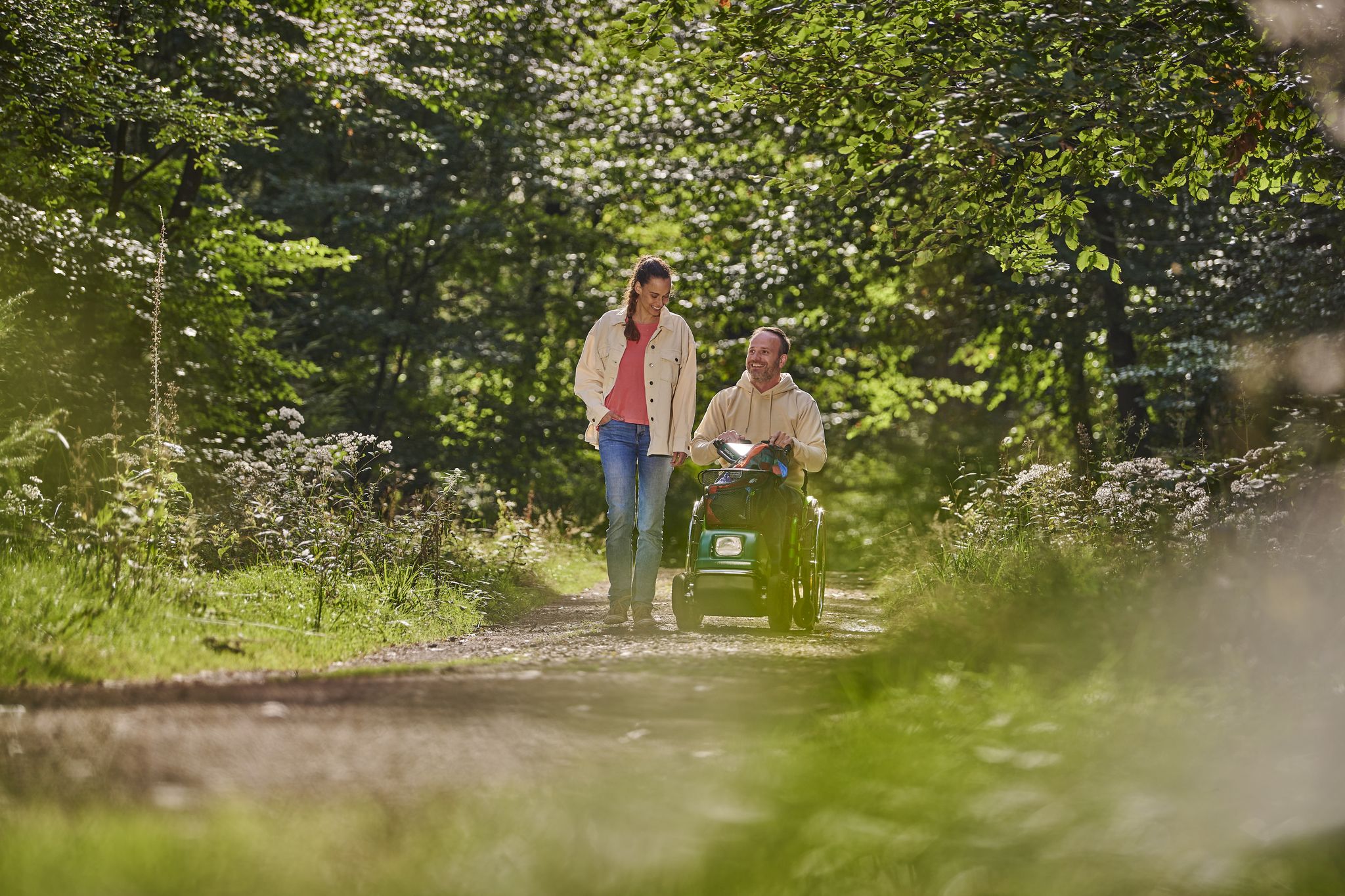
Experience nature without detours - barrier-free adventures in Saarland
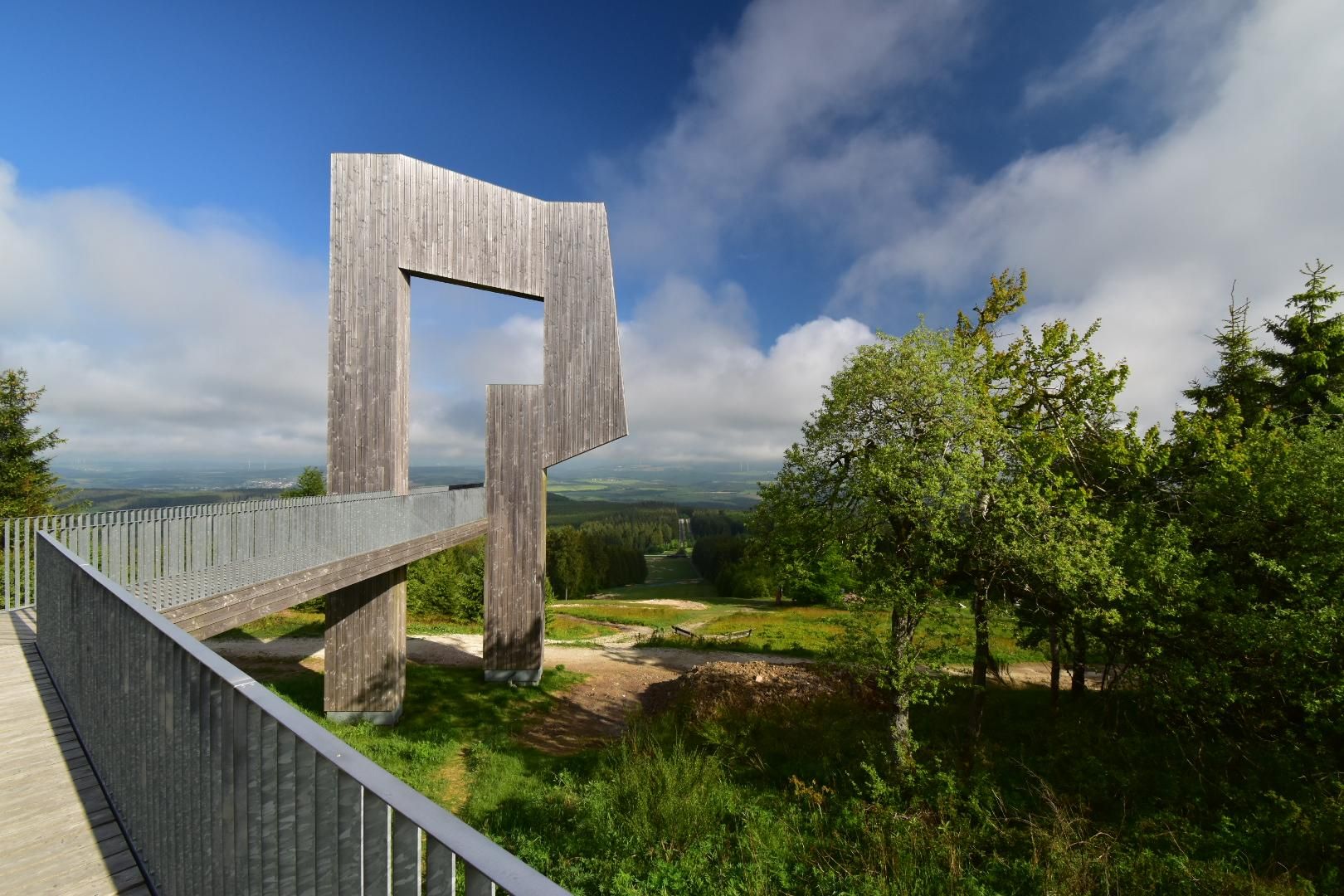
Saar-Hunsrück Climb – Hike in Germany where culture and nature meet
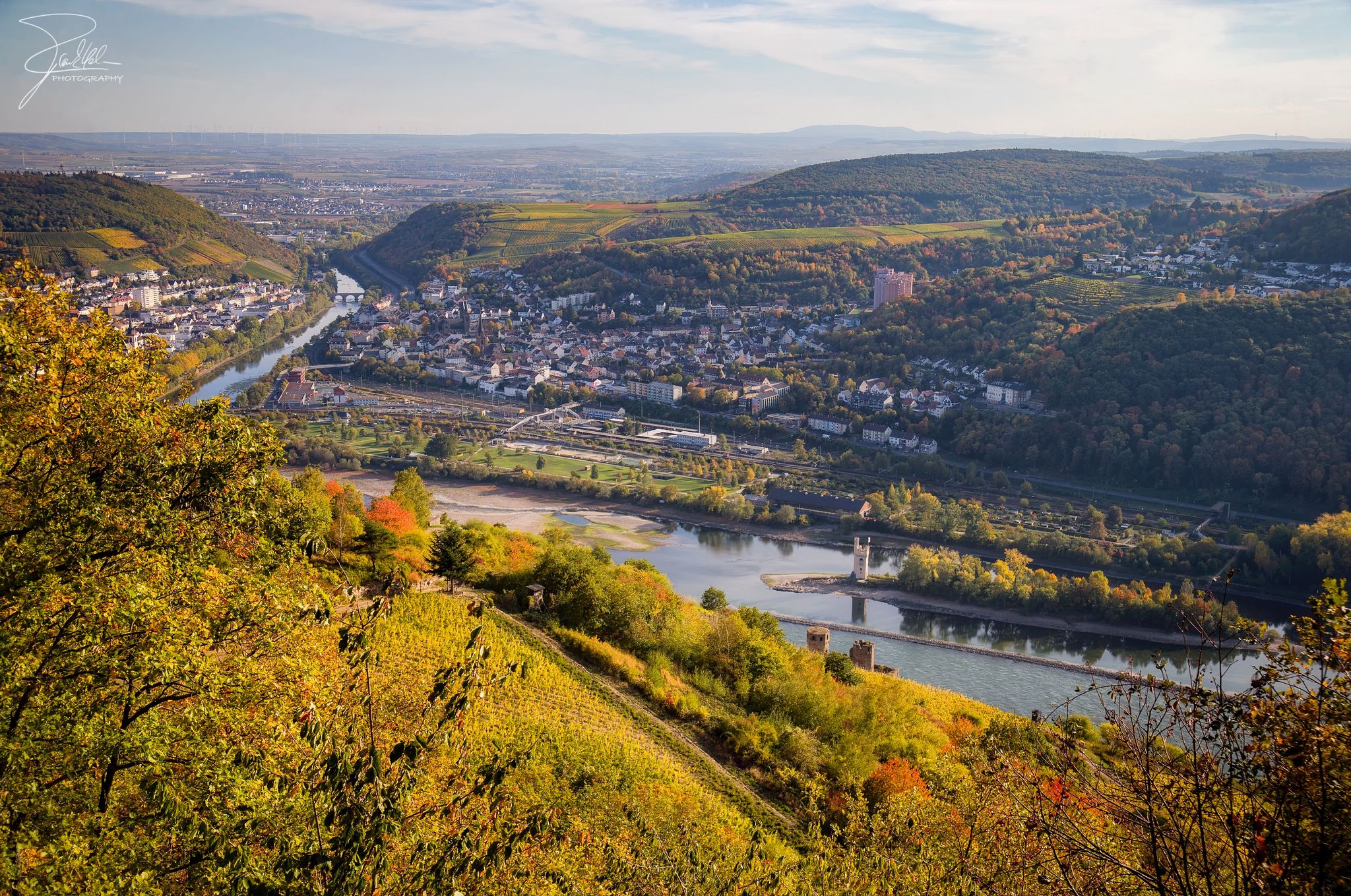
The Nahe Cycle Path – Between Rocks and Vines
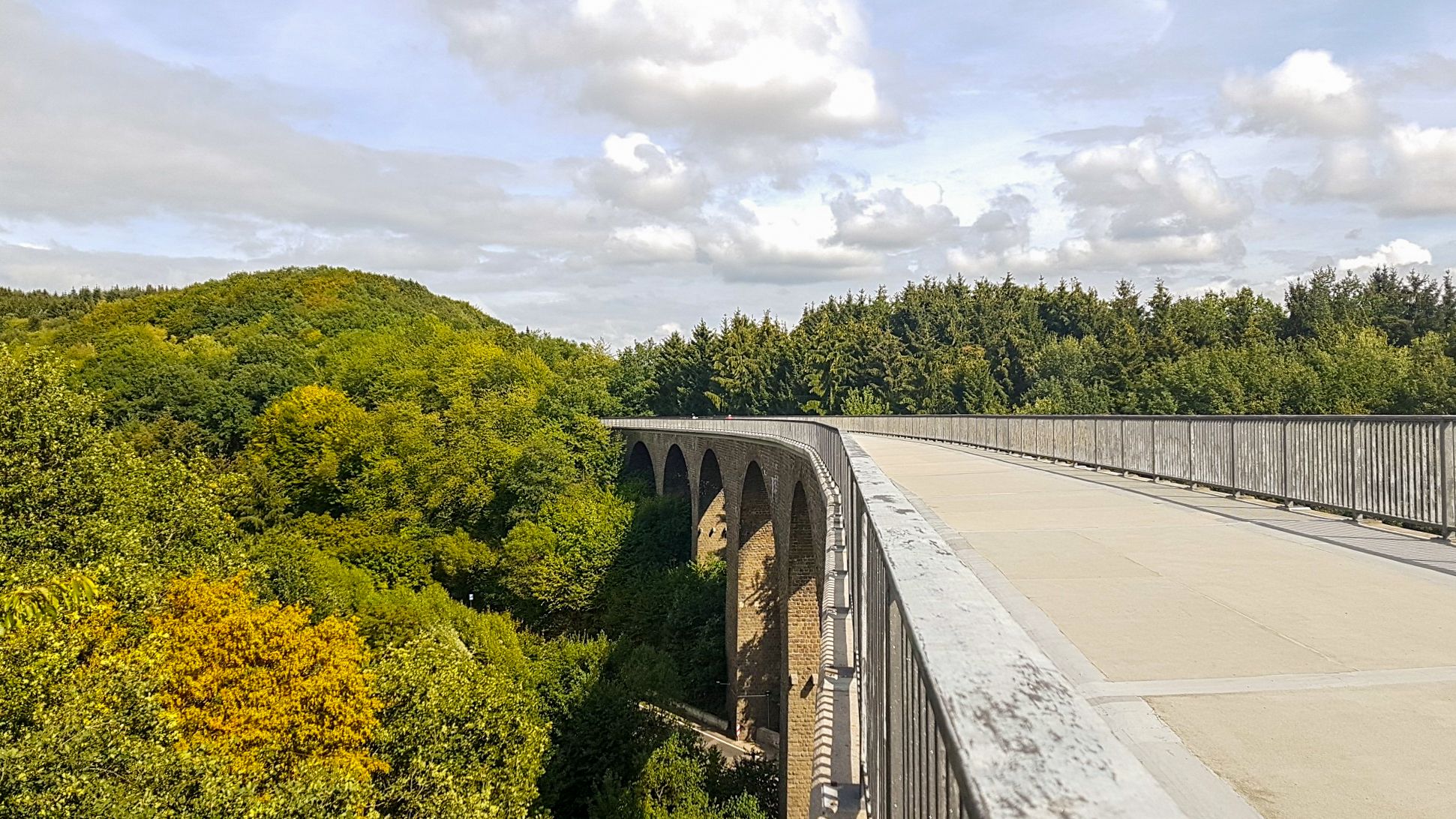
Saarland Cycle Path — Small country, big tour on 7 stages
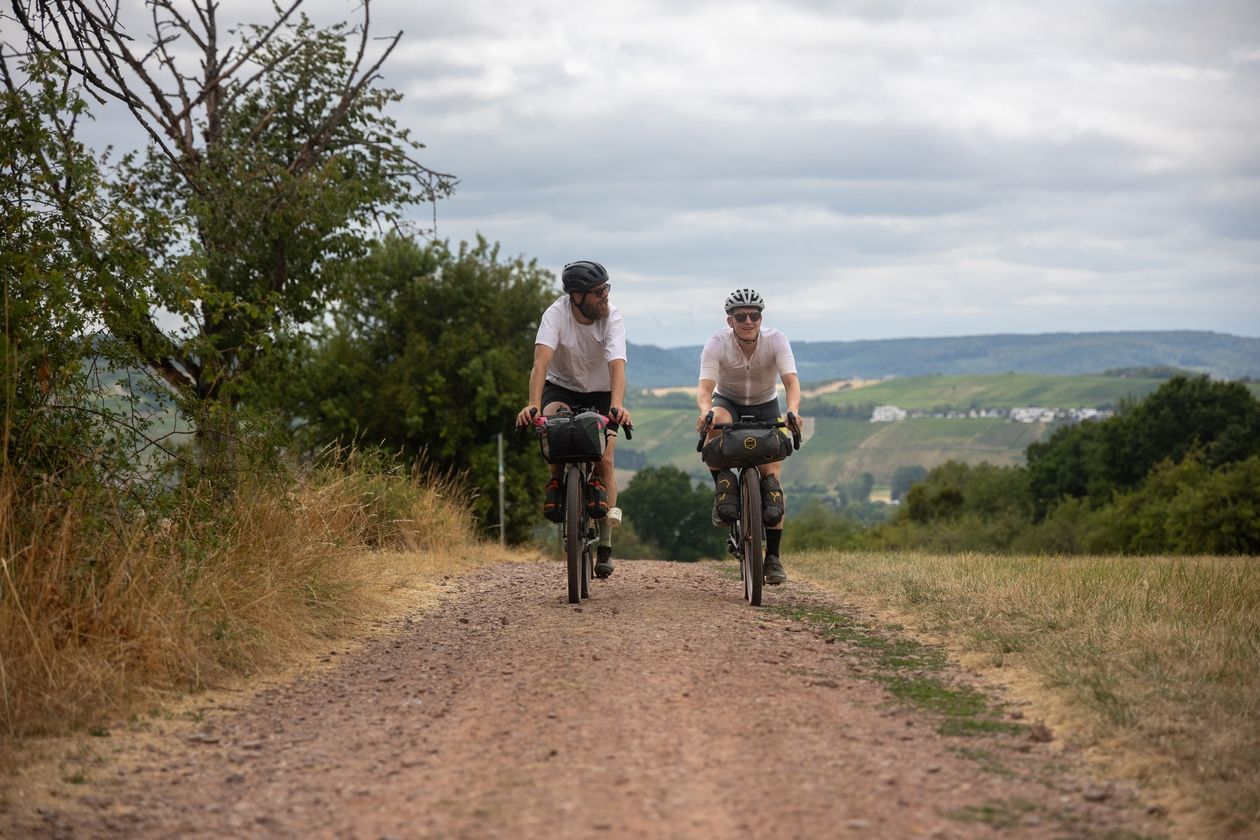
Saarland Gravel Loop: a three-border bikepacking tour
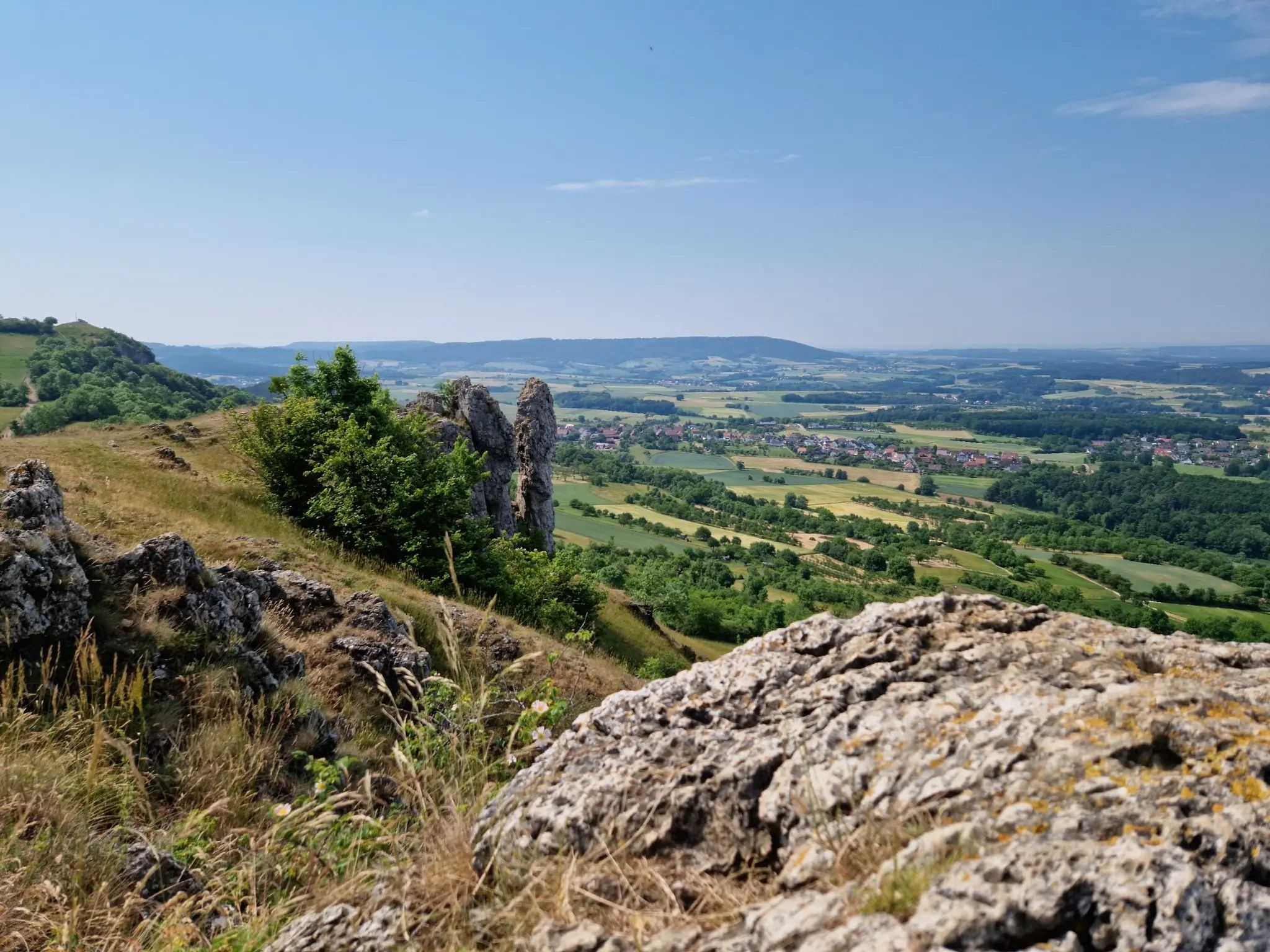
Ten fantastic hikes throughout Germany
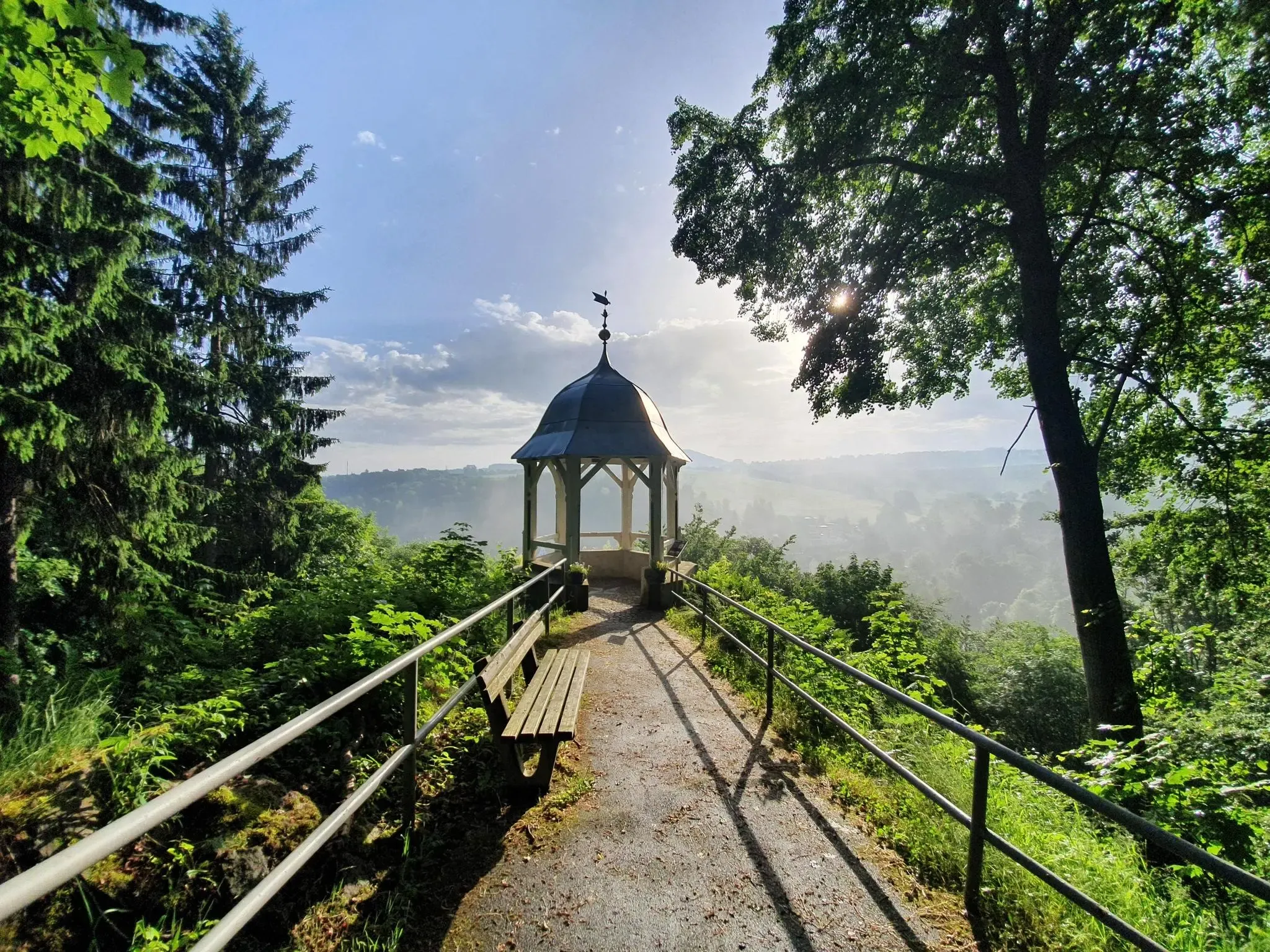
#GoFurther – discover the views of Germany!
Pilgrimage in Saarland – the Way of St. James to Saarbrücken
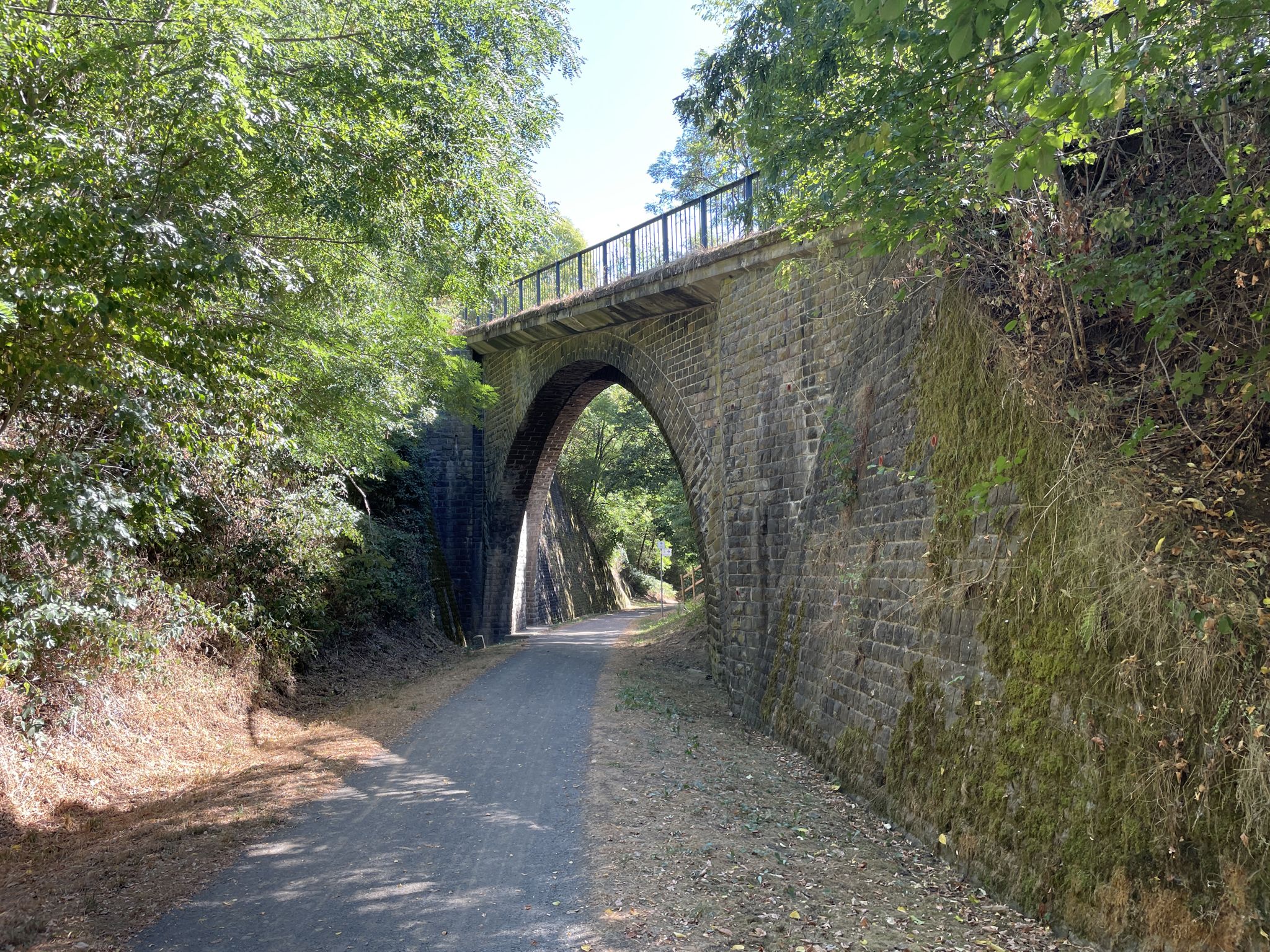
A leisurely cycle along an old railway line – Fritz Wunderlich Cycle Route
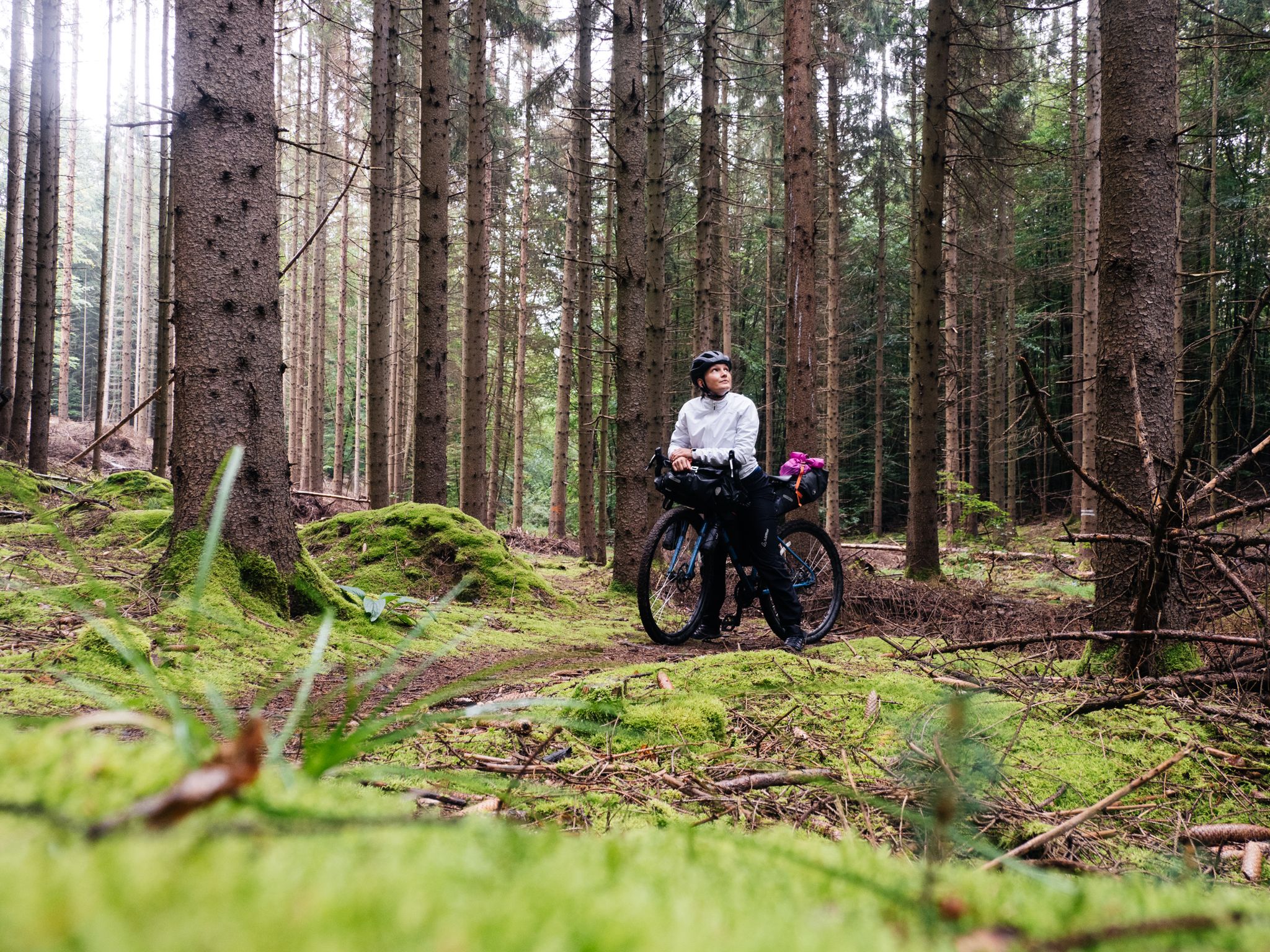
Gravel and bikepacking at its best on Germany’s Saarland Circuit
Other adventures around St. Wendel


Tips from the Community

Bei Nebel besonders schön hier oben, wirkt dann ein wenig verwunschen.
0
0

Probably the highest seating option in Saarland.
0
0

great trail for running
0
0

The Sengert (approx. 516–530 m) is a mountain in the Sankt Wendeler Land near Selbach (Nohfelden, Saarland), known as a viewpoint on the Nahequelle-Pfad. It offers panoramic views of the Eberskopf and the Peterberg. The mountain is a popular destination for hikers and cyclists, with paths through forests and open fields.
1
0

I thought this was the highest point 😂
0
0

The highest point in Saarland is located in a very quiet forest. Without the sign you probably wouldn't notice it.
8
0

The Schaumberg is a prominent peak in Saarland, often considered one of the region's outstanding geographical features. A beautiful view of the Schaumberg can be enjoyed in many parts of Saarland, especially around places like Bostalsee or Marpingen.
3
0
The "Schaumbergblick" is a popular viewing point and tourist highlight in Saarland, which is especially known for its breathtaking views of the surrounding landscape.
2
0
Frequently Asked Questions
What are the most prominent mountain peaks to visit in the St. Wendel district?
The St. Wendel district features several notable peaks. The Schaumberg Plateau and the Schaumberg Tower is a popular choice, known for its panoramic views and facilities. The Dollberg – Highest point in Saarland offers a tranquil forest experience as the highest elevation in the district. Another interesting peak is Weiselberg Summit and Steinerne Meer, featuring a unique geological formation.
Are there any family-friendly mountain peaks or trails in the St. Wendel region?
Yes, the Schaumberg Plateau and the Schaumberg Tower is particularly family-friendly. It features the 'Herzweg,' a 3 km barrier-free path around the plateau, making it accessible for various ages and mobility levels. The site also has a restaurant and exhibitions.
What kind of views can I expect from the mountain peaks in St. Wendel?
From the Schaumbergturm on Schaumberg, you can enjoy extensive panoramic views stretching across Saarland to the Palatinate Forest, the Vosges, and the Hunsrück. Other peaks like Hellerberg, due to its high prominence, also offer distinct viewpoints of the surrounding landscape.
Are there historical or cultural sites on or near the mountain peaks?
The Schaumberg has a rich history, with traces of Celtic and Roman settlements found on its slopes. In the Middle Ages, a castle, the Schauenburg, stood there. The Schaumbergturm also hosts permanent exhibitions, including one on the friendship between Germany and France.
What unique natural features can be found on the mountain peaks around St. Wendel?
The Weiselberg Summit is home to the 'Steinernes Meer' (Stone Sea), a fascinating geological formation of scree from weathered material, which is a work of the Ice Age. The Schaumberg itself is a striking conical mountain of volcanic origin.
What outdoor activities are available near the mountain peaks in St. Wendel?
The St. Wendel region offers diverse outdoor activities. You can find numerous running trails, including the challenging Primstalsperre Dam loop or the moderate Lake Bostal loop. For cyclists, there are routes like the easy Wendelinus cycle path or the longer Sankt Wendeler Land Railroad cycle path. Explore more options on the Running Trails around St. Wendel and Cycling around St. Wendel guides.
Are there specific hiking trails recommended for exploring the peaks?
Yes, for example, the Weiselberg Summit Tour offers a challenging route to the Weiselberg. The Schaumberg plateau also features the 'Herzweg,' a barrier-free path. Many peaks are integrated into the broader network of hiking trails in the Saar-Hunsrück natural park.
Is there a mountain peak easily accessible from the town of St. Wendel?
Yes, the Bosenberg hill, at 485 meters, is the highest point within the town of St. Wendel itself. It features an extensive network of walking and hiking trails directly connected to a quiet forest landscape, providing an easily accessible natural escape close to the town center.
What do visitors particularly enjoy about the mountain peaks in St. Wendel?
Visitors appreciate the panoramic views, especially from the Schaumberg Tower. The natural silence and fairytale-like character of areas like Dollberg are also highly valued. The unique geological formations at Weiselberg and the wild, romantic forests offer a sense of discovery and tranquility.
Are there any facilities or amenities available at the mountain peaks?
The Schaumberg Plateau is well-equipped with the 'Schaumberg Alm,' a gastronomy operation, and facilities for charging e-bike batteries. There is also a Summit Picnic Area at Dollberg, offering a place to rest and enjoy the surroundings.
What is the highest point in the St. Wendel district?
The highest point in the St. Wendel district is the Dollberg, with an elevation of 620 meters (2,034 feet). It is known for its natural silence and forest surroundings, offering a peaceful experience for hikers.
Can I find information about the geology of the St. Wendel mountain peaks?
Yes, the Weiselberg Summit and Steinerne Meer is a prime example. The 'Steinernes Meer' is a geological formation of scree from weathered material, a result of Ice Age processes. The very hard rock found here, known as 'Weiselbergite,' is unique to the region.
Most popular routes around St. Wendel
Most popular attractions around St. Wendel

Get inspired with the komoot mobile app


Didn’t find what you were looking for?
Discover St. Wendel’s best peaks and summits by region:
Explore more
See even more amazing summits around St. Wendel with these guides:
