Top 20 Natural Monuments in the Märkischer Kreis
Natural monuments in the Märkischer Kreis are found within the Sauerland mountain range, offering diverse geological formations, ancient trees, and extensive cave systems. This region provides opportunities for exploration and insight into its natural history. The landscape features impressive rock formations, deep valleys, and numerous reservoirs. Visitors can experience the varied terrain and unique natural features of the area.
Best natural monuments in the Märkischer Kreis
- The most popular natural monuments is Felsenmeer (Hemer), a natural monument that features…
Last updated: July 23, 2026
Feldhof Cave
Highlight • Cave
Translated by Google •
Tip by

Felsenmeer (Hemer)
Highlight • Natural Monument
Translated by Google •
Tip by

Sign up now to discover places like this
Get recommendations on the best single tracks, peaks, & plenty of other exciting outdoor places.
Sign up for free
Seven Maidens Rock Formation
Highlight • Natural Monument
Translated by Google •
Tip by

Bridge across the Felsenmeer (Hemer)
Highlight • Bridge
Translated by Google •
Tip by

Hexenteich (Witch Pond), Menden
Highlight • Lake
Translated by Google •
Tip by

Genkel Reservoir
Highlight • Lake
Translated by Google •
Tip by

View of the Blue Lagoon in the Asbeck Quarry
Highlight • Viewpoint
The torture up the mountain has paid off.
Translated by Google •
Tip by

Lingese Reservoir
Highlight (Segment) • Lake
Translated by Google •
Tip by

Glör Dam
Highlight • Monument
Translated by Google •
Tip by

Stilleking Heck Cattle Meadows
Highlight • Natural Monument
Translated by Google •
Tip by

Sign up for free to discover even more natural monuments in the Märkischer Kreis.
Sign up for free
Already have an account?
Start today with a free account
Your next adventure awaits.
Login or Signup
Popular around Märkischer Kreis
Germany's Sauerland Forest Route – Views and discoveries
The Lenneroute – From mountains to the Ruhr through the Sauerland
High trails and deep views – hiking in the Märkisches Sauerland
One Way Wanderlust: hiking in the Sauerland by public transport
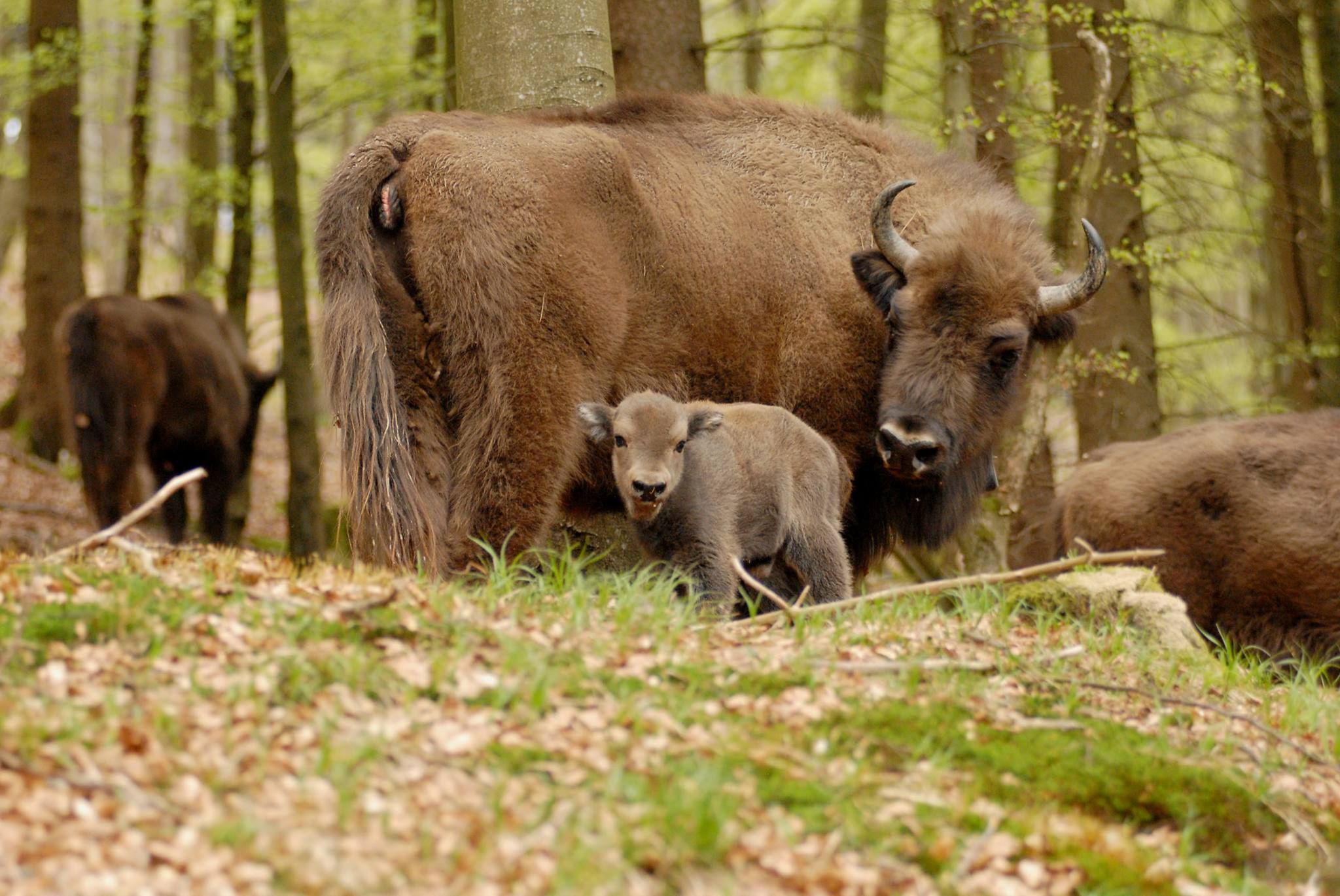
Wild Sauerland - Animal Encounters While Hiking
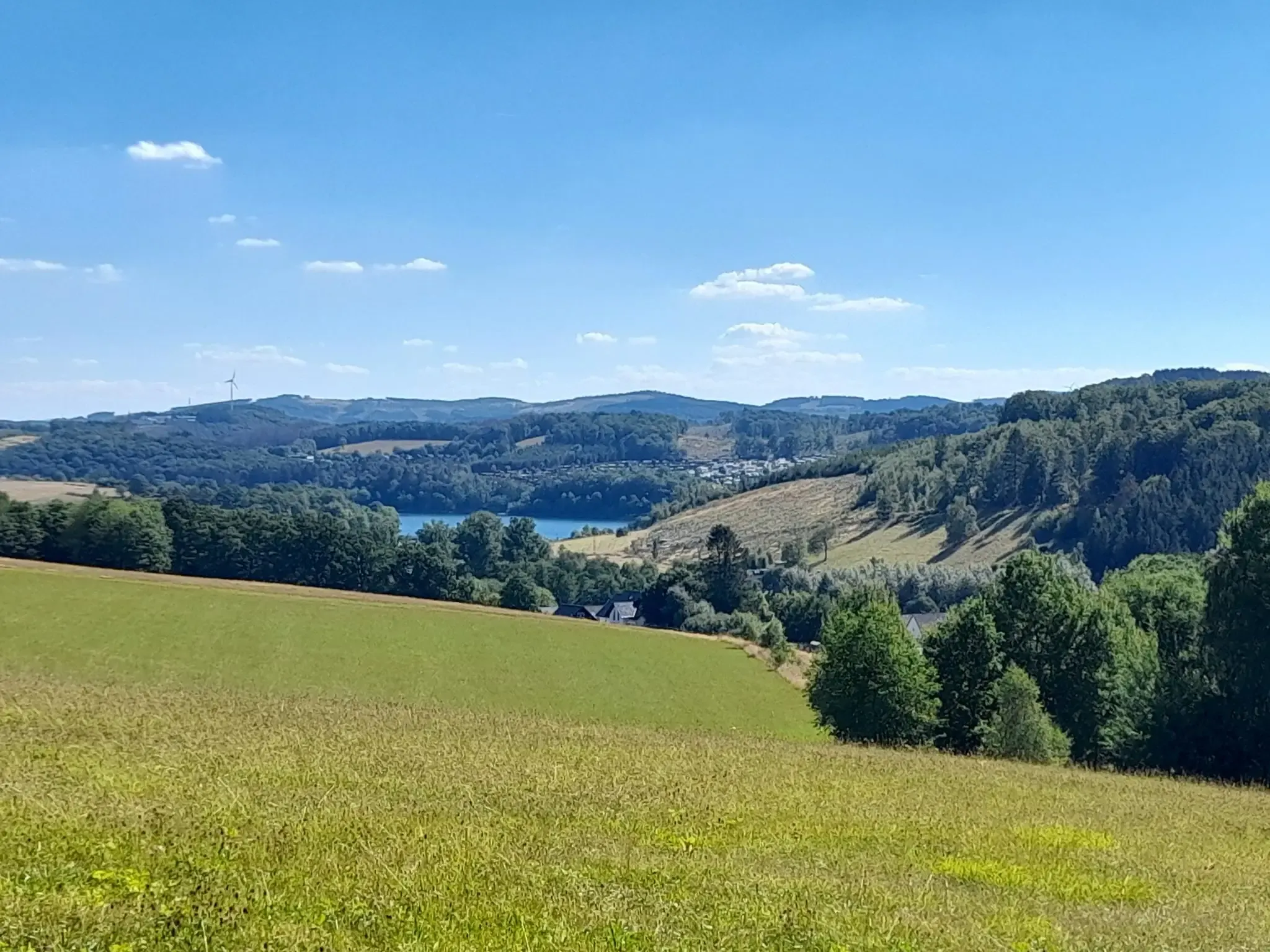
The big D: forest paths and water views in southern Sauerland
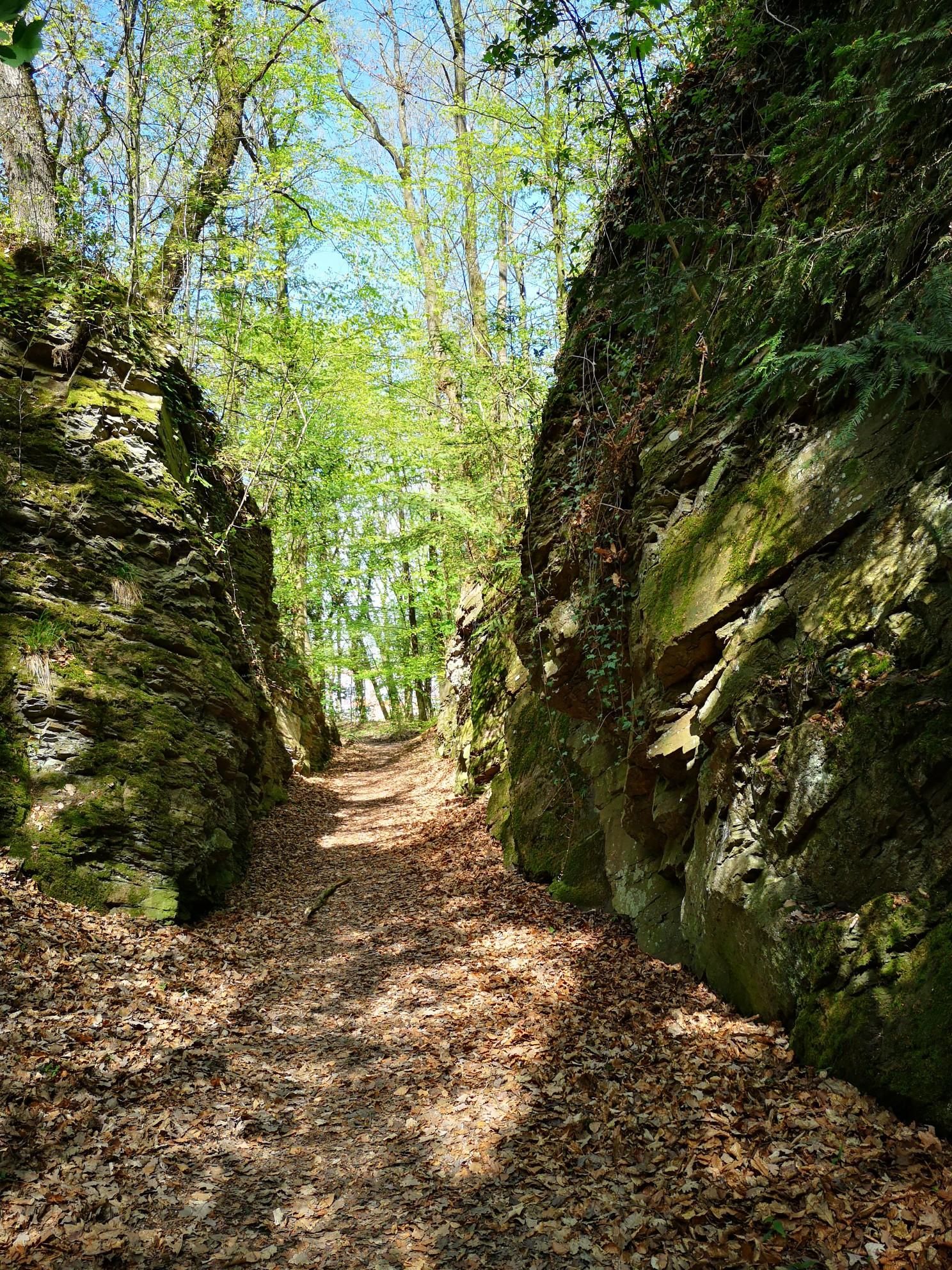
Between Seilersee and Danzturm - Trailrunning Trilogy around Iserlohn
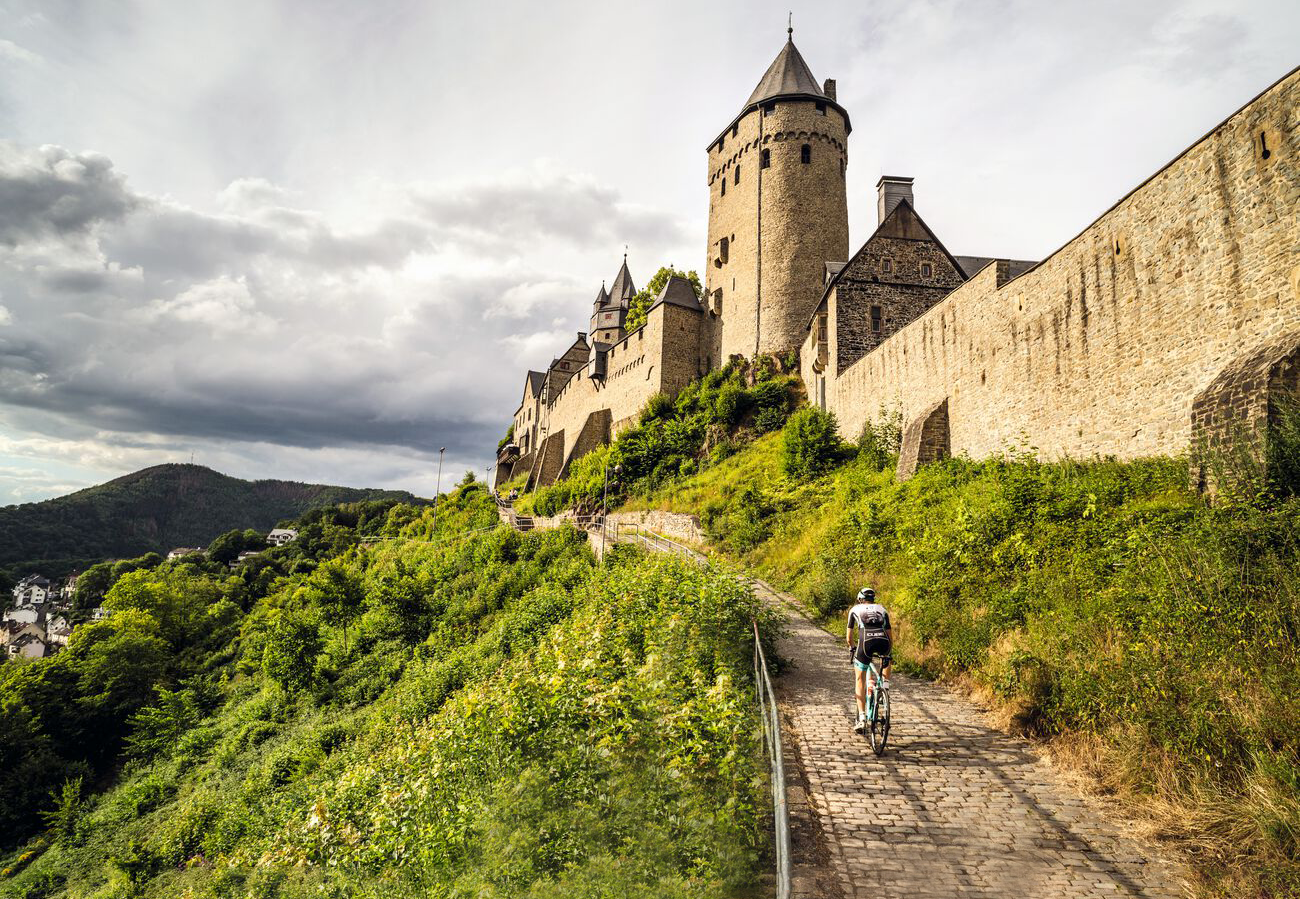
Road bike tours in Märkisches Sauerland
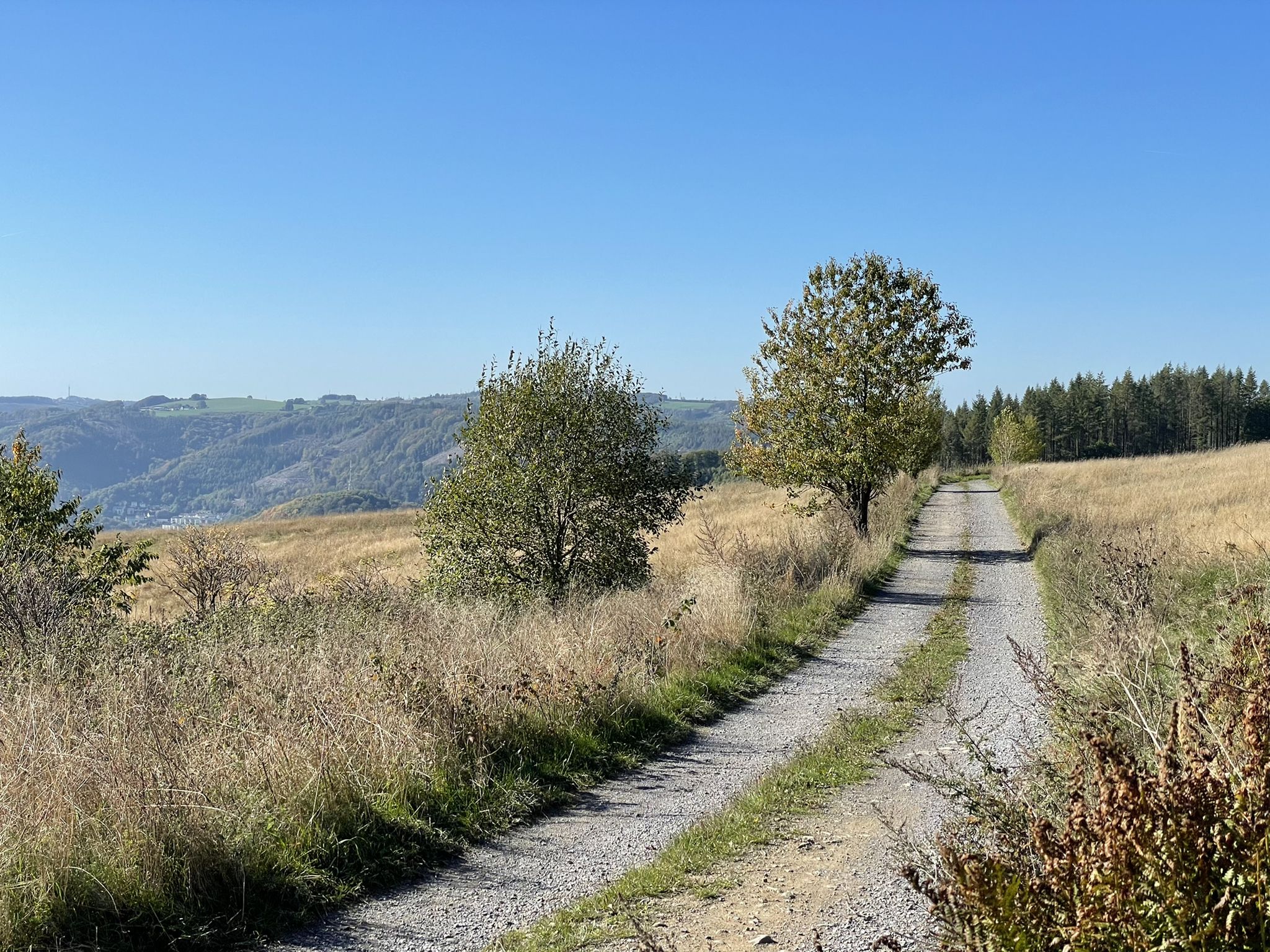
Harkortweg (X 17)
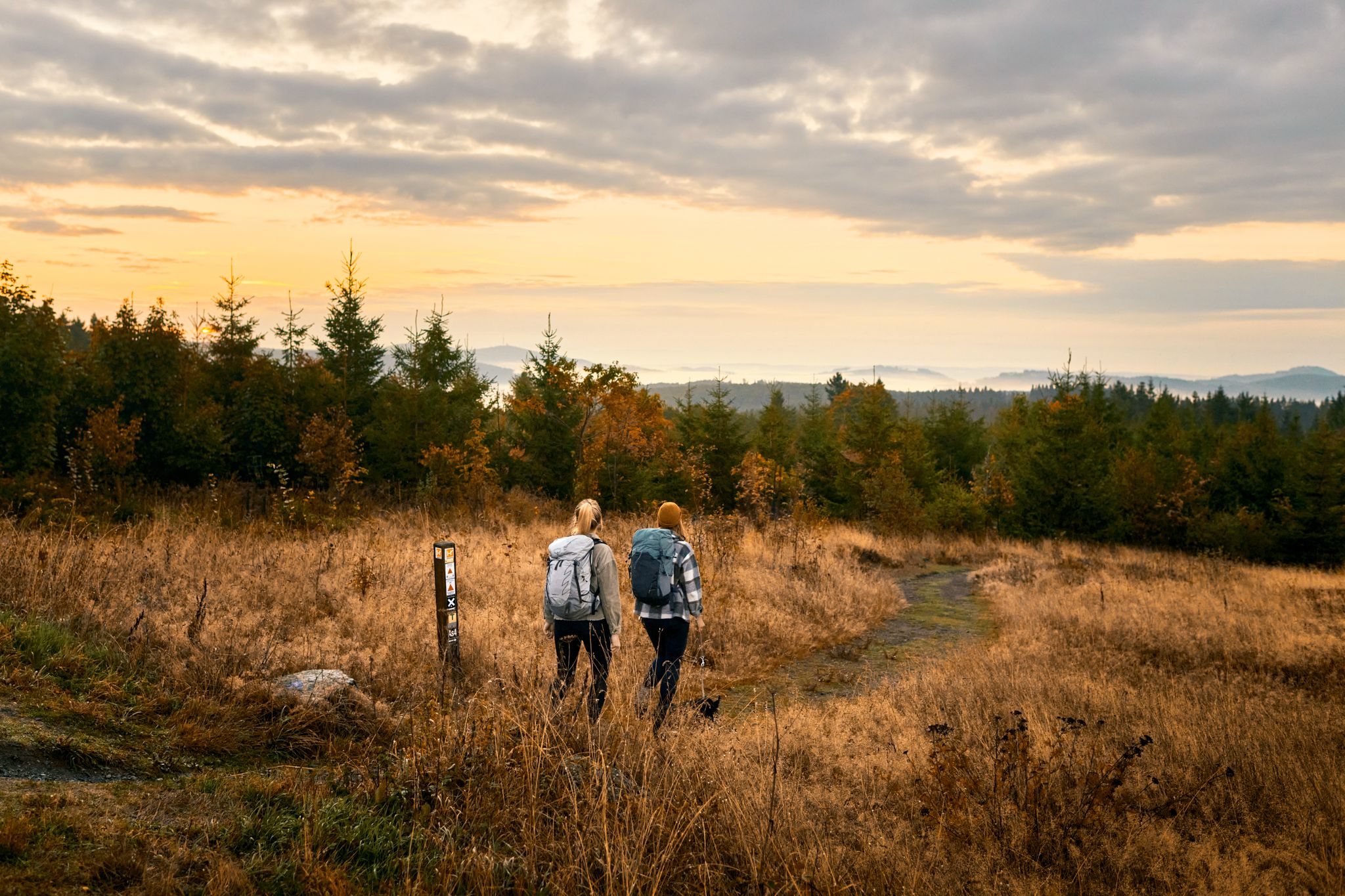
Feels like flying – hiking on the Sauerland–Höhenflug
Other adventures in the Märkischer Kreis


Tips from the Community

The Felsenmeer is characterized by mass limestone, a rock layer up to 1000 m thick made of 380 million year old reef limestone (Devonian), in which weathering by carbonated water created both the Felsenmeer and the Heinrichshöhle. Beneath the Felsenmeer lies a widely branched cave system in which the cave clay has been enriched with ore gravel. This is one of the reasons why you must not leave the paths here! Iron ore mining was carried out here from the 11th to the 19th century.
4
0

The Felsenmeer in Hemer, a unique natural monument in the Sauerland, combines natural history and cultural aspects in a fascinating way. The geological formation of this remarkable geotope goes back millions of years and is the result of the weathering of limestone through dissolution processes. Rainwater, enriched with carbon dioxide from the atmosphere, turns into a weak acid that dissolves limestone and thus forms the characteristic rock formations of the Felsenmeer. The impressive landscape forms that are now known as the Felsenmeer were created over geological periods of time. This nature reserve is not only a prime example of the dynamic forces of earth's history, but also a place full of legends. One of the stories is about dwarves who searched for precious metals under the rocks and giants who wanted to steal these treasures. The legendary dwarf king Alberich is said to have caused the ceiling of the rock hall to collapse with a magic spell, burying the giants under the rocks and creating the Felsenmeer. Visitors can explore the Felsenmeer via a variety of paths, including a wooden walkway that leads directly over the cliffs and rocks. There is also a viewing platform and an upper bridge that are barrier-free, so visitors with limited mobility can also enjoy the nature reserve. Dogs are allowed on a leash, and there is a large, free car park at the neighboring Sauerland Park. The Felsenmeer Hemer is a special experience in every season, be it snowy, in the colorful autumn forest, or in the lush green of summer. The cliffs and caves of the Felsenmeer are part of the impressive karst landscape, which visitors can explore in more detail on display boards. Recognition as a "Significant Geological Monument of Germany" and as a "National Geotope" underlines the unique importance of this natural monument and its position as one of Germany's outstanding natural wonders.
8
1
The Felsenmeer in Hemer, a unique natural monument in the Sauerland, combines natural history and cultural aspects in a fascinating way. The geological formation of this remarkable geotope dates back millions of years and is the result of the weathering of limestone through dissolution processes. Rainwater, enriched with carbon dioxide from the atmosphere, turns into a weak acid that dissolves limestone, forming the characteristic rock formations of the Felsenmeer. Over geological periods, the impressive landforms that are now known as the Sea of Rocks emerged. This nature reserve is not only a prime example of the dynamic forces of earth's history, but also a place full of legends. One of the stories is about dwarves who searched for precious metals under the rocks and about giants who wanted to steal these treasures. The legendary dwarven king Alberich is said to have used a magic spell to cause the ceiling of the rock hall to collapse, which buried the giants under the rocks and created the sea of rocks. Visitors can explore the Sea of Rocks on various paths, including a wooden walkway that leads directly over the cliffs and rocks. There is also a viewing platform and an upper bridge that are barrier-free, allowing visitors with limited mobility to enjoy the nature reserve. Dogs are allowed on a leash, and there is a large, free parking lot at the neighboring Sauerland Park. The Felsenmeer Hemer is a special experience in every season, be it snowy, in the colorful autumn forest or in the lush green of summer. The cliffs and caves of the Felsenmeer are part of the impressive karst landscape, which visitors can explore in more detail on display boards. The recognition as an "Important Geological Monument of Germany" and as a "National Geotope" underlines the unique significance of this natural monument and its position as one of Germany's outstanding natural wonders.
6
1

The Felsenmeer in Hemer-Sundwig is in the immediate vicinity of the Sauerland Park, the Felsenmeermuseum and the Heinrichshöhle. It is a forested geotope with heavily fissured subsoil and numerous visible rock formations, which dates back to the Tertiary period. The area of the rock sea covers around 35 hectares, is around 600 meters long, 200 meters wide and lies 45 meters above the valley floor. It is divided into three sub-areas, the Great Sea of Rocks in the northwest, the Small Sea of Rocks in the south and the Paradise in the southeast.
9
2

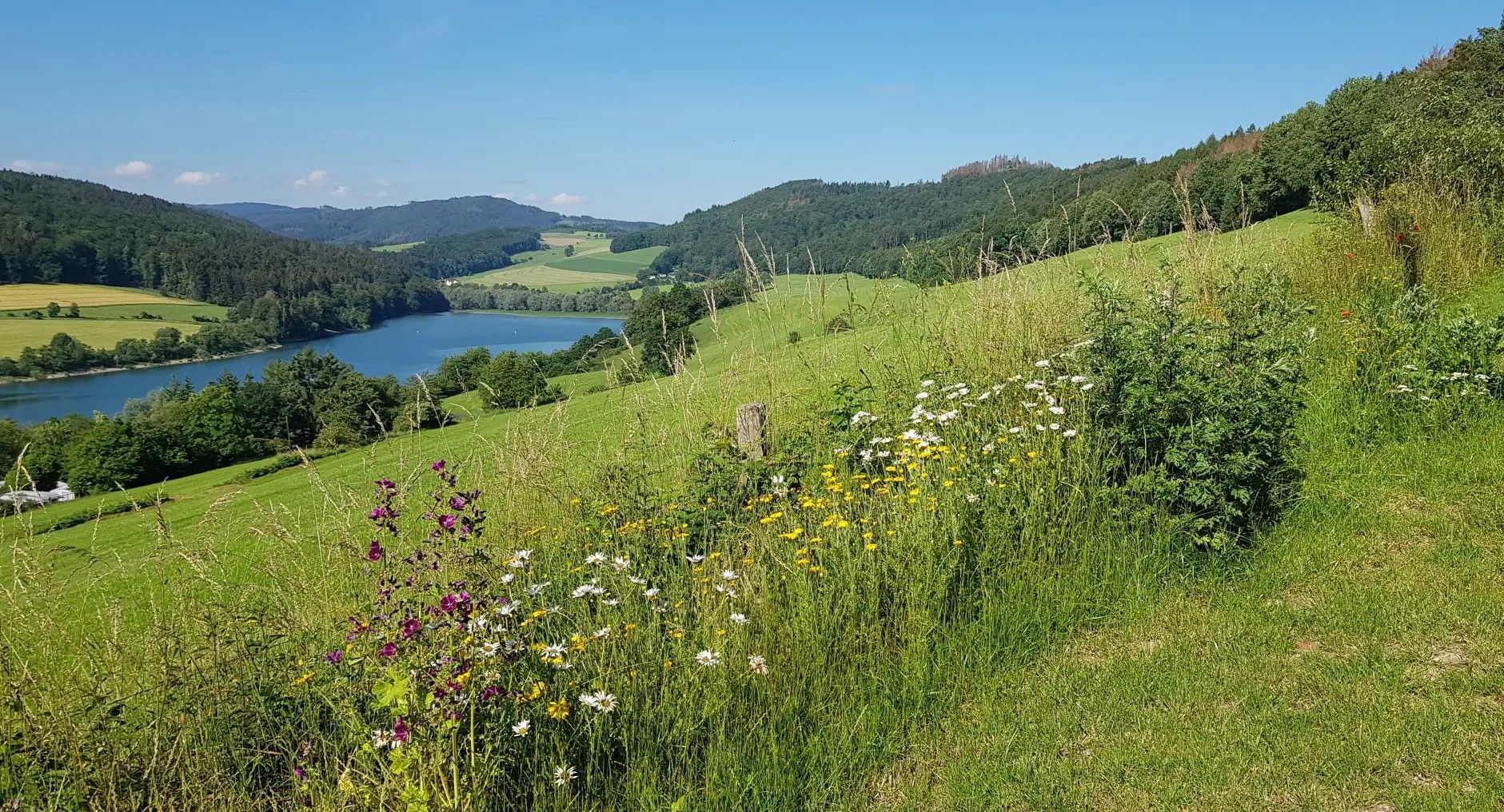
If you don't just love asphalt and if you also like to drive on non-asphalted paths, you can only suggest going around the reservoir (approx. 10km). Again and again there are beautiful views of the lake.
10
0

Incredibly beautiful geotope. The rock formations are quite impressive. On the one hand, you can marvel at it through a viewing platform, and on the other hand, through a footbridge and a bridge. To the north you can easily park in the hiking car park at Sauerland Park. There are a few caves to the south-west. The Heinrichshöhle can be visited with a guided tour.
9
0

Great place, while most of the rocks are separated from the path by a fence for a good reason, there is a lot to marvel at and the bridge through the rocks is a real highlight!
8
1

A nice interesting walk also the children will like it
8
1
Frequently Asked Questions
What are some of the most impressive natural features to explore in the Märkischer Kreis?
The Märkischer Kreis is home to diverse natural features. You can explore the unique karst landscape of Felsenmeer (Hemer), a 'sea of rocks' with cliffs and caves. The region is also renowned for its extensive cave systems, such as the Feldhof Cave, and scenic reservoirs like the Genkel Reservoir.
Are there any family-friendly natural attractions in the Märkischer Kreis?
Yes, several natural monuments are suitable for families. The Felsenmeer (Hemer) is a great option, with wooden footbridges for exploration and information boards. The Bridge across the Felsenmeer (Hemer) is also noted as enjoyable for children. Additionally, many of the reservoirs, like the Genkel Reservoir and Lingese Reservoir, offer pleasant surroundings for family outings.
What kind of historical natural monuments can I find in the region?
Beyond geological formations, the Märkischer Kreis features natural monuments with historical significance. The Felsenmeer (Hemer) has a history tied to centuries-long iron ore mining. You can also find ancient trees like the Gerichtslinde in Neuenrade, a 900-year-old lime tree that served as a place of judgment, and the Hexenteich (Witch Pond) in Menden, which also holds historical connections.
Are there opportunities for hiking or cycling near the natural monuments?
Absolutely. The Märkischer Kreis offers miles of hiking and Nordic walking trails, with elevations up to 700 meters. For cycling, you can find numerous routes. For example, explore MTB Trails, Road Cycling Routes, or Gravel Biking routes throughout the region, many of which pass by or offer access to these natural sites.
What is the best time of year to visit the natural monuments in Märkischer Kreis?
Many natural monuments, such as the Felsenmeer (Hemer), are accessible year-round. While spring and summer offer lush greenery and pleasant temperatures for outdoor activities, autumn provides beautiful foliage, especially in areas like the Hönnetal. Winter can also be a unique time to visit, though some cave tours might have seasonal hours.
Can I bring my dog to the natural monuments?
Yes, dogs on a leash are permitted at the Felsenmeer (Hemer). It's generally advisable to keep dogs on a leash in protected natural areas and to check specific regulations for other sites, especially caves or nature reserves, before your visit.
Where can I find scenic viewpoints in the Märkischer Kreis?
The region offers several scenic viewpoints. The View of the Blue Lagoon in the Asbeck Quarry provides stunning vistas of a deep, intensely blue lake. Other highlights like the Seven Maidens Rock Formation and various reservoir trails also offer picturesque views of the landscape.
Are there any accessible natural monuments for visitors with mobility challenges?
The Felsenmeer (Hemer) features wooden footbridges, and the Bridge across the Felsenmeer (Hemer) is noted as wheelchair accessible, allowing visitors to experience this unique geological site. It's always recommended to check specific accessibility details for other locations before planning your trip.
What do visitors enjoy most about the natural monuments in Märkischer Kreis?
Visitors frequently appreciate the unique geological formations, such as the impressive boulders and ravines at Felsenmeer (Hemer). The extensive cave systems, like the Feldhof Cave, are also highly rated for their exploratory appeal. The scenic views from places like the Blue Lagoon in the Asbeck Quarry and the overall natural beauty of the Sauerland region are also popular highlights.
Are there any notable ancient trees in the Märkischer Kreis?
Yes, the region is home to several ancient trees with historical significance. Besides the Gerichtslinde in Neuenrade, other examples include the Gerichtslinde in Stilleking near Lüdenscheid and the Thingslinde in Kierspe, which are all ancient lime trees under which court was historically held. The Dicke Berta Oak is another impressive natural monument.
What are the main types of natural monuments found in the Märkischer Kreis?
The Märkischer Kreis is characterized by a variety of natural monuments, primarily extensive cave systems formed within Devonian Limestone valleys, unique rock formations like the Felsenmeer (Hemer), and scenic reservoirs such as the Glör Dam. The region also features ancient trees and deep valleys like the Hönnetal.
Most popular routes in the Märkischer Kreis
Most popular attractions in the Märkischer Kreis

Get inspired with the komoot mobile app


Didn’t find what you were looking for?
Find even more amazing natural monuments in the Märkischer Kreis by checking out the top Highlights region by region:
Explore more
Extend your search for the best caves by checking out these guides of the top ones in the Märkischer Kreis:
