Top 20 Caves in the Märkischer Kreis
Best caves in the Märkischer Kreis are found within a region known for its diverse geological formations and historical significance. This area in Germany features a landscape shaped by ancient geological processes, leading to the formation of numerous cave systems. These caves offer insights into natural history and provide unique underground experiences.
Best caves in the Märkischer Kreis
- The most popular caves is Feldhof Cave, a cave that is freely accessible and features a main hall with an internal…
Last updated: June 23, 2026
Feldhof Cave
Highlight • Cave
Translated by Google •
Tip by

Felsenmeer (Hemer)
Highlight • Natural Monument
Translated by Google •
Tip by

Sign up now to discover places like this
Get recommendations on the best single tracks, peaks, & plenty of other exciting outdoor places.
Sign up for free
Seven Maidens Rock Formation
Highlight • Natural Monument
Translated by Google •
Tip by

Haake Cave
Highlight • Cave
Translated by Google •
Tip by

Balver Cave
Highlight • Cave
Translated by Google •
Tip by

Sülberg Deele
Highlight • Restaurant
From April to October: Saturdays and Sundays from 11 a.m. to 6 p.m.
From November to January: Sundays only.
Please note: Closed in February and March
Translated by Google •
Tip by
Heinrich Cave
Highlight • Cave
Translated by Google •
Tip by

Echsenschacht, Laubschacht and Bärenhöhle
Highlight • Cave
Translated by Google •
Tip by

Dechen Cave Letmathe
Highlight • Cave
Translated by Google •
Tip by

Pater und Nonne Rock Formation
Highlight • Natural Monument
Translated by Google •
Tip by

Sign up for free to discover even more caves in the Märkischer Kreis.
Sign up for free
Already have an account?
Start today with a free account
Your next adventure awaits.
Login or Signup
Popular around Märkischer Kreis
Germany's Sauerland Forest Route – Views and discoveries
The Lenneroute – From mountains to the Ruhr through the Sauerland
High trails and deep views – hiking in the Märkisches Sauerland
One Way Wanderlust: hiking in the Sauerland by public transport
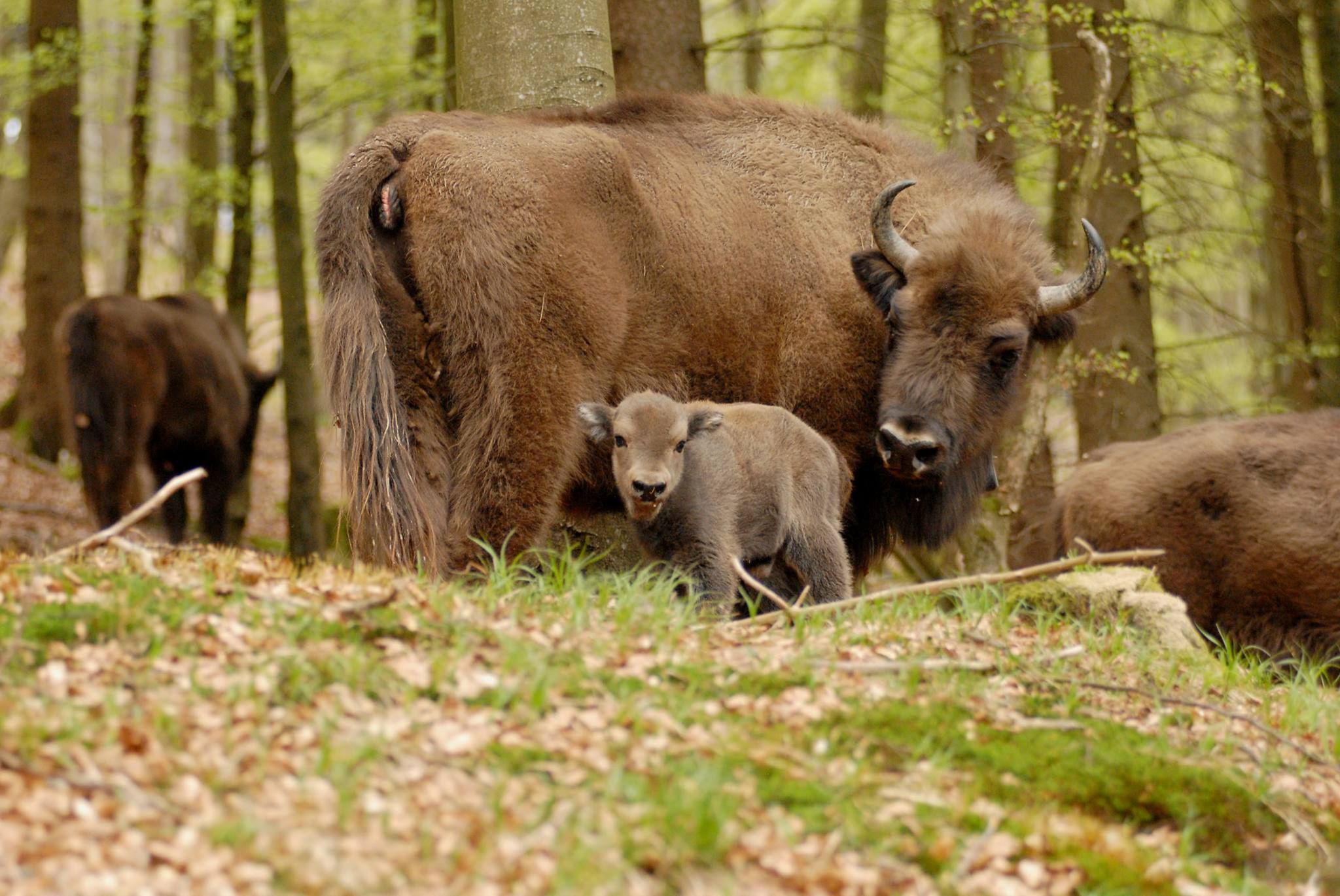
Wild Sauerland - Animal Encounters While Hiking
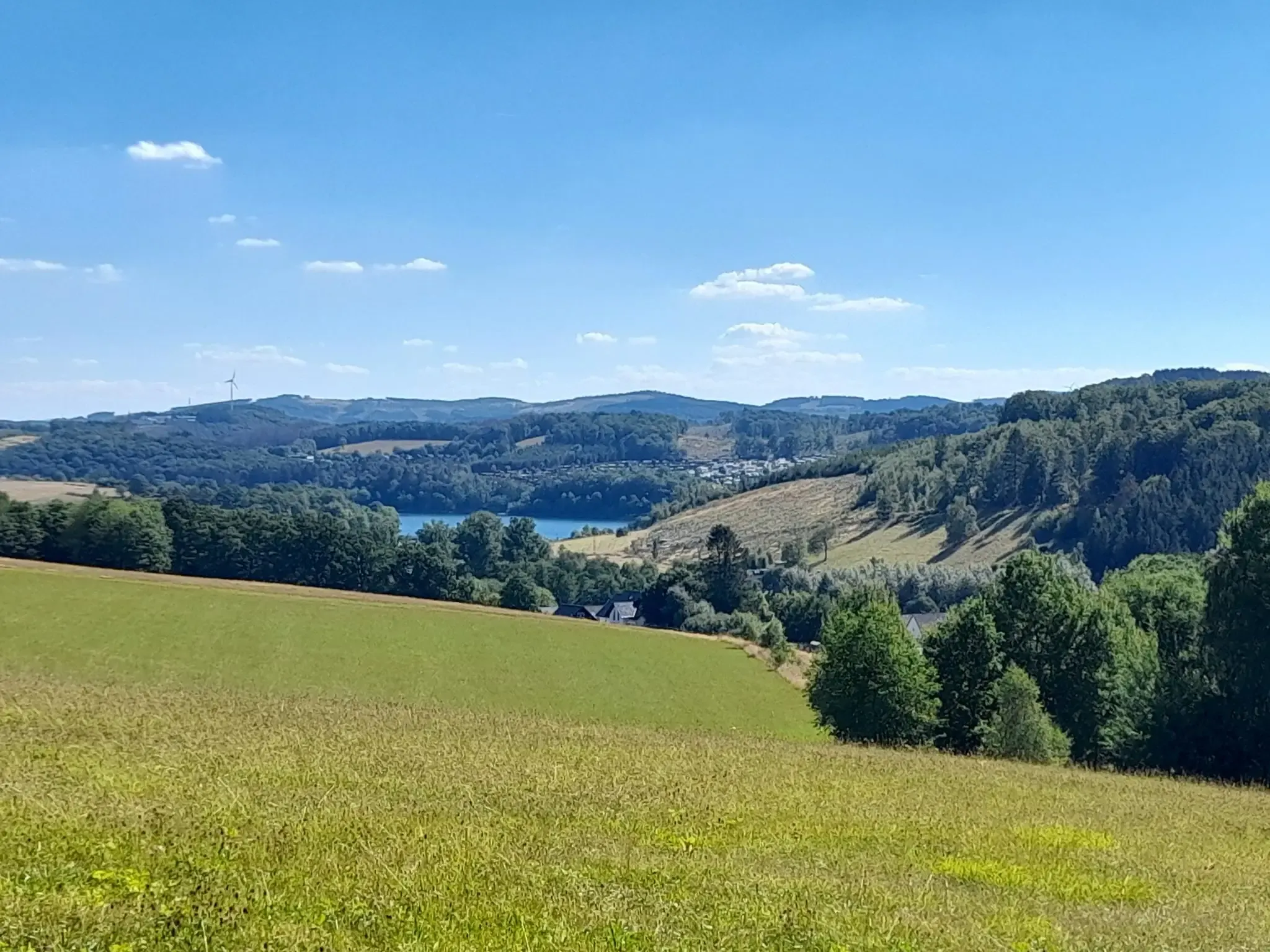
The big D: forest paths and water views in southern Sauerland
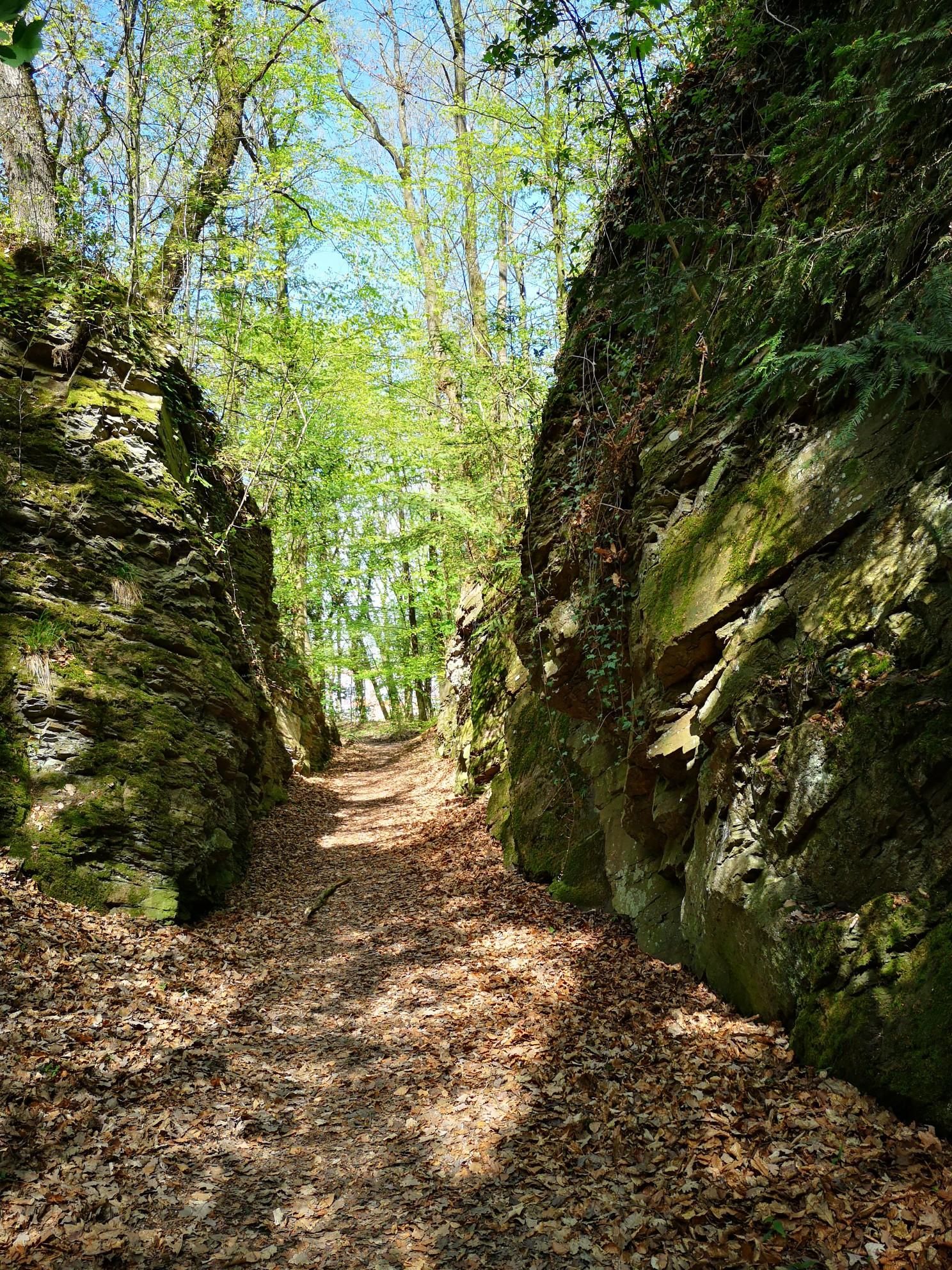
Between Seilersee and Danzturm - Trailrunning Trilogy around Iserlohn
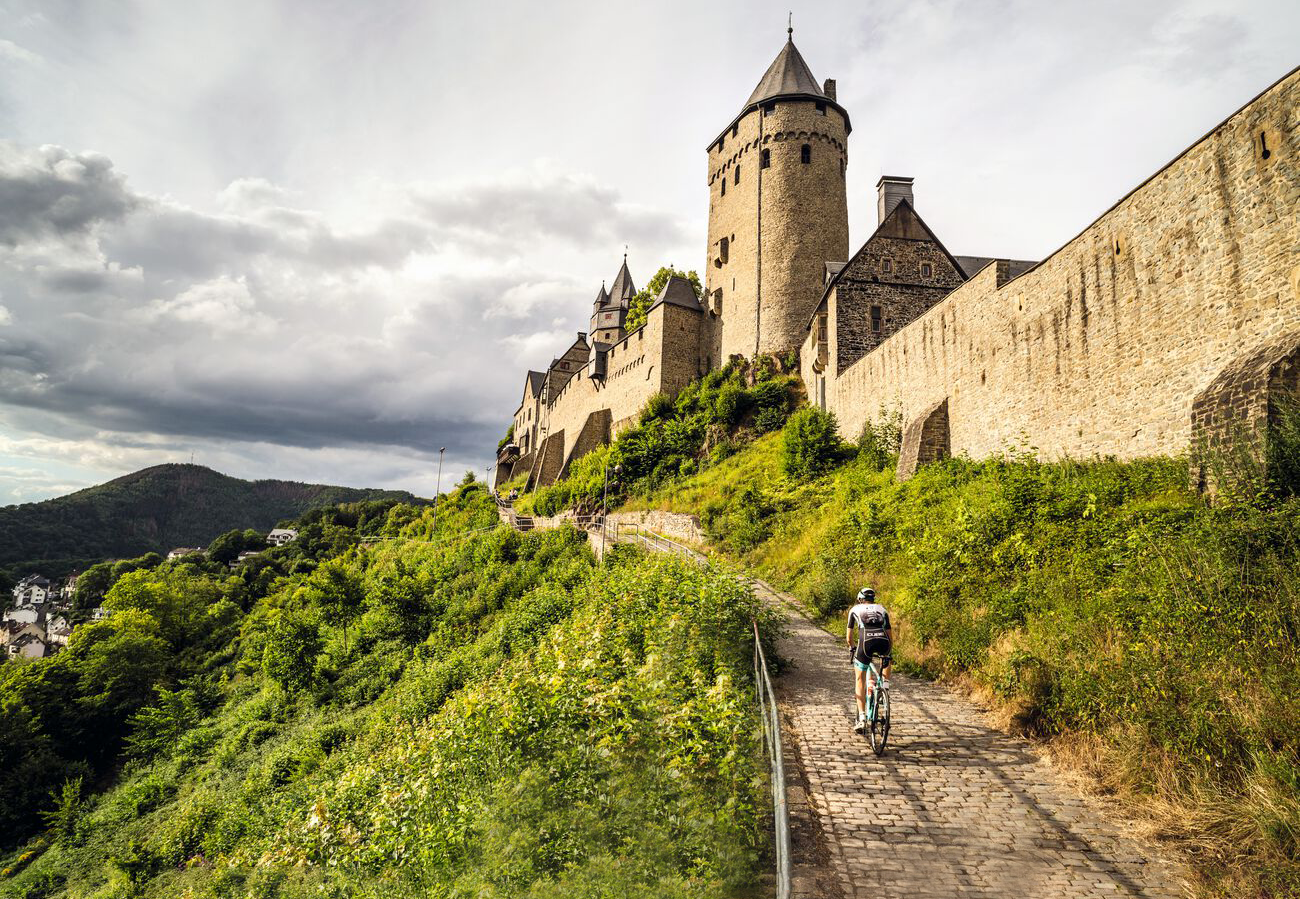
Road bike tours in Märkisches Sauerland
Harkortweg (X 17)
Feels like flying – hiking on the Sauerland–Höhenflug
Other adventures in the Märkischer Kreis


Tips from the Community

The Balver Kulturhöhle impresses right from the first step: a gigantic natural dome, up to eleven meters high, which has been used since the Old Stone Age and is today considered an extraordinary event venue. Where Neanderthals and cave bears once found shelter, you can now experience concerts, theater, and the traditional Schützenfest (marksmen's festival) in an acoustics that is second to none. The cave is only accessible as part of events or guided tours, but a glance at the mighty entrance is enough to reveal why it fascinates as Europe's largest open hall cave. https://www.sauerland.com/de/neusta-pois/balver-hoehle-europas-groesste-kulturhoehle
2
0

Medieval mining area in spectacular scenery, very well explained on the information boards along the way!
0
0

Great karst and mining landscape. Best viewed when the trees have little or no leaves.
0
0

Large cultural cave with a restaurant right next door. The cave is said to have great acoustics. Unfortunately it was closed when we were there.
2
0

In the extreme southeast of the GeoPark lies the Felsenmeer Hemer, a bizarre karst landscape that can be explored free of charge via a circular path with viewing platforms and panoramic bridges. Information boards provide the geological background.
2
0

The Heinrichshöhle is a mysterious, thousand-year-old dark realm decorated with stalactites. A part of this cave, of which 3.2 km has been explored so far, can be visited with guided tours. The cave is famous because of the thousands of bones of Ice Age animals that have been found, e.g. cave bears, mammoths, giant deer, cave hyenas, etc. Fantastically sparkling stalactites and sinter formations that are up to 230,000 years old line the paths. Highly recommended!
6
0

At the Cave Lights Festival, the cave is decorated with colorful accents. A tour lasts about 45 minutes. The parking spaces around the cave fill up quickly.
2
1

The Felsenmeer in Hemer, a unique natural monument in the Sauerland, combines natural history and cultural aspects in a fascinating way. The geological formation of this remarkable geotope dates back millions of years and is the result of the weathering of limestone through dissolution processes. Rainwater, enriched with carbon dioxide from the atmosphere, turns into a weak acid that dissolves limestone, forming the characteristic rock formations of the Felsenmeer. Over geological periods, the impressive landforms that are now known as the Sea of Rocks emerged. This nature reserve is not only a prime example of the dynamic forces of earth's history, but also a place full of legends. One of the stories is about dwarves who searched for precious metals under the rocks and about giants who wanted to steal these treasures. The legendary dwarven king Alberich is said to have used a magic spell to cause the ceiling of the rock hall to collapse, which buried the giants under the rocks and created the sea of rocks. Visitors can explore the Sea of Rocks on various paths, including a wooden walkway that leads directly over the cliffs and rocks. There is also a viewing platform and an upper bridge that are barrier-free, allowing visitors with limited mobility to enjoy the nature reserve. Dogs are allowed on a leash, and there is a large, free parking lot at the neighboring Sauerland Park. The Felsenmeer Hemer is a special experience in every season, be it snowy, in the colorful autumn forest or in the lush green of summer. The cliffs and caves of the Felsenmeer are part of the impressive karst landscape, which visitors can explore in more detail on display boards. The recognition as a "Significant Geological Monument of Germany" and as a "National Geotope" underlines the unique significance of this natural monument and its position as one of Germany's outstanding natural wonders.
1
1
Frequently Asked Questions
What are some unique geological features found in the caves of Märkischer Kreis?
The caves in the Märkischer Kreis are known for their impressive geological formations. For instance, the Dechenhöhle boasts countless stalactites and stalagmites, including a 3-meter-high 'palm tree' formation and 'stalactite walls' like the famous 'organ'. The Heinrichshöhle features fantastically sparkling stalactites and sinter formations, some up to 230,000 years old, forming 'fantasy figures'. The Bilsteinhöhle showcases bizarre stalactites and rugged rocks, with a subterranean river flowing through its lower levels.
Which caves in the Märkischer Kreis offer insights into prehistoric life or history?
Several caves provide historical insights. The Felsenmeer (Hemer) area includes the Heinrichshöhle, renowned for its rich findings of Ice Age animal bones, including a 2.35-meter-long complete cave bear skeleton. The Bilsteinhöhle area has yielded significant archaeological finds, indicating human habitation since the Middle Stone Age. The Balver Cave is known as a cultural cave where excavations have uncovered skeletons of local animals like mammoths and cave bears, along with numerous artifacts.
Are there family-friendly cave experiences in the Märkischer Kreis?
Yes, many caves offer family-friendly activities. The Dechenhöhle provides children's birthday parties and adventure tours, alongside its German Cave Museum with dinosaur replicas and Ice Age animal displays. The Heinrichshöhle offers special themed tours and educational programs for children. The Bilsteinhöhle is part of the larger Bilsteintal area, which includes a wildlife park and an adventure playground, making it a comprehensive family destination. The Balver Cave is also categorized as family-friendly.
What kind of events or special tours are available in the region's caves?
The Dechenhöhle hosts special events such as 'Cave Lights' with artistic illumination, Christmas tours by candlelight, and concerts that benefit from the unique acoustics. The Heinrichshöhle offers various themed tours and educational programs. The Balver Cave is known for hosting many events, including theater performances and concerts, in its spacious and atmospheric setting.
Are any caves in the Märkischer Kreis accessible for visitors with mobility challenges?
The Dechenhöhle is noted for its accessibility, including being wheelchair accessible. Additionally, the Felsenmeer (Hemer), which is near the Heinrichshöhle, is also listed as wheelchair accessible. Some other highlights like Echsenschacht, Laubschacht and Bärenhöhle also have wheelchair accessible sections.
What is the best time of year to visit the caves in the Märkischer Kreis?
Many caves, like the Dechenhöhle, are open year-round and maintain a pleasant temperature of 10°C, making them suitable for visits regardless of the season. For specific seasonal events, such as Christmas tours or 'Cave Lights' at Dechenhöhle, it's best to check their respective schedules. The Bilsteinhöhle's lower levels, with the subterranean river, are often water-filled and only accessible to researchers, particularly during dry summers, suggesting that public access to the main show cave is generally consistent.
What should I wear when visiting caves in the Märkischer Kreis?
Given the constant cool temperatures inside caves (around 10°C), even in summer, it's advisable to wear warm clothing, such as a jacket or sweater. Comfortable, sturdy shoes with good grip are also recommended for navigating potentially uneven or damp surfaces.
Are there hiking opportunities near the caves in the Märkischer Kreis?
Yes, the region offers numerous hiking opportunities. For example, the Bilsteinhöhle is located in the Arnsberger Wald Nature Park, providing a natural setting for walks. You can find various hiking routes in the region, including those around Balve or Hemer-Brockhausen, and explore options like the Hönne Trail. For more detailed routes, explore the Hiking in the Märkischer Kreis guide.
Which caves are freely accessible for exploration?
The Feldhof Cave is freely accessible. Visitors are advised to bring a flashlight to explore its approximately 100-meter length, as it features a main hall with an internal height of 8 meters. The Felsenmeer (Hemer) itself is also freely accessible around the clock, though leaving marked trails is prohibited due to safety.
Can I bring my dog to the caves or nearby trails?
While specific cave regulations for dogs vary and should be checked with individual cave operators, many outdoor trails in the Märkischer Kreis are dog-friendly. For example, the Bilsteintal area around Bilsteinhöhle includes a wildlife park and forest trails where dogs might be permitted on leash. It's best to confirm with each specific cave attraction regarding their pet policy before visiting.
What can I expect at the Bilsteinhöhle?
The Bilsteinhöhle in Warstein offers a combination of natural cave wonders and historical insights within the Arnsberger Wald Nature Park. You can explore approximately 400 meters of show cave, featuring bizarre stalactites and rugged rocks. The area also includes a wildlife park with red deer, raccoons, lynxes, and red foxes, a forest restaurant, and an adventure playground, making it a comprehensive recreational destination.
Are there other outdoor activities besides caving in the Märkischer Kreis?
Beyond caving, the Märkischer Kreis offers a variety of outdoor activities. You can find mountain hikes, such as those detailed in the Mountain Hikes in the Märkischer Kreis guide, or explore numerous MTB trails, which are covered in the MTB Trails in the Märkischer Kreis guide. The region's diverse landscape is ideal for various forms of outdoor exploration.
Most popular routes in the Märkischer Kreis
Most popular attractions in the Märkischer Kreis

Get inspired with the komoot mobile app


Didn’t find what you were looking for?
Discover more caves in the Märkischer Kreis region by region:
Explore more
Extend your search for the best caves by checking out these guides of the top ones in the Märkischer Kreis:
