Top 20 Castles in Halle-Saale-Unstrut
Best castles in Halle-Saale-Unstrut are situated in a region rich in history, characterized by the Saale and Unstrut rivers and rolling hills. This area features a collection of impressive castles, each offering insights into the past. Many of these historical sites are located along the Romanesque Road, showcasing medieval architecture and cultural significance. The diverse landscape provides a scenic backdrop for exploring these ancient fortifications.
Best castles in Halle-Saale-Unstrut
- The most popular castles is Neuenburg Castle (Freyburg), a castle that was once the largest castle of the Landgraves of Thuringia. This well-preserved ring castle features a Romanesque double chapel and offers views of the valley.
- Another must-see spot is Giebichenstein Castle, a castle and historical site. Its ruins house a branch of the City Museum Halle, and the lower castle is home to a university of art and design.
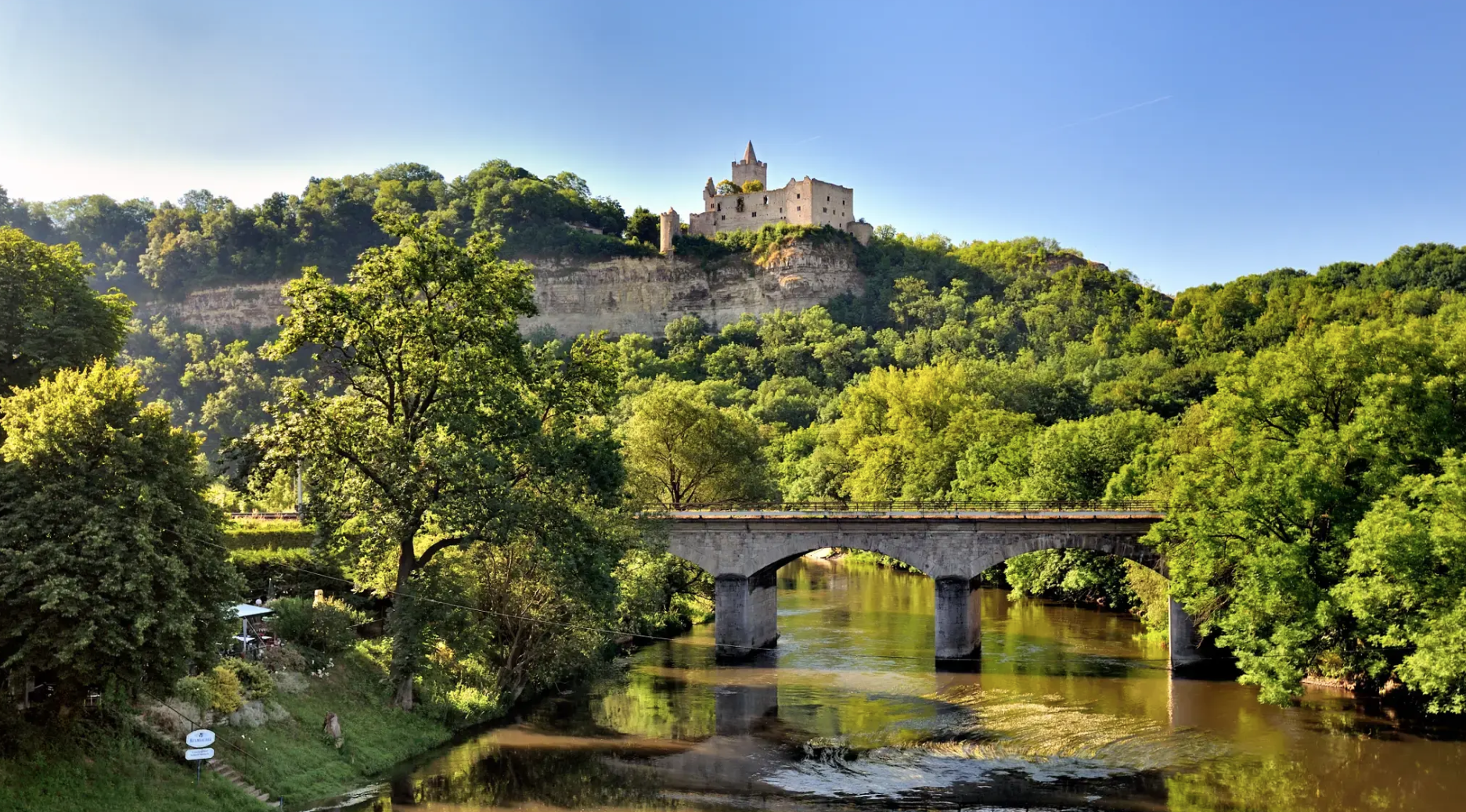
- Visitors also love Rudelsburg, a castle with an inn. This site provides views and an opportunity to explore its historical grounds.
- Halle-Saale-Unstrut is known for its hilltop castles, medieval ruins, and modernized historical buildings. Visitors can explore a variety of castles, from ancient fortifications to those repurposed as museums or cultural centers.
- The castles in Halle-Saale-Unstrut are appreciated by the komoot community, with more than 2500 upvotes and over 500 photos shared by visitors.
Last updated: August 2, 2026
Ducal Vineyard below Neuenburg Castle
Highlight • Structure
High above the wine-growing town of Freyburg lies Neuenburg, the sister castle of Wartburg, founded around 1090 by the Thuringian Count Ludwig the Springer. The first mighty complex was built by 1150. The rise of the Landgraves of Thuringia was accompanied by further magnificent expansion. By 1230, Neuenburg was already around three times as large as Wartburg! The Romanesque double chapel built around 1170/75 is still an architectural gem today.
On behalf of Hermann I, Heinrich von Veldeke completed the Eneasroman around 1185, the first Middle High German knightly-courtly verse epic ever. Neuenburg experienced the end of its high medieval heyday under Landgrave Ludwig IV and his wife, Saint Elisabeth.
Translated by Google •
Tip by

Rudelsburg
Highlight • Castle
Translated by Google •
Tip by

Sign up now to discover places like this
Get recommendations on the best single tracks, peaks, & plenty of other exciting outdoor places.
Sign up for free
Saaleradweg Vineyards and Castle Ruins
Highlight • Cycleway
Translated by Google •
Tip by

Giebichenstein Castle
Highlight • Castle
Translated by Google •
Tip by

View of Saaleck and Rudelsburg
Highlight • Viewpoint
Showing Translation
Tip by

Saaleck Castle
Highlight • Castle
Translated by Google •
Tip by

View of Schönburg Castle
Highlight • Castle
Translated by Google •
Tip by

View of Goseck Castle
Highlight • Viewpoint
The castle church is a real highlight. On the estate you can enjoy organic cakes and lemonades. A short hike on the slope promises fantastic views and pure romance!
Translated by Google •
Tip by
Neuenburg Castle (Freyburg)
Highlight • Castle
Translated by Google •
Tip by
Merseburg Cathedral
Highlight • Religious Site
Translated by Google •
Tip by

Sign up for free to discover even more castles in Halle-Saale-Unstrut.
Sign up for free
Already have an account?
Start today with a free account
Your next adventure awaits.
Login or Signup
Popular around Halle-Saale-Unstrut
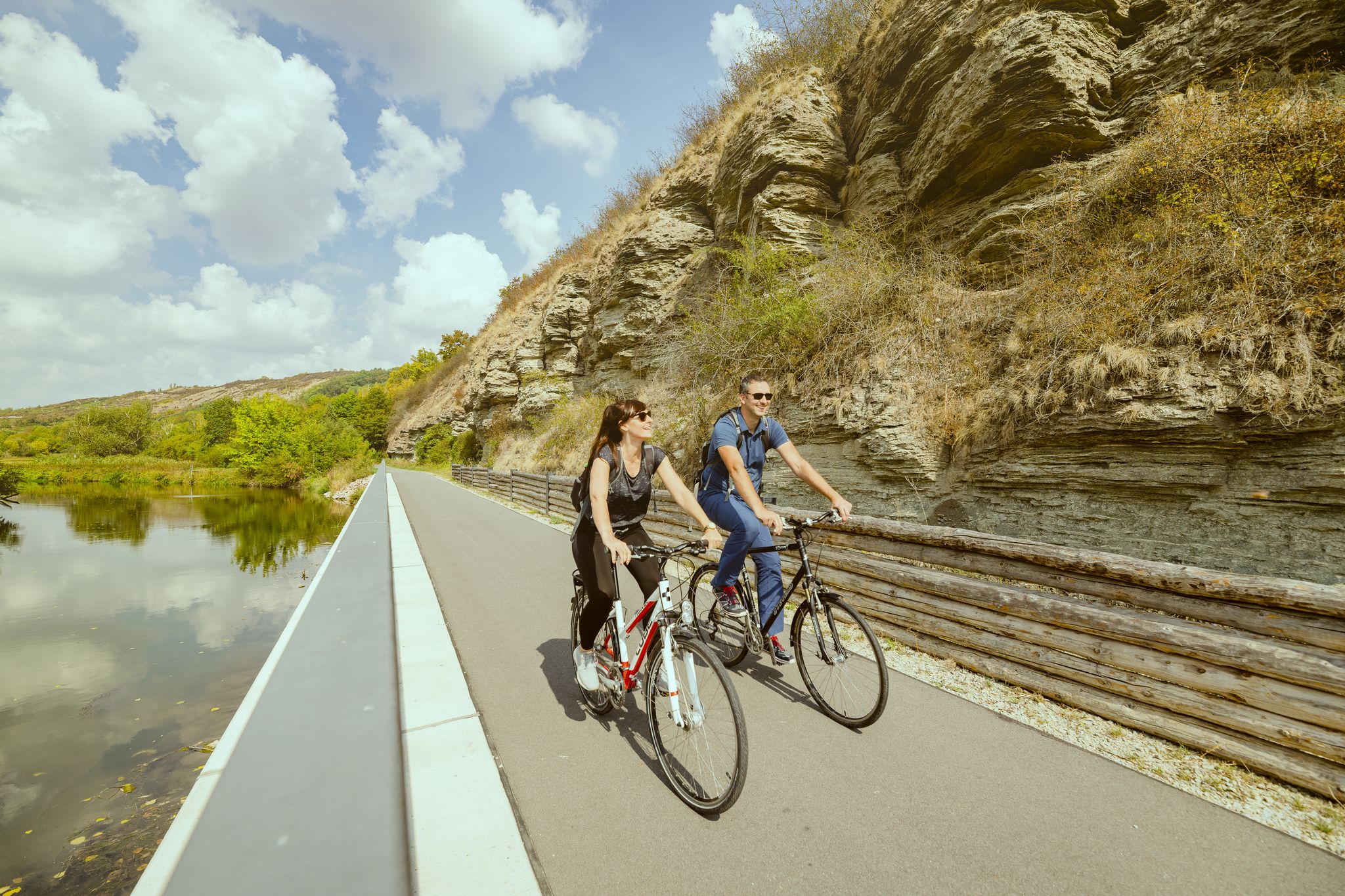
Unstrut Cycle Path – from the source in Eichsfeld to the River Saale
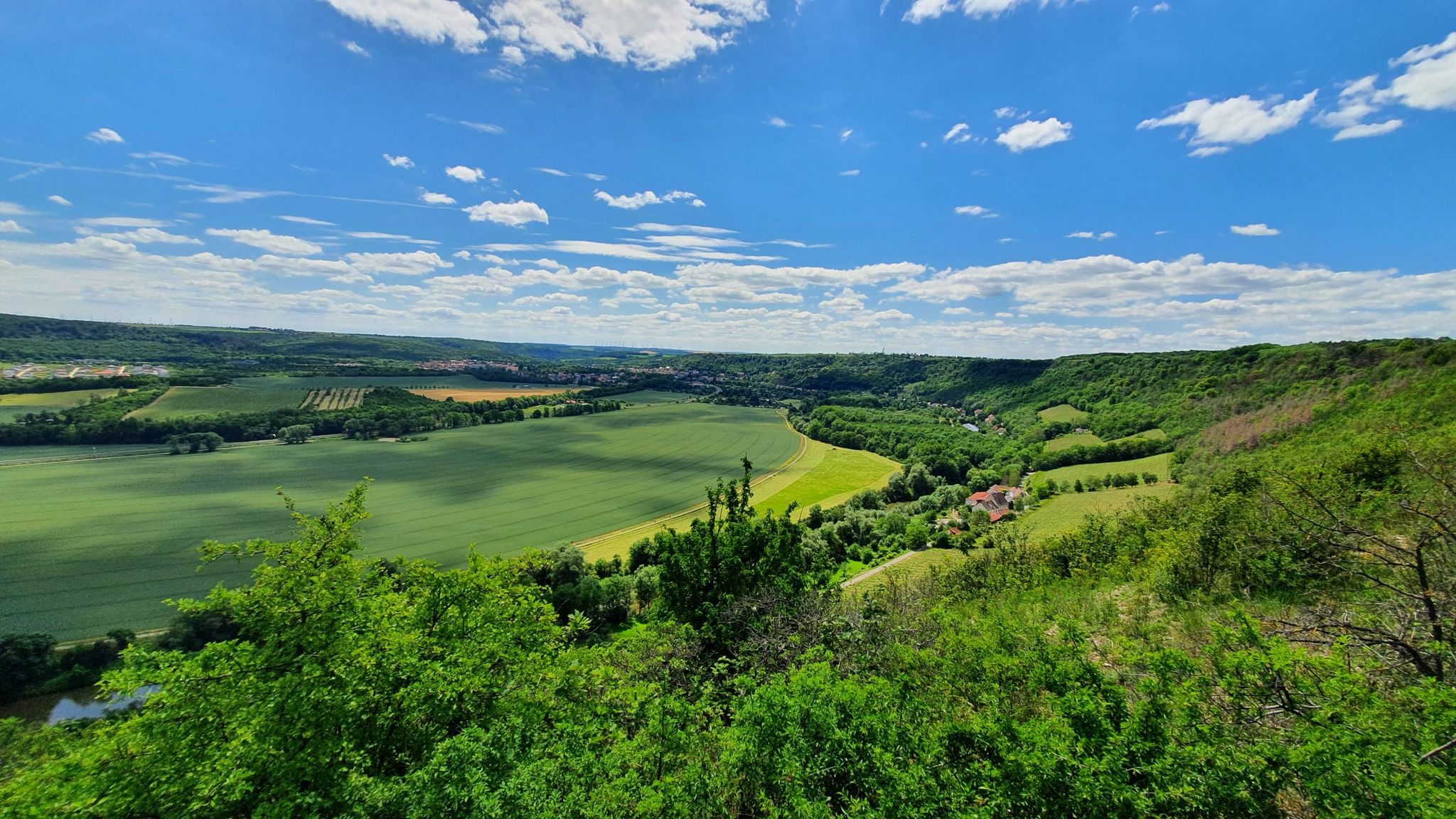
Feengrotten Kyffhäuserweg – Hike Germany's trail
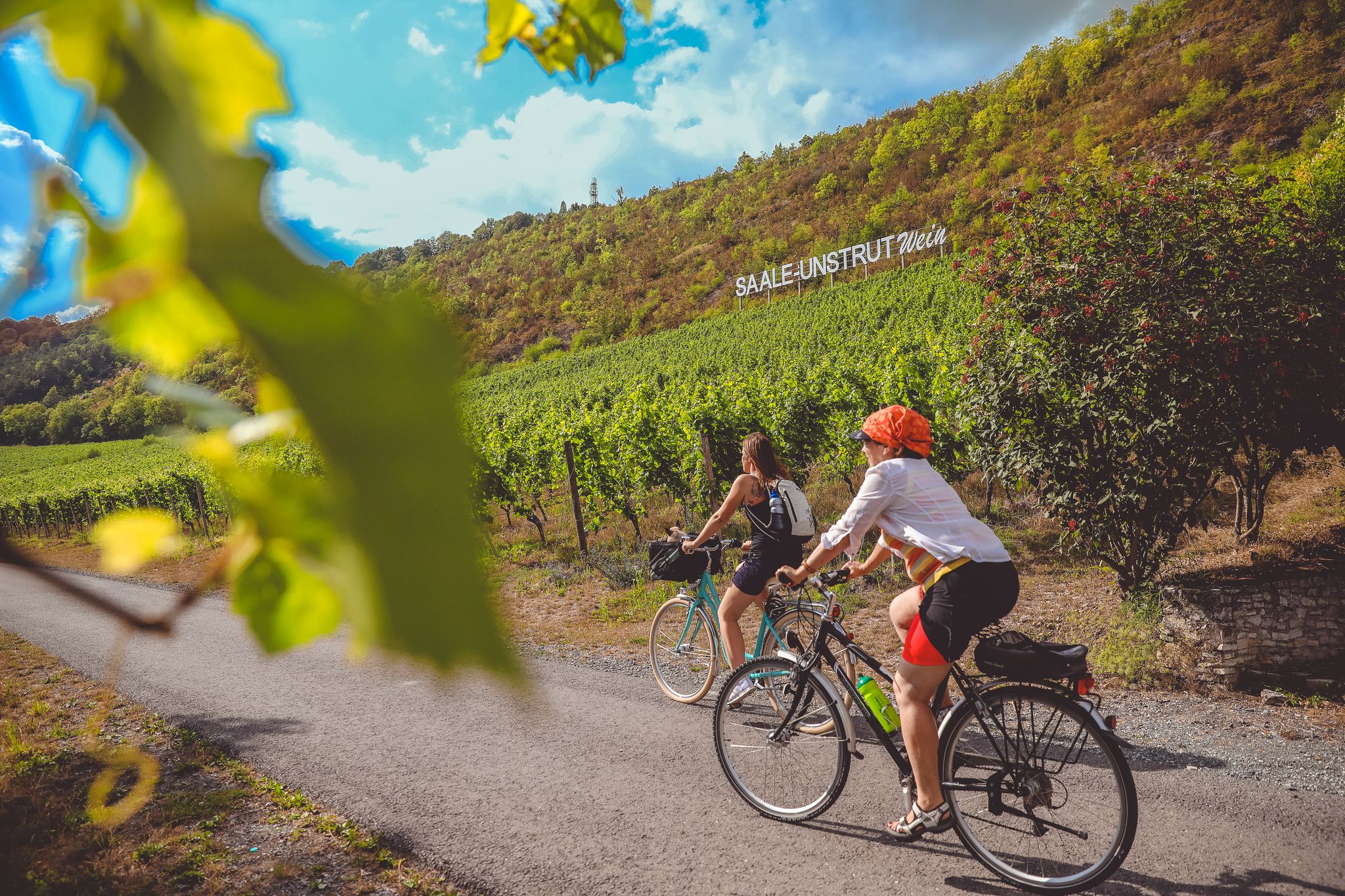
Saale Cycle Path part 2 – culture and nature along the river

Around Thuringia — 7 stages through Germany's green heart
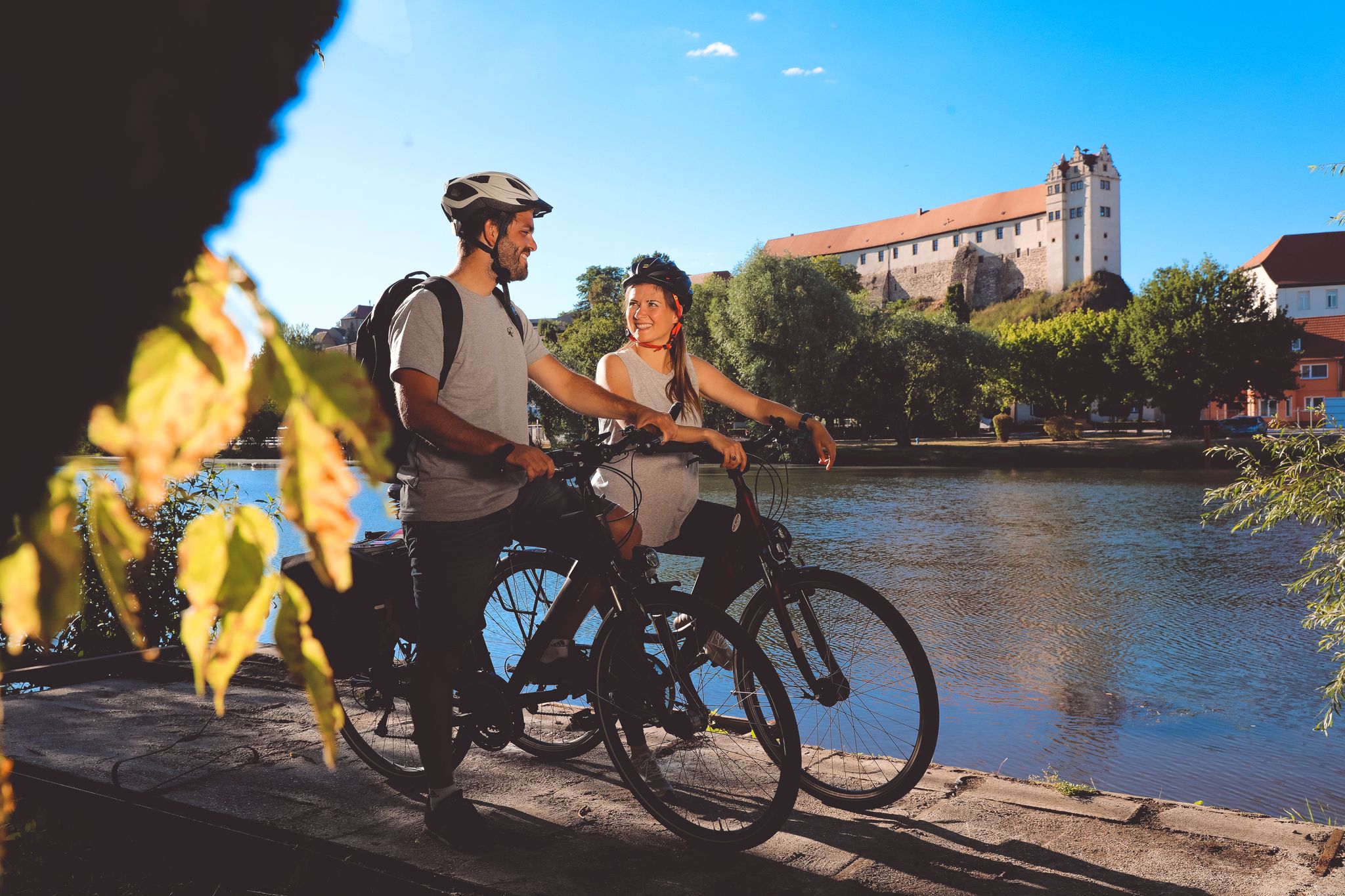
Saale Cycle Path — 9 stages from the source of the Saale to the Elbe

Lake views and fresh air – cycling by the water in the Leipzig region
The National Natural Landscapes in Saxony-Anhalt
Walking and Wellness – spa towns in the Leipzig area
Out with Fräulein Draußen on the Saale Cycle Path
Lakes, castles and nature – discover the Leipzig region by bike
Other adventures in Halle-Saale-Unstrut


Tips from the Community

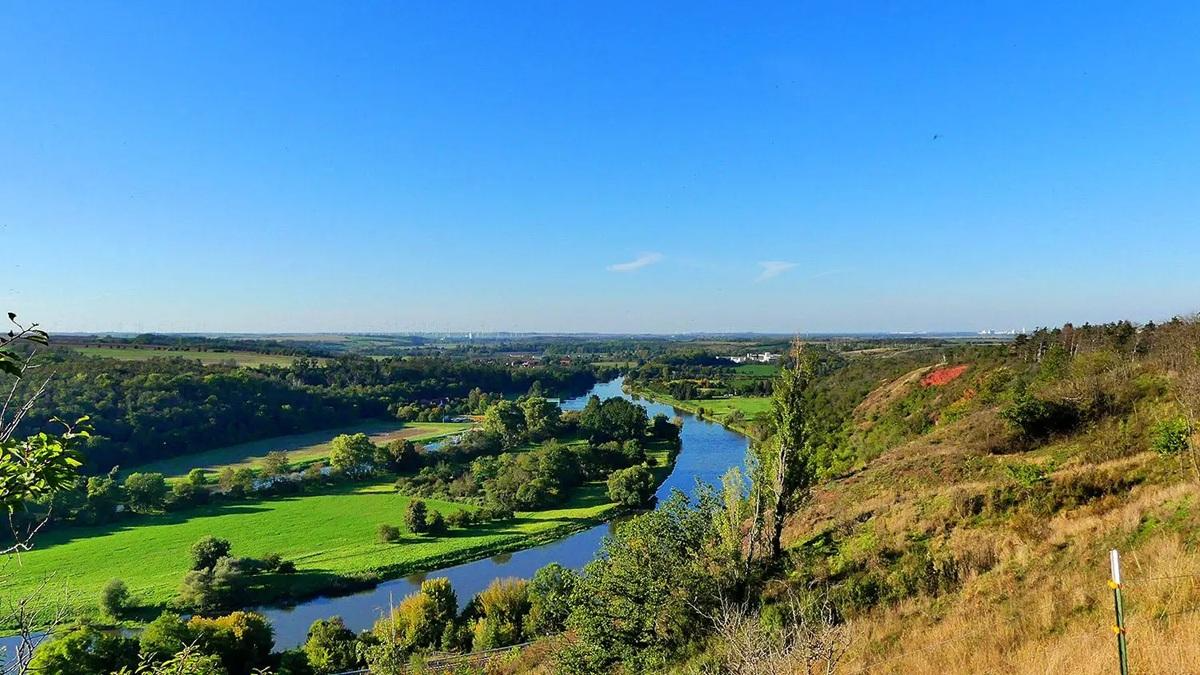
A beautiful landscape on the Saale.
0
0

Please keep the area clean👍🏻
0
0

The hilltop castle complex of Neuenburg Castle, located on the Romanesque Road, was once the largest castle of the Landgraves of Thuringia. Its construction, under the direction of Count Ludwig von Schauenburg of Ludowingen, known as Ludwig the Springer (1042 to 1123), began around 1090 with the first circular walls, which still stand today up to a height of eight meters in the inner castle. Over the next hundred years, the castle was reinforced and expanded in several stages. From around 1400, the castle underwent extensive rebuilding in the Gothic style, and large parts of the Romanesque structure were lost. After losing its military importance, the castle was converted into a hunting lodge for the Dukes of Saxe-Weissenfels, for which purpose a zoo and pleasure garden were created in the forest to the east. Today, Neuenburg Castle is managed by the Saxony-Anhalt Cultural Foundation.
24
0

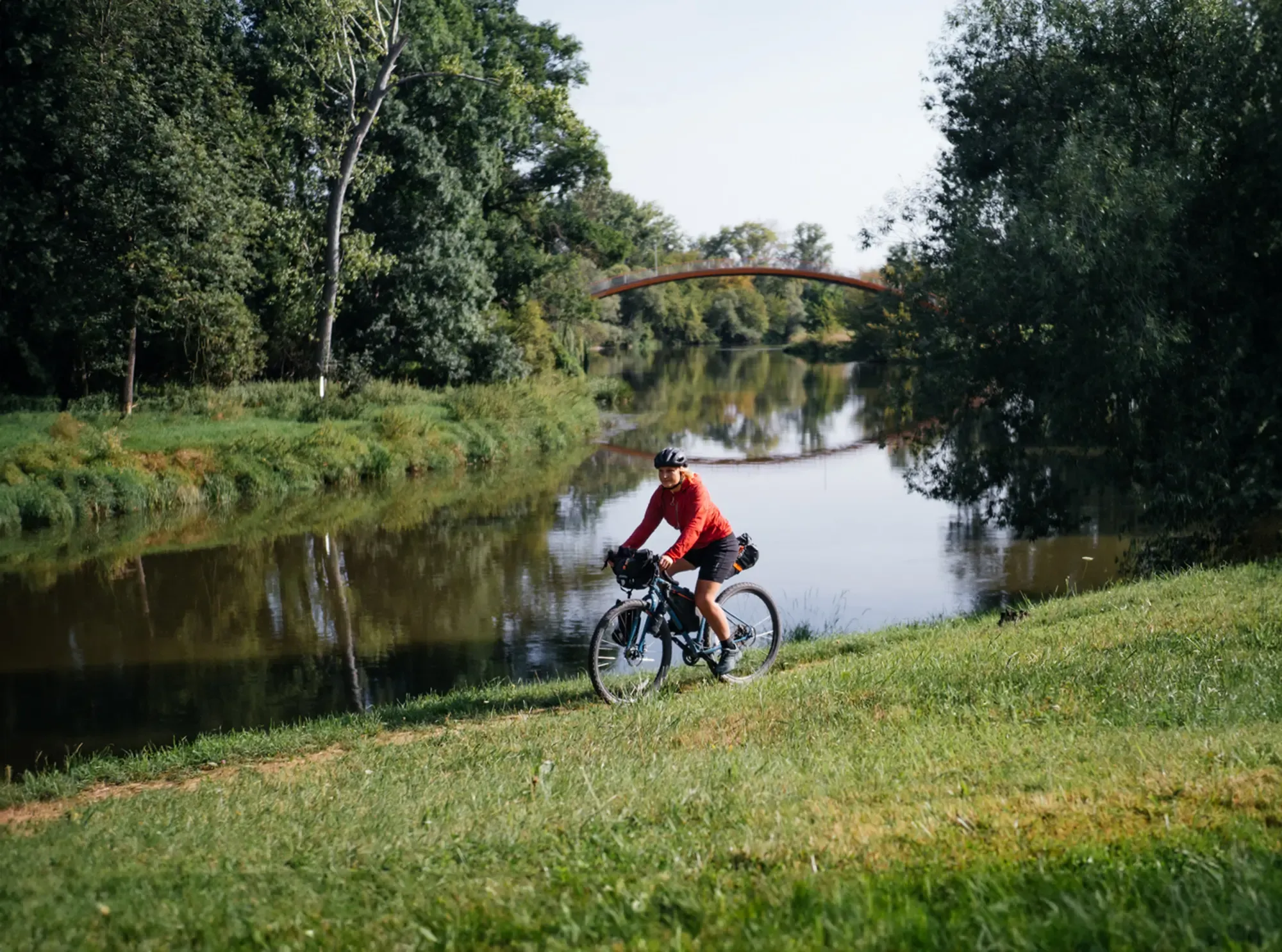
I liked the cycle path here and it was properly marked.
4
0

Museum & Exhibitions High above the wine-growing town of Freyburg lies Neuenburg, the sister castle of Wartburg, founded around 1090 by the Thuringian Count Ludwig the Springer. The first mighty complex was built by 1150. The rise of the Landgraves of Thuringia was accompanied by further magnificent expansion. By 1230, Neuenburg was already around three times as large as Wartburg! The Romanesque double chapel built around 1170/75 is still an architectural gem today. On behalf of Hermann I, Heinrich von Veldeke completed the Eneasroman around 1185, the first Middle High German knightly-courtly verse epic ever. Neuenburg experienced the end of its high medieval heyday under Landgrave Ludwig IV and his wife, Saint Elisabeth.
13
0

Giebichenstein Castle sits on a rock above the Saale. Built as a bishop's seat in the 12th century and destroyed by fire 400 years later, it is now the most beautiful ruin in the city.
31
0

The origin of Neuenburg is linked to Count Ludwig the Springer of Schauenburg, who was also responsible for the founding of Wartburg. One theory is that the name Neuenburg was chosen to distinguish it from the somewhat older Wartburg. The son of Ludwig the Springer was Ludwig I, the first Landgrave of Thuringia, from 1131 onwards, and during the 116 years of the Ludowinger Langraves, the castle was an important part of the court and some of the building structure dates from that time. With the extinction of the Ludowingers in 1247 and after the subsequent War of Succession, the Landgraviate passed to the Wettins, who were already Margraves of Meissen and later Dukes and Electors of Saxony at that time. Neuenburg was therefore no longer an outstanding place of residence within the Saxon state territory. Nevertheless, there was a lot of building activity and use as a hunting lodge in the 15th and 16th centuries.
6
0

Giebichenstein Castle sits on a rock above the Saale. Built as a bishop's seat in the 12th century and destroyed by fire 400 years later, it is now the most beautiful ruin in the city. Here was Halle's birth, it was ruled from here, here "Ludwig the Springer" managed to escape from prison by making a daring leap into the Saale. The ruins served as inspiration for Romantic poets. The old castle is full of history and stories. You can discover it in a newly designed exhibition. https://halle365.de/veranstaltungsort/burg-giebichenstein
6
0
Frequently Asked Questions
Which castles in the Halle-Saale-Unstrut region are particularly family-friendly?
Many castles in the Halle-Saale-Unstrut region offer activities suitable for families. For example, Neuenburg Castle (Freyburg), with its rich history and impressive scale, provides an engaging experience for all ages. Giebichenstein Castle in Halle hosts family events and theater performances during summer. Bernburg Castle also offers a diverse museum experience that can be interesting for children, including an exhibition about jesters in the Owl Mirror Tower.
What kind of outdoor activities can I do near the castles in Halle-Saale-Unstrut?
The region around the castles is excellent for various outdoor activities. You can find numerous cycling routes, such as those highlighted in the Cycling in Halle-Saale-Unstrut guide, which often pass by castles like Saaleradweg Vineyards and Castle Ruins. There are also gravel biking opportunities, detailed in the Gravel biking in Halle-Saale-Unstrut guide, and hiking trails, including those near Dornburg Castles mentioned in the Waterfall hikes in Halle-Saale-Unstrut guide.
Are there castles in the region that offer dining options or cafes?
Yes, several castles provide amenities like inns or cafes. Rudelsburg features an inn where you can enjoy food and drinks with a view. Goseck Castle, while not explicitly an inn, offers organic cakes and lemonades, making it a pleasant stop during a visit.
Which castles offer the best panoramic views of the Halle-Saale-Unstrut landscape?
For impressive views, consider visiting Giebichenstein Castle, where climbing the tower offers vistas of the Saale River. Neuenburg Castle (Freyburg) provides sweeping views of the valley from its 'Dicker Wilhelm' keep. Rudelsburg is also known for its great views over the Saale.
What is the best time of year to visit the castles in Halle-Saale-Unstrut?
The castles in Halle-Saale-Unstrut are enjoyable year-round, but each season offers a different experience. Spring and summer are ideal for outdoor activities and events, with many castles like Giebichenstein Castle hosting festivals and performances. Autumn brings beautiful foliage to the surrounding landscapes, enhancing the scenic views. Winter visits can be charming, offering a quieter, more contemplative experience of these historic sites.
Can I find historical or cultural museums within the castles?
Absolutely. Many castles in the region have been converted into museums or house historical exhibitions. Neuenburg Castle (Freyburg) features a museum detailing its history, courtly life, and the region's wine culture. Giebichenstein Castle's ruins form a branch of the City Museum Halle. Moritzburg Halle houses an art museum, blending medieval architecture with contemporary art. Bernburg Castle offers a multifaceted museum covering 243 million years of history, and Querfurt Castle's museum documents daily life and architectural evolution.
Are there any castles in the region known for their unique architecture or historical significance?
The region is rich in architecturally significant castles. Neuenburg Castle (Freyburg) is notable for its Romanesque double chapel and its historical status as a residence of Thuringian landgraves. Querfurt Castle stands out with its three massive towers and Romanesque chapels. Giebichenstein Castle, originally a 9th-century royal residence, showcases a blend of medieval ruins and modern artistic influence.
What are some lesser-known or 'hidden gem' castles in Halle-Saale-Unstrut?
While the main castles are well-known, exploring the region can reveal charming spots. Goseck Castle, visible from the Saale cycle path, offers a picturesque setting with its manor and castle church, along with fantastic views from a short hike on the slope. Saaleck Castle, often visited alongside Rudelsburg, provides another historical site to explore with good views.
How long should I plan for a visit to the castles in the Halle-Saale-Unstrut region?
To thoroughly explore a few key castles and enjoy the surrounding area, a multi-day trip is recommended. If you plan to visit several castles, such as Neuenburg Castle, Giebichenstein Castle, and Bernburg Castle, along with some outdoor activities, allocate at least 3-5 days. A single castle visit typically takes 2-4 hours, depending on its size and museum offerings.
Are there any castles that are part of the Romanesque Road in this region?
Yes, the Halle-Saale-Unstrut region is an important part of the Romanesque Road, and several castles are key stops. Giebichenstein Castle and Neuenburg Castle (Freyburg) are both significant sites along this historic route, showcasing the region's rich Romanesque architectural heritage.
What do visitors enjoy most about the castles in Halle-Saale-Unstrut?
Visitors frequently appreciate the blend of history, stunning views, and the opportunity for outdoor activities. The well-preserved nature of sites like Neuenburg Castle, the cultural events at places like Giebichenstein Castle, and the scenic beauty from viewpoints such as Rudelsburg are often highlighted. The region's connection to wine culture and its picturesque river landscapes also add to the appeal.
Are there any castles that have been repurposed for modern use?
Yes, some castles in the region have found new life beyond their historical functions. For instance, part of the lower castle of Giebichenstein Castle houses the Burg Giebichenstein University of Art and Design, making it a vibrant cultural hub. Moritzburg Halle has been transformed into a dynamic art museum, blending its medieval structure with contemporary exhibitions and events.
Most popular routes in Halle-Saale-Unstrut
Most popular attractions in Halle-Saale-Unstrut

Get inspired with the komoot mobile app


Explore more
Looking for the best castles somewhere else? Discover other guides in Halle-Saale-Unstrut:
