Top 20 Castles in the Saxon Elbland
Best castles in the Saxon Elbland offer a rich collection of historical sites, from formidable fortresses to elegant palaces. This region, situated along the Elbe River, provides diverse landscapes for exploration, including table mountains and river valleys. Visitors can discover centuries of history, unique architecture, and cultural heritage across its many castle grounds. The area is well-suited for those interested in historical exploration combined with outdoor activities.
Best castles in the Saxon Elbland
- The most popular castles is Meissen Old…
Last updated: July 14, 2026
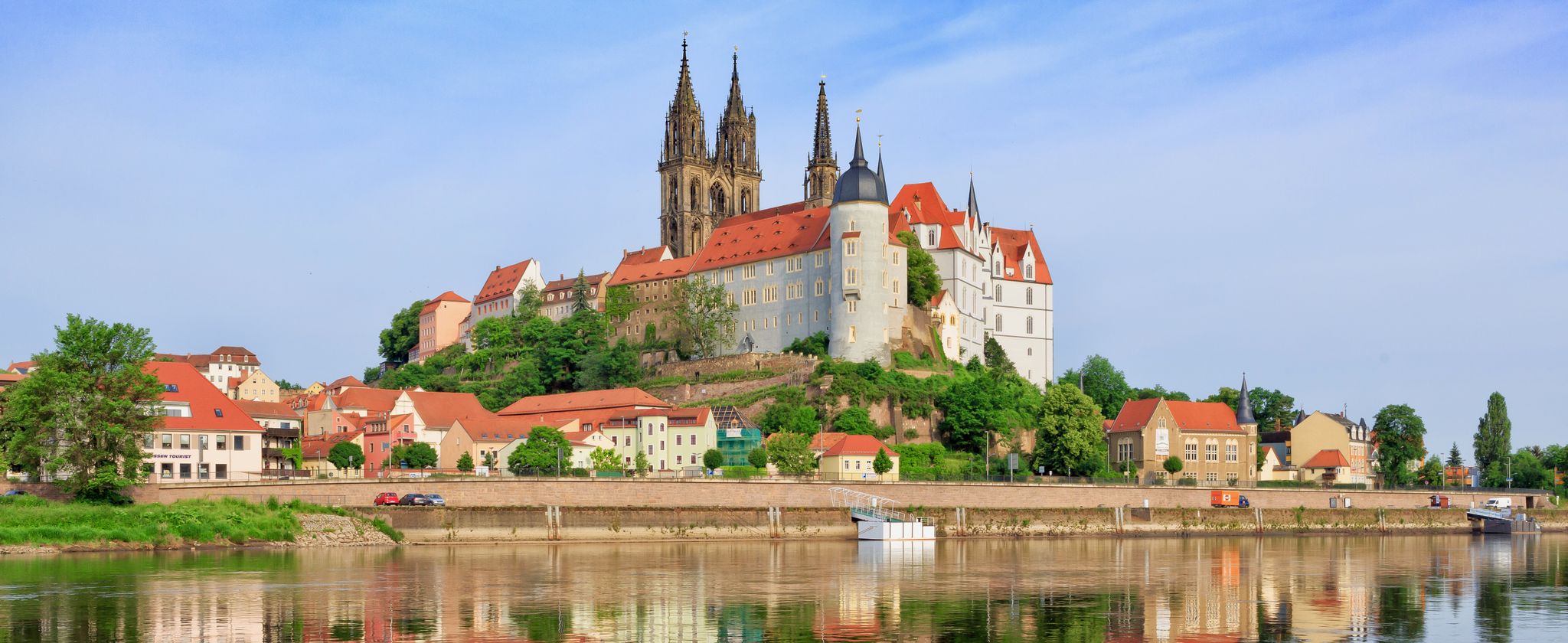
Meissen Old Town and Albrechtsburg Castle
Highlight • Historical Site
Translated by Google •
Tip by

View of the Albrechtsburg in Meissen
Highlight • Viewpoint
Translated by Google •
Tip by

Sign up now to discover places like this
Get recommendations on the best single tracks, peaks, & plenty of other exciting outdoor places.
Sign up for free
View of Moritzburg Castle
Highlight • Castle
Translated by Google •
Tip by

View of Meissen Cathedral
Highlight • Viewpoint
Translated by Google •
Tip by

Fasanenschlösschen Moritzburg
Highlight • Castle
Further information:
schloss-moritzburg.de/de/fasanenschloesschen
Translated by Google •
Tip by

Schloss Wackerbarth Winery and Vineyard
Highlight • Castle
Translated by Google •
Tip by

View of Albrechtsburg and Meissen Cathedral from the Railway Bridge
Highlight • Viewpoint
Translated by Google •
Tip by

View of Albrechtsburg and Meissen Old Town
Highlight • Viewpoint
Translated by Google •
Tip by
Meissen Cathedral
Highlight • Religious Site
The cathedral of St. John the Evangelist and St. Donatus on the castle hill in Meißen was the formative center of the diocese and the March of Meißen …
Translated by Google •
Tip by

View of Schloss Hirschstein
Highlight • Viewpoint
Translated by Google •
Tip by

Sign up for free to discover even more castles in the Saxon Elbland.
Sign up for free
Already have an account?
Start today with a free account
Your next adventure awaits.
Login or Signup
Popular around Saxon Elbland
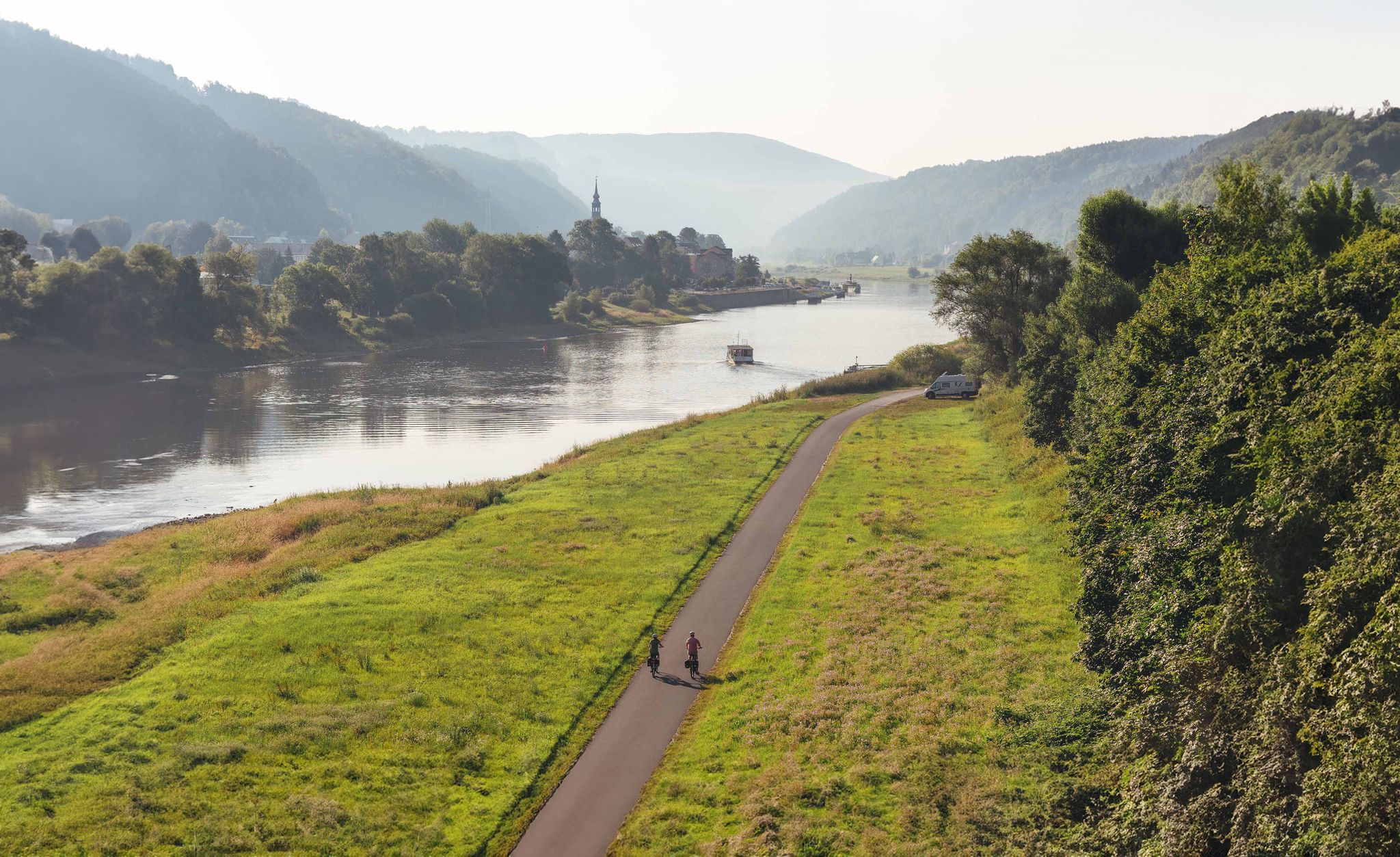
The Elbe Cycle Path — cross-border cycling pleasure
Elbe Cycle Route Classics: between Dessau, Dresden and Bad Schandau
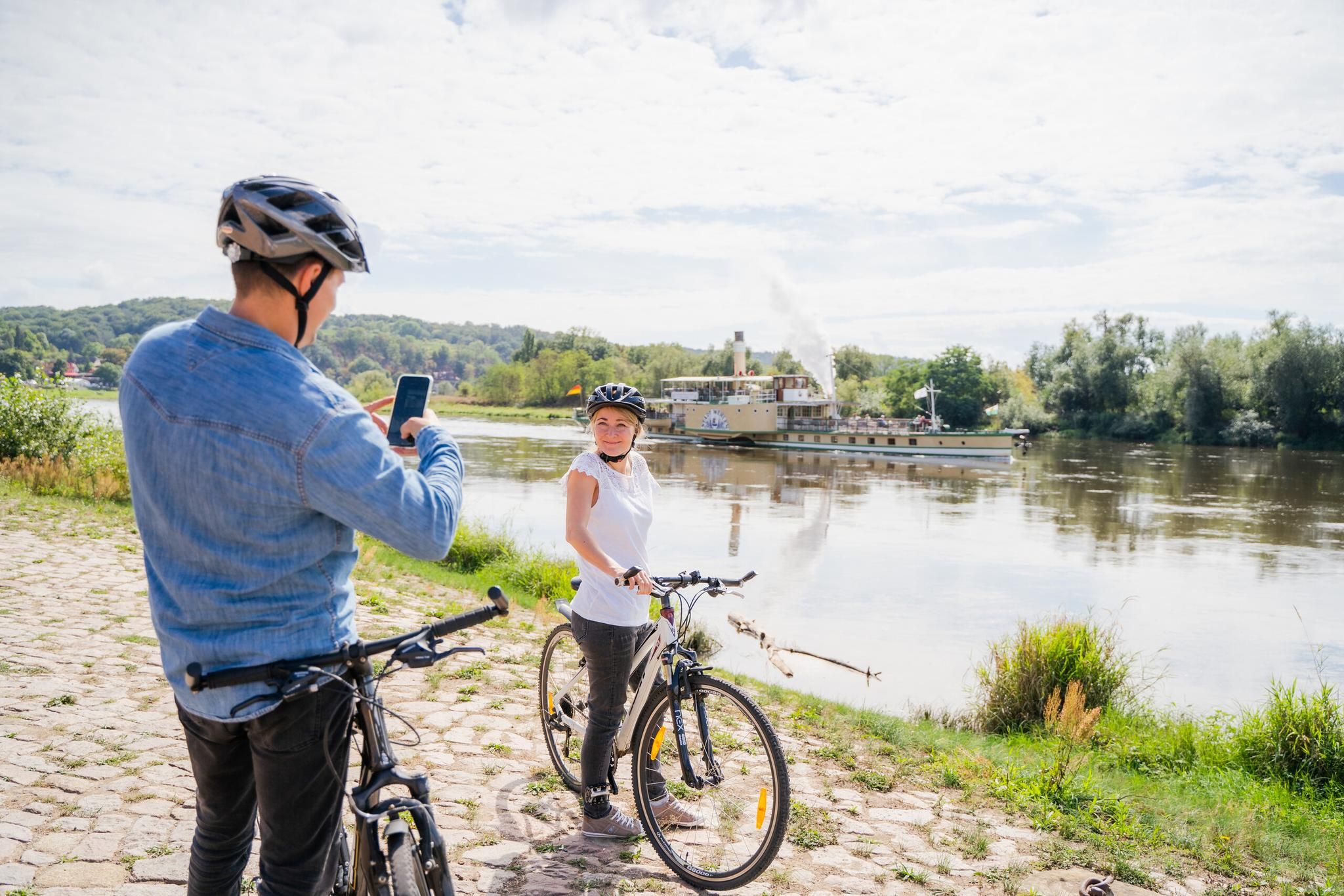
Fun on two wheels – e-bike Tours through Dresden Elbland
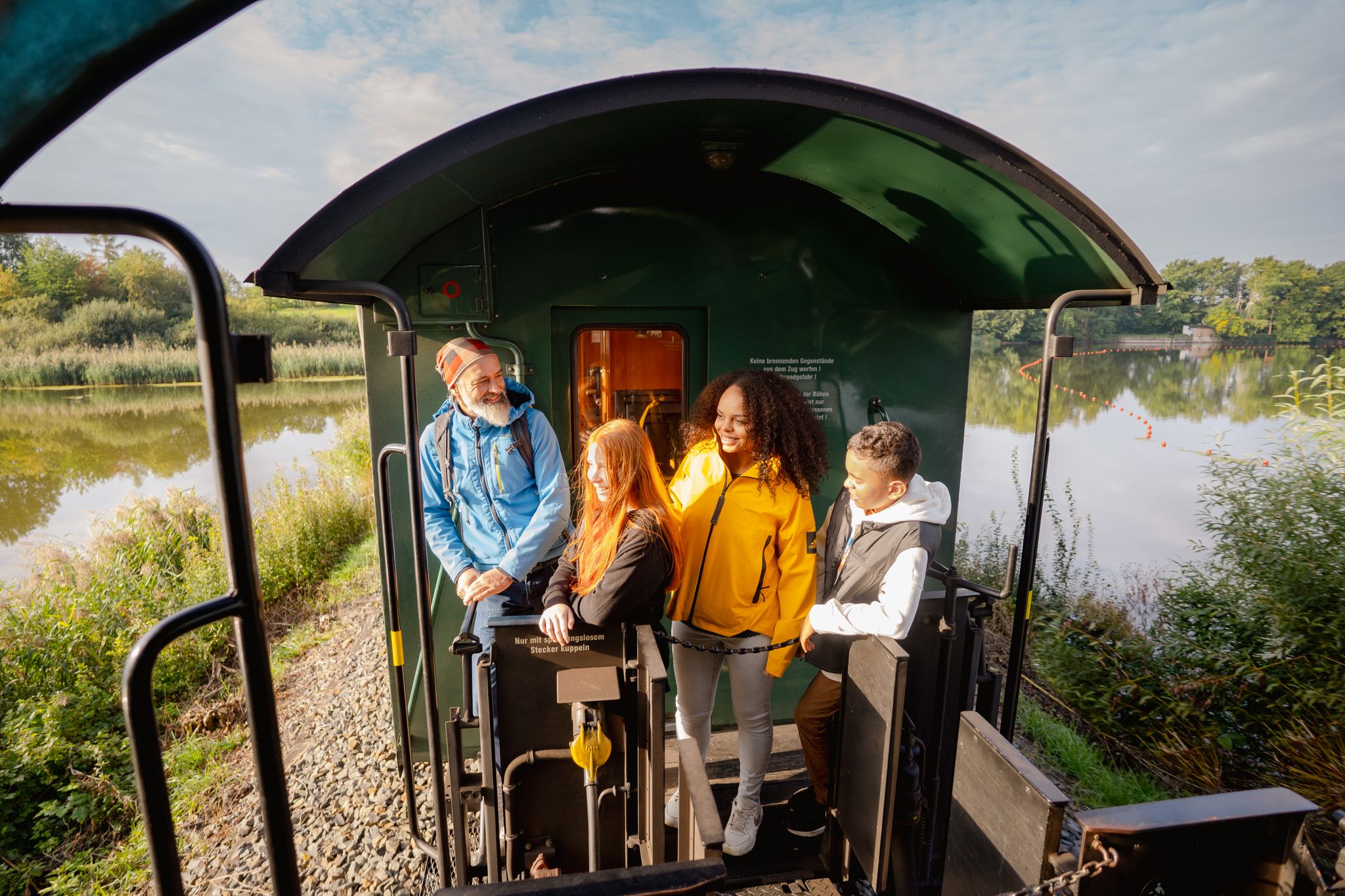
Towers, treasures & mountain railways – out and about with children in Dresden Elbland
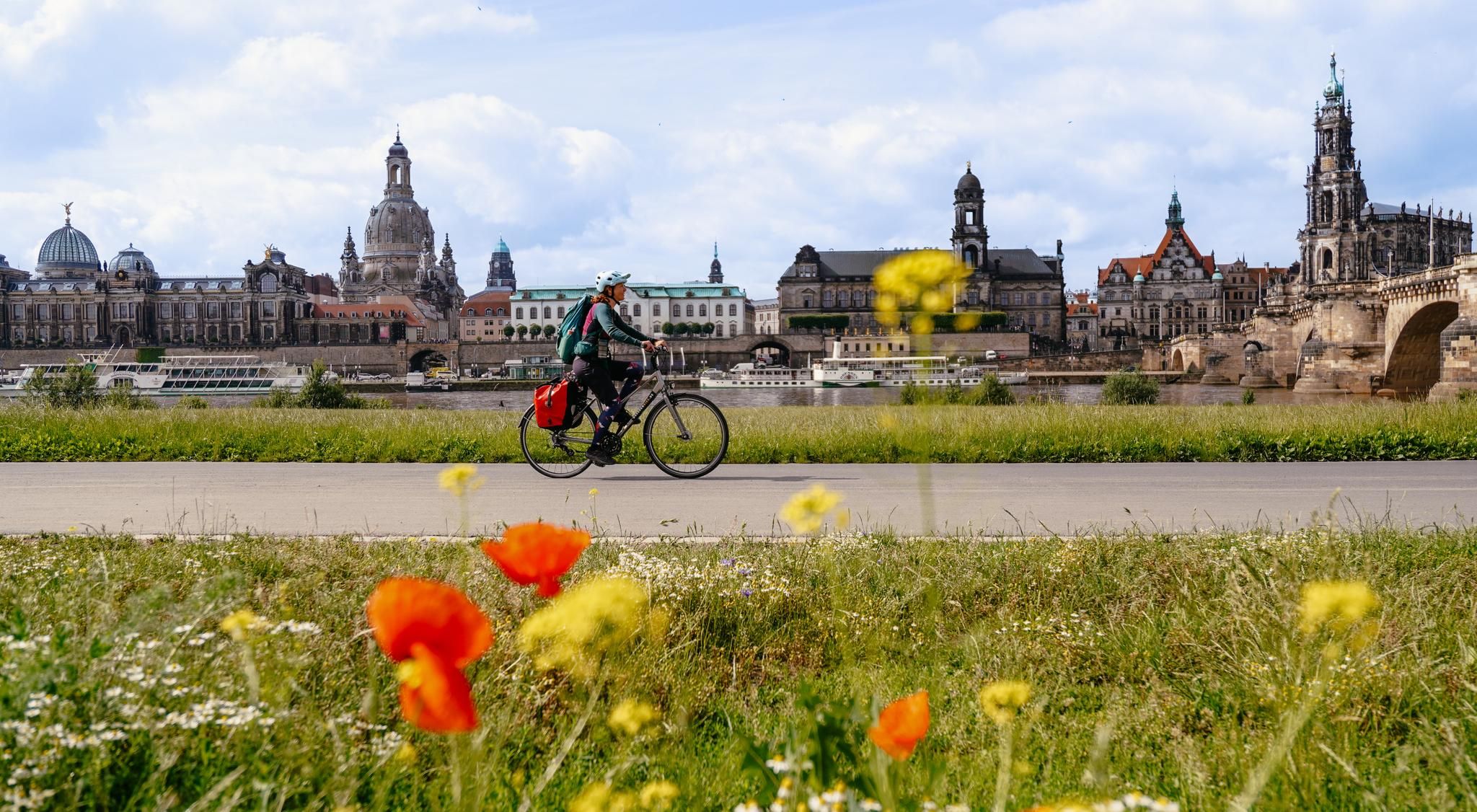
3 days cycling in Dresden Elbland with Couchflucht's Sabrina
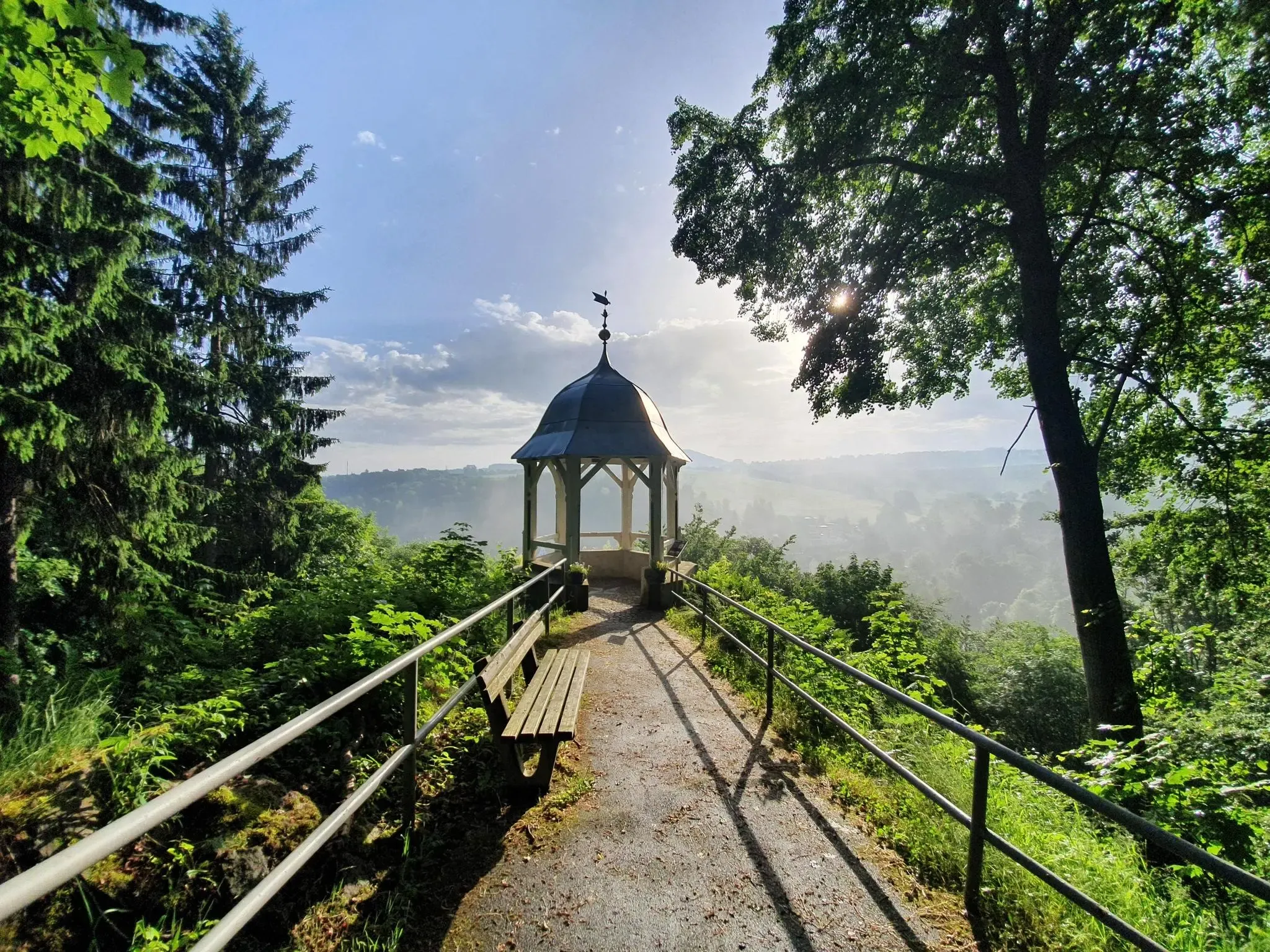
#GoFurther – discover the views of Germany!
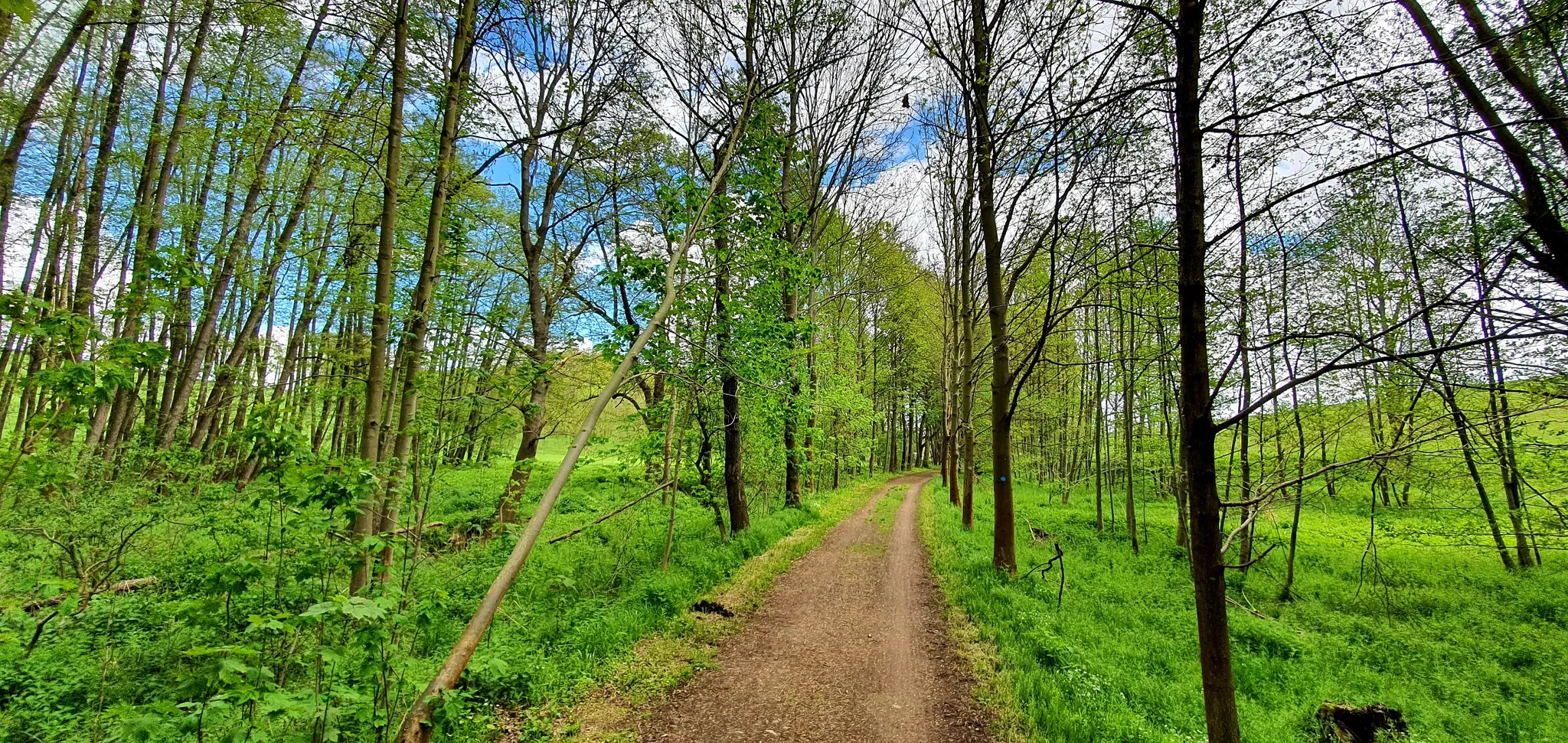
Ride through Saxony’s hills – Meißner 8 in Germany
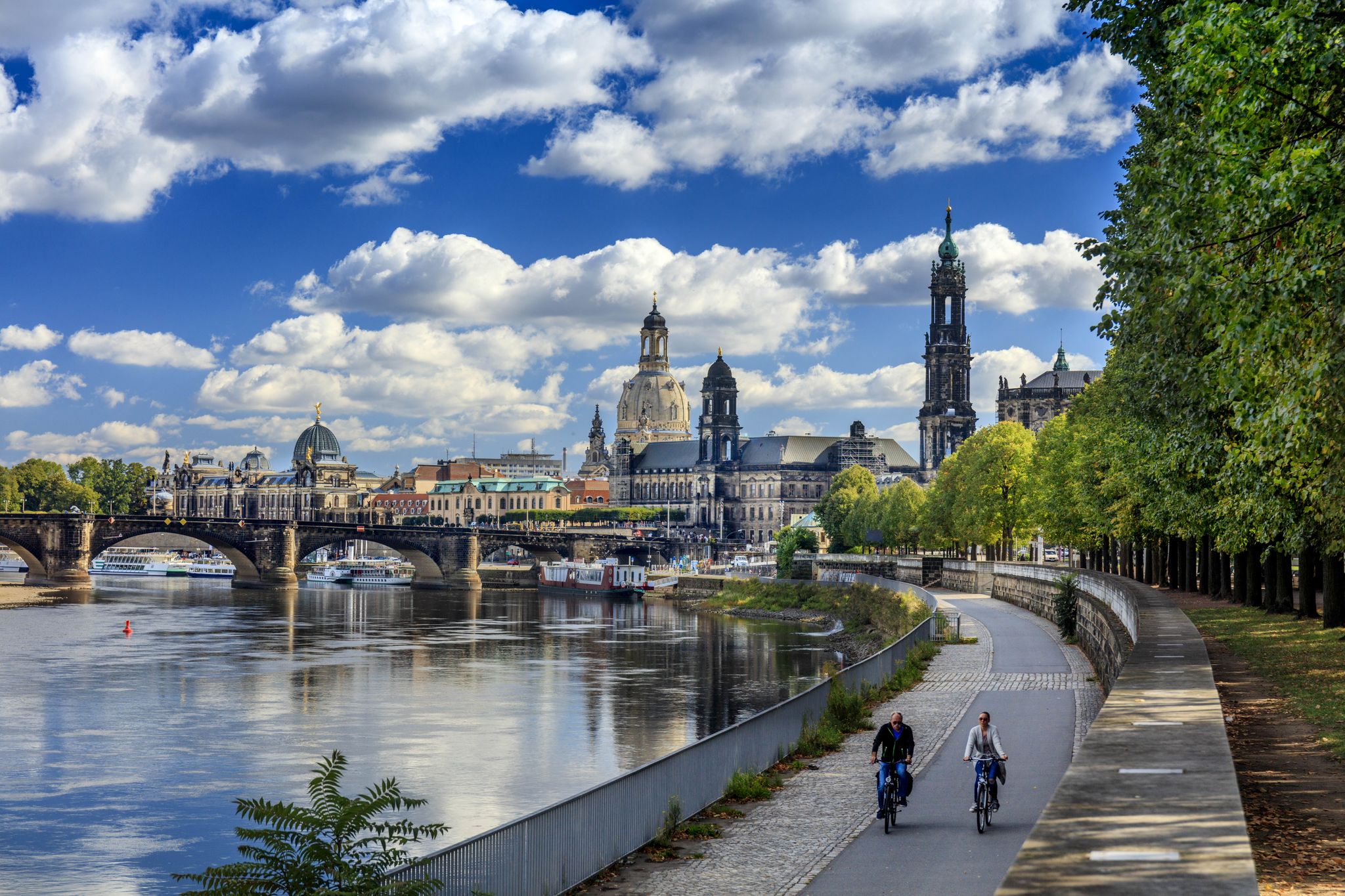
Cycling in Saxony – joy on two wheels
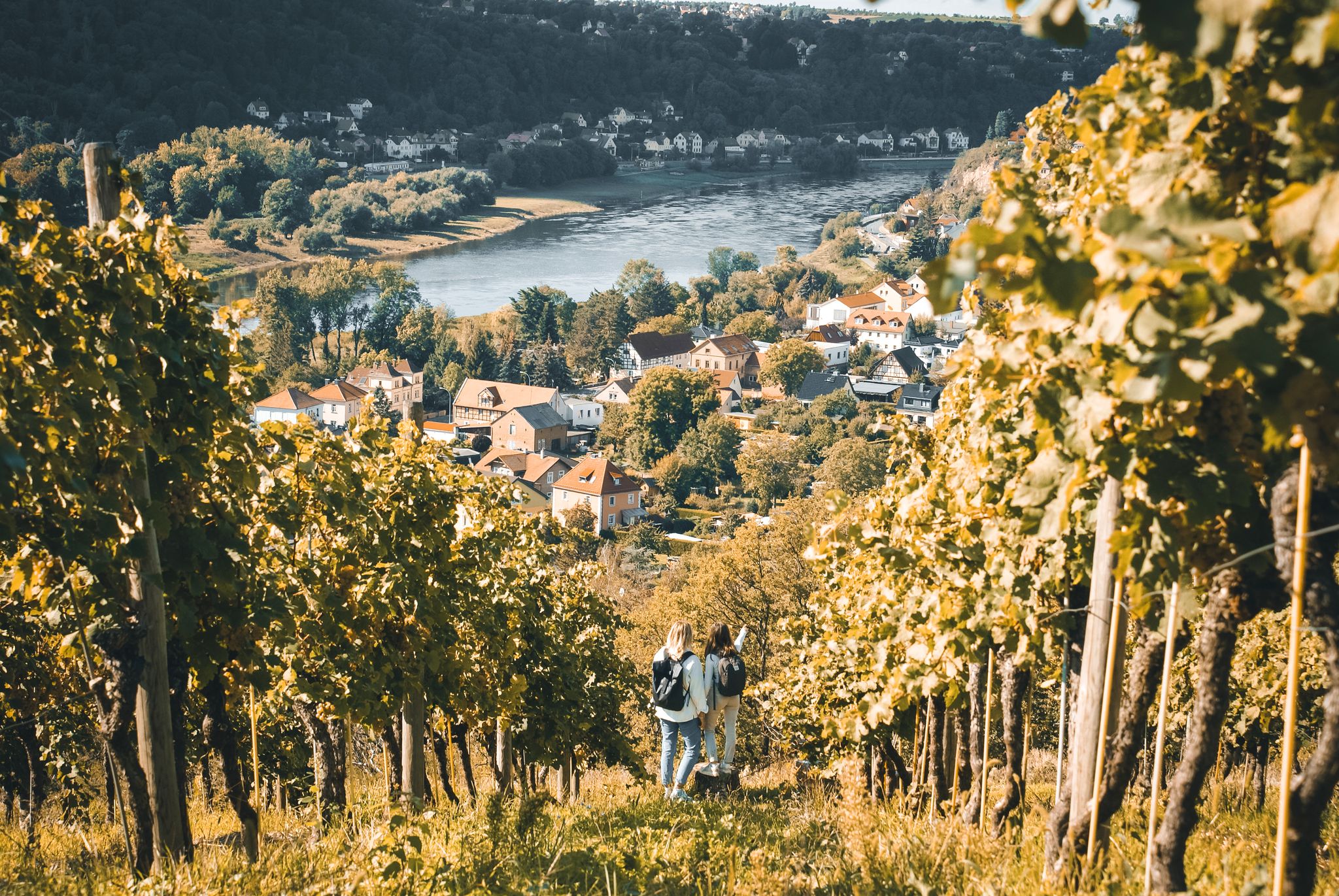
Natural treasures and idyllic villages – walking around Dresden
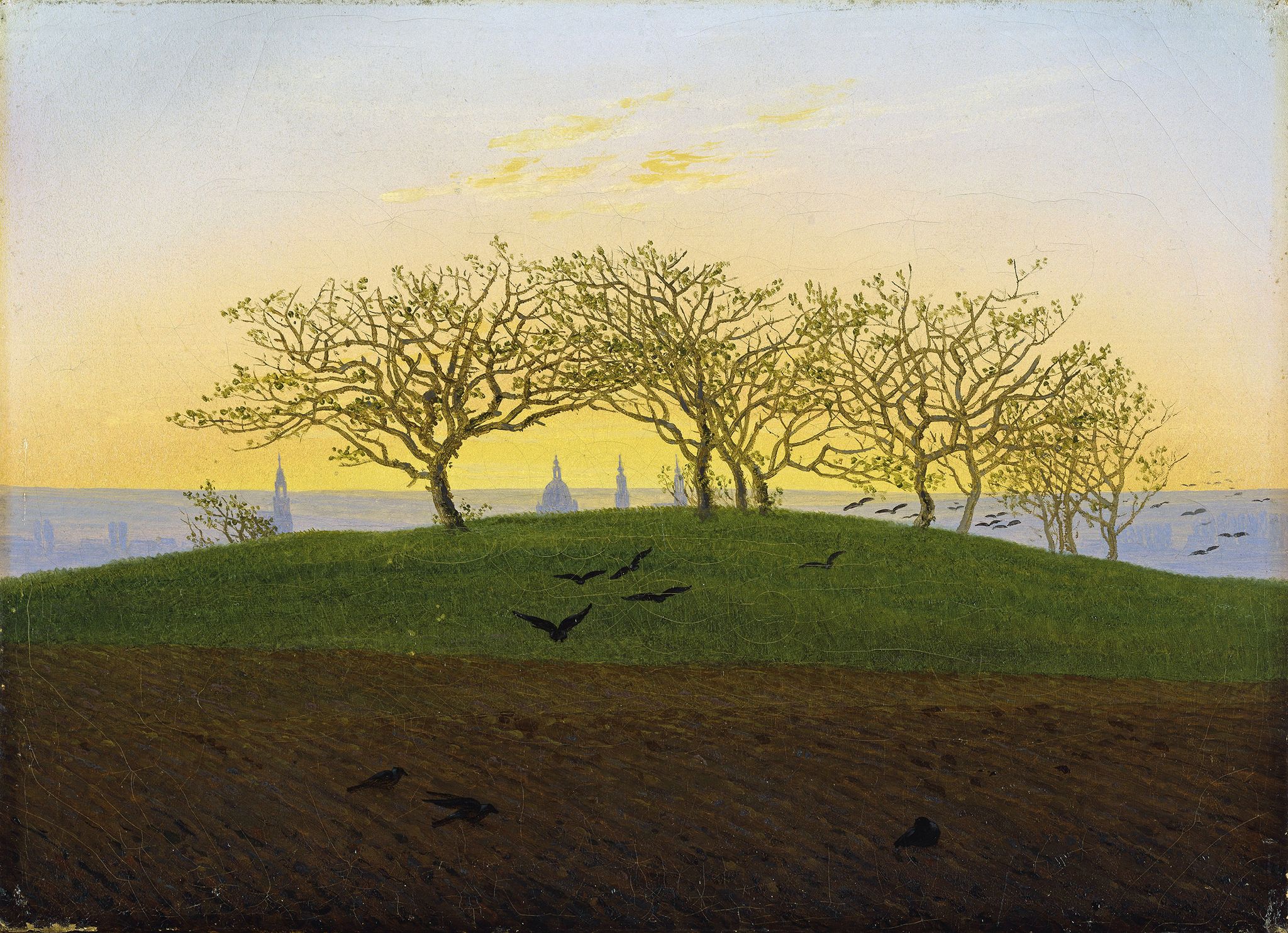
Hike in the footsteps of Caspar David Friedrich in Dresden Elbland
Other adventures in the Saxon Elbland


Tips from the Community

Albrechtsburg Meissen in Saxony is considered the oldest castle in Germany. Built from 1471 by Arnold von Westfalen as a residence for the Wettins, it is considered the first castle construction in Germany that transformed a fortress into a representative residential building. It stands on a castle that was first mentioned in 929.
11
0

The medium-sized town of Meissen is internationally famous for the production of Meissen porcelain, the first European porcelain to be produced since 1708. The name of the town with a double S ("Meissen") is a registered trademark of the Meissen State Porcelain Manufactory.
0
0

Between the ferry and Hirschstein Castle, there is a rest area with two seats. Ideal for a break.
0
0

If you visit Meissen, you have to have been HERE.
0
0

The previous building on this site had already been built as a small chapel in 968 on the occasion of the founding of the diocese of Meissen by Emperor Otto I. Between 1006 and 1073 it was converted into a four-towered Romanesque basilica, which was elevated to the status of an episcopal cathedral.
2
0

a really beautiful view
1
0

From the castle there is a beautiful climb up the vineyard and you walk directly between the 🍇 vines. From the top you have a wonderful view 🤩.
12
1

Small winery with guided tours and tastings, as well as a restaurant and summer festivals in the well-kept park.
15
1
Frequently Asked Questions
What are some of the most popular castles to visit in the Saxon Elbland?
Among the most popular are Meissen Old Town and Albrechtsburg Castle, known as Germany's first castle designed purely as a royal residence and the birthplace of European porcelain. Moritzburg Castle, a stunning Baroque pleasure palace on an artificial island, is also highly favored. Visitors also enjoy the miniature Fasanenschlösschen Moritzburg.
Are there family-friendly castles in the Saxon Elbland?
Yes, many castles in the Saxon Elbland are suitable for families. Meissen Old Town and Albrechtsburg Castle, Moritzburg Castle, and Fasanenschlösschen Moritzburg are all categorized as family-friendly. Königstein Fortress, with its vast grounds and historical exhibits, also offers an engaging experience for all ages.
Which castles offer significant historical insights into the region?
The region is rich in history. Albrechtsburg Castle in Meissen is significant as Germany's first residential castle and the origin of European porcelain. Königstein Fortress is one of Europe's largest mountain fortresses, never conquered, and features Germany's oldest barracks. Hartenfels Castle in Torgau played a crucial role in the Protestant Reformation, with its chapel consecrated by Martin Luther. Colditz Castle is famous for its World War II prisoner-of-war camp history.
What kind of outdoor activities can I do near the castles in Saxon Elbland?
The Saxon Elbland offers various outdoor activities near its castles. You can find numerous cycling routes, such as the 'Saxon winegrower Tour' or the 'Meissner 8', which are part of Cycling in the Saxon Elbland. For gravel biking, routes like 'Moritzburg Castle – View of Moritzburg Castle loop' are available in Gravel biking in the Saxon Elbland. Running trails, including an easy 5 km loop around Moritzburg Castle, can be explored in Running Trails in the Saxon Elbland.
Are there castles in the Saxon Elbland that are wheelchair accessible?
Some castles and their surrounding areas offer wheelchair accessibility. For instance, Moritzburg Castle and the View of the Albrechtsburg in Meissen are noted as wheelchair accessible in certain areas. It's advisable to check specific castle websites for detailed accessibility information before your visit.
Which castles offer scenic viewpoints or natural features?
Many castles in the Saxon Elbland are set amidst beautiful landscapes. Moritzburg Castle is famous for its picturesque setting on an artificial island. Königstein Fortress provides spectacular views of the Elbe Valley and Saxon Switzerland National Park. Albrechtsburg Castle and Meissen Cathedral offer stunning views over the Elbe River. Weesenstein Castle is dramatically located on a rocky outcrop above the Müglitz river valley.
What is the best time of year to visit the castles in Saxon Elbland?
The Saxon Elbland castles are beautiful year-round. Spring and summer offer pleasant weather for exploring the grounds and nearby outdoor activities. Autumn is particularly scenic, with vibrant foliage enhancing the castle backdrops, making it ideal for walks. Many castles also host special events and markets during the Christmas season.
Are there any castles associated with wine production in the region?
Yes, the Saxon Elbland is known for its wine culture. Schloss Wackerbarth Winery and Vineyard is renowned as a hub for Saxon wine, offering tours and a restaurant. Hoflößnitz Castle and Saxon Wine Museum is another idyllic location where you can explore the history of wine and taste local varieties. Proschwitz Castle is home to the oldest private winery in Saxony.
What do visitors enjoy most about the castles in the Saxon Elbland?
Visitors frequently praise the beautiful old towns and historic buildings, especially around Meissen Old Town and Albrechtsburg Castle. The fairytale-like appearance and picturesque views of Moritzburg Castle are also highly appreciated. Many enjoy the well-kept gardens and the opportunity to taste local wines at places like Schloss Wackerbarth.
Are there any hidden gems among the castles in the Saxon Elbland?
While many castles are well-known, some offer unique experiences. Weesenstein Castle, dramatically perched on a rocky outcrop, provides an interesting blend of palace and castle architecture. The miniature Fasanenschlösschen Moritzburg, with its adjacent ponds and lighthouse, offers a charming and less conventional castle visit.
How do Moritzburg Castle and Königstein Fortress compare?
These two offer distinct experiences. Moritzburg Castle is a Baroque pleasure palace, known for its elegant architecture, artificial island setting, and lavish history as a hunting lodge. Königstein Fortress, on the other hand, is a formidable mountain fortress, one of Europe's largest, with a military history, extensive fortifications, and panoramic views of the Elbe Valley and Saxon Switzerland. Moritzburg is about grandeur and aesthetics, while Königstein is about impregnable strength and strategic importance.
Can I find cafes or restaurants near the castles?
Yes, many castles and their surrounding towns offer dining options. Schloss Wackerbarth Winery and Vineyard has an on-site restaurant, and Hoflößnitz Castle and Saxon Wine Museum includes a wine tavern. Fasanenschlösschen Moritzburg also has a cafe. The old towns near castles like Meissen also offer various eateries.
Most popular routes in the Saxon Elbland
Most popular attractions in the Saxon Elbland

Get inspired with the komoot mobile app


Didn’t find what you were looking for?
Explore Saxon Elbland’s best castles region by region:
