Top 20 Natural Monuments in Eastern Switzerland
Best natural monuments in Eastern Switzerland encompass a diverse landscape of geological wonders, alpine lakes, and mountain peaks. This region, situated at the convergence of several cantons, offers varied terrain from dramatic gorges to expansive valleys. It is characterized by its limestone formations, clear mountain waters, and traditional alpine settings. The area provides numerous opportunities for outdoor exploration and appreciating natural features.
Best natural monuments in Eastern Switzerland
- The most popular natural monuments is Seealpsee, a picturesque mountain lake…
Last updated: July 23, 2026
Aescher-Wildkirchli Mountain Inn
Highlight • Mountain Hut
Translated by Google •
Tip by

Seealpsee
Highlight • Lake
Translated by Google •
Tip by
Sign up now to discover places like this
Get recommendations on the best single tracks, peaks, & plenty of other exciting outdoor places.
Sign up for free
Rhine Falls
Highlight • Waterfall
Translated by Google •
Tip by

Hoher Kasten Summit
Highlight • Summit
Accordingly, you are rarely alone here.
Translated by Google •
Tip by

Säntis Summit (2,502 m)
Highlight • Summit
Translated by Google •
Tip by

Fählensee
Highlight • Lake
Translated by Google •
Tip by

Saxer Lücke
Highlight • Mountain Pass
Translated by Google •
Tip by

Seealpsee
Highlight • Lake
Translated by Google •
Tip by

Tamina Gorge
Highlight (Segment) • Gorge
Source of our thermal water
The Tamina spring is not only the namesake of our thermal spa, but …
Translated by Google •
Tip by

Seerenbach Falls
Highlight • Waterfall
Translated by Google •
Tip by

Sign up for free to discover even more natural monuments in Eastern Switzerland.
Sign up for free
Already have an account?
Start today with a free account
Your next adventure awaits.
Login or Signup
Popular around Eastern Switzerland
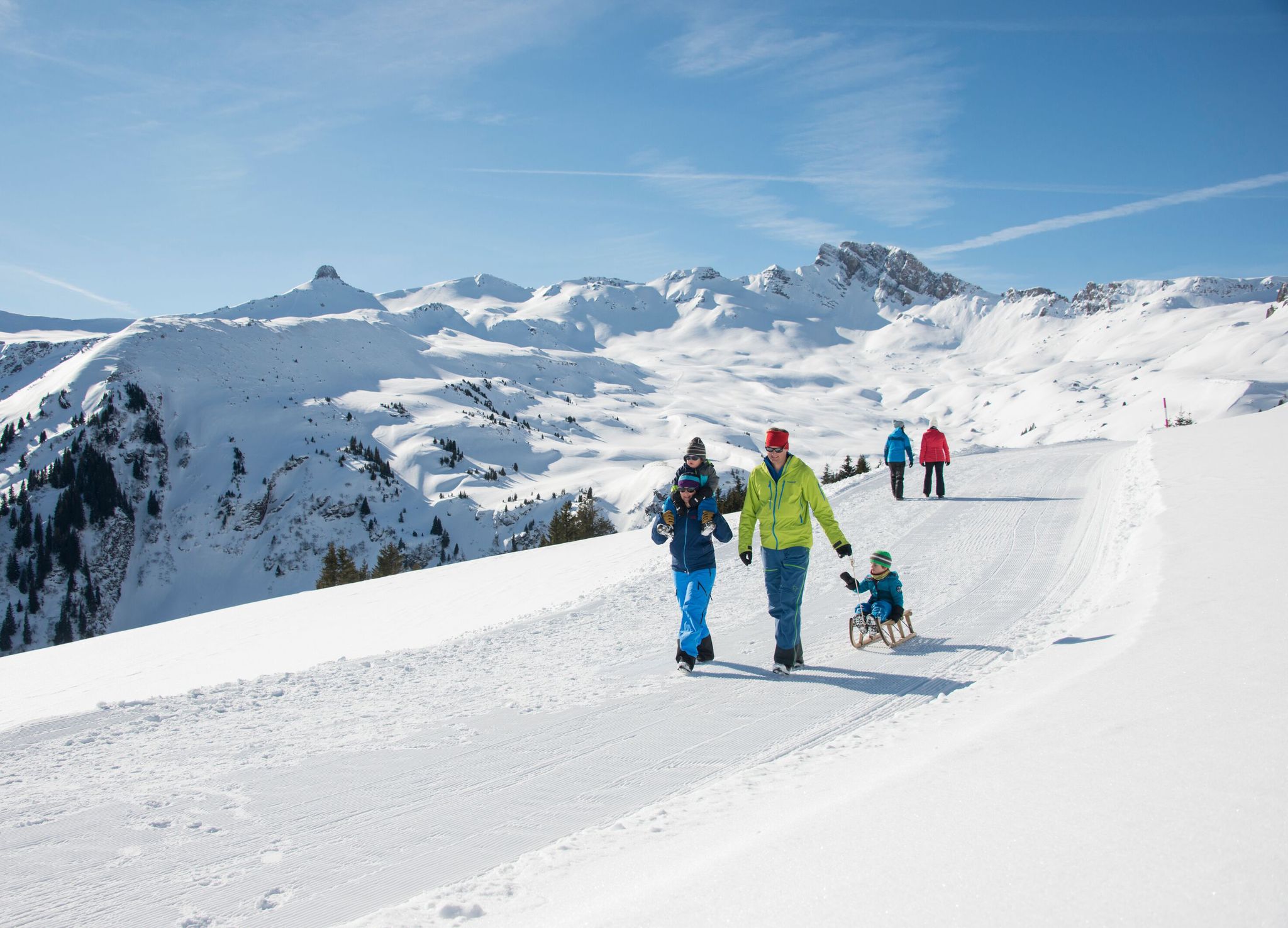
Family-friendly winter hikes in Eastern Switzerland
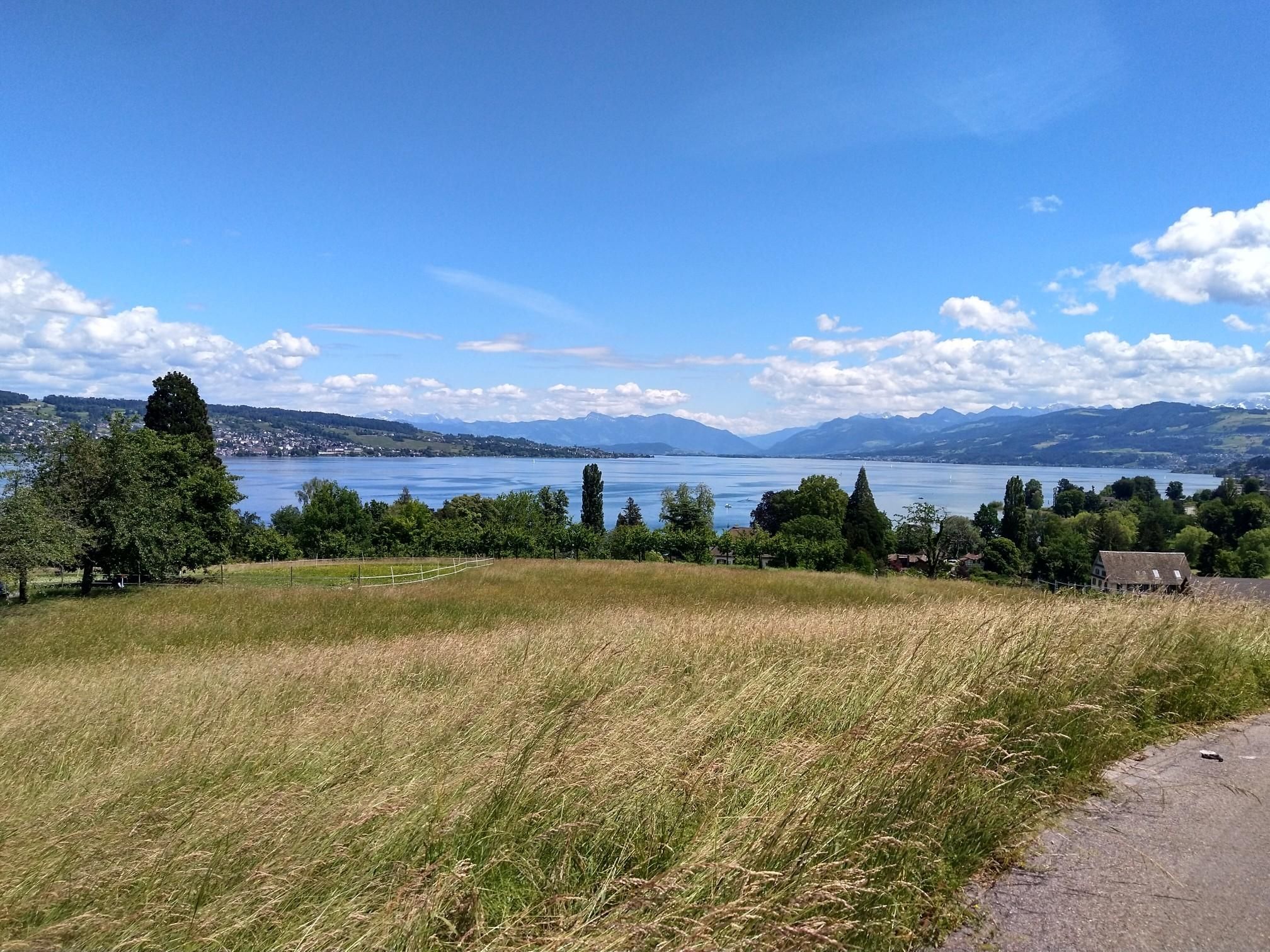
Lake Zurich loop – A land of contrasts
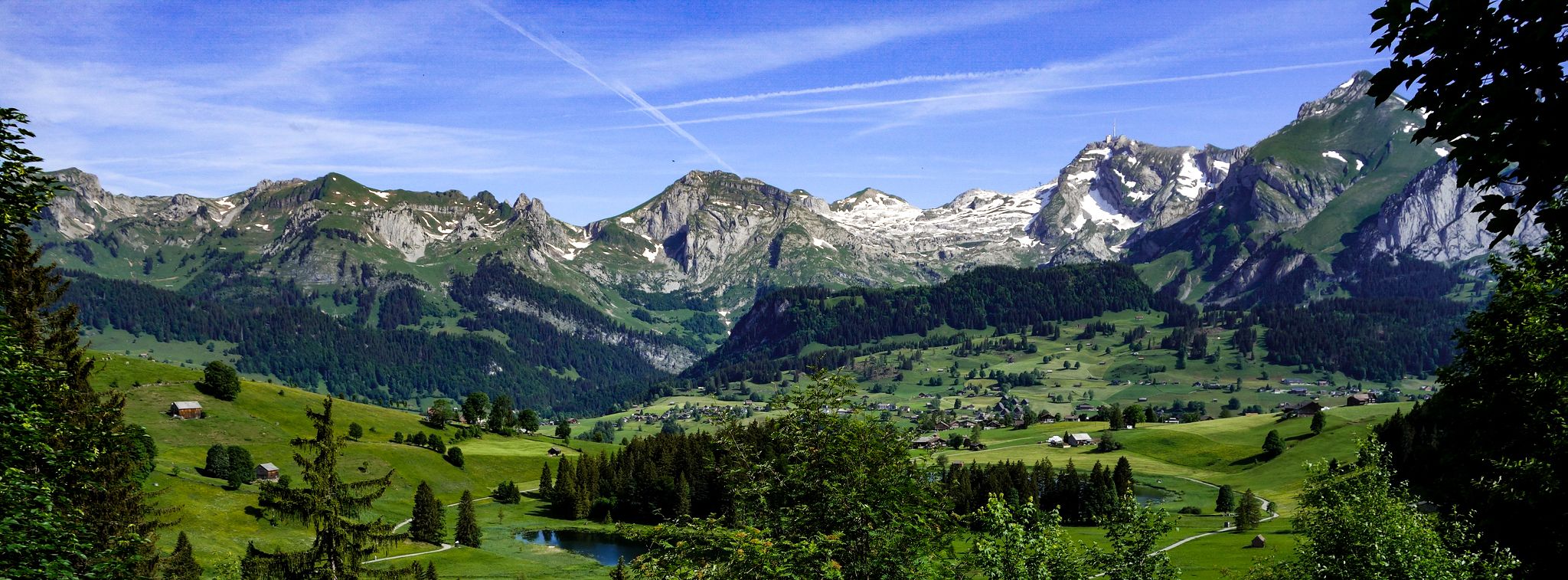
Toggenburger Höhenweg – Demanding hiking near St. Gallen
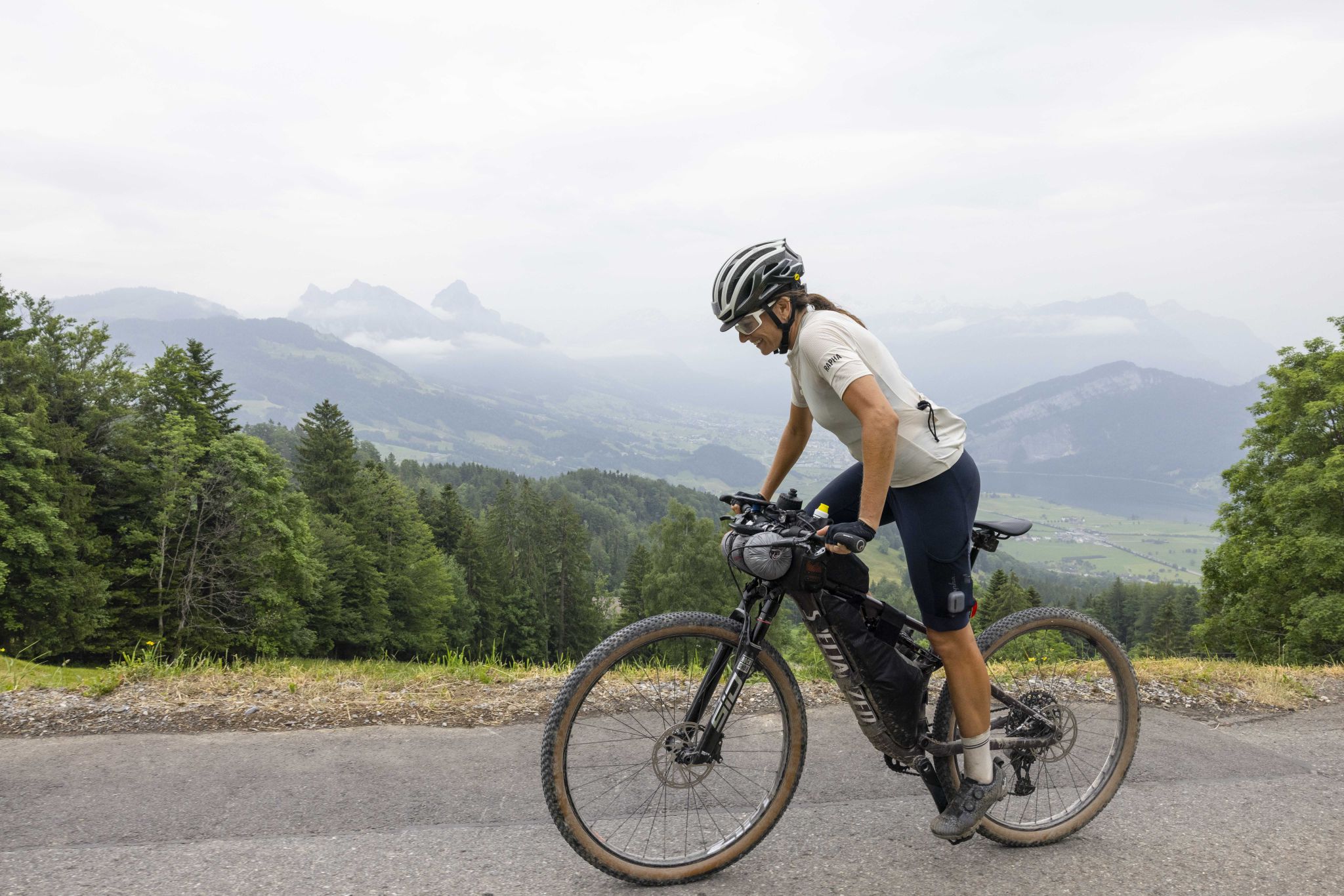
Hope 1000 – Bikepacking Switzerland in 11 stages
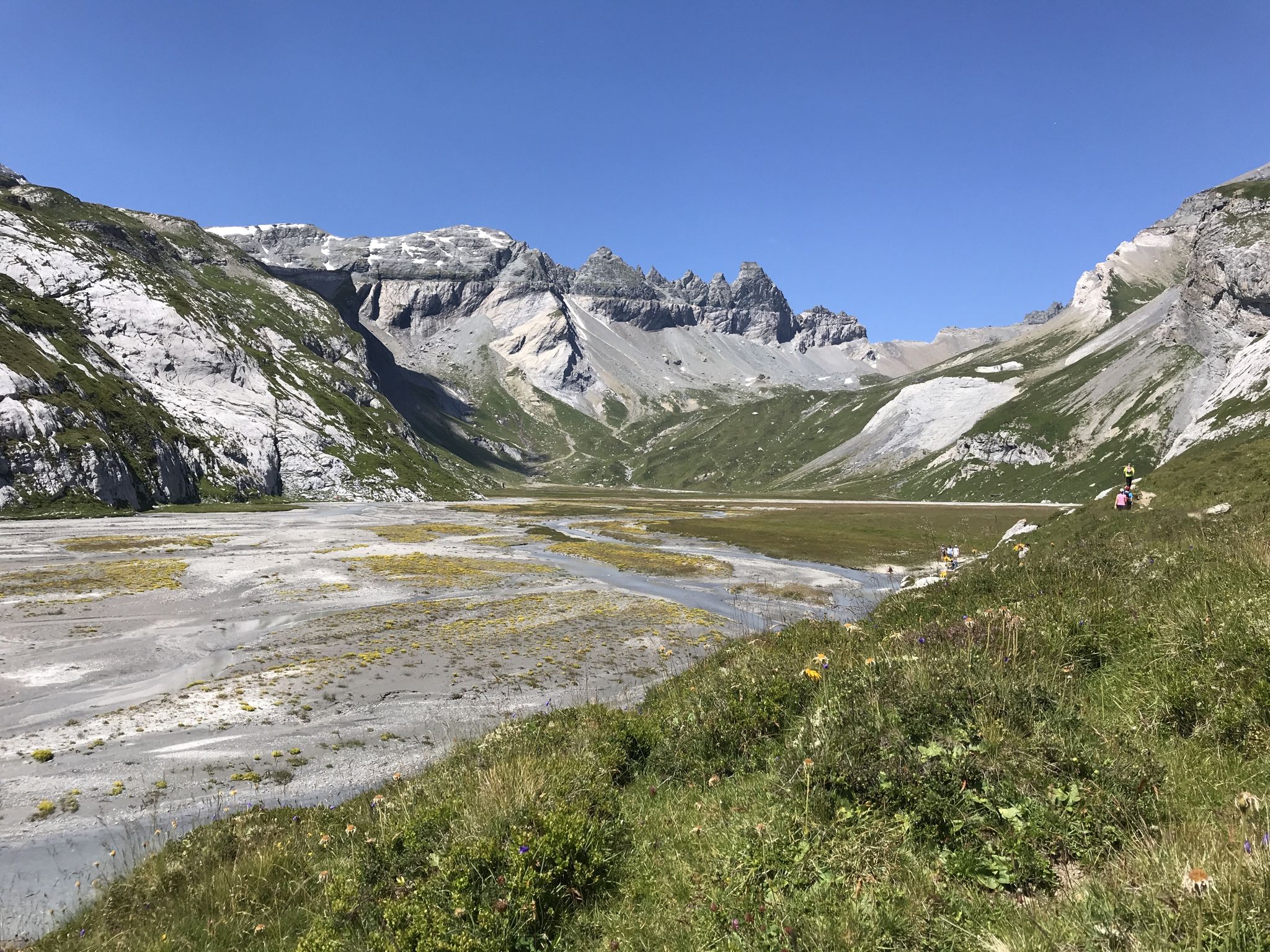
Sardona World Heritage Trail – Where the Alps once formed
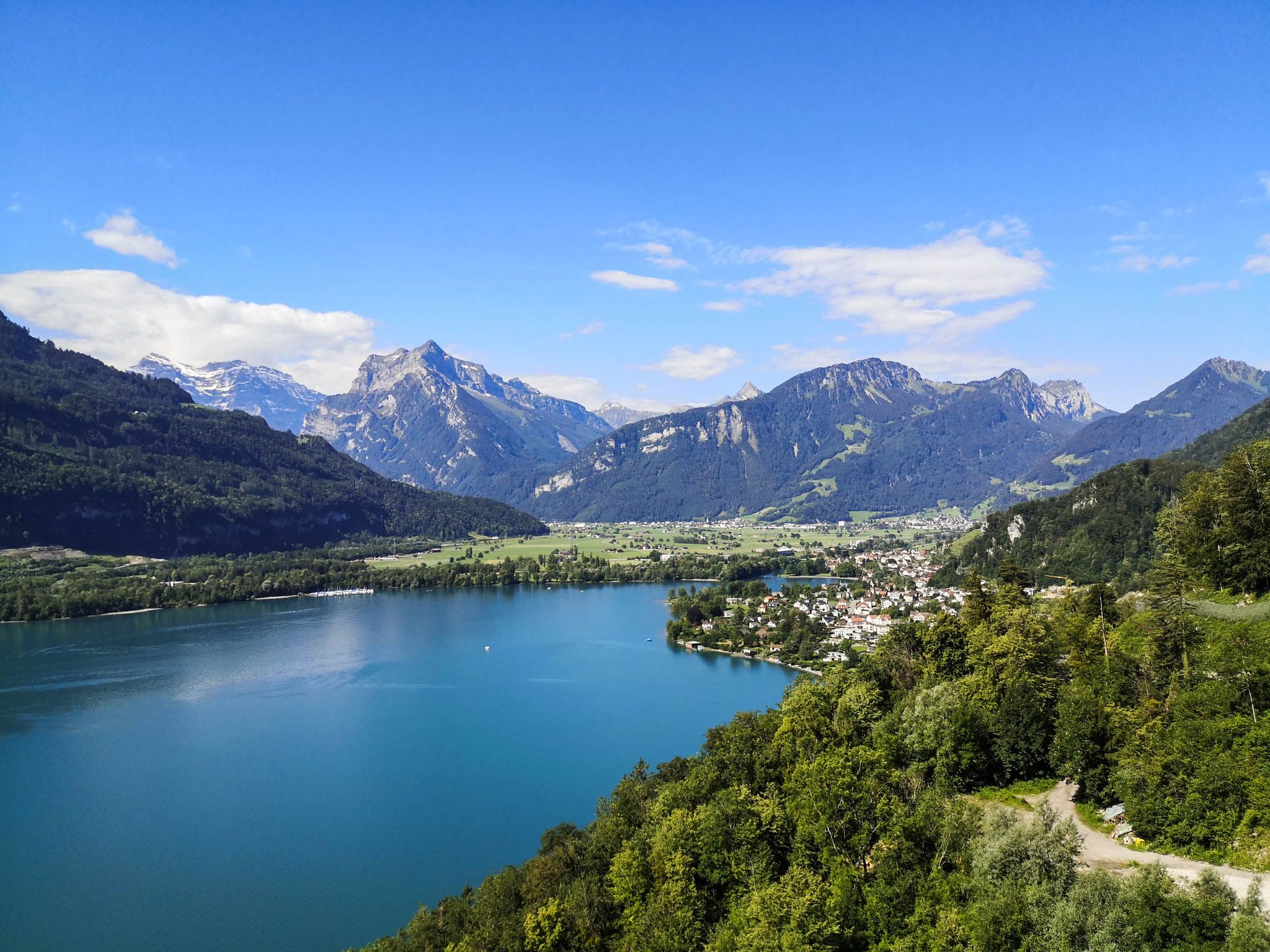
Alpine Panorama Trail in Switzerland – Keep your eyes on the mountains
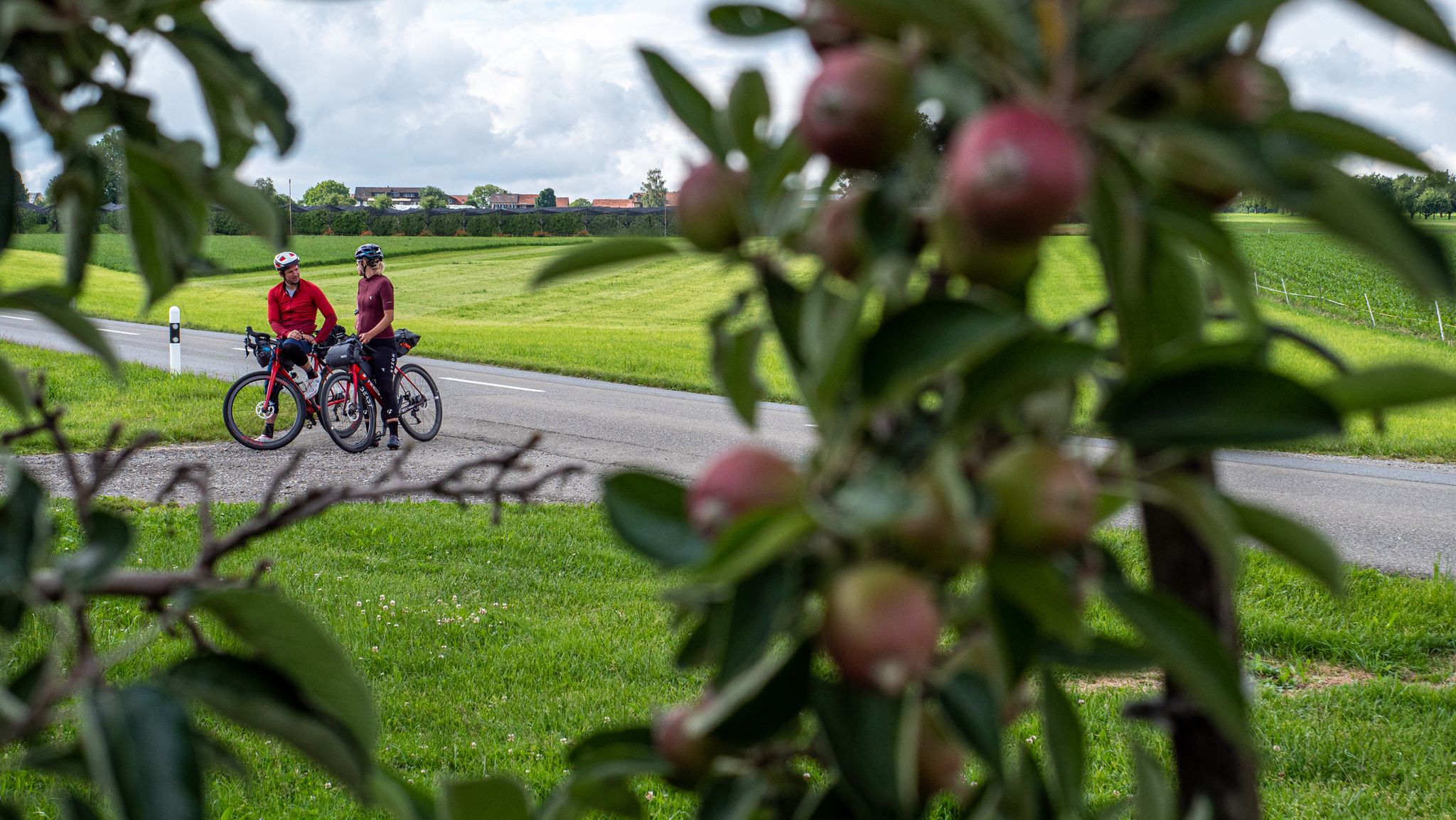
SEND IT! Germany by bike with two mountain bike pros
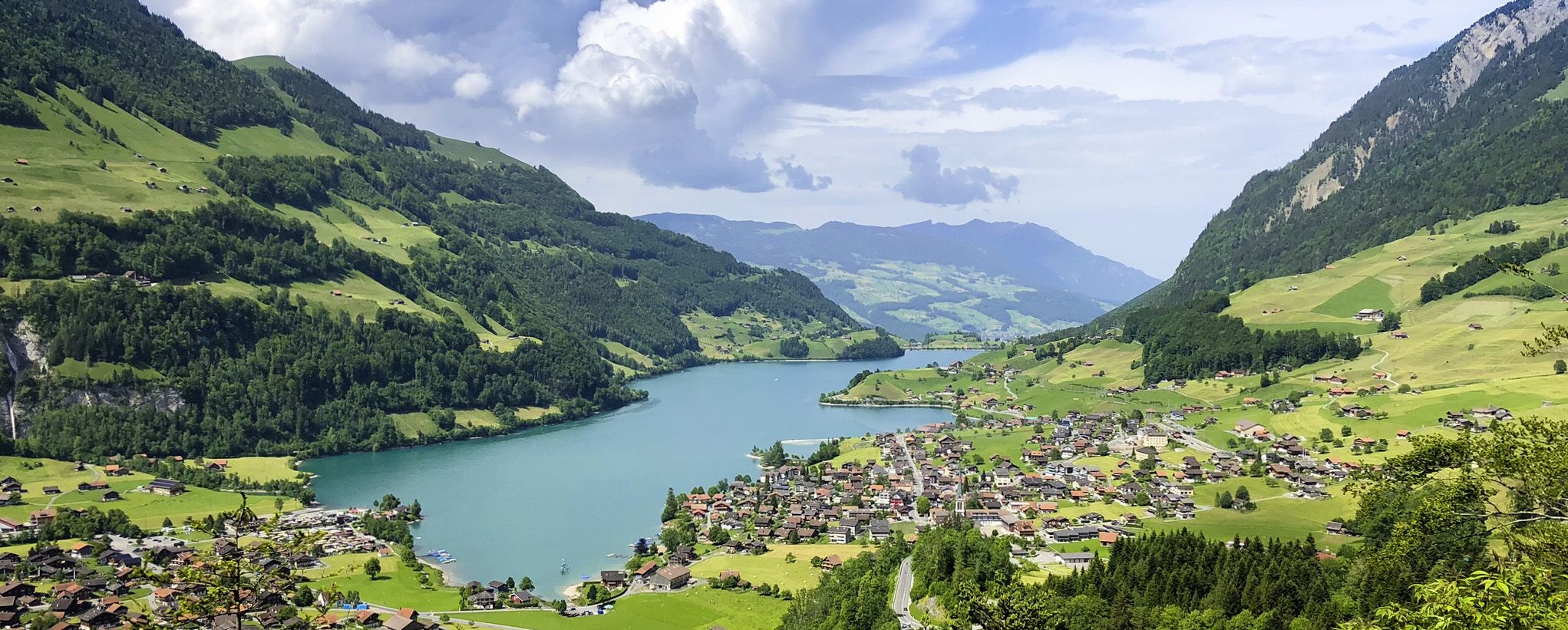
The Lakes Route – Picture-postcard views in the Swiss alpine foothills
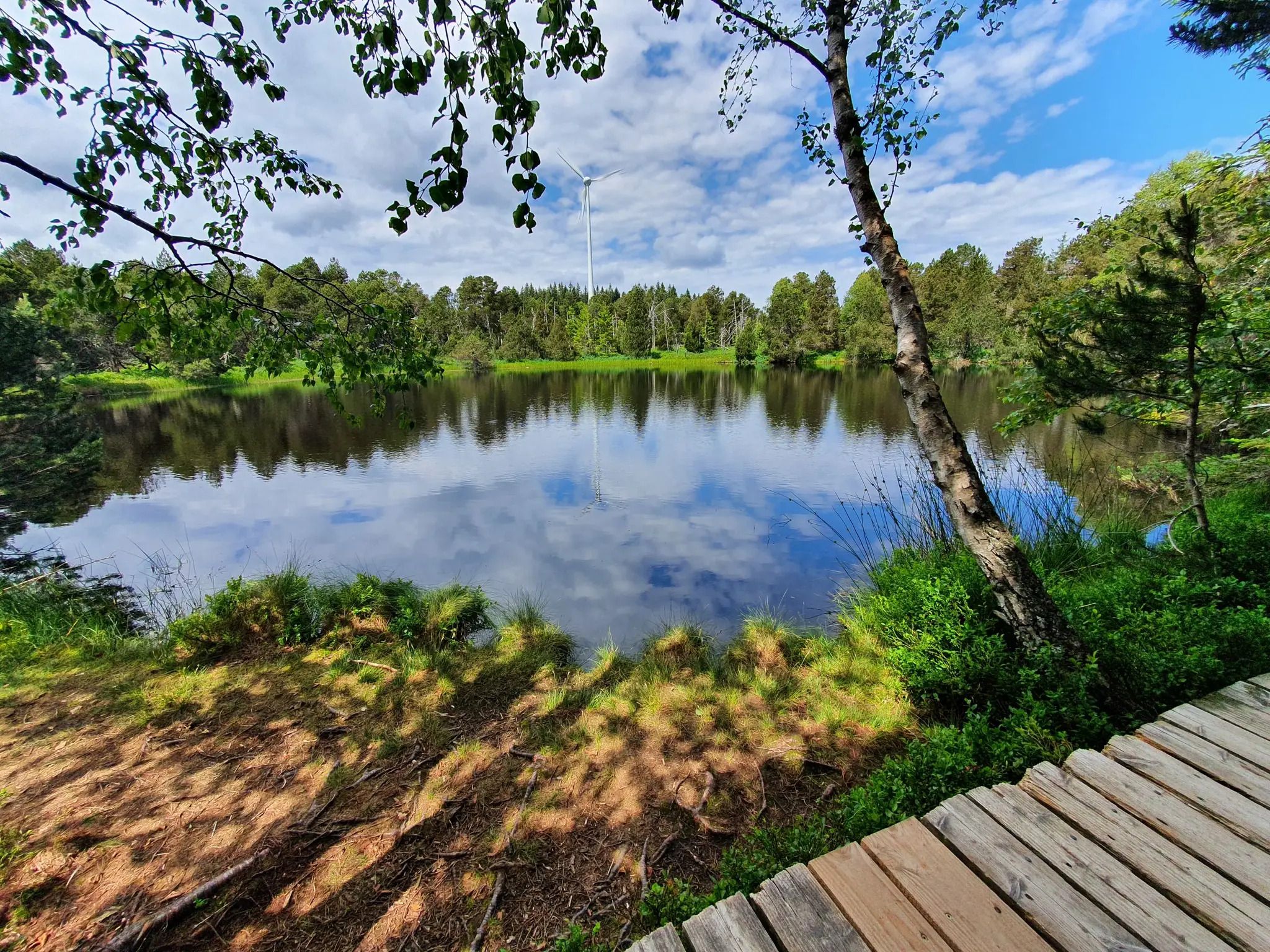
Hike the WasserWeltenSteig – Waterfalls, lakes and rivers of the Black Forest
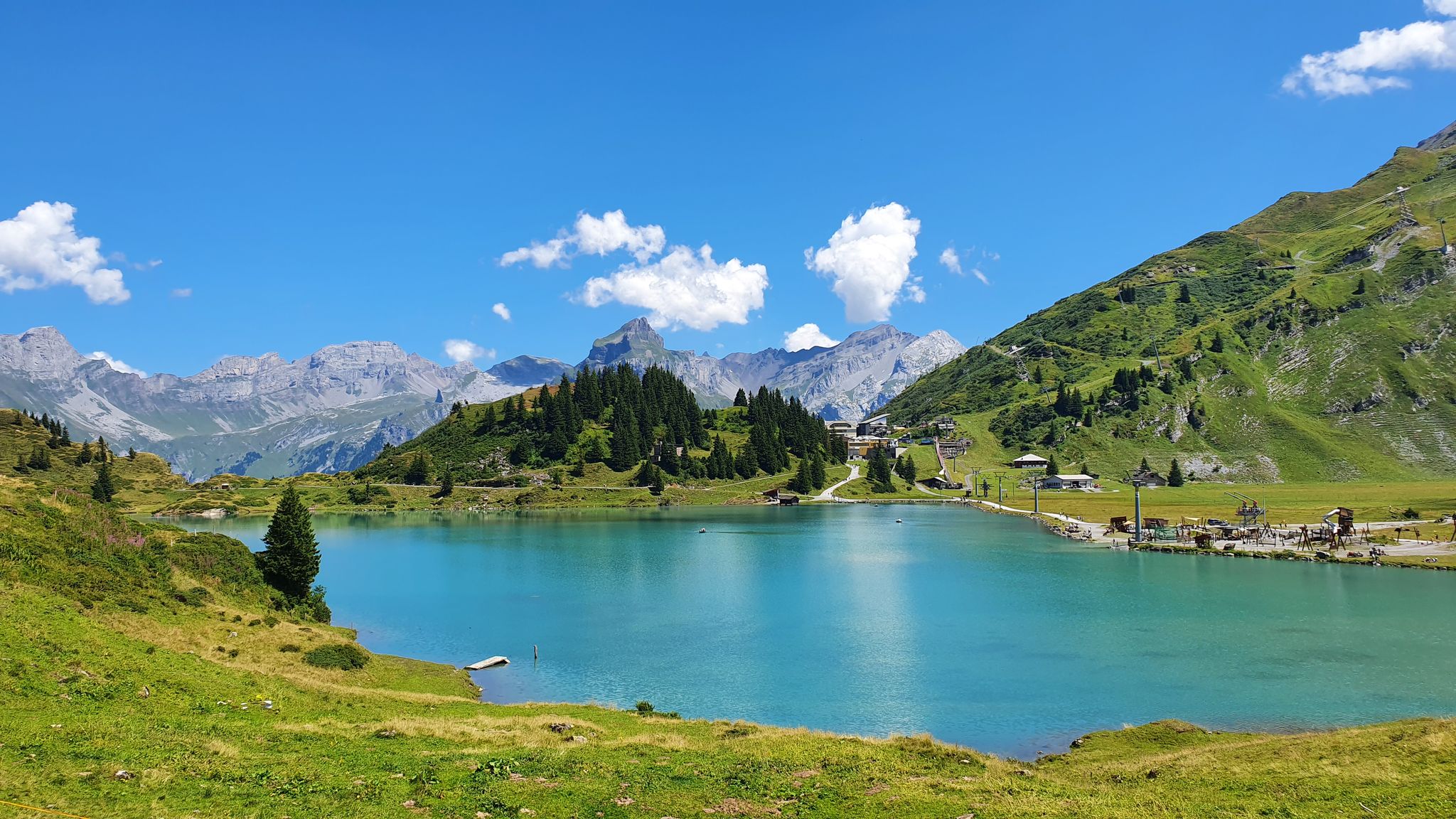
Via Alpina – The 15 stages of the Green Route
Other adventures in Eastern Switzerland


Tips from the Community

The Saxer Lücke (approx. 1,670 m above sea level) is a striking rocky notch in the Alpstein between the cantons of Appenzell Innerrhoden and St. Gallen. It is one of the best-known viewpoints in Eastern Switzerland and offers a spectacular view of the jagged rock peaks, the Rhine Valley, and the Vorarlberg Alps. The Saxer Lücke is accessible via well-maintained mountain hiking trails, including from the Staubern mountain inn or from Frümsel. The traverse between Staubern and Hohen Kasten is particularly popular. In summer, the impressive landscape and alpine flora are a draw, while in autumn, seas of fog in the Rhine Valley often create unforgettable panoramas.
6
0

Our mountain guesthouse has seen many a proud face after the steep climb. The guesthouse, in its current form, has existed since 1860, making it one of the oldest mountain inns in Switzerland. Pastor Ulmann was the first hermit to live in the hermitage in the Wildkirchli in 1658. More than 20 men followed his example until 1853, shaping the history of the Wildkirchli as hermits and first hosts. Since then, this mystical place has fascinated generations. Stories are told of little wild people who are said to have once lived in the Wildkirchli caves and come to the aid of the herdsmen. The Aescher inspires poets and artists to create new works. Bones of cave bears and stone tools bear witness to the cave as an ancient shelter. Source: https://aescher.ch/
12
1

Tamina Gorge near Old Bad Pfäfers - 36.5°C, 8,000 liters per minute. Source of our thermal water The Tamina spring is not only the namesake of our thermal spa, but also the source of our healing spring water. Europe's most abundant thermal spring rises in the Tamina Gorge near Bad Ragaz and was discovered in the early Middle Ages (in 1242). Mysterious Tamina Gorge In the Tamina Gorge between Valens and the hamlet of Bonadivis, the water of the Tamina River carves its way up to 200 meters into the earth. The narrow rock crevice of the Tamina Gorge is approximately 750 meters long and 70 meters deep. Near Old Bad Pfäfers, the gorge widens, and a road now connects Old Bad Pfäfers with the town of Bad Ragaz. Deep within the mystical Tamina Gorge beats its heart: the inexhaustible spring from which healing, body-temperature thermal water has bubbled for centuries. Among others, the physician and alchemist Paracelsus praised the healing properties of the spring water in the 16th century, which is considered an acratotherm due to its low mineral content and temperature of 36.5°C. Text / Source: TAMINA THERME AG, Hans Albrecht-Strasse, Bad Ragaz https://www.taminatherme.ch/thermalwasserwelt/taminaschlucht-thermalwasser
14
0
Pure nature, simply great.
7
0
Great waterfalls, by the way, the highest in Switzerland.
7
0

Coming from Mutschen, after the Saxer Lücke, the path goes steeply up to the ridge... the view of the Kreuzberge is very impressive...
5
0

Please do not encourage others to camp there too. It is forbidden and nature suffers as a result. There is rubbish from campers everywhere and there are plenty of other places where you can camp, just not here! leave your tent at home or in the car. Thanks =) ------------------------------------------------------------------------------------------ please don't encourage others to camp there too. It is forbidden and nature suffers as a result. There is rubbish from campers everywhere and there are plenty of other places where you can camp, just not here! leave your tent at home or in the car. Thanks!
50
10
Very beautiful and idyllic mountain lake
8
0
Frequently Asked Questions
What are some of the most popular natural monuments in Eastern Switzerland?
Eastern Switzerland is home to several highly-rated natural monuments. Among the most popular are Seealpsee, a picturesque mountain lake, and the powerful Seerenbach Falls, one of Switzerland's highest waterfalls. Visitors also frequently enjoy the dramatic Rhine Falls, Europe's largest waterfall.
Are there family-friendly natural monuments in Eastern Switzerland?
Yes, several natural monuments in Eastern Switzerland are suitable for families. The Rhine Falls offers various viewing platforms and boat trips, making it an exciting experience for all ages. The Aescher-Wildkirchli Mountain Inn, carved into a cliff, is also categorized as family-friendly, offering a unique destination after a hike.
Which natural monuments feature impressive waterfalls?
Eastern Switzerland is renowned for its waterfalls. The Rhine Falls near Neuhausen am Rheinfall is Europe's largest, with up to 600,000 liters of water per second thundering down. Another spectacular sight is the Seerenbach Falls near Weesen, which cascades down in multiple stages and is among Switzerland's highest.
Where can I find picturesque mountain lakes in Eastern Switzerland?
The region boasts stunning mountain lakes. Seealpsee, nestled in the Alpstein massif, is famous for its bright green water and idyllic alpine setting. Another beautiful option is Fählensee, located in a narrow valley between prominent peaks, offering serene reflections of the surrounding mountains.
Are there any notable mountain summits among the natural monuments?
Absolutely. The Säntis Summit (2,502 m) is the highest mountain in the Alpstein range, offering expansive panoramic views of the Alpstein Mountains, Appenzellerland, Lake Lucerne, and Lake Constance. Another significant peak is the Fähnerenspitz Summit, also providing excellent viewpoints.
What kind of outdoor activities can I do near these natural monuments?
The natural monuments in Eastern Switzerland are excellent starting points for various outdoor activities. You can find numerous hiking trails, including challenging mountain hikes and more moderate waterfall hikes. For detailed routes and inspiration, explore guides like Mountain Hikes in Eastern Switzerland, Waterfall hikes in Eastern Switzerland, and the general Hiking in Eastern Switzerland guide.
Are there any unique geological formations or gorges to explore?
Yes, Eastern Switzerland features fascinating geological sites. The Tamina Gorge near Bad Ragaz is known for its dramatic rock formations and thermal waters. Additionally, the Saxer Lücke is a striking mountain pass with interesting geological features, offering insights into the region's formation.
What is the best time of year to visit the natural monuments in Eastern Switzerland?
The best time to visit largely depends on the specific monument and desired activity. Summer months (June to September) are ideal for hiking and enjoying the full beauty of the alpine lakes and mountains, as snowmelt feeds the waterfalls and cable cars to summits like Säntis are fully operational. Spring offers powerful waterfalls after snowmelt, while autumn provides vibrant foliage.
Are there natural monuments with historical or cultural significance?
Yes, some natural monuments are intertwined with history and culture. The Aescher-Wildkirchli Mountain Inn and the nearby Wildkirchli Chapel are built into caves that have been inhabited for centuries, first by hermits and even earlier by cave bears and prehistoric humans. These sites offer a unique blend of natural wonder and human history.
How accessible are the natural monuments by public transport?
Many natural monuments in Eastern Switzerland are accessible by public transport, often involving a combination of trains, buses, and sometimes cable cars. For example, the Säntis Summit can be reached via a cable car from Schwägalp, which is accessible by bus. For other sites like Seealpsee, public transport can get you to a nearby village, followed by a hike.
What do visitors enjoy most about the natural monuments in Eastern Switzerland?
Visitors consistently praise the breathtaking natural beauty and the diverse opportunities for outdoor exploration. The picturesque panoramas of places like Seealpsee, the sheer power of the Rhine Falls, and the stunning views from mountain summits like Säntis are frequently highlighted. The blend of geological marvels, serene lakes, and traditional Alpine culture creates a memorable experience.
Most popular routes in Eastern Switzerland
Most popular attractions in Eastern Switzerland

Get inspired with the komoot mobile app


Didn’t find what you were looking for?
Find even more amazing natural monuments in Eastern Switzerland by checking out the top Highlights region by region:
Explore more
Extend your search for the best caves by checking out these guides of the top ones in Eastern Switzerland:
