Top 20 Caves around Alb-Donau-Kreis
Best caves around Alb-Donau-Kreis offer a unique journey into the geological heart of the Swabian Alb, a region renowned for its karst landscapes and ancient history. This area, characterized by its distinctive limestone formations, deep valleys, and underground river systems, provides a rich environment for cave exploration. Visitors can discover a variety of natural wonders, from impressive dripstone formations to significant archaeological sites. The region's caves are a testament to millions of years of natural processes and human history.
Best…
Last updated: September 26, 2026
Blautopf
Highlight • Lake
Showing Translation
Tip by

Fohlenhaus Caves
Highlight • Cave
Translated by Google •
Tip by
Sign up now to discover places like this
Get recommendations on the best single tracks, peaks, & plenty of other exciting outdoor places.
Sontheim Cave
Highlight • Cave
Translated by Google •
Tip by

Hohle Fels Cave
Highlight • Cave
Translated by Google •
Tip by

Bear Cave and Hohlenstein-Stadel
Highlight • Cave
Translated by Google •
Tip by

Bockstein Cave
Highlight • Cave
Translated by Google •
Tip by

Brillen Cave
Highlight • Cave
Translated by Google •
Tip by

Lone Valley
Highlight • Gorge
Translated by Google •
Tip by

View of the Rechtenstein castle ruins
Highlight • Viewpoint
Translated by Google •
Tip by

Schertel Cave
Highlight • Cave
Translated by Google •
Tip by

Sign up for free to discover even more caves around Alb-Donau-Kreis.
Already have an account?
Start today with a free account
Your next adventure awaits.
Popular around Alb-Donau-Kreis
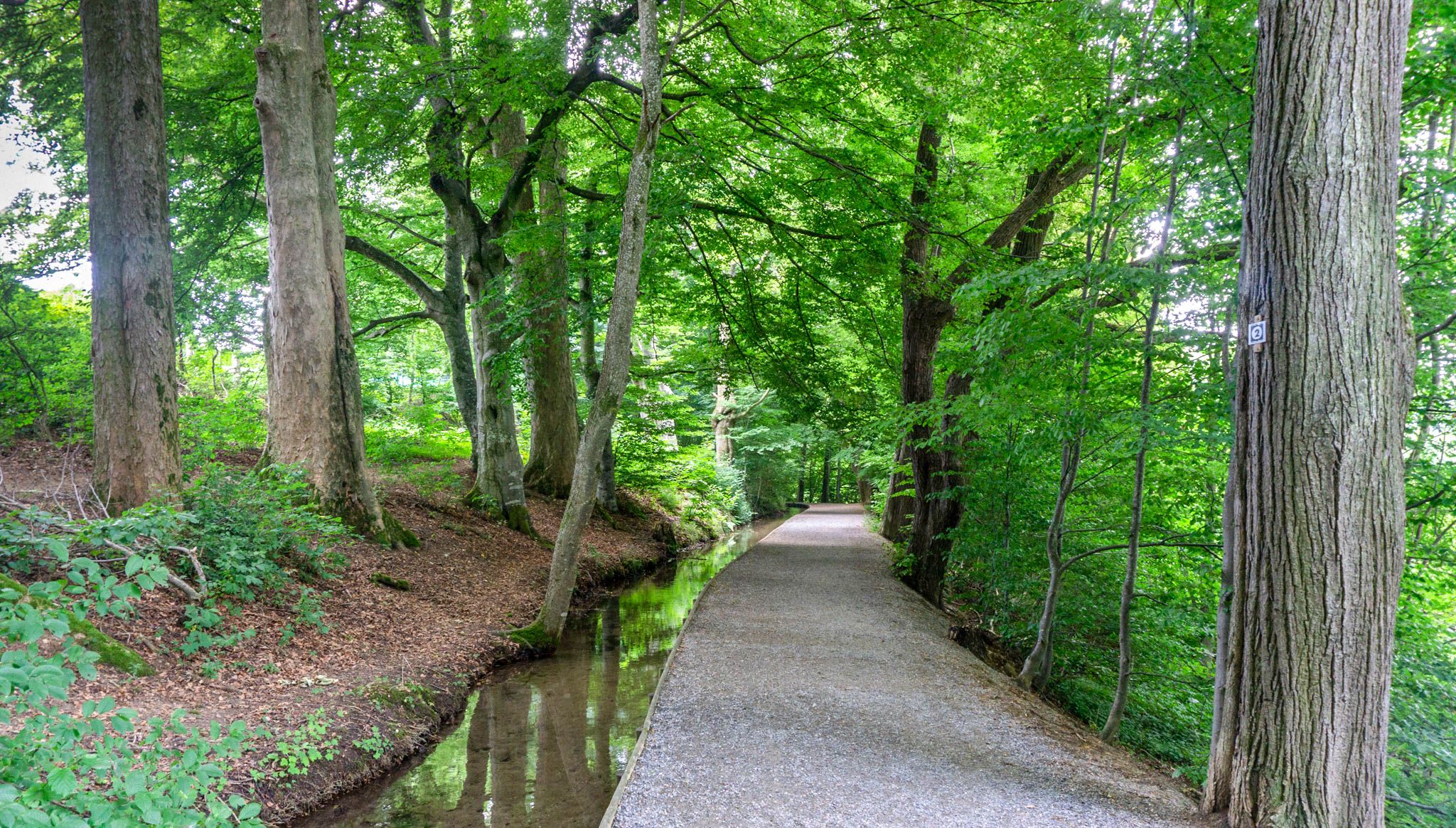
Main-Danube-Lake Constance Trail – Along iconic waters
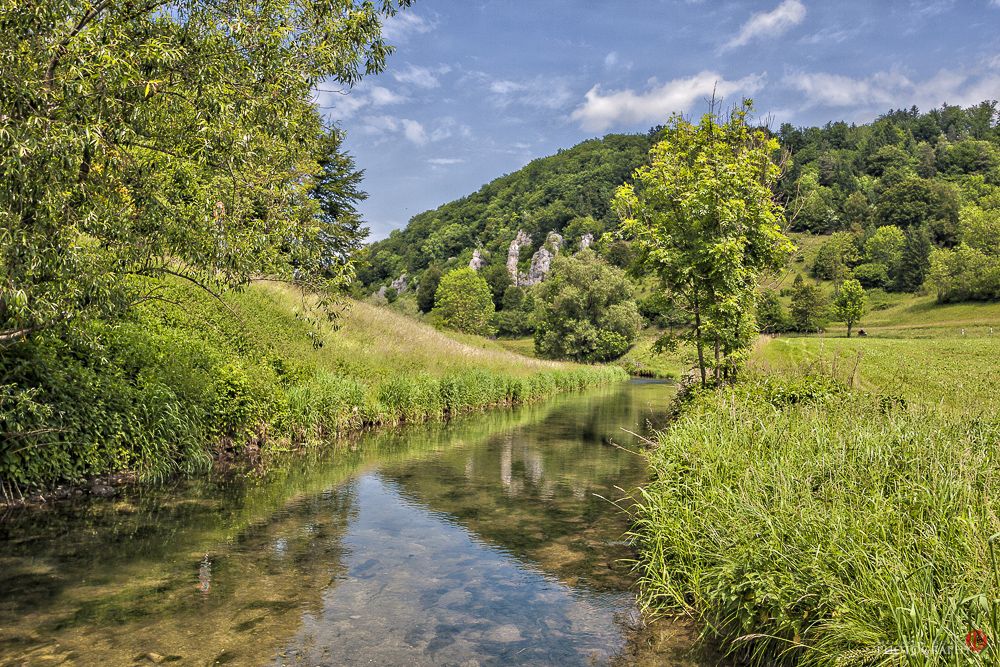
The Trail of Consciousness – hiking for body and soul in the Swabian Alb
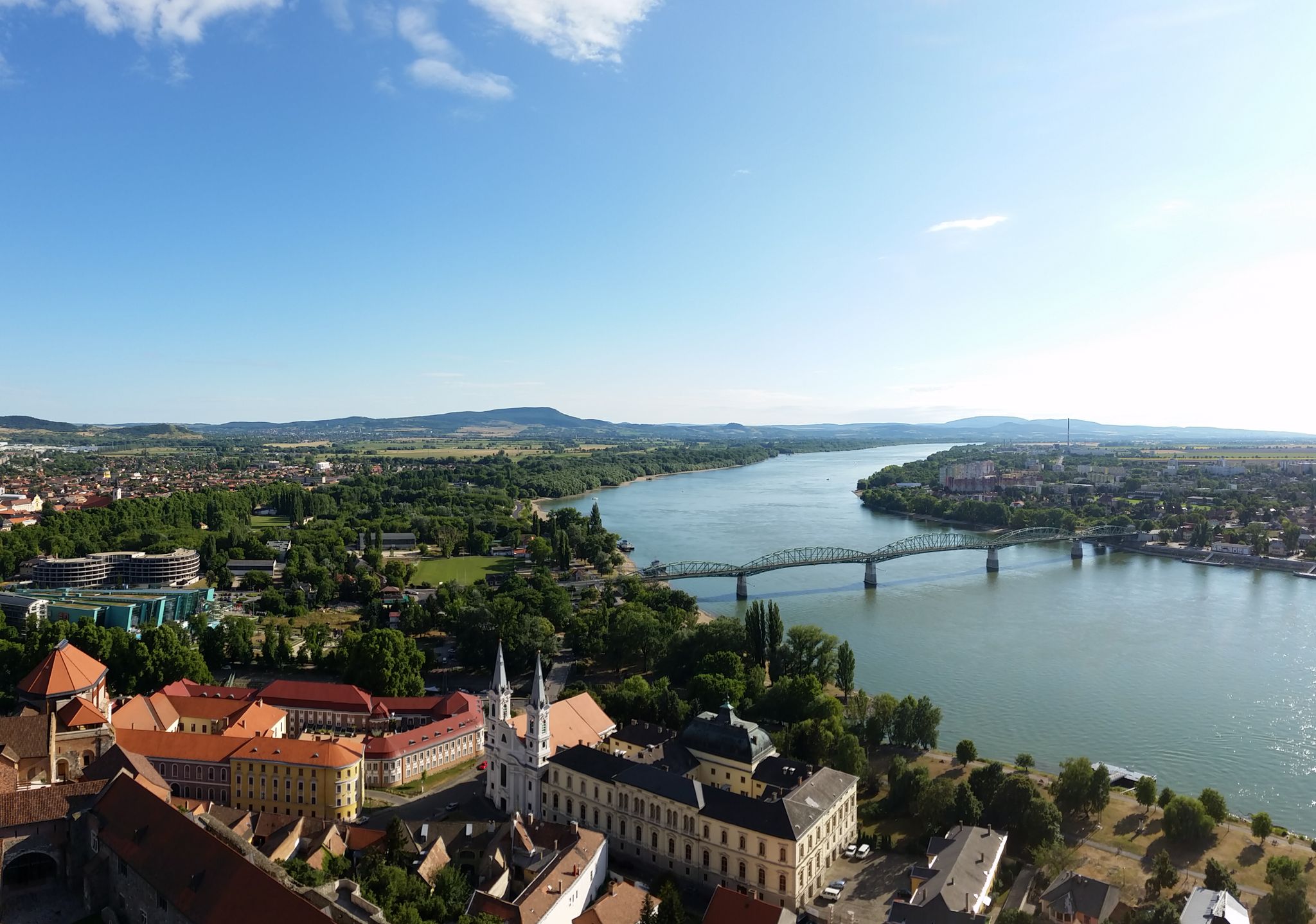
The Danube Cycle Path – From Donaueschingen to Budapest
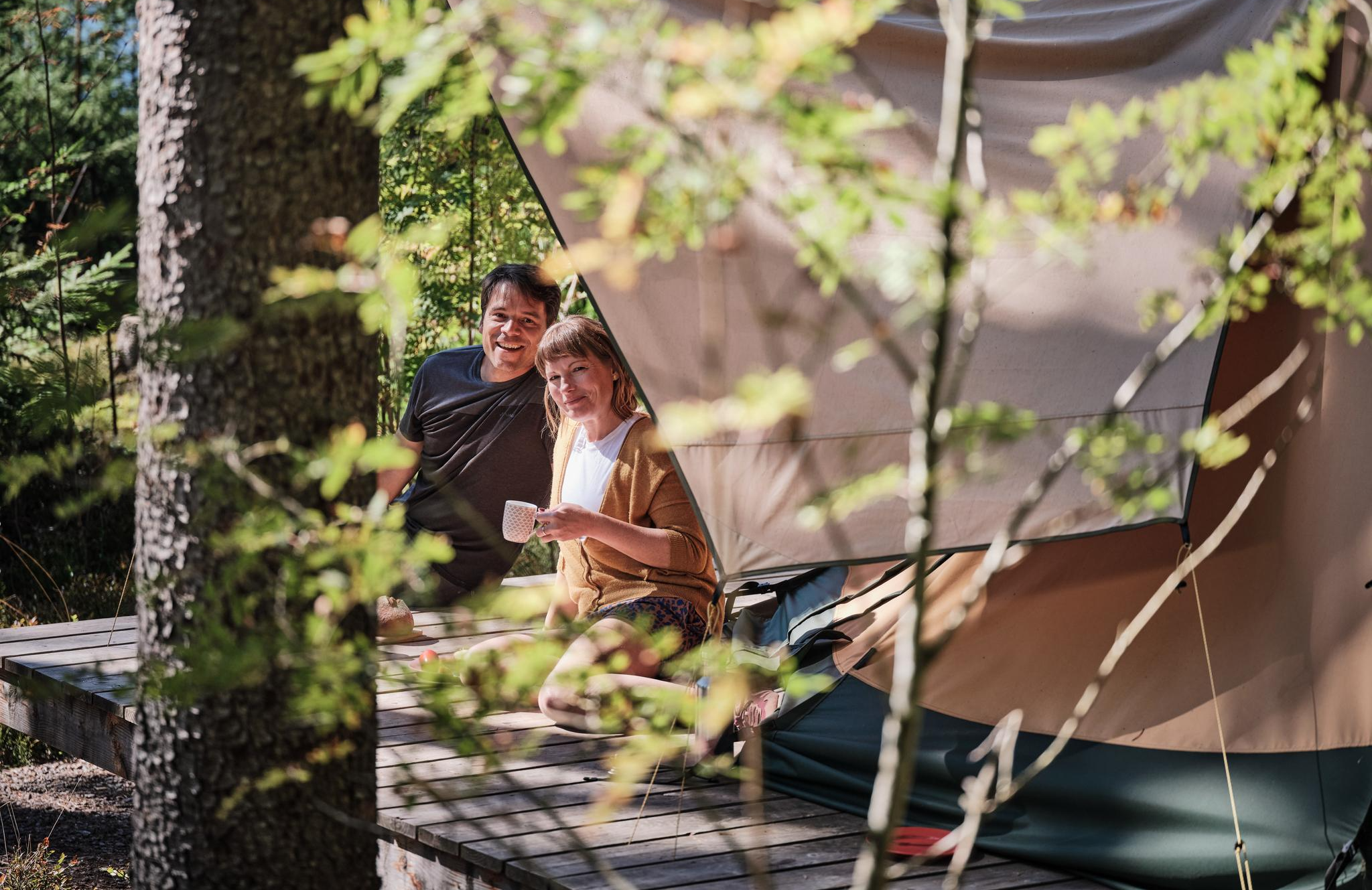
Hiking breaks in the South – two-day routes in Baden-Württemberg
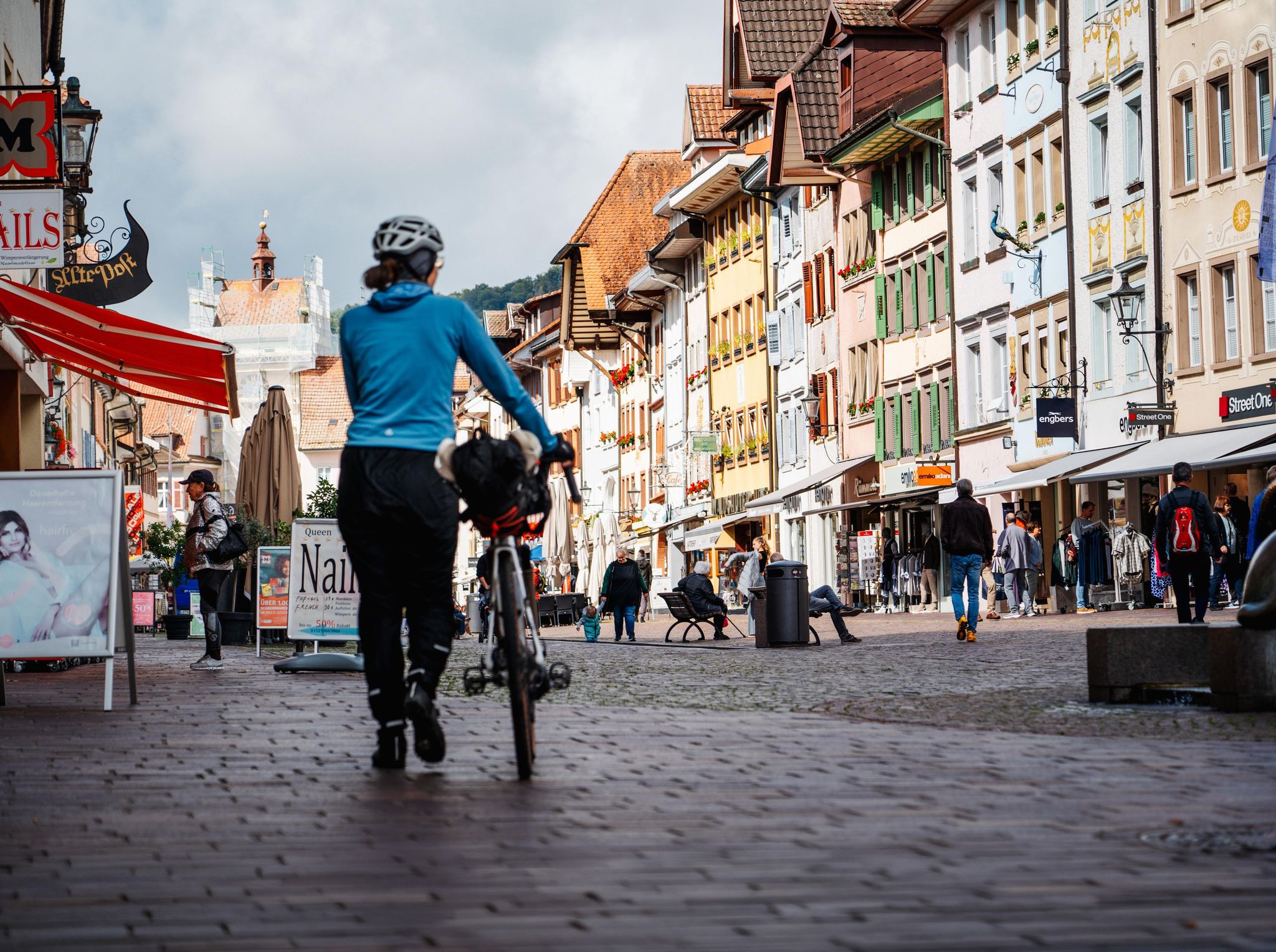
Adventure on two wheels – overnight cycling trips in Baden-Württemberg
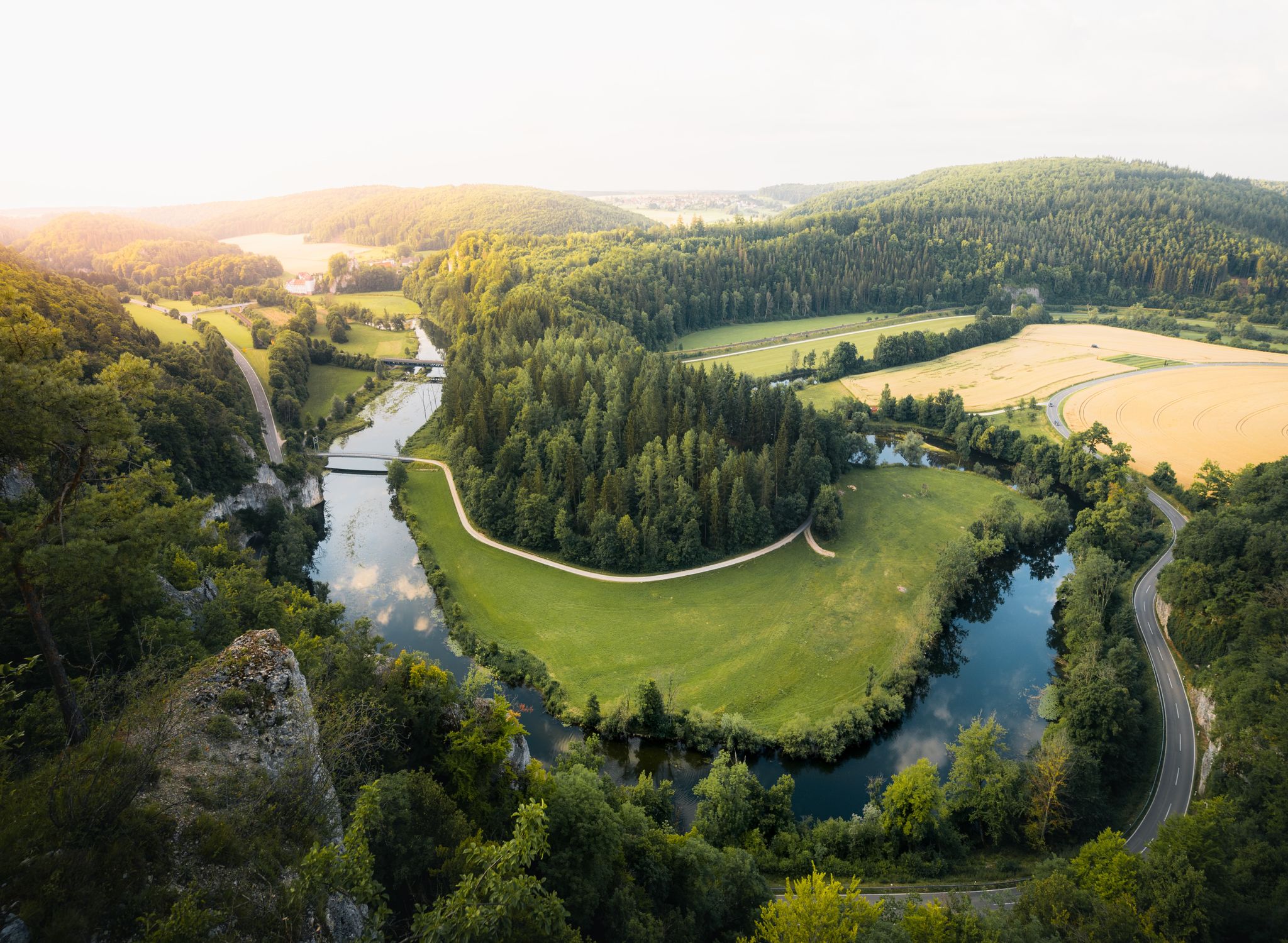
Where valleys tell stories – hiking the rivers of the Swabian Jura
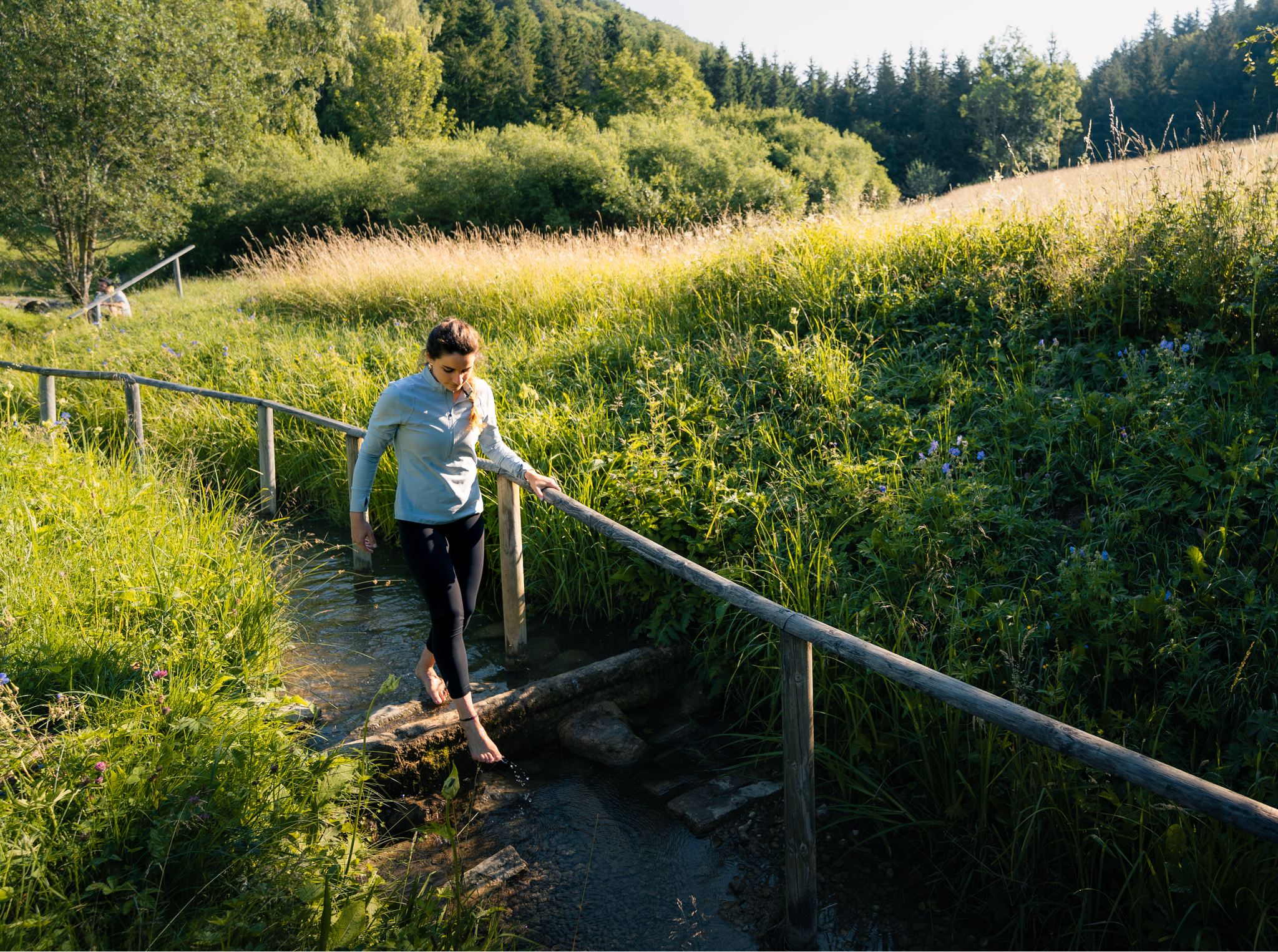
Hiking on the Swabian Alb with all your senses
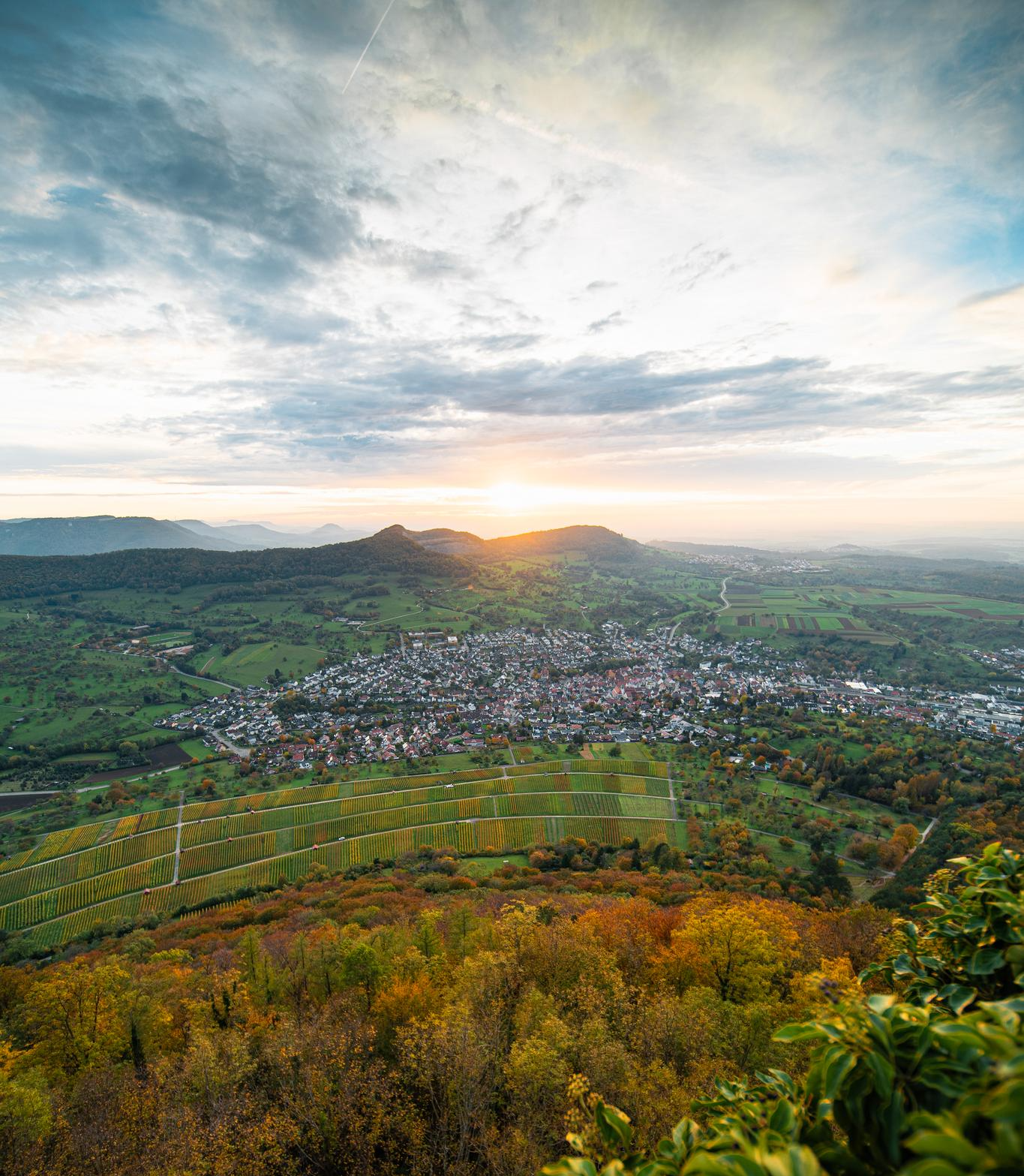
E-bike pleasure rides in the Swabian Alb
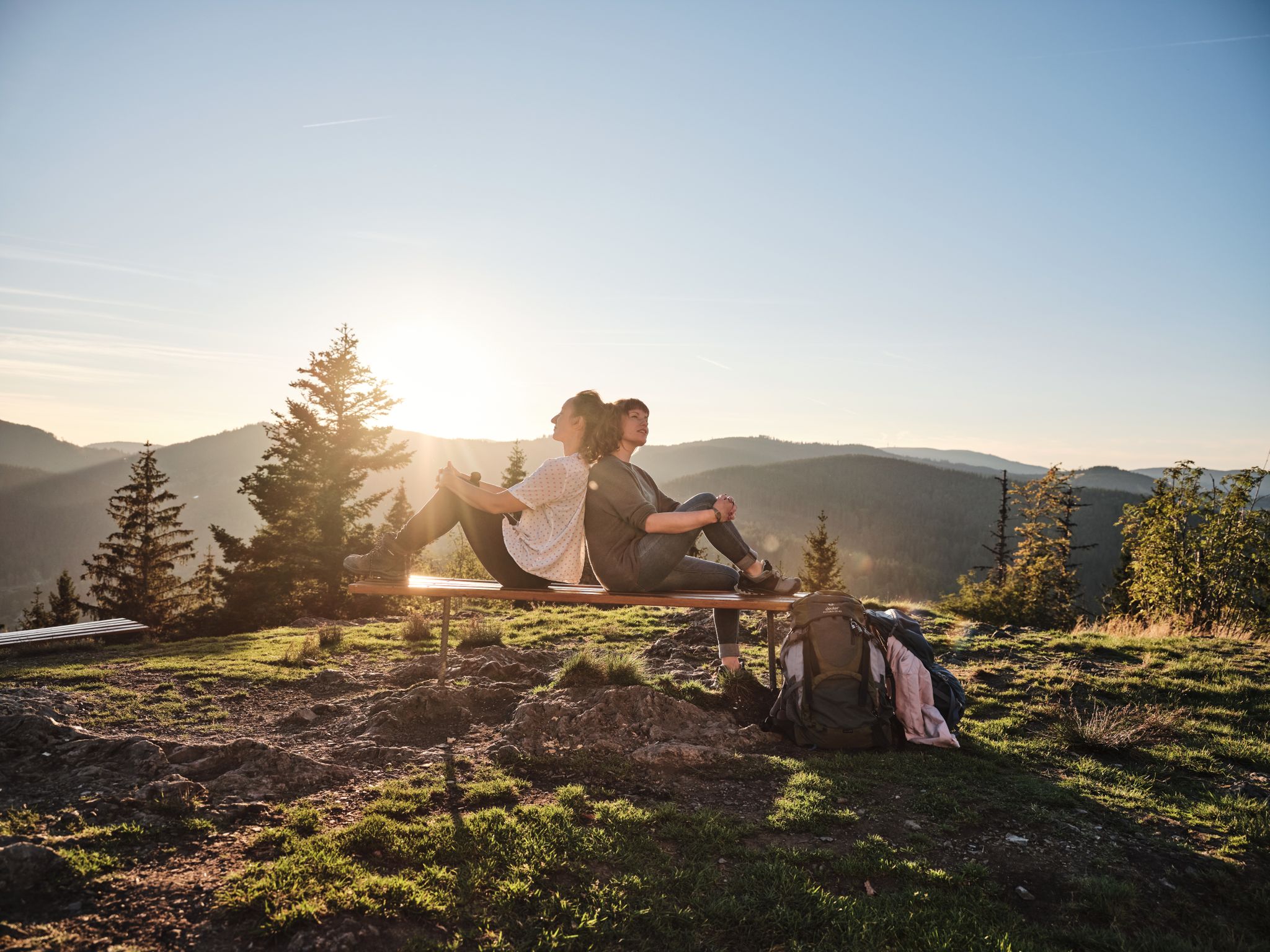
Hiking the Süden – between Black Forest, Lake Constance and Swabian Alb
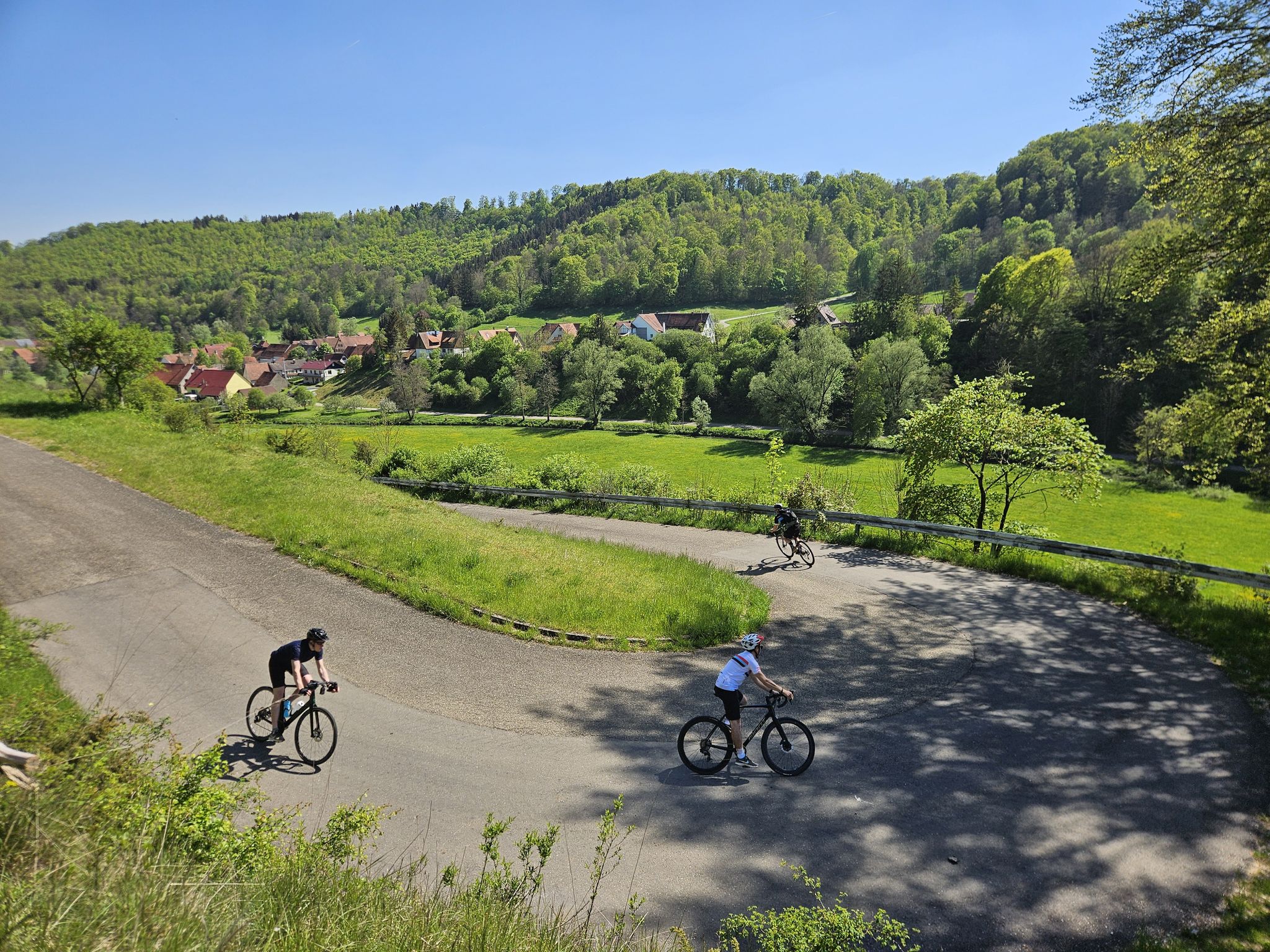
From mountain sprints to winding roads – the Tour de Alb road cycling adventure
Other adventures around Alb-Donau-Kreis


Tips from the Community

The Schertelshöhle is one of the most beautiful and dripstone-rich caves in the Swabian Jura. Via an artificial access, about 160m of the 212m long cave can be walked. Previously, the entrance funnel, the so-called "Kuhloch" (Cow hole), was the only access, through which daylight mysteriously shone into the cave. Robbers are said to have used the cave as a hiding place. To protect the bats, the Schertelshöhle is closed in winter.
6
0

The Fohlenhaus Stone Age Cave in the Lone Valley is a fascinating destination for nature and history enthusiasts. This impressive karst cave once served as a shelter for Stone Age people and today offers a glimpse into times long past. With its distinctive shape and special charm, it exudes a sense of mysticism.
10
0


A very nice place to stop (cakes, coffee, cold drinks, sausages). Open only on weekends.
2
0

Many paths meet here, great views of the cave.
5
0


Frequently Asked Questions
What unique geological features can I find in the caves of Alb-Donau-Kreis?
The region is known for its diverse geological formations. For instance, the Laichinger Tiefenhöhle is Germany's deepest accessible vertical cave, offering a unique 'geological X-ray image' of the Swabian Alb with immense shafts and pearl sinter. The Schertelshöhle near Westerheim is celebrated for its rich dripstone formations, including a small gallery of curtains that can be 'played' like an organ. The Nebelhöhle features a 'forest of stalactites' and the intriguing natural phenomenon of fog rising at its entrance.
Which caves in the Alb-Donau-Kreis are significant for their archaeological discoveries?
Several caves hold immense archaeological importance. The Hohle Fels Cave is a UNESCO World Heritage Site, famous for discoveries like the 'Lion Man' figurine and the 'Venus of Hohle Fels'. The Bear Cave and Hohlenstein-Stadel is known for important cult finds from the Palaeolithic, including the Lion Man and a skull burial. The Bockstein Cave, also a World Heritage site, contains the oldest Neanderthal settlement complex in southern Germany, with finds dating back 50,000 to 70,000 years ago.
Are there family-friendly caves suitable for visiting with children in the region?
Yes, many caves in the Alb-Donau-Kreis are suitable for families. The Sontheim Cave, Fohlenhaus Caves, Hohle Fels Cave, and Bear Cave and Hohlenstein-Stadel are all categorized as family-friendly. The Karls- und Bärenhöhle (Bear Cave) in Sonnenbühl-Erpfingen is particularly popular with families due to its proximity to the 'Traumland auf der Bärenhöhle' amusement park.
When is the best time of year to explore the caves in Alb-Donau-Kreis?
Most show caves in the Alb-Donau-Kreis are open during the warmer months, typically from spring to autumn. Some caves, like the Schertelshöhle, close in winter to protect hibernating bats. The constant temperature inside caves (around 8-10°C) makes them a pleasant escape during hot summer days. For specific opening hours, it's always best to check directly with the individual cave attractions.
Can I find hiking trails that lead to or connect some of the caves?
Yes, the Alb-Donau-Kreis offers numerous hiking opportunities that incorporate cave visits. For example, the easy hikes around Alb-Donau-Kreis guide includes routes like the 'At the Little Castle Lindenau – Bockstein Cave loop'. The Lone Valley, home to several significant caves, is also a popular hiking spot. You can find more routes in guides such as Waterfall hikes around Alb-Donau-Kreis, which features routes near Ochsenlöcher Caves.
What should I wear when visiting caves in the Swabian Alb?
Caves maintain a consistently cool temperature, typically between 8-10°C (46-50°F), regardless of the outside weather. It's advisable to wear warm layers, even in summer, and comfortable, sturdy shoes with good grip, as paths can be damp or uneven. Some vertical caves, like Laichinger Tiefenhöhle, may involve ladders, so ensure your clothing allows for easy movement.
Are there any vertical caves open to the public in the region?
Yes, the Laichinger Tiefenhöhle (Laichingen Vertical Cave) is Germany's deepest accessible show cave and the only vertical cave open to the public. Visitors can descend to a depth of 55 meters via a 330-meter path and iron ladders, offering a unique and adventurous exploration experience.
Which caves are known for impressive dripstone formations?
The Schertelshöhle near Westerheim is renowned for being one of the most beautiful and richly adorned dripstone caves in the Swabian Alb. The Nebelhöhle near Lichtenstein also boasts numerous stone formations, impressive halls, and a 'forest of stalactites', making it a prime spot to admire these natural wonders.
Are there caves in the Alb-Donau-Kreis known for paleontological finds, such as cave bears?
Yes, the Karls- und Bärenhöhle (often called Bärenhöhle or Bear Cave) in Sonnenbühl-Erpfingen is famous for the numerous skeletons of cave bears found within it. Several skulls, bones, and a restored bear skeleton are on display, highlighting its significant paleontological importance.
What natural phenomena are associated with the caves in this area?
The Nebelhöhle (Fog Cave) is named for the fog that naturally rises at its entrance when warm cave air meets cold outside air, a phenomenon observed since the 15th century. The Blautopf, a karst spring, is known for its striking blue color caused by light scattering on tiny lime particles, and it leads to a large, mostly underwater cave system.
Are there options for public transport to reach some of the caves?
While specific public transport routes vary, many popular caves in the Alb-Donau-Kreis are generally accessible via regional bus services or are within reasonable distance from train stations. However, direct access to some more remote cave entrances might require a short walk or a taxi. It's recommended to check local public transport schedules for the specific cave you plan to visit.
What kind of facilities or amenities can I expect near the caves?
Many show caves, such as Laichinger Tiefenhöhle, have visitor centers or museums at their entrances, offering additional information and facilities. Some, like Sontheim Cave, have cafes nearby. Parking is generally available at or near the more popular cave sites. For more remote caves, amenities might be limited to basic parking.
Which caves offer a unique view of the region's geological structure?
The Laichinger Tiefenhöhle is particularly notable for offering a unique 'geological X-ray image' of the Swabian Alb. Its vertical shafts and deep descent provide an unparalleled perspective on the karst landscape's internal structure. The Schertelshöhle also offers a unique view of a sinkhole from below through its original natural entrance, the 'Kuhloch'.
Most popular routes around Alb-Donau-Kreis
Most popular attractions around Alb-Donau-Kreis

Get inspired with the komoot mobile app


Explore more
Extend your search for the best caves by checking out these guides of the top ones around Alb-Donau-Kreis:
