Top 20 Lakes in the Canary Islands
Best lakes in the Canary Islands are found across an archipelago known for its diverse volcanic landscapes and unique ecosystems. These islands feature a variety of natural and man-made water bodies, including natural pools, coastal lagoons, and significant reservoirs. The geography includes volcanic formations, sand dunes, and lush valleys, contributing to varied aquatic settings.
Best lakes in the Canary Islands
- The most popular lakes is San Ginés Lagoon, a lake that historically served as the birthplace of the island's first fishing community. It is now surrounded by various bars and restaurants.
- Another must-see spot is Ayagaures Dam, a reservoir on Gran Canaria. This man-made lake offers tranquility and refreshment in an idyllic setting.
- Visitors also love Charco de los Clicos - Green Lake, a unique green lake. It is known for its striking color due to a high concentration of algae and its volcanic crater backdrop.
- Canary Islands is known for natural lagoons, reservoirs, and volcanic lakes. These include protected natural monuments and man-made structures designed for water management.
- The lakes in the Canary Islands are appreciated by the komoot community, with over 280 upvotes and 160 photos shared across 63 highlights.
Last updated: August 10, 2026
San Ginés Lagoon
Highlight • Lake
Translated by Google •
Tip by

Charco de los Clicos - Green Lake
Highlight • Lake
Translated by Google •
Tip by

Sign up now to discover places like this
Get recommendations on the best single tracks, peaks, & plenty of other exciting outdoor places.
Sign up for free
Ayagaures Dam
Highlight • Lake
Showing Translation
Tip by

Charcas de Erjos
Highlight • Lake
Translated by Google •
Tip by

La Laguna Grande, Garajonay National Park
Highlight • Forest
Translated by Google •
Tip by

View of Playa de Martiánez and Lago Martiánez
Highlight • Viewpoint
Translated by Google •
Tip by

Lago Martiánez Seawater Pools
Highlight • Structure
Translated by Google •
Tip by

Los Hornos Dam
Highlight • Lake
Presa de Los Hornos viewpoint
The reservoir is located on a strange volcanic rock called "Roque Nublo Breccie". The surrounding vegetation consists of a recently reforested pine grove, as well as various types of broom and sage, which are very common in the high mountains.
Source: grancanaria.com/turismo/en/natur/network-of-viewpoints-of-gran-canaria/mirador-presa-de-los-hornos
Translated by Google •
Tip by

La Concha Beach (Isla de Lobos)
Highlight • Beach
Translated by Google •
Tip by

Pool with view of the Azulejos
Highlight • Natural Monument
Translated by Google •
Tip by

Sign up for free to discover even more lakes in the Canary Islands.
Sign up for free
Already have an account?
Start today with a free account
Your next adventure awaits.
Login or Signup
Popular around Canary Islands

Mountain biking through the wild heart of Tenerife
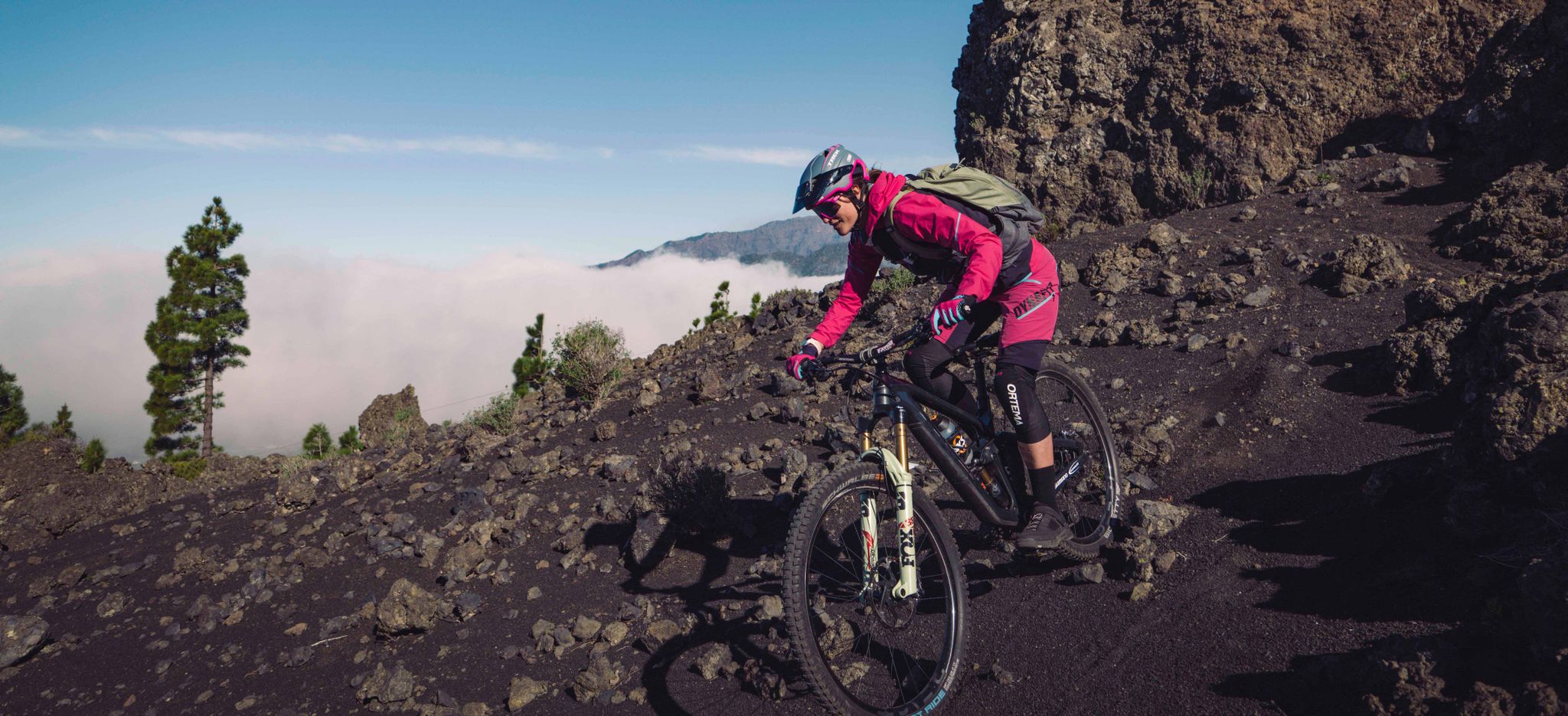
La Palma – my favourite Tours on the Canary Islands’ Isla Bonita
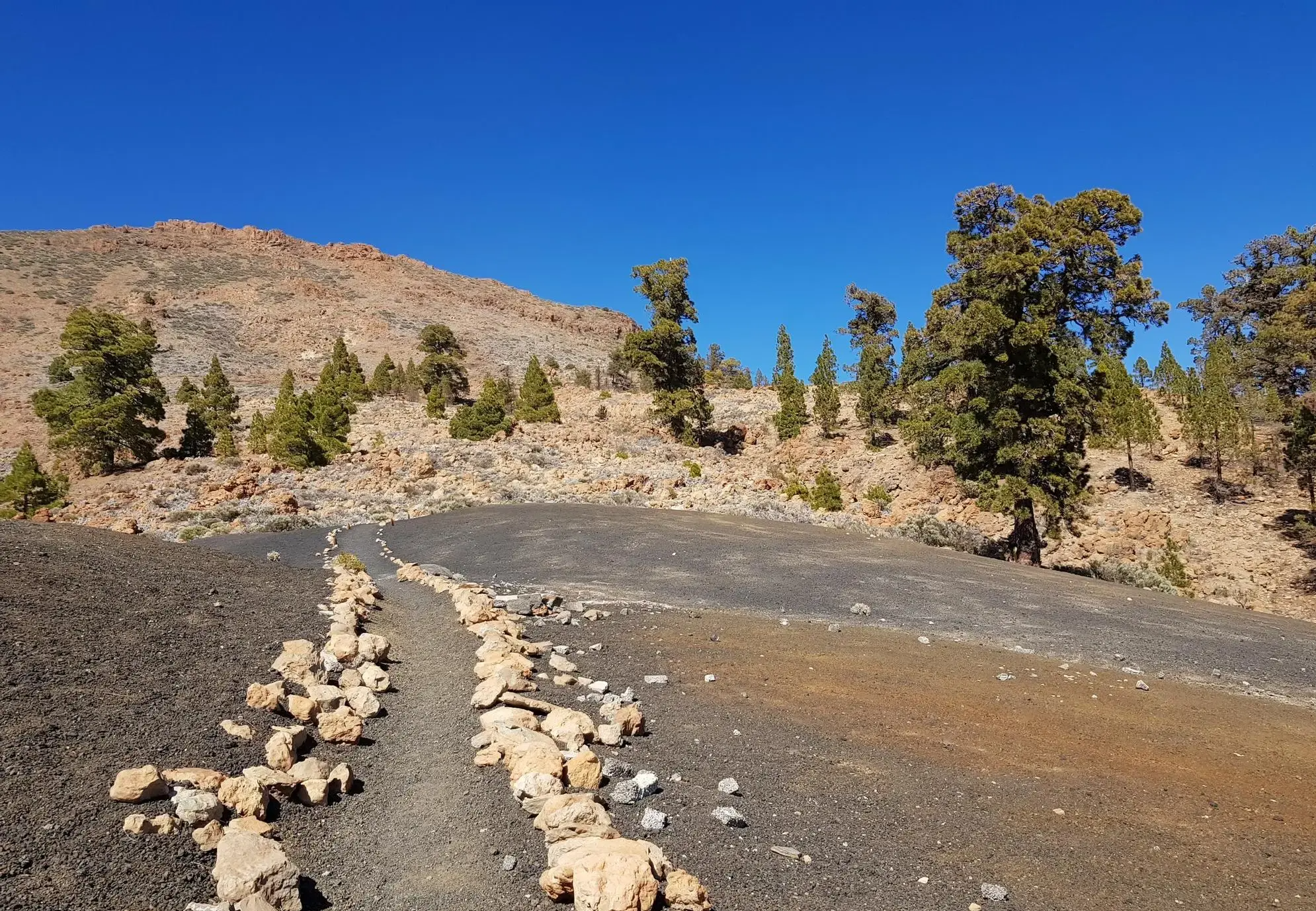
From the coast to the Teide - Tenerife Bluetrail by UTMB
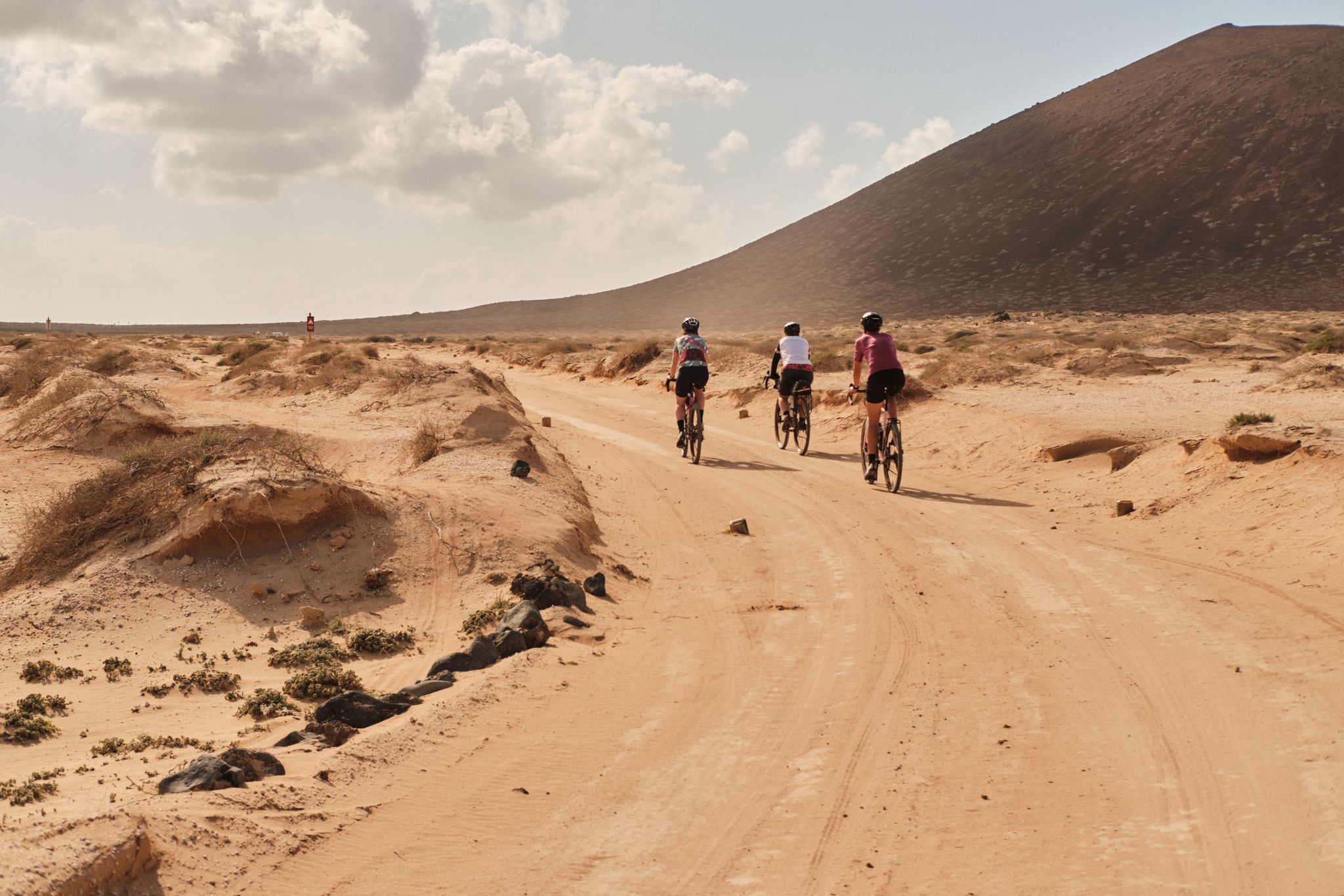
GranGuanche gravel – Komoot women's rally 2023
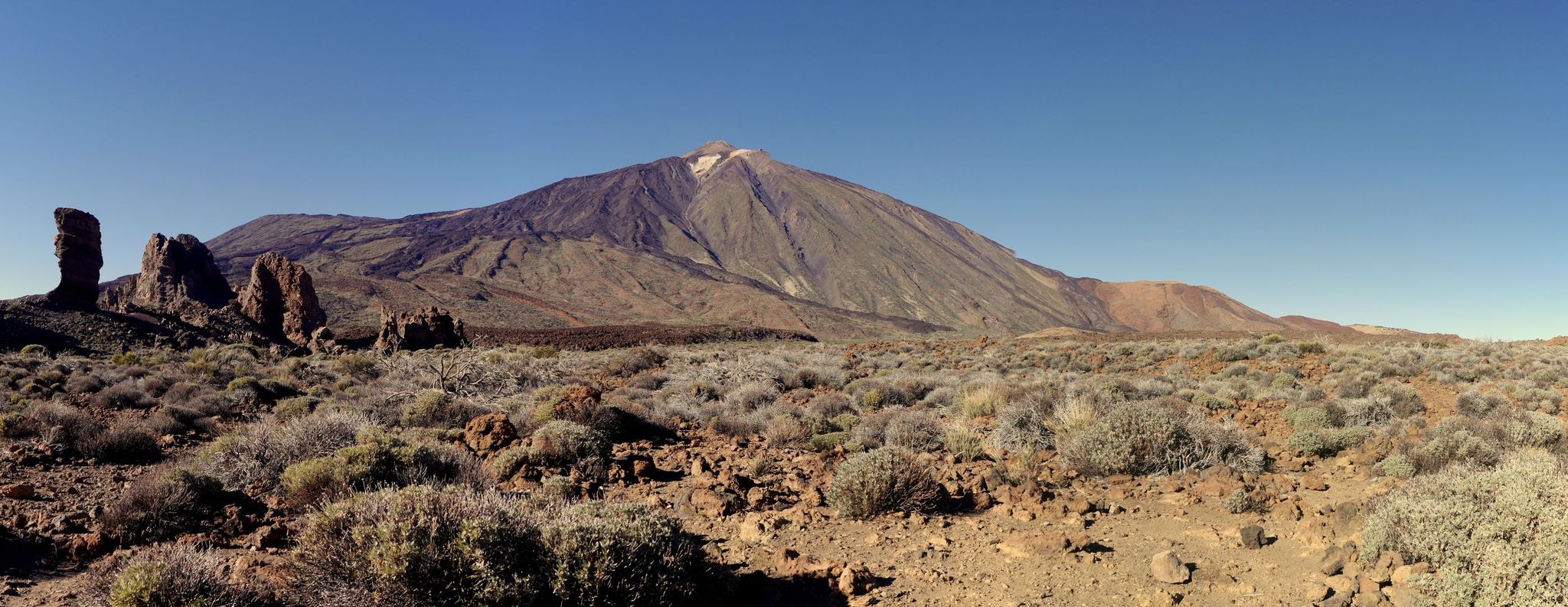
The giant of Tenerife — around Teide by road bike
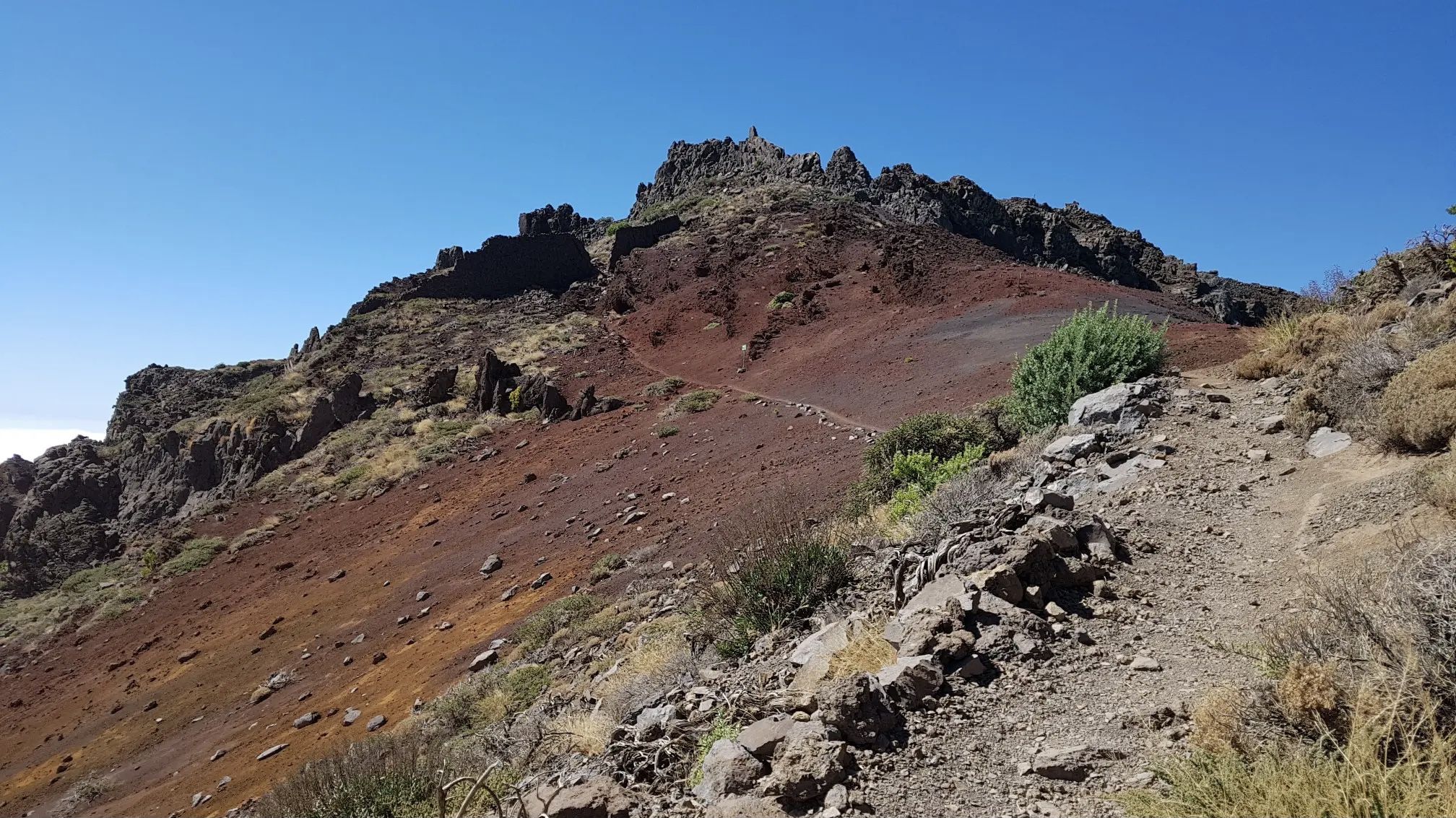
GR 131 El Bastón – La Palma in all its splendour
GranGuanche Audax Trail – my first ultra race on the Canary Islands
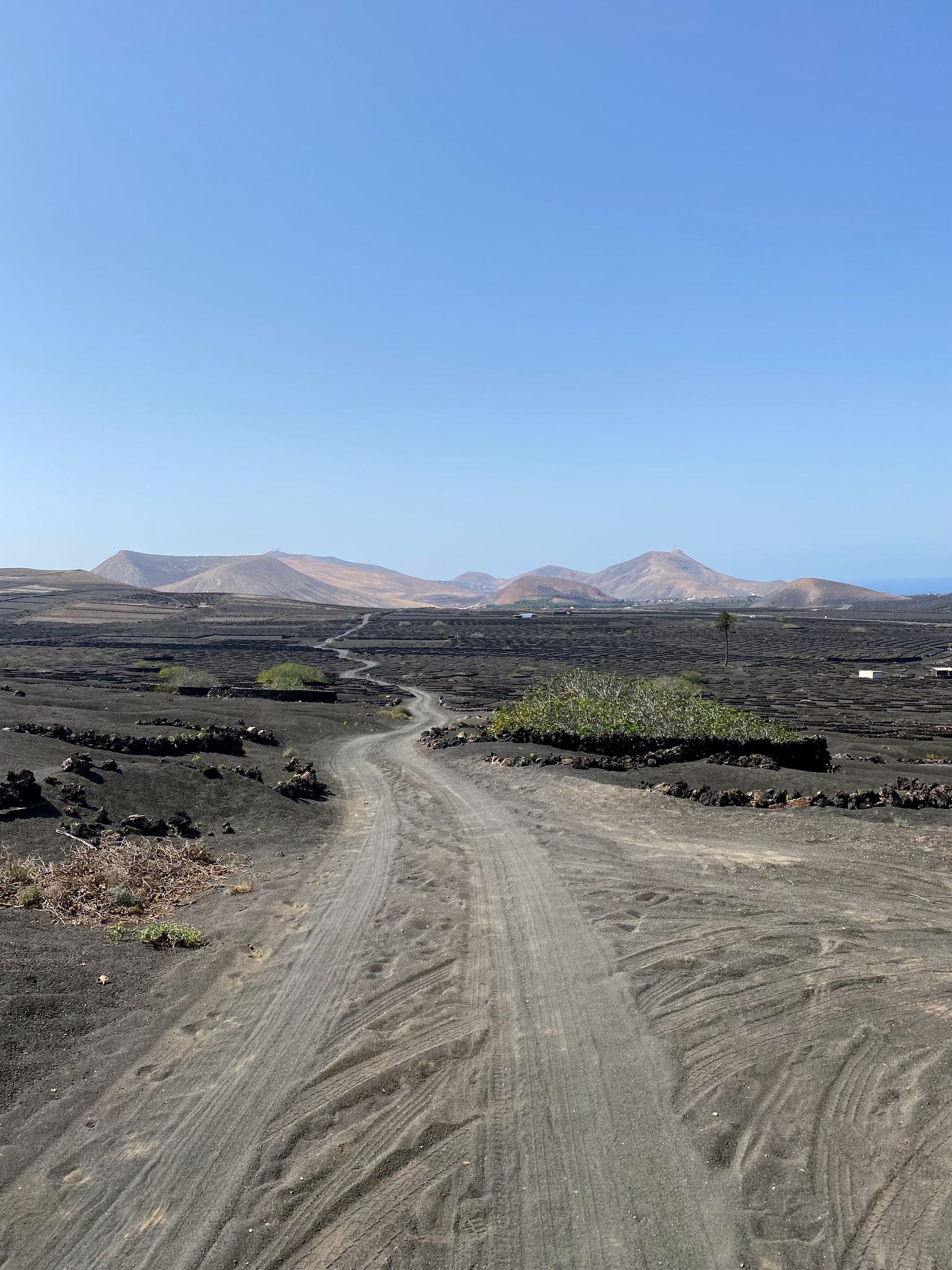
Bikepack in the Canary Islands – surprising adventures in the sun
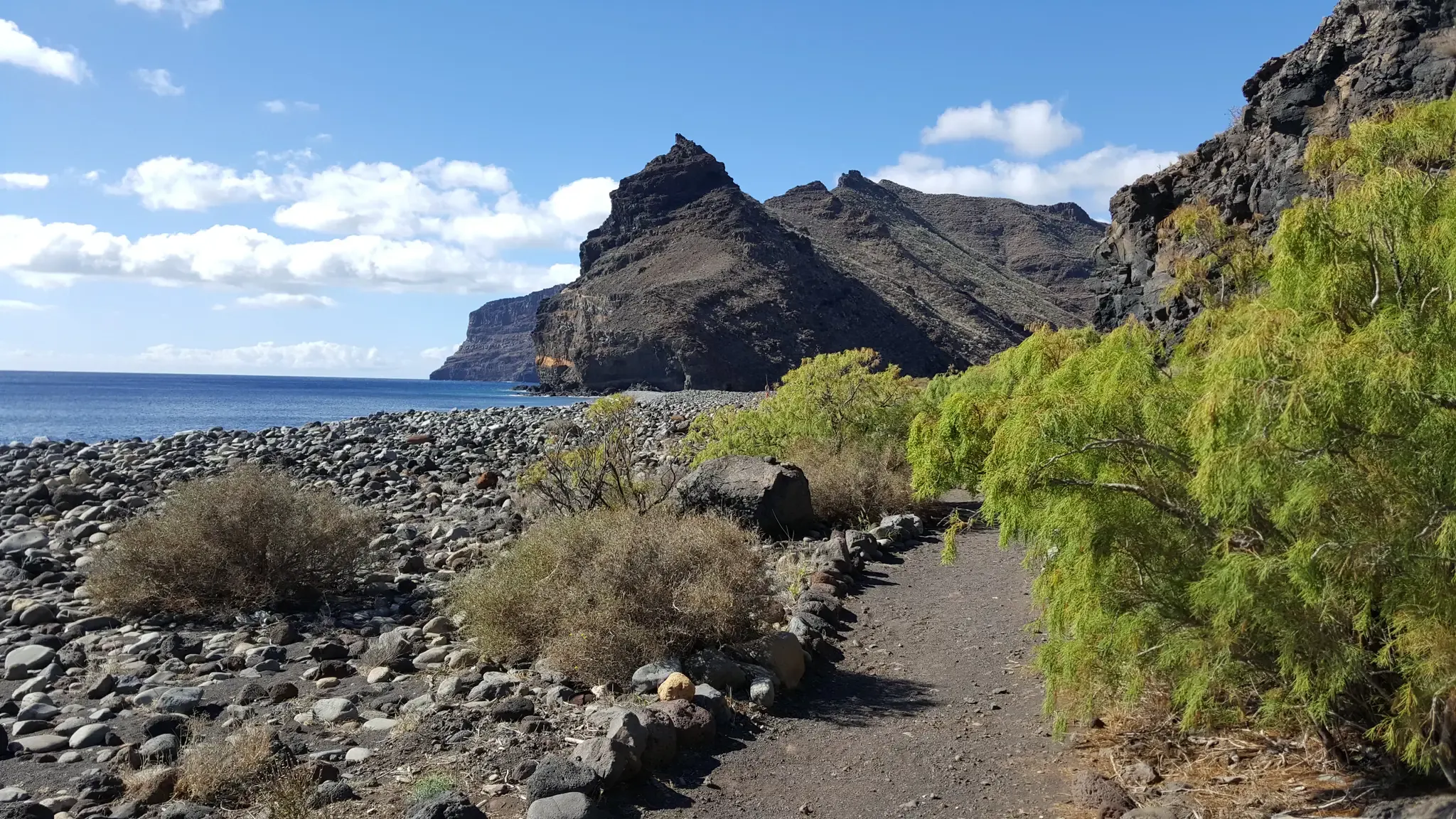
GR 132 – Up and down on an island loop of La Gomera
Canary Islands at a slow pace – six hikes immersed in nature
Other adventures in the Canary Islands


Tips from the Community

A white beach with a calm ocean, wonderful !!!
0
0

Laguna Grande is probably one of the best starting points on all of La Gomera to explore the upper part of the island by bike. Many people arrive here by van or car precisely to start their routes from this point and avoid some of the toughest climbs from the coast. From the recreational area, you can easily link up with routes towards San Sebastián, Valle Gran Rey, Alajeró, or the entire central ridge across the humid forest. The advantage is enormous: you start already at over 1,200 meters altitude, within the laurisilva, surrounded by practically traffic-free tracks and roads. This allows you to enjoy the long, scenic descents and high mountain routes much more without draining all the battery or your legs on endless ascents from sea level. Of course, the climate here changes radically compared to the coast. Fog is very common almost all year round and humidity is constantly present, even when it's sunny down below. It is essential to bring a good rain jacket, a serious windbreaker, and some light thermal clothing, because the feeling of cold increases considerably when you enter the more humid areas of the forest. It is also advisable to bring lights or reflective elements if you are going to ride for many hours in fog and shade. For e-bike tours, Laguna Grande is simply a spectacular base.
0
0
The Laguna Grande Recreational Area is one of the most important and visited points in the interior of La Gomera. It is located in the high zone of the island, within the Garajonay National Park, at an altitude of over 1,200 meters and surrounded by the famous laurisilva forest, considered a UNESCO World Heritage site. More than just a picnic area, Laguna Grande functions as a meeting point for hikers, cyclists, and visitors exploring the island's humid heart. Several well-known routes begin here, and it is also one of the best places to stop to rest, eat, or simply contemplate the forest amidst the fog. The climatic difference compared to the coast is enormous: while it can be hot and sunny below, here it is common to find humidity, cold, fine rain, and fog even in summer. The place also has a significant symbolic and popular charge in La Gomera. There are ancient legends related to witches and nocturnal gatherings in the central clearing of the forest, stories that are still part of the local imagination and fit perfectly with the mysterious atmosphere of the place when the fog rolls in among the trees. Today, it is one of the great nerve centers of Garajonay and a practically essential stop to understand the landscape, climate, and the more humid and green personality of La Gomera.
0
0

Very nicely designed seawater swimming pool in Puerto de la Cruz.
4
0

Radio Europa reported on January 25, 2026: "The pond landscape in Erjos has water again for the first time in ten years during the winter. The rains of the last few months have been a blessing for the entire area. Monte de Agua is green again. This is also very good for the farmers and livestock breeders in the area," explained Alberto de Armas, a technician with the Parque Rural de Teno. Waterfowl and other creatures have quickly reclaimed the wetland habitat. SV-AR"
1
0

Not far from the port lies the tidal lagoon Charco de San Ginés, which is well worth seeing. This small saltwater lagoon played a significant role in Arrecife's history, serving both as a sheltered harbor for fishing boats and as a gateway for trade goods. Equally beautiful as the promenade and the lagoon are the traditional white houses of the old town, which can be seen here.
3
0


Entrance fee Euro 7,-- per person/day (as of January 2025)
0
0
Frequently Asked Questions
Are there family-friendly lakes in the Canary Islands?
Yes, many lakes in the Canary Islands are suitable for families. For example, Maspalomas Lagoon on Gran Canaria is a protected area next to the dunes, offering a chance to observe migratory birds. San Ginés Lagoon in Lanzarote is another family-friendly spot with nearby restaurants and a pleasant atmosphere.
What kind of wildlife can I expect to see around the natural lagoons?
The natural lagoons in the Canary Islands are often important ecological sites. Maspalomas Lagoon, for instance, serves as a vital resting and nesting ground for many migratory birds. You might also encounter unique insect and reptile species that are endemic to these specific environments.
What are some notable man-made lakes or reservoirs in the Canary Islands?
Beyond natural lagoons, the Canary Islands also feature significant man-made reservoirs. The Ayagaures Dam on Gran Canaria is a prime example, offering a tranquil setting and a refreshing escape. These reservoirs are crucial for water management on the islands.
Are there opportunities for swimming in the lakes or natural pools?
Yes, some locations offer swimming opportunities. La Charca in Santa Cruz de Tenerife is a small circular lake where swimming is possible. Additionally, the Lago Martiánez Seawater Pools in Tenerife offer a unique swimming experience in a man-made complex.
What outdoor activities can I do near the lakes in the Canary Islands?
The areas around the lakes are excellent for various outdoor activities. You can find numerous routes for road cycling and gravel biking. For example, near the lakes on Gran Canaria, you can explore routes like 'From Maspalomas to Ayagueres' or 'Soria, Pico de Nieves, and San Bartolomé'. For more details on cycling, check out the Road Cycling Routes in the Canary Islands guide or the Gravel biking in the Canary Islands guide.
Are there any historical or cultural sites associated with the lakes?
Yes, some lakes have historical significance. San Ginés Lagoon in Lanzarote is notable as the birthplace of the island's first fishing community, and it continues to be used for mooring small boats today. It's a central point in Arrecife with a rich local history.
What is the best time to visit the volcanic lakes in the Canary Islands?
The Canary Islands enjoy a mild climate year-round, making volcanic lakes like Charco de los Clicos - Green Lake in Lanzarote accessible for most of the year. The best time to visit generally depends on your preference for warmth and crowds, with spring and autumn offering pleasant temperatures and fewer tourists.
Are there easy walks or trails around the natural pools and lakes?
Many natural pools and lakes are integrated into walking routes. While specific 'easy walks' depend on the location, places like Maspalomas Pond offer accessible paths, including a nice running track near the lighthouse. Always check local signage for trail difficulty and access restrictions.
Can I find restaurants or amenities near the lakes?
Yes, some lakes are situated near amenities. San Ginés Lagoon in Arrecife, Lanzarote, is surrounded by a wide range of bars and restaurants. For more remote locations like Ayagaures Dam, amenities might be limited to a single kiosk, so it's always good to plan ahead.
What are the Charcas de Erjos?
The Charcas de Erjos are a series of small, seasonal ponds located in Tenerife. They are known for their natural beauty and are a popular spot for birdwatching, especially after rainfall when they are full. They offer a different natural experience compared to the larger lagoons or reservoirs.
What makes Charco de Ginés unique?
Charco de Ginés is a natural lake that offers picturesque views and is often appreciated for its serene atmosphere. It's a great spot for photography and enjoying the natural landscape, often found within or near settlements, providing easy access.
What should I pack for a visit to a natural lake or pool in the Canary Islands?
When visiting natural lakes or pools, it's advisable to pack essentials like swimwear, a towel, sun protection (sunscreen, hat, sunglasses), comfortable walking shoes for any approach trails, and plenty of water. Depending on the location, a waterproof bag for electronics and a camera might also be useful.
Most popular routes in the Canary Islands
Most popular attractions in the Canary Islands

Get inspired with the komoot mobile app


Didn’t find what you were looking for?
Find the best lakes in the Canary Islands per region:
Explore more
Still not found your perfect lake in the Canary Islands? Check out the guides of these regions to see even more beautiful places.
