Top 20 Caves in the Czech Republic
Caves in the Czech Republic offer a rich subterranean landscape with numerous captivating natural wonders. The country features diverse geological formations, including extensive karst systems like the Moravian Karst and Bohemia Karst Nature Reserve. These regions present unique cave environments, from those with impressive dripstone decorations to others formed by thermal activity. The Czech Republic's caves also hold significant historical and archaeological importance, revealing insights into past human presence.
Best caves in the Czech Republic
- The most popular caves is Samuelova Cave (Samuel's Cave), a cave that was carved into stone by a hermit in 1718. It features historical inscriptions and offers viewpoints.
- Another must-see spot is Balzers Lager rock shelter, a cave that served as a refuge. This large rock overhang features an inscription from 1856 and is a notable historical site.
- Visitors also love Eispinge (Ice Pit), a gorge with cave-like features. It is known for often retaining ice until late summer, created by the mining of the Georg ore vein.
- Czech Republic is known for caves with dripstone decorations, thermal origins, and archaeological significance. Visitors can explore a variety of subterranean environments, from ancient rock shelters to extensive karst systems.
- The caves in the Czech Republic are appreciated by the komoot community, with more than 1000 upvotes and over 230 photos shared.
Last updated: August 17, 2026
Balzers Lager rock shelter
Highlight • Cave
"Who is the master? The one who invented something.
Who is the journeyman? The one who can do something.
Who is the apprentice? Anyone."
The inscription was carved in 1856 and the text is by Johann Wolfgang von Goethe. The name "Balzers Lager" goes back to the "courtship of the capercaillie" and the falconry that was once common here on the Falkenstein. Balzers Lager is a huge boofe, a rock overhang that served as a refuge for the Dittersbachers in troubled times.
Translated by Google •
Tip by

Eispinge (Ice Pit)
Highlight • Gorge
Translated by Google •
Tip by

Sign up now to discover places like this
Get recommendations on the best single tracks, peaks, & plenty of other exciting outdoor places.
Sign up for free
New Bear Cave (Wolf's Gorge)
Highlight (Segment) • Cave
Translated by Google •
Tip by

Lion's Cave with Wooden Lion Bench
Highlight • Cave
Translated by Google •
Tip by

Grotto below the Prebischtor
Highlight • Cave
Translated by Google •
Tip by

Samuelova Cave (Samuel's Cave)
Highlight • Cave
Samuel lived here until 1735. He then moved to Sloup Castle. Since then, the height has not been permanently inhabited.
Around 1900 the two viewpoints were then built on and next to the dwelling. The view has been admirable since then.
Many writings can be found in the cave, and it also has two windows. There is a possibility of resting in front of the house and there are two viewpoints with railings. An ascent is unfortunately not possible for wheelchair users. Dogs can master the small steps.
Have fun....
Translated by Google •
Tip by

St. Ignatius Rock Chapel (Felsenkapelle Hl. Ignatius), Všemily
Highlight • Religious Site
Translated by Google •
Tip by

Sloup Rock Castle (Sloup in Bohemia)
Highlight • Castle
Translated by Google •
Tip by

Rock Chapel of Sloup
Highlight • Religious Site
Translated by Google •
Tip by

Fairy Cave in the Kirnitzsch Valley
Highlight • Cave
Translated by Google •
Tip by

Sign up for free to discover even more caves in the Czech Republic.
Sign up for free
Already have an account?
Start today with a free account
Your next adventure awaits.
Login or Signup
Popular around Czech Republic
Triathlon around Germany
Main Beskids Trail — the longest Polish Mountain Trail
The Main Sudeten Route – a great Polish mountain adventure
EuroVelo 9 – The Amber Route from the Baltic to Adriatic Sea
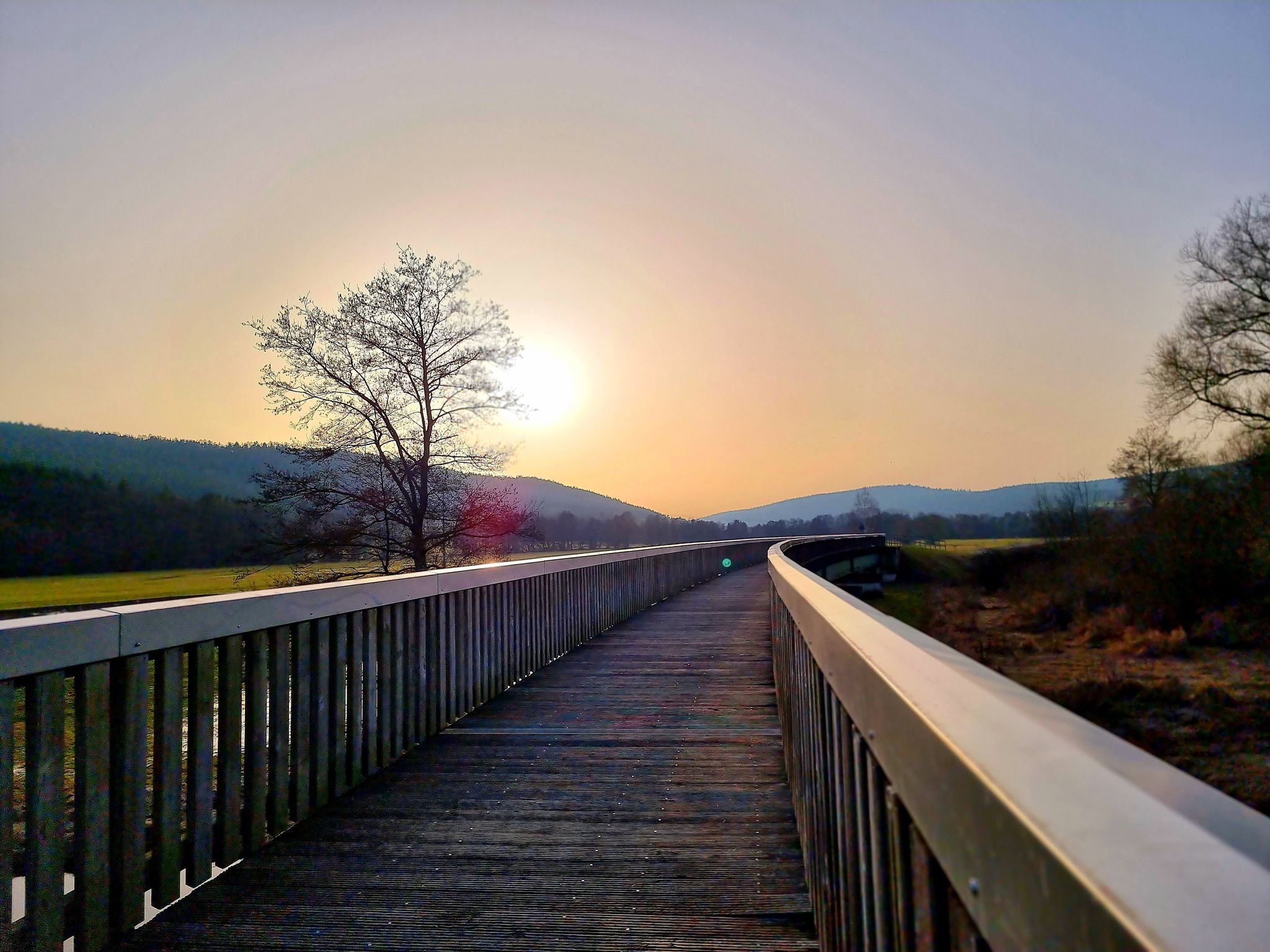
Bavaria-Bohemia long-distance cycling trail – Crossing borders
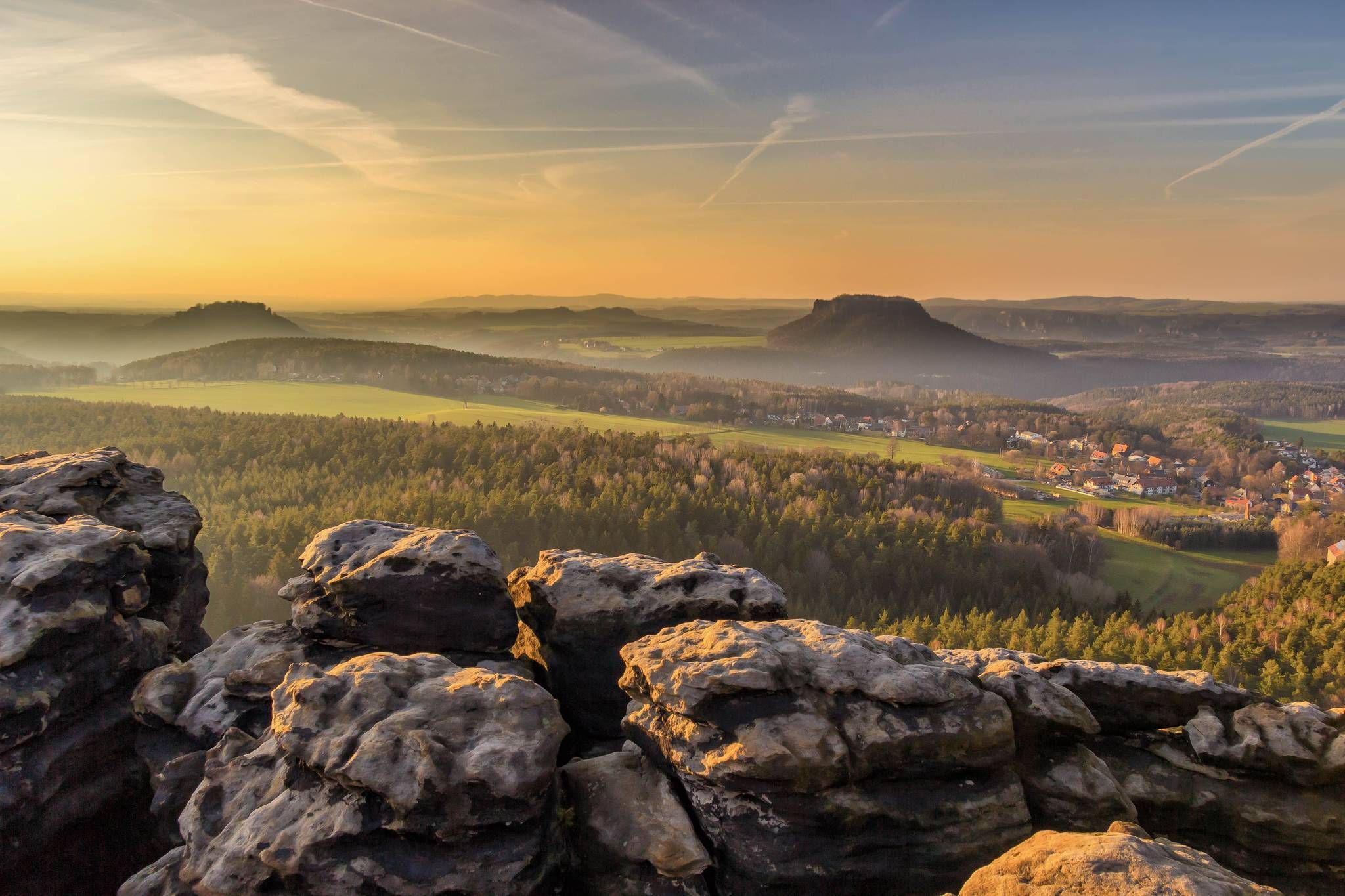
Forststeig – 7 days in the wild, remote sandstone mountains
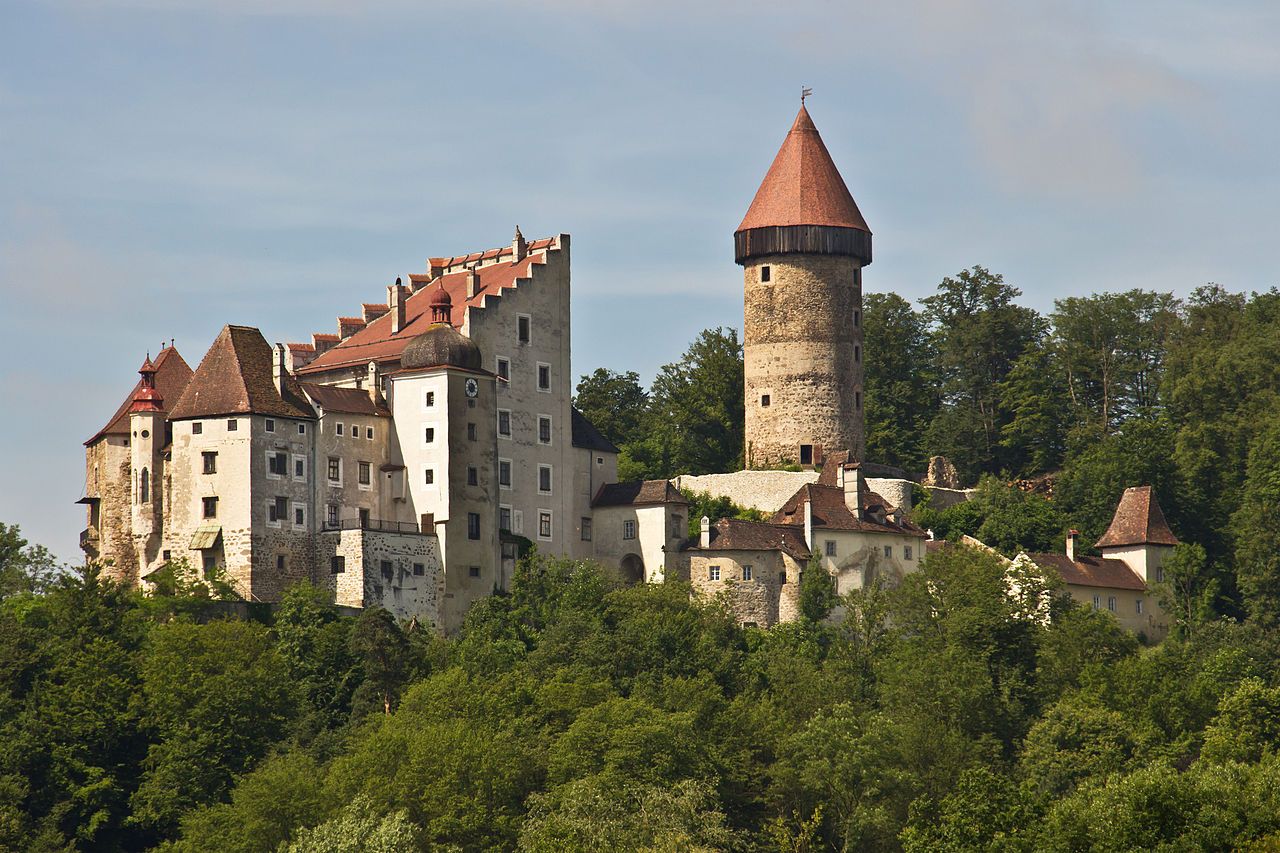
Castles & Palaces Trail – Discover the mystical Mühlviertel in Austria
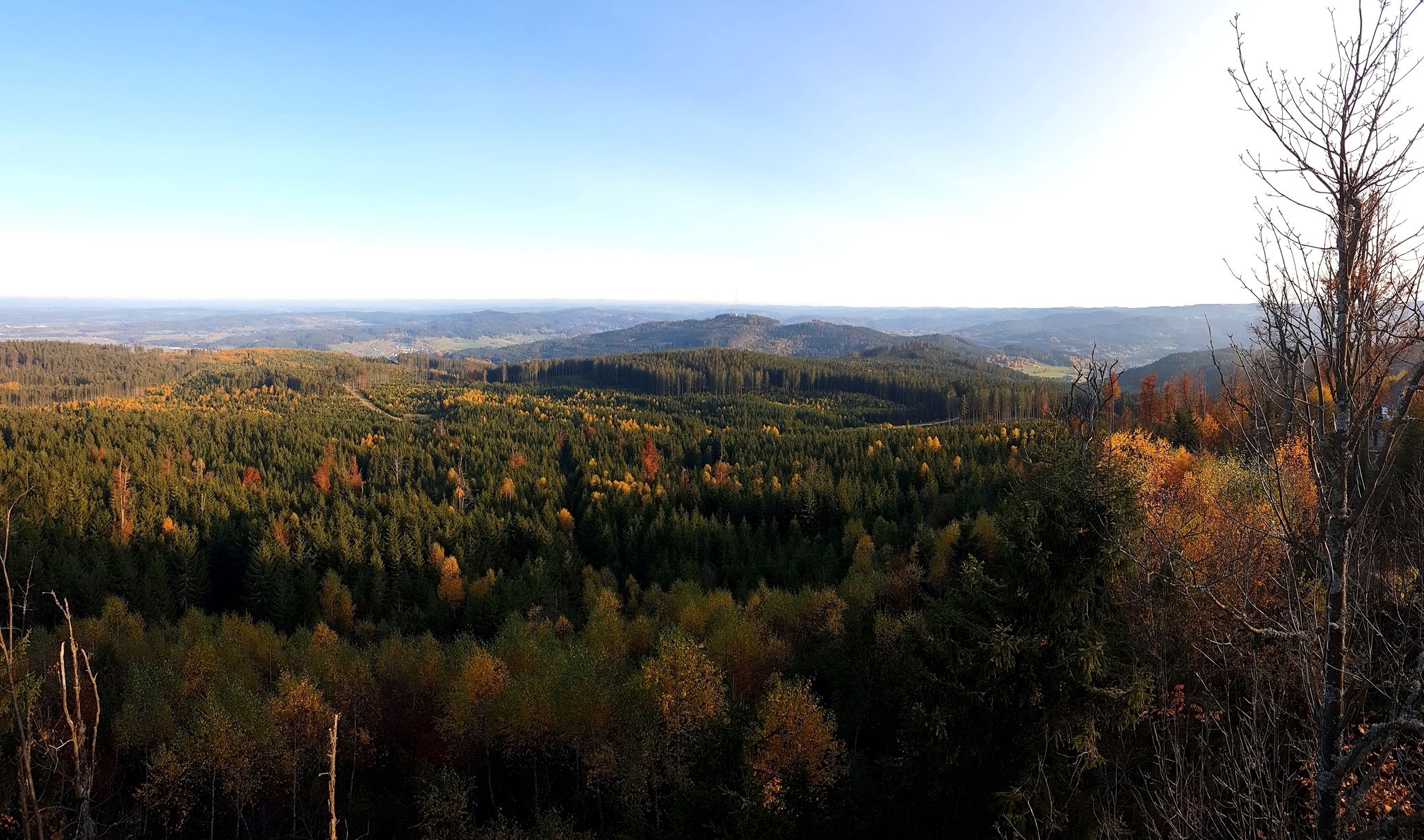
Nordwaldkamm trail – Hiking between the Czech Republic and Austria
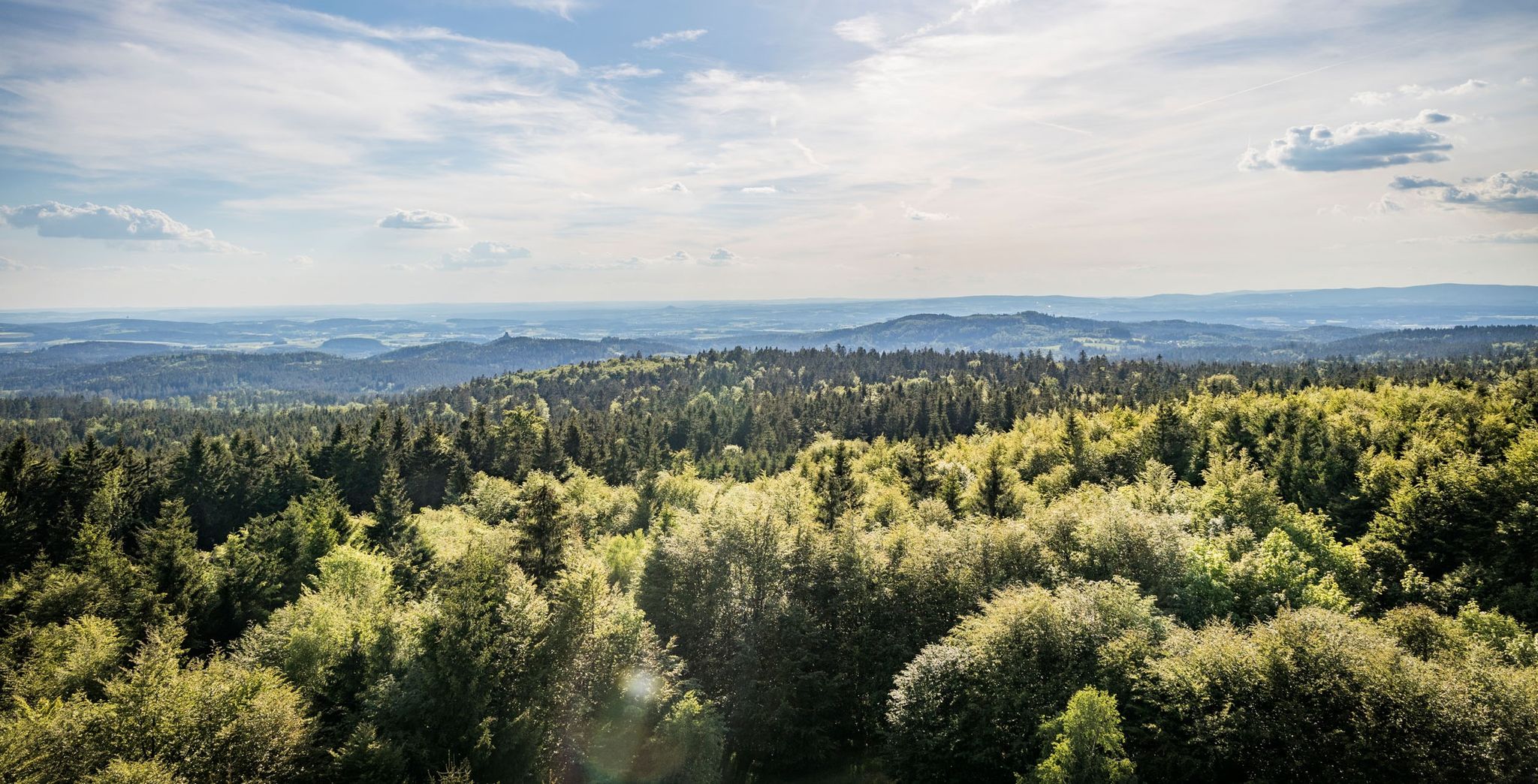
Nurtschweg – Hiking along the German-Czech border
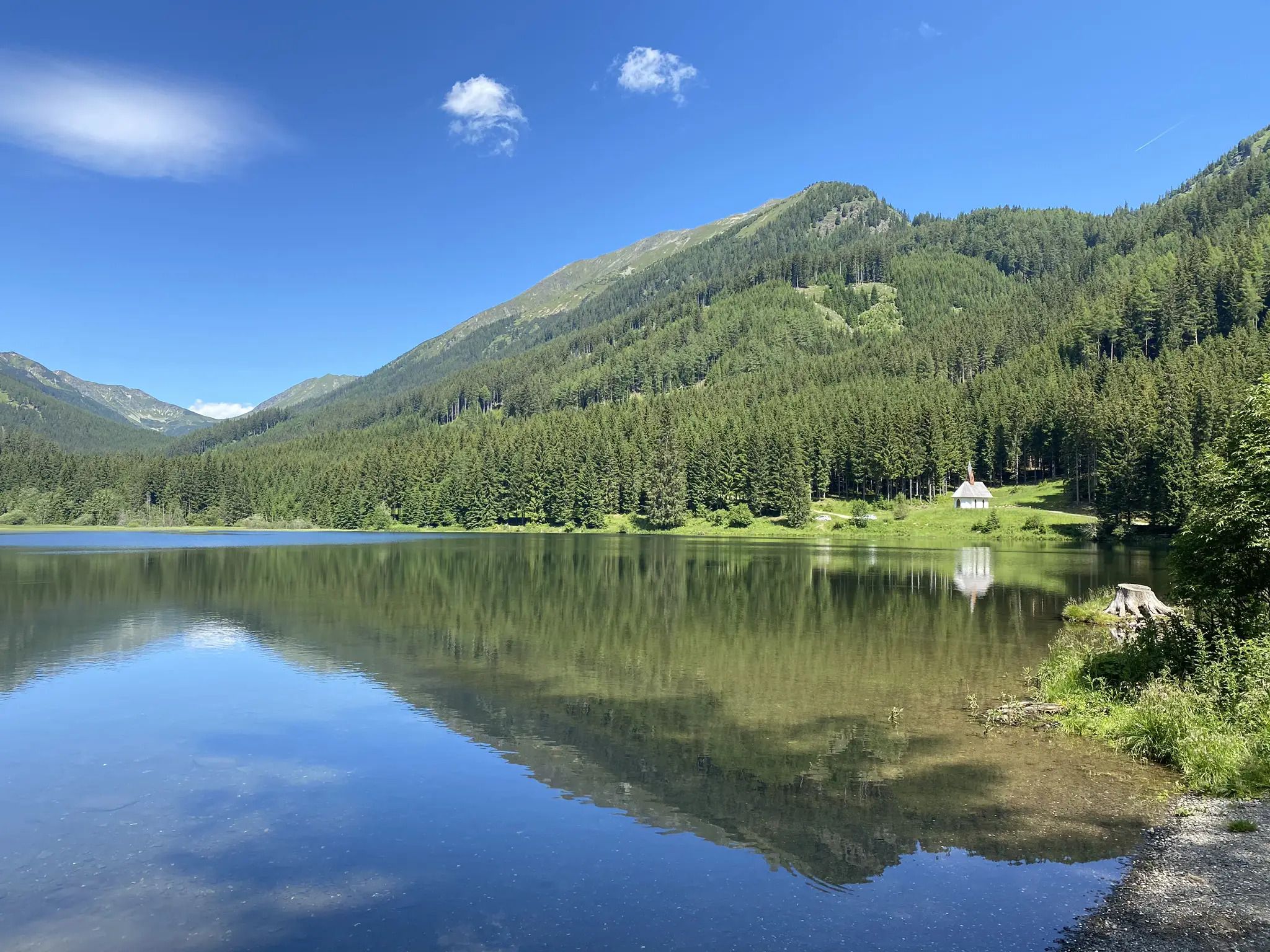
Eisenwurzen Trail – Hiking through Austria from north to south
Other adventures in the Czech Republic


Tips from the Community

This cave was built at the beginning of the 18th century by Samuel Görner, a native of Sloup, from the old Görner glassmaking family, which had a long tradition of manufacturing optical aids. Although he was a trained ornamental gardener, he also worked as a glass lens grinder. He lived in the cave from 1718 until April 27, 1735, when he moved to the Einseidlerstein (skalní poustevna). There, he devoted himself primarily to gardening and continued his work on the manufacture of spectacles and binoculars. In 1742, he fled to Prague, allegedly for fear of being recruited by the Prussians, and after his return, he made a living for a time from the manufacture of burning glasses. In 1756, he made a pilgrimage to Rome and, after his return around 1760, lived again as a hermit on Skalický vrch (Langenauer Berg). Later, he moved to an unoccupied hermit's hut on the Holy Mountain near Příbram, where he was robbed of the money that pilgrims had saved from him and murdered. His statue, with a telescope pointing towards the horizon, still symbolizes the Hermit's Stone on the southern edge of Sloup. Highly recommended!
0
0
The Modlivý důl (Prayer's Ditch) is a romantic rocky valley, approximately 1 km long, cut deep into the sandstone base of the Slavíček (Slabitschken) and Tisový vrch (Eibenberg) mountains on the northeastern edge of Svojkov (Schwoika). This rocky valley was originally called Smolný důl (Pechgraben), as the local charcoal burners also maintained pitch kilns in which they produced wagon grease. Only later did a pilgrimage site develop here, the origins of which are told by various legends. According to one of them, the young knight Jaroslav von Svojkov voluntarily died here with the beloved daughter of the brewmaster from Velenice (Wellnitz) because the knight's parents were not fond of their love. Another legend tells that a young man killed his rival here. Highly recommended!!!
1
0

Small 2-room apartment with a roof terrace and a view! 😉 There's a picnic area in the forecourt.
7
1
It's definitely worth seeing; something like this is rare and worth visiting. A great photo opportunity!
5
0

Wonderful hiking trails, but I really recommend sturdy shoes. Bohemian Switzerland is fun.😊
1
0

The path to the cave isn't signposted. You have to cross the Kirnitzsch stream and then climb up the clearly visible path. The cave itself is reached via a small ladder. It's not particularly large, so you don't need a flashlight.
2
1
The path to the fairy cave leads over a small bridge and then over a secured path to the cave.
4
0

Chapel carved into a rock.
0
0
Frequently Asked Questions
What are some of the most unique caves to visit in the Czech Republic?
The Czech Republic offers a variety of unique cave experiences. The Punkva Caves in the Moravian Karst are famous for their underground river boat cruise and access to the Macocha Abyss. For geological wonders, the Koněprusy Caves near Prague feature distinctive "Brussel sprouts" formations, while the Zbrašovské Aragonite Caves are the warmest in the country due to their thermal origin and rare aragonite formations. The Výpustek Cave stands out for its rich history, having served as a secret Nazi factory and military headquarters.
Are there family-friendly caves in the Czech Republic?
Yes, several caves are suitable for families. The Lion's Cave with Wooden Lion Bench is noted as family-friendly. The Grotto below the Prebischtor also offers a family-friendly experience. Many of the publicly accessible show caves, such as the Punkva Caves and Na Pomezí Cave, are designed with family visits in mind, offering guided tours on well-maintained paths.
What kind of geological formations can I expect to see in Czech caves?
Czech caves showcase diverse geological formations. You can find impressive dripstone decorations like stalactites, stalagmites, and flowstones in many karst caves, such as the Punkva Caves and Na Pomezí Cave. The Koněprusy Caves are known for their unique "Brussel sprouts" formations of calcite and chalcedony. The Zbrašovské Aragonite Caves feature rare aragonite formations, while the Eispinge (Ice Pit) is a gorge with cave-like features that often retains ice until late summer.
What historical or archaeological significance do some of the caves hold?
Many Czech caves are historically significant. Samuelova Cave (Samuel's Cave) was carved into stone by a hermit in 1718 and features historical inscriptions. The Balzers Lager rock shelter is a large overhang with an inscription from 1856, serving as a refuge in troubled times. The Výpustek Cave has a compelling history as a former Nazi underground factory. Býčí skála Cave is renowned for a 5th-century BC Hallstatt burial site, and the Mladečské Caves have yielded some of the oldest human remains in the Czech Republic.
What is the best time to visit the Moravian Karst caves?
The Moravian Karst caves, including the popular Punkva Caves and Catherine Cave, are generally open year-round, though specific opening hours may vary by season. Visiting during the shoulder seasons (spring and autumn) can offer pleasant weather and fewer crowds. Summer is also popular, but booking tickets in advance is advisable. Always check the official websites for current operating hours before planning your trip.
Are there any caves with easy access near Prague?
The Koněprusy Caves, located southwest of Prague in the Bohemia Karst Nature Reserve, are one of the largest cave systems in the Czech Republic and are relatively accessible from the capital. They offer guided tours with well-prepared paths, making them a good option for those seeking easy access from Prague.
What should I wear when visiting caves in the Czech Republic?
Caves maintain a constant, cool temperature regardless of the outside weather. For example, the Zbrašovské Aragonite Caves are the warmest at 14°C (57°F), but others can be cooler. It's advisable to wear layers, including a light jacket or sweater, even in summer. Comfortable, closed-toe shoes with good grip are also recommended, as paths can sometimes be damp or uneven.
What outdoor activities can I do near the caves in the Czech Republic?
The regions surrounding the Czech Republic's caves offer diverse outdoor activities. You can find numerous opportunities for gravel biking, with routes like 'From Schmilka around the big Zschirnstein' or 'Khaa Valley – Kirnitzsch Border Crossing loop'. There are also many options for waterfall hikes, such as 'Pančava Waterfall – Labský Waterfall (Elbe Falls) loop', and mountain hikes, including trails to 'Śnieżka (Schneekoppe) Summit'. For more details on these activities, explore the Gravel biking in the Czech Republic, Waterfall hikes in the Czech Republic, and Mountain Hikes in the Czech Republic guides.
Which cave has the largest accessible underground space in the Czech Republic?
The Catherine Cave (Kateřinská jeskyně), part of the Moravian Karst, boasts the largest underground space open to the public in the Czech Republic. Its Main Dome is an impressive 97 meters long, up to 44 meters wide, and 20 meters high.
Can I find viewpoints or scenic spots near the caves?
Yes, many cave locations offer excellent viewpoints. Samuelova Cave (Samuel's Cave), for instance, features viewpoints built around 1900. The Macocha Abyss, accessible from the Punkva Caves, is a dramatic sinkhole with impressive viewpoints. The Grotto below the Prebischtor and Lion's Cave with Wooden Lion Bench are also noted for their scenic views.
What do visitors enjoy most about the caves in the Czech Republic?
Visitors appreciate the diverse natural beauty, historical significance, and unique experiences offered by Czech caves. Highlights like Samuelova Cave are praised for their historical context and admirable views. The Eispinge (Ice Pit) is noted for its unique feature of retaining ice late into summer. The komoot community has shown significant appreciation for these subterranean wonders, with over 1000 upvotes and more than 230 photos shared across various cave highlights.
Most popular routes in the Czech Republic
Most popular attractions in the Czech Republic

Get inspired with the komoot mobile app


Didn’t find what you were looking for?
Discover more caves in the Czech Republic region by region:
Explore more
Extend your search for the best caves by checking out these guides of the top ones in the Czech Republic:
