Top 20 Natural Monuments in Belgium
Best natural monuments in Belgium encompass a diverse range of landscapes, from ancient forests and vast moorlands to unique coastal areas and river valleys. The country features significant wetlands, impressive geological formations, and numerous waterfalls. These natural sites offer varied terrain for outdoor exploration and provide insights into Belgium's natural heritage.
Best natural monuments in Belgium
- The most popular natural monuments is Trôs Marets Valley, a gorge that features an idyllic setting with a wild river. This area is suitable for families and hikers with dogs, offering varied landscapes near the Hohes Venn.
- Another must-see spot is Ninglinspo Valley, a gorge known for its impressive round hikes through a beautiful landscape. Visitors can expect to navigate paths alongside the stream, making for a unique experience in the Ardennes.
- Visitors also love Bayehon Waterfall, a roughly nine-meter-high waterfall within a deep, wooded gorge. It is considered a highlight of the gorge, offering picturesque photo opportunities and accessible hiking trails near Longfaye.
- Belgium is known for its waterfalls, river valleys, and unique geological features. The country offers a variety of natural monuments to see and explore, including moorlands, forests, and wetlands.
- The natural monuments in Belgium are appreciated by the komoot community, with more than 2700 upvotes and over 1000 photos shared across various highlights.
Last updated: October 13, 2026
Bayehon Waterfall
Highlight • Waterfall
Translated by Google •
Tip by

Vaalserberg Three-Country Point
Highlight • Monument
Translated by Google •
Tip by

Sign up now to discover places like this
Get recommendations on the best single tracks, peaks, & plenty of other exciting outdoor places.
Boardwalks Through the Hohes Venn Moor
Highlight • Trail
Translated by Google •
Tip by
Trôs Marets Valley
Highlight (Segment) • Gorge
Translated by Google •
Tip by

Brackvenn Moor Lakes
Highlight • Lake
The palsen or pingos in the High Fens were formed around 10,000 to 11,000 years ago at the end of the last ice age. When the ground froze deep down during the cold winters of the Ice Age, the wet ground expanded and frost mounds developed. Over the years these mounds grew and the soil material that was on top slid down the sides of the mounds and over time formed a ring-shaped wall around the mound of frost. With the end of the ice age, the ice melted, the frost mound sagged and the wall was preserved. The water in the middle is called bog scour or bog eye.
Source: euregio-im-bild.de/fotos/palsen-im-brackvenn-bei-m-tzenich.html
Translated by Google •
Tip by
Ninglinspo Valley
Highlight (Segment) • Gorge
Tip by

Durbuy — Old Town and Castle
Highlight • Settlement
Translated by Google •
Tip by

Venus' Bath
Highlight • Waterfall
Translated by Google •
Tip by
Coo Waterfall
Highlight • Waterfall
Translated by Google •
Tip by
Hohnbach Valley
Highlight (Segment) • River
Translated by Google •
Tip by

Sign up for free to discover even more natural monuments in Belgium.
Already have an account?
Start today with a free account
Your next adventure awaits.
Popular around Belgium
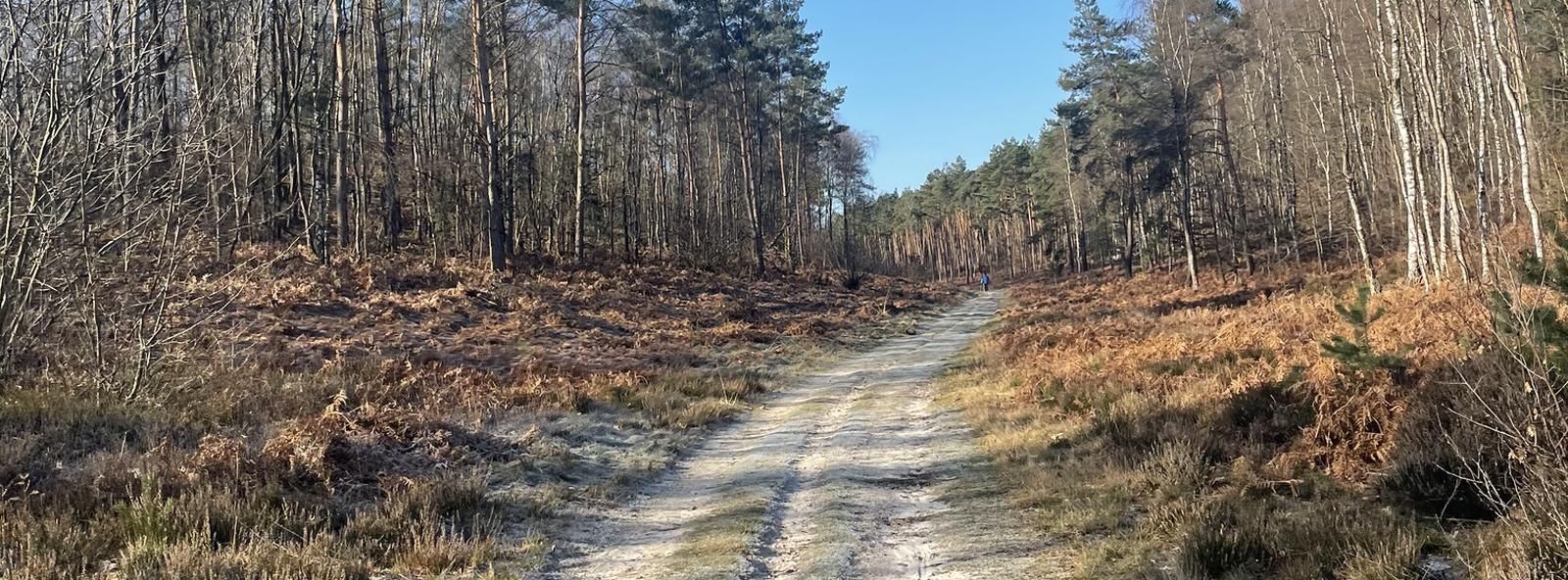
Belgium’s Hoge Kempen and Meuse Valley – Bram Tankink’s best rides
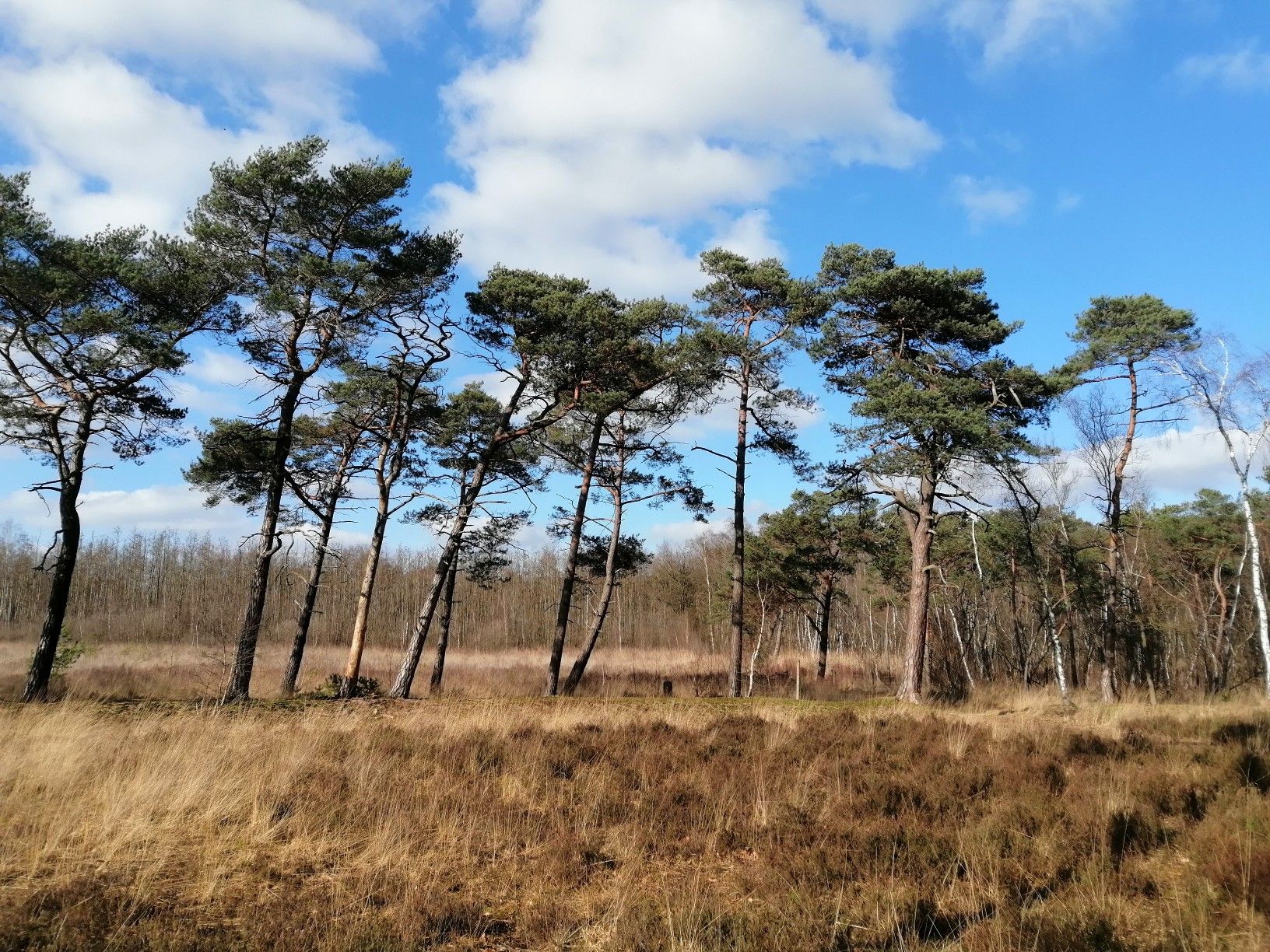
From Flanders to the Ardennes — GR 5 in Belgium
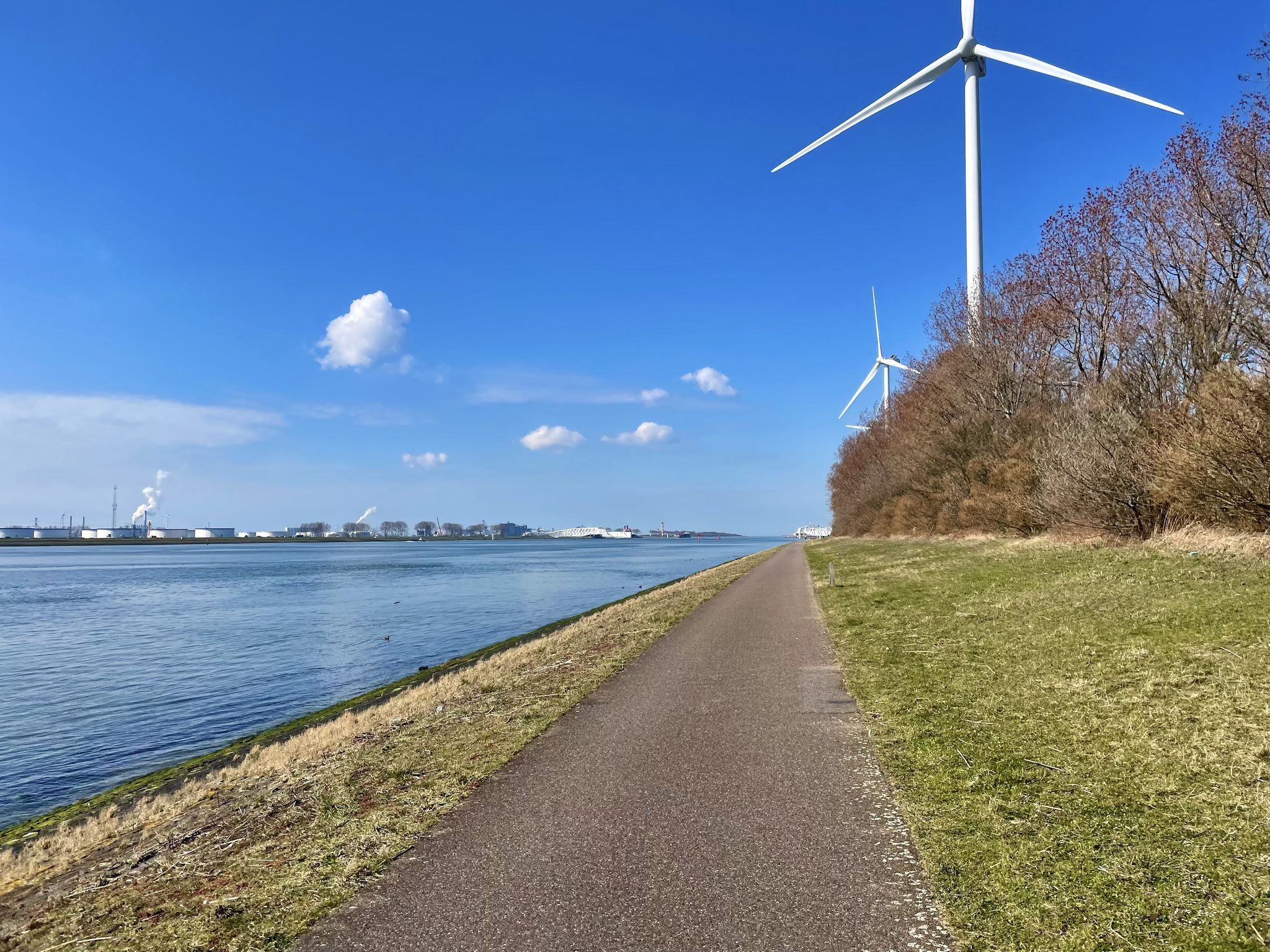
The Meuse Cycle Route - Follow the Meuse from the hills to the harbor
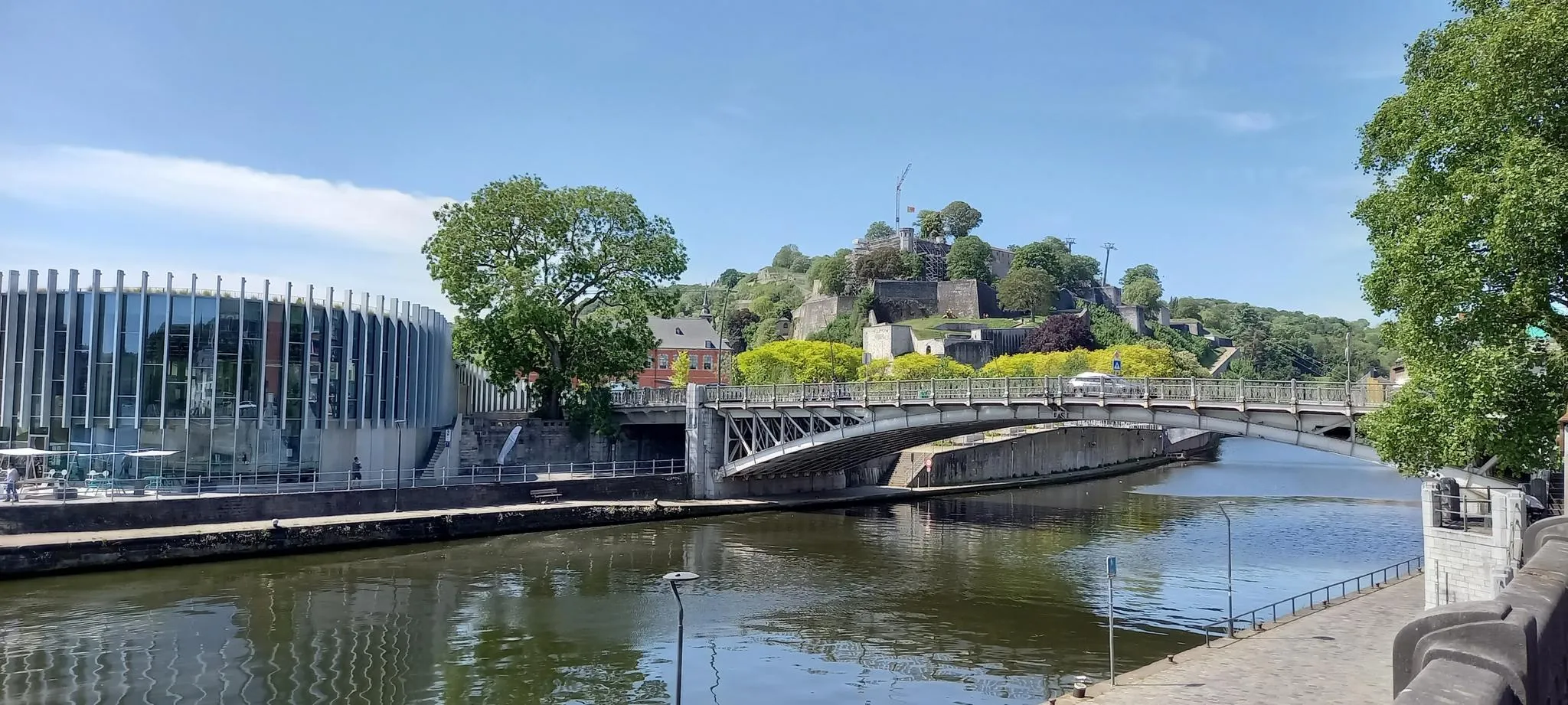
EuroVelo 3 — The adventure in the heart of Belgium
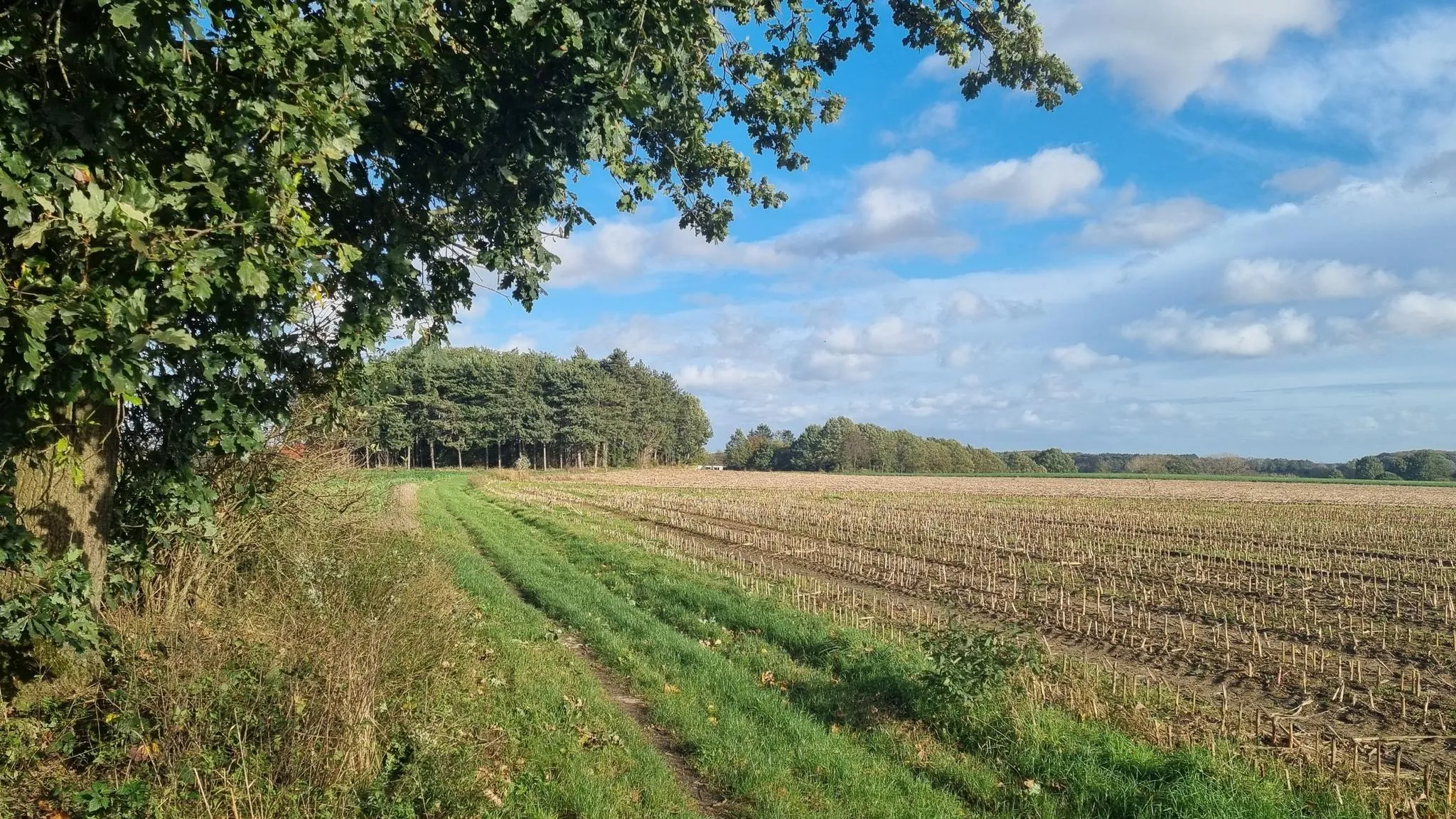
Streek-GR Hageland – Hollow roads and endless fields
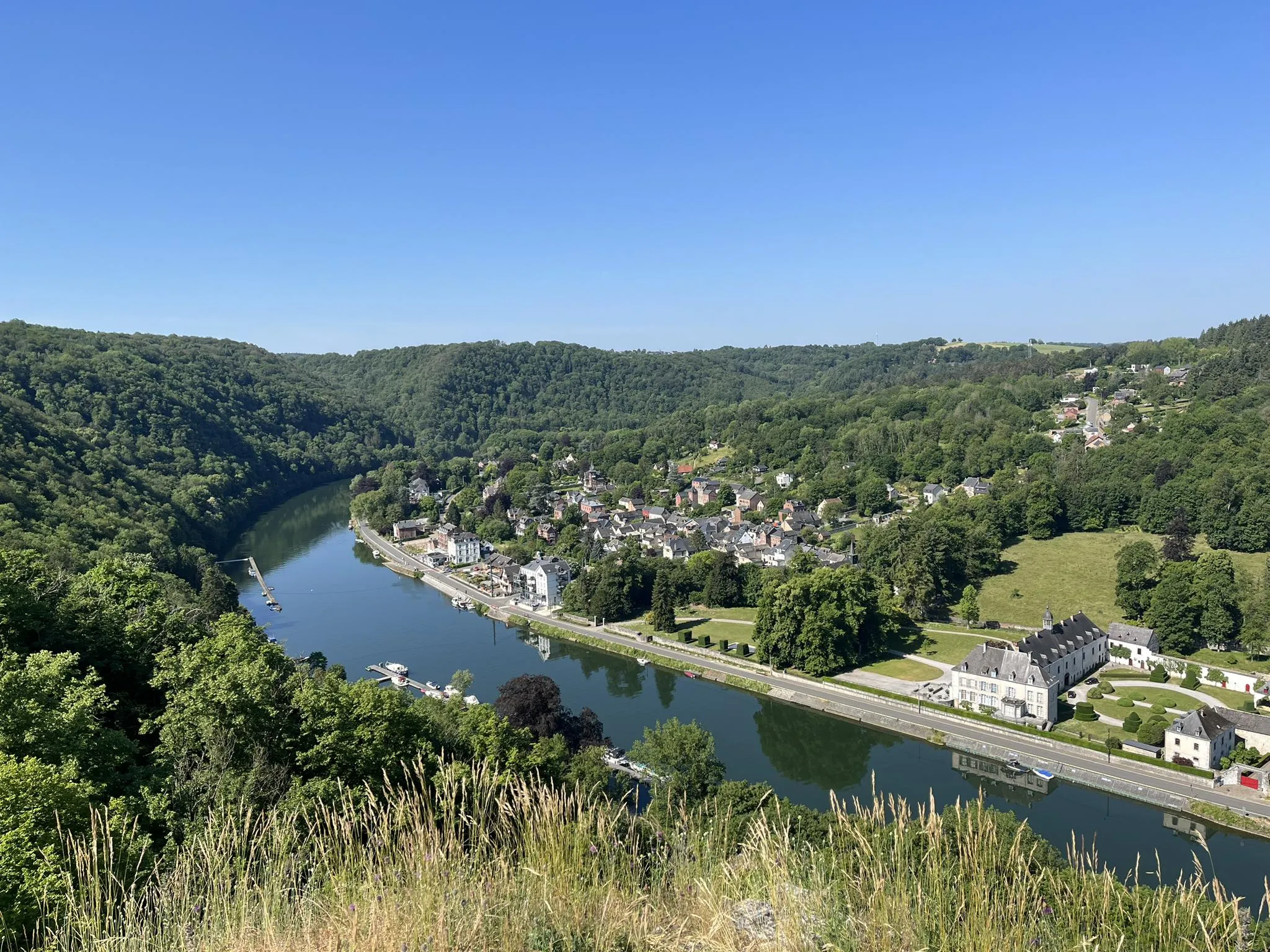
Sentier des abbayes trappistes part 1 – Between nature and gastronomy
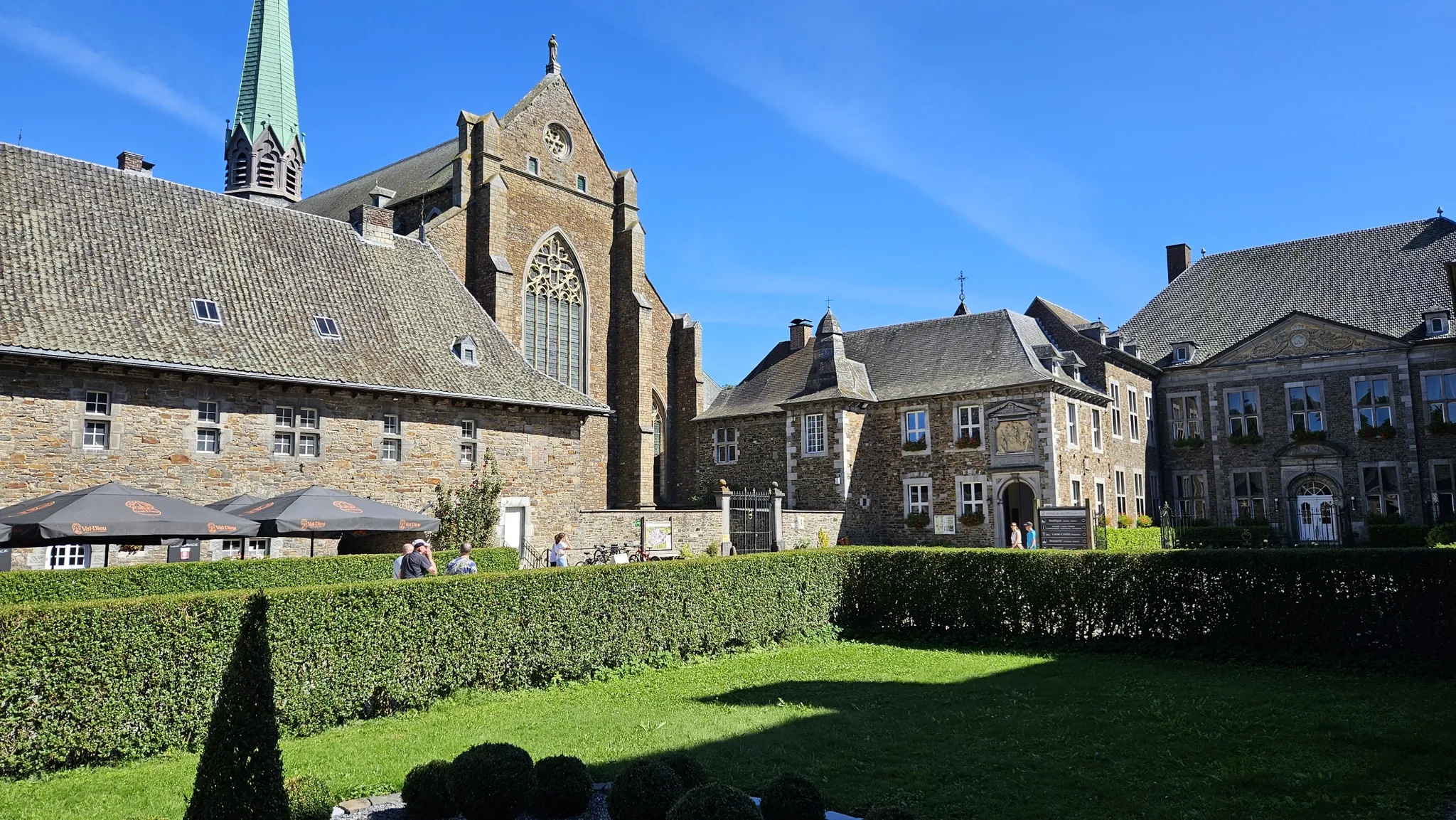
Trappist abbeys cycle route – Between beers and heritage
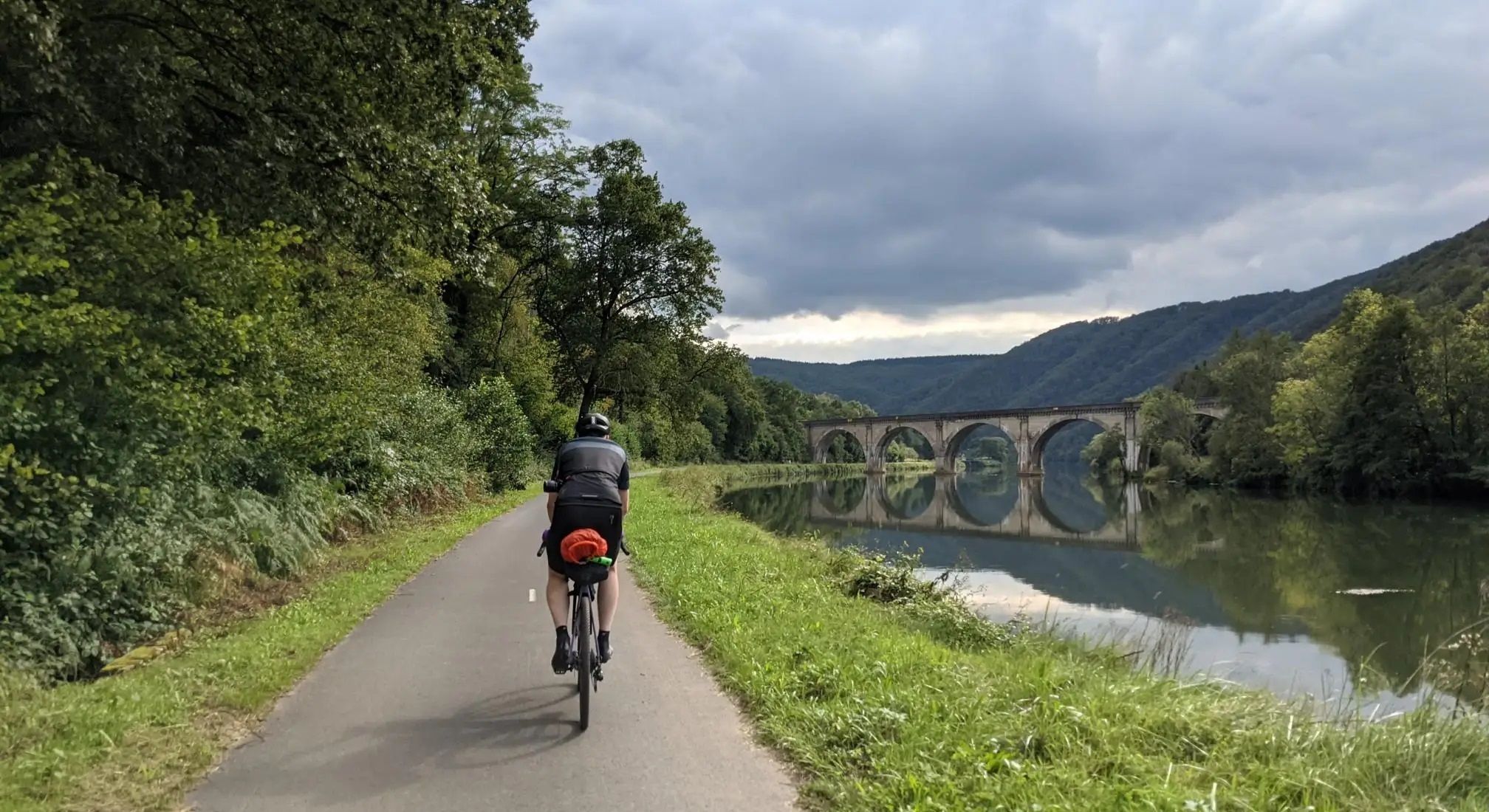
Aachen to Reims – Ardennes, Meuse and Champagne
Flanders Divide - Across Flanders
Running an ultra in Belgium – long trails in a small country
Other adventures in Belgium


Tips from the Community

Adventure tours, amusement park, kayaking or just marveling, there can be a lot going on here.
11
0

The Coo waterfall is artificial. Starting from a simple waterfall that appeared in the 15th century, the monks of Stavelot Abbey dug the large waterfall, crossing a meander of the river, to protect the village of Petit-Coo. The fact remains that it is very impressive and at its height of 15 meters is the pride of Belgium.
1
0
Located on the banks of the Ourthe River, the village of Durby is picturesque thanks to its rich history and remarkably well-preserved architecture. It is considered the smallest village in the world. The downside is that it attracts large crowds during the summer months.
0
0

The highest point in the Netherlands coincides with the three-country point and is an important tourist attraction.
21
0

As early as the late Middle Ages, the border of the former Aachen Empire, fortified with the Aachen Moat, ran from south to north across the ridge of the Vaalserberg. From 1839 to 1919, the Vaalserberg, with the disputed area of Neutral Moresnet as the fourth country, was even a four-country corner (Vierlandenpunt), which is still remembered in the name of the access road on the Dutch side - Viergrenzenweg. During the First World War, from 1915 to 1918, the high-voltage border barrier stretched along the Belgian-Dutch border for a length of 300 kilometers from the then four-country corner on the Vaalserberg to the Belgian North Sea coast near Knokke. The German invasion of Belgium in 1914 via Gemmenich to Diksmuide, which brought much suffering to the Belgian population, is commemorated by a memorial made of compressed war material at the southern tip of the Vaalserberg, called Via Dolorosa.
23
0

This "bathtub" shows very well what the water can do with its natural power over the millennia.
10
0
One of the highlights of the Ninglinspo Valley is this beautiful waterfall.
9
0

Frequently Asked Questions
What are some of the most popular natural monuments for hiking in Belgium?
Belgium offers several popular natural monuments ideal for hiking. The Trôs Marets Valley is highly regarded for its idyllic setting with a wild river, offering varied landscapes near the Hohes Venn. Another favorite is the Ninglinspo Valley, known for its impressive round hikes where paths often follow the stream. For more options, you can explore various routes in the region, such as those found in the Easy hikes in Belgium guide.
Are there family-friendly natural monuments in Belgium?
Yes, many natural monuments in Belgium are suitable for families. The Bayehon Waterfall, with its accessible hiking trails and nearby facilities, is a great choice. The Coo Waterfall also offers a family-friendly experience with its impressive 15-meter drop. Additionally, the Hohnbach Valley provides versatile and beautiful paths suitable for all ages.
Which natural monuments feature impressive waterfalls?
Belgium is home to several beautiful waterfalls. The Bayehon Waterfall, a roughly nine-meter-high cascade in a wooded gorge, is a picturesque spot near Longfaye. The Coo Waterfall, one of Belgium's highest with a 15-meter drop, is another must-see. Beyond these, the Hoëgne River Valley in the Ardennes also features idyllic waterfalls along its hiking trails.
What unique geological features can be explored in Belgium's natural monuments?
Belgium offers fascinating geological formations. The Trôs Marets Valley and Ninglinspo Valley are both gorges known for their unique river-carved landscapes. A notable geological wonder is the Fondry des Chiens, sometimes called Belgium's 'Grand Canyon,' a chasm formed by acid rain on limestone, creating deep cracks and crevices.
Are there any natural monuments that are also historical sites?
Yes, some natural monuments in Belgium hold historical significance. The Vaalserberg Three-Country Point, where Belgium, Germany, and the Netherlands meet, is a unique historical and geographical landmark. While primarily a natural monument, its role as a tri-border region adds a historical dimension.
What is the best time of year to visit Belgium's natural monuments?
The best time to visit Belgium's natural monuments largely depends on what you wish to experience. Spring, particularly April, is ideal for witnessing the magical bluebell carpet in Hallerbos (The Blue Forest). Summer offers pleasant weather for hiking and exploring wetlands like Het Zwin Nature Park. Autumn brings vibrant foliage to forested areas, while winter can transform areas like the High Fens into a cross-country skiing paradise, especially around Signal de Botrange.
Where can I find vast moorlands and unique plant life?
The High Fens – Eifel Nature Park (Hautes Fagnes), located in eastern Wallonia, is renowned for its wind-swept moorlands and misty peat bogs. This ancient landscape is home to unusual plant life, including carnivorous sundew and rare bog asphodel. The Hohes Venn Nature Reserve is part of this extensive area, offering a unique natural experience.
Are there natural monuments suitable for birdwatching?
Absolutely. Het Zwin Nature Park, near the Dutch border in West Flanders, is an exceptional wetland habitat. Often called the 'international bird airport,' it attracts over 350 bird species, making it a prime location for birdwatching enthusiasts. Its mudflats, salt marshes, and scrub forests provide a vital stopover for migratory birds.
What coastal natural monuments can I visit in Belgium?
For coastal nature experiences, De Panne and Westhoek Nature Reserve are excellent choices. De Panne boasts one of Belgium's longest beaches, while the Westhoek nature reserve features over 340 hectares of sand dunes, walking trails, and panoramic views, ideal for families and nature lovers seeking a seaside escape.
Are there opportunities for cycling near Belgium's natural monuments?
Yes, many areas around Belgium's natural monuments offer great cycling opportunities. Hoge Kempen National Park, for instance, is known for its extensive cycling routes through pine forests, lakes, and heathland. For more specific cycling adventures, you can consult guides like Road Cycling Routes in Belgium, which features routes like the Tour of Flanders cycling loops.
What do visitors enjoy most about Belgium's natural monuments?
Visitors frequently praise the diverse and pristine natural beauty. They enjoy the tranquility of places like the Trôs Marets Valley, the unique experience of navigating paths alongside streams in the Ninglinspo Valley, and the picturesque photo opportunities at the Bayehon Waterfall. The variety of landscapes, from dense forests to open moorlands and coastal dunes, provides something for every outdoor enthusiast.
Can I find hidden gems among Belgium's natural monuments?
Beyond the well-known sites, Belgium holds several hidden natural gems. The Hoëgne River Valley, flowing through the Ardennes, offers a spectacular hike with idyllic waterfalls and charming wooden bridges. Another unique spot is the Tombeau du Géant (Giant's Tomb) near Bouillon, where the Semois River forms a dramatic, coffin-shaped meander, providing a breathtaking viewpoint.
Most popular routes in Belgium
Most popular attractions in Belgium

Get inspired with the komoot mobile app


Didn’t find what you were looking for?
Find even more amazing natural monuments in Belgium by checking out the top Highlights region by region:
Explore more
Extend your search for the best caves by checking out these guides of the top ones in Belgium:
