Top 20 Castles in St. Pölten
Castles in St. Pölten are found in a region rich in historical architecture, with the city serving as a gateway to numerous significant sites in Lower Austria. The area is characterized by its blend of historic urban centers and surrounding natural landscapes, including the Danube River valley. Visitors can explore a variety of architectural styles, from Baroque monasteries to Renaissance castles and medieval ruins. This cultural landscape offers insights into centuries of Austrian history.
Best castles in St. Pölten
- The…
Last updated: August 3, 2026
Walpersdorf Castle
Highlight • Castle
Translated by Google •
Tip by

Rabenstein Castle Ruins
Highlight • Castle
Translated by Google •
Tip by
Sign up now to discover places like this
Get recommendations on the best single tracks, peaks, & plenty of other exciting outdoor places.
Sign up for free
Großer Viehofner See
Highlight • Lake
Translated by Google •
Tip by

Heiligenkreuz-Gutenbrunn Castle and Baroque Museum
Highlight • Castle
Translated by Google •
Tip by

Schloss Thalheim
Highlight • Castle
Translated by Google •
Tip by

Hohenegg Castle Ruins
Highlight • Castle
Translated by Google •
Tip by

Neulengbach Castle
Highlight • Castle
Founded and seat of the High Freemen of Lengenbach from 1191. The Lords of Lengenbach were among the most powerful noble families in Austria. They owned 20 castles …
Translated by Google •
Tip by

Kirchberg an der Pielach
Highlight • Settlement
Translated by Google •
Tip by

Totzenbach Castle
Highlight • Castle
Translated by Google •
Tip by

Kreisbach Castle
Highlight • Castle
The Schloss Kreisbach dates back to the 12th Century, owners were u.a. in the 16th century the counts …
Translated by Google •
Tip by

Sign up for free to discover even more castles in St. Pölten.
Sign up for free
Already have an account?
Start today with a free account
Your next adventure awaits.
Login or Signup
Popular around St. Pölten
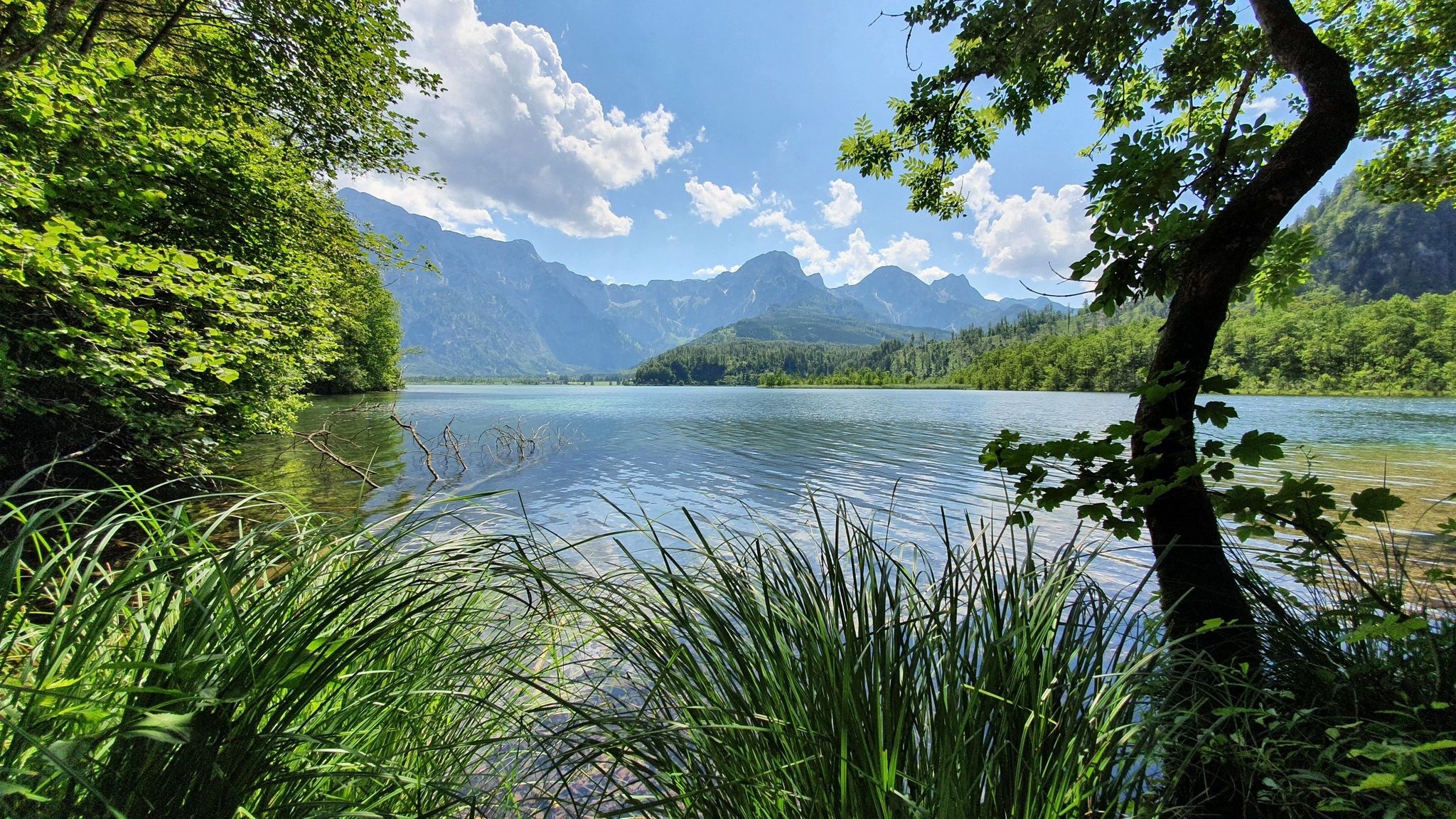
Voralpenweg 04 – From Vienna to Bad Reichenhall
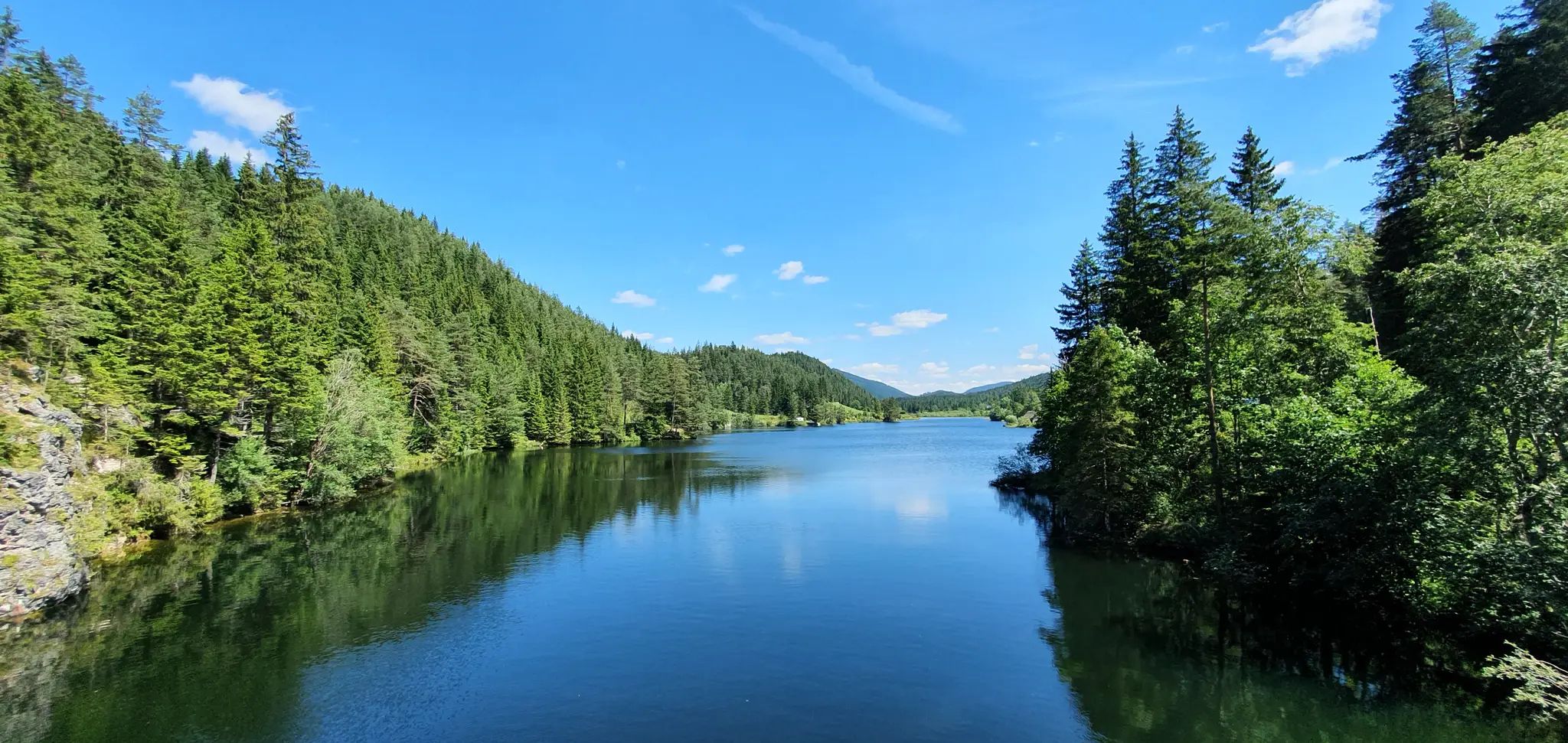
The Traisental cycle path – on a pilgrimage through the Mostviertler Alps
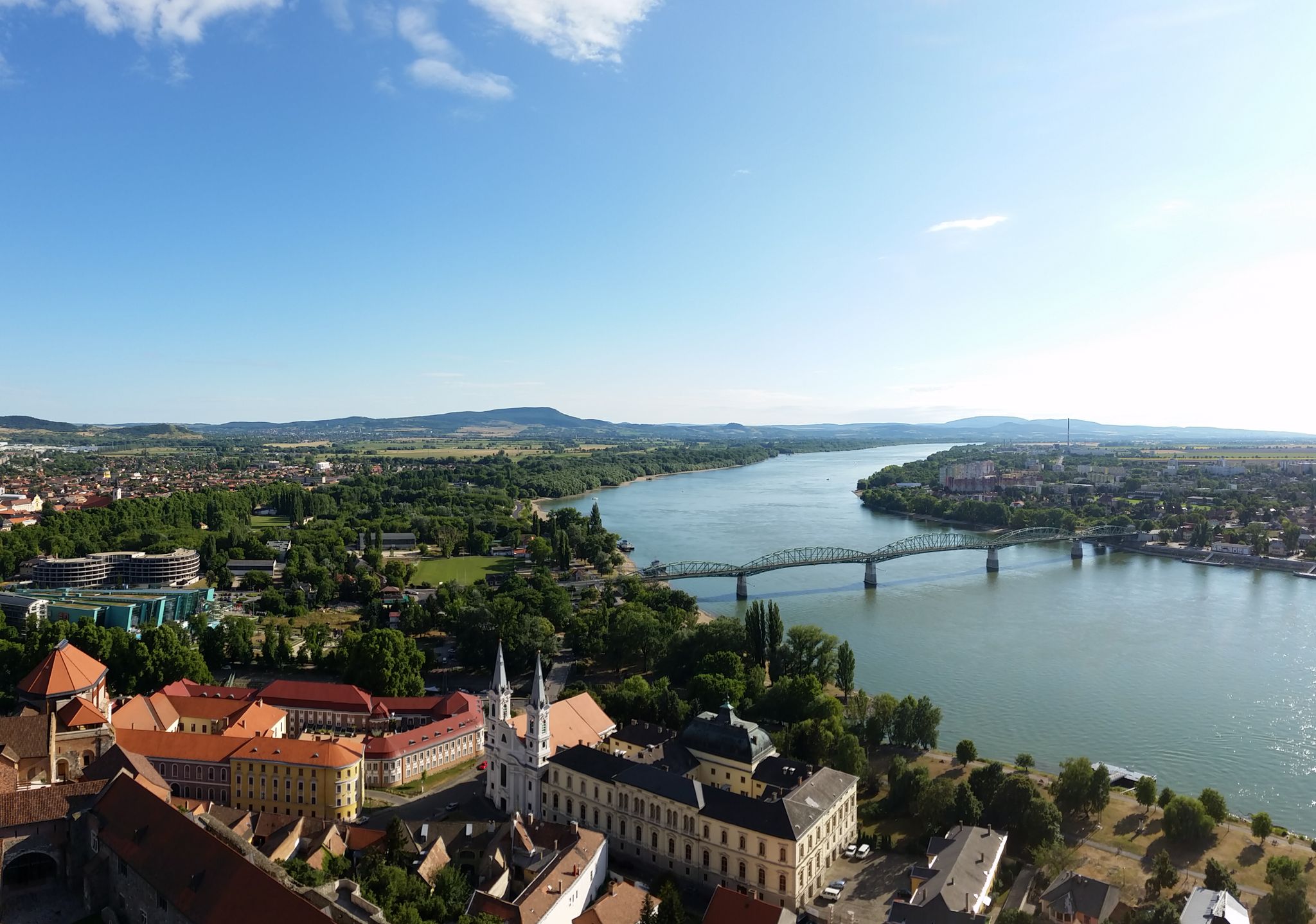
The Danube Cycle Path – From Donaueschingen to Budapest
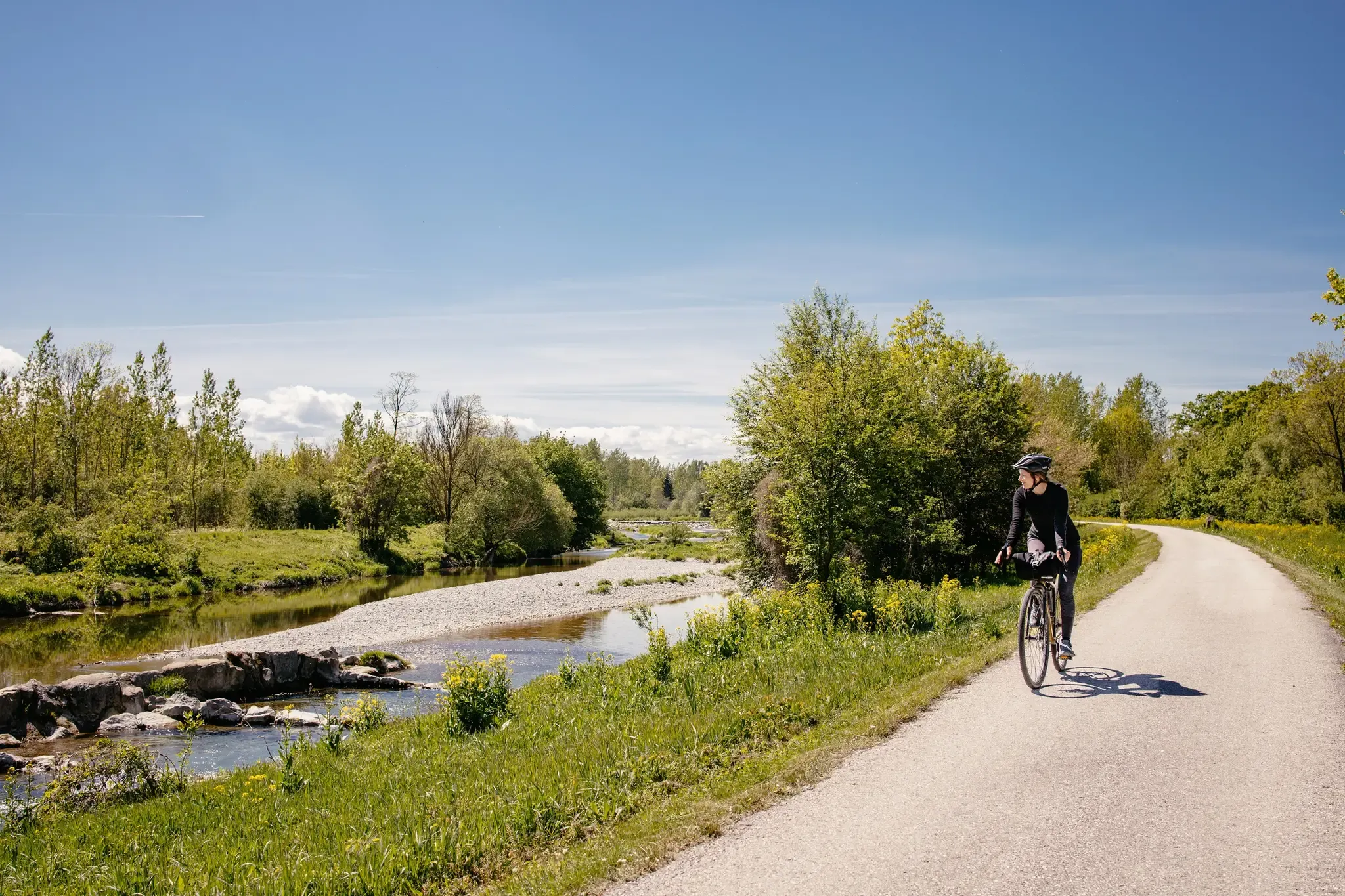
Traisental Cycle Path – river cycling through the Mostviertel Alps
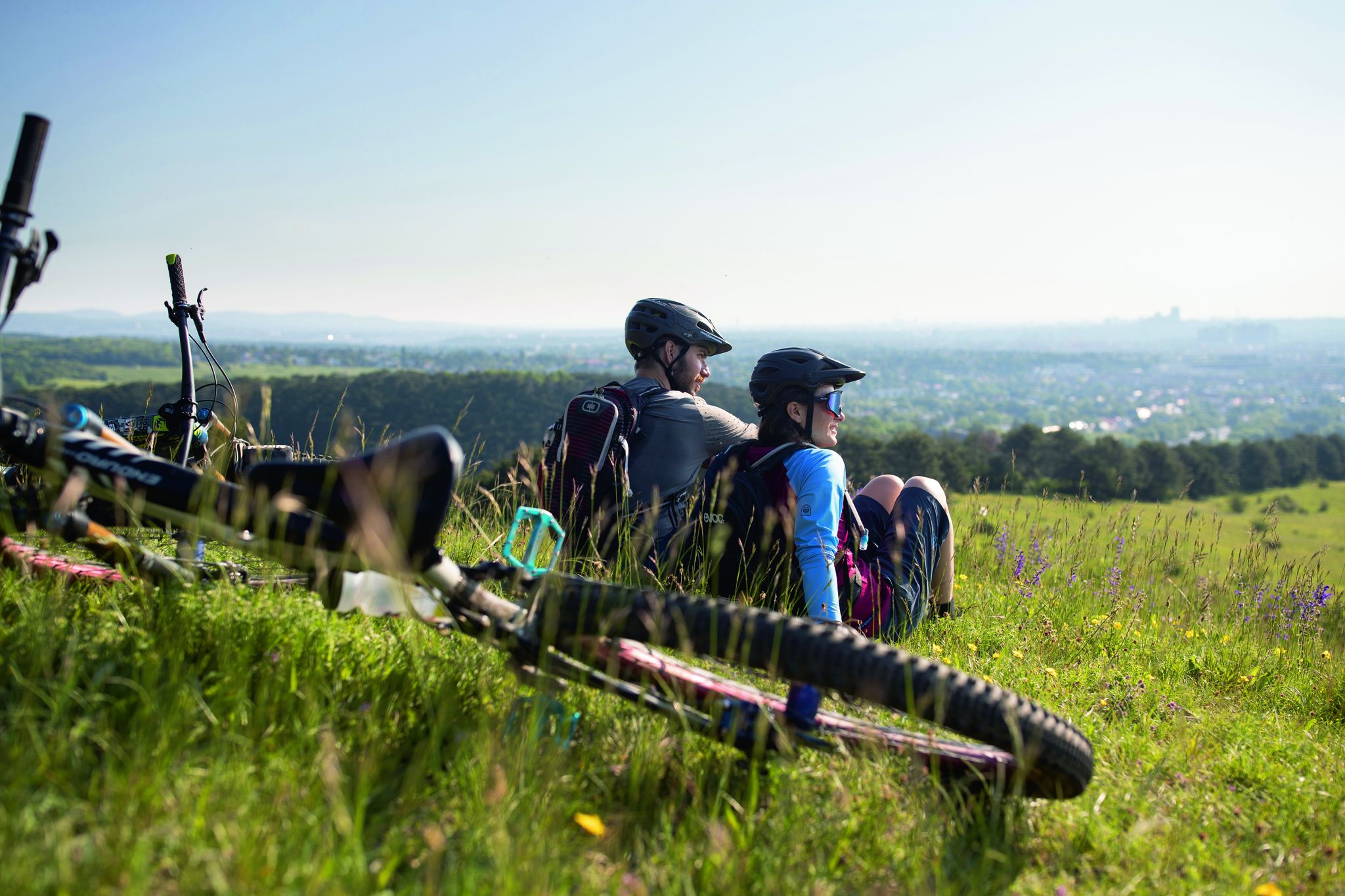
Fun, flow and elevation gain – MTB trails in the Vienna Woods
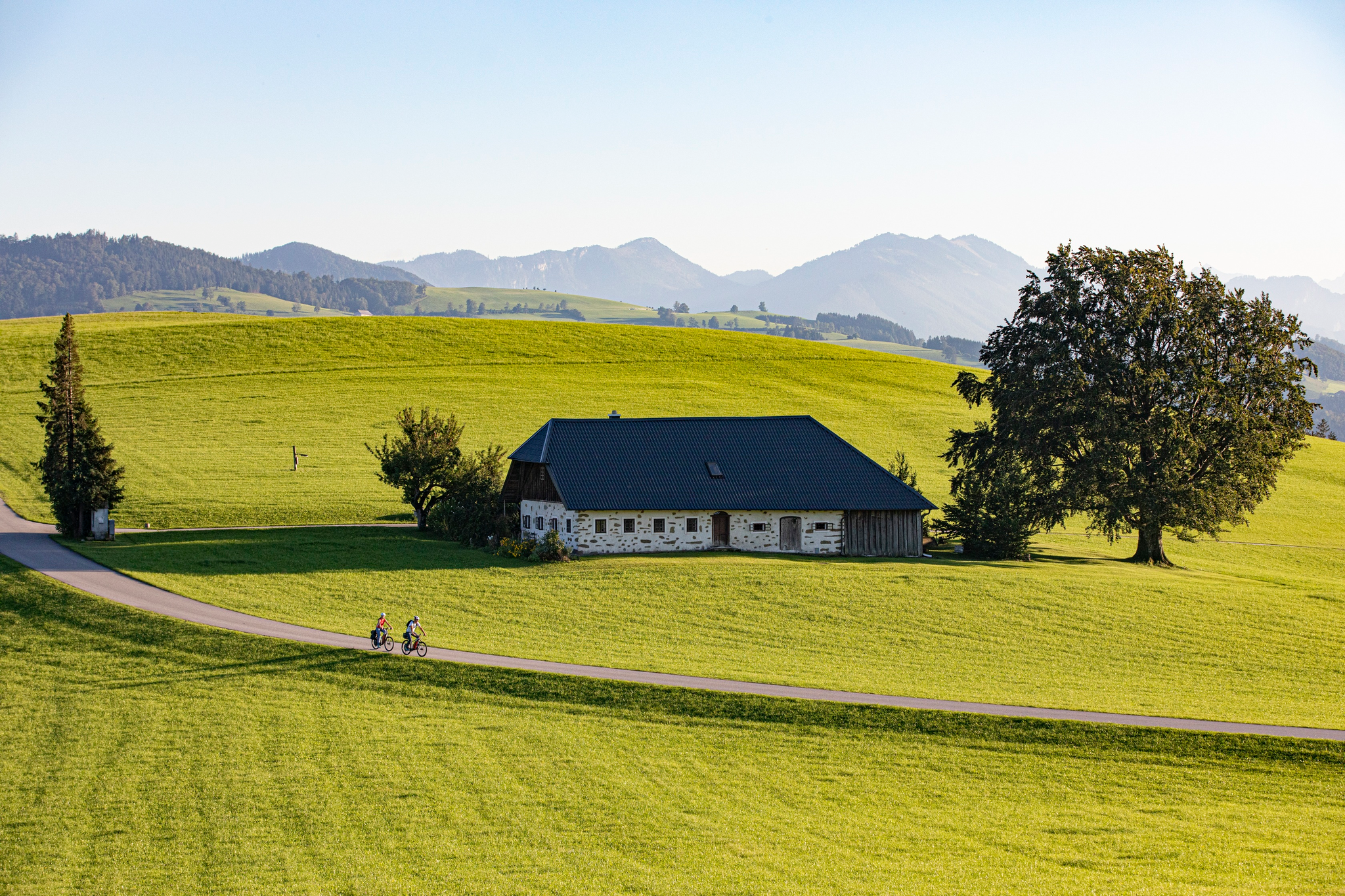
Pleasure cycling in the Mostviertel – between pear trees and vineyards
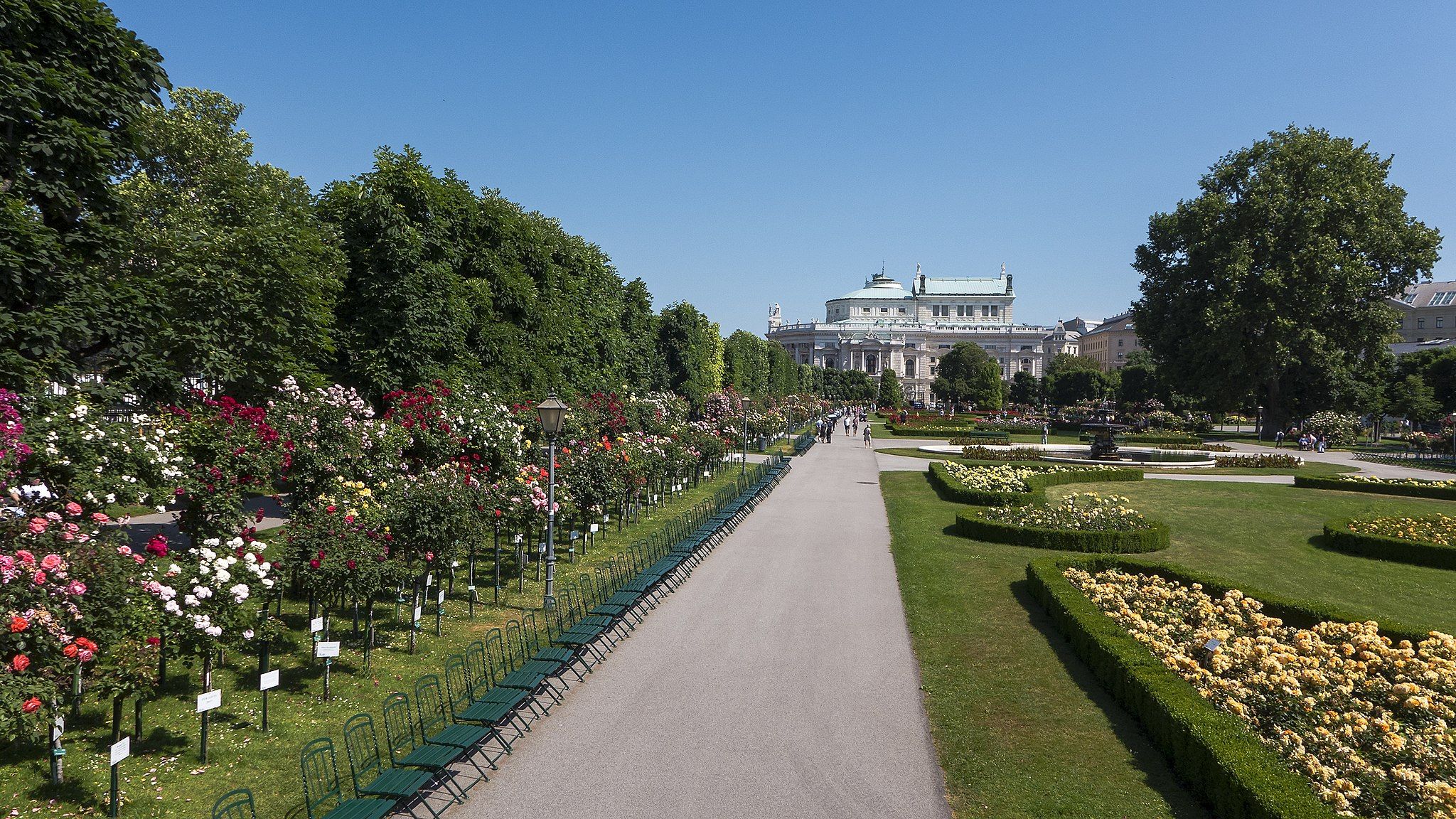
City hikes in Austria – on foot through Vienna, Wels & St. Pölten
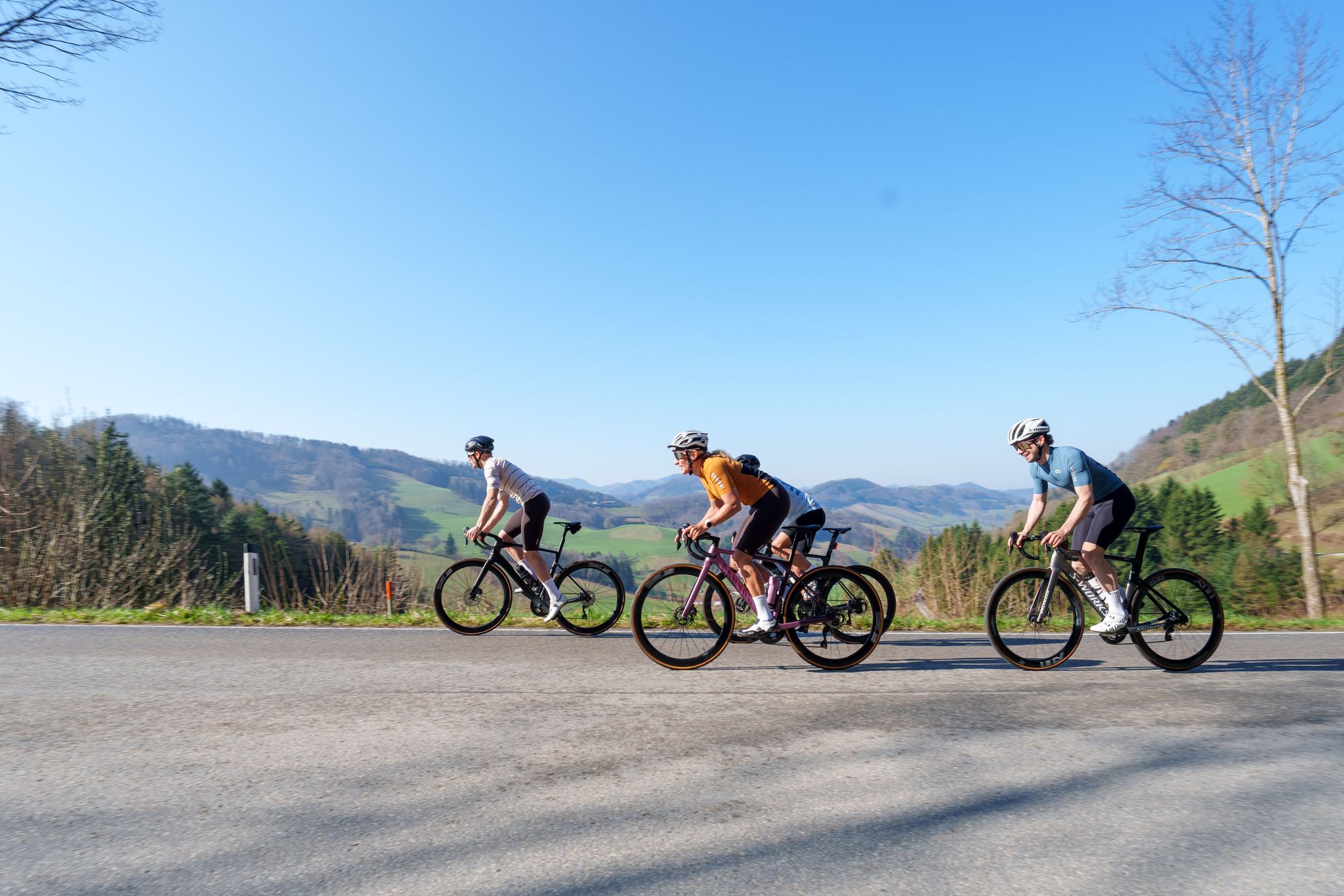
Rennrad Routen vom Feinsten
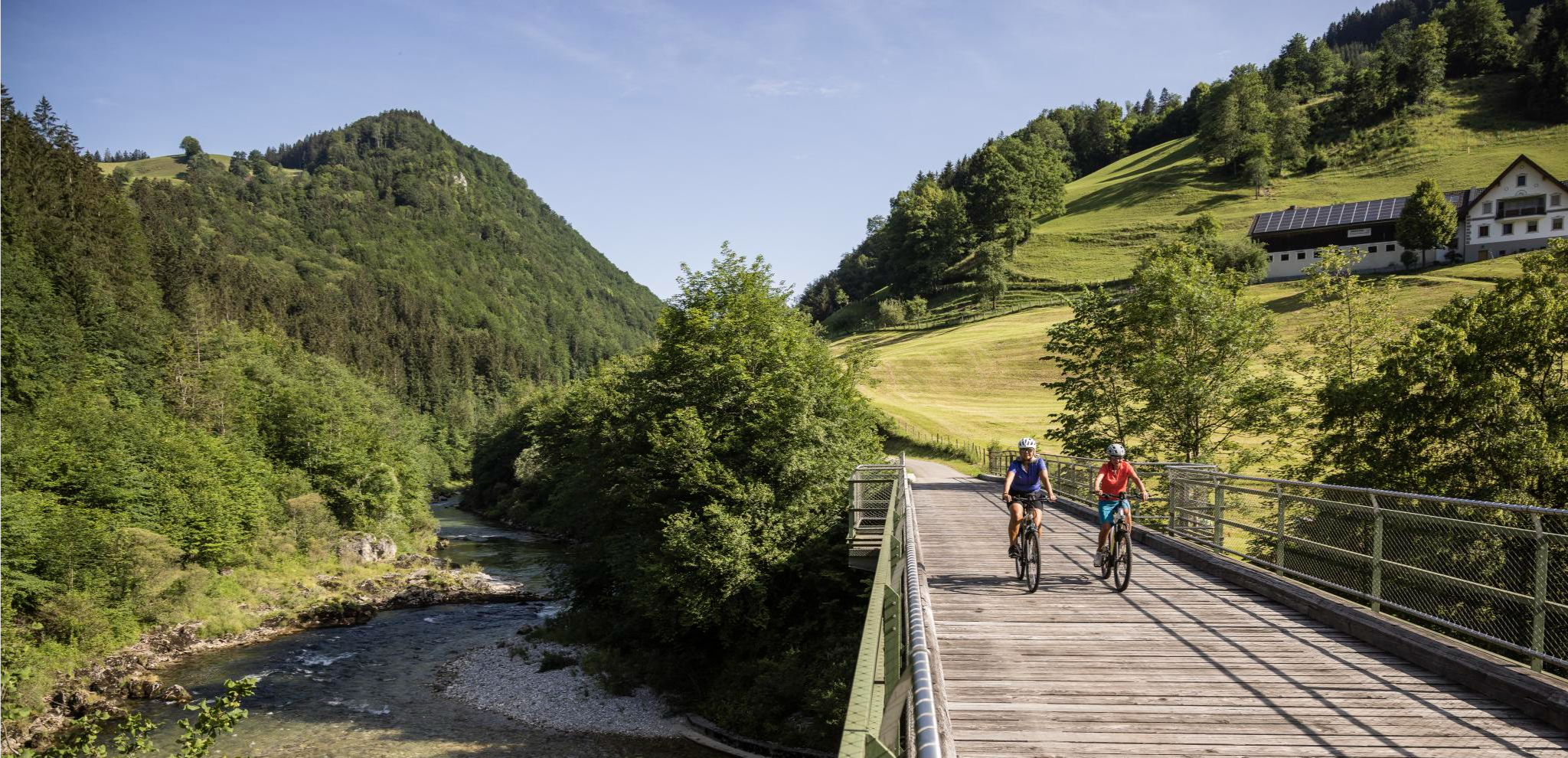
Flussradeln im Mostviertel: Genussvolle Touren entlang klarer Flüsse
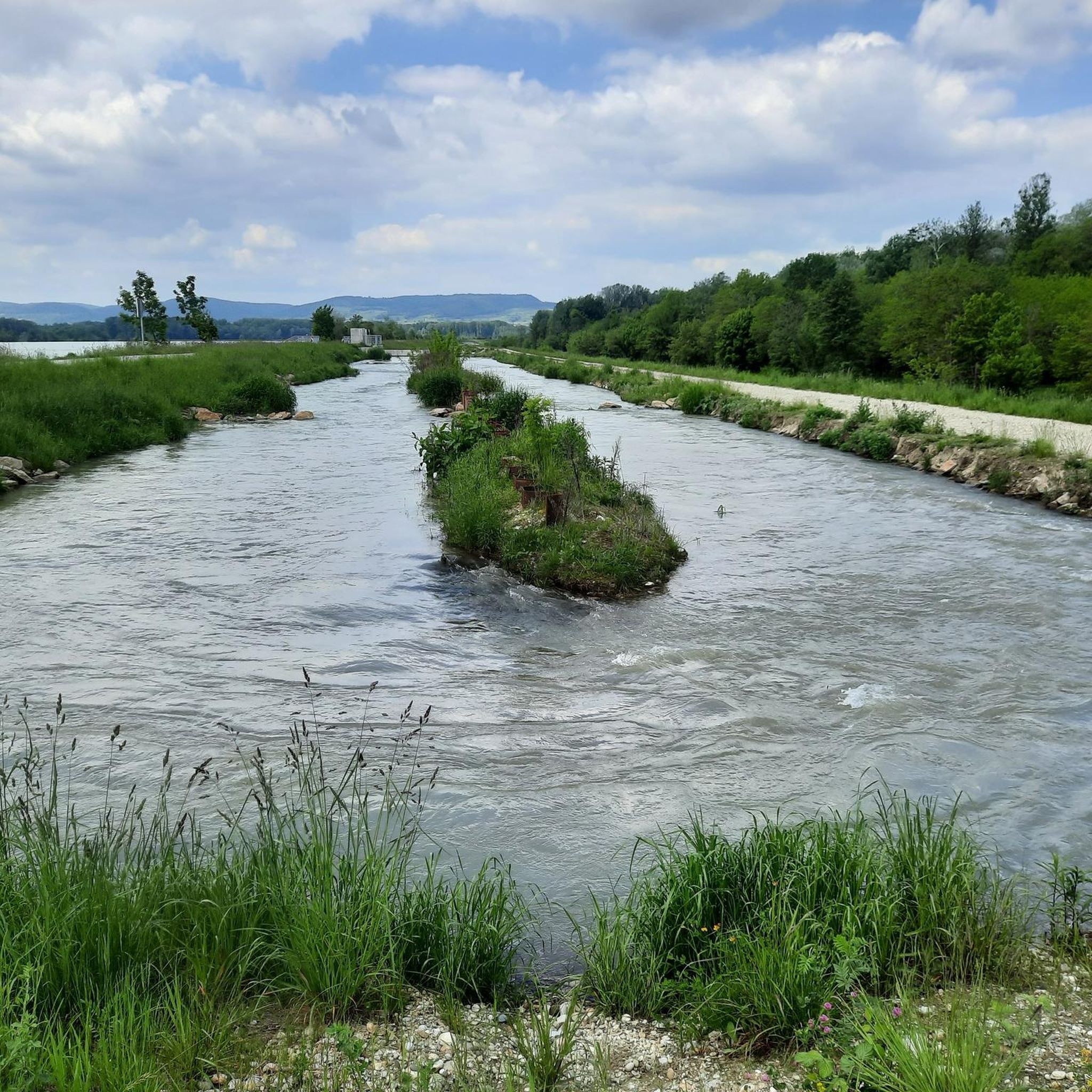
Cycling in St. Pölten
Other adventures in St. Pölten


Tips from the Community

Schloss Thalheim in Kapelln (Lower Austria) looks back on a centuries-old history. The foundation stone for today's Altschloss and the economic wing was laid around 1600.
0
0
Through the commitment of the ruins committee of the village renewal association and generous donations, the ruin was saved from decay. In 1989, a committee was formed to save the Rabenstein ruin, which has since been working on the preservation and securing of this cultural heritage.
0
0

Beautifully renovated castle, a so-called wedding location.
0
0

Hohenegg Castle has been owned by the Count Montecuccoli family since 1628 and served as their ancestral seat and residence until 1742. Today, the castle is managed by the Hohenegg Castle Association and is available as an event venue for up to 150 people. Equipped with restrooms and a basic kitchen, the enclosed tavern, a theater hall with a stage, and, most notably, the first courtyard with its unique ambiance can be used for festivals and celebrations, concerts and cultural events, as well as youth and tent camps. A maintenance fee is charged by the association for the use of the castle.
0
0

Nestled amidst baroque rose gardens, Thalheim Castle, with its main building, side wings, and a high-baroque chapel by Jakob Prandtauer, invites you to rest and relax. On the terrace, you can take a break and indulge in coffee and cake. Further information and opening hours can be found here: https://www.schlossthalheim.at/.
1
0


Central town in the Pielachtal, scenically extremely attractive
0
0
Frequently Asked Questions
Which castles near St. Pölten are particularly family-friendly?
For families, Walpersdorf Castle is a great choice, featuring a moat with sheep and goats that children often enjoy. Schallaburg Castle, mentioned in the region research, is also known for its play opportunities for children and various events. Kreisbach Castle is another highlight categorized as family-friendly.
What kind of historical architecture can I expect to see in the castles around St. Pölten?
The region around St. Pölten offers a diverse range of architectural styles. You can explore Baroque masterpieces like Heiligenkreuz-Gutenbrunn Castle and Baroque Museum and Melk Abbey, Renaissance gems such as Schallaburg Castle and Walpersdorf Castle, and even romantic historicist architecture like Grafenegg Castle. There are also medieval ruins, including Hohenegg Castle Ruins and Aggstein Castle Ruins, offering a glimpse into earlier periods.
Are there castles near St. Pölten that offer impressive views or natural features?
Yes, several castles boast stunning views and are set amidst beautiful natural landscapes. Melk Abbey is perched on a rocky outcrop overlooking the Danube River and the Wachau Valley. Aggstein Castle Ruins also offers breathtaking panoramic views of the Danube. Heiligenkreuz-Gutenbrunn Castle provides beautiful views over the Tullnerfeld, and Hohenegg Castle Ruins is a hilltop castle with scenic surroundings.
What outdoor activities can I do near the castles in St. Pölten?
Many castles are situated near excellent outdoor activity areas. For hiking, you can find easy routes like the 'Ratzersdorfer See – Großer Viehofner See loop' or more challenging mountain hikes such as the 'Tirolerkogel Summit – Annaberger House loop'. Mountain biking enthusiasts can explore trails like the 'Laurenzi Route' or the 'Seestein drinking fountain – Plankenstein Castle loop'. You can find more details on these and other routes in the easy hikes, mountain hikes, and MTB trails guides for St. Pölten.
What is the best time of year to visit the castles around St. Pölten?
The spring and autumn months are generally ideal for visiting the castles around St. Pölten. During these seasons, the weather is pleasant for exploring castle grounds and ruins, and the natural landscapes, such as the Wachau Valley, are particularly beautiful. Many castles also host special events and exhibitions during these times. Summer offers longer daylight hours, while winter visits can be charming, especially if castles host Christmas markets, though some outdoor areas might be less accessible.
Are there any castles near St. Pölten that offer dining or accommodation?
Yes, some castles provide excellent dining and even luxury accommodation. Schloss Thalheim operates as a luxury hotel with a restaurant set in its palace garden. Walpersdorf Castle is known for its excellent dining at the Blauenstein castle kitchen. Castle Wasserburg, a romantic Baroque castle, is also available for rent, offering a luxurious experience.
Can I visit castles near St. Pölten using public transport?
While many castles are best reached by car, some, like Melk Abbey, are accessible via public transport, often involving train and bus connections from St. Pölten. For specific castles, it's advisable to check local public transport schedules. Parking is generally available at or near the major castle attractions for those traveling by car.
Are there any castles around St. Pölten that are less known but worth visiting?
Beyond the most popular sites, consider exploring Totzenbach Castle, a Gothic castle rebuilt from ruins, which can be rented for various occasions. Neulengbach Castle also offers historical interest. While some of these may not be open to the public for interior tours, their exteriors and historical significance make them worthwhile stops.
What do visitors enjoy most about the castles in the St. Pölten area?
Visitors frequently appreciate the blend of historical architecture and natural beauty. Many enjoy the unique features like the moat animals at Walpersdorf Castle, the impressive art collections at Heiligenkreuz-Gutenbrunn Castle and Baroque Museum, and the serene rose gardens at Schloss Thalheim. The panoramic views from ruined castles like Aggstein are also a major draw, as are the cultural events and exhibitions hosted at places like Schallaburg Castle and Grafenegg Castle.
Are there any castles near St. Pölten that host cultural events or exhibitions?
Yes, several castles are vibrant cultural centers. Schallaburg Castle is renowned as an international exhibition venue, hosting annually changing, top-class exhibitions. Grafenegg Castle is a significant cultural landmark, particularly known as a world-class music venue, hosting the Grafenegg Festival. Rosenburg Castle offers daily falconry demonstrations and hosts events like medieval tournaments and a Shakespeare Festival.
Are there any dog-friendly options for castle visits near St. Pölten?
While specific dog policies vary, many castle grounds and outdoor areas, especially ruins like Hohenegg Castle Ruins or Aggstein Castle Ruins, often allow dogs on a leash. It's always best to check the specific castle's regulations before visiting, particularly for interior access or formal gardens. Exploring the surrounding hiking trails with your dog is generally a great option.
Which castles near St. Pölten have significant historical facts or legends associated with them?
Many castles in the region are steeped in history. Melk Abbey has a rich history as a Benedictine monastery dating back to the 11th century. Aggstein Castle Ruins is famously associated with robber barons and the legend of the 'Rose Garden.' Heiligenkreuz-Gutenbrunn Castle has a fascinating story of its construction and ownership, including its role as a training center for priests and its connection to Maria Theresa's confessor.
Most popular routes in St. Pölten
Most popular attractions in St. Pölten

Get inspired with the komoot mobile app


Didn’t find what you were looking for?
Explore St. Pölten’s best castles region by region:
Explore more
Looking for the best castles somewhere else? Discover other guides in St. Pölten:
