The best road cycling routes around Duillier
4.6
(219)
10,242
riders
165
rides
Road cycling routes around Duillier traverse a varied landscape situated near Lake Geneva and the Jura mountains. The region features rolling hills, dense forests, and open agricultural areas, with some routes offering significant elevation gains. Terrain includes both gentle gradients suitable for leisure rides and more challenging climbs.
Best road cycling routes around Duillier
- The most popular road cycling route is Machefer Forest (Arnex) – Broken Chair Sculpture loop from Les Plantaz, a 35.1 miles (56.5 km) trail that…
Last updated: May 10, 2026
4.6
(18)
434
riders
56.3km
02:36
340m
340m
Moderate road ride. Good fitness required. Some segments of this route may be unpaved and difficult to ride.
4.5
(6)
359
riders
61.0km
03:20
1,210m
1,210m
Hard road ride. Very good fitness required. Mostly well-paved surfaces and easy to ride.

Sign up for free
4.8
(8)
355
riders
41.7km
01:57
370m
370m
Moderate road ride. Good fitness required. Some segments of this route may be unpaved and difficult to ride.
4.8
(8)
275
riders
54.0km
02:44
800m
800m
Moderate road ride. Good fitness required. Mostly well-paved surfaces and easy to ride.
5.0
(2)
205
riders
Moderate road ride. Good fitness required. Mostly well-paved surfaces and easy to ride.
Get access to more routes and recommendations from other explorers.
Sign up for free
Already have an account?
Our route recommendations are based on thousands of hikes, rides, and runs completed by other people on komoot.
Start today with a free account
Your next adventure awaits.
Login or Signup
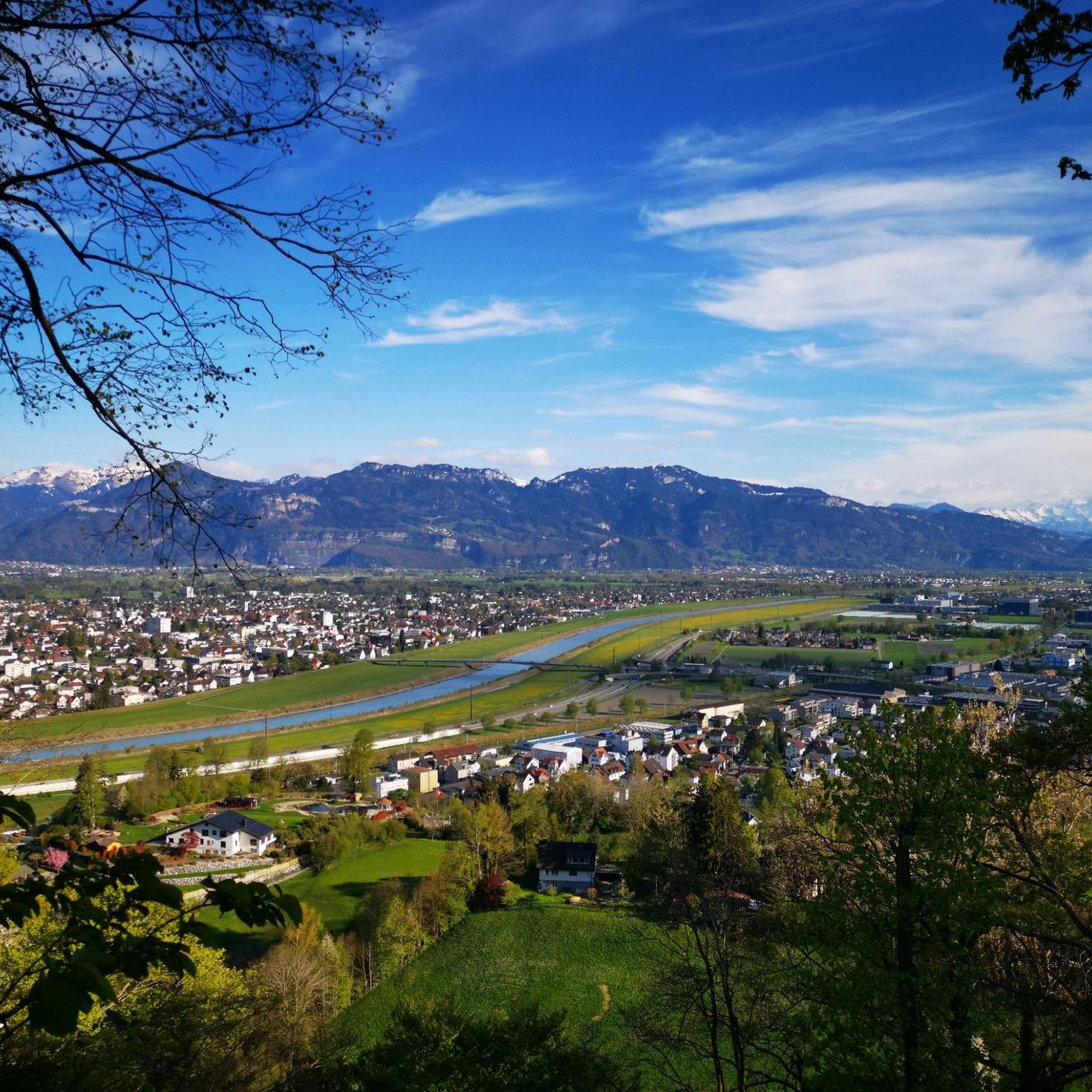
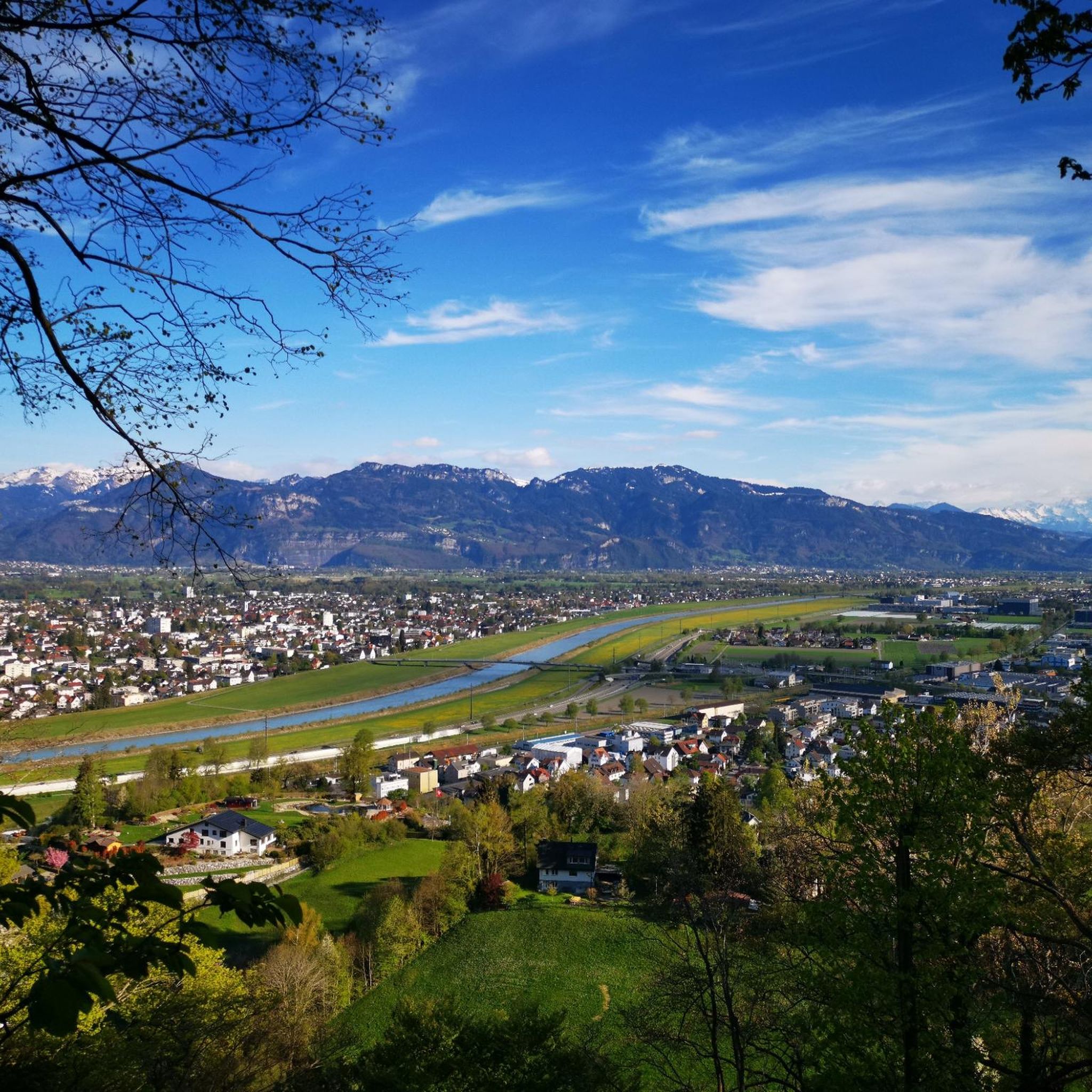
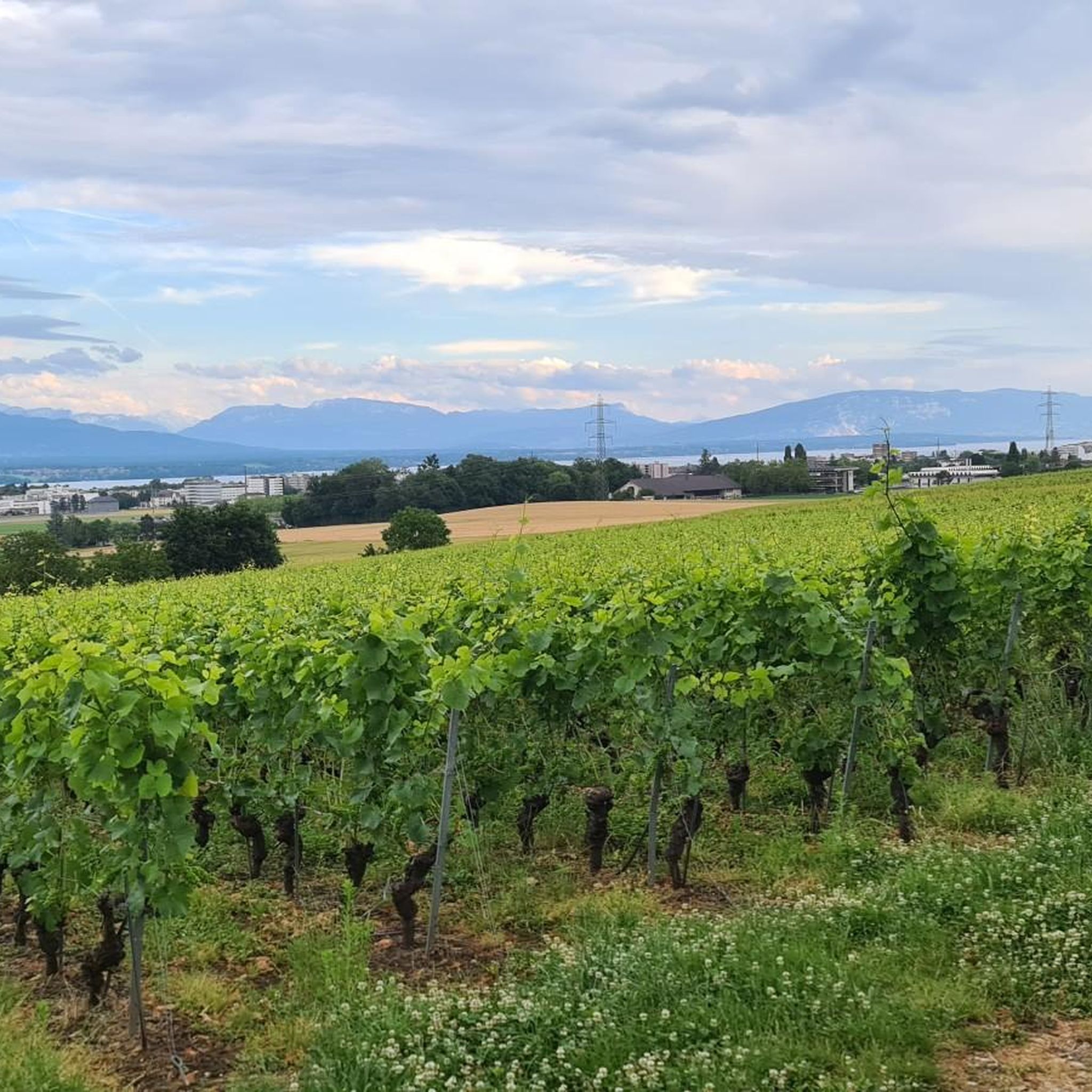
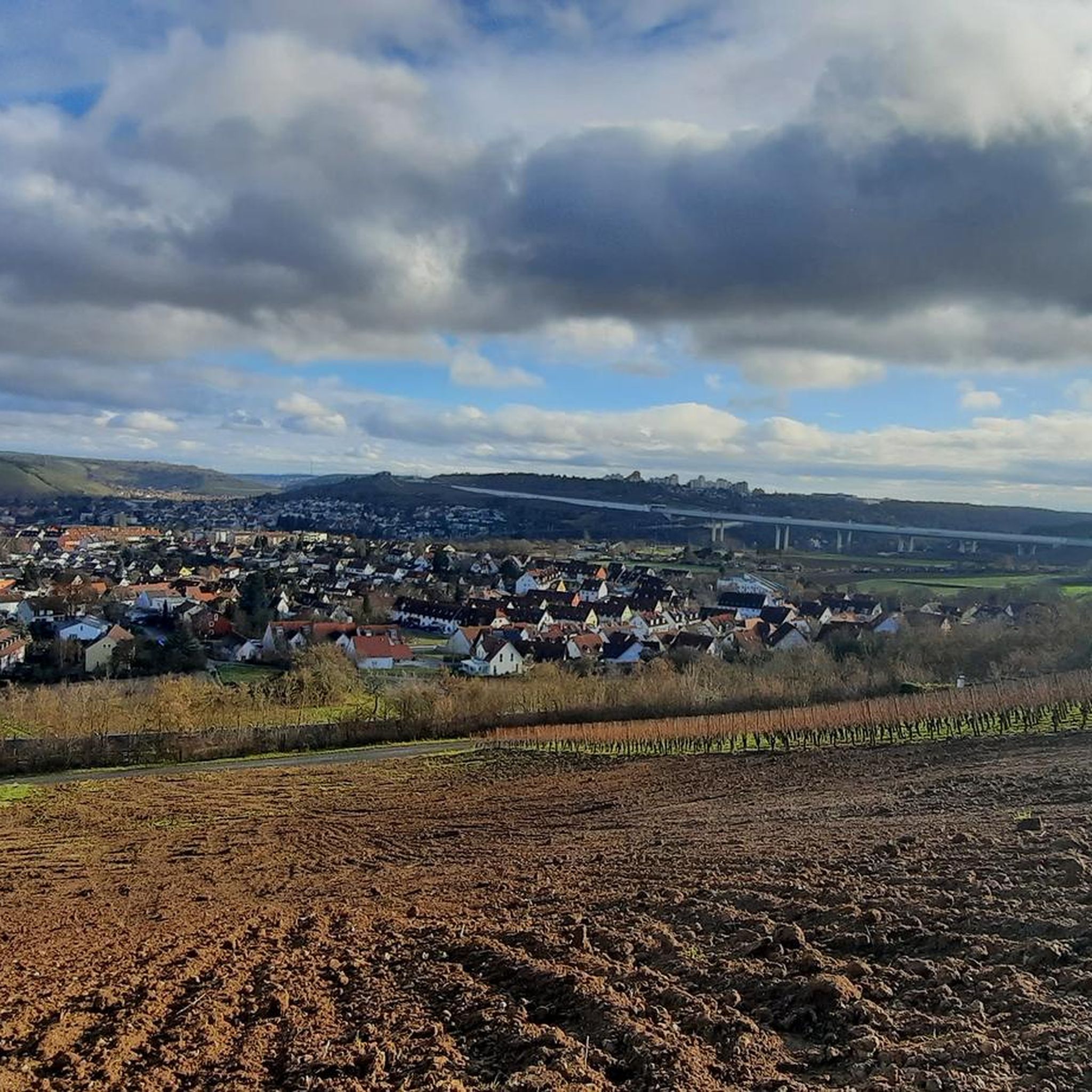
Tips from the Community

It is beautiful here
2
0

The route up from Biere on the Swiss side is a solid steady climb with a few 12% and 13% sections. Traffic is quite light and the road is excellent. The trees give some nice protection from the sun and wind. Crossing the col northwards takes you down to the Vallé de Joux on a pretty steep decent with great corners and some short straights. My brakes made sounds I have never heard before! I did this and Col de Mollendrux together for a great 80k / 1,500 m ride. Recommended.
2
0

Easy to access. There is a noticeboard nearby which had a list of events coming up.
0
0

After the Second World War, United Nations / UNO After the Second World War, when the League of Nations was dissolved and the newly founded UNO took over the palace, the complex underwent several extensions. Building K was extended by three floors between 1950 and 1952. At the same time, building D was built as the temporary headquarters of the World Health Organization (WHO). The construction of building E, which serves as a conference center, took from 1968 to 1973. The entire complex is around 600 meters long in its current state and houses 34 conference rooms and 2,800 offices. Around 9,000 meetings with up to 28,000 delegates take place here every year, including around 600 larger and large conferences. This makes the Palais des Nations one of the largest centers for diplomatic conferences anywhere. Some parts of the complex are also open for guided tours, which are widely used by the public. After all, around 100,000 visitors take advantage of this opportunity every year. The Palais des Nations is expected to be extensively renovated from 2015, with costs estimated at several hundred million euros. A proud sum, but with it the UN is acknowledging the special importance of the palace for Geneva and Switzerland as well as for its member states https://denkmalpflege-schweiz.ch/2014/06/02/das-palais-des-nations-in-genf-europaeischer-hauptsitz-der-uno/
14
0
The Palais des Nations in Geneva - European headquarters of the UN The Palais des Nations has been the European headquarters of the United Nations since 1966. After the headquarters in New York, this is the second most important location of the UN worldwide. The building complex is located on the grounds of Ariana Park in Geneva and was built between 1929 and 1936. Between 1933 and 1946 it served as the headquarters of the League of Nations, which had previously resided in the Palais Wilson, also in Geneva, since its foundation in 1920. In 1926, the officials of the League of Nations announced an international architectural competition for a new administrative center. However, despite the large number of 377 submissions, the jury was ultimately unable to decide on a winner. Therefore, its members selected five architects from among all participants to work together to develop a new design. These were Julien Flegenheimer (Switzerland), Camille Lefèvre (France), Henri-Paul Nénot (France), Carlo Broggi (Italy) and Joseph Vago (Hungary). They had previously submitted the most favored designs. The current building was finally built in the late neoclassical style on the basis of their ideas. When the foundation stone was laid on September 7, 1929, a capsule was buried that contained a list of all member states, a copy of the founding act of the League of Nations and coins from all countries. The various League of Nations sections, starting with the Secretariat, moved in in several stages from 1933 up to 1936. The materials and furniture for the interior, most of which has been preserved to this day, were also donated by the League of Nations members. Text / Source: Eenkmalpflege-Schweiz https://denkmalpflege-schweiz.ch/2014/06/02/das-palais-des-nations-in-genf-europaeischer-hauptsitz-der-uno/
14
0
Frequently Asked Questions
How many road cycling routes are available around Duillier?
There are over 160 road cycling routes around Duillier, offering a wide range of options for different skill levels and preferences. You'll find everything from easy rides to challenging climbs.
What kind of terrain can I expect on road cycling routes in Duillier?
Road cycling routes around Duillier feature a varied landscape, including rolling hills, dense forests, and open agricultural areas. Many routes offer significant elevation gains as they ascend into the Jura foothills, while others provide more gentle gradients near Lake Geneva.
Are there easy or beginner-friendly road cycling routes in Duillier?
Yes, Duillier offers a good selection of routes suitable for beginners or those looking for an easier ride. There are 68 easy routes available, providing pleasant cycling experiences without overly demanding climbs. These often traverse the flatter areas closer to Lake Geneva.
Which routes offer challenging climbs for advanced riders?
For advanced riders seeking a challenge, Duillier provides 24 difficult routes with substantial elevation gains. A notable example is the Jura Vaudois – Col du Marchairuz (1,449 m) loop from Les Plantaz, which features significant ascents into the Jura Vaudois.
What are some scenic road cycling routes with viewpoints around Duillier?
Many routes in the region offer beautiful scenery. The Aubonne Village and Castle – View of Lake Geneva loop from La Vuarpillière is known for its picturesque views, including glimpses of Lake Geneva. Routes ascending into the Jura foothills also provide panoramic vistas of the surrounding landscape.
Can I find road cycling routes that pass through historic villages or past castles?
Absolutely. The region is rich in history and offers routes that take you past charming villages and historic landmarks. The Aubonne Village and Castle – Rolle Castle loop from Les Plantaz is a great option, leading through historic villages and past impressive castles like Rolle Castle. You can also explore other historical sites like Château de Prangins.
What do other road cyclists say about the routes in Duillier?
The road cycling routes in Duillier are highly rated by the komoot community, with an average score of 4.6 stars from over 200 reviews. Nearly 10,000 road cyclists have explored the area, often praising the diverse terrain, from quiet forest paths to challenging Jura ascents, and the well-maintained roads.
Are there any road cycling routes that are loops?
Yes, the vast majority of road cycling routes around Duillier are designed as loops, allowing you to start and finish at the same point. This makes planning your ride and return journey straightforward. For example, the Machefer Forest (Arnex) – Broken Chair Sculpture loop from Les Plantaz is a popular circular route.
What are the typical distances for road cycling routes around Duillier?
Route distances vary significantly to accommodate all riders. You can find shorter rides, but many popular routes range from 25 to 40 miles (40 to 65 km). For instance, the Genolier Village Center – Saint-George Village loop from Les Plantaz covers about 33.5 miles (54 km).
Are there any specific attractions or landmarks to look out for along the routes?
Beyond the natural beauty, you can encounter several interesting landmarks. The Machefer Forest (Arnex) – Broken Chair Sculpture loop from Les Plantaz passes by the notable Broken Chair Sculpture. Other routes might lead you to historic sites like the Yvoire Medieval Village or the charming Nyon Old Town.
When is the best time of year for road biking in Duillier?
The spring and autumn months generally offer the most pleasant conditions for road biking in Duillier, with milder temperatures and beautiful scenery. Summer can also be excellent, though it's advisable to start earlier in the day to avoid the midday heat, especially on routes with significant climbs.
Most popular routes around Duillier
Most popular attractions around Duillier

Get inspired with the komoot mobile app


Explore more
Browse the best Road cycling routes in other regions.
