Top 20 Castles in the Fichtel Mountains
Castles in the Fichtel Mountains offer a journey through history amidst a diverse natural landscape. This region, characterized by its granite formations, dense forests, and rolling hills, provides a scenic backdrop for exploring historical strongholds. The Fichtel Mountains are known for their well-preserved castle ruins and historical sites, many of which are integrated into walking trails. These sites reflect centuries of regional history and architectural development.
Best castles in the Fichtel Mountains
- The most popular castles include Epprechtstein Castle Ruins…
Last updated: September 26, 2026
🏔️ Great Waldstein
Highlight • Viewpoint
Translated by Google •
Tip by

Weißenstein Castle Ruins
Highlight • Castle
Translated by Google •
Tip by

Sign up now to discover places like this
Get recommendations on the best single tracks, peaks, & plenty of other exciting outdoor places.
Waldsteinburg (Red Castle)
Highlight • Castle
Translated by Google •
Tip by

🏛️ Hohenberneck castle ruins
Highlight • Castle
Translated by Google •
Tip by

Epprechtstein Castle Ruins
Highlight • Castle
Translated by Google •
Tip by
Rittersteig to the ruins of Epprechtstein Castle
Highlight (Segment) • Trail
Translated by Google •
Tip by
Alexandersbad Castle
Highlight • Historical Site
Translated by Google •
Tip by

Waldeck Castle Ruins
Highlight • Castle
Translated by Google •
Tip by

Schlossfelsen (Steinwald Nature Park)
Highlight • Natural Monument
The existence of a castle …
Translated by Google •
Tip by

🎭 Romantic Stage at the Castle Tower
Highlight • Structure
Showing Translation
Tip by
Sign up for free to discover even more castles in the Fichtel Mountains.
Already have an account?
Start today with a free account
Your next adventure awaits.
Popular around Fichtel Mountains
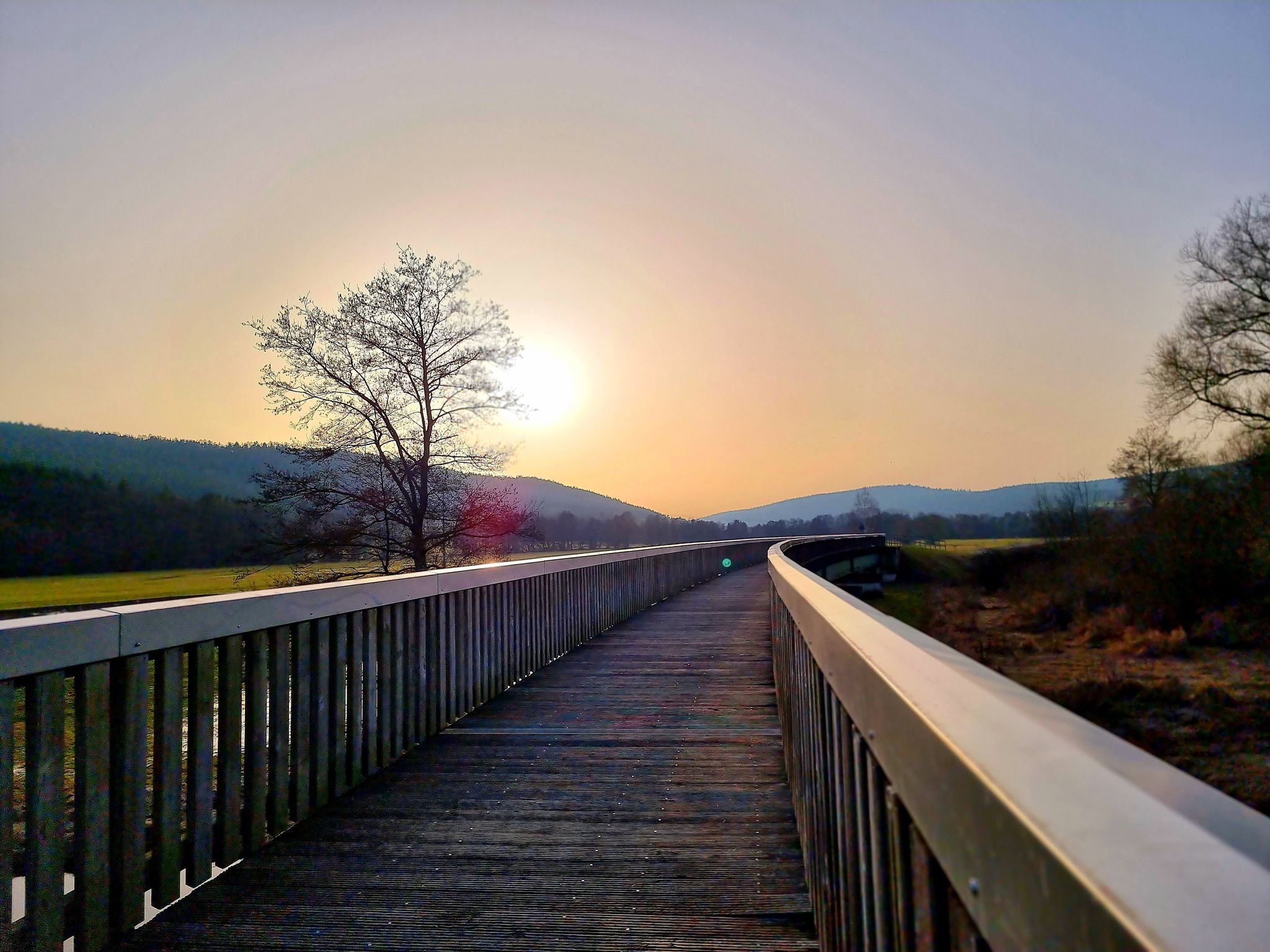
Bavaria-Bohemia long-distance cycling trail – Crossing borders
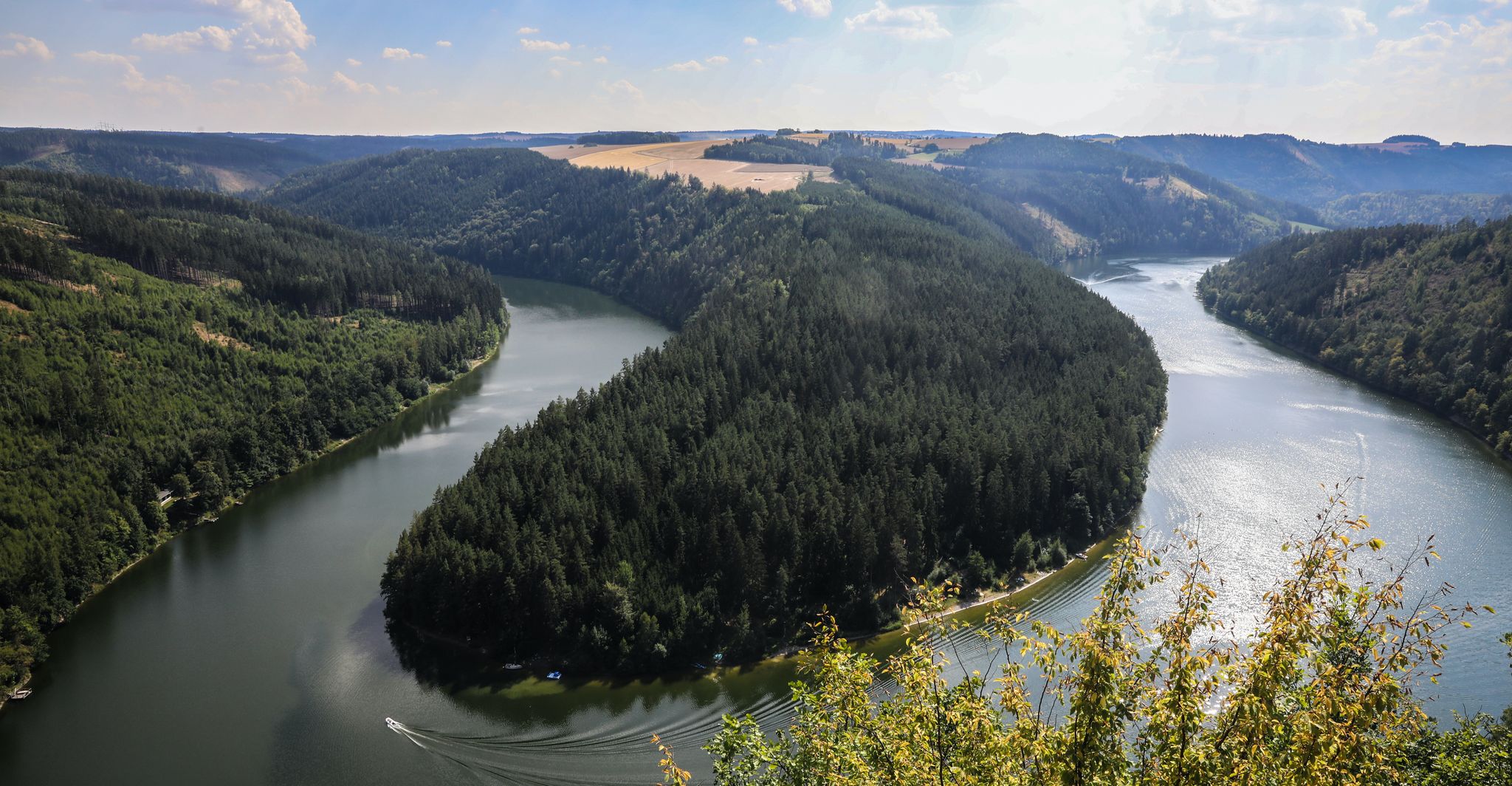
Saale Cycle Path part 1 – four sporty stages through the Thuringian Forest
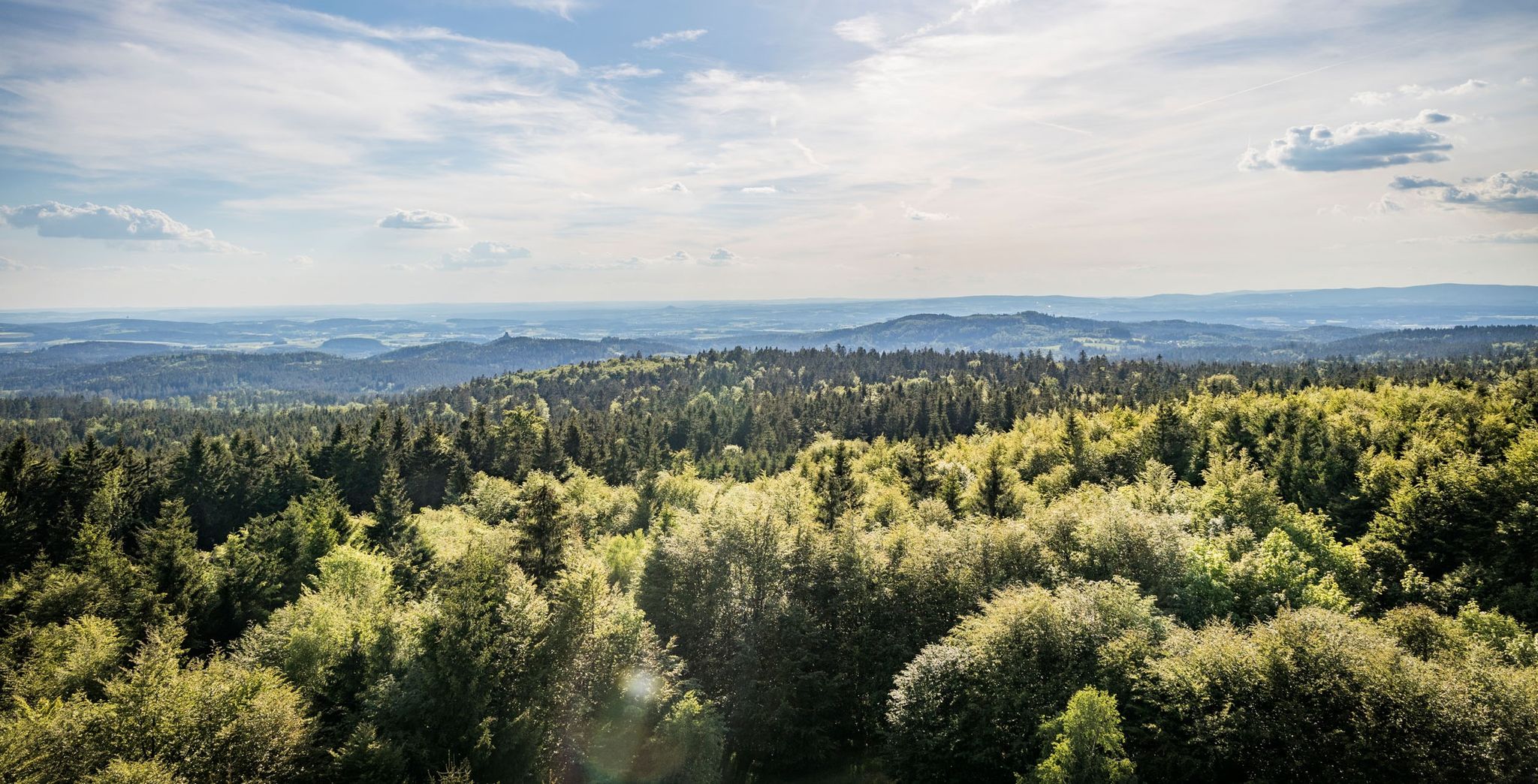
Nurtschweg – Hiking along the German-Czech border
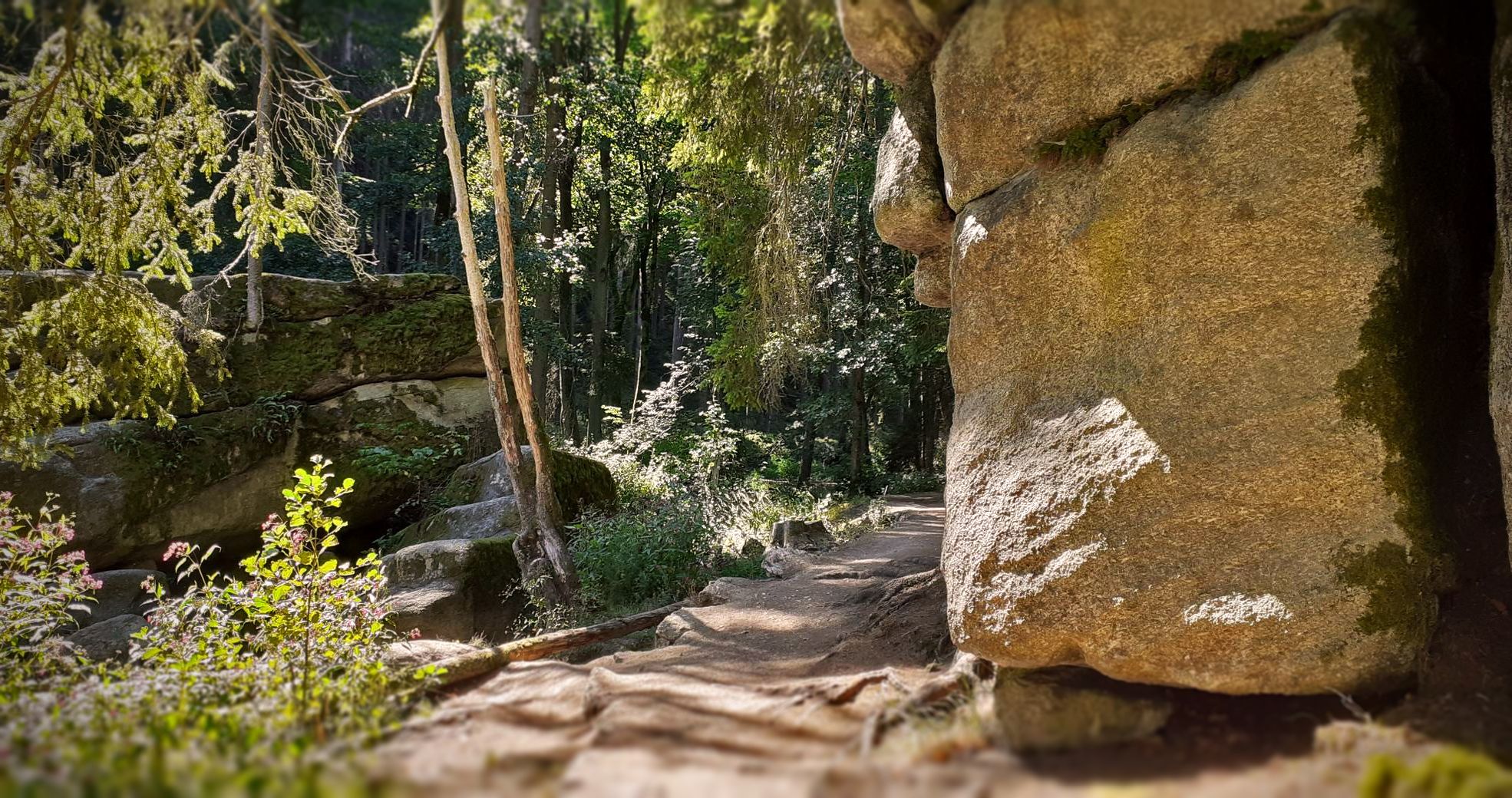
Bikepacking in the Upper Palatinate Forest
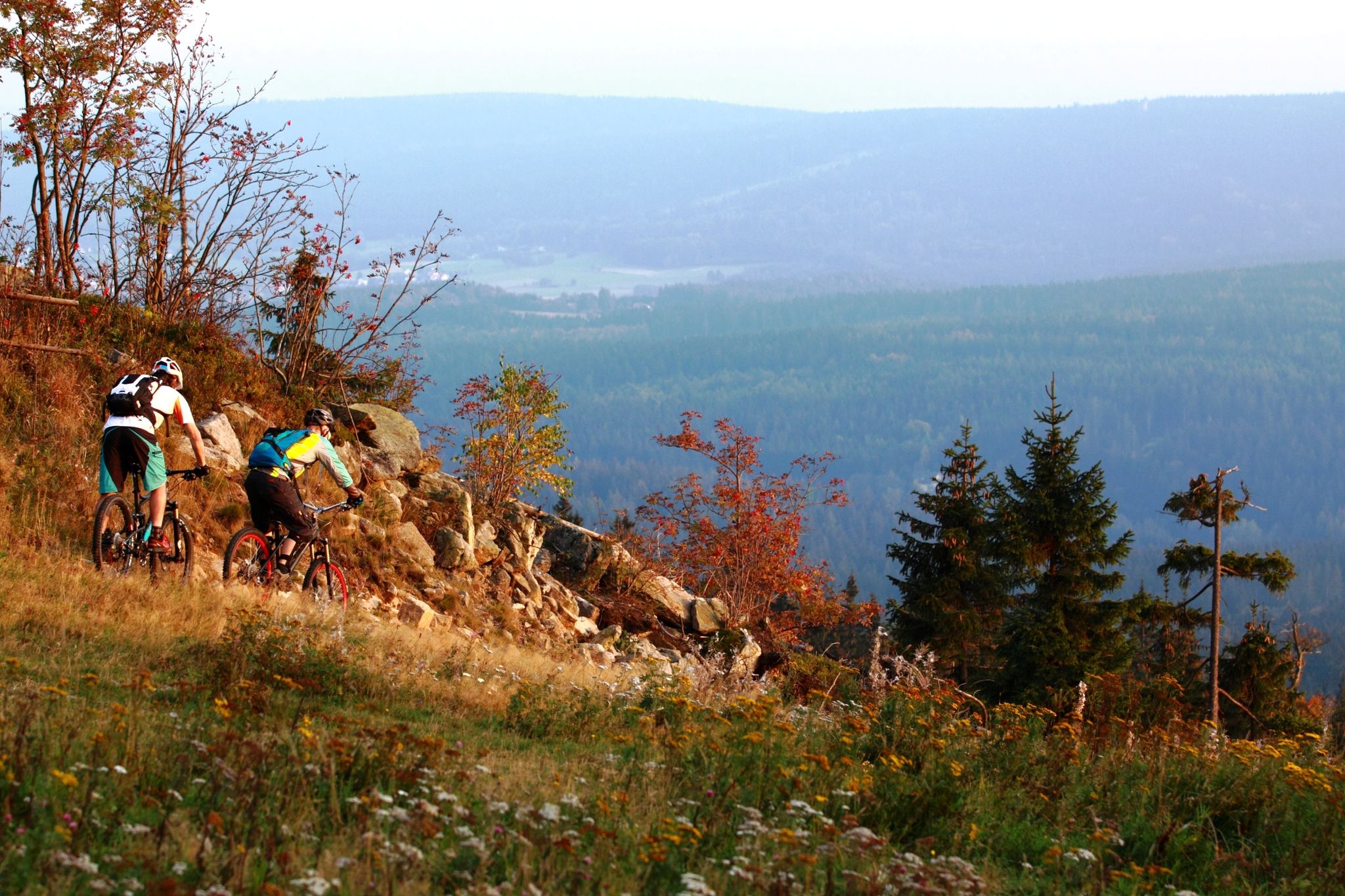
Water, rocks & trails — Mountain biking in the Fichtel mountains
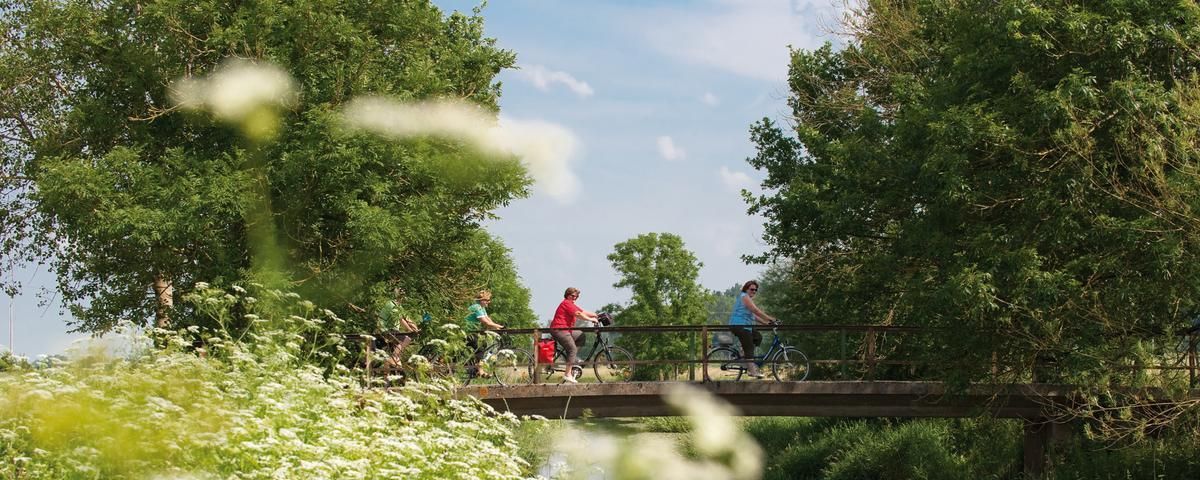
The most beautiful long-distance cycle paths in Franconia
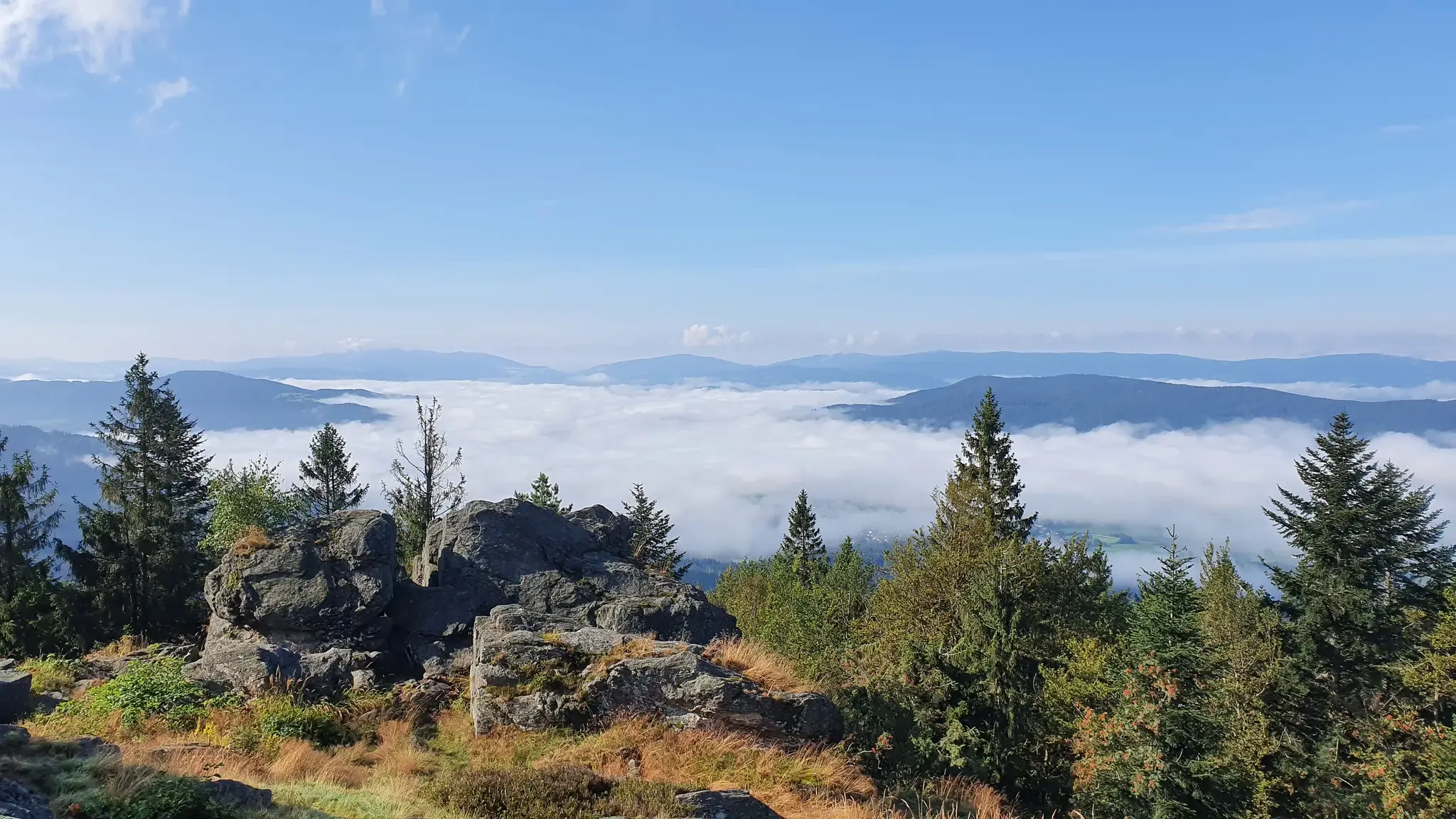
The Goldsteig – 38 stages between Upper Palatinate and Passau
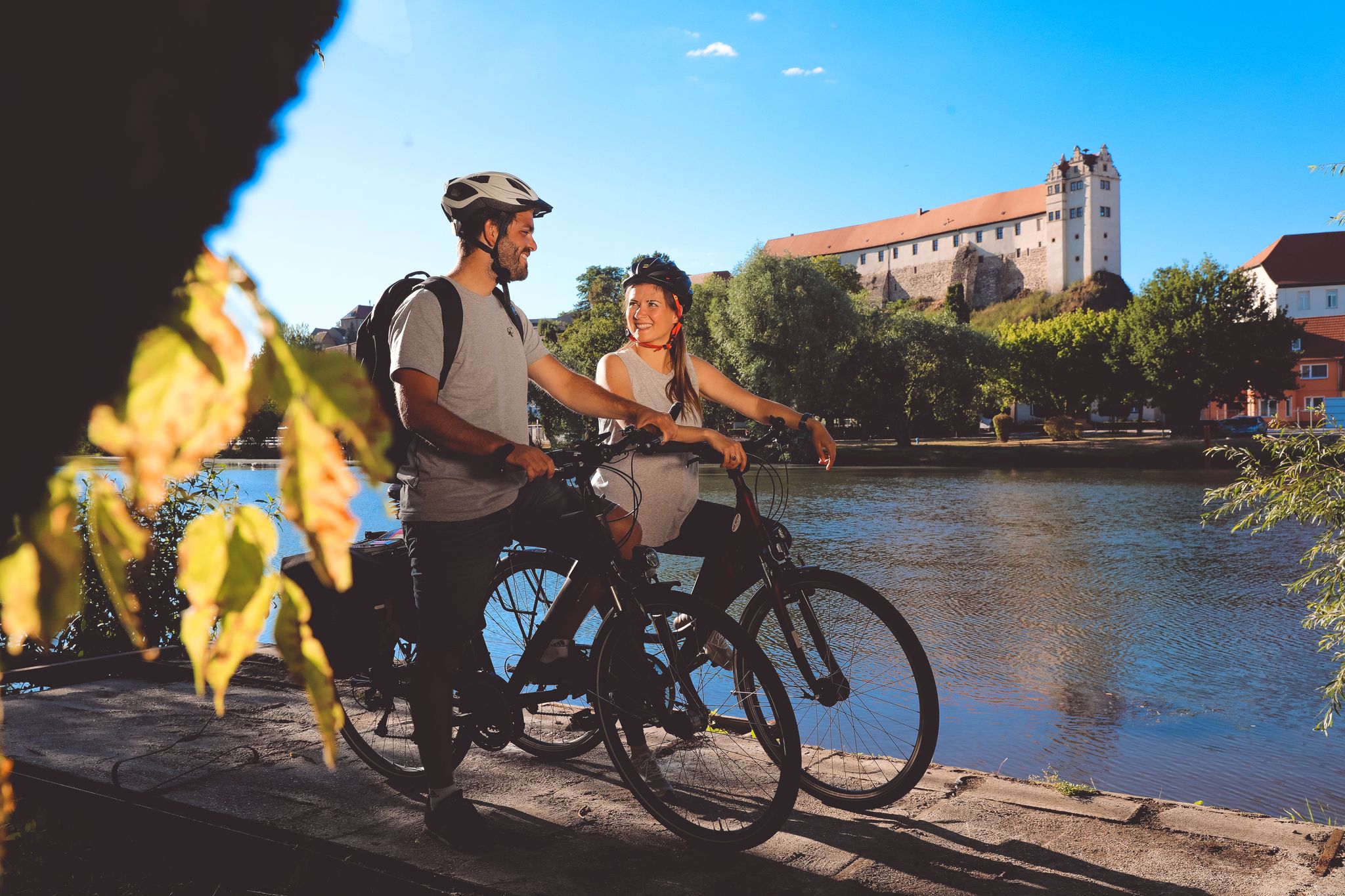
Saale Cycle Path — 9 stages from the source of the Saale to the Elbe
Goldsteig — The best routes for long distance hiking in Eastern Bavaria
The Upper Palatinate Castle Trail — 9 days in picturesque northern Bavaria
Other adventures in the Fichtel Mountains


Tips from the Community

Schloss Alexandersbad is the historical heart and the place of origin of the spa operations in Bad Alexandersbad (Wunsiedel district in the Fichtelgebirge). In contrast to classic castles, the building never served as a princely residence, but was built directly as a spa hotel and health center for accommodating spa guests.
1
0

The ruin is built directly on the rocks 🧐
3
0
The high medieval Walpotenburg was already built before 1168 at the site of today's Hohenberneck Castle. More info at: https://www.burgenwelt.org/deutschland/hohenberneck/object.php
3
0

The late Gothic ruin is located on a steep rocky spur above the spa park. In addition to the well-preserved walls and towers of the palace, the view into the neighboring Marienkapelle and the great view over the rooftops of Bad Berneck are particularly worthwhile.
11
0
The stage was built in 1906 and is one of the oldest open-air stages in Germany. In the past, various cultural performances with a special flair were offered here in a natural setting under the open sky. The Romantikbühne stage has seating for about 400 people. In addition to major plays, musical theatre and musicals were also performed on the stage. In 2026, there will be no program on this stage, but an alternative program in the New Colonnade in the Kurpark.
12
0

It looks rather run down and is beginning to decay. I am curious to see if any investment will be made.
2
0
Big old buildings with a park in front.
1
3

Great hiking trail, very beautiful
0
1
Frequently Asked Questions
Which castles in the Fichtel Mountains offer the best panoramic views?
For breathtaking panoramic views, consider visiting Epprechtstein Castle Ruins, which provides extensive vistas of the Fichtelgebirge from its viewing platform. Weißenstein Castle Ruins also offers a phenomenal view over the Steinwald Forest and the Upper Palatinate from its restored keep. Additionally, Waldeck Castle Ruins provides a wonderful all-round view of the surrounding area.
Are there family-friendly castles to visit in the Fichtel Mountains?
Yes, several castles are suitable for families. Weißenstein Castle Ruins and Waldeck Castle Ruins are both highlighted as family-friendly. The ascent to Waldeck Castle Ruins is noted as easy to manage for all ages, and it features information boards detailing its history, which can be engaging for children. Leupoldsdorf Hammer Mill Castle is also listed as family-friendly.
What kind of historical insights can I gain from visiting the Fichtel Mountains castles?
The castles in the Fichtel Mountains offer a deep dive into regional history. For example, Waldeck Castle Ruins, first mentioned in 1124, is one of the oldest in the Upper Palatinate and features information boards. Epprechtstein Castle Ruins has a rich history involving robber barons and margraves, with its spatial extent largely due to building activity around 1463. Waldsteinburg (Red Castle), built in the 14th century, was destroyed in 1523 and later used as a camp during the War of the Spanish Succession.
Are there hiking trails that incorporate castle visits in the Fichtel Mountains?
Many castles in the Fichtel Mountains are integrated into walking trails, offering opportunities to explore both history and nature. For instance, the ascent to Epprechtstein Castle Ruins is a strenuous but rewarding hike. The Weißenstein Castle Ruins are located on a rocky outcrop in the Steinwald Forest, accessible via paths. You can find various running and cycling routes in the region, which may pass by or near these historical sites. Explore more options in the Running Trails in the Fichtel Mountains guide or the Cycling in the Fichtel Mountains guide.
What is the best time of year to visit the castles in the Fichtel Mountains?
The Fichtel Mountains offer a diverse natural landscape, making spring, summer, and autumn ideal for castle visits. During these seasons, the weather is generally pleasant for exploring ruins and enjoying the surrounding nature. Some castles, like Waldeck Castle Ruins, even host open-air theater performances in warmer months. While winter can be picturesque, some paths might be more challenging due to snow or ice, especially for summit castles requiring sure-footedness.
Are there any castles in the Fichtel Mountains that are particularly well-preserved or restored?
Yes, Weißenstein Castle Ruins is noted as a well-preserved castle ruin where you can explore various levels via wooden staircases. Waldeck Castle Ruins has been lovingly restored, with an association contributing significantly to its excavation and preservation. The Waldsteinburg (Red Castle) also underwent renovation in the summer of 2024 and is now open to visitors again.
What kind of natural features can I expect to see around the Fichtel Mountains castles?
The Fichtel Mountains are known for their granite formations, dense forests, and rolling hills. Castles like Weißenstein Castle Ruins are nestled in the Steinwald Forest, while Epprechtstein Castle Ruins is surrounded by numerous quarries, highlighting the region's geological significance. Many castle sites are on rocky outcrops or summits, offering views of the natural landscape.
Are there any castles in the Fichtel Mountains that are less known but worth visiting?
While the main highlights are popular, the region has 47 castles and historical sites. Consider exploring Hohenberneck castle ruins in Bad Berneck, which is part of a cluster of six fortifications in the area, offering a glimpse into the Middle Ages. Another interesting spot is Alexandersbad Castle, which, while not a ruin, is a historical site worth discovering.
What are the typical difficulty levels for reaching the castle ruins?
The difficulty varies. For instance, the ascent to Epprechtstein Castle Ruins is described as strenuous and requires some sure-footedness due to stone steps and partial railings. In contrast, the climb to Waldeck Castle Ruins is considered easy to manage at any age. Many castle ruins are integrated into intermediate hiking trails, so checking the specific highlight details on komoot is recommended for precise difficulty ratings.
Can I find facilities like cafes or restaurants near the Fichtel Mountains castles?
While specific cafes directly at every ruin are not guaranteed, some highlights may have facilities nearby. For example, Waldsteinburg (Red Castle) is located opposite the Waldsteinhaus, which typically offers refreshments. Leupoldsdorf Hammer Mill Castle is listed as having a restaurant. For other locations, it's advisable to check local amenities in nearby towns or villages before your visit.
Are there opportunities for cycling near the Fichtel Mountains castles?
Yes, the Fichtel Mountains region offers numerous cycling opportunities. While not all castles are directly accessible by bike, many are located within areas with extensive cycling networks. You can explore routes like the Bavaria-Bohemia Bridge Cycle Path or the Haidenaab Cycle Path. For more details and specific routes, refer to the Cycling in the Fichtel Mountains guide.
What is the significance of the 'Red Castle' in the Fichtel Mountains?
The 'Red Castle' refers to Waldsteinburg (Red Castle). It's a ruin of a summit castle on the Großer Waldstein. The name 'Red Castle' comes from the red bricks used to expand it when it was utilized as a camp during the War of the Spanish Succession (1701-1714), not from its original construction in the 14th century.
Most popular routes in the Fichtel Mountains
Most popular attractions in the Fichtel Mountains

Get inspired with the komoot mobile app


Explore more
Looking for the best castles somewhere else? Discover other guides in the Fichtel Mountains:
