The 20 Most Amazing Peaks in the Fichtel Mountains
Best mountain peaks in the Fichtel Mountains are found within this horseshoe-shaped range in northeastern Bavaria, Germany. The region is characterized by dense forests, unique granite formations, and picturesque landscapes, offering diverse natural beauty and recreational activities. Known as the "wellspring of Europe," the Fichtel Mountains feature several notable peaks. Visitors can explore a variety of Fichtel Mountains terrain and natural features.
Best mountain peaks in the Fichtel Mountains
- The most popular mountain peaks is Rudolfstein Rock Formation, a…
Last updated: May 26, 2026
Asenturm on the Ochsenkopf
Highlight • Viewpoint
Nusshardt Summit and Rock Formations
Highlight • Summit
Translated by Google •
Tip by

Sign up now to discover places like this
Get recommendations on the best single tracks, peaks, & plenty of other exciting outdoor places.
Sign up for free
Weissmain Rocks
Highlight • Natural Monument
Translated by Google •
Tip by

Ochsenkopf Summit — Bull’s Head Carving
Highlight • Summit
Translated by Google •
Tip by

Kösseinehaus
Highlight • Mountain Hut
Translated by Google •
Tip by

Schneeberg summit - Backöfele observation tower
Highlight • Summit
Translated by Google •
Tip by

Kösseine Summit and Observation Tower
Highlight • Summit
Translated by Google •
Tip by
🏔️ Great Waldstein
Highlight • Viewpoint
Translated by Google •
Tip by
Rudolfstein Rock Formation
Highlight • Natural Monument
Translated by Google •
Tip by

Oberpfalzturm Observation Tower on Platte
Highlight • Viewpoint
Translated by Google •
Tip by

Sign up for free to discover even more peaks in the Fichtel Mountains.
Sign up for free
Already have an account?
Start today with a free account
Your next adventure awaits.
Login or Signup
Popular around Fichtel Mountains
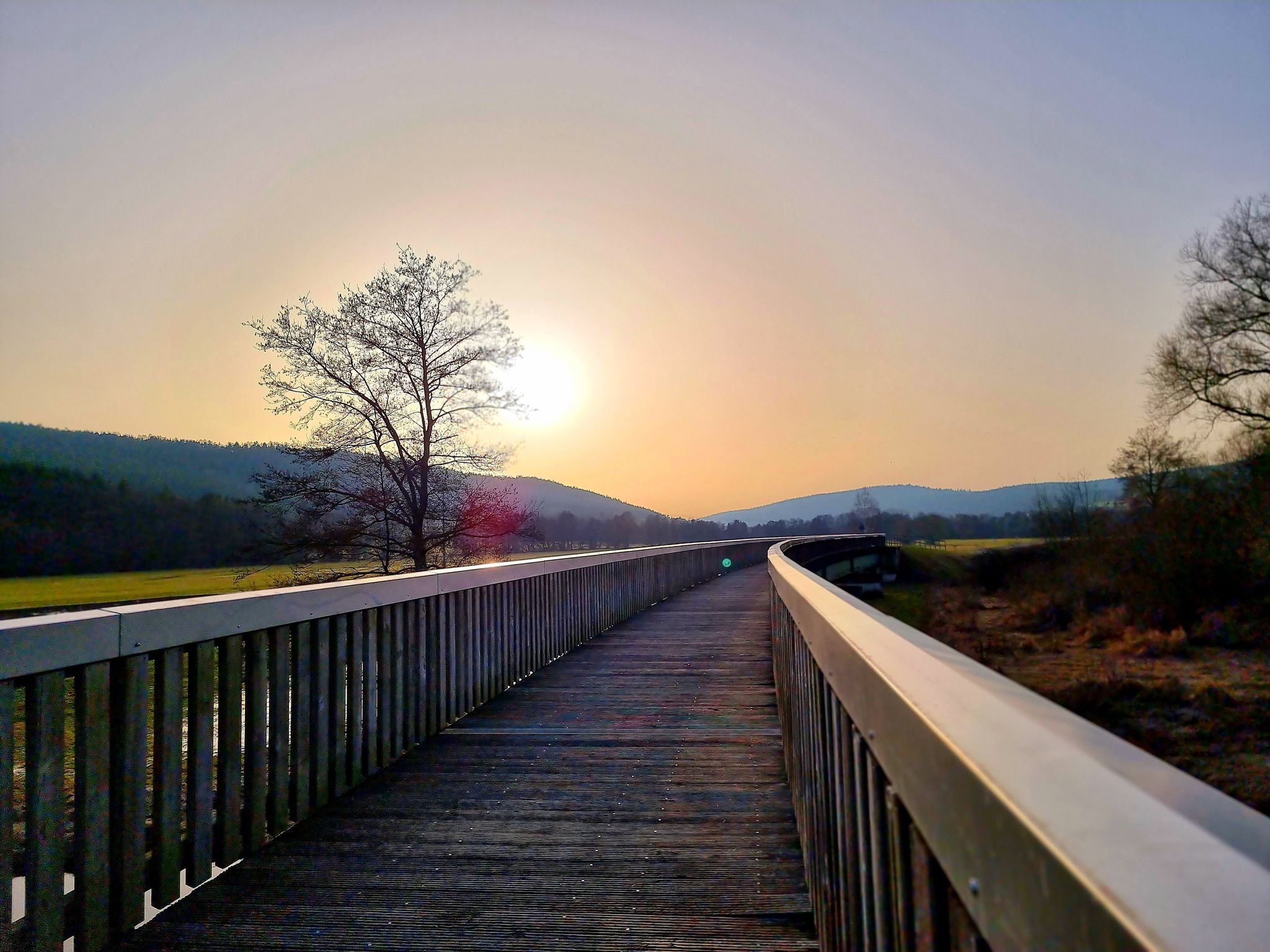
Bavaria-Bohemia long-distance cycling trail – Crossing borders
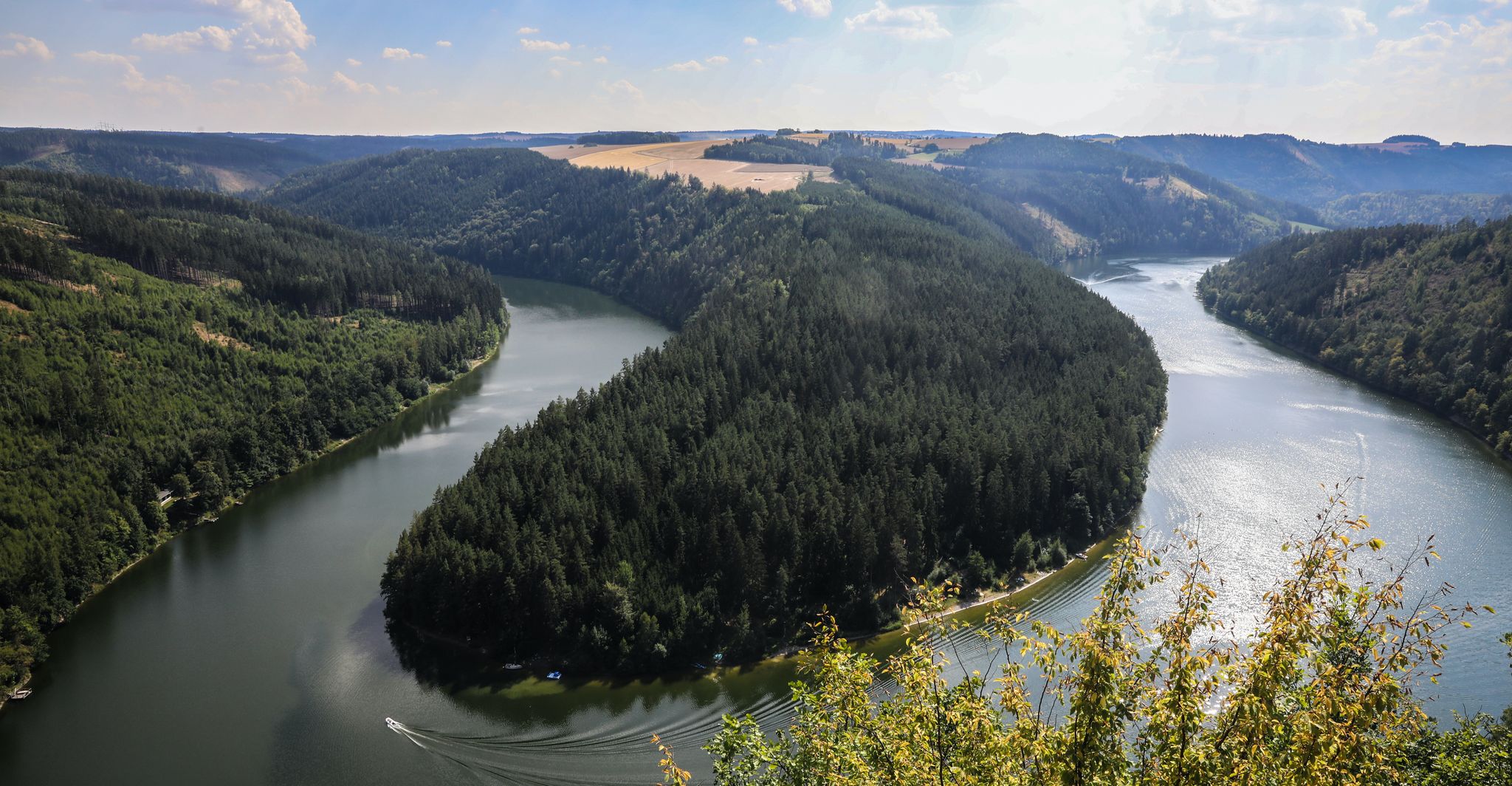
Saale Cycle Path part 1 – four sporty stages through the Thuringian Forest
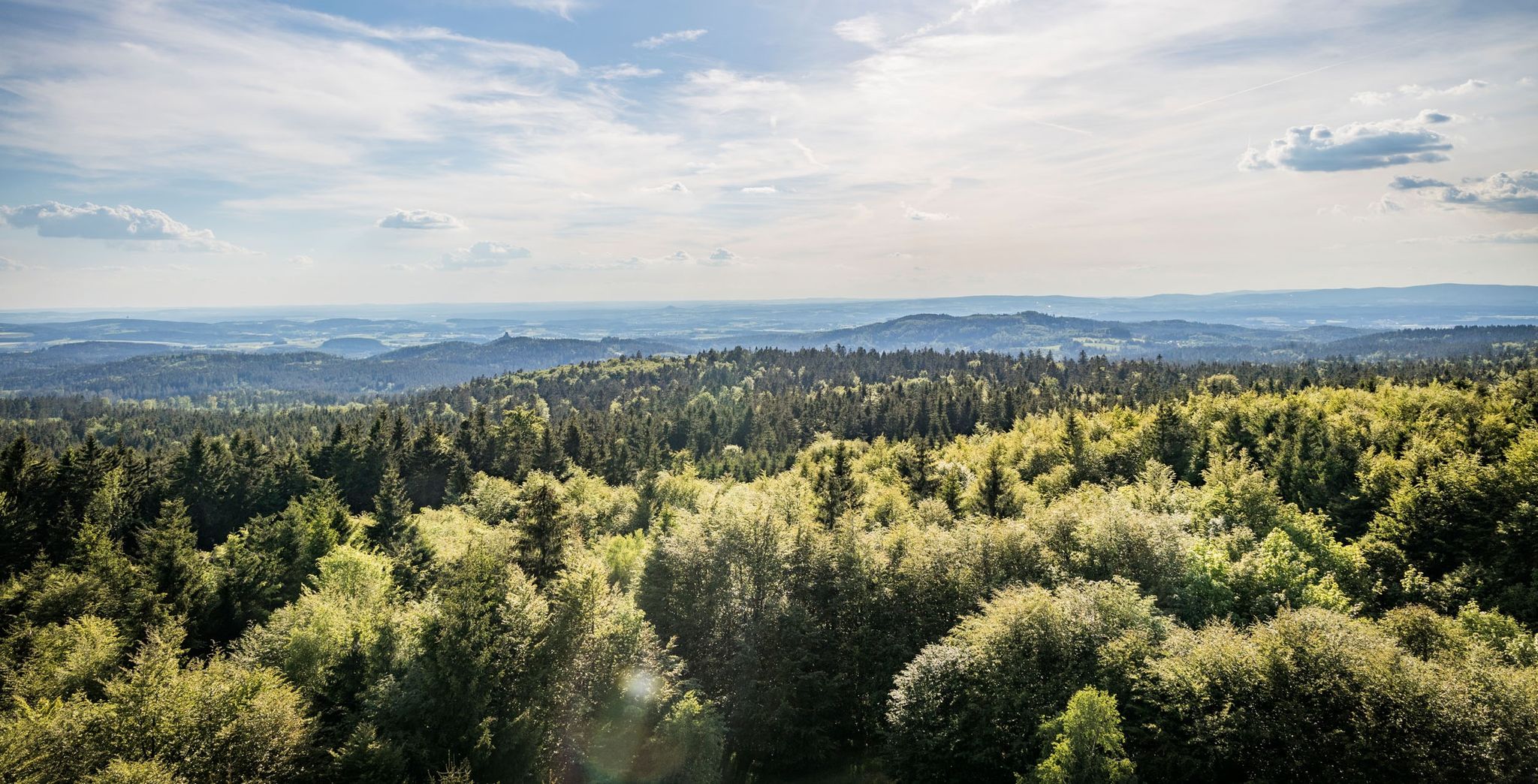
Nurtschweg – Hiking along the German-Czech border
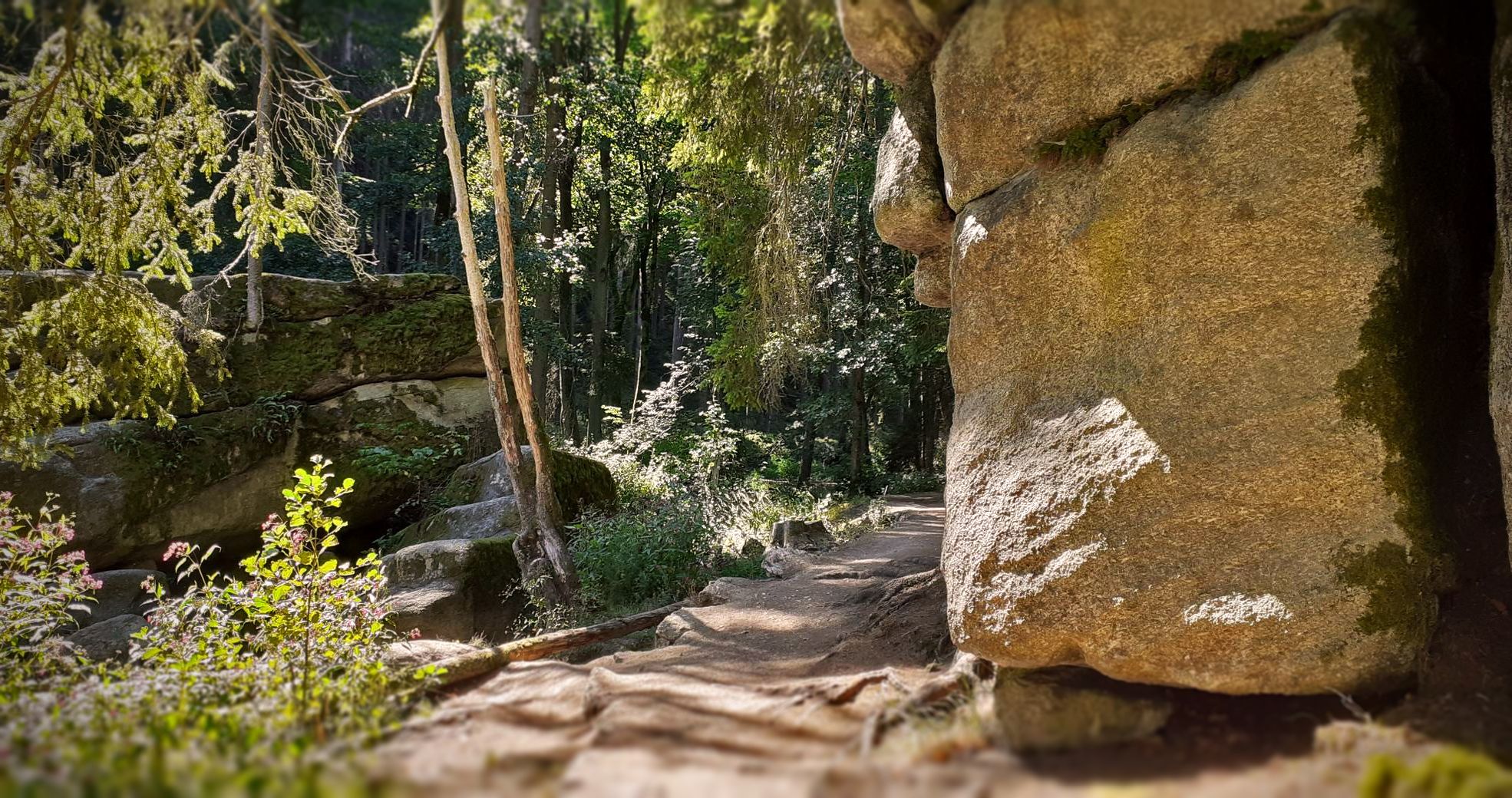
Bikepacking in the Upper Palatinate Forest
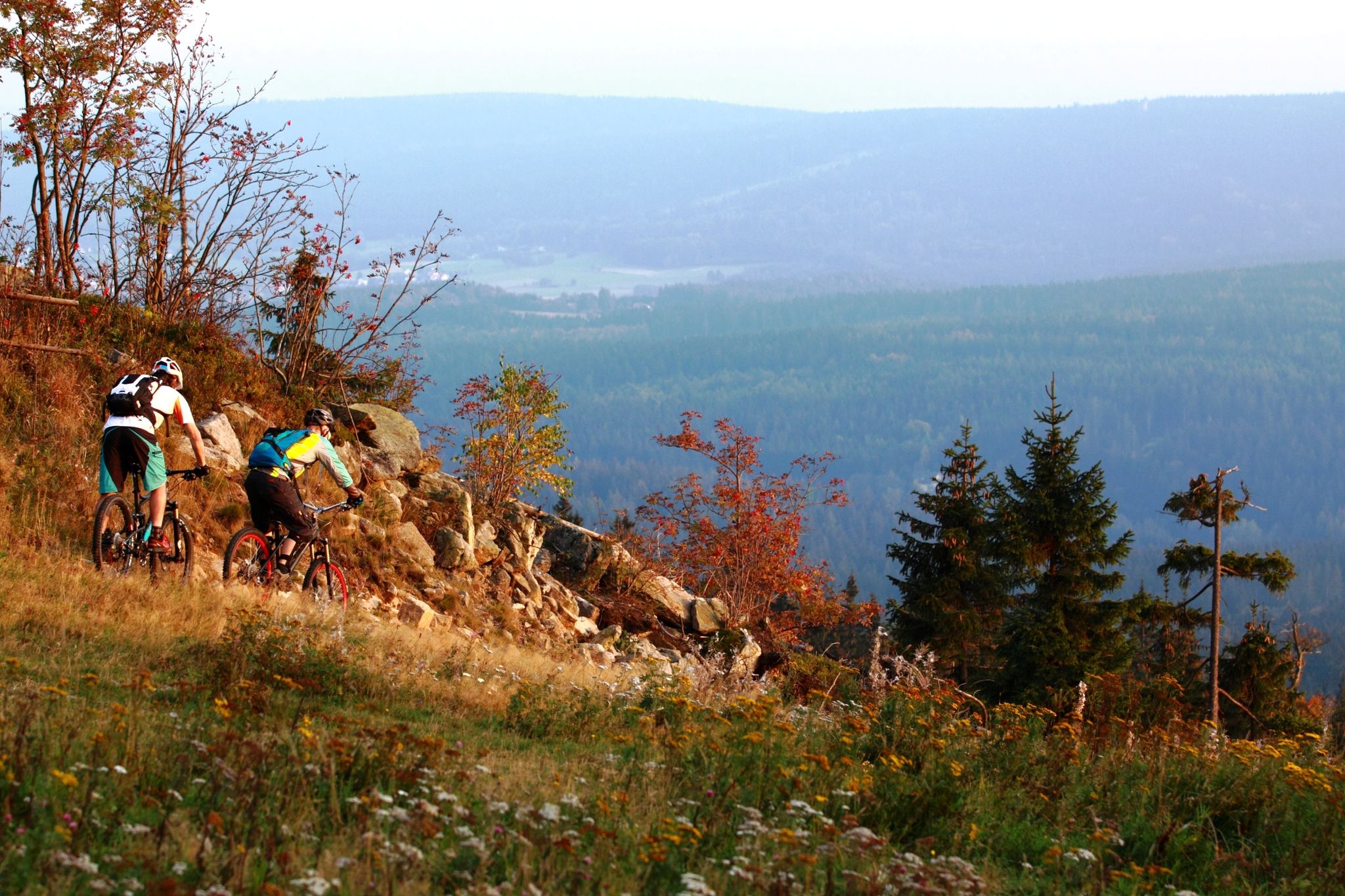
Water, rocks & trails — Mountain biking in the Fichtel mountains
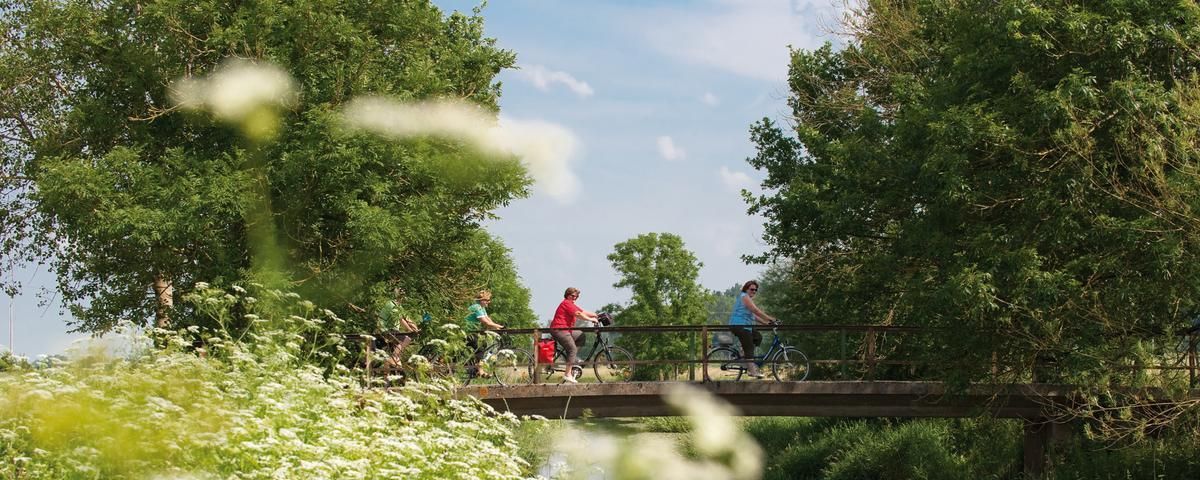
The most beautiful long-distance cycle paths in Franconia
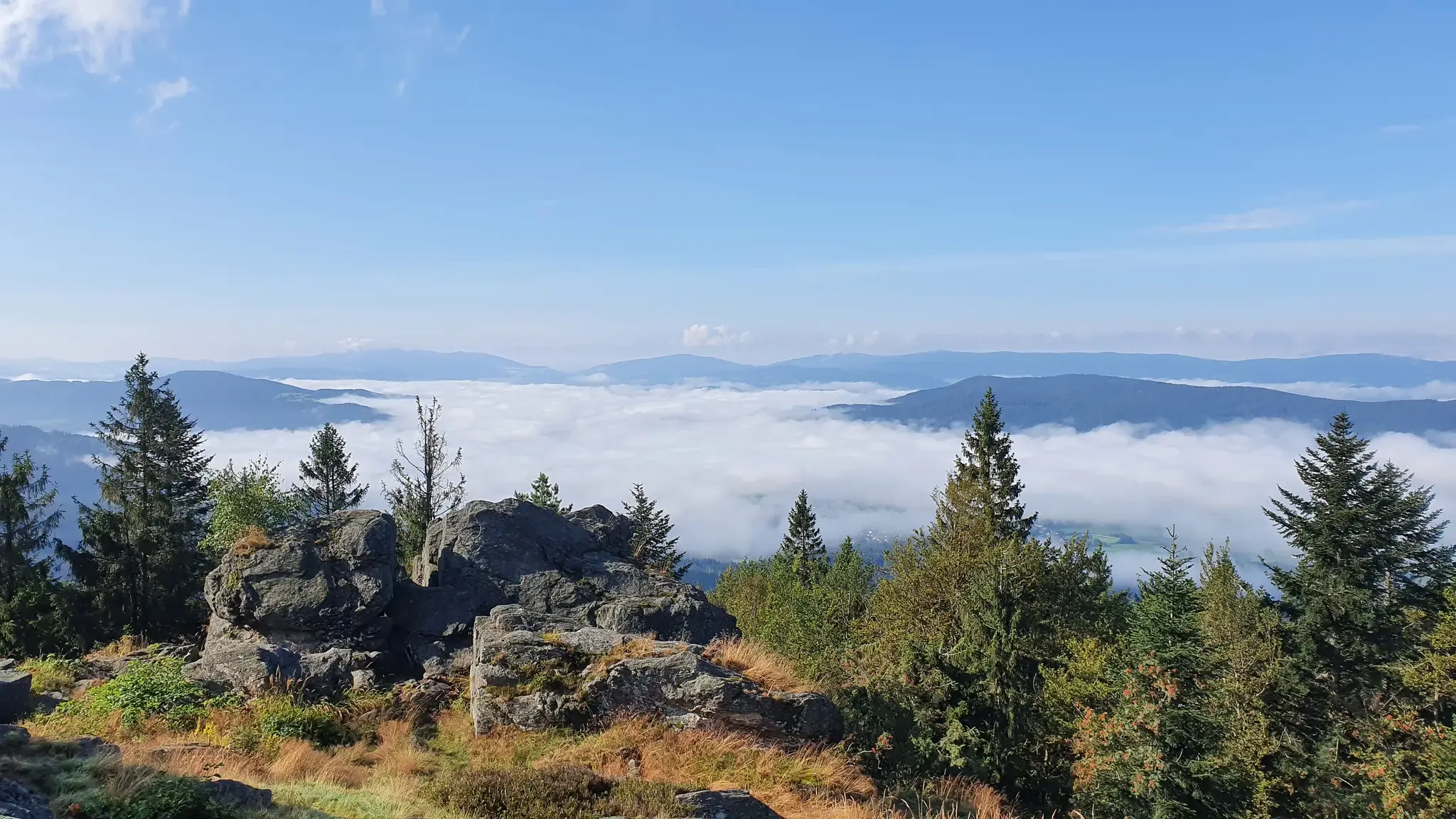
The Goldsteig – 38 stages between Upper Palatinate and Passau
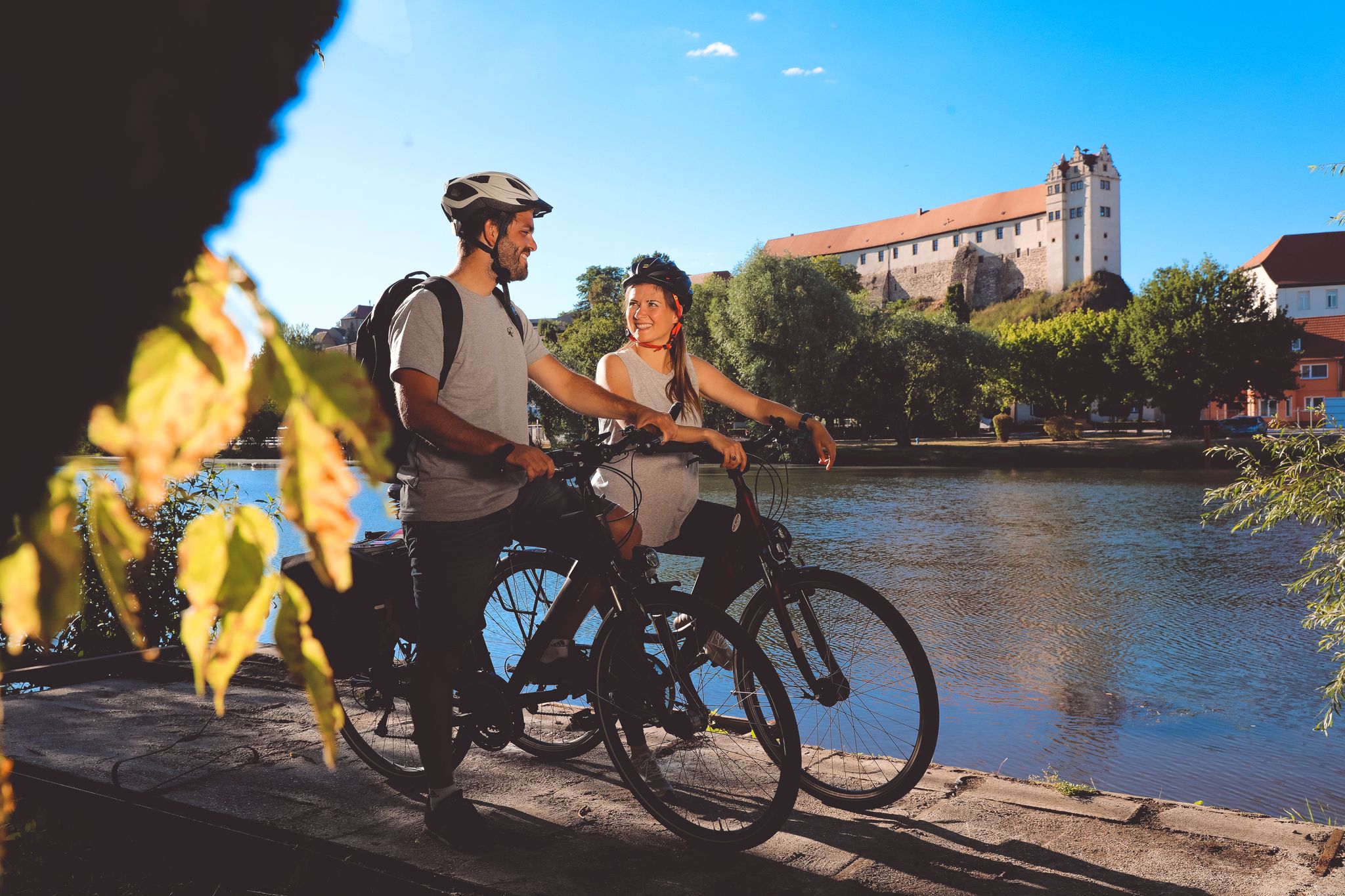
Saale Cycle Path — 9 stages from the source of the Saale to the Elbe
Goldsteig — The best routes for long distance hiking in Eastern Bavaria
The Upper Palatinate Castle Trail — 9 days in picturesque northern Bavaria
Other adventures in the Fichtel Mountains


Tips from the Community

Always a popular starting point and a great photo opportunity. The symbol of the Ochsenkopf is somewhat hidden not far from the mountain stations of the chairlifts. Pay attention to the signposts, the way there is signposted. From the landmark you have a wonderful view over the Fichtelgebirge.
11
1

Beautiful all-round view and in good weather you can see as far as the Fichtelberg and the Czech Republic, the Arber or the Rauhen Kulm.
7
0

The Nußhardt Stube is a cover cave. It is formed from the huge boulders of the Blockmeer on the summit. The entrance to the interior of the Nußhardt Stube is easy to miss. There are only two places where you can squeeze your way inside between the granite blocks.
28
0
The summit area of the Rudolfstein is characterized by gigantic granite rock formations. One of them carries a climbing facility with stairs and railings. From the top you have a wonderful view of the Fichtelgebirge.
13
1
Because of the clear, wide view in all directions (Bavarian Forest, Rhön, Thuringian Forest, Ore Mountains), the Kösseine was a popular destination from an early stage. The level of awareness was significantly increased in 1805 by visiting the then Prussian sovereignty. Opened to tourists since 1878, the mountain still attracts many hikers and cyclists today. There is no public road to the summit. The stone observation tower and the “Kösseinehaus” accommodation house of the Fichtelgebirge association invite you to take a look and stop for a bite to eat.
19
2

Because of the free, wide view in all directions (Bavarian Forest, Rhön, Thuringian Forest, Ore Mountains), the mountain was a popular destination from an early stage, and the level of awareness was significantly increased in 1805 by a visit to the then Prussian sovereignty. Opened up for tourism from 1878, the mountain still attracts many hikers who have to climb it on foot because there is no public road to the summit. The stone observation tower and the “Kösseinehaus” accommodation house of the Fichtelgebirge association invite you to take a look and stop for a bite to eat. Source: http://www.bayern-fichtelgebirge.de/koesseine/0.htm
14
1
Special rock formation with the symbol of the mountain that is hardly noticeable. It is now signposted.
21
2
At 1051 meters, the Schneeberg is the highest mountain in Northern Bavaria. For this reason alone, it should be visited during a hiking holiday in the Fichtelgebirge. It undoubtedly got its name from the snow, because at this altitude the snow falls very early and stays on the ground for a very long time.
16
2
Frequently Asked Questions
Which mountain peaks offer the best panoramic views in the Fichtel Mountains?
For expansive views, consider visiting the Schneeberg summit - Backöfele observation tower, which provides a comprehensive vista of the Franconian and Thuringian Forests, and the Bavarian-Bohemian border mountains. The Asenturm on the Ochsenkopf also offers spectacular views across Bavaria. Additionally, the Kösseinehaus and Kösseine Observation Tower provides a unique panorama over the surrounding forests and peaks.
Are there family-friendly mountain peaks or activities in the Fichtel Mountains?
Yes, several peaks offer family-friendly experiences. The Asenturm on the Ochsenkopf is easily accessible via chairlifts and offers summer activities like a toboggan run and tree-walk. The Schneeberg summit - Backöfele observation tower is also noted as family-friendly. The Oberpfalzturm Observation Tower on Platte is another great option for families, providing excellent views from its 30-meter-high deck.
What historical or cultural landmarks can be found on the Fichtel Mountains' peaks?
The Fichtel Mountains are rich in history. On Schneeberg, you can find a squat tower and other relics from the Cold War era, including a former listening post. Waldstein features the ruins of an old castle, a medieval granite bear trap, and a chapel dating back to around 1430. The Rudolfstein Rock Formation was once home to a hilltop castle, and the Schneeberg summit - Backöfele observation tower itself is a historical site.
What natural features are prominent on the mountain peaks of the Fichtel Mountains?
The region is known for its unique granite formations. On Schneeberg, you'll find a jumble of granite rocks and the Felsburg rock pillar. Kösseine is famous for its striking twin peaks and blue Kösseine granite, with a nature preserve protecting a large granite blockfield. The Nusshardt Summit and Rock Formations features mighty rock walls and towers, including the Nußhardtstube cave formed by stacked boulders. The Rudolfstein Rock Formation also showcases strangely shaped rock castles, including the 'Three Brothers' granite towers.
Are there opportunities for winter sports or activities on the Fichtel Mountains' peaks?
Yes, Ochsenkopf transforms into a popular hub for winter sports. It offers chairlifts from Bischofsgrün and Fleckl, making it an ideal destination for skiing and other winter activities. Lynx tracks are also frequently observed in winter on Schneeberg, indicating the presence of wildlife in the colder months.
What are some popular hiking routes near the Fichtel Mountains' peaks?
The Fichtel Mountains offer numerous hiking opportunities. You can explore routes like the Weißmain-Ochsenkopf-Steig or the Weißenstein castle ruins and the Upper Palatinate Tower trail. For more options, including moderate and difficult trails, you can find detailed information on Hiking in the Fichtel Mountains.
Can I find mountain biking trails around the Fichtel Mountains' peaks?
Absolutely. The region is well-suited for mountain biking. Notable routes include the Trail-Flow Tour, the Tour to the Gänskopfhütte, and the challenging Schneeberg Tour. For a comprehensive list of trails, visit the MTB Trails in the Fichtel Mountains guide.
Are there places to eat or stay near the mountain peaks?
Yes, several peaks have facilities. The Kösseinehaus and Kösseine Observation Tower offers a guesthouse and restaurant with a wonderful panoramic view. The Asenturm on the Ochsenkopf also includes a restaurant. These spots provide convenient options for refreshments and breaks during your visit.
What is the highest mountain peak in the Fichtel Mountains?
The highest mountain in the Fichtel Mountains is Schneeberg, standing at 1,051 meters (3,448 ft). Its summit features the Backöfele observation tower, offering extensive views across the region.
What unique wildlife might I encounter in the Fichtel Mountains?
The Fichtel Mountains are home to interesting wildlife. Schneeberg, in particular, supports a rare glacial plant community and is one of Germany's last strongholds for capercaillie outside the Alps. Lynx tracks are also frequently observed in the area during winter, indicating their presence.
Are there any specific recommendations for beginner hikers in the Fichtel Mountains?
While many trails are moderate, the Fichtel Mountains offer varied terrain. For easier walks, consider paths leading to observation towers like the Oberpfalzturm Observation Tower on Platte, which are generally well-maintained. Always check the difficulty ratings on specific routes before heading out. The Hiking in the Fichtel Mountains guide can help you find suitable trails.
What is the significance of the Fichtel Mountains regarding rivers?
The Fichtel Mountains are known as the 'wellspring of Europe' or the 'navel of Germany' because four important rivers originate there. The White Main and Fichtelnaab rivers, both significant waterways, have their sources near Ochsenkopf, highlighting the region's hydrological importance.
Most popular routes in the Fichtel Mountains
Most popular attractions in the Fichtel Mountains

Get inspired with the komoot mobile app


Explore more
See even more amazing summits in the Fichtel Mountains with these guides:
