Top 20 Caves in the Rhön Mountains
Best caves in the Rhön Mountains are found within a UNESCO Biosphere Reserve in central Germany, characterized by its volcanic origins and expansive open landscapes. The region features smaller, geologically significant grottoes and natural rock formations rather than extensive show caves. These sites offer insights into the area's natural history and cultural heritage. The Rhön Mountains provide a diverse landscape for exploration, including unique geological formations and historical sites.
Best caves in the Rhön Mountains
- The most popular caves is…
Last updated: August 2, 2026
Teufelskeller (Devil’s Cellar)
Highlight • Cave
Translated by Google •
Tip by

Wichtelhöhlen Rock Formations
Highlight • Natural Monument
Translated by Google •
Tip by

Sign up now to discover places like this
Get recommendations on the best single tracks, peaks, & plenty of other exciting outdoor places.
Sign up for free
Eisgraben Nature Reserve
Highlight • Forest
Translated by Google •
Tip by

St. Peter's Church and St. Lioba's Tomb (Petersberg)
Highlight • Religious Site
Translated by Google •
Tip by

Women's Cave (Klefallsloch)
Highlight • Cave
Translated by Google •
Tip by
Mariengrotte Seiferts
Highlight • Religious Site
Translated by Google •
Tip by

Erlebnisbergwerk Merkers Crystal Grotto
Highlight • Structure
Translated by Google •
Tip by

Hilmeser Loch Sinkhole
Highlight • Natural Monument
Translated by Google •
Tip by

Goetz Cave
Highlight • Cave
Translated by Google •
Tip by

Limbachsweg
Highlight • Trail
Translated by Google •
Tip by

Sign up for free to discover even more caves in the Rhön Mountains.
Sign up for free
Already have an account?
Start today with a free account
Your next adventure awaits.
Login or Signup
Popular around Rhön Mountains
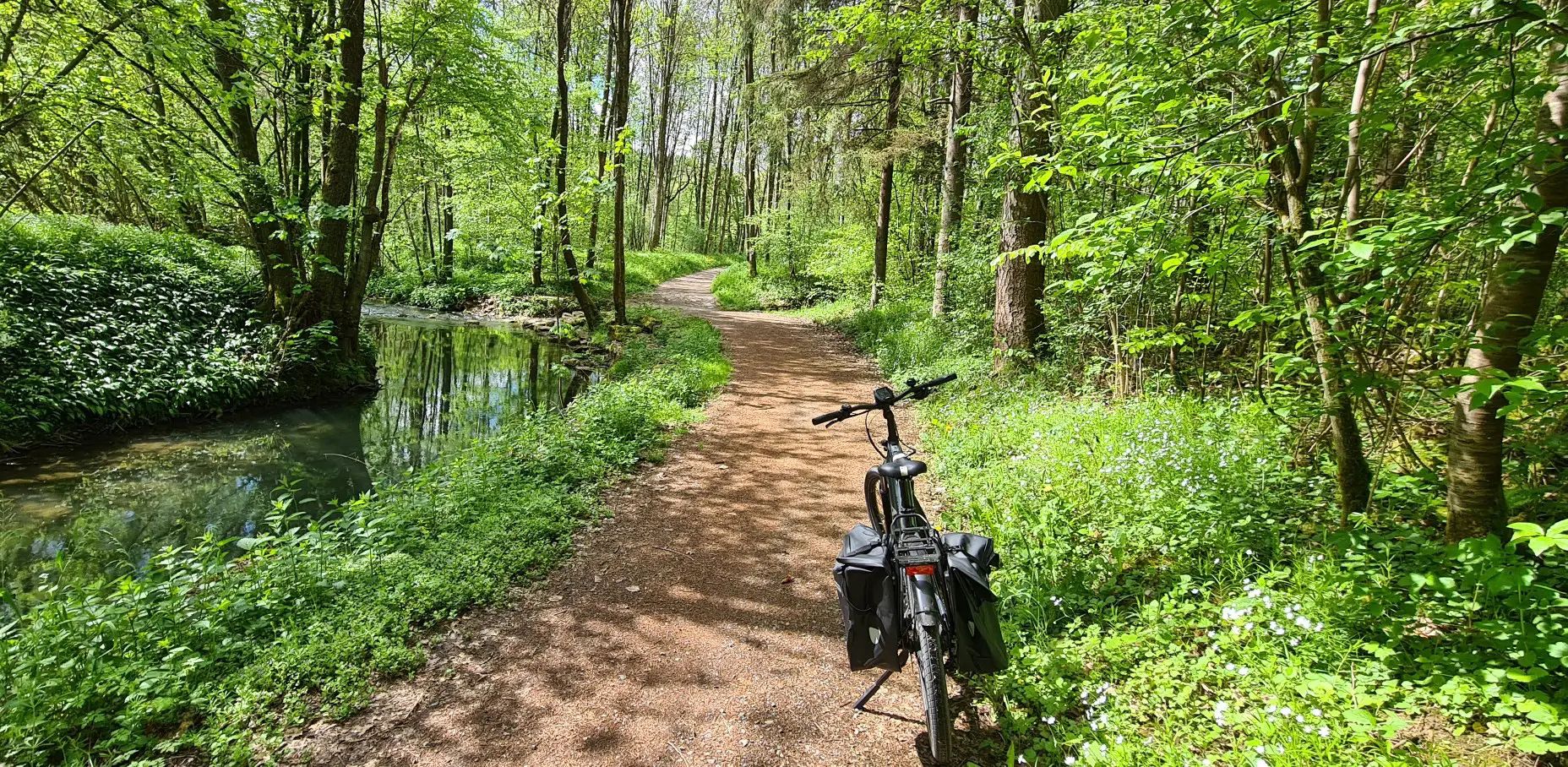
Germany's Main-Tauber-Franconian Radachter – two loops, one experience
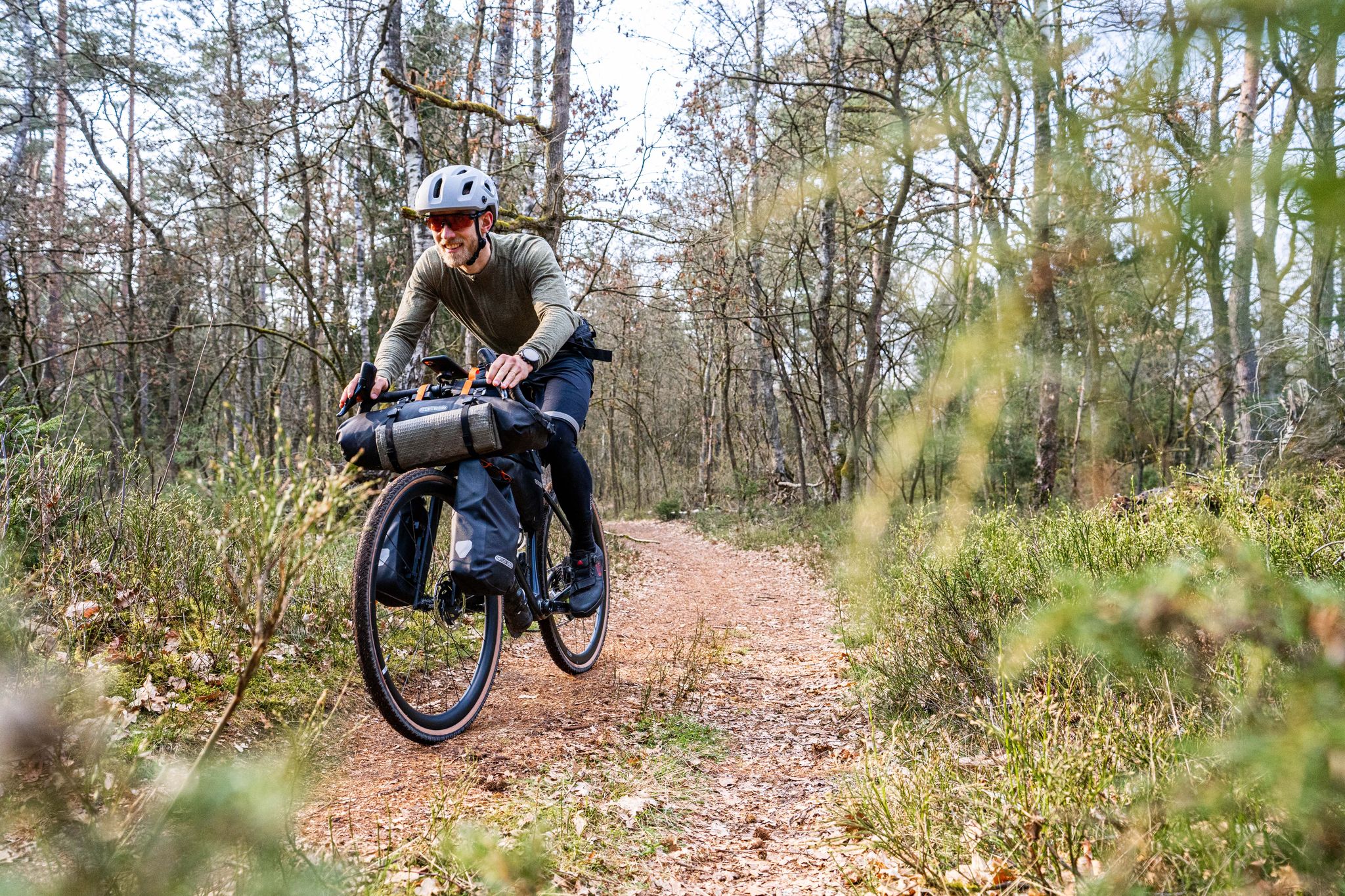
Gravel bikepacking from Hamburg to Munich
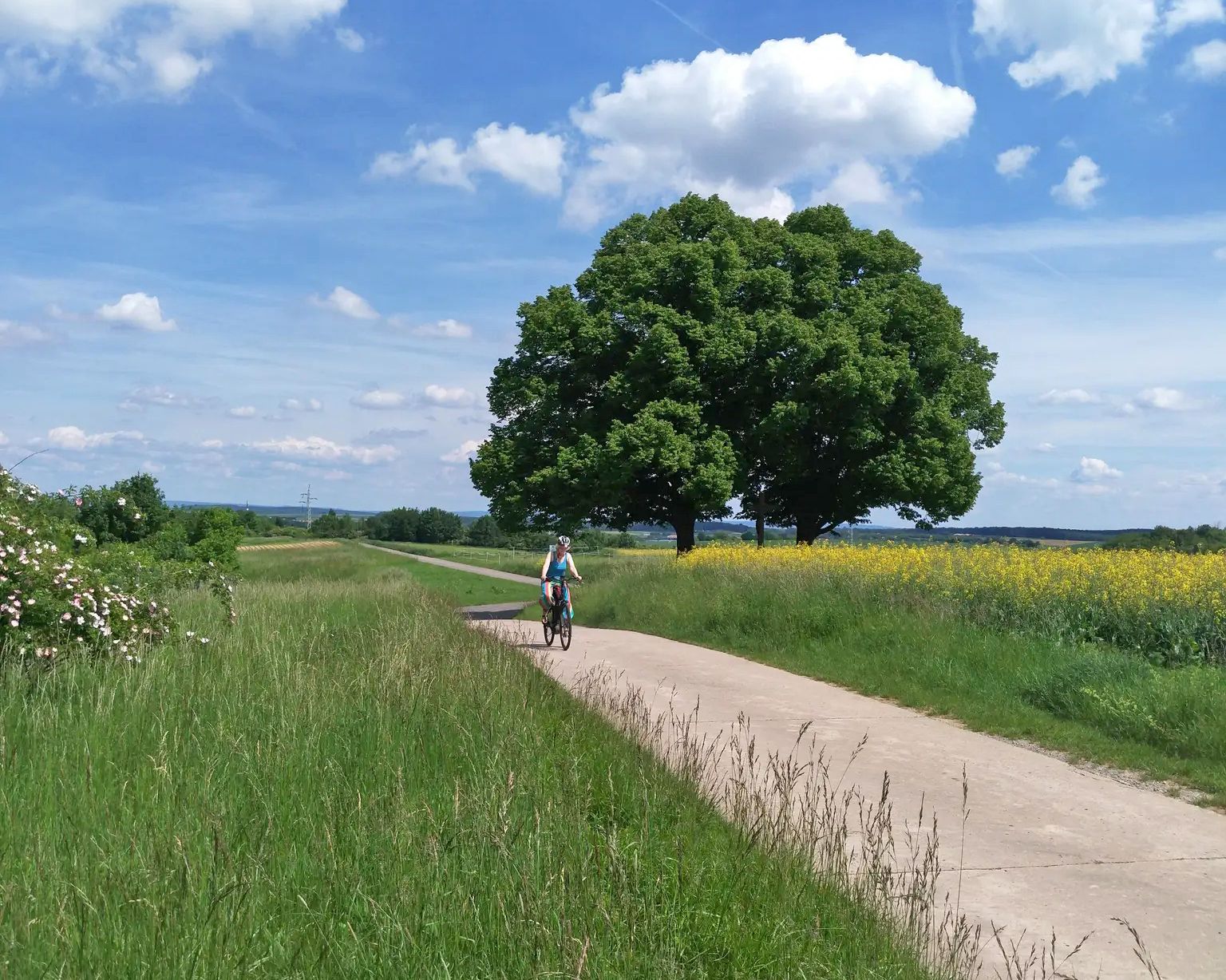
Main-Werra cycle path – From river to river
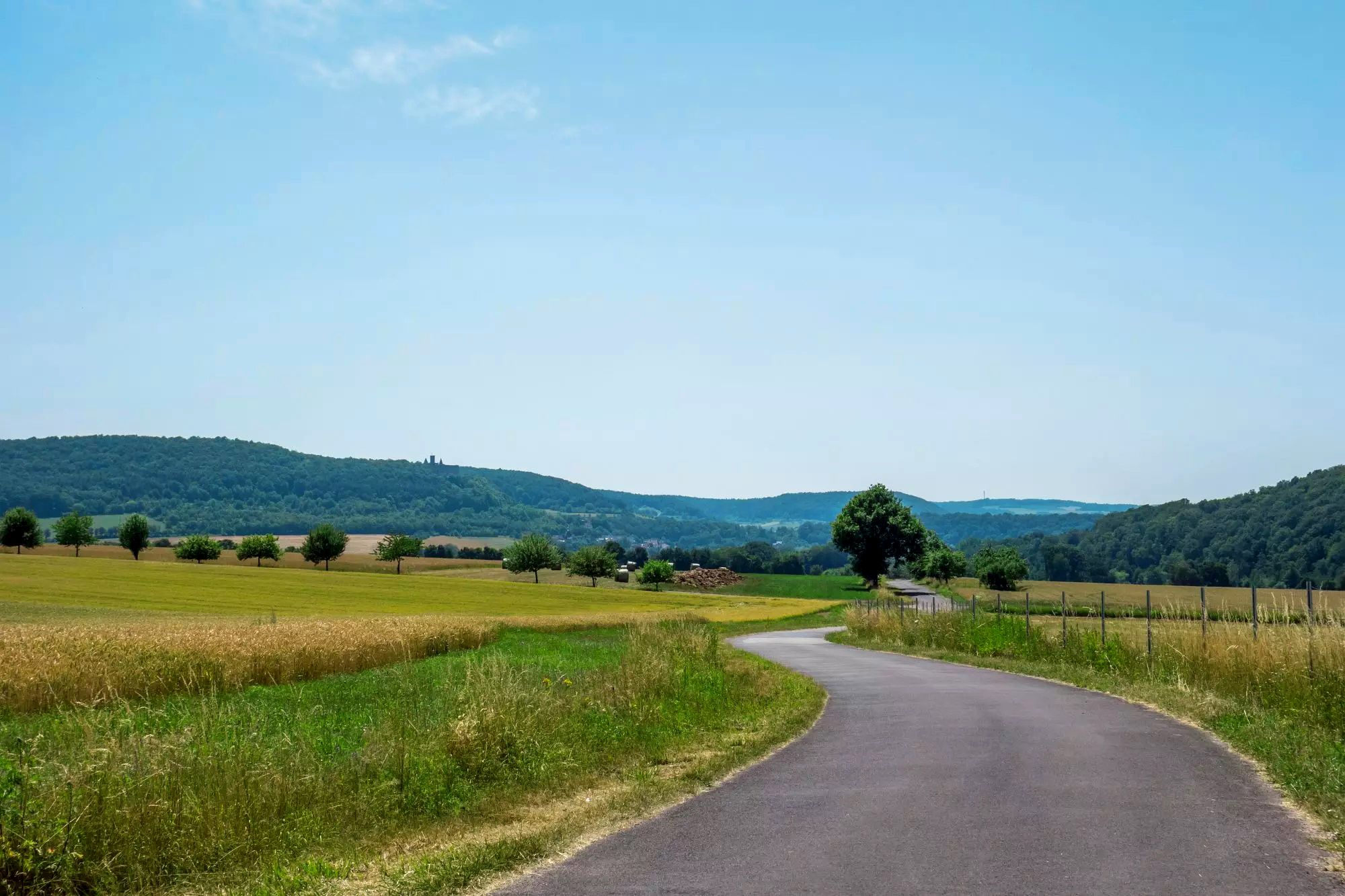
Rhön Cycleway in Germany – Cycling in the Land of Open Distances
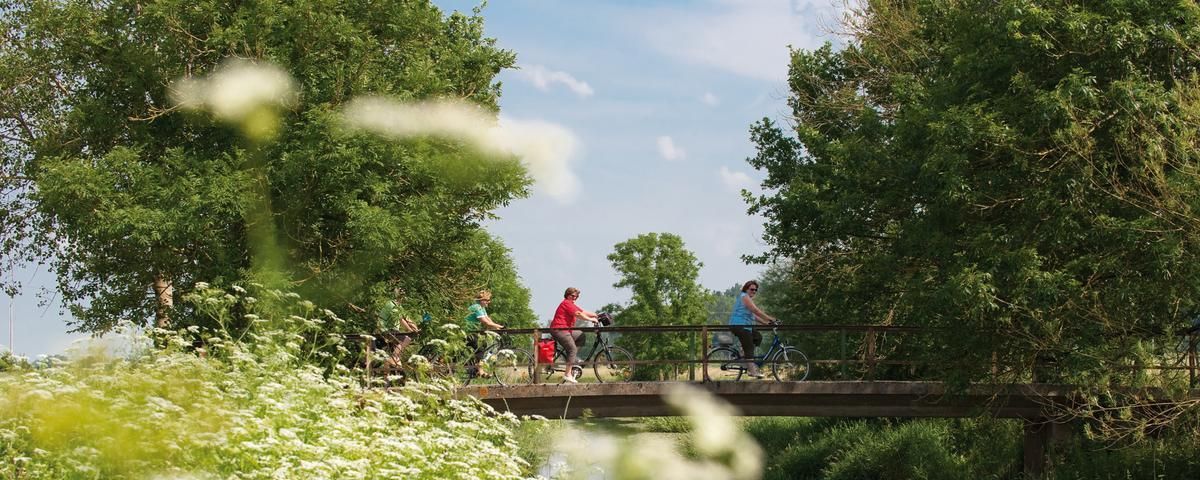
The most beautiful long-distance cycle paths in Franconia
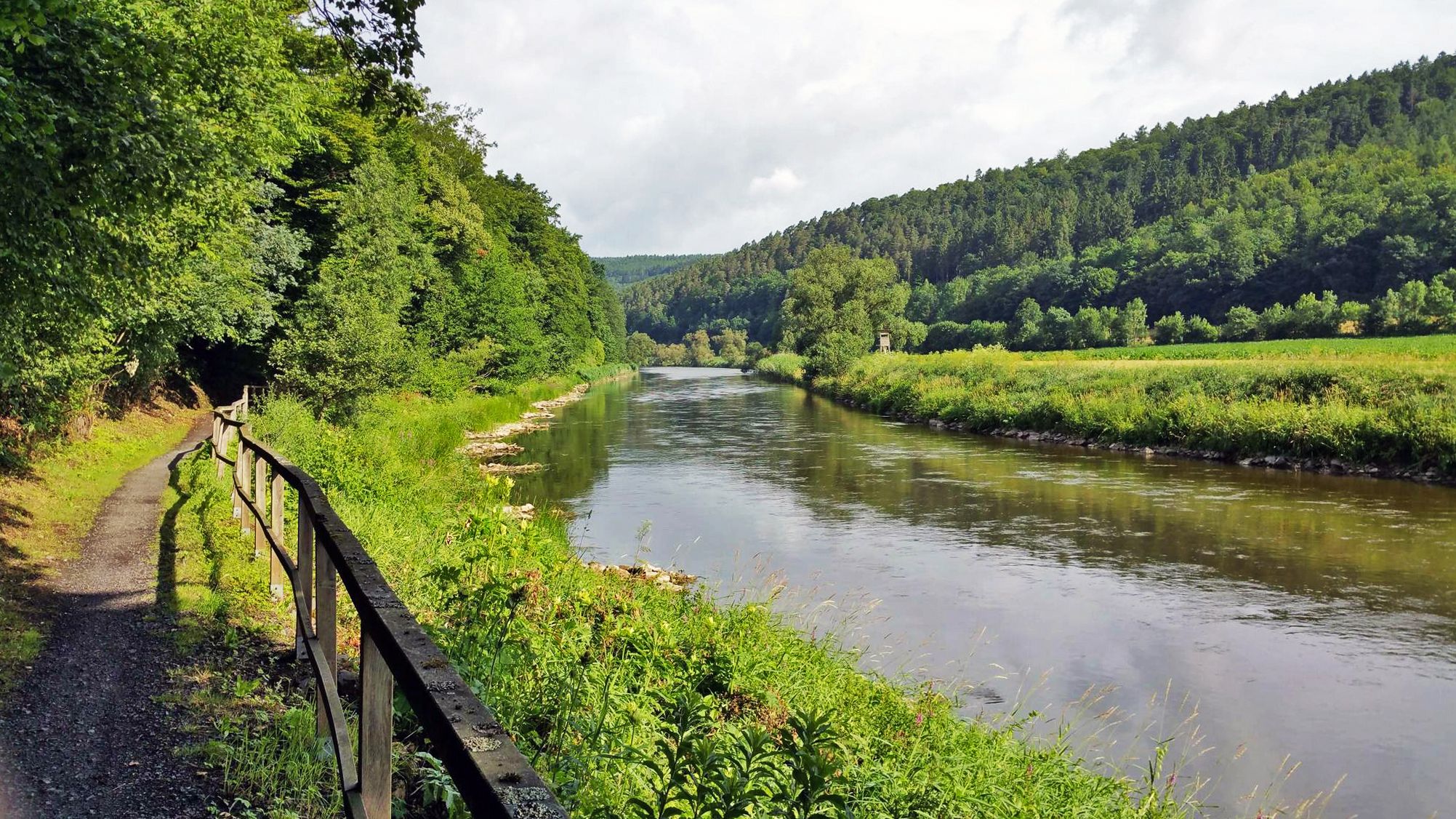
Werratal cycle path — 6 stages along the Werra to the Fulda
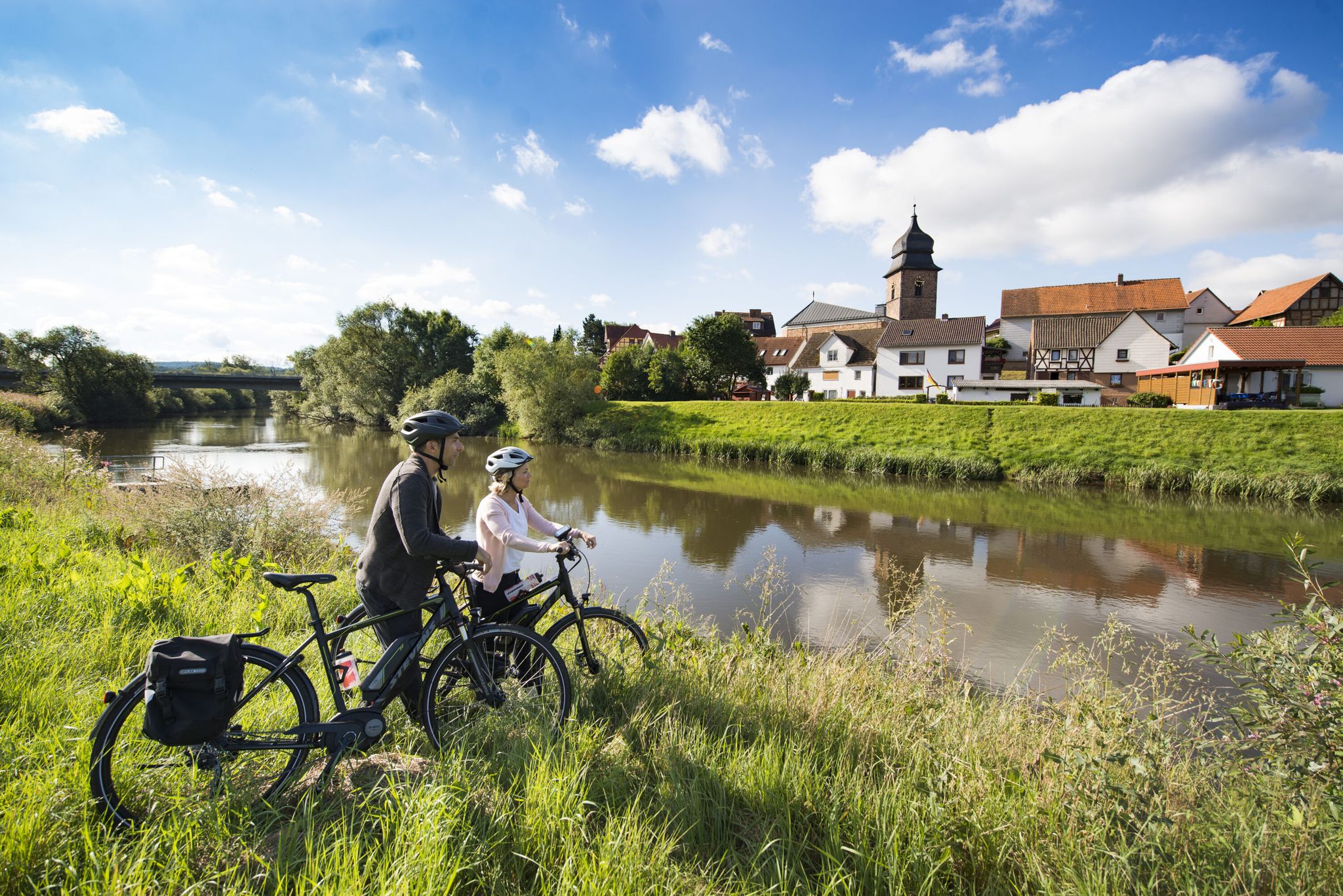
The Fulda cycle path R1 — in 5 stages from the Rhön to the Weser
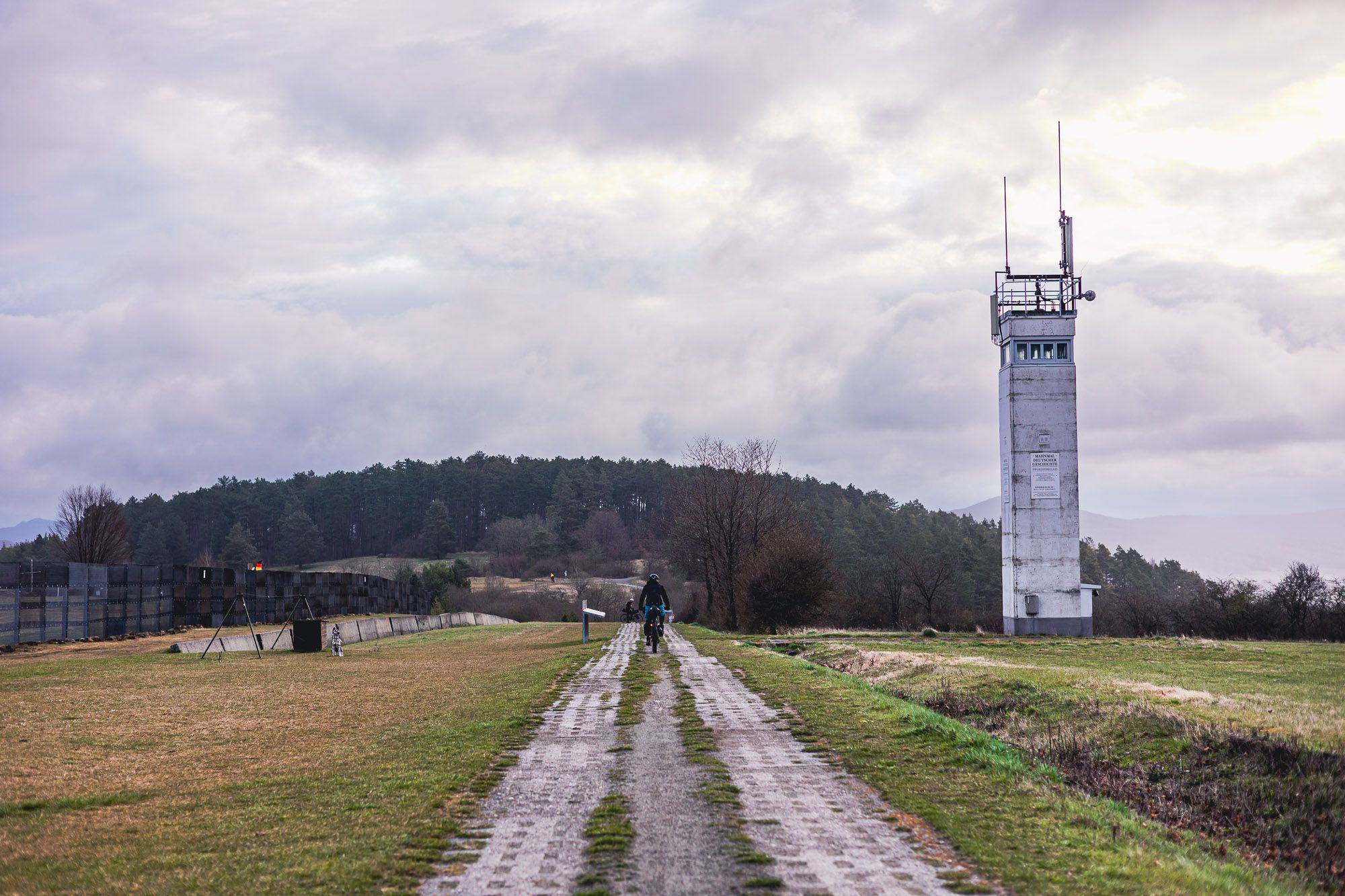
The Baltic Sea to Vogtland – 8 days along Germany's green former border
BahnRadweg Hessen — castles, palaces & beautiful nature
Nature, trails and local cuisine – MTB in the Spessart
Other adventures in the Rhön Mountains


Tips from the Community


A small collapse cave, typical for karst areas.
0
0

Unfortunately, it's still closed. I came from the other side. There was no sign there. A small bridge has unfortunately collapsed, and the grotto is empty. The main access path (asphalt) is already covered in moss. It's a shame. Hopefully, the place will be restored soon. Otherwise, it's actually a very beautiful place.
0
0

The Wichtelhöhlen (Gnome Caves) near Bad Kissingen are an impressive rock formation made of red sandstone, created by erosion. It's especially lovely to take a few minutes to explore the winding caves and crevices up close. The place has a mystical quality and invites you to linger for a while. The Wichtelhöhle (Gnome Cave) is also a little adventure for children, as there's so much to discover.
8
0
At the Wichtelhöhlenhütte (Witch Cave Hut), there's a lovely seating area with benches, perfect for a short rest. If you take your time, you can not only enjoy the view of the rock formations, but with a little luck, you might also hear the birds chirping in the quiet forest. Ideal for a quick break with provisions before continuing on.
7
0

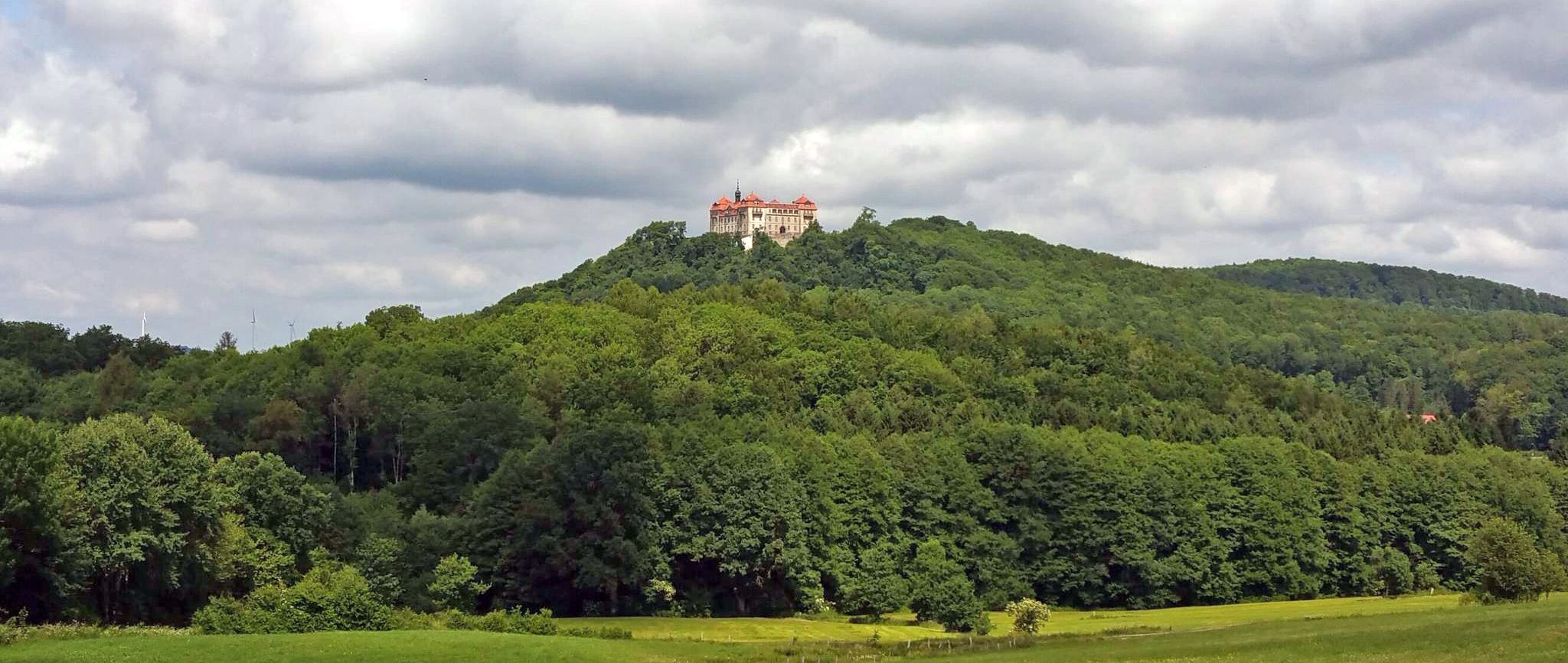
The Lioba Church, standing on a hill, is visible from far away.
2
0

A really worthwhile mine trip by mountain bike to the Merkers potash mine. The tour offers a lot of interesting things and things worth seeing. For example, in the large bunker you can find the largest shovel excavator ever used underground. In the gold room we were also told a lot of interesting facts about the treasures of the German Reichsbank that were stored there during World War II. And the crystal grotto at a depth of 800m is a real feast for the eyes. But the best thing about it were the prevailing temperatures between 21°C and 28°C, even during our visit in December.
3
0

A beautiful piece of nature. Highly recommended.
1
0
Frequently Asked Questions
What types of caves and geological formations can I explore in the Rhön Mountains?
The Rhön Mountains, known for their volcanic origins, feature unique geological formations rather than extensive show caves. You can explore natural basalt caves, rock formations, and grottoes. Notable examples include the Wichtelhöhlen Rock Formations with their winding crevices, the basalt-lined gorge of Eisgraben Nature Reserve, and the intriguing Teufelskeller (Devil’s Cellar), a natural monument with local legends.
Are there any publicly accessible show caves in the Rhön Mountains?
While the Rhön Mountains don't have many traditional show caves, the Erlebnisbergwerk Merkers Crystal Grotto offers a unique underground experience. This former potash mine allows visitors to descend 500 meters to explore a fascinating crystal grotto, learn about mining history, and see the historic gold room. It's a significant man-made cave experience in the region.
Is the Frauenhöhle (Klefallsloch) accessible to visitors?
The Frauenhöhle, also known as Klefallsloch, is a natural basalt cave near Hausen. However, it is not accessible to the public due to its inherent instability and significant internal height differences, making it unsafe. The entrance is secured by a grate. Despite its inaccessibility, it's geologically significant and has local folklore surrounding it.
What are Mariengrotten, and can I visit them in the Rhön Mountains?
Mariengrotten are devotional sites, typically replicas of the famous Lourdes Grotto, found in various locations across the Rhön region, such as Mariengrotte Seiferts. They offer a tranquil and spiritual experience, often featuring statues of the Virgin Mary and a serene atmosphere. These sites are generally accessible to the public for quiet reflection and pilgrimage.
Are there family-friendly caves or rock formations to visit?
Yes, the Wichtelhöhlen Rock Formations are particularly family-friendly. Children enjoy exploring the winding caves and crevices, making it a little adventure. The site also has a hut with seating, perfect for a break. Additionally, the St. Peter's Church and St. Lioba's Tomb (Petersberg), which features ancient church vaults, is also considered family-friendly.
What historical or cultural sites with cave features can I find?
The Rhön Mountains offer several sites with historical and cultural significance. St. Peter's Church and St. Lioba's Tomb (Petersberg) is a medieval mountain church with vaults that are among Germany's oldest above-ground church buildings, containing ancient murals and the crypt of Saint Lioba. The Teufelskeller (Devil’s Cellar) is also steeped in local legends and history.
What outdoor activities can I do near the caves in the Rhön Mountains?
The Rhön Mountains offer diverse outdoor activities. You can find numerous mountain hikes, gravel biking routes, and running trails. For mountain hikes, explore routes like the Lenzsteig via ferrata loop or the Kreuzberg Summit loop. Gravel biking options include tours around Schwarzes Moor or Bad Kissingen. For running, trails near Fulda or Hammelburg are popular. You can find more details on these activities in the Mountain Hikes, Gravel biking, and Running Trails in the Rhön Mountains guides.
Are there any caves or formations that are particularly challenging to access?
Some natural formations, like the Teufelskeller (Devil’s Cellar) and the Hilmeser Loch Sinkhole, are categorized as challenging due to their terrain. The Frauenhöhle, while geologically interesting, is completely inaccessible due to safety concerns. Always check the difficulty ratings for specific highlights before planning your visit.
What do visitors enjoy most about exploring the caves and rock formations in the Rhön Mountains?
Visitors appreciate the unique natural beauty and the sense of discovery. Many highlight the impressive rock formations like the Wichtelhöhlen for their mystical quality and the opportunity to explore winding crevices. The serene atmosphere of places like Mariengrotte Seiferts and the historical significance of sites like St. Peter's Church are also highly valued.
Can I bring my dog to the trails near the caves?
Many hiking trails in the Rhön Mountains are dog-friendly, allowing you to explore the natural surroundings with your pet. However, specific access to cave interiors or sensitive nature reserves may be restricted. Always check local signage and regulations for individual sites, especially within core zones of the biosphere reserve, to ensure a pleasant and responsible visit with your dog.
Are there any specific safety considerations for visiting caves in the Rhön Mountains?
When visiting natural rock formations or accessible cave-like features, always be mindful of uneven terrain, slippery surfaces, and potential falling rocks. For the Erlebnisbergwerk Merkers Crystal Grotto, specific safety gear like a Bergkittel (mine coat) and helmet are provided and mandatory. Always follow local guidelines and respect any access restrictions, especially for unstable or protected areas like the Frauenhöhle.
Most popular routes in the Rhön Mountains
Most popular attractions in the Rhön Mountains

Get inspired with the komoot mobile app


Explore more
Extend your search for the best caves by checking out these guides of the top ones in the Rhön Mountains:
