Top 20 Castles in Berlin
Castles in Berlin offer a journey through centuries of history, showcasing diverse architectural styles from Baroque to Renaissance. The city's landscape, shaped by the Spree and Havel rivers, provides picturesque settings for these historical estates. Berlin's rich cultural significance is reflected in its numerous palaces and fortresses, many of which are nestled within expansive parks. These sites provide insights into Prussian royalty and German heritage, making them notable destinations for exploration.
Best castles in Berlin
- The most popular castles is Charlottenburg Palace, a castle that was originally built as a residence for Sophie Charlotte. This impressive complex features opulent chambers, extensive gardens, and displays of art and porcelain.
- Another must-see spot is Köpenick Palace, a castle situated on an island in the Dahme River. Visitors can expect to see a Baroque water palace housing a branch of the Kunstgewerbemuseum with collections of European arts and crafts.
- Visitors also love Glienicke Hunting Lodge, a historical castle. This site offers a glimpse into past royal hunting traditions and is set within a scenic natural environment.
- Berlin is known for its royal palaces, hunting lodges, and historical fortresses. These sites offer a variety of experiences, from exploring grand state rooms to walking through meticulously designed gardens.
- The castles in Berlin are appreciated by the komoot community, with more than 1,800 upvotes and over 1,100 photos shared across various highlights.
Last updated: July 20, 2026
Schönhausen Palace Park
Highlight • Forest
Translated by Google •
Tip by

Charlottenburg Palace
Highlight • Castle
Originally, the Elector Frederick I gave his wife in 1694 the lands in Lietze, as the village was called at the time. She immediately had a small castle built to serve as her residence. When the queen died at the tender age of 36 in 1705, the widowed king renamed the castle and adjacent village in her honor in Charlottenburg.
Larger alterations to the castle then took place under her grandson King Friedrich II and her great-grandson Frederick William II. The castle is still in perfect condition today Read the style well.
Opening hours:
Winter season (01.11 to 31.03.)
closed on Mondays
Tuesday to Sunday 10 to 16.30
Summer season (01.04. To 31.10.)
closed on Mondays
Tuesday to Sunday 10 to 17.30
More information at spsg.de/schloesser-gaerten/objekt/schloss-charlottenburg-altes-schloss.
Translated by Google •
Tip by

Sign up now to discover places like this
Get recommendations on the best single tracks, peaks, & plenty of other exciting outdoor places.
Sign up for free
Bellevue Palace
Highlight • Castle
The castle with one main and two side wings was designed in the late 18th century in a transitional style between Baroque and Classicism. The sandstone figures on the portal gable representing hunting, farming and fish farming are reminiscent of the once rural environment of the castle.
Translated by Google •
Tip by

Köpenick Palace
Highlight • Castle
At the end of the 17th century, a small Baroque garden was laid out south of the lodge. This garden was also repeatedly altered and eventually transformed into the beautiful landscaped park through which you can stroll today.
Translated by Google •
Tip by

Charlottenburg Palace Gardens
Highlight • Natural Monument
Translated by Google •
Tip by
Regatta Course Berlin-Grünau
Highlight • Lake
Translated by Google •
Tip by

Berlin Palace – Humboldt Forum
Highlight • Historical Site
The Berlin Palace (also colloquially: City Palace) is a secular building on the Spree Island in the historic center of Berlin. From 1443 it served as the main residence of the Brandenburg electors, Prussian kings and German emperors and from 1918 as the seat of authorities and art and scientific institutions. Rebuilt on behalf of Frederick I according to plans by Andreas Schlüter and Johann Friedrich Eosander between 1698 and 1713, it was considered a major work of the North German Baroque. The castle was a central building in Berlin and also one of the largest buildings in the city. From the beginning, it shaped the cityscape through its starting position for various viewing and street axes with its facades, its dimensions and its 70 meter high dome, which was added in the 19th century.
Partially burned out at the end of the Second World War in 1945, the castle in the GDR was blown up in 1950 despite international protests in order to gain space for a parade ground, which was later partially built on by the Palace of the Republic. After the private commitment of the Berlin Castle Association and other initiators and following a resolution by the German Bundestag, the castle was rebuilt from 2013 to 2020. According to plans by Franco Stella, a new building was built in the dimensions of the castle, which shows reconstructions of the castle facades on the outside and in two courtyards, except for the side of the Spree. These were financed entirely by private donations. The future restoration of the interior spaces was deliberately made possible.
The castle is now the headquarters of the Humboldt Forum. This presents collections from the State Museums of Berlin, the City Museum of Berlin and the Humboldt University of Berlin and is intended to serve as a lively meeting place for people and world cultures. The Humboldt Forum also ties in with the history of the castle as a cultural and scientific center after the revolution of 1918. During the Weimar Republic, the palace was the most visited museum in Berlin. It was also used for research institutes, universities and the Alexander von Humboldt Foundation.
Text/Source: Wikipedia
de.wikipedia.org/wiki/Berliner_Schloss
Translated by Google •
Tip by

Glienicke Hunting Lodge
Highlight • Castle
Translated by Google •
Tip by

Karpfenteich Bridge, Charlottenburg Palace Park
Highlight • Bridge
Translated by Google •
Tip by
Carp Pond in Charlottenburg Palace Park
Highlight • Lake
Translated by Google •
Tip by
Sign up for free to discover even more castles in Berlin.
Sign up for free
Already have an account?
Start today with a free account
Your next adventure awaits.
Login or Signup
Popular around Berlin
Accessible Hikes and Walks in Berlin
On relaxed paths through the capital – handcycling Berlin
The long distance bicycle route Berlin-Copenhagen
Cycling from Dresden to Berlin – lakes, nature and Sorbian culture
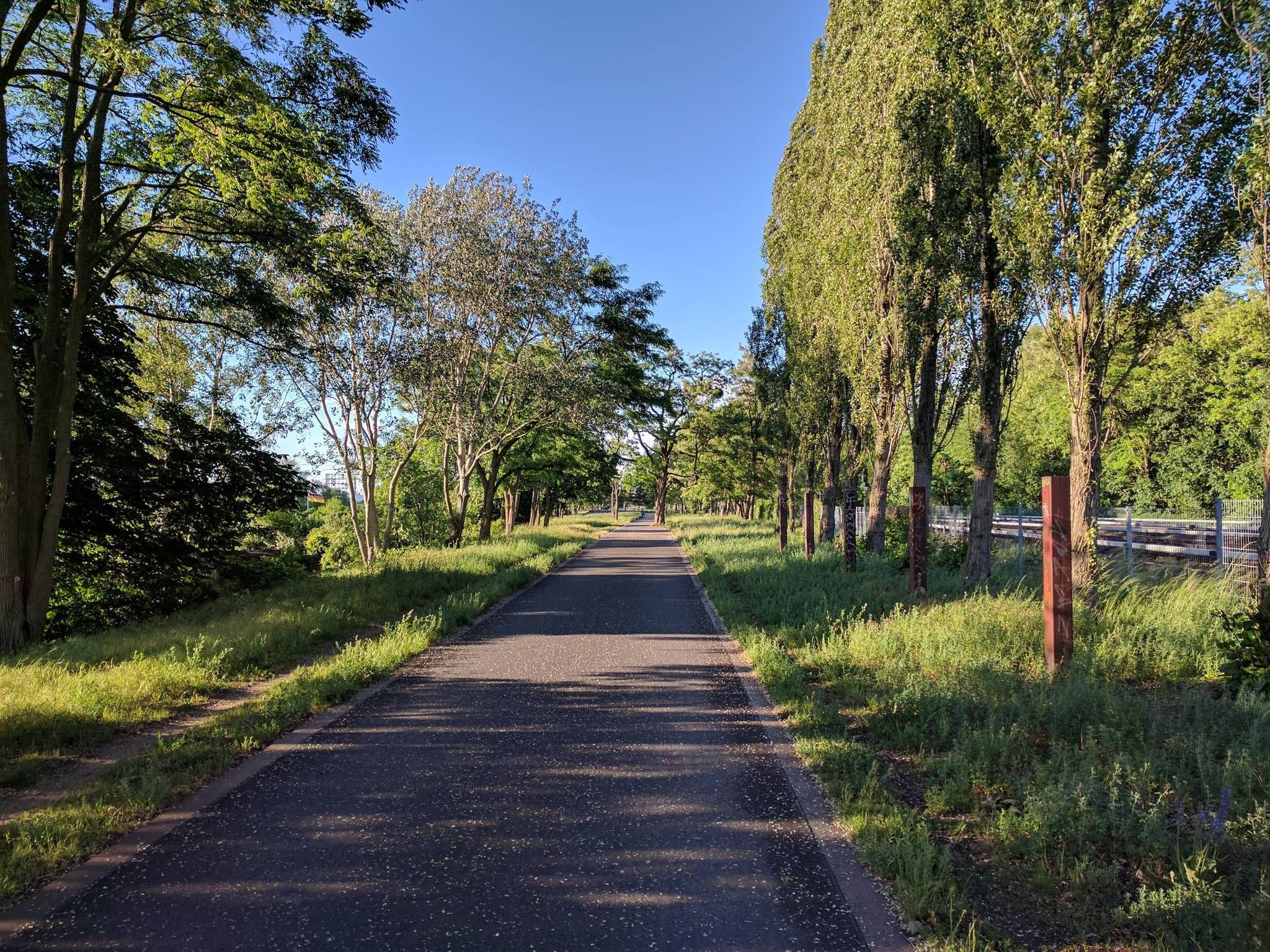
The Berlin Leipzig cycle path – Through the East in five stages
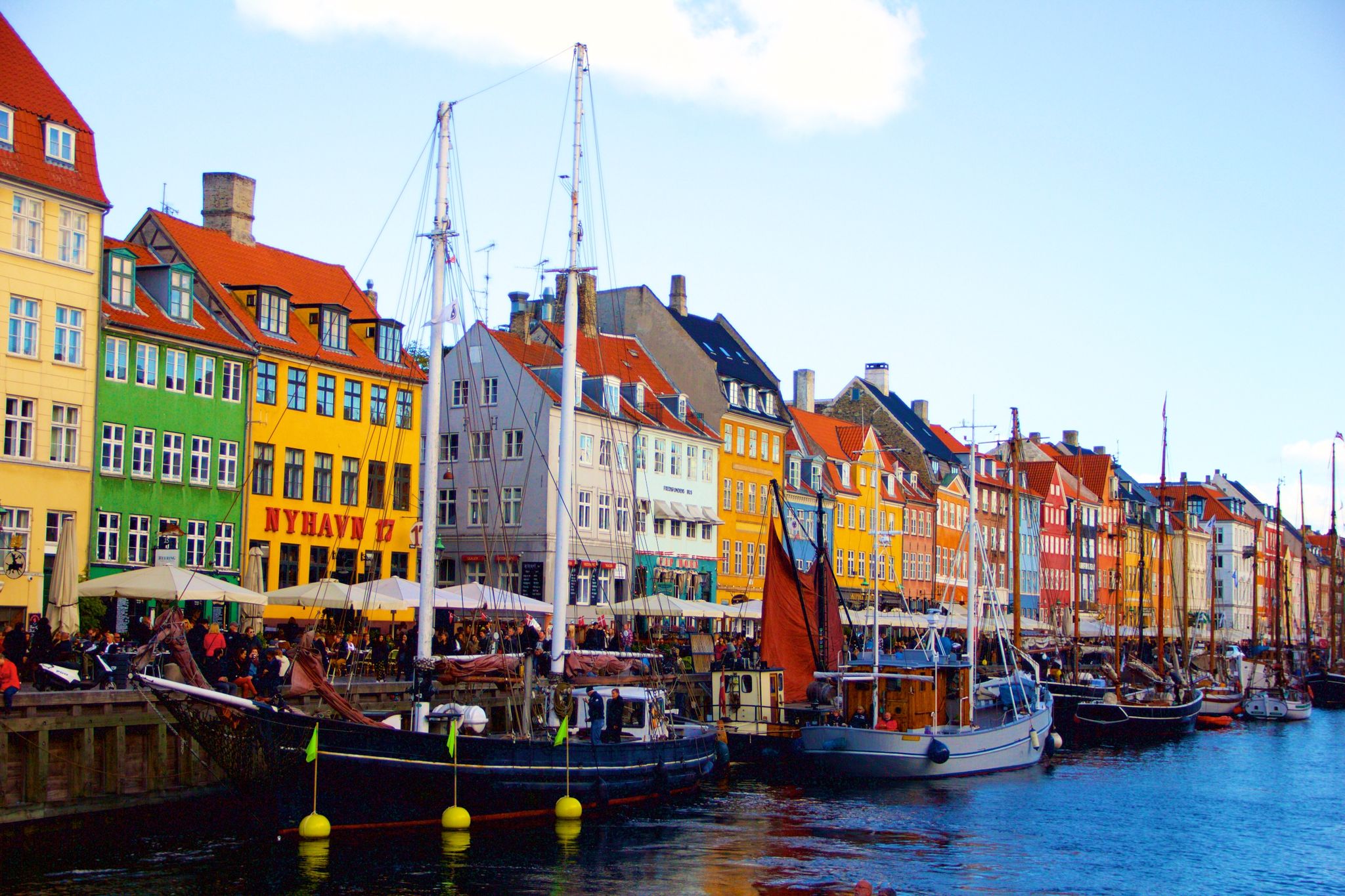
Berlin. Fehmarn. Copenhagen. An adventure on two wheels.
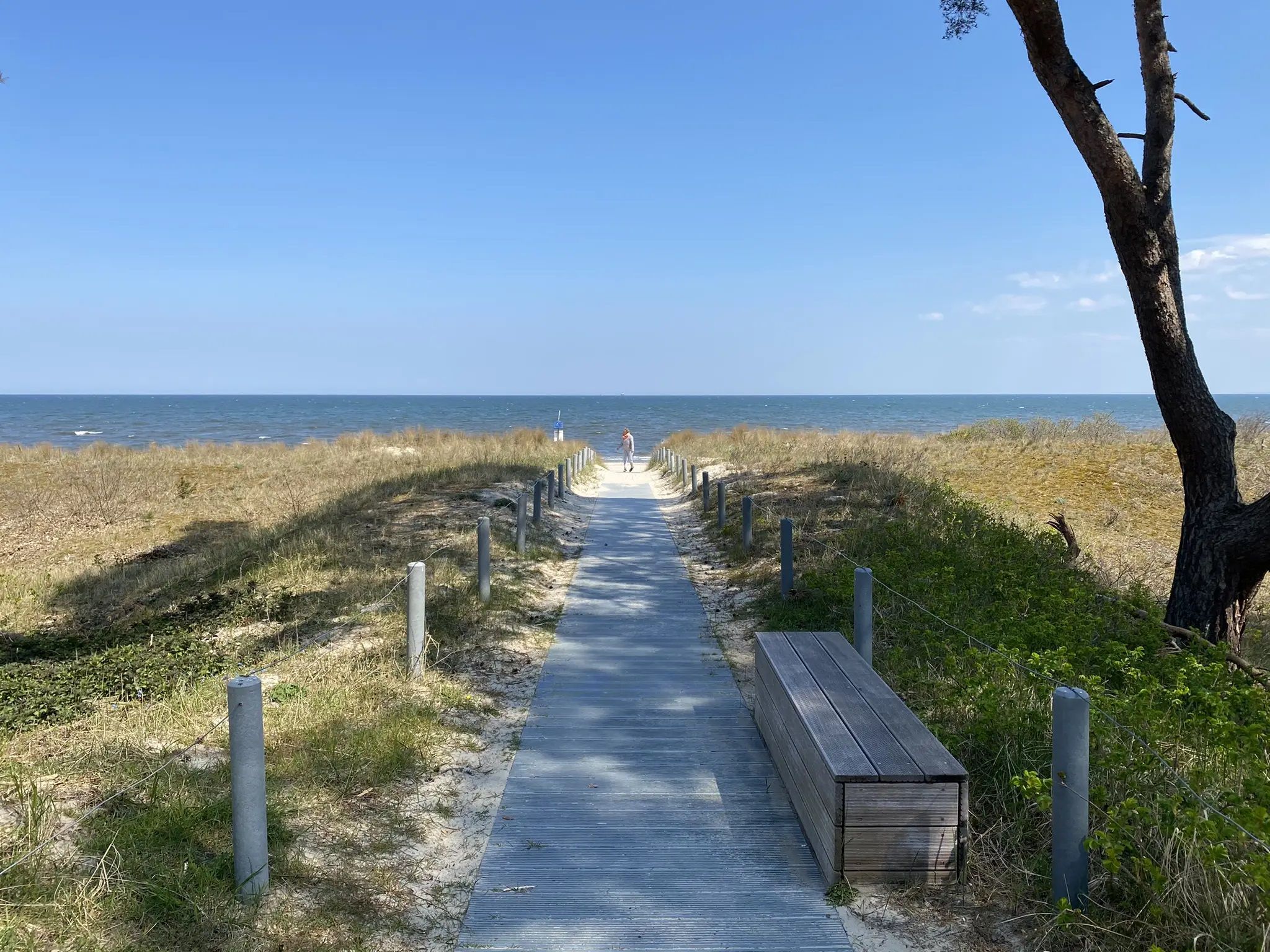
Berlin-Usedom – To the seaside in 4 days

Graffiti & Street Art Trails through Europe’s Coolest Cities
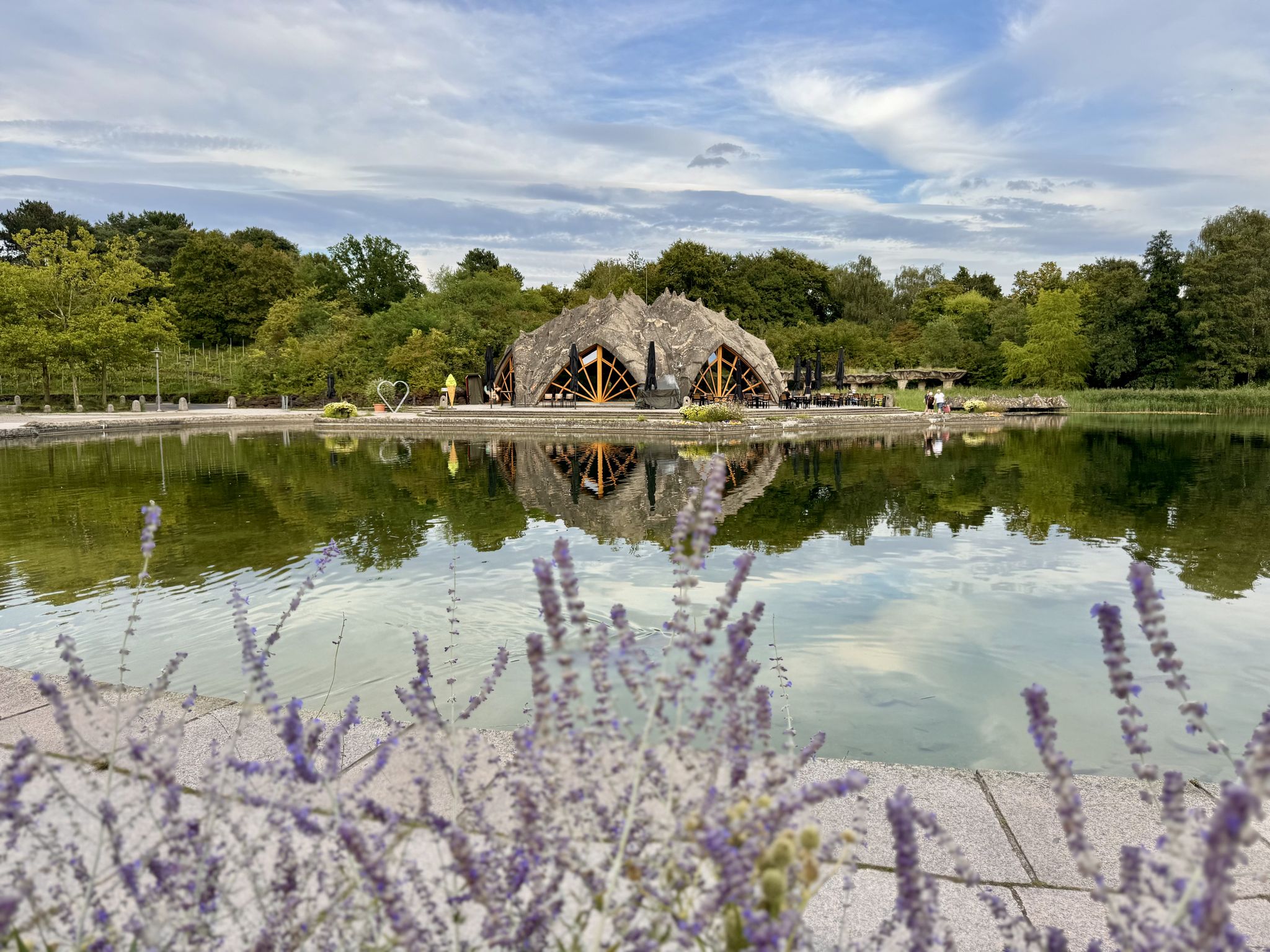
Island hopping in Berlin – exploring between water & city
Off to the trails – trail running with the S-Bahn
Other adventures in Berlin


Tips from the Community

Beautiful hunting lodge 🏰 right on the water and in a small park - worth seeing 🔝👍🏻😉‼️
2
0

Beautiful view.
1
0

Organ concerts often take place in the castle church.
6
0

Part of the palace gardens. Little shade, plenty of flowers, and a view of the carp pond to the north, the palace to the south, and the large fountain in the middle ⛲️. The paths here are straight and ideal for sprints. However, this area is often very crowded during the day.
5
1
From this vantage point, you get a beautiful view of the bridge and castle. While the bridge partially obscures the castle, the reflection in the water provides an unobstructed view.
5
0

Humboldt Forum on the former site of the City Palace and Palace of the Republic. With various events or exhibitions - depending on your taste. From the roof / dome there is a beautiful view of "Old Berlin".
4
0

Prussia's intransigence towards freedom-loving lateral thinkers led the authorities to set up a prison in the cellars of the castle at the beginning of the 19th century. Between 1823 and 1830, so-called “demagogues”, public democrats and critics of the monarchy who were rigorously persecuted after the Carlsbad Resolutions, were imprisoned here. The castle park, laid out as a baroque garden in 1690, is now in the style of the 1960s with numerous sculptures. The Schlosscafé Köpenick is located in a beautiful riverside location and is nice to sit inside and outside.
15
0

The "red thing" prominently in front of the presidential residence is neither a letter load nor a fire hydrant as some write here, but one of 11 surviving historical fire alarms from the time before everyone had a landline telephone at home (that will soon be the case again, maybe we need it things then again).
7
1
Frequently Asked Questions
What are some of the most historically significant castles to visit in Berlin?
Berlin offers several castles with deep historical roots. Charlottenburg Palace, originally a residence for Sophie Charlotte, showcases Baroque and Rococo architecture and Prussian royal history. The Köpenick Palace, a Baroque water palace, houses a museum of decorative arts. The Spandau Citadel is one of Europe's best-preserved 16th-century Renaissance fortresses, featuring the ancient Juliusturm. Schönhausen Palace, a Baroque summer residence, played a unique role through various historical periods, including the GDR era.
Are there family-friendly castles to visit in Berlin?
Yes, many castles in Berlin are suitable for families. Charlottenburg Palace offers extensive gardens for children to explore, and its Christmas market in winter is popular. Köpenick Palace, situated on an island, provides a scenic setting. The Spandau Citadel hosts museums and offers public guided tours, and children might enjoy seeing the bats in the Juliusturm. The grounds of Bellevue Palace and Schönhausen Palace also offer pleasant outdoor spaces.
What kind of natural features can I expect to see around Berlin's castles?
Many of Berlin's castles are set within beautiful natural surroundings. Charlottenburg Palace boasts sweeping landscaped gardens in both French and English styles. Köpenick Palace is on an island in the Dahme River. Bellevue Palace is located on the banks of the River Spree, near the Tiergarten. Schönhausen Palace features gardens showcasing 300 years of garden history, with the Panke River flowing through them. You can also find highlights like the Carp Pond in Charlottenburg Palace Park and the Peacock Island, which features Pfaueninsel Palace.
What outdoor activities can I do near these castles?
The areas around Berlin's castles offer various outdoor activities. For example, near Charlottenburg Palace, you can enjoy walks in its extensive gardens. The region around Berlin is excellent for cycling and running. You can find numerous routes for gravel biking, running, and even mountain hikes that pass by or are close to historical sites and natural landscapes.
Are there any dog-friendly castles or palace grounds in Berlin?
While interior access for dogs is generally restricted, many palace grounds and parks are dog-friendly. The area around Grunewald Hunting Lodge and Grunewald Lake is particularly known as a large dog walking area, making it a great spot to visit with your canine companion.
What is the best time of year to visit palaces in Berlin?
The best time to visit Berlin's palaces depends on your preferences. Spring and summer offer lush gardens and pleasant weather for outdoor exploration. However, visiting during winter can also be magical, especially with the charming Christmas market hosted on the grounds of Charlottenburg Palace.
Are tickets required for all castles in Berlin?
Access requirements vary by castle. For instance, the interiors of Charlottenburg Palace and Köpenick Palace, which house museums and historical rooms, typically require tickets. The Spandau Citadel also has museums with entry fees. Bellevue Palace, as the President's residence, is generally not open to the public, though its grounds can be admired. It's always best to check the specific castle's official website for current ticket information and opening hours.
Where can I find parking near Charlottenburg Palace?
Parking options are available around Charlottenburg Palace. The Carp Pond in Charlottenburg Palace Park highlight mentions parking, indicating that there are facilities nearby for visitors arriving by car.
Are there any cafes or restaurants near Berlin's castles?
Yes, you can often find cafes and restaurants near Berlin's castles. For example, the tips for Köpenick Palace mention the Schlosscafé Köpenick, which offers a beautiful riverside location. Charlottenburg Palace also has cafes within its vicinity, catering to visitors exploring the palace and its gardens.
What makes the Spandau Citadel unique among Berlin's historical sites?
The Spandau Citadel stands out as one of Europe's best-preserved 16th-century Renaissance fortresses. Unlike the more opulent royal palaces, it offers a glimpse into military architecture and history. Its robust design, including bastions and ramparts, and the incorporation of the 13th-century Juliusturm, make it a unique historical experience. Today, it also serves as a cultural hub with museums and contemporary art exhibitions.
Can I visit Bellevue Palace?
Bellevue Palace serves as the official residence of the President of Germany. While its interior is generally not open to the public, its elegant exterior and beautifully maintained grounds can be admired from the surrounding park, offering a peaceful and regal atmosphere.
What is special about Schönhausen Palace?
Schönhausen Palace is unique for having largely survived World War II intact and for its diverse historical roles. It was the summer residence of Queen Elisabeth Christine, wife of Frederick the Great, and later served as the official seat for the GDR's first president. Its opulent rooms and gardens showcase centuries of design, and it offers a deep dive into various historical periods, including an upcoming exhibition on its role during the 'Degenerate Art' campaign.
Are there any wheelchair-accessible historical sites or viewpoints near Berlin's castles?
While specific accessibility within all castle interiors can vary, some surrounding areas and viewpoints are wheelchair-friendly. For instance, the Karl Liebknecht Bridge, which offers views of historical sites, is tagged as wheelchair accessible. It's advisable to check individual castle websites for detailed accessibility information regarding their specific facilities and grounds.
Most popular routes in Berlin
Most popular attractions in Berlin

Get inspired with the komoot mobile app


Explore more
Looking for the best castles somewhere else? Discover other guides in Berlin:
