Top 20 Waterfalls in Franconia
Waterfalls in Franconia are found within this region of Bavaria, Germany, which features diverse natural landscapes. The area is characterized by geological formations such as tufa terraces and sandstone gorges. These natural features create varied environments for streams and rivers. Franconia offers numerous opportunities for hiking and observing natural settings.
Best waterfalls in Franconia
- The most popular waterfalls is Lillach Tufa Terraces, a waterfall that forms impressive tufa terraces as the stream flows over moss-covered rocks. This natural monument…
Last updated: May 9, 2026
Lillach Tufa Terraces
Highlight • Waterfall
Translated by Google •
Tip by

Teufelskirche (Devil’s Church) — Waterfall and Cave
Highlight • Gorge
Translated by Google •
Tip by

Sign up now to discover places like this
Get recommendations on the best single tracks, peaks, & plenty of other exciting outdoor places.
Sign up for free
Devil's Church Sandstone Gorge and Waterfall
Highlight (Segment) • Gorge
Translated by Google •
Tip by

Klingender Waterfall
Highlight • Waterfall
Translated by Google •
Tip by
Eisgraben Waterfall
Highlight • Waterfall
Translated by Google •
Tip by

Sinter terraces and waterfall on the Wasserwiesenbach
Highlight • Waterfall
Translated by Google •
Tip by
Devil's Mill Waterfall
Highlight • Waterfall
Translated by Google •
Tip by

Pfersag Waterfall
Highlight • Waterfall
Translated by Google •
Tip by

Weißenbach Sinter Terraces
Highlight • Natural Monument
Translated by Google •
Tip by

Devil’s Hole Waterfalls
Highlight • Waterfall
Translated by Google •
Tip by

Sign up for free to discover even more waterfalls in Franconia.
Sign up for free
Already have an account?
Start today with a free account
Your next adventure awaits.
Login or Signup
Popular around Franconia
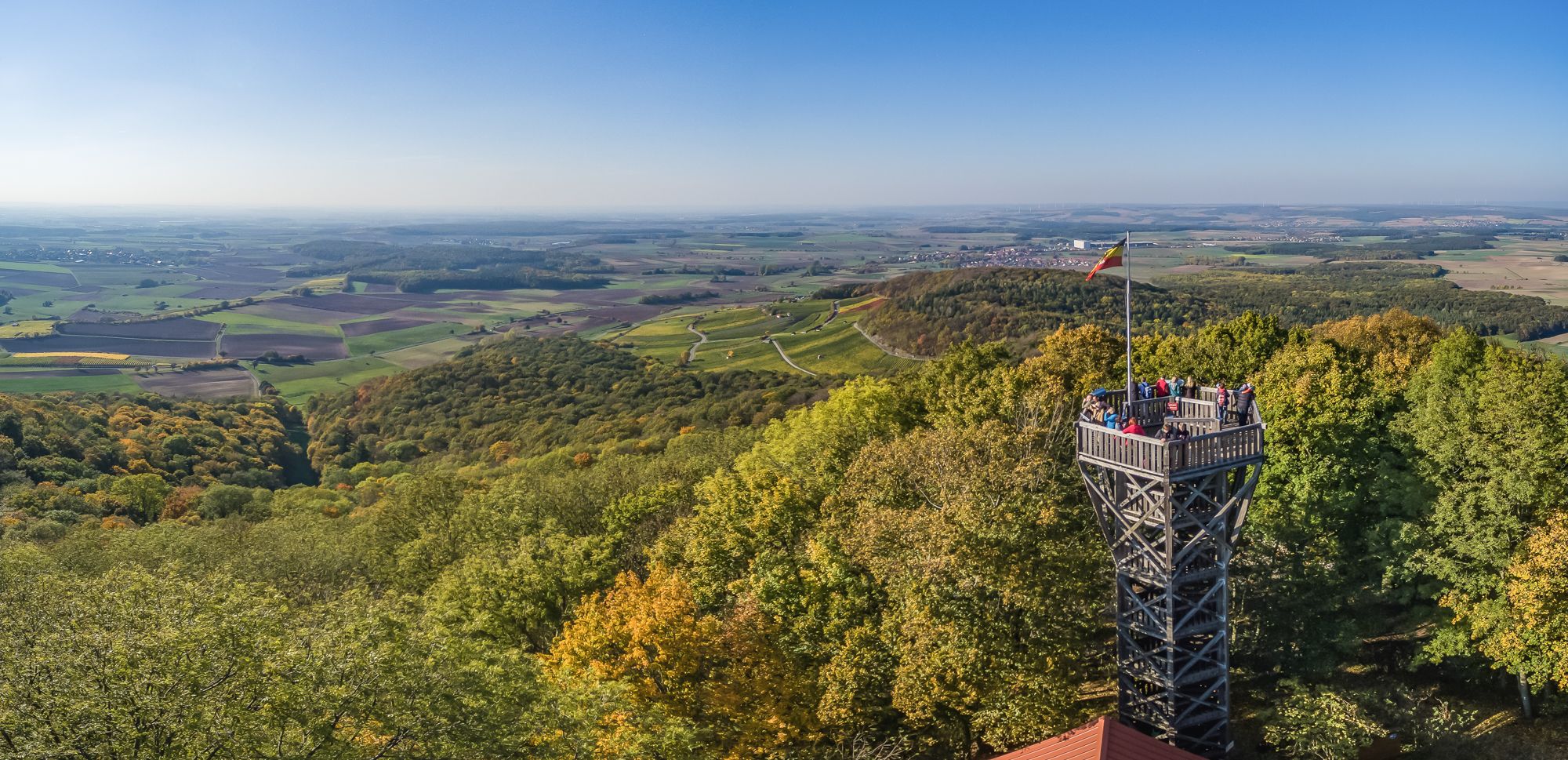
Steigerwald panorama trail — 9 days
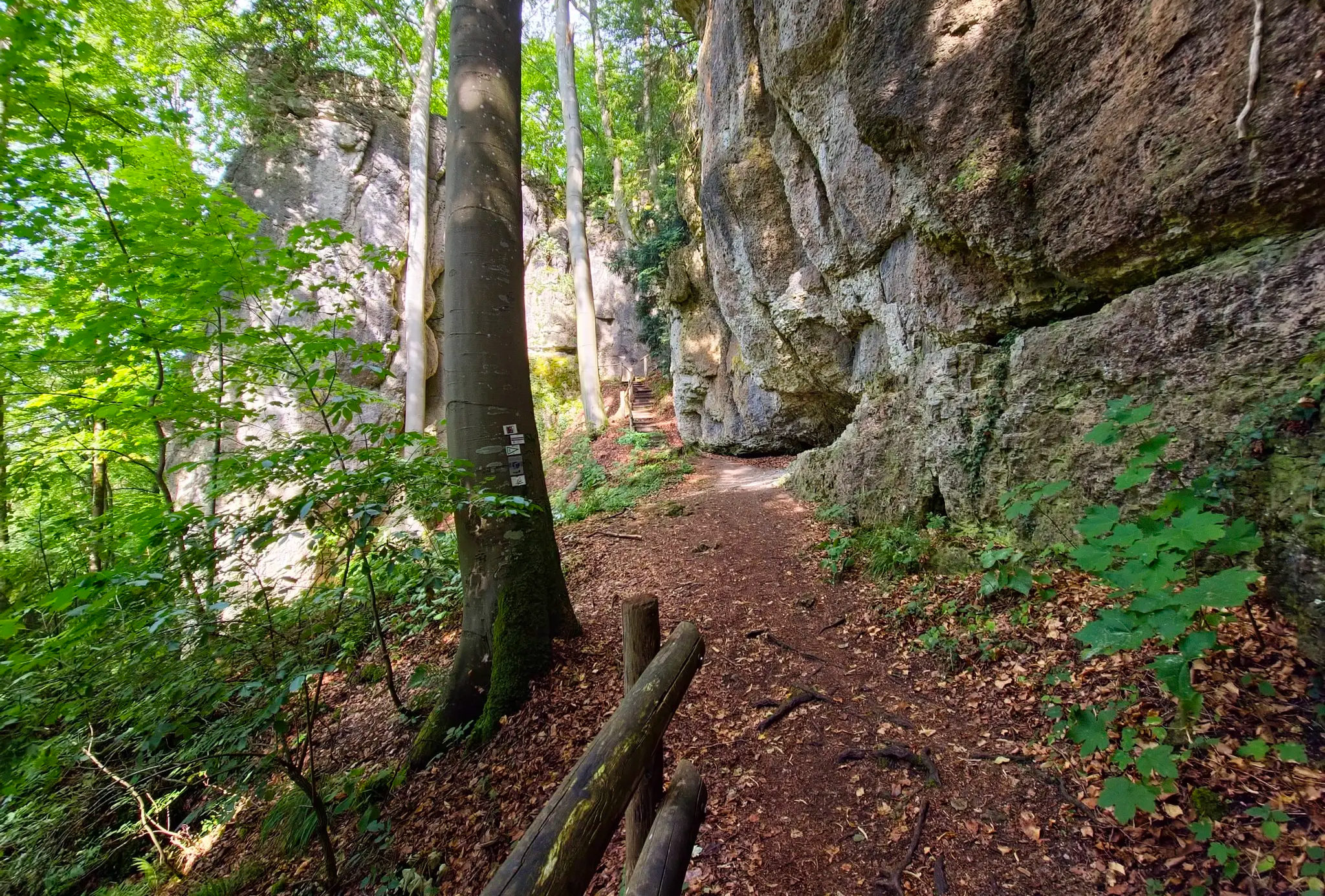
Ultratrail Fränkische Schweiz – 2 Days Burgen, Wälder, Trails
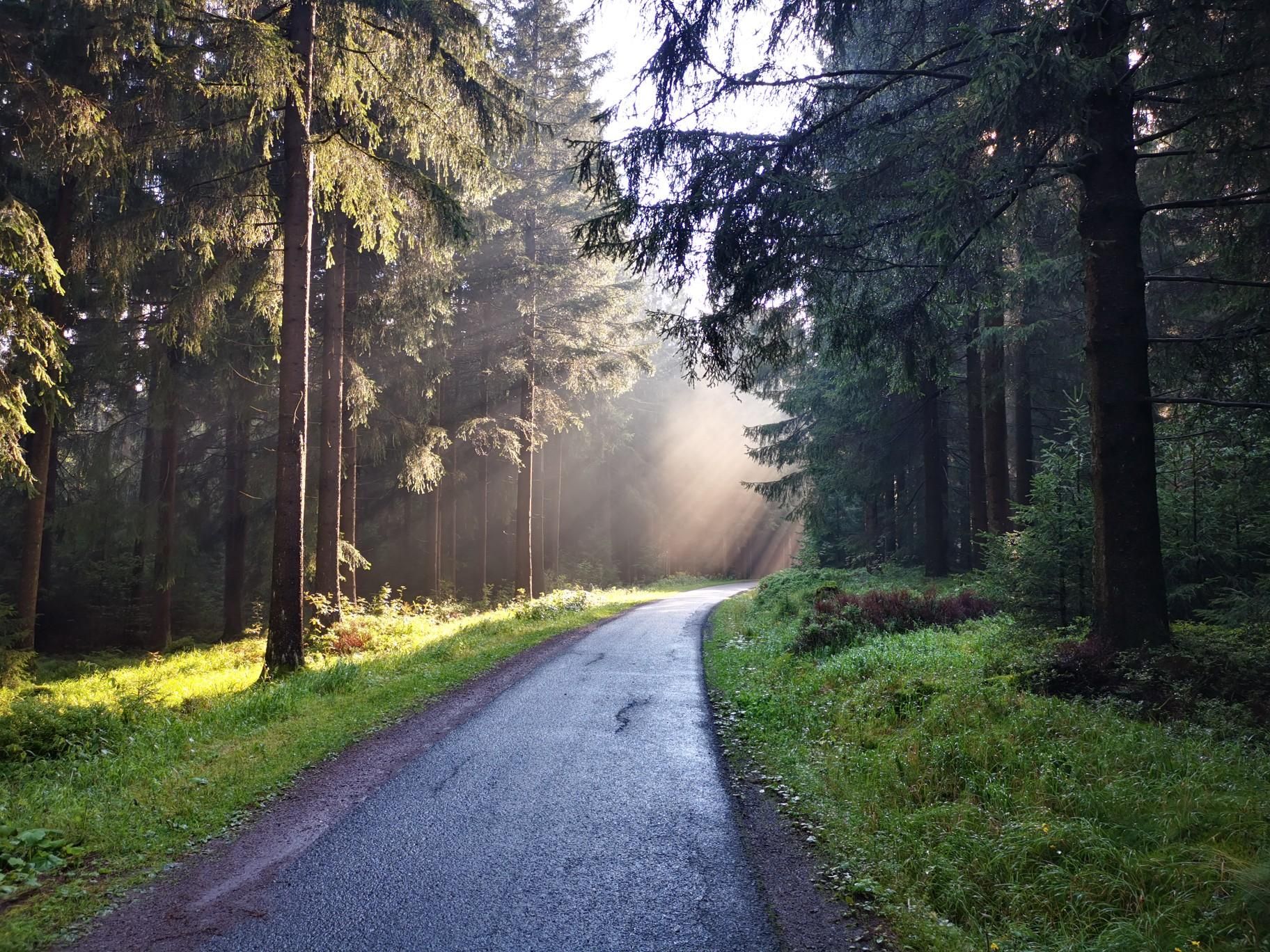
Nuremberg to Erfurt – Discover the German countryside by bike
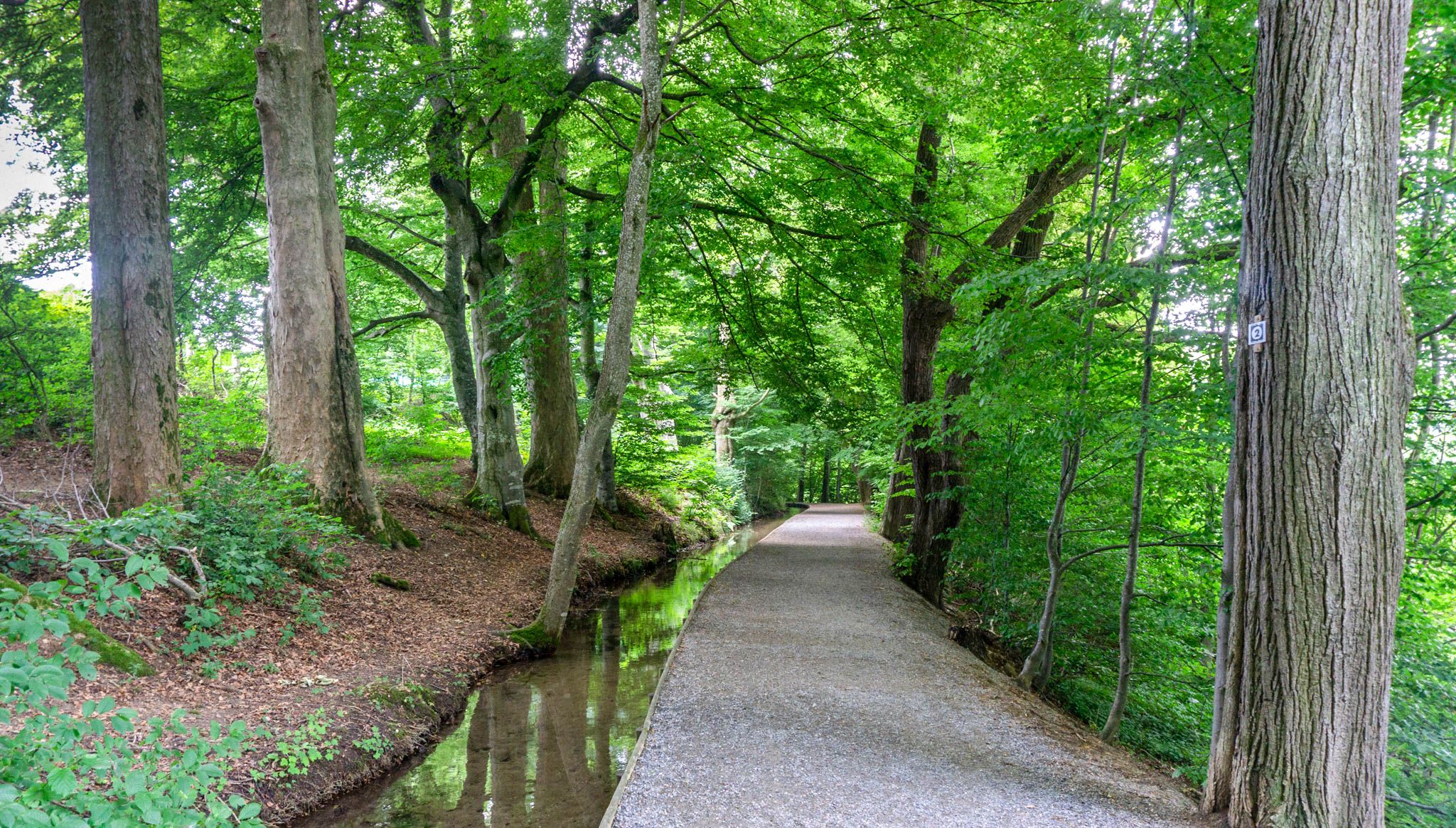
Main-Danube-Lake Constance Trail – Along iconic waters
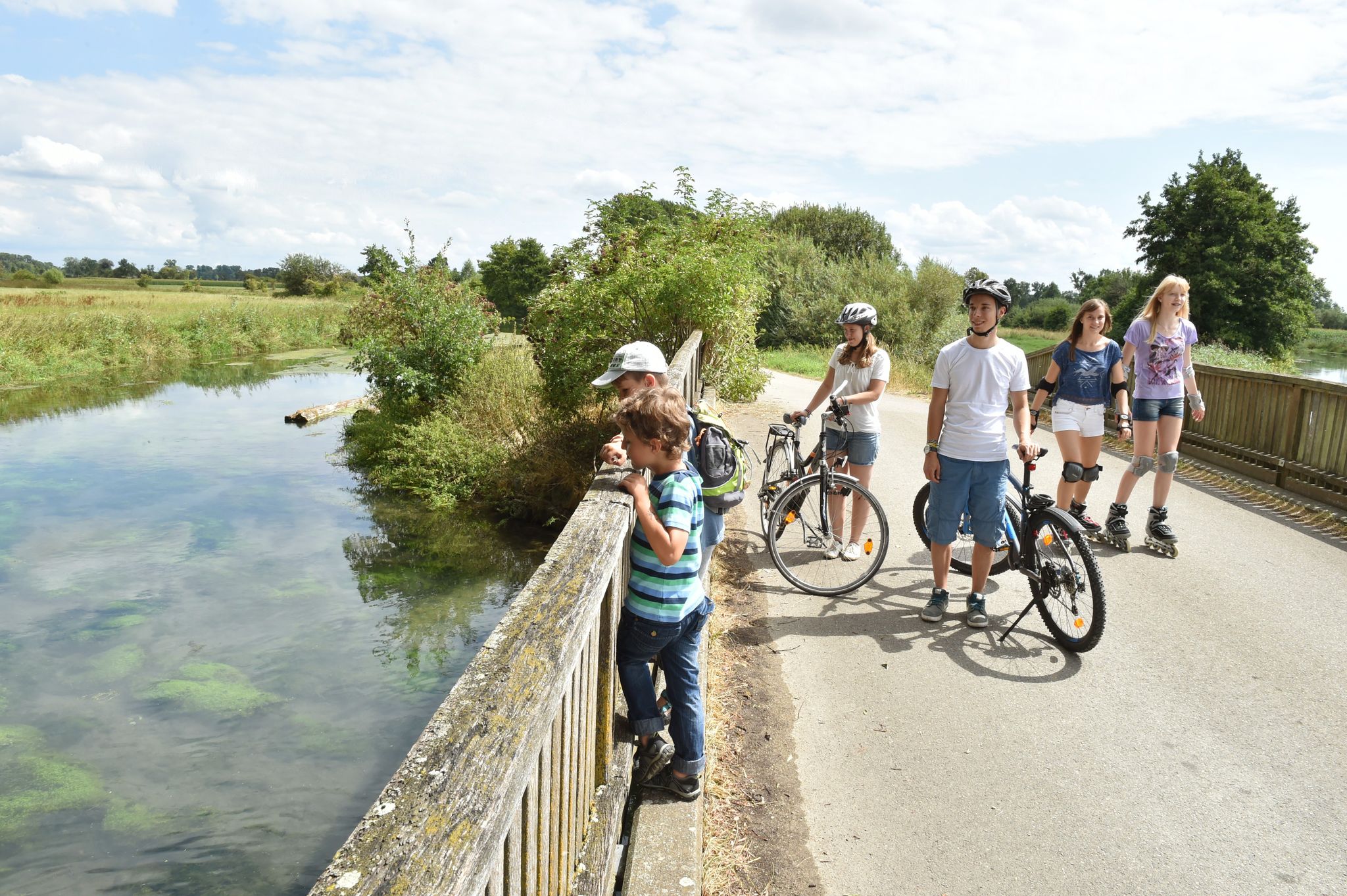
Germany's Hohenlohe-Ostalb Cycle Route – From idyllic valleys to the Swabian Alb
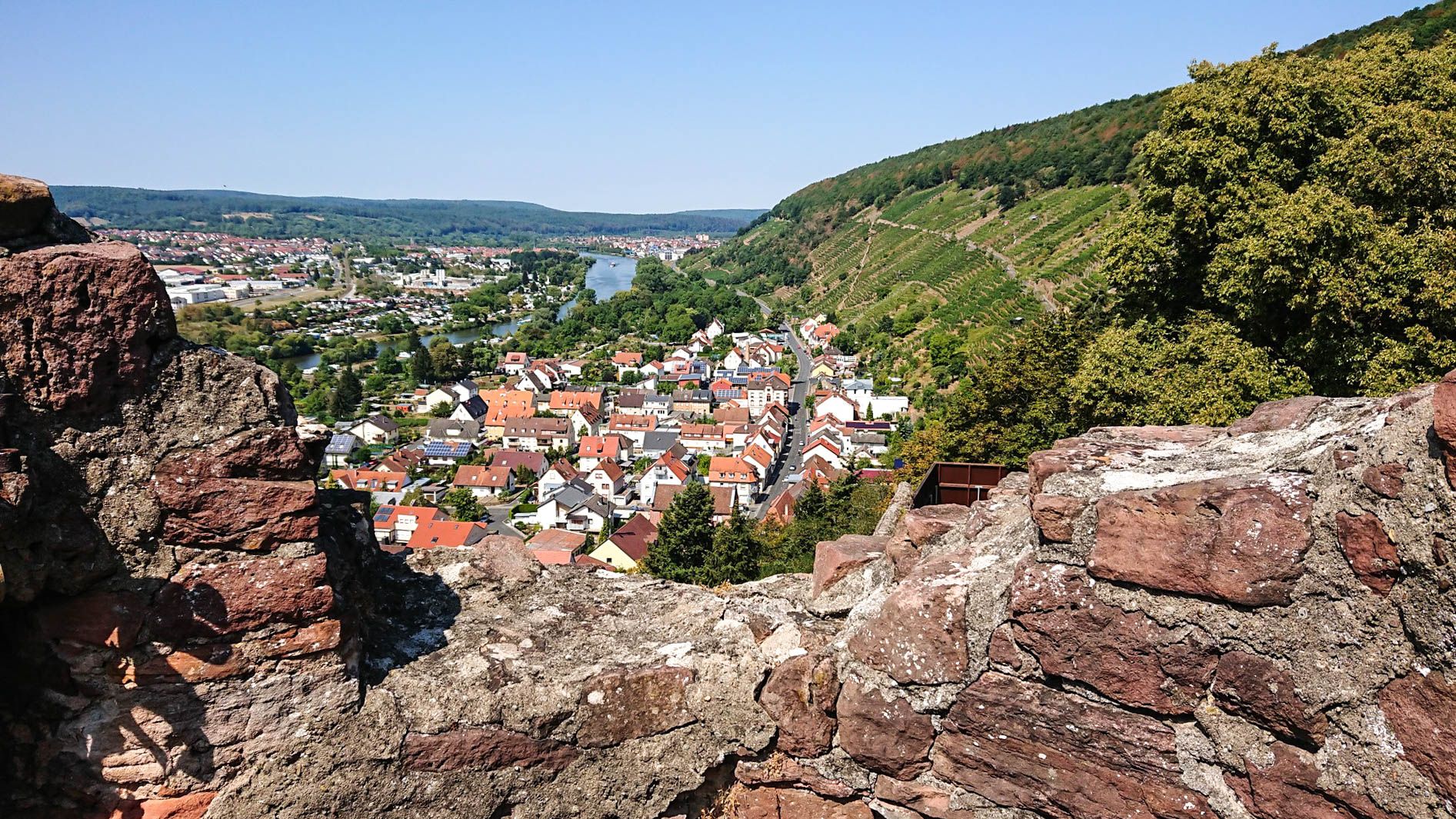
Franconian Red Wine Trail — From vineyards to the Main River
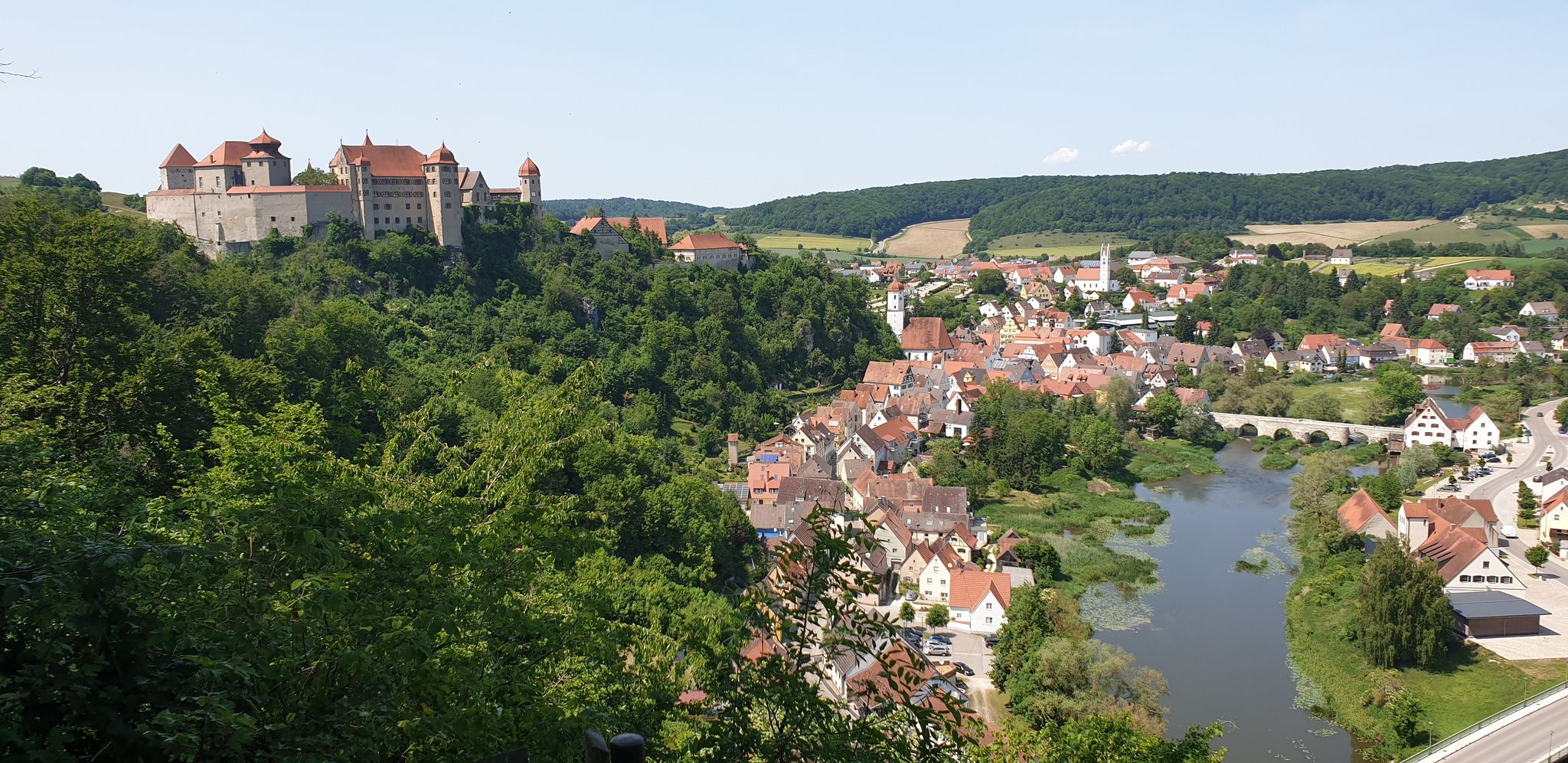
The Romantic Road – To the Pearls of Southern Germany
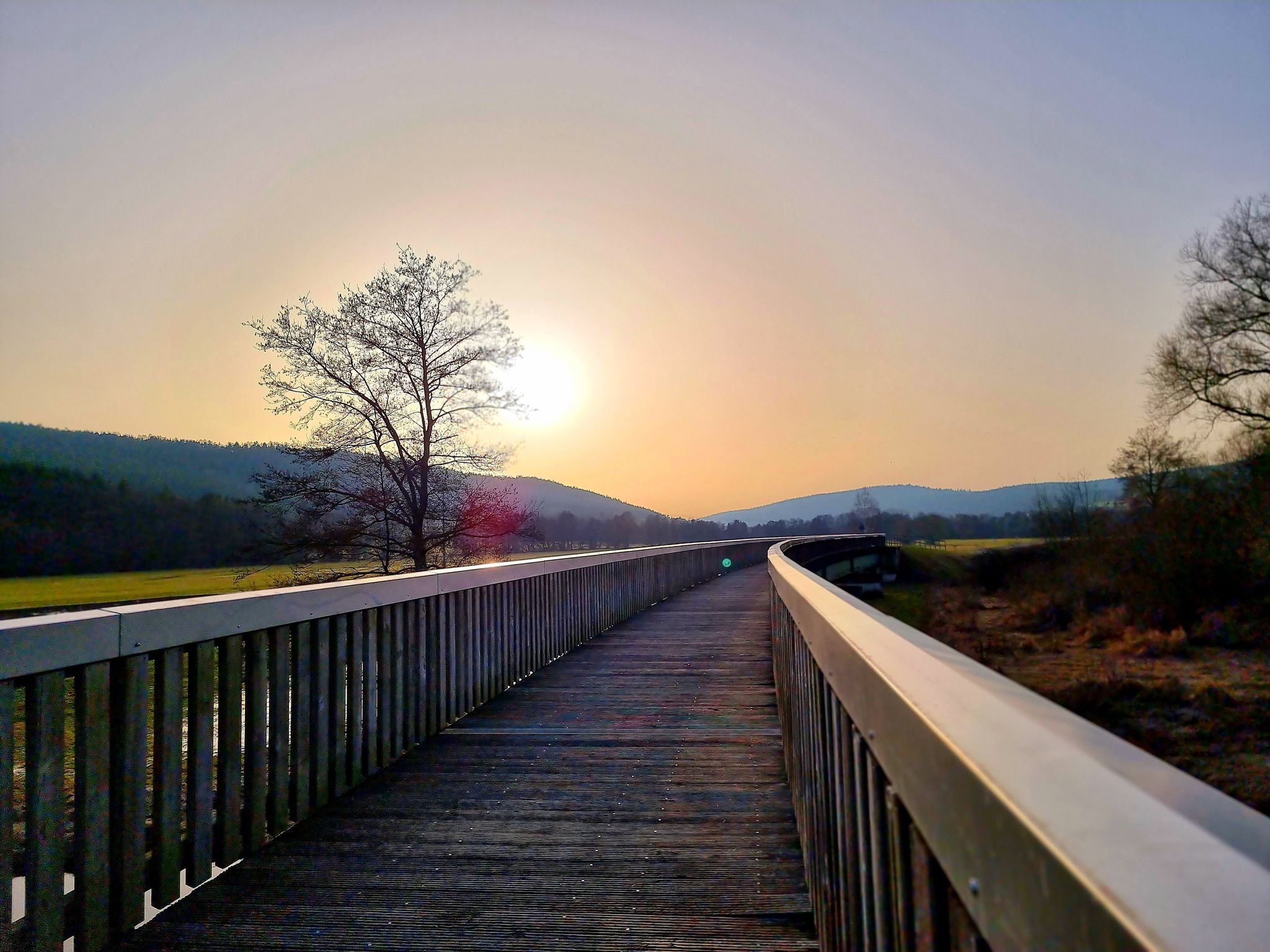
Bavaria-Bohemia long-distance cycling trail – Crossing borders
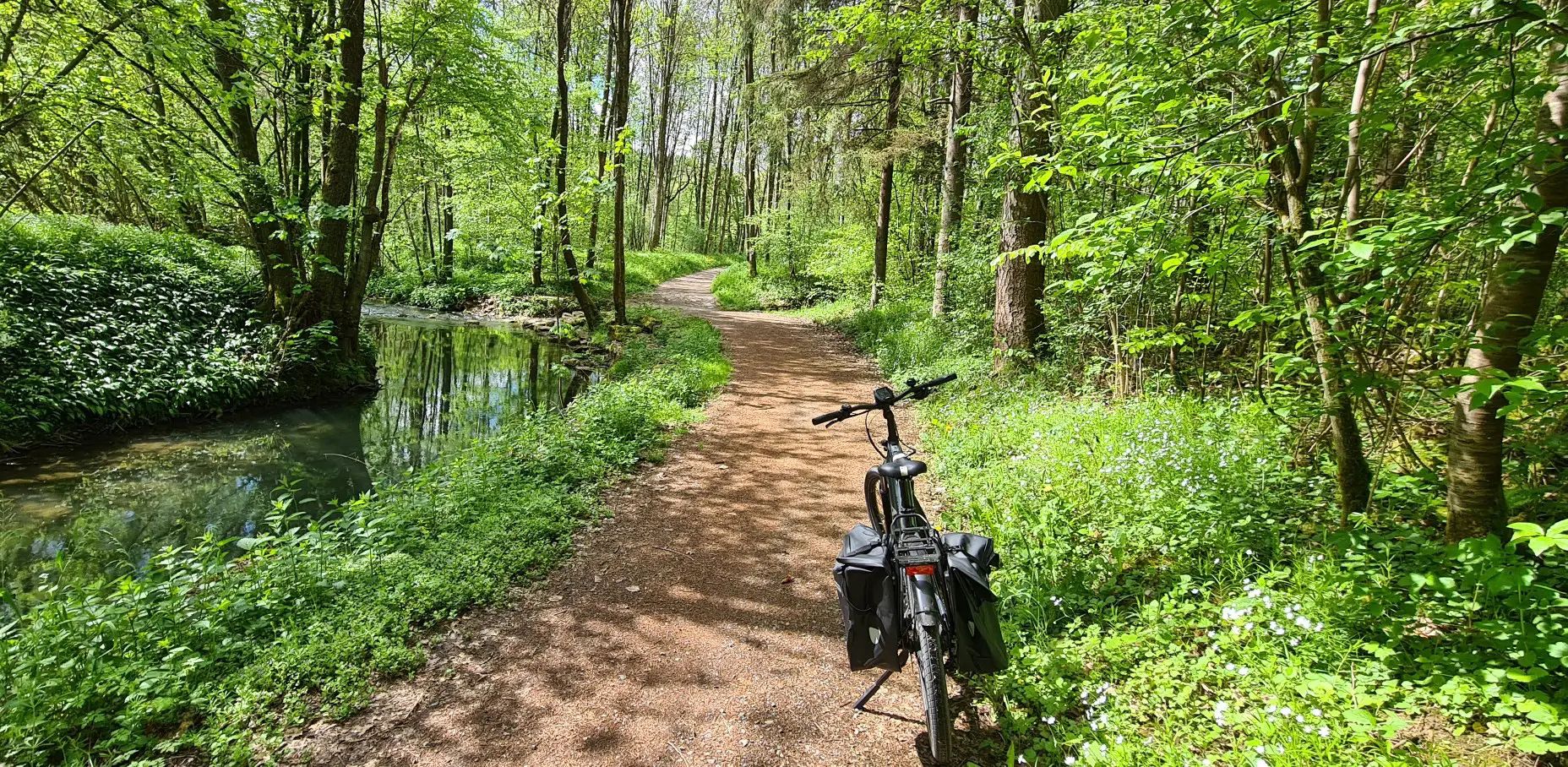
Germany's Main-Tauber-Franconian Radachter – two loops, one experience
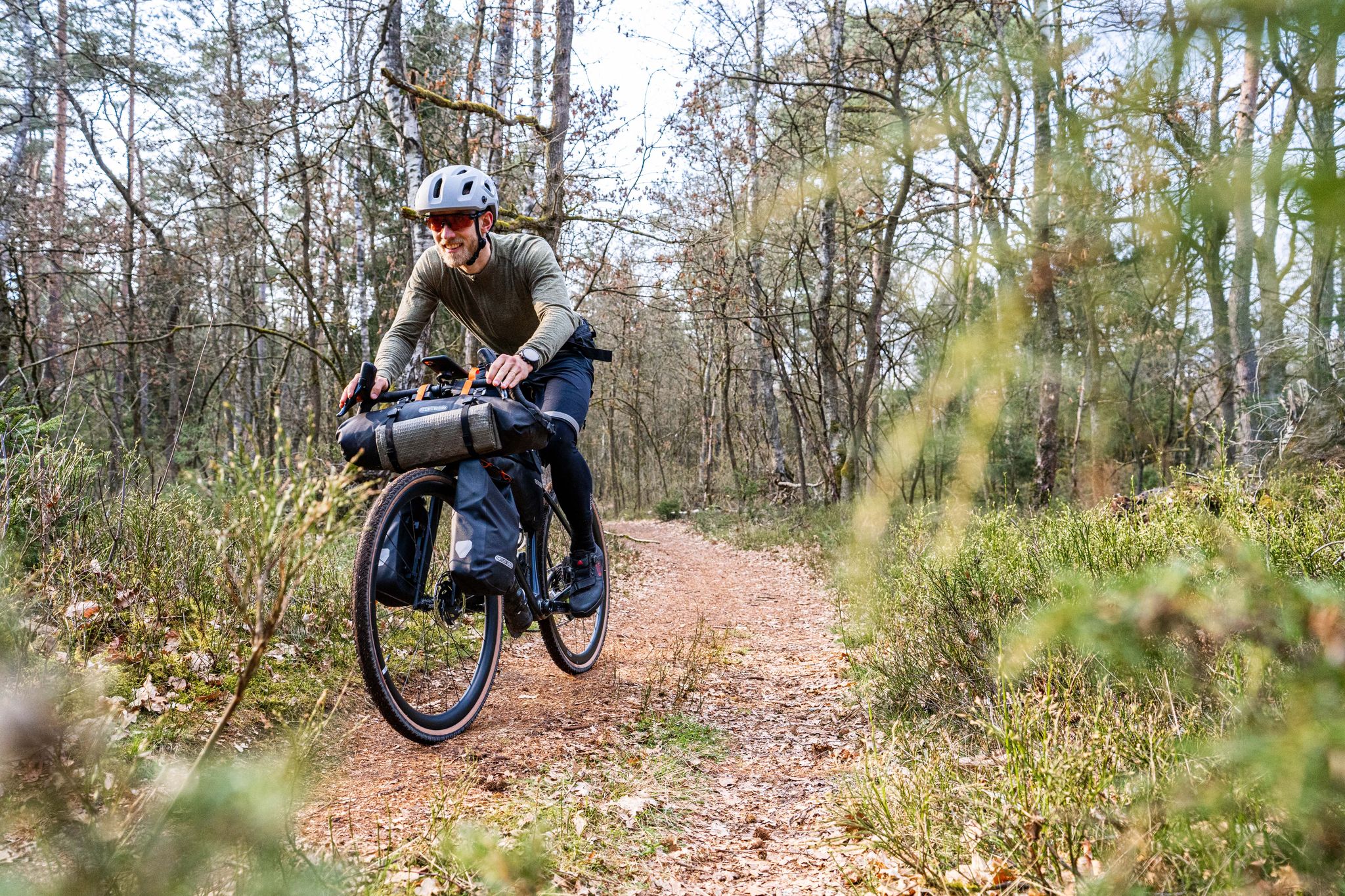
Gravel bikepacking from Hamburg to Munich
Other adventures in Franconia


Tips from the Community

It's beautiful how the clear water rushes over the mossy rocks. It's not one of the big waterfalls, but it's enchanting nonetheless.
16
4

Devil's Gorge currently closed until further notice due to wind damage
8
0

A wonderful place for great photos, to chill or to walk barefoot through the water.
4
1

Unfortunately it was dry when we visited, so it's best to visit after the snow has melted or there has been heavy rain.
5
4
Unfortunately, it only seems to have water after heavy rainfall, but you can still sense its true beauty
6
1
In its upper section, the Weißenbach has formed steps of calcareous tuff that are 5,000 to 10,000 years old. When the spring water, which is rich in lime and saturated with carbonic acid, escapes, the carbon dioxide escapes and fine limestone sinter is formed. They partially enclose mosses, leaves and small plants, so that over time small sinter basins and cushion-shaped beds develop. Very soft when wet, hardening when dry.
10
1
A beautiful, narrow path leads along the Weißenbach into the valley. The initially narrow stream widens and forms sinter terraces.
7
0

The waterfall now consists of a small trickle in summer, at most to wash your hands.
11
0
Frequently Asked Questions
What are the most unique natural features to see at Franconia's waterfalls?
Franconia's waterfalls are known for their diverse geological formations. You can explore the constantly growing calcareous sinter at the Lillach Tufa Terraces, where the Lillach stream forms impressive tufa terraces over moss-covered rocks. Another unique feature is the Teufelskirche (Devil’s Church) — Waterfall and Cave, a gorge carved through Rhät Sandstone, offering an adventurous path over wooden bridges and stone blocks.
Are there family-friendly waterfalls in Franconia?
Yes, several waterfalls in Franconia are suitable for families. The path along the Lillach Tufa Terraces is well-developed with rest areas, though it has some steps. The Eisgraben Waterfall and the Sinter terraces and waterfall on the Wasserwiesenbach are also considered family-friendly. The Pfersag Waterfall is another great option for families.
What is the best time to visit Franconia's waterfalls?
The best time to visit Franconia's waterfalls largely depends on the specific location and what you want to experience. For the Lillach Tufa Terraces, it's recommended to visit after rain or in spring when the water flow is abundant. The Eisgraben Waterfall is particularly impressive after snowmelt in spring. Some waterfalls, like the Klingender Waterfall and Müllersloch Gorge and Waterfall, are captivating in winter when the water freezes into icicles.
What kind of hiking trails can I find near Franconia's waterfalls?
Franconia offers numerous hiking opportunities near its waterfalls. You can find dedicated waterfall hikes, such as those listed in the Waterfall hikes in Franconia guide. For broader hiking experiences, explore the Hiking in Franconia guide, which includes routes like the 'Pfersag Waterfall – Rock cellars in the Ebnet Forest loop' or the 'Lillach Tufa Terraces – Lillach Valley Trail loop'.
Are there any waterfalls in Franconia that are particularly interesting in winter?
Yes, some of Franconia's waterfalls offer a unique spectacle in winter. The Klingender Waterfall is especially captivating when the water freezes into a curtain of icicles. Similarly, the Müllersloch Gorge and Waterfall is very worth seeing in winter, with great icicles to admire, though surefootedness is recommended.
What should I wear when hiking to waterfalls in Franconia?
Given the varied terrain, especially in gorges, waterproof footwear is highly advisable. For instance, the path through the Teufelskirche (Devil’s Church) — Waterfall and Cave can be muddy in places, requiring good sure-footedness. Layered clothing is also recommended to adapt to changing weather conditions, especially during spring or autumn visits.
What other outdoor activities can I do near Franconia's waterfalls?
Beyond hiking, Franconia offers various outdoor activities. You can explore mountain biking trails, with options available in the MTB Trails in Franconia guide. Many areas around the waterfalls are also excellent for nature observation and enjoying tranquil natural settings.
What makes the Klingender Waterfall special?
The Klingender Waterfall near Haimendorf is notable for its geological significance. The Hüttenbach stream has carved its way through layers of Rhätian-Lias sandstone, creating a 5-meter high waterfall that plunges over hard rock slabs. It is designated as a geotope by the Bavarian State Office for the Environment and is particularly striking in winter when ice formations resemble organ pipes.
Are there any waterfalls in Franconia with interesting local legends or history?
Yes, the Devil's Mill Waterfall has an interesting saga associated with it. A small detour to the bridge and information board reveals the story of a shrewd man who annoyed the devil. Additionally, the Teufelskirche (Devil’s Church) — Waterfall and Cave has tunnels up to 70 meters long, testifying to historical attempts to mine lignite and silver.
What do visitors enjoy most about Franconia's waterfalls?
Visitors frequently praise the unique natural beauty and the adventurous experiences offered by Franconia's waterfalls. Many appreciate the well-developed paths and rest areas, allowing them to enjoy the wonderful nature in peace. The geological formations, such as the tufa terraces and sandstone gorges, are often highlighted as truly special. The region's waterfalls are highly regarded by the komoot community, with over 2000 upvotes and more than 1500 photos shared.
How accessible are the paths to Franconia's waterfalls?
Accessibility varies by waterfall. The path along the Lillach Tufa Terraces is well-developed but has some steps, making it only partially suitable for prams. Gorges like the Teufelskirche (Devil’s Church) — Waterfall and Cave involve wooden bridges and stone blocks, requiring good sure-footedness and potentially waterproof footwear due to muddy sections.
Most popular routes in Franconia
Most popular attractions in Franconia

Get inspired with the komoot mobile app


Explore more
Happy to travel a little further afield? Then browse these guides for the best waterfalls in Franconia:
