The best road cycling routes around Lasek na Kole
4.5
(658)
19,194
riders
521
rides
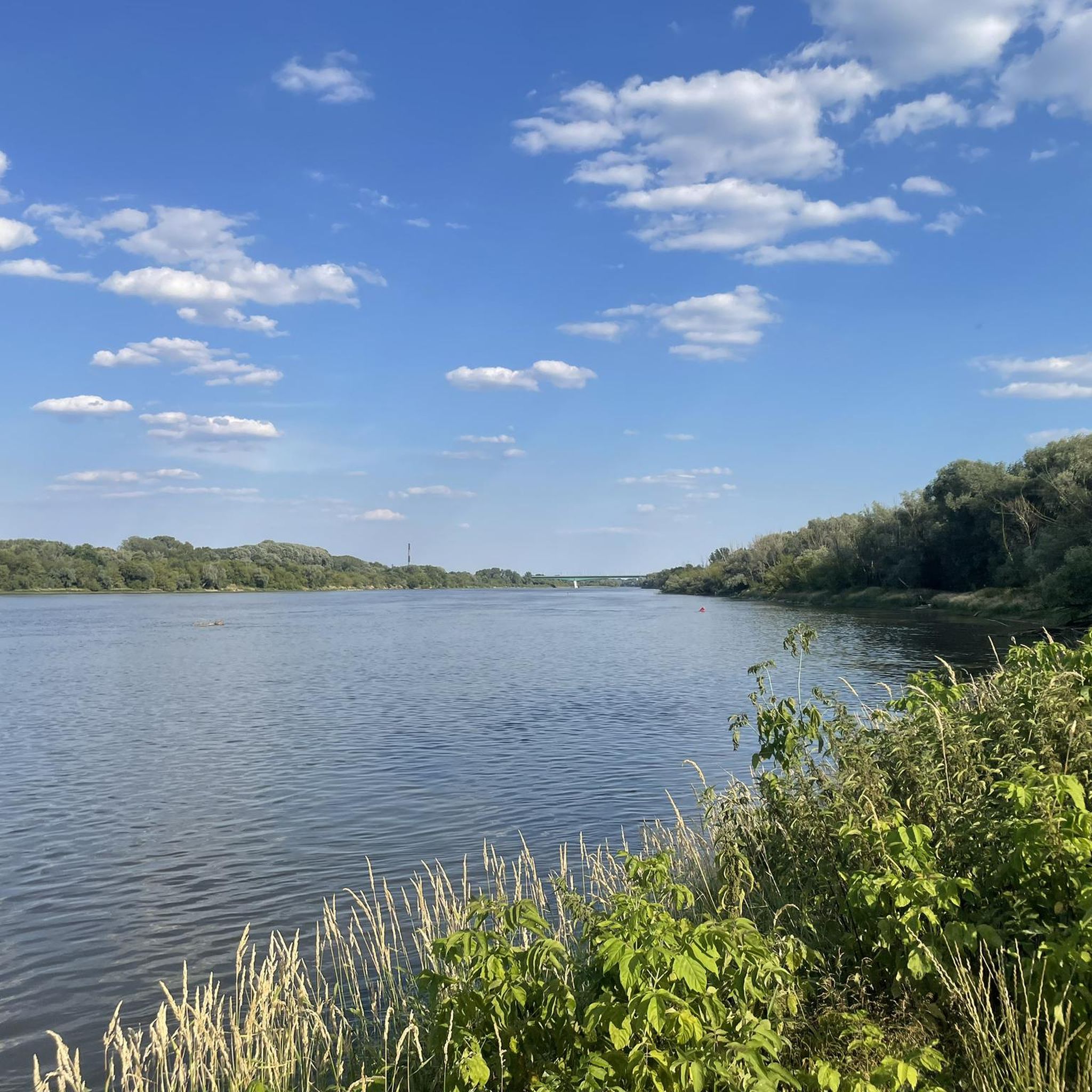
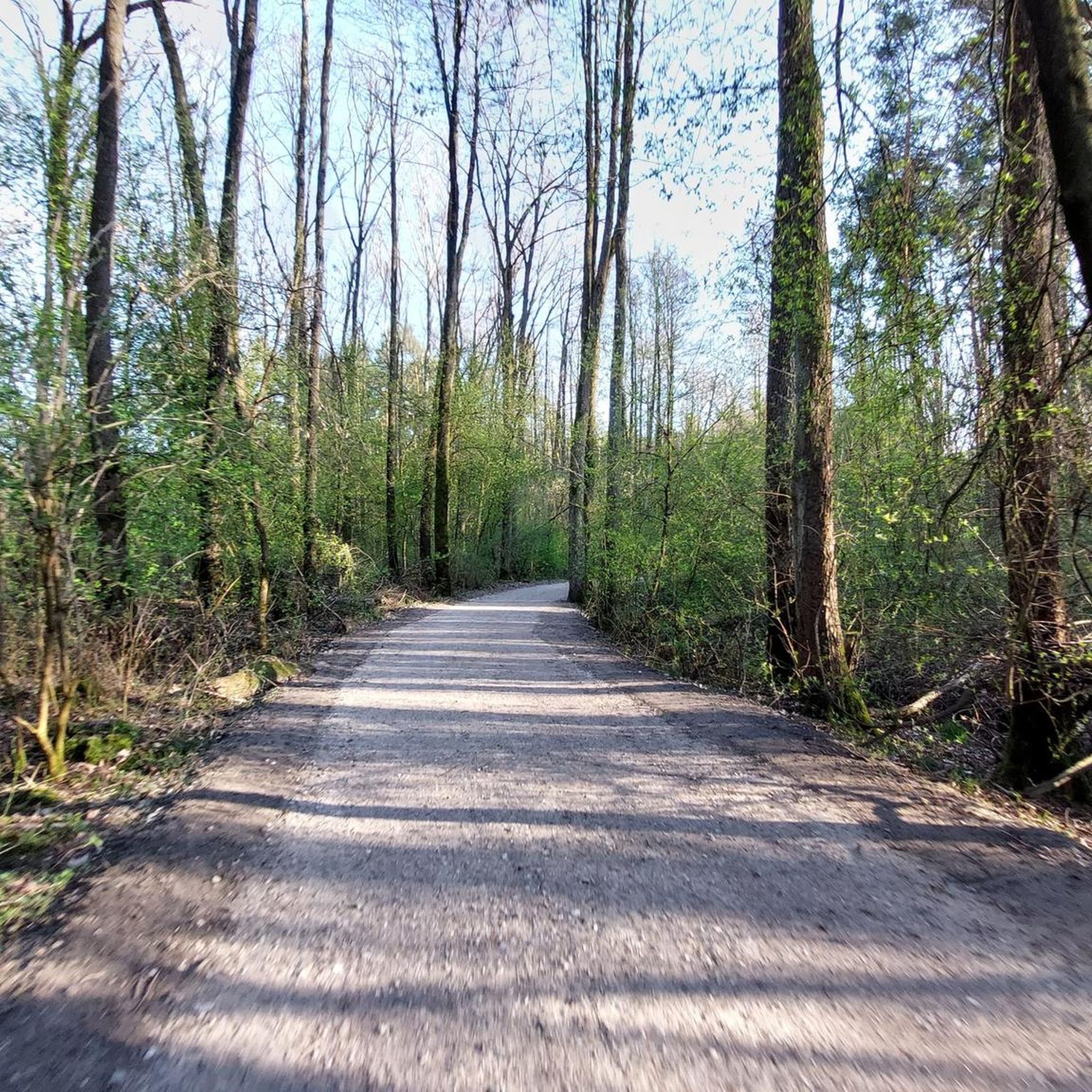
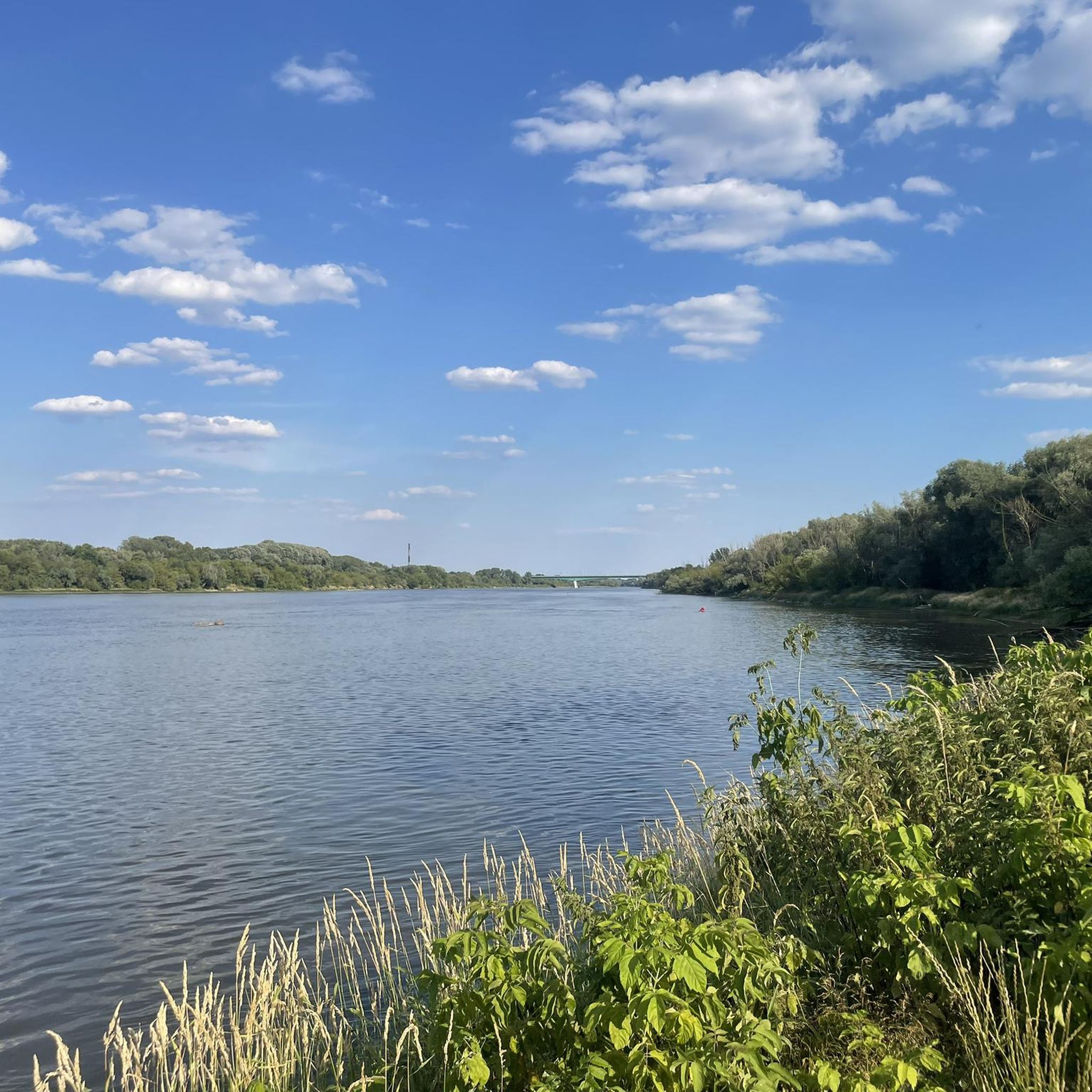
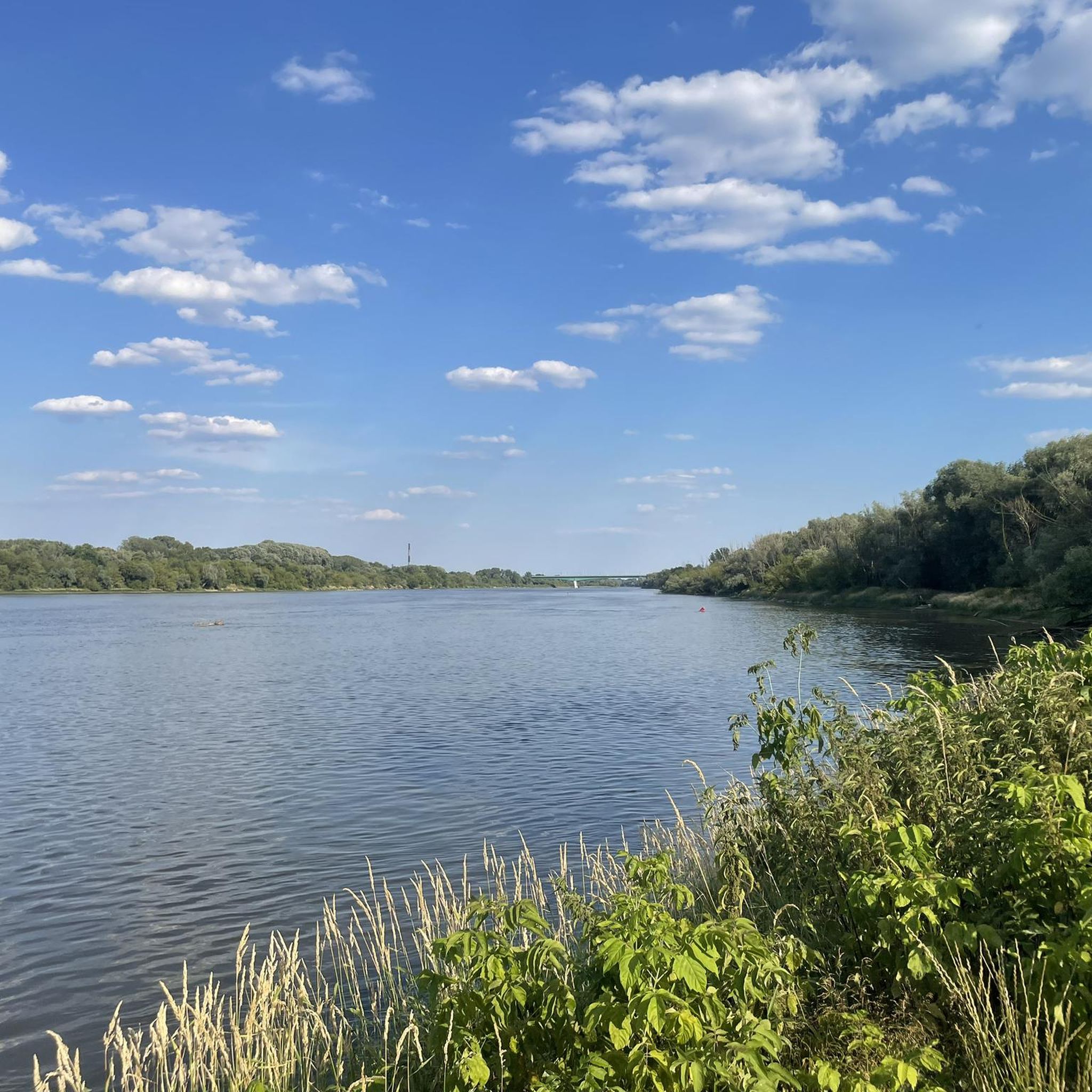
Road cycling routes around Lasek na Kole offer a network of well-paved surfaces and dedicated bicycle paths within a municipal forest environment in Warsaw. The area features typical forest habitats with pine and robinia trees, providing a green and tranquil setting for cyclists. These routes often connect to nearby green spaces like Edward Szymański Park and Moczydło Park, allowing for extended rides and varied scenery.
Best road cycling routes in Lasek na Kole
- The most popular road cycling route is…
Last updated: May 25, 2026
9
riders
Easy road ride. Great for any fitness level. Mostly well-paved surfaces and easy to ride.
6
riders
12.3km
00:31
40m
40m
Easy road ride. Great for any fitness level. Mostly well-paved surfaces and easy to ride.

Sign up for free
4
riders
12.8km
00:35
40m
40m
Easy road ride. Great for any fitness level. Mostly well-paved surfaces and easy to ride.
4.7
(6)
86
riders
33.2km
01:18
70m
70m
Easy road ride. Great for any fitness level. Mostly well-paved surfaces and easy to ride.
4.8
(4)
74
riders
Easy road ride. Great for any fitness level. Mostly well-paved surfaces and easy to ride.
Get access to more routes and recommendations from other explorers.
Sign up for free
Already have an account?
Our route recommendations are based on thousands of hikes, rides, and runs completed by other people on komoot.
Start today with a free account
Your next adventure awaits.
Login or Signup

Tips from the Community

Quick repair station
1
0
Graffiti under the bridge, an interesting variation
1
0

Żarańska Footbridge - an investment loved by pedestrians and cyclists :-)
1
0

The mural is located in the Ochota district, at 19 Bohaterów Września Avenue in Warsaw. It commemorates the defense of Redoubt No. 54 during the November Uprising in 1831, known from Adam Mickiewicz's poem "Reduta Ordona." It depicts 19th-century soldiers juxtaposed with contemporary ones, emphasizing the continuity of defensive traditions. It has a patriotic and educational character. The design was created by Rafał Roskowiński.
1
0

The Monument to the Fallen and Murdered in the East in Warsaw, designed by Maksymilian Biskupski, was unveiled in 1995. It is a symbolic deportation wagon filled with crosses, a matzevah, and a crescent moon – commemorating the victims of Soviet repression, including the Katyn massacre. Among the crosses are also carved the hands of victims, reaching heavenward in a gesture of a cry for help. The monument is located on Andersa Street and is the site of important patriotic ceremonies.
0
0
Wolski Cemetery – a Roman Catholic necropolis established in 1854 in Warsaw's Wola district at 180/182 Wolska Street. Initially, it served the parish of St. Stanislaus the Bishop and Martyr, and since 1991 it has been under the management of the Church again. Currently, its area is approx. 12 ha. During World War II, the defenders of Warsaw from 1939 and victims of the Wola massacre were buried here. The cemetery is home to the Church of St. Gregory the Great, built in 1962–1965. It borders the Warsaw Insurgents Cemetery. Many distinguished figures are buried here, including actors, scientists, soldiers of the Home Army and the Polish People's Army, and victims of German crimes.
2
0
The Parish of Our Lady of Perpetual Help in Warsaw belongs to the Warsaw-Płock diocese of the Old Catholic Mariavite Church. It has over 1,500 faithful and has a cemetery and a parish church. The history of the parish dates back to the early 20th century, when the people of Warsaw organized their own Mariavite parish. After the destruction of war, the church was rebuilt, and in 1997 a new temple was consecrated.
1
0
The Church of St. John Klimak in Warsaw is an Orthodox parish church located in Wola at 140 Wolska Street, on the grounds of an Orthodox cemetery. It was built in the years 1903–1905 on the initiative of Archbishop Hieronim as a cemetery church and family mausoleum. After the death of the founder and his son, both were buried in the lower part of the church. Since the interwar period, it has served as a parish church. The building was designed by Vladimir Pokrovsky in a style reminiscent of the 17th-century sacral architecture of the Rostov region. It has the form of a stone church with light brick, a single onion-shaped dome and extensive architectural decoration. It consists of two storeys with independent liturgical parts. The church was damaged during World War II and became the site of a massacre during the Wola massacre in 1944. It was renovated after the war. The interior is decorated with frescoes by, among others, Adam Stalony-Dobrzański and Jerzy Nowosielski, and an iconostasis by Oleksandr Muraszka. In 2018–2022, a general renovation was carried out. In 2021, the church received the certificate "Valuable monument of Mazovia".
2
0
Frequently Asked Questions
How many road cycling routes are available in and around Lasek na Kole?
There are nearly 500 road cycling routes in the Lasek na Kole area, offering a wide variety of options for cyclists. The komoot community has explored over 495 routes, with many featuring well-paved surfaces and dedicated paths.
What is the typical difficulty level of road cycling routes in Lasek na Kole?
The routes around Lasek na Kole cater to various skill levels. You'll find a significant number of easy routes, with 298 classified as easy and 188 as moderate. There are also a few more challenging options, with 9 routes rated as difficult, ensuring there's something for everyone.
What natural features and landmarks can I expect to see while cycling in Lasek na Kole?
Lasek na Kole is a beautiful municipal forest characterized by typical forest habitats, including common pine and robinia trees. Keep an eye out for the distinctive Banksian pine and strictly protected common ivy. In late May and early June, the blossoming robinia trees offer a pleasant scent and vibrant white blooms. Additionally, you can find a memorial site commemorating an extermination camp and the historic Fort Bema, though trails on the fort's ramparts are primarily gravel.
Are there any family-friendly road cycling routes in Lasek na Kole?
Yes, Lasek na Kole offers many routes suitable for families, particularly due to its well-paved surfaces and dedicated bicycle paths that separate cyclists from other traffic. The prevalence of easy routes (298 out of 495) means there are plenty of options for leisurely rides with children.
What do other road cyclists enjoy the most about cycling in Lasek na Kole?
The area is highly rated by the komoot community, with an average score of 4.5 stars from over 700 reviews. Cyclists often praise the tranquil forest environment, the network of well-paved surfaces, and the ability to connect to other green spaces like Edward Szymański Park and Moczydło Park for longer rides.
Are there any circular road cycling routes in the Lasek na Kole area?
Yes, many of the road cycling routes in Lasek na Kole are designed as loops, allowing you to start and end at the same point. An example of a popular loop is the Costa Coffee – Kram Café loop from Księcia Janusza, an easy 33.2 km ride through urban green areas.
Can I access Lasek na Kole's road cycling routes using public transport?
Lasek na Kole is well-integrated within Warsaw, making it accessible by public transport. Many routes start from areas like Ulrychów or Księcia Janusza, which are typically well-served by city buses or trams, allowing you to reach the starting points easily.
Is there parking available for cyclists near Lasek na Kole?
As a municipal forest within Warsaw, Lasek na Kole and its surrounding areas generally offer various parking options. You can often find street parking or designated parking areas near the entrances to the forest or adjacent parks, making it convenient for cyclists arriving by car.
What is the best season for road cycling in Lasek na Kole?
Lasek na Kole is enjoyable for road cycling throughout the warmer months. Late May and early June are particularly scenic when the robinia trees are in full bloom, filling the forest with a pleasant scent. The well-paved paths make it suitable for cycling from spring through autumn, weather permitting.
Are there any cafes or places to stop for refreshments along the road cycling routes?
Yes, many routes in and around Lasek na Kole pass by or connect to areas with amenities. For instance, the Costa Coffee – Kram Café loop from Księcia Janusza specifically highlights cafes, indicating that refreshment stops are available along various routes, especially those extending into urban green areas.
Are there longer road cycling routes available that extend beyond Lasek na Kole?
Absolutely. Many routes from Lasek na Kole connect to nearby green spaces like Edward Szymański Park and Moczydło Park, allowing for extended rides. For example, the Field towards Nadarzyn – Pond in Michałowice loop from Ulrychów is a moderate 67 km trail that explores the wider surroundings of the forest, perfect for longer excursions.
Most popular routes around Lasek na Kole

Get inspired with the komoot mobile app


Explore more
Browse the best Road cycling routes in other regions.
