The best road cycling routes around Rutsker Plantage
4.6
(18)
887
riders
64
rides
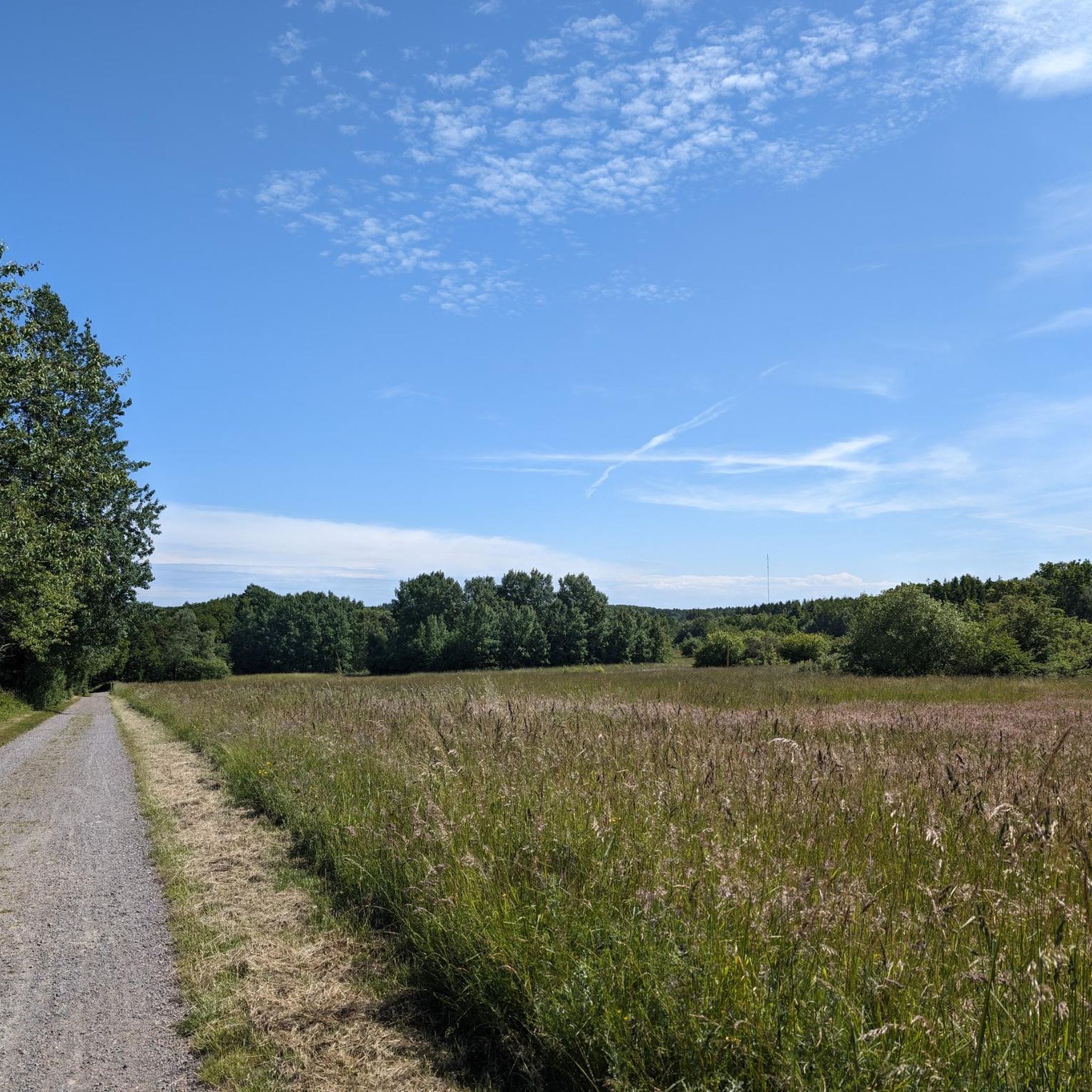
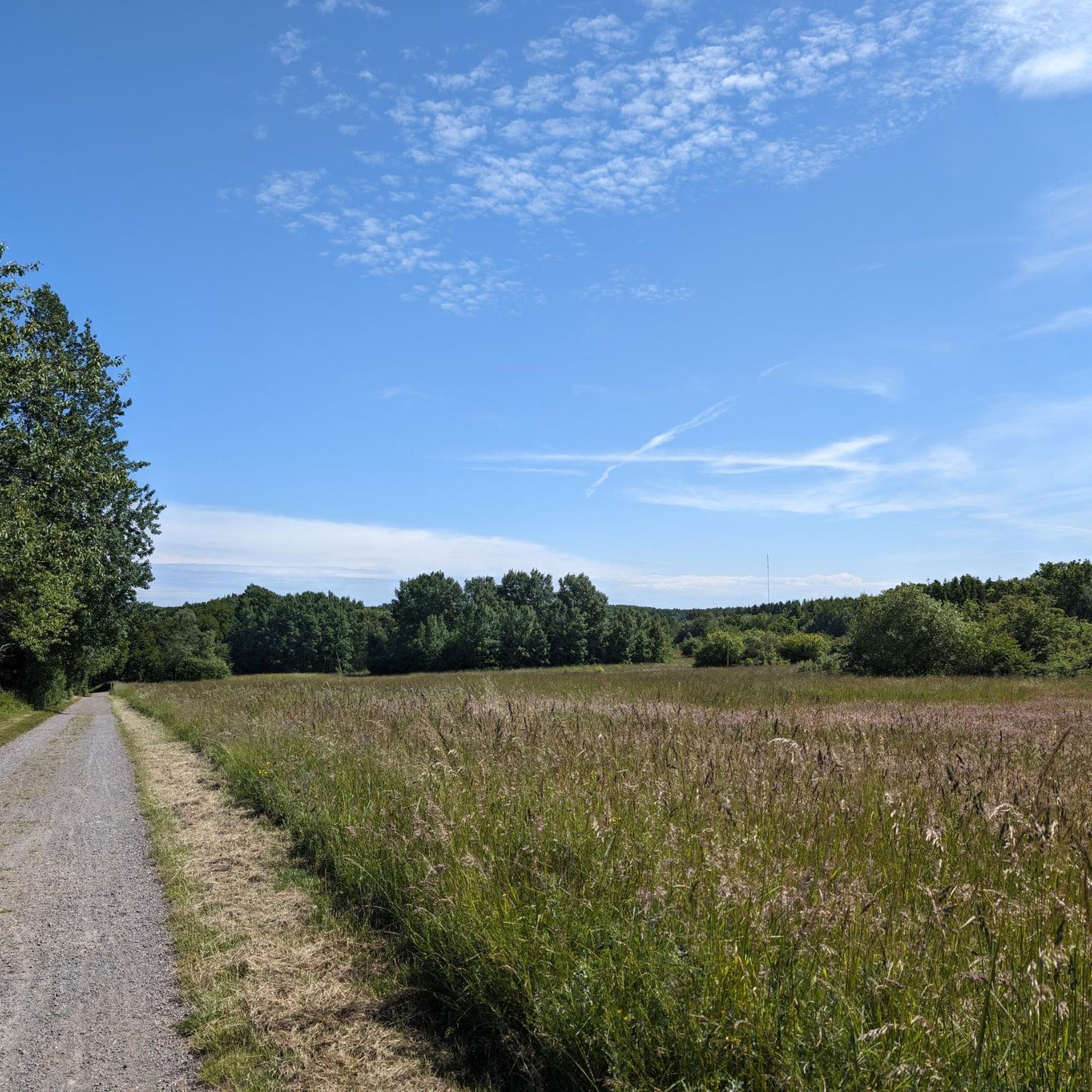
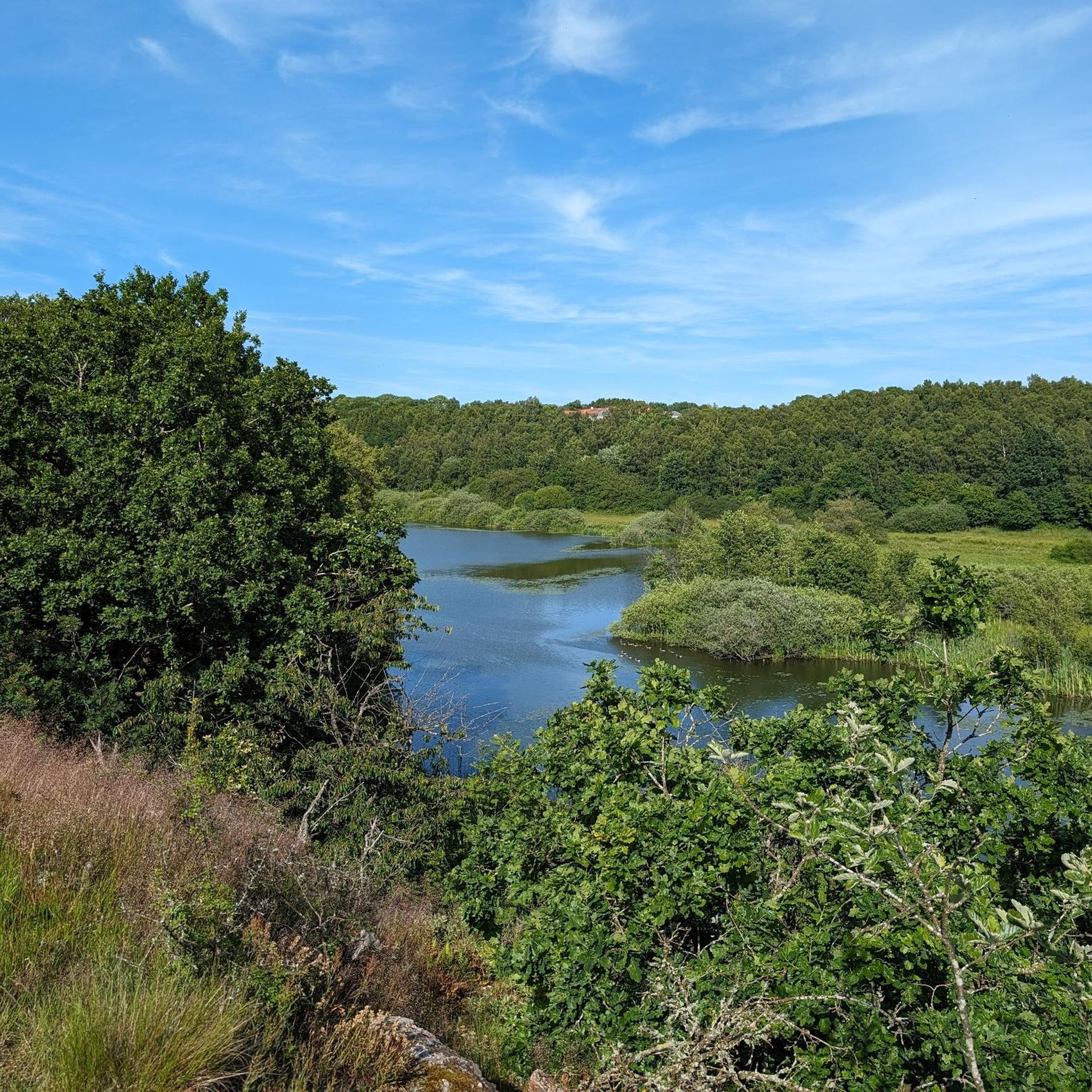
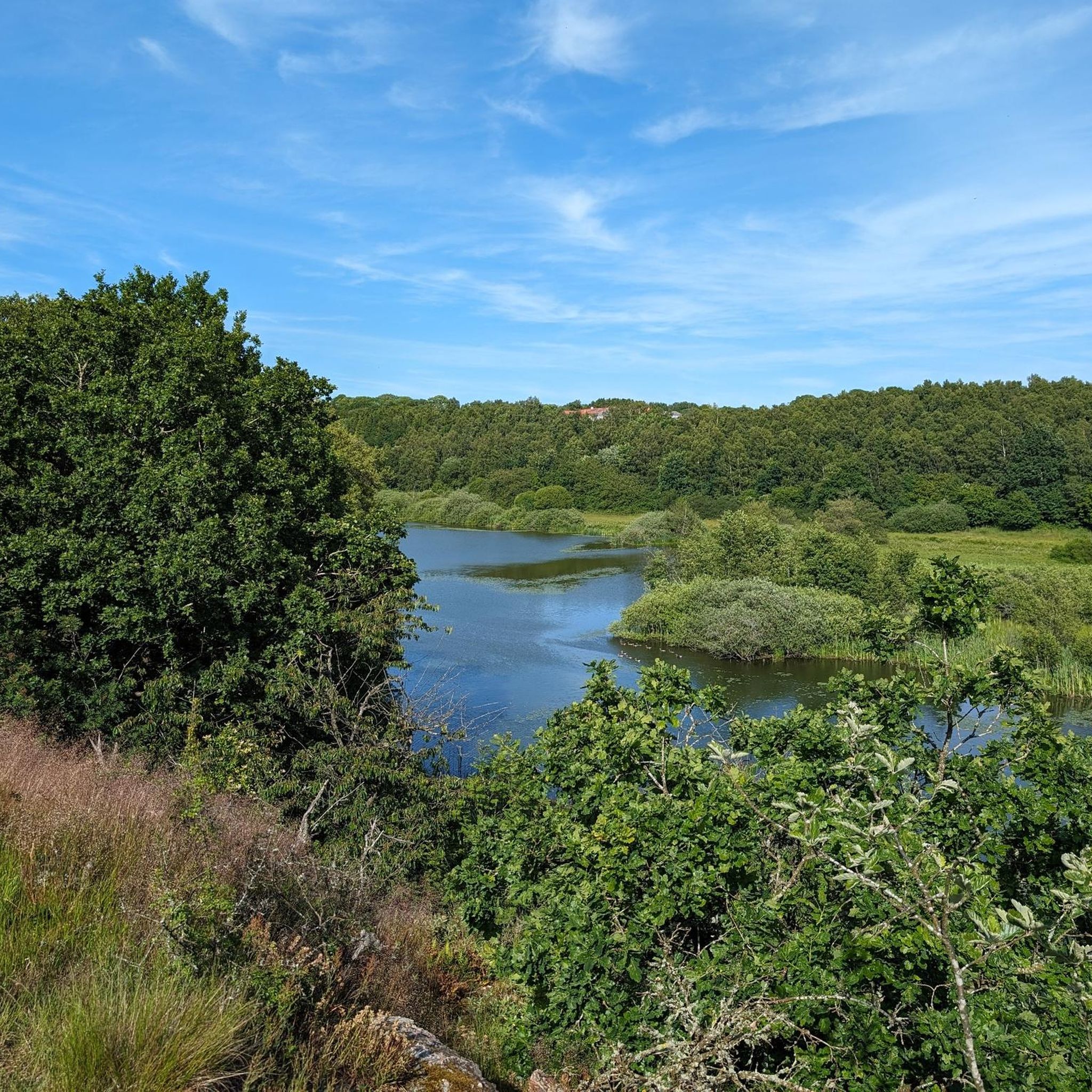
Road cycling around Rutsker Plantage, located on the Danish island of Bornholm, features a diverse landscape of heathland, juniper bushes, birch, and conifers. The region is known for its open heathland, which provides wide-ranging views, and includes Bornholm's largest collection of large erratic boulders. The area is well-integrated into Bornholm's cycling infrastructure, offering both long, straight stretches and manageable ascents amidst rock formations. This variety caters to road cyclists seeking different riding experiences.
Best road cycling routes around Rutsker Plantage
…Last updated: May 11, 2026
8
riders
26.4km
01:10
200m
200m
Easy road ride. Great for any fitness level. Mostly well-paved surfaces and easy to ride.
5.0
(1)
19
riders
56.7km
02:34
530m
530m
Moderate road ride. Good fitness required. Mostly well-paved surfaces and easy to ride.

Sign up for free
5.0
(1)
54
riders
48.5km
02:18
540m
530m
Moderate road ride. Good fitness required. Some segments of this route may be unpaved and difficult to ride.
31
riders
68.8km
03:27
580m
580m
Moderate road ride. Good fitness required. Some segments of this route may be unpaved and difficult to ride.
2
riders
45.0km
02:00
320m
330m
Moderate road ride. Good fitness required. Some segments of this route may be unpaved and difficult to ride.
Get access to more routes and recommendations from other explorers.
Sign up for free
Already have an account?
Our route recommendations are based on thousands of hikes, rides, and runs completed by other people on komoot.
Start today with a free account
Your next adventure awaits.
Login or Signup
Tips from the Community

Walking around Ekkodalen, you pass the remains of the 12th-century castle ruins. By building it, the Danish king wanted to assert his own claim to Bornholm against Hammershus Castle, from which the powerful Archbishop Eskil of Lund ruled most of the island. Although Lilleborg was considerably smaller, it was more defensible than Gamleborg. Possible builders include Sven III Grathe, Knut V Magnusson, or Valdemar I the Great, who reigned from 1157 to 1182. Coins from the latter two have been found. The power struggle between church and king also led to the destruction of the castle: in 1259, Prince Jaromar II of Rügen came to the aid of Archbishop Jakob Erlandsen, who had been imprisoned by King Christopher I, and burned Lilleborg down. However, coins dating from this period have been found, suggesting that the castle was inhabited even after its destruction. (Wikipedia)
0
0

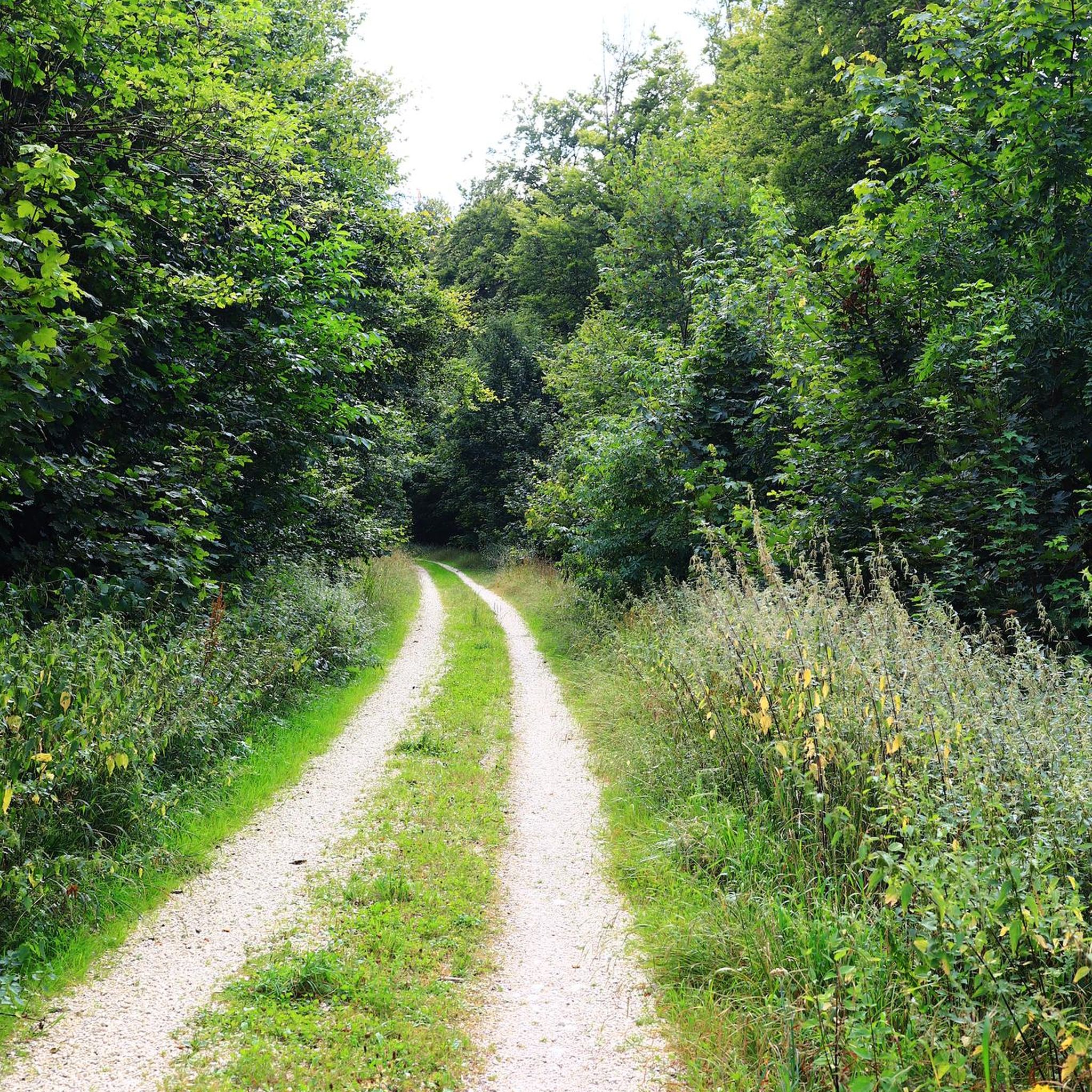
A beautiful bike path through the forest, paved but littered with leaves. However, it's easily doable on a road bike.
0
0

One of the four round churches on the island. It is estimated to have been built around the year 1200.
0
0

Hammerfyr is the oldest lighthouse on Bornholm. This imposing structure stands on the Hammer granite massif at the northern tip of the island. The lighthouse was built from the same granite rock from the vast Hammeren plateau on which it stands, offering visitors an impressive sight. Because of its massive construction, it is also called Store Fyr, or Big Lighthouse. The round lighthouse was put into operation in 1871. Shortly after its construction, it became clear that the lighthouse's location was not optimal. Low-hanging clouds and fog made it temporarily unusable for shipping. So, in 1895, it was decided to build the smaller Hammerodde Fyr lighthouse directly at the tip of Hammer. Even today, it is clearly visible where the workers excavated the granite blocks to build Hammerfyr near the lighthouse. The Kristalsøen rainwater lake has since formed there. The Hammerfyr measures an impressive 21 meters high. Standing on the lighthouse's observation deck, visitors are 91 meters above sea level, as the Hammerknuden plateau rises a proud 70 meters from the Baltic Sea. When visibility is good, visitors are treated to a unique view extending all the way to the southern coast of Sweden. But it's not just the view out over the Baltic Sea that's worth seeing. The island of Bornholm is also a wonderful sight from the Hammerfyr observation deck. To the south, there's a fantastic view of northern Bornholm beyond the Hammershus castle ruins. The Hammerfyr's Fresnal lens is hand-ground and was once imported from France. Today, the Hammerfyr is no longer in active service. The lighthouse was decommissioned in 1990 due to its poor location. Shortly thereafter, it was handed over to the Nature Conservation Agency. The tower is now operated by the owners at their own expense. However, it is no longer relevant for boat trips around the Baltic Sea island. Visiting the observation deck is free. At the northern tip of the Danish island of Ærø, there is a lighthouse of the same design: Skjoldnæs Lighthouse. It was also built from Bornholm granite. https://www.bornholm-ferien.de/leuchttuerme-bornholm.php
3
0

Northern Europe's largest castle ruin towers on a steep rock at the northern tip of Bornholm.
1
0

Along the coast between Gudhjem and Svaneke you get a spectacular view while cycling. In the best days, you can even see the islands of Ertholmene, Christiansø and Frederiksø.
0
0

What an "up and down", brilliant ramps with little traffic. :-)
0
0

One of four round churches on the island.
0
0
Frequently Asked Questions
What kind of terrain can I expect when road cycling around Rutsker Plantage?
Road cycling around Rutsker Plantage offers a diverse landscape. You'll find long, straight stretches, especially in the southeast, and manageable ascents amidst beautiful rock formations in the northern parts, closer to the coast. The area is characterized by open heathland, juniper bushes, birch, and conifers, providing varied scenery.
Are there routes suitable for beginners or those looking for an easy ride?
Yes, Rutsker Plantage has routes suitable for all skill levels. For an easier ride, consider the Sankt Ols Church loop from Rø, which is 16.2 miles (26.2 km) long and typically takes just over an hour to complete. Another easy option is the Nyker Round Church loop from Rø, covering 43.3 km with moderate elevation.
What are some more challenging road cycling routes in the area?
For a more challenging experience, the Around Gudhjem route is a popular choice. It's a moderate 35.2 miles (56.7 km) path with an elevation gain of over 1,700 feet (533 meters). Another option is the Dondalen Serpentine Path – Coastal Road on Bornholm loop from Døndalen, which is 30.0 miles (48.4 km) and features varied coastal and forested sections.
What natural features or landmarks can I see along the road cycling routes?
The region is known for its unique natural beauty. You can expect to see expansive open heathland, especially in Rutsker Højlyng, which is impressive with its purple colors when the heather blooms in late summer. The area also boasts Bornholm's largest collection of large erratic boulders and one of the island's three rocking stones. For more details on the natural landscape, you can visit VisitDenmark's page on Rutsker Højlyng.
What do other road cyclists say about the routes around Rutsker Plantage?
The road cycling routes in Rutsker Plantage are highly rated by the komoot community, with an average score of 4.6 stars from more than 10 reviews. Cyclists often praise the varied terrain, the beautiful wide-ranging views across the heathland, and the well-integrated cycling infrastructure that makes exploring the region enjoyable.
Is Rutsker Plantage suitable for family road cycling trips?
Yes, the diverse network of routes includes options suitable for families. While some routes feature significant elevation changes, there are also easier loops with less demanding terrain, making it possible for families to enjoy road cycling together. Always check the route details for distance and elevation to choose the best fit for your family's abilities.
Where can I find parking for road cycling routes near Rutsker Plantage?
While specific parking areas for each route are not detailed, Bornholm is generally well-equipped for cyclists. Look for designated parking areas near popular starting points or towns like Rø and Klemensker, which serve as common access points for routes in and around Rutsker Plantage.
Are there cafes or accommodation options near the road cycling routes?
Yes, the island of Bornholm is very cyclist-friendly. Towns like Rø and Klemensker, which are close to Rutsker Plantage, offer various amenities including cafes, restaurants, and accommodation. Bornholm also features 'Bed+Bike' accommodations, providing specific services for cyclists such as locked sheds and repair tools.
Can I reach Rutsker Plantage and its cycling routes using public transport with my bike?
Bornholm has a good public transport network, and cycling is a popular way to explore the island. While specific bus routes allowing bikes directly into Rutsker Plantage might vary, the island's general infrastructure supports combining cycling with public transport. It's advisable to check local bus schedules and bike transport policies for the most current information.
What is the best time of year to go road cycling in Rutsker Plantage?
The late summer is particularly beautiful for road cycling in Rutsker Plantage, as the heather blooms across the heathland, creating an impressive purple landscape. However, the island's mild climate generally makes it enjoyable for cycling from spring through autumn. Always check local weather conditions before your ride.
Are there any circular road cycling routes around Rutsker Plantage?
Many of the road cycling routes in the area are designed as loops, allowing you to start and end at the same point. Examples include the Sankt Ols Church loop from Rø and the Coastal Road on Bornholm – Dondalen Serpentine Path loop from Rø, which is a moderate 68.7 km ride.
How many road cycling routes are there in total around Rutsker Plantage?
There are over 60 road cycling routes available around Rutsker Plantage, offering a wide range of options for different distances and difficulty levels. This extensive network ensures there's always a new path to explore.
Most popular routes around Rutsker Plantage

Get inspired with the komoot mobile app


Explore more
Browse the best Road cycling routes in other regions.
