The best walks and hikes around Kapuzinerberg
4.5
(5162)
41,330
hikers
16
hikes
Hiking around Kapuzinerberg offers a blend of natural beauty and historical landmarks on a prominent hill rising to 2,100 feet (640 meters) on the eastern bank of the Salzach river. The area is characterized by dense forests and winding footpaths, providing a refreshing escape within Salzburg. Terrain varies from paved, moderate trails to rougher paths with stairs, offering diverse hiking experiences. Numerous viewpoints provide panoramic vistas of Salzburg's historic Old Town and the surrounding Alps.
Best hiking trails around Kapuzinerberg
- The most popular hiking route is Salzburger Bierkultur, a 3.2 miles (5.2 km) trail that takes 1 hour 28 minutes to complete. This easy route explores the city's cultural side with gentle elevation changes.
- Another top favourite among local hikers is Mirabell Palace – Mirabell Gardens loop from Salzburg, an easy 3.4 miles (5.5 km) path. This route offers scenic views of city landmarks and gardens.
- Local hikers also love the Linzer Gasse – Getreidegasse (Grain Lane) loop from Salzburg, a 1.9 miles (3.1 km) trail leading through historic city streets, often completed in about 51 minutes.
- Hiking around Kapuzinerberg is defined by dense forests, winding footpaths, panoramic city views, and historic fortifications. The network offers options for different ability levels, primarily focusing on easy routes.
- The routes in Kapuzinerberg are highly rated by the komoot community with an average score of 4.6 stars from over 3,800 reviews. More than 31,000 hikers have used komoot to explore Kapuzinerberg's varied terrain.
Last updated: November 23, 2026
4.7
(13)
65
hikers
5.20km
01:28
110m
110m
Easy hike. Easily walkable paths.
4.4
(7)
126
hikers
5.37km
01:28
80m
80m
Easy hike. Easily walkable paths.

42
hikers
Easy hike. Easily walkable paths.
4.0
(3)
44
hikers
Easy hike. Easily walkable paths.
4.0
(1)
69
hikers
Easy hike. Easily walkable paths.
Get access to more routes and recommendations from other explorers.
Already have an account?
Our route recommendations are based on thousands of hikes, rides, and runs completed by other people on komoot.
Start today with a free account
Your next adventure awaits.
Popular around Kapuzinerberg
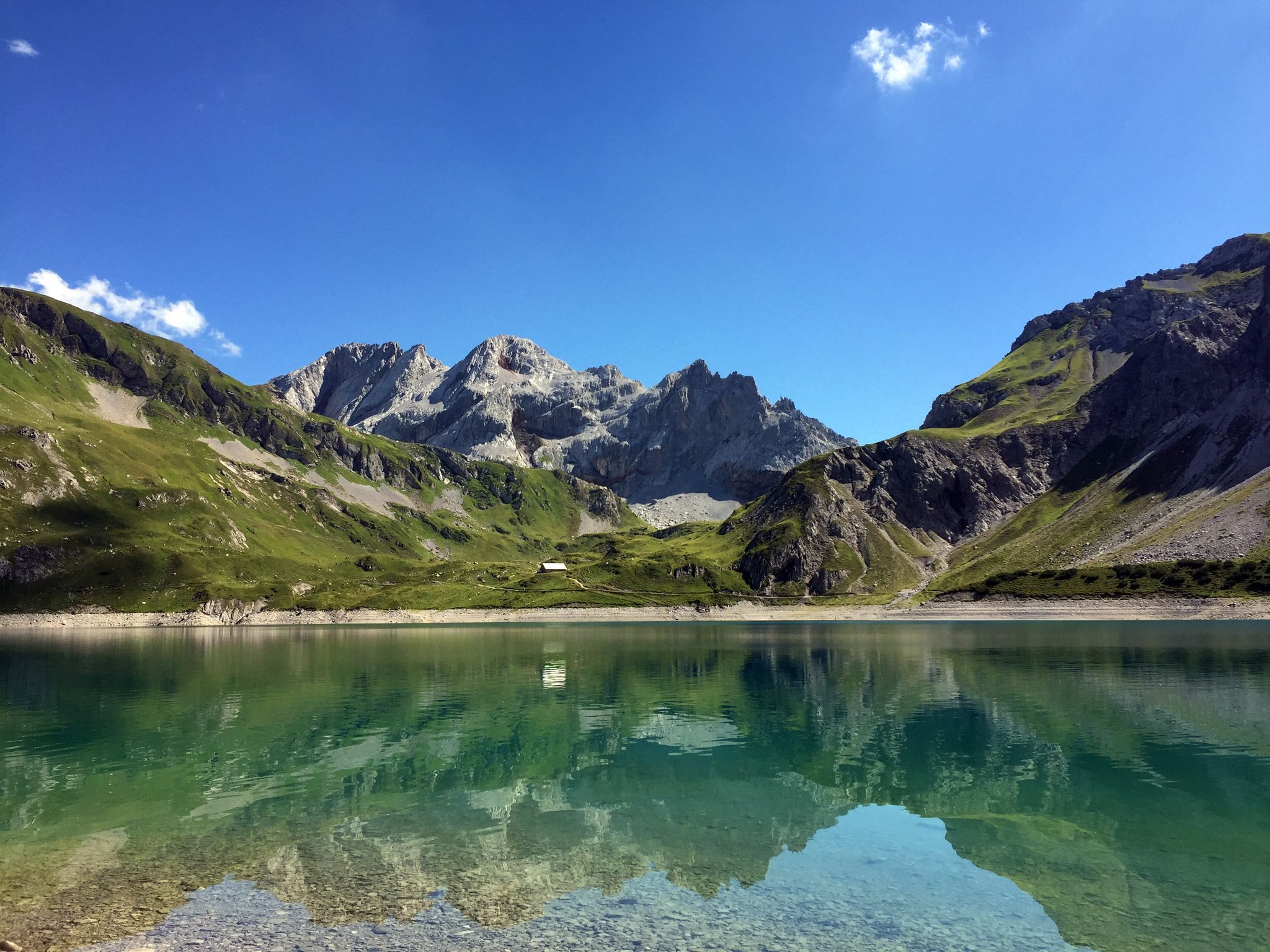
Mighty mountains and historic cities – hiking in Austria
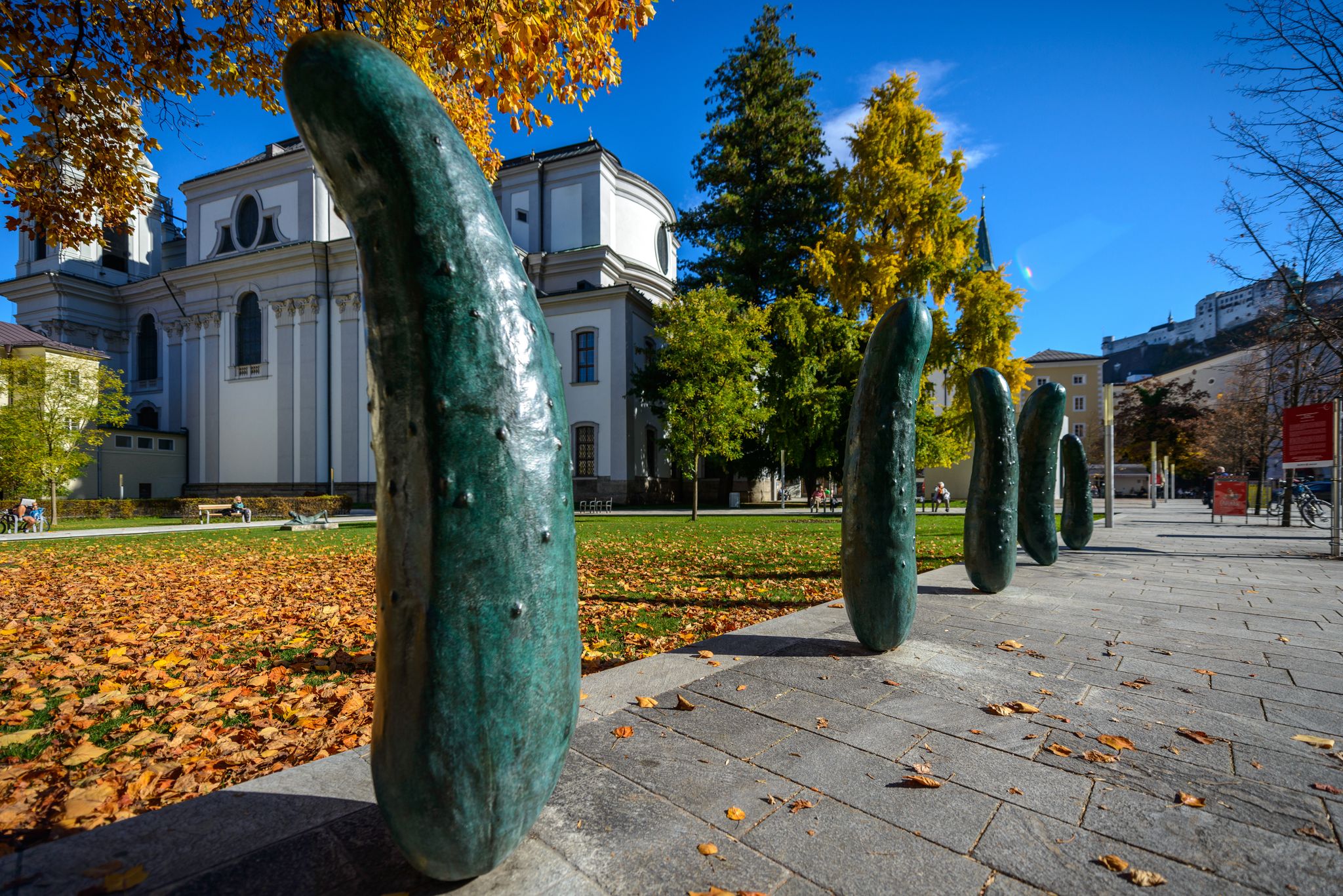
Something different – city walks through Salzburg
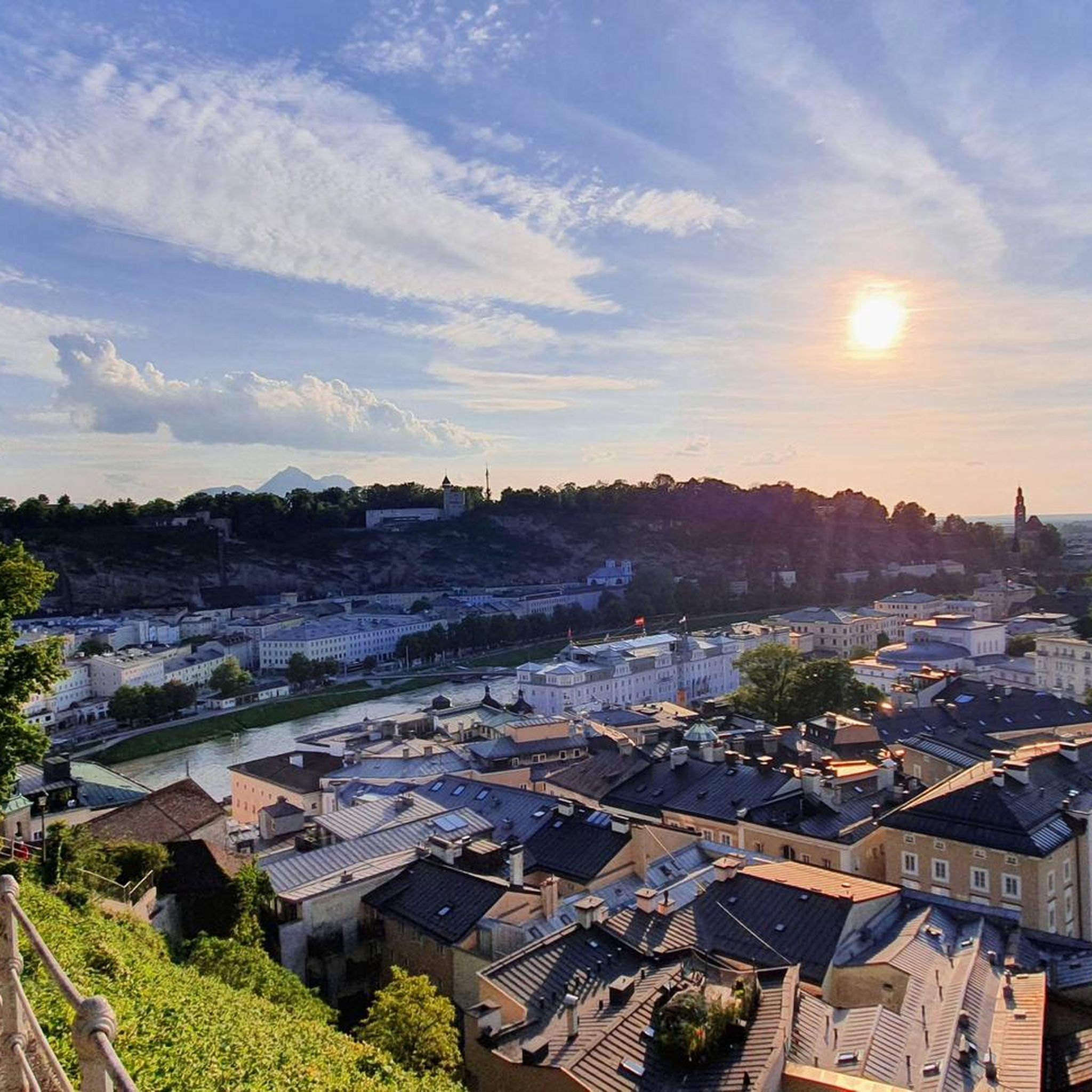
Cycling around Kapuzinerberg
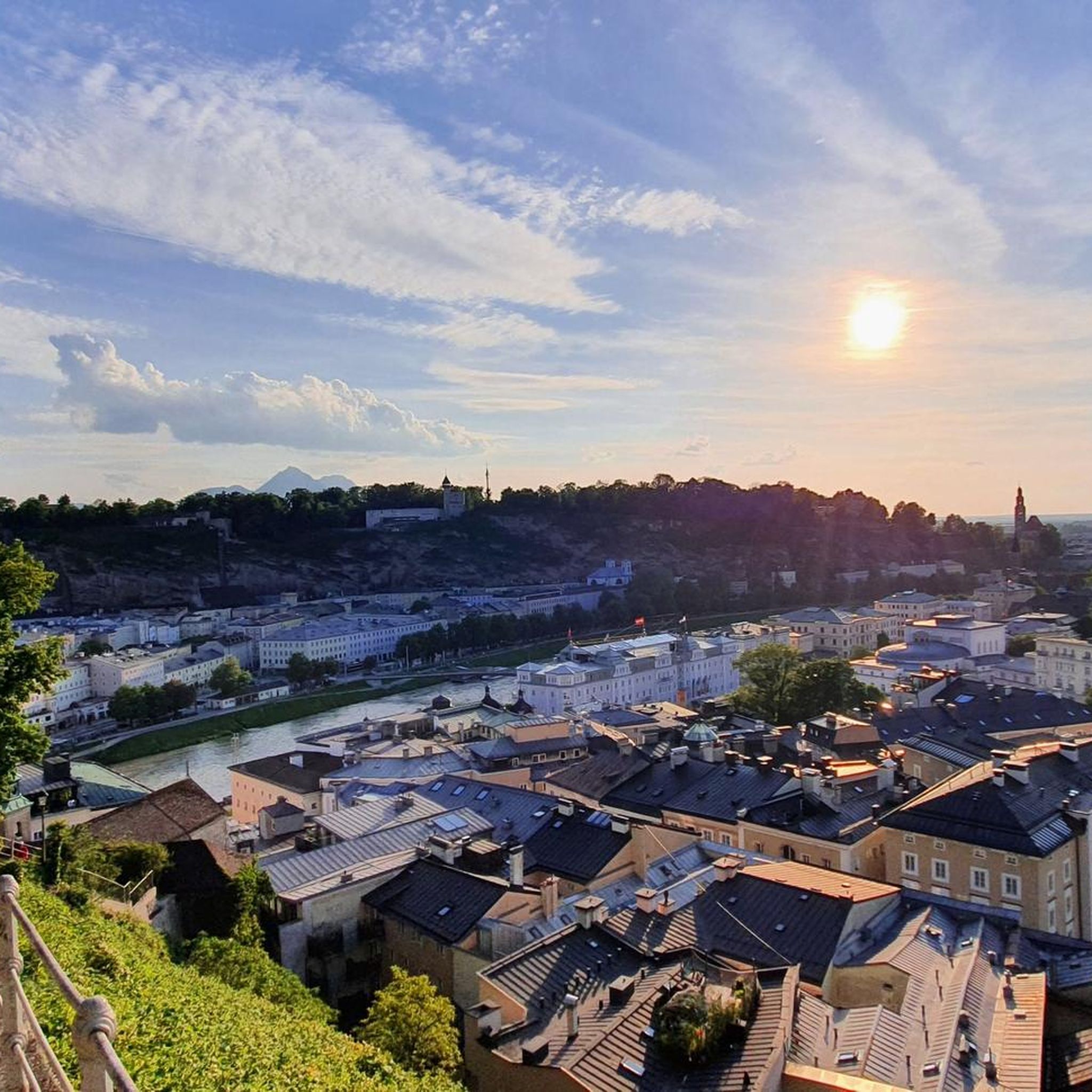
Road Cycling Routes around Kapuzinerberg
Running Trails around Kapuzinerberg
MTB Trails around Kapuzinerberg
Gravel biking around Kapuzinerberg
Mountain Hikes around Kapuzinerberg


Tips from the Community

To get an overview, you should combine the panoramic trail with a visit to the old town! 👀🚶♂️
2
0


Fortress complex Salzburg
0
0

Beautiful view of the city and fortress
0
0

Mirabell Palace Fountain in all its splendor
0
0

Anyone who doesn't shy away from the path up the Mönchsberg and is lucky enough to walk it on a clear morning will sooner or later stand before it: the Müllner Schanze. A gate. A building. A relic. It stands there silently, roughly hewn, draped in green, like a guardian of past centuries. Three windows look sternly into the present, below them a dark passageway that doesn't open, but rather draws you into what lies behind it – shadows, history, city. Built in the days of the Thirty Years' War, when Salzburg still had prince-archbishops and walls were not picturesque, but vital for survival. Paris Lodron, so it is said, had this Monikapforte built – as a supplement to the Augustinerpforte. They reinforced what seemed too weak, what could not suffice against what was lurking out there. Today, nothing lurks anymore. At most, the feeling that time turns a little slower here. The stone staircase behind the gate is not an invitation, but a test. Every step up makes you feel that the ascent here is not just meant topographically. Up on the plateau, the view awaits – but also the insight that it sometimes does you good to leave the city behind. From here, you see it differently. Smaller. Clearer. Perhaps also: more peaceful.
1
0

Mozartplatz & Mozart Monument, Salzburg The Mozartplatz is located in the center of Salzburg's Old Town, in the immediate vicinity of Residenzplatz and Salzburg Cathedral. While the buildings around the square tell many stories, the centerpiece is clearly the Mozart statue. The History of the Mozart Statue In the center of Mozartplatz is the Mozart Monument by Ludwig Schwanthaler. The statue was supposed to be erected in 1841 on the 50th anniversary of W. A. Mozart's death. However, the unveiling of the monument was delayed by a year because a Roman mosaic had been found in the ground, which was painstakingly recovered. On September 4, 1842, the statue could be solemnly unveiled in the presence of Mozart's sons. King Ludwig I of Bavaria was an important patron of the Mozart statue and donated the marble pedestal. A copy of the Roman mosaic can still be found at the foot of the statue today. The Mozartplatz Then and Now The Mozartplatz and its buildings are closely connected to the city's history in Salzburg. On the north side, in the so-called Imhofstöckl (No. 5), is the Tourism Information. Behind it lies part of the old city wall, which dates from the time of Prince-Archbishop Paris Lodron. Opposite, on the south side, is the Neue Residenz, which has housed the Salzburg Museum since 2007. The house at Mozartplatz 8 was the residence of Constanze Mozart-Nissen, Mozart's widow. On the west side, looking towards the Cathedral, are the Salzburg Christmas Museum and the famous Café Glockenspiel. The lyricist Georg Trakl was born just a few steps away in 1887. Text / Source: TSG Tourismus Salzburg GmbH, Auerspergstraße 6, Salzburg https://www.salzburg.info/de/sehenswertes/plaetze-strassen/mozartplatz-mozartdenkmal
18
1
Orangery in the Mirabell Gardens, Mirabell Palace, Salzburg The Orangery in the Mirabell Gardens is more of an insider tip. It is located in the southern part of Mirabell Palace. The palm house was built around 1725 next to the large garden parterre. The name Orangery comes from the time when orange trees and exotic ornamental woods were still being cultivated. Precious, non-hardy plants were brought back to the Orangery to overwinter. Orange trees were seen as a metaphor for wealth in the Baroque period and for this reason were a must even then. The eastern part of the Orangery was used for other purposes after the Second World War and was not put back together again until 1980. The Baroque Museum is now located in the southern part of the Orangery. Today, in the northern part of the building, somewhat hidden, there is a small, beautiful tropical garden. A small pool with turtles and goldfish and for bird lovers there is a very large birdcage with numerous birds to marvel at. Opening hours of the Orangery in the Mirabell Gardens Open all year round, daily from 9 a.m. to 4 p.m. Text / Source: Salzburger Saalachtal. com https://www.salzburger-saalachtal.com/ausflugsziele/stadt-salzburg/mirabellgarten/orangerie-mirabellgarten
14
0
Frequently Asked Questions
What kind of terrain can I expect on the hiking trails around Kapuzinerberg?
Kapuzinerberg offers a mix of terrain. You'll find shaded paths through dense forests, with some trails being paved and moderate, while others are rougher with stairs. The area provides natural trails and clear air, making it suitable for various preferences.
Are there any easy hiking routes suitable for beginners or casual walkers?
Yes, all 16 hiking routes around Kapuzinerberg are rated as easy. For example, the Salzburger Bierkultur trail is 5.2 km long with gentle elevation changes, and the Linzer Gasse – Getreidegasse (Grain Lane) loop from Salzburg is a shorter 3.1 km path through historic streets.
What are the best viewpoints on Kapuzinerberg for panoramic city views?
Kapuzinerberg is renowned for its stunning panoramic views. Key spots like the Hettwerbastei and the Franziskischlössl offer excellent lookout points over Salzburg's historic Old Town, the Hohensalzburg Fortress, and the surrounding Alps. You can also find great views from the View of Hohensalzburg Fortress and Salzburg's Old Town from the Salzach Cycle Path.
Are there any historical landmarks or attractions to see while hiking?
Absolutely. Kapuzinerberg is rich in history, featuring 400-year-old defensive walls, military towers like Felixpforte, and old artillery bastions. The Capuchin Abbey is a significant religious site, accessible via a pathway marked with chapels representing the Way of the Cross to the Capuchin Monastery. You can also find the St. Johannes am Imberg Church and the St. Sebastian's Cemetery (Mozart Family Graves) nearby.
Can I find circular hiking routes on Kapuzinerberg?
Yes, many routes on Kapuzinerberg are designed as loops. The main paved loop, known as the Stefan-Zweig-Weg, is about 4.8 km long. Several komoot routes are also loops, such as the Mirabell Palace – Mirabell Gardens loop from Salzburg, which offers scenic views of city landmarks and gardens.
Is Kapuzinerberg suitable for family hikes?
Yes, Kapuzinerberg is generally suitable for families, especially given that all 16 available routes are rated as easy. The varied terrain and historical points of interest can make for an engaging outing for children. The main paved loop is a good option for a family-friendly walk.
What unique wildlife might I encounter on Kapuzinerberg?
Kapuzinerberg is home to a unique colony of wild chamois, which can sometimes be spotted by hikers. You might also find rare alpine plants and animals, such as alpine auricula and rhododendron, and breeding common ravens in the colder, inaccessible northern rocks.
Are there places to eat or refresh after a hike on Kapuzinerberg?
Yes, the Franziskischlössl, originally a defensive structure, has been converted into a popular tavern. It serves as an excellent excursion destination and refreshment stop, particularly appealing after a hike, and offers fantastic views of Salzburg's New Town.
What do other hikers say about the trails in Kapuzinerberg?
The trails in Kapuzinerberg are highly rated by the komoot community, with an average score of 4.6 stars from over 3,800 reviews. Hikers often praise the blend of natural beauty, historical landmarks, and the stunning panoramic city views.
How long does it typically take to hike the trails on Kapuzinerberg?
Hiking durations vary depending on the specific route and your pace. For instance, the Salzburger Bierkultur route takes approximately 1 hour 28 minutes, while the Salzburg Cathedral – Historic Centre of Salzburg loop from Salzburg is a longer option at about 1 hour 55 minutes.
Is there public transport access to Kapuzinerberg for hikers?
Kapuzinerberg is conveniently located within Salzburg, making it accessible via public transport. The hill rises directly from the eastern bank of the Salzach river, close to the city center, allowing for easy access to trailheads from various bus stops.
Most popular routes around Kapuzinerberg
Most popular attractions around Kapuzinerberg

Get inspired with the komoot mobile app


Explore more
Browse the best Hikes in other regions.
