The best cycling routes around Combe de Saint-Avit
4.1
(106)
937
riders
139
rides
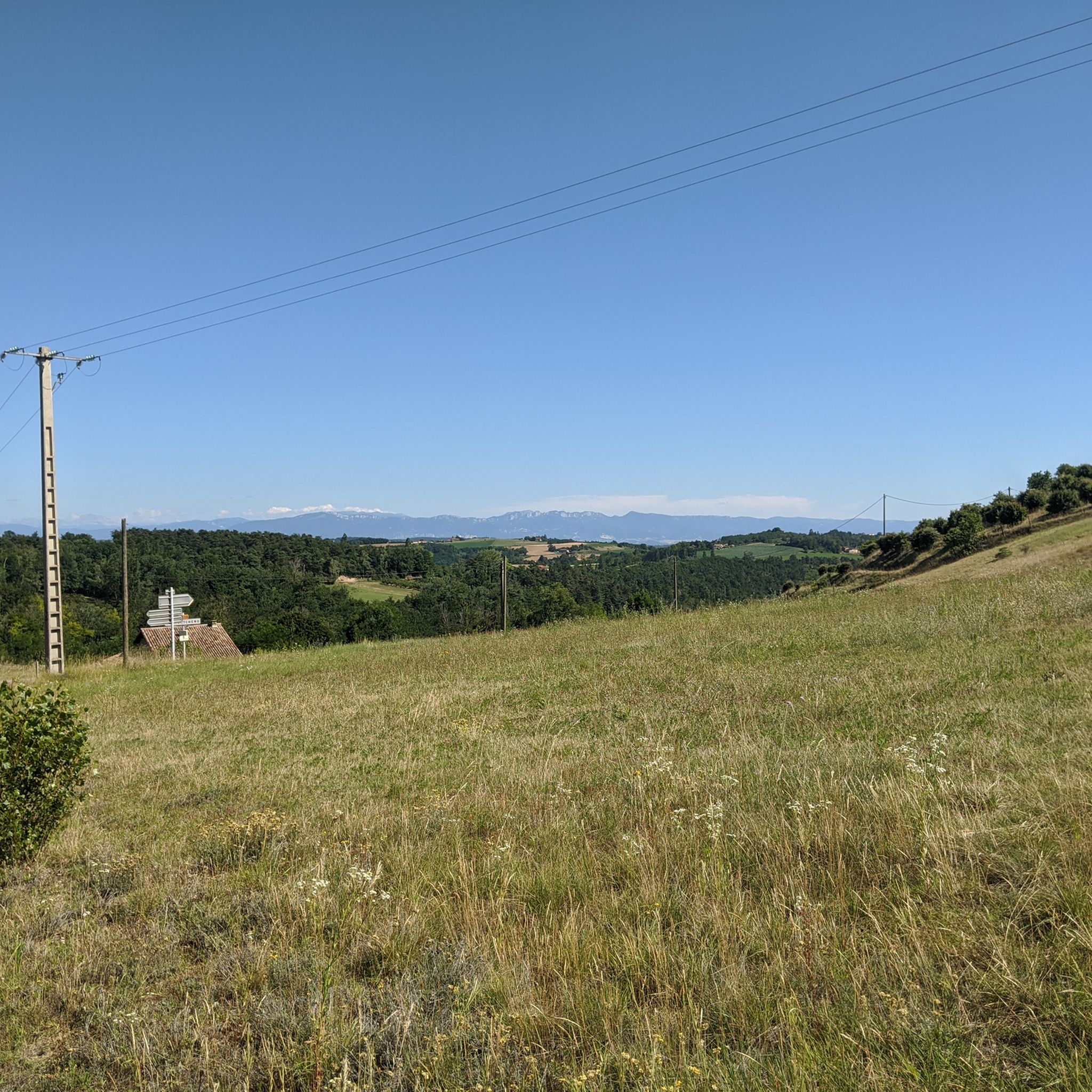
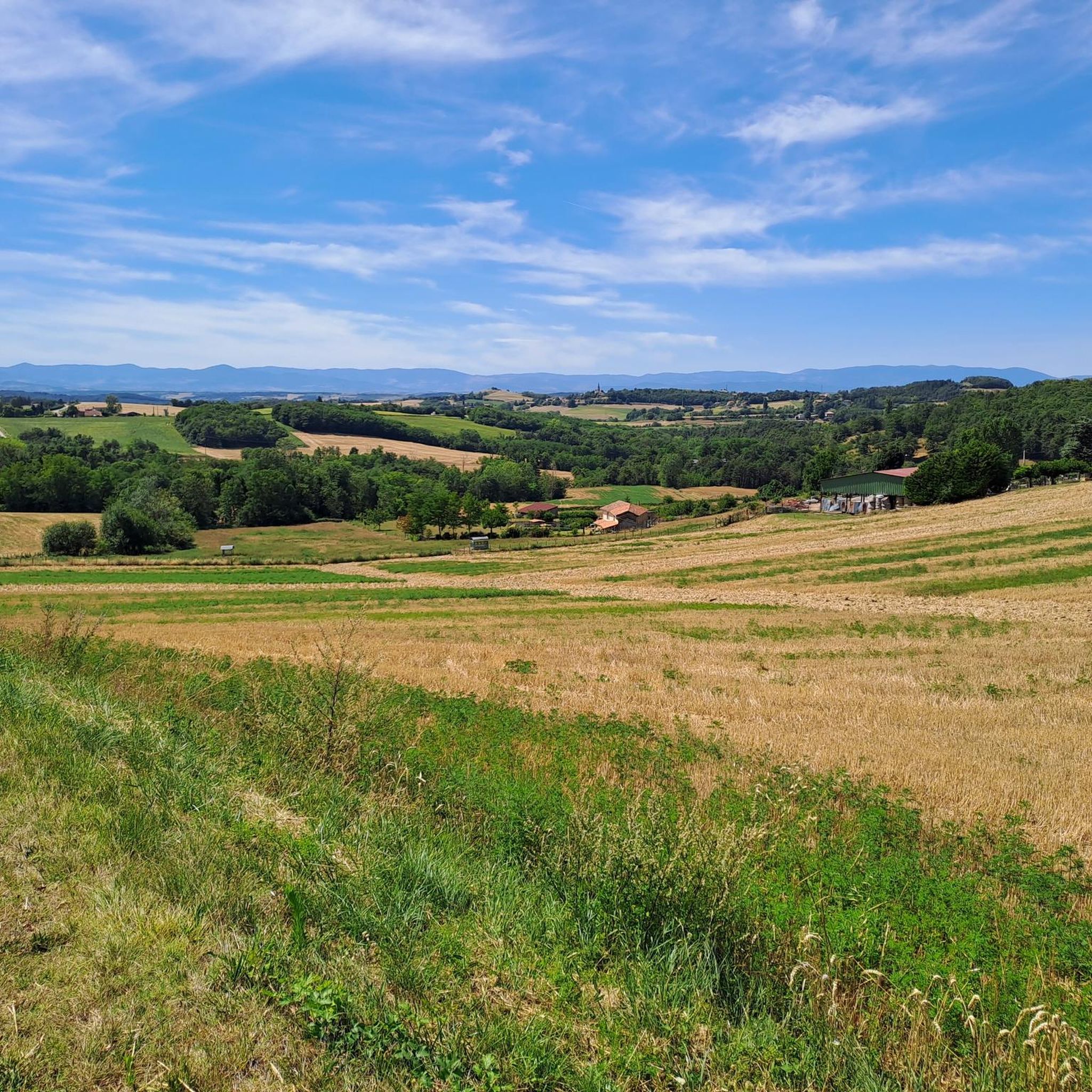
Touring cycling around Combe de Saint-Avit features routes that traverse a landscape characterized by open fields, dense woodlands, and river valleys. The region offers varied terrain, including areas with moderate to significant elevation gains, suitable for engaging rides. These routes often follow paths through the countryside, providing views of the natural environment.
Best touring cycling routes around Combe de Saint-Avit
- The most popular touring cycling route is Col de la Pierrote loop from Saint-Avit, a 20.2 miles (32.6 km)…
Last updated: October 4, 2026
7
riders
33.4km
02:17
570m
580m
Hard bike ride. Very good fitness required. Mostly paved surfaces. Suitable for all skill levels.
4.0
(1)
12
riders
57.5km
03:34
510m
510m
Hard bike ride. Very good fitness required. Mostly paved surfaces. Suitable for all skill levels.

10
riders
23.1km
02:00
370m
380m
Moderate bike ride. Good fitness required. Mostly paved surfaces. Suitable for all skill levels.
8
riders
14.1km
00:48
60m
60m
Easy bike ride. Great for any fitness level. Mostly paved surfaces. Suitable for all skill levels.
3.0
(1)
4
riders
33.4km
02:03
310m
310m
Moderate bike ride. Good fitness required. Mostly paved surfaces. Suitable for all skill levels.
Get access to more routes and recommendations from other explorers.
Already have an account?
Our route recommendations are based on thousands of hikes, rides, and runs completed by other people on komoot.
Start today with a free account
Your next adventure awaits.

Tips from the Community

The FRANCE VOYAGE website reports on the origin of the current place name with Saint DONATUS: "With the advent of Christianity, Saint-Donat bore the name Jovincieu or Jovenzieux. In 732, during the invasion of the Saracens, Corbus, the bishop of Grenoble, fled to Jovenzieux and brought with him the relics of Saint Donatus, who died in the 6th century, on his way to Sisteron – hence the name Saint-Donat." However, the collegiate church located in the town has a different patron saint than the place name; here, the choice was made for the two prince of the apostles, SAINTS PIERRE et PAUL, whose common feast day is celebrated on June 29th in the calendar.
0
0

The first footbridge built by Marc Seguin between Tournon and Tain in 1825 was revolutionary for its time. It was the world's first iron cable suspension bridge, a true technical feat for the era. This footbridge helped facilitate trade and strengthen ties between the two towns. However, the original footbridge underwent several transformations over time. It was first raised to allow the passage of steamships, then a second footbridge was built by Marc Seguin in 1847, still based on the iron cable suspension principle. The two footbridges coexisted for a time, the first being used for pedestrian traffic and the second for road traffic. As road traffic intensified over time, it became necessary to build a new bridge to facilitate circulation. This is how the Gustave Toursier bridge was built in 1958. Located about 350 meters downstream from the Marc Seguin footbridge, this suspension bridge over 240 meters long comprises three spans. It is designed to support road traffic, thus facilitating exchanges between the two municipalities. The current footbridge, inaugurated in 1972, is therefore the fourth of its name. It was designed to resemble the 1847 footbridge, while meeting current safety standards and needs. https://www.ardeche-hermitage.com/fr/zoom-sur/la-passerelle-marc-seguin-celebre-son-bicentenaire/
1
0

A truly beautiful stretch of the route! The stunning scenery and excellent cycle paths make cycling on the ViaRhôna a very special experience! :-)
0
0

Hello everyone, Please note that the footbridge crossing the Rhône between Tournon and Tain is closed until November 28th due to ongoing construction. You must use the motorway bridge 500m away… it's much less pleasant.
1
0
The Marc Seguin Suspension Bridge in Tournon-sur-Rhône is a 19th-century engineering masterpiece and one of the oldest suspension bridges in Europe. A stroll over the Rhône offers impressive views of the river and the surrounding vineyards. Tournon's old town boasts charming alleyways, historic buildings, and a Renaissance palace. Wine lovers can sample local wines from the Cornas and Saint-Joseph regions. The combination of engineering, nature, and history makes this place an unforgettable experience. By the way, cycling is prohibited and police patrol the area!
1
0
The Tournon-sur-Rhône War Memorial impressively commemorates the fallen of both World Wars. It is centrally located in the old town, near the Rhône River and the castle. The bronze figure and delicate reliefs convey quiet dignity and gratitude. A brief stop is worthwhile for history buffs and strollers alike.
0
0

This pleasant stretch of cycle path on the ViaRhôna offers beautiful views of Saint-Vallier. A nearby bridge provides access to the town if you wish to take a break.
0
0

Frequently Asked Questions
How many touring cycling routes are available around Combe de Saint-Avit?
The Combe de Saint-Avit region offers a wide selection of touring cycling routes, with over 130 options available. These routes cater to various skill levels, including 20 easy, 66 moderate, and 49 difficult trails.
What are the typical difficulty levels for touring cycling in Combe de Saint-Avit?
Touring cycling routes in Combe de Saint-Avit range from easy to difficult. You'll find 20 easy routes perfect for a relaxed ride, 66 moderate options for a balanced challenge, and 49 difficult trails for experienced cyclists seeking significant elevation gains, such as the Col de la Pierrote loop from Saint-Avit with over 530 meters of ascent.
Are there any family-friendly touring cycling routes in the area?
Yes, Combe de Saint-Avit offers 20 easy touring cycling routes that are generally suitable for families. These trails often traverse open fields and woodlands, providing a pleasant and accessible experience for riders of varying ages and abilities. The region's quiet countryside setting is ideal for a leisurely family outing.
What kind of landscapes and natural features can I expect to see while cycling?
The touring cycling routes around Combe de Saint-Avit showcase a diverse landscape characterized by open fields, dense woodlands, and scenic river valleys, particularly the Dordogne and Vézère valleys. You might encounter educational boards along routes providing insights into the area's geology and botany, enhancing your connection with nature.
Are there any notable landmarks or attractions along the cycling routes?
While cycling, you'll be in proximity to a wealth of historical and natural attractions. The region is known for its charming villages and medieval castles like Château de Beynac and Château de Castelnaud in the nearby 'Valley of 1001 chateaux'. You can also explore sites of prehistoric significance in the Vézère Valley, such as the Lascaux Caves, or visit the UNESCO World Heritage-listed abbey in Saint-Avit-Sénieur.
What is the best time of year for touring cycling in Combe de Saint-Avit?
The region around Combe de Saint-Avit, particularly the Dordogne, is generally pleasant for cycling from spring through autumn. These seasons offer mild temperatures and vibrant natural scenery, making for comfortable rides through the open fields and woodlands. It's always advisable to check local weather forecasts before heading out.
Are there any challenging long-distance routes for experienced touring cyclists?
Absolutely. For experienced touring cyclists seeking a significant challenge, routes like the Naturlehrpfad – Passerelle Marc-Seguin loop from Châteauneuf-de-Galaure stand out. This difficult route spans over 184 kilometers with more than 830 meters of elevation gain, typically taking around 10 hours and 50 minutes to complete, leading through river valleys and open countryside.
Where can I find parking for touring cycling routes in Combe de Saint-Avit?
Parking availability varies by specific starting points of the routes. Many villages and towns in the Combe de Saint-Avit area, such as Saint-Avit itself or Châteauneuf-de-Galaure, offer public parking facilities. It's recommended to check the details for your chosen route on komoot for specific parking recommendations.
Are there circular touring cycling routes available?
Yes, many touring cycling routes in Combe de Saint-Avit are designed as loops, allowing you to start and finish at the same point. Examples include the challenging DH Bren loop from Saint-Avit, which covers 37.3 km with over 640 meters of elevation, offering a comprehensive tour of the region's natural settings.
What do other touring cyclists say about the routes in Combe de Saint-Avit?
The touring cycling routes in Combe de Saint-Avit are highly regarded by the komoot community, boasting an average rating of 4.2 stars from over 83 reviews. Cyclists often praise the varied terrain, the peaceful countryside, and the engaging challenges offered by routes that traverse open fields, woodlands, and river valleys.
Are there options for moderate-difficulty touring cycling?
Yes, the region provides a substantial number of moderate-difficulty touring cycling routes, with 66 options available. These routes offer a good balance of distance and elevation, such as the Castle Full of Charms loop from Bathernay, which is 22.4 km long with over 400 meters of ascent, providing an engaging ride without being overly strenuous.
Can I find cafes or pubs along the touring cycling routes?
The Combe de Saint-Avit region, being part of the Dordogne, features numerous charming villages and towns. Many of these settlements, which routes often pass through or near, offer local cafes, restaurants, and pubs where you can stop for refreshments. Checking your route in advance for points of interest can help you plan your breaks.
Is public transport available to access the cycling trails?
While specific public transport links directly to every trail start may vary, the broader Dordogne region has some public transport options connecting its towns and villages. For accessing specific cycling routes, it's advisable to research local bus services or regional trains that might serve the larger towns near your chosen starting point, such as Saint-Avit or Châteauneuf-de-Galaure.
Most popular routes around Combe de Saint-Avit

Get inspired with the komoot mobile app


Explore more
Browse the best Cycling routes in other regions.
