The best cycling routes around Angerlohe
4.4
(11185)
108,500
riders
1,595
rides
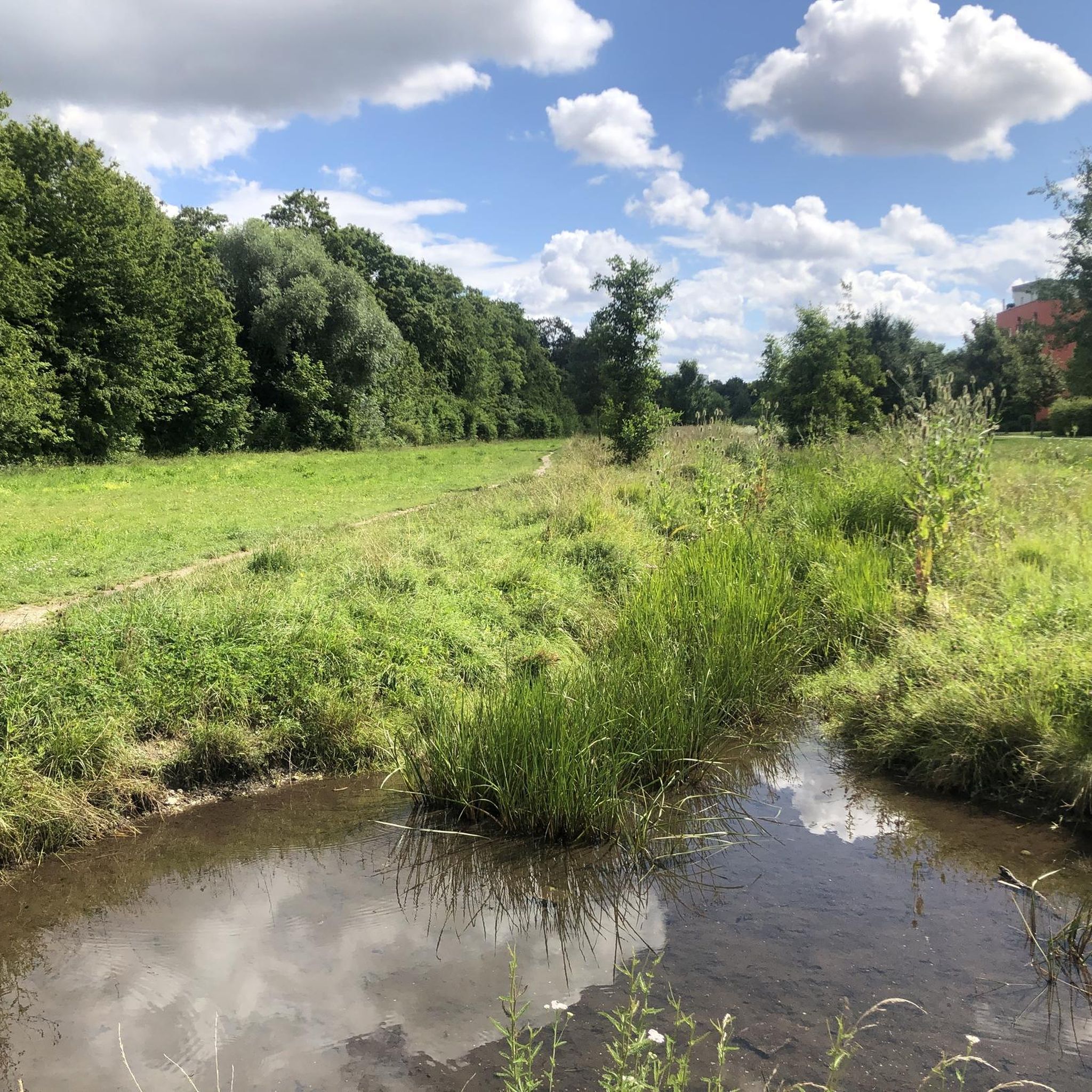
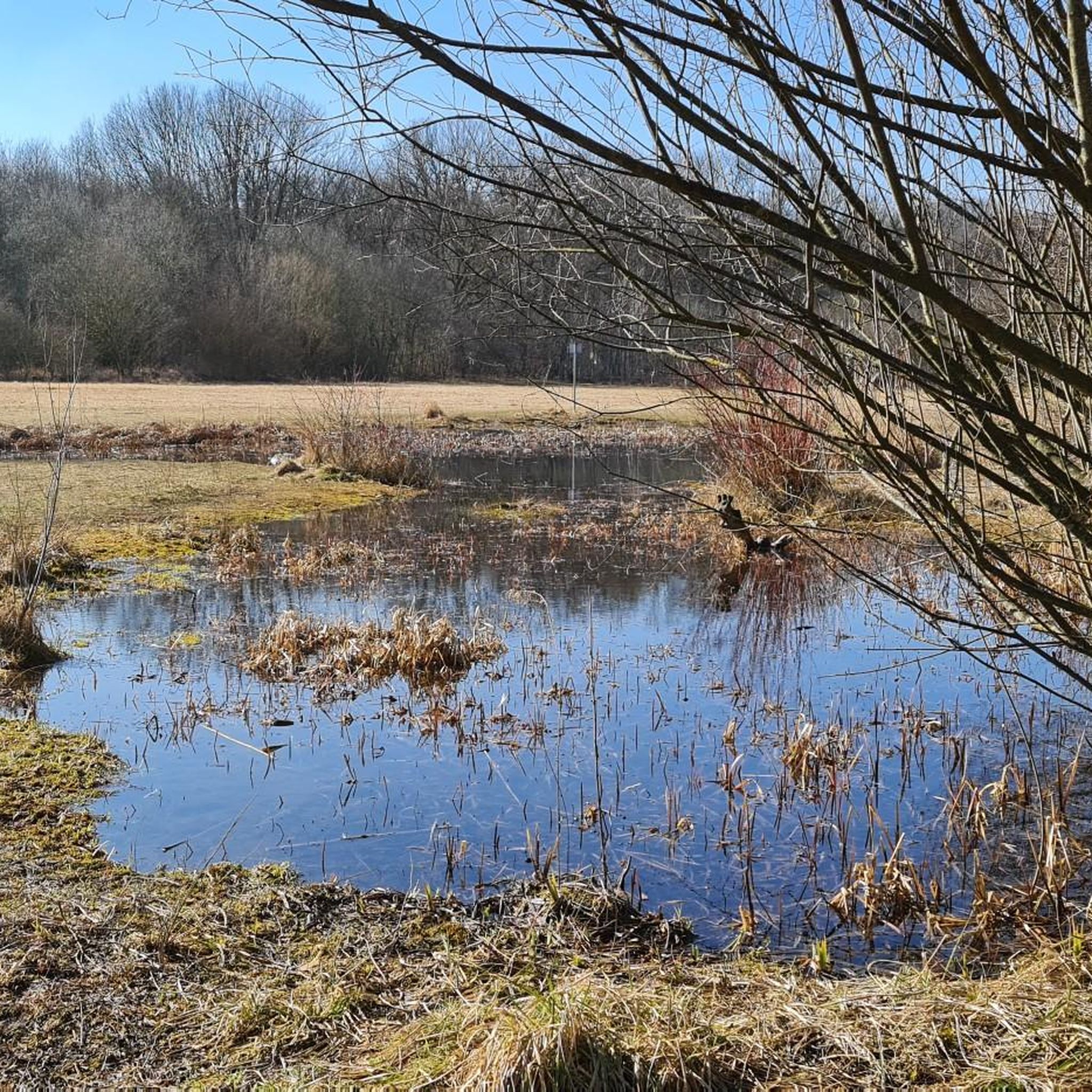
Touring cycling around Angerlohe offers routes through a 40-hectare oak and hornbeam forest, designated as a landscape conservation area within Munich. The area features a mix of wild forest, wide meadows, and ponds, providing a natural setting for cycling. It is integrated into a larger urban cycling network, allowing for both tranquil rides within the forest and connections to broader regional routes. The terrain is generally flat, with minimal elevation changes, making it suitable for various cycling abilities.
Best touring…
Last updated: May 30, 2026
4.4
(79)
309
riders
Moderate bike ride. Good fitness required. Mostly paved surfaces. Suitable for all skill levels.
4.8
(24)
271
riders
13.7km
00:50
30m
30m
Easy bike ride. Great for any fitness level. Mostly paved surfaces. Suitable for all skill levels.

Sign up for free
4.5
(13)
193
riders
20.3km
01:11
40m
40m
Easy bike ride. Great for any fitness level. Mostly paved surfaces. Suitable for all skill levels.
3.2
(6)
101
riders
16.6km
01:01
40m
40m
Easy bike ride. Great for any fitness level. Mostly paved surfaces. Suitable for all skill levels.
5.0
(10)
48
riders
23.2km
01:26
60m
60m
Easy bike ride. Great for any fitness level. Mostly paved surfaces. Suitable for all skill levels.
Get access to more routes and recommendations from other explorers.
Sign up for free
Already have an account?
Our route recommendations are based on thousands of hikes, rides, and runs completed by other people on komoot.
Start today with a free account
Your next adventure awaits.
Login or Signup
Tips from the Community

Very nice circular route, flat & fast. Ideal for training
0
0

The view of the castle canal from the Ludwig Ferdinand Bridge on the city side clearly shows the dimensions of the monumental three-winged complex of Nymphenburg Palace. From 1715 to 1918, it was the summer residence of the Electors, then of the Kings of Bavaria from the House of Wittelsbach. Nymphenburg is one of the largest palaces in Germany.
12
0

Beautiful running and riding route, there are also some benches, very nice to ride in the summer. At the end is the Inselmühle and there is a nice beer garden.
0
0

The Munich Olympic Stadium is a multi-purpose stadium located in the Olympic Park in the Bavarian capital. Designed by the architectural firm Behnisch & Partner for the 1972 Olympic Games, it hosted sporting events and the opening and closing ceremonies. Following the Olympics, from 1972 to 2005, the stadium primarily served as the home ground of FC Bayern Munich and, with some interruptions, TSV 1860 Munich, who alternated between the two clubs' previous home ground, the Grünwalder Straße Municipal Stadium, and the Olympic Stadium. In 2005, both clubs moved to the newly built Allianz Arena. In addition to these football matches, the Olympic Stadium has also hosted other professional games, including the finals of the 1974 FIFA World Cup and the 1988 UEFA European Championship, as well as several finals of the UEFA Champions League and its predecessor, the European Cup (now the Champions League). ... Since 1982, the Olympic Stadium has been Munich's largest venue and is used for open-air concerts. Besides public viewing events, concerts have been the primary event held there since the football clubs moved out. Numerous other events have also taken place there, including the 2002 and 2022 European Athletics Championships and DTM exhibition races in 2011 and 2012. The Olympic Stadium is two-thirds earth and features a football pitch and an athletics track. The surface is natural grass. The arena was the first stadium in Germany to be equipped with under-soil heating and a VIP area, and it boasted the world's most advanced stadium floodlights, capable of simulating daylight. The tent-like roof structure spans not only the stadium but also the Olympic Hall, the Olympic Swimming Hall, and the connecting walkways. This is intended to symbolize lightness, transparency, and openness within the stadium. It is one of the most important buildings of post-war German architecture and is considered a landmark of Munich. Like the other structures under the tent roof, the Olympic Stadium has been a listed building since 1997. Source: https://de.wikipedia.org/wiki/Olympiastadion_M%C3%BCnchen
0
0

Information about the Würm, a tributary of the Amper https://de.wikipedia.org/wiki/W%C3%BCrm_(Amper)
0
0

From the Gerner Bridge you have a beautiful view of Nymphenburg Palace.
1
0
Great view of the castle from the Gerner Bridge
1
0

The Olympic Stadium in Munich is an architectural masterpiece and a historic venue, built for the 1972 Olympic Games. Until 2005, it was the home of FC Bayern Munich and TSV 1860 Munich, before professional football moved to the Allianz Arena. Its most striking feature is the spectacular tent-like roof structure, which appears to float weightlessly over the stadium, the Olympic Hall, and other buildings. Designed by architect Frei Otto, it was a groundbreaking innovation at the time. The entire complex is a listed historical monument, which has prevented major alterations.
5
0
Frequently Asked Questions
How many touring cycling routes are available around Angerlohe?
There are over 1300 touring cycling routes around Angerlohe, offering a wide variety of options for different skill levels and preferences. Nearly 900 of these are classified as easy, making the area very accessible for casual rides.
What is the best time of year for touring cycling in Angerlohe?
Angerlohe is enjoyable for touring cycling throughout spring, summer, and autumn. In spring, the forest floor blooms with flowers like wood anemones and liverworts, offering a vibrant experience. Summer and autumn provide pleasant temperatures for exploring the oak and hornbeam forests and wide meadows.
What are the general characteristics of the cycling terrain in Angerlohe?
The terrain in Angerlohe is generally flat with minimal elevation changes, making it suitable for various cycling abilities. Routes often feature a mix of paved paths, gravel paths, and forest trails, winding through oak and hornbeam forests, along streams, and past meadows.
What natural features can I expect to see while cycling in Angerlohe?
While cycling in Angerlohe, you can expect to encounter lush oak and hornbeam forests, wide meadows, and tranquil ponds. As a landscape conservation area, it's home to diverse flora and fauna, including protected species like the green toad in its ponds. The area also features northern adjoining heathlands, adding to its natural diversity.
Are there any specific landmarks or points of interest along the cycling routes?
Yes, several routes offer views of interesting landmarks. For instance, the Gravel path along the Würm – View of Blutenburg Castle loop from Allach provides views of Blutenburg Castle. Other routes might pass by the Angerlohe Forest itself, the Northern Gate of Angerlohe, or the Historic Archway in Angerlohe.
Are there family-friendly cycling options in Angerlohe?
Absolutely. With nearly 900 easy routes and generally flat terrain, Angerlohe is well-suited for family cycling. Routes like the Gravel path along the Würm – View of Blutenburg Castle loop from Allach, which is an easy 14 km, are great choices for families looking for a relaxed ride.
Can I find circular cycling routes in Angerlohe?
Yes, many of the touring cycling routes around Angerlohe are designed as loops, allowing you to start and end at the same point. Examples include the Beautiful cycle path along the stream – Olympic Regatta Course Munich loop from Allach and the Würm River – Würm Bridge in Allach loop from Allach.
How accessible is Angerlohe by public transport for cyclists?
Angerlohe is located within Munich and is integrated into the city's broader cycling network, which is well-served by public transport. Cyclists can often use Munich's public transport system to reach starting points for routes, making it convenient to access the area without a car.
What kind of wildlife might I encounter while cycling in Angerlohe?
As a protected landscape conservation area, Angerlohe is a habitat for various wildlife. You might spot a variety of birds and insects, especially during spring when the forest floor is in bloom. The area's ponds are also known to host protected species like the green toad.
What do other touring cyclists enjoy the most about touring cycling in Angerlohe?
The touring cycling routes around Angerlohe are highly rated by the komoot community, with an average score of 4.5 stars from over 10,000 reviews. Cyclists often praise the tranquil natural setting of the oak and hornbeam forests, the well-maintained paths, and the ease of access within the Munich urban area, offering a peaceful escape.
Are there any routes that offer views of lakes or other water bodies?
Yes, some routes incorporate views of water bodies. For example, the View of Rangierbahnhof Nord – Lake Allacher Lohe loop from Allach passes by Lake Allacher Lohe. Additionally, the region's integration into Munich's wider cycling network means connections to routes around picturesque lakes like Starnberg and Ammersee are possible.
Can I find routes that connect Angerlohe to other parts of Munich or beyond?
Angerlohe is well-integrated into Munich's extensive cycling network. While Angerlohe itself offers tranquil rides, it serves as a natural highlight within broader regional routes. For example, the Olympic Lake – Blutenburg Castle loop from Allach connects to the Olympic Lake, showcasing how routes extend beyond the immediate forest area.
Most popular routes around Angerlohe
Most popular attractions around Angerlohe

Get inspired with the komoot mobile app


Explore more
Browse the best Cycling routes in other regions.
