The best road cycling routes around Wald Himmelberg
4.1
(38)
551
riders
59
rides
Road cycling around Wald Himmelberg, located in the Bavarian Forest, features elevated forested landscapes and rolling hills. The region is characterized by extensive woodlands, providing a natural environment for outdoor enthusiasts. Himmelberg itself is a 679-meter-high elevation, contributing to the varied terrain suitable for road cyclists.
Best road cycling routes around Wald Himmelberg
- The most popular road cycling route is To Kramerwirt – View of Konzell and Gäuboden loop from Konzell, a 27.6 miles (44.4 km) trail that takes…
Last updated: August 4, 2026
8
riders
44.4km
02:17
720m
720m
Moderate road ride. Good fitness required. Mostly well-paved surfaces and easy to ride.
12
riders
56.0km
02:13
240m
240m
Moderate road ride. Good fitness required. Mostly well-paved surfaces and easy to ride.

Sign up for free
7
riders
Moderate road ride. Good fitness required. Mostly well-paved surfaces and easy to ride.
8
riders
68.2km
03:15
930m
930m
Hard road ride. Very good fitness required. Mostly well-paved surfaces and easy to ride.
5.0
(1)
11
riders
75.4km
03:08
480m
480m
Moderate road ride. Good fitness required. Mostly well-paved surfaces and easy to ride.
Get access to more routes and recommendations from other explorers.
Sign up for free
Already have an account?
Our route recommendations are based on thousands of hikes, rides, and runs completed by other people on komoot.
Start today with a free account
Your next adventure awaits.
Login or Signup
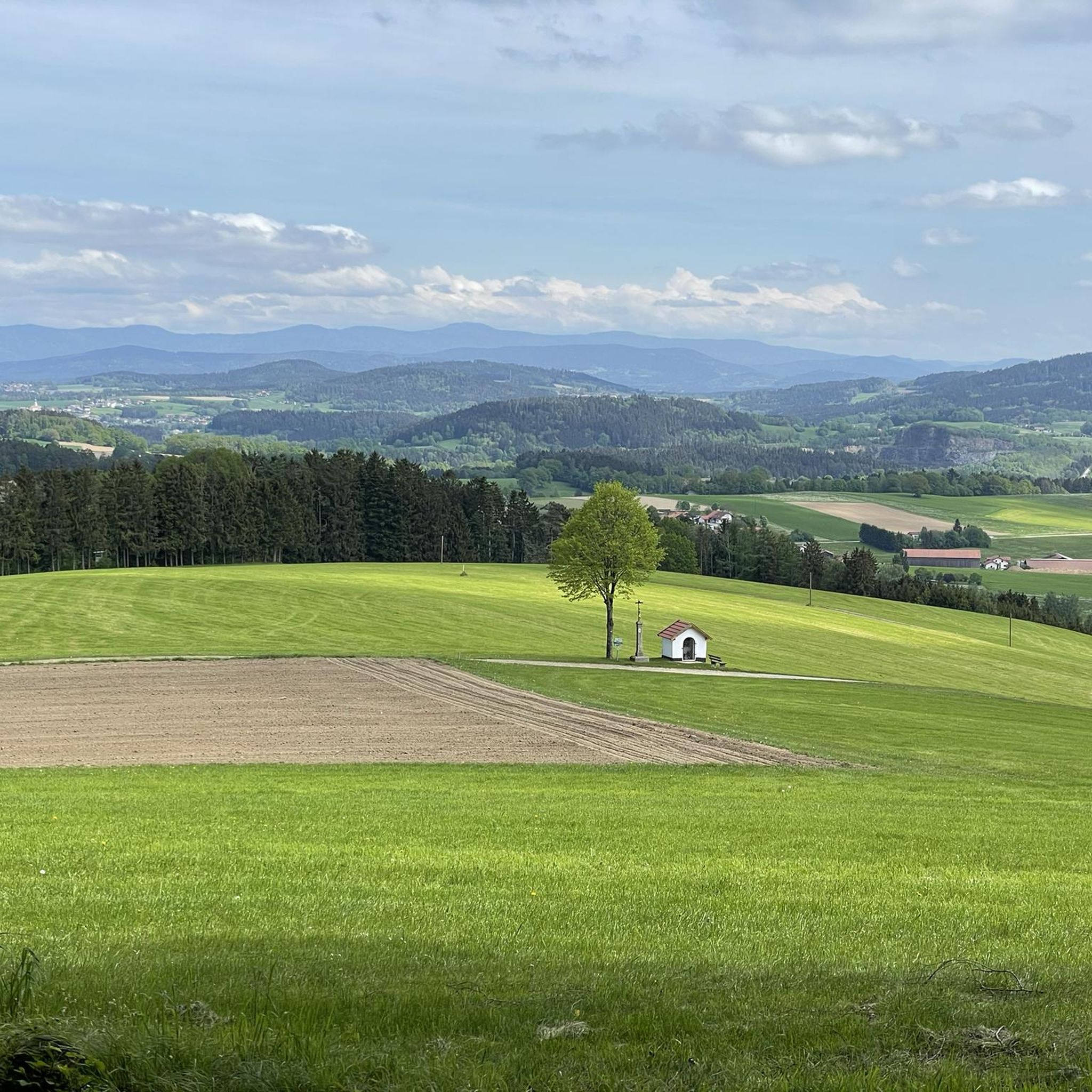
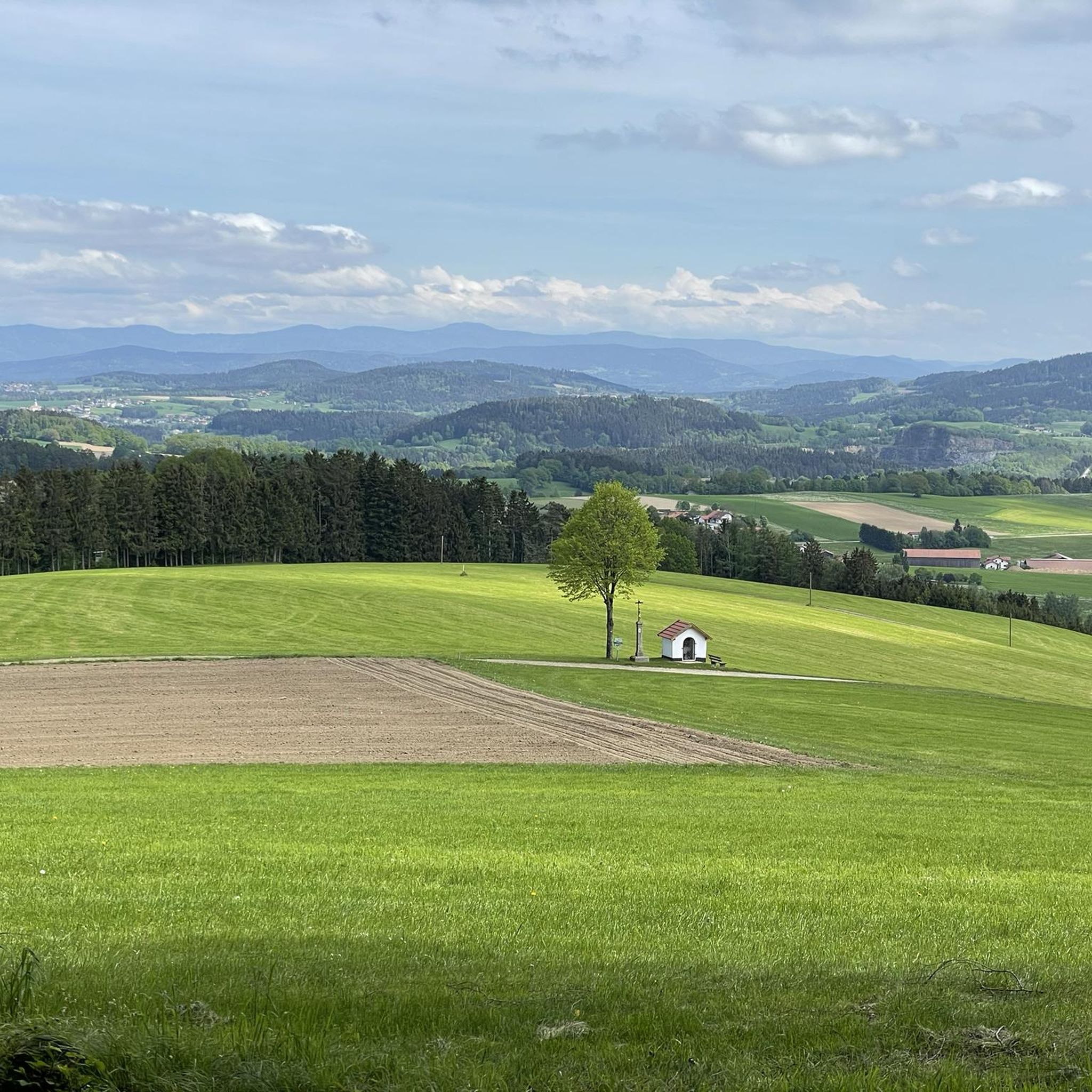
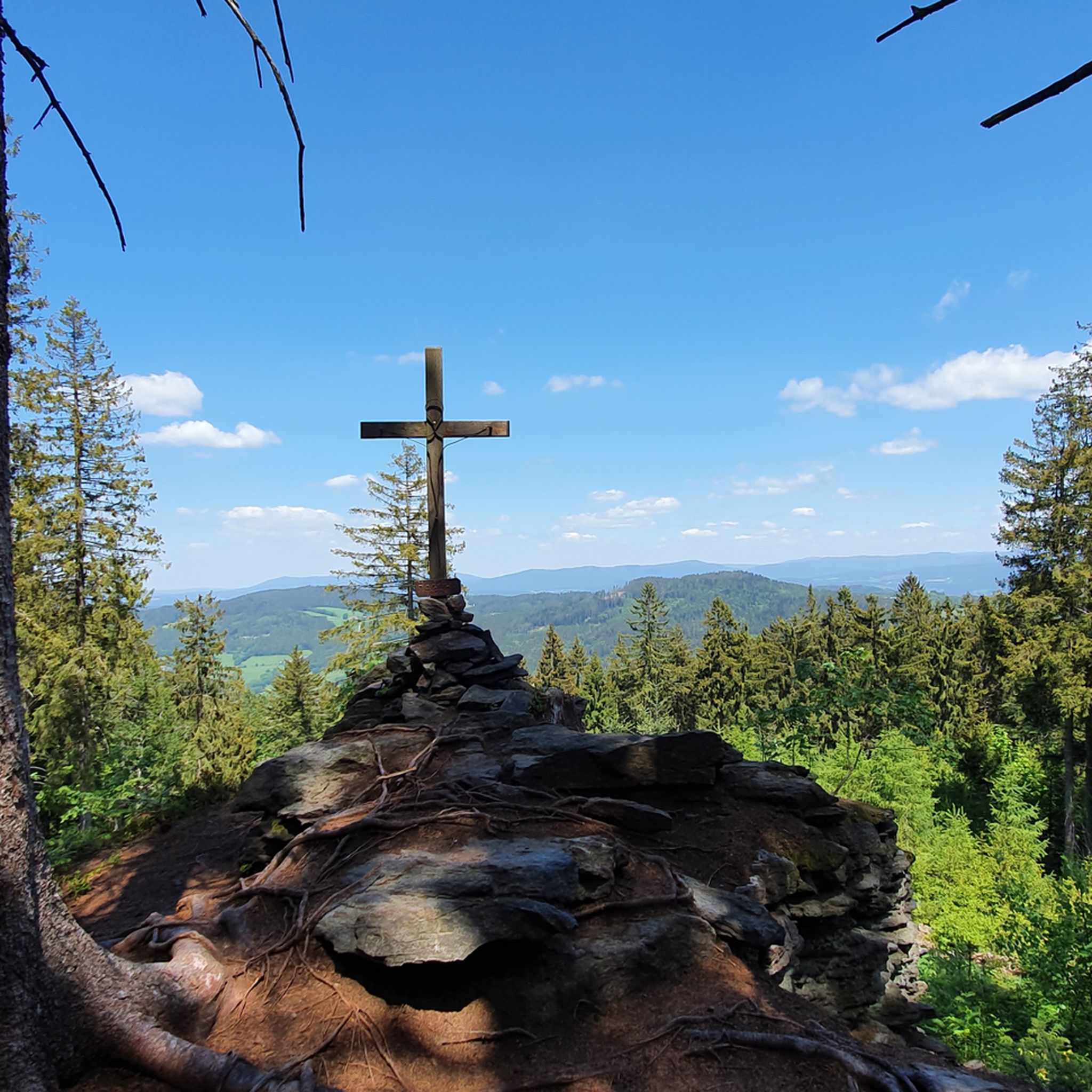
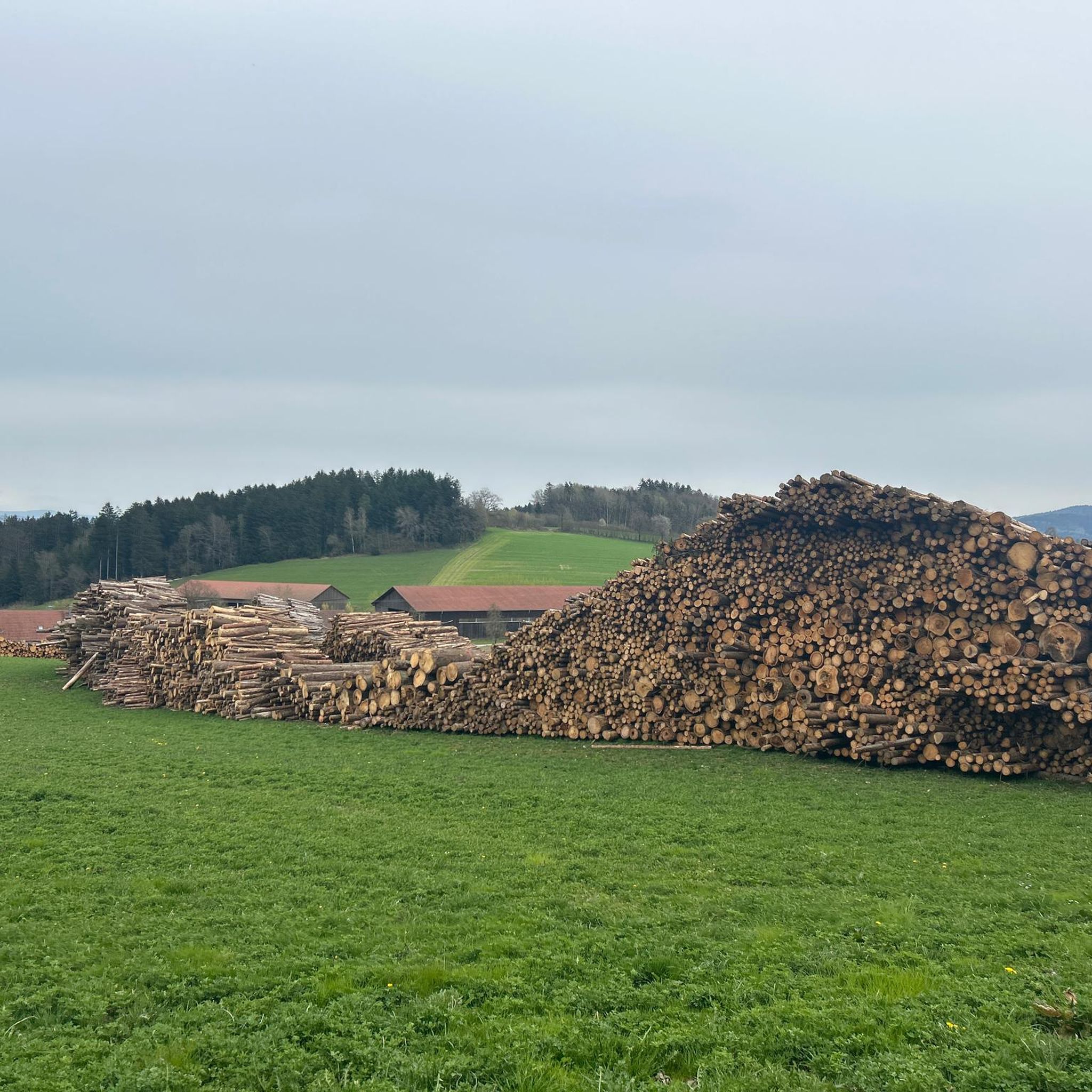
Tips from the Community

gives some nice spots on the Danube to linger
0
0

our village should become more beautiful ;-)
0
0
is mostly nice and quiet, but drags on like chewing gum
0
0

Village square in Perasdorf, beautifully maintained and perfect for a short break.
0
0

It's good here
0
0

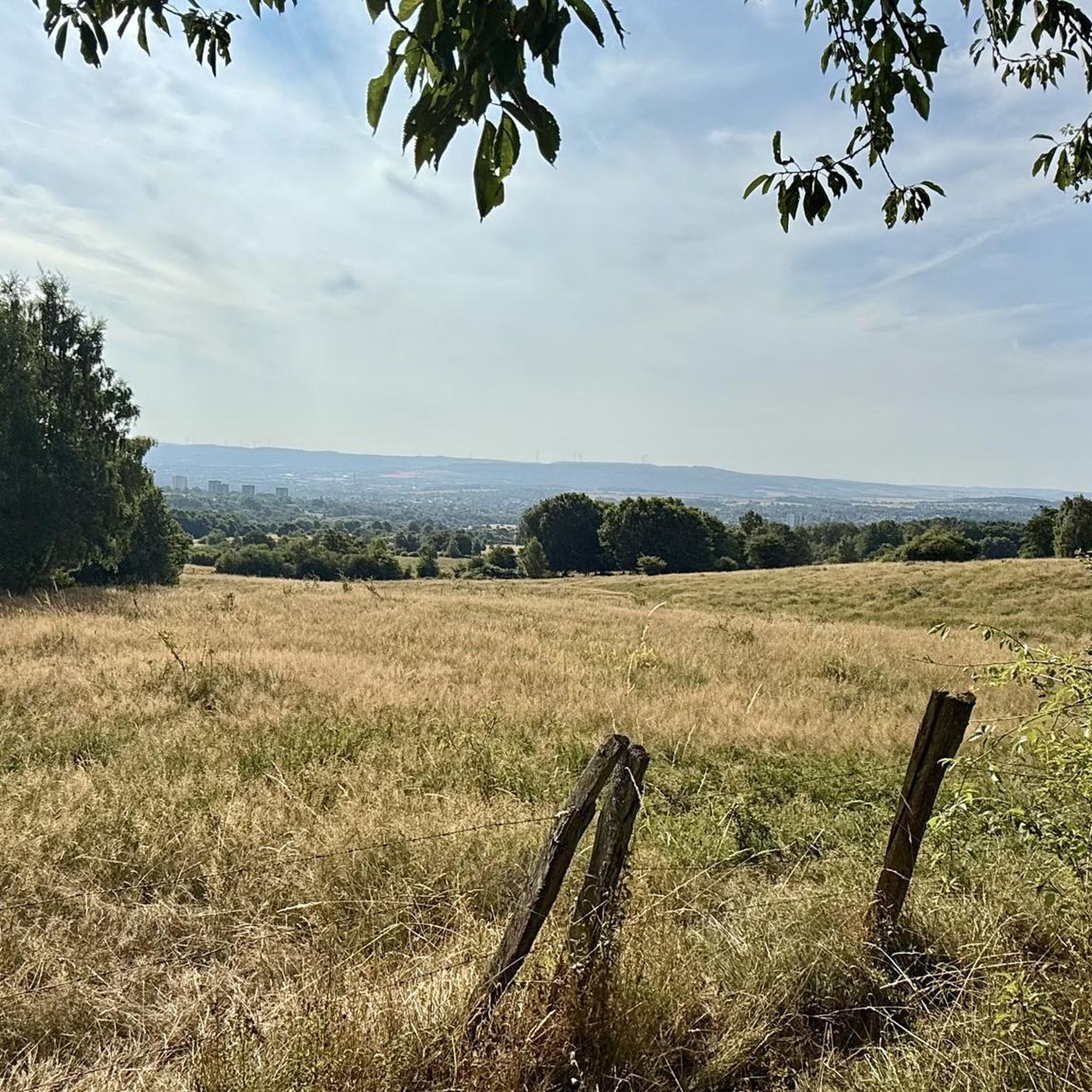
Here you can always enjoy a beautiful panorama 👍.
0
0

Monastery Church of St. Peter and Paul The first church building, which was part of the Oberaltaich Abbey, founded around 1102, was consecrated in 1129 and was a three-aisled Romanesque basilica without a transept, with a flat roof inside. At the beginning of the Thirty Years' War, the medieval monastery church was demolished in 1621 and rebuilt from 1622 to 1630 - using the two western towers again. This was done under Abbot Veit Höser, who was also responsible for the planning, while the construction management was in the hands of the Graubünden master mason Ulrich Walchner. The church was consecrated in 1630 in the presence of Emperor Ferdinand II and Elector Maximilian I. In 1632, the church and monastery were plundered and devastated by a Swedish army led by Bernhard von Weimar. The current baroque church complex is a three-aisled hall church with a five-bay floor plan, surrounded by galleries on all sides. The unusual spatial form without excluding an actual choir building is further articulated by the fact that a two-storey chapel extension with a three-quarter circular floor plan is attached to the church building on all four sides. The vaulting of the church space is achieved by an unarticulated groin vault in the central nave, groin vaults in the side aisles and lancet vaults in the galleries. The principal piece of the church furnishings is the baroque high altar from 1693 with its six-columned structure, the altarpiece of which with the crucifixion of St. Peter by Johann Georg Knappich could be lowered by a mechanism on holidays in favor of the stage-like staging of the handing over of the keys to Peter, which was created around 1730. In the south-west corner of the church is the tomb of the founders of Counts Friedrich and Aswin von Bogen with a red marble cover plate from 1418, and in the northern Albertus Chapel is the high grave of Blessed Albert with a red marble cover plate from 1395. In 1727-1730, Abbot Dominicus II. Perger had the abbey church, built in 1630, refurbished on the occasion of the monastery's upcoming millennium celebrations. Joseph Anton Merz from Straubing carried out the extensive fresco work on the vaults according to the prelate's precise instructions, which are among the top achievements of southern German ceiling painting. Source: Excerpts from www.wikipedia.de
3
0
Frequently Asked Questions
How many road cycling routes are available in Wald Himmelberg?
There are over 60 road cycling routes around Wald Himmelberg, catering to various fitness levels. These include easy, moderate, and challenging options, with a significant number of moderate routes available.
Are there road cycling routes suitable for beginners or those seeking an easy ride?
Yes, Wald Himmelberg offers several easy road cycling routes. For instance, you can find shorter, easier loops like the Ossiach Abbey – Lake Ossiach loop (27.3km with 190m elevation gain) or the Maltschacher See – Feldkirchen loop (31.6km), which are suitable for any fitness level.
What kind of terrain can I expect on road cycling routes in Wald Himmelberg?
The region is characterized by elevated forested landscapes, rolling hills, and extensive woodlands. While many routes feature well-paved surfaces, some more challenging segments might be unpaved or difficult, requiring good fitness levels. You'll experience a mix of climbs and scenic descents.
Are there challenging road cycling routes for experienced cyclists?
Absolutely. For more experienced cyclists, Wald Himmelberg offers harder routes such as the Villacher Alpine Road Ascent – Aichingerhütte loop (77.7km with 1,530m elevation gain) and the Lake Ossiach – Puch loop (99.1km with 1,330m elevation gain). Another challenging option is the Hermitage – Jagawirt Aumbach loop from Landorf, which covers 68.2 km with over 920 meters of elevation gain.
Are there any circular road cycling routes around Wald Himmelberg?
Yes, many of the routes in the Wald Himmelberg area are designed as loops, allowing you to start and end at the same point. Examples include the To Kramerwirt – View of Konzell and Gäuboden loop from Konzell and the Oberalteich Church – Danube River loop from Landorf.
What are some scenic viewpoints or natural features along the road cycling routes?
The region's elevated forested landscapes and extensive woodlands offer numerous scenic views. Routes often provide vistas of the surrounding Bavarian Forest, and some, like the Oberalteich Church – Danube River loop from Landorf, offer views towards the Danube River.
What do other road cyclists enjoy most about cycling in Wald Himmelberg?
The road cycling routes in Wald Himmelberg are highly rated by the komoot community, with an average score of 4.2 stars from over 30 reviews. Cyclists often praise the varied terrain, the tranquil atmosphere of the extensive woodlands, and the diverse options suitable for different skill levels.
Is Wald Himmelberg suitable for family-friendly road cycling?
While many routes involve significant elevation, there are easier, shorter loops available that could be suitable for families with older children or those looking for a less strenuous ride. Routes with lower elevation gains, such as the Maltschacher See – Feldkirchen loop, are good starting points.
What is the best time of year for road cycling in Wald Himmelberg?
The best time for road cycling in Wald Himmelberg is typically during the warmer months, from spring through autumn. During these seasons, the weather is generally more favorable, and the forested landscapes are at their most vibrant. Winter cycling might be challenging due to snow and ice, especially on higher elevations.
Are there places to eat or stay near the road cycling routes in Wald Himmelberg?
The region around Wald Himmelberg, being part of the Bavarian Forest, has various towns and villages that offer cafes, pubs, and accommodation options. While specific establishments are not listed here, you can find amenities in nearby communities like Konzell or Landorf, which serve as starting points for many routes.
Where can I find parking for road cycling routes in Wald Himmelberg?
Many road cycling routes in Wald Himmelberg start from towns and villages such as Konzell or Landorf. These locations typically offer public parking facilities where you can leave your vehicle before starting your ride. It's advisable to check local parking availability in your chosen starting point.
Can I access road cycling routes in Wald Himmelberg using public transport?
While specific public transport connections directly to every trailhead are not detailed, the larger towns and villages in the Bavarian Forest region, including those near Wald Himmelberg, are generally connected by local bus services or regional trains. You may need to plan your route to start from a location accessible by public transport.
Most popular routes around Wald Himmelberg

Get inspired with the komoot mobile app


Explore more
Browse the best Road cycling routes in other regions.
