The best cycling routes around Saločių ež.
4.8
(10)
56
riders
Touring cycling around Saločių ežeras, located in the Zarasai district of northeastern Lithuania, offers routes through a landscape shaped by glacial activity. The lake features a winding shoreline with islands and a deep peninsula, surrounded by diverse terrain including high banks, marshy areas, and the Saločių pelkė bog. Cyclists can expect to traverse areas with dense forests, cultivated fields, and meadows, characteristic of the Zarasai region's "land of seven lakes" with its rolling hills and numerous water bodies. The elevation…
Last updated: May 17, 2026
5.0
(2)
5
riders
Moderate bike ride. Good fitness required. Mostly paved surfaces. Suitable for all skill levels.
4.6
(8)
31
riders
12.2km
00:53
100m
100m
Easy bike ride. Great for any fitness level. Mostly paved surfaces. Suitable for all skill levels.

Sign up for free
11
riders
39.4km
03:20
220m
220m
Hard bike ride. Good fitness required. You may need to push your bike for some segments of this route.
4
riders
55.7km
04:39
310m
310m
Hard bike ride. Good fitness required. You may need to push your bike for some segments of this route.
3
riders
68.1km
04:04
400m
400m
Hard bike ride. Good fitness required. You may need to push your bike for some segments of this route.
Our route recommendations are based on thousands of hikes, rides, and runs completed by other people on komoot.
Start today with a free account
Your next adventure awaits.
Login or Signup
Popular around Saločių ež.

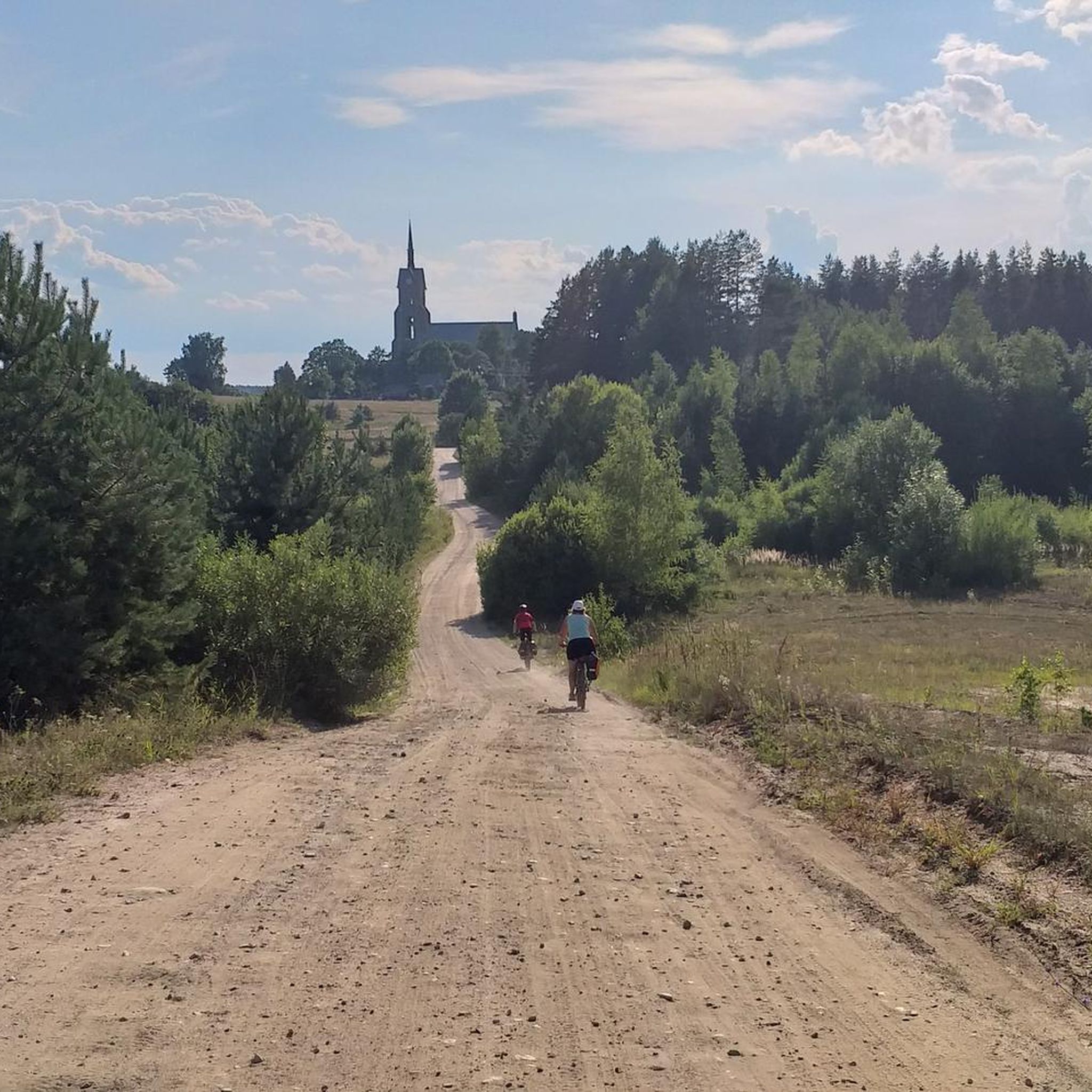
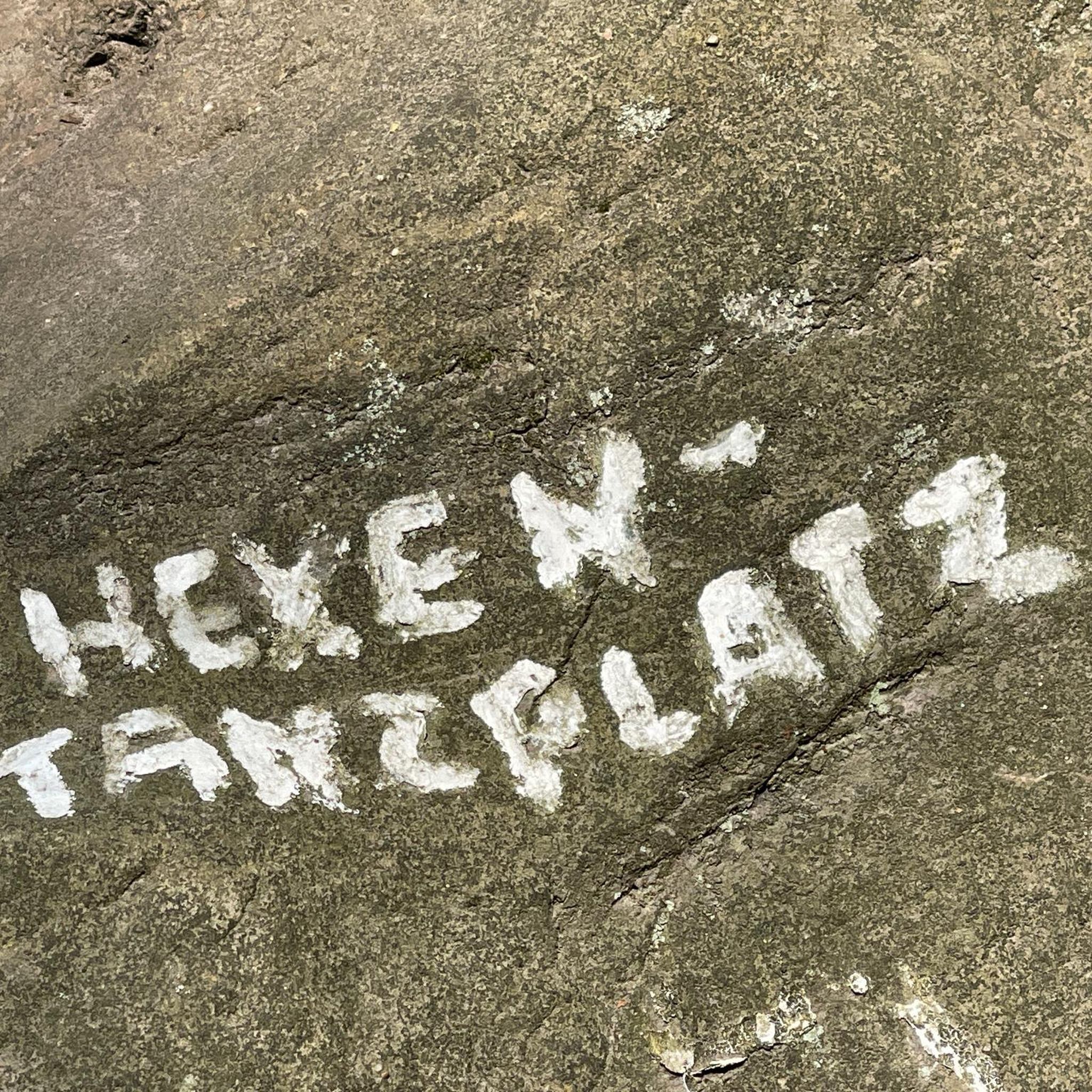
Tips from the Community


The Lithuanian Independence Monument was built in 1930, during the activities of the Salakas Nationalist Union. The author of the monument is a professional sculptor. Max (Mordechai) Farbmann. The monument erected in 1930 (5.31 m high, 4.64 m wide) is characterized by the fact that it consists of a platform - foundation, a rectangular pedestal - plinth, on which a rectangular, upward-pointing obelisk is built. Near the obelisk are figures of a boy with a torch (height 222 cm, circumference about 80 cm) and a woman (141 cm high and 80 cm in diameter). The cast concrete pedestal of the monument has a step at the top and a rectangular niche in the southwest facade 48 cm long, 35 cm wide, 116 cm high. A granite slab with the inscription "IN THE NAME OF THAT LITHUANIAN UNITY, MAY IT BECOME A KING. / V. KUDIRKA" is embedded in the southwestern niche of the monument's facade.
0
0

The Lithuanian Independence Monument was built in 1930, during the activities of the Salakas Nationalists' Union. The author of the monument is a professional sculptor. Max (Mordechai) Farbmann. The construction of the monument was financed by the Salakas pharmacist Mačius. The construction work of the monument was carried out by: Petras Jasinavičius (received 200 Lt for the work) – Silvo. https://www.visitzarasai.lt/lt/lankytinos-vietos/paminklai-skulpturos-akmenys/nepriklausomybes-paminklas-salako-miestelje
0
0
The Count of Luodžiai Manor, Jurgis Žiuniens, was preparing to leave for France and was selling his manor land. Several peasants from Salakas belonged to his manor and were called luodykščiai. The Count gave these peasants a few hectares of land each. In 1927, the Count presented the peasants with ownership documents at this pine tree. The peasants organized a feast in gratitude. In memory of this, a cross was nailed to the pine tree. Over time, other pine trees were cut down, but the loggers did not know why there was a cross on one of them and left it. Thus, this pine tree, remembering the Count's gift, remained to grow.
1
0
This place turned into private property this year (2025), and there’s a fence there now. No one really knows what’s going on or if visitors are still welcome. Kinda sad, but that’s how it is. You won’t get inside anymore, and tours aren't happening either. Not really worth coming here just for that.
2
0
The mound is located on a separate hill on the NE shore of Lake Ramis. The site is round, 21 m in diameter, with a 1 m raised center. The slopes are moderately steep, 8 m high. The mound is heavily plowed, overgrown with birches and isolated pines. On the western slope, on an area of 0.6 ha, there is a foothill settlement. The mound dates back to the 1st millennium BC - the beginning of the 1st millennium.
0
0
Frequently Asked Questions
How many touring cycling routes are available around Saločių ežeras?
There are 5 touring cycling routes available around Saločių ežeras and the wider Zarasai district on komoot. These routes offer a variety of experiences, from easy loops to more challenging long-distance rides.
What kind of terrain can I expect when cycling around Saločių ežeras and the Zarasai district?
The terrain around Saločių ežeras and the Zarasai district is characterized by gentle rolling hills, a result of glacial activity. You can expect to cycle on diverse surfaces including asphalt, gravel, earthen, and forest roads, offering a varied riding experience through dense forests, cultivated fields, and meadows. The region is often compared to Swiss or Finnish landscapes due to its abundance of water bodies and hilly topography.
Are there any family-friendly cycling routes near Saločių ežeras?
Yes, there are family-friendly options. For a gentle ride, consider the Street Art Wall – Šaltupė Chapel loop from Zarasai, which is an easy 12.2 km path showcasing cultural landmarks. Another easy option is the Zarasai Monument – Laisvės Angelas Sculpture loop from Zarasai, a 7.9 km trail through Zarasai town.
Can I bring my dog on the cycling trails in this region?
While specific regulations for dogs on cycling trails around Saločių ežeras are not detailed, generally, dogs are welcome in natural areas of Lithuania, especially on forest and village roads, provided they are kept under control, ideally on a leash. When cycling through protected areas like regional parks, it's always best to check local guidelines to ensure compliance.
Are there any circular cycling routes around Saločių ežeras or in the Zarasai district?
Yes, several routes in the area are designed as loops. For example, the Sventasis Lake Sandy Beach – Salakas Old Jewish Cemetery loop from Visaginas is a moderate 47.7 km route connecting scenic lake areas with historical sites. In the broader Zarasai district, Gražutė Regional Park features a challenging 45 km 'Great Ring' cycling trail that connects various cultural and natural sites.
What are some interesting landmarks or natural features to see while cycling?
The region is rich in natural beauty and cultural points of interest. Saločių ežeras itself features a winding shoreline with islands and a deep peninsula, and the Saločių pelkė bog on its western side. In the wider Zarasai district, you can explore the Zarasai Lake Observation Circle for panoramic views, or visit historical sites like the Salakas Old Jewish Cemetery, which is part of the Salakas Old Jewish Cemetery – Tiltiškiai Watermill loop from Zarasai.
What is the best time of year to go touring cycling in the Saločių ežeras area?
The best time for touring cycling in the Saločių ežeras area, like much of Lithuania, is typically from late spring to early autumn (May to September). During these months, the weather is generally mild and pleasant, with longer daylight hours, making for ideal cycling conditions. The natural landscapes, including forests and lake shores, are particularly vibrant during this period.
Are there places to eat or stay near the cycling routes?
The Zarasai district, being a popular outdoor destination, offers various amenities. You'll find cafes, pubs, and accommodation options in towns like Zarasai and Visaginas, which serve as starting points for many routes. Smaller villages around Saločių ežeras may have more limited options, so planning ahead for refreshments and overnight stays is recommended.
What do other cyclists say about their experience in this area?
The touring cycling routes around Saločių ežeras are highly rated by the komoot community, with an average score of 4.9 stars from over 10 reviews. Cyclists often praise the winding lake shorelines, dense forests, and gentle rolling hills that define the region's diverse terrain.
Are there any longer, more challenging routes for experienced touring cyclists?
Yes, for those seeking a greater challenge, the region offers longer and more difficult routes. The Salakas Old Jewish Cemetery – Tiltiškiai Watermill loop from Zarasai is a difficult 55.8 km route, and the Gulbinės Lime Trees – Laisvės Angelas Sculpture loop from Zarasai is another difficult option spanning 39.0 km, both offering significant elevation changes.
Are there any permits required for cycling in protected areas like Gražutė Regional Park?
While general cycling on public roads and designated trails usually doesn't require permits, some specific activities or access to certain protected zones within regional parks like Gražutė Regional Park might have regulations. It's advisable to check with the local park administration or the Zarasai tourism information center for the most current information regarding permits or restrictions for cycling in sensitive natural areas. You can find more information on the region's tourism website: visitzarasai.lt.
How can I find information about public transport options to reach the cycling areas?
Information on public transport, such as bus schedules to Zarasai or nearby villages, can typically be found on local transport authority websites or by contacting the Zarasai tourism information center. While direct public transport to every trailhead might be limited, major towns like Zarasai are usually well-connected, serving as good starting points for exploring the region by bike.
Most popular routes around Saločių ež.

Get inspired with the komoot mobile app


Explore more
Browse the best Cycling routes in other regions.
