The best road cycling routes around Lough Gill
4.2
(42)
1,096
riders
117
rides
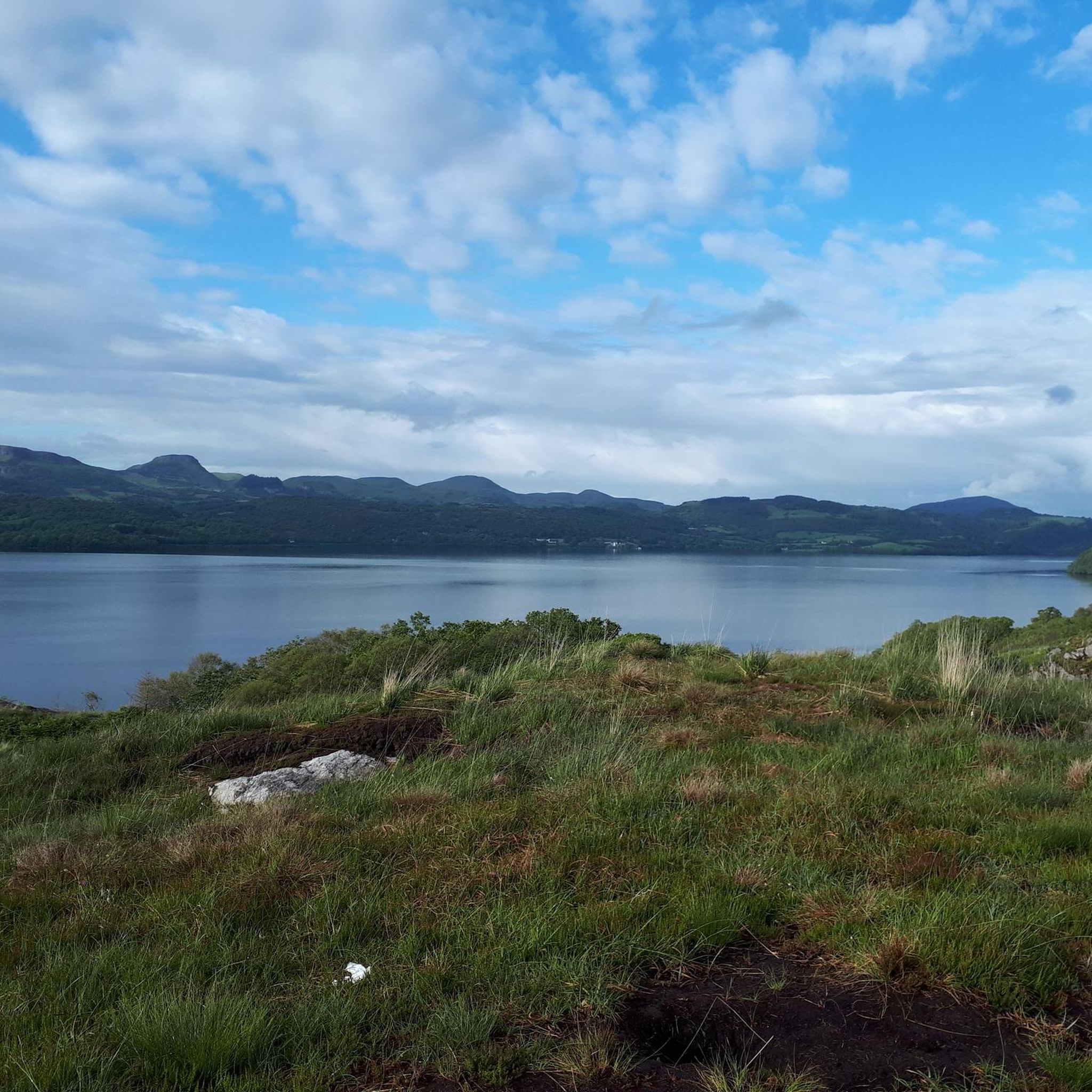
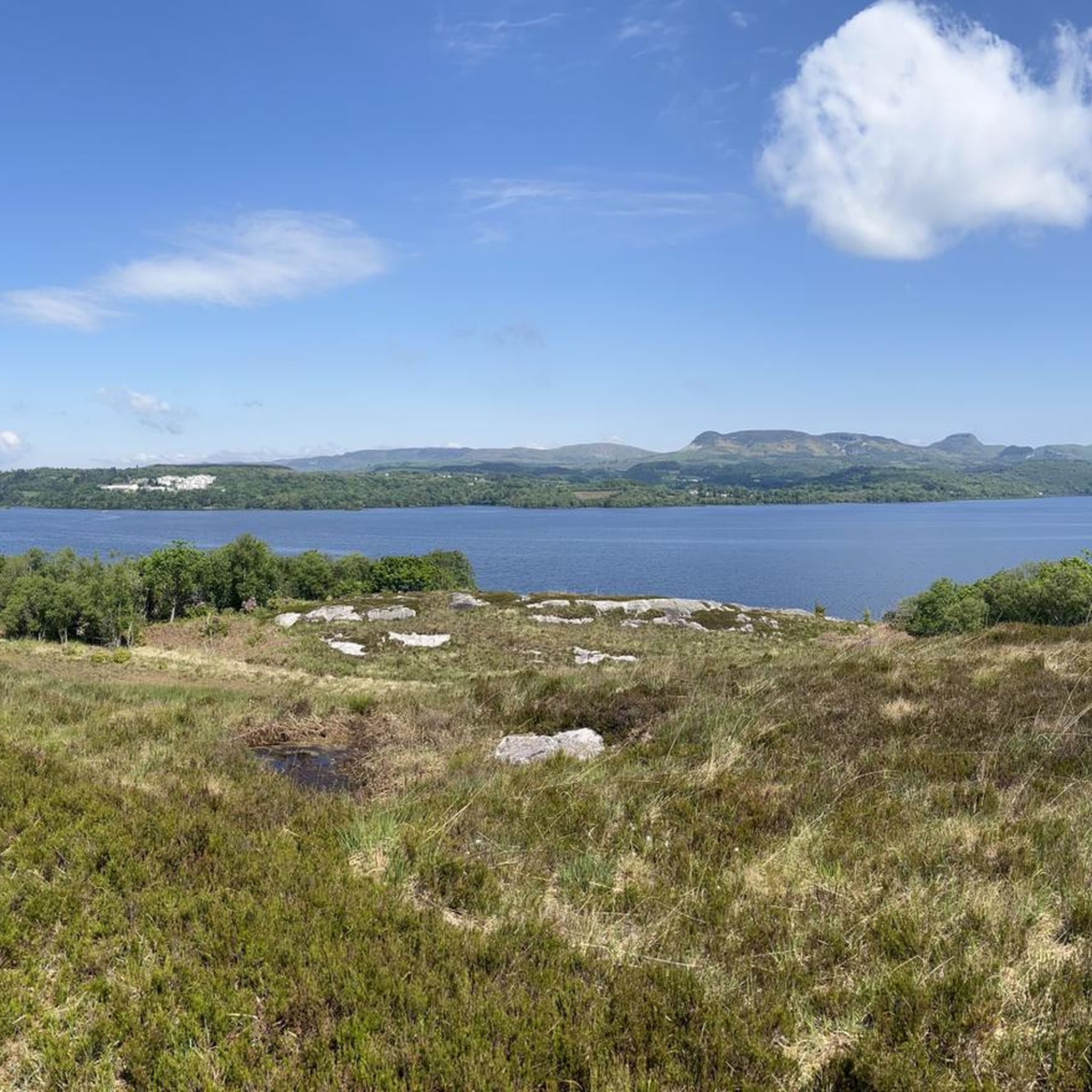
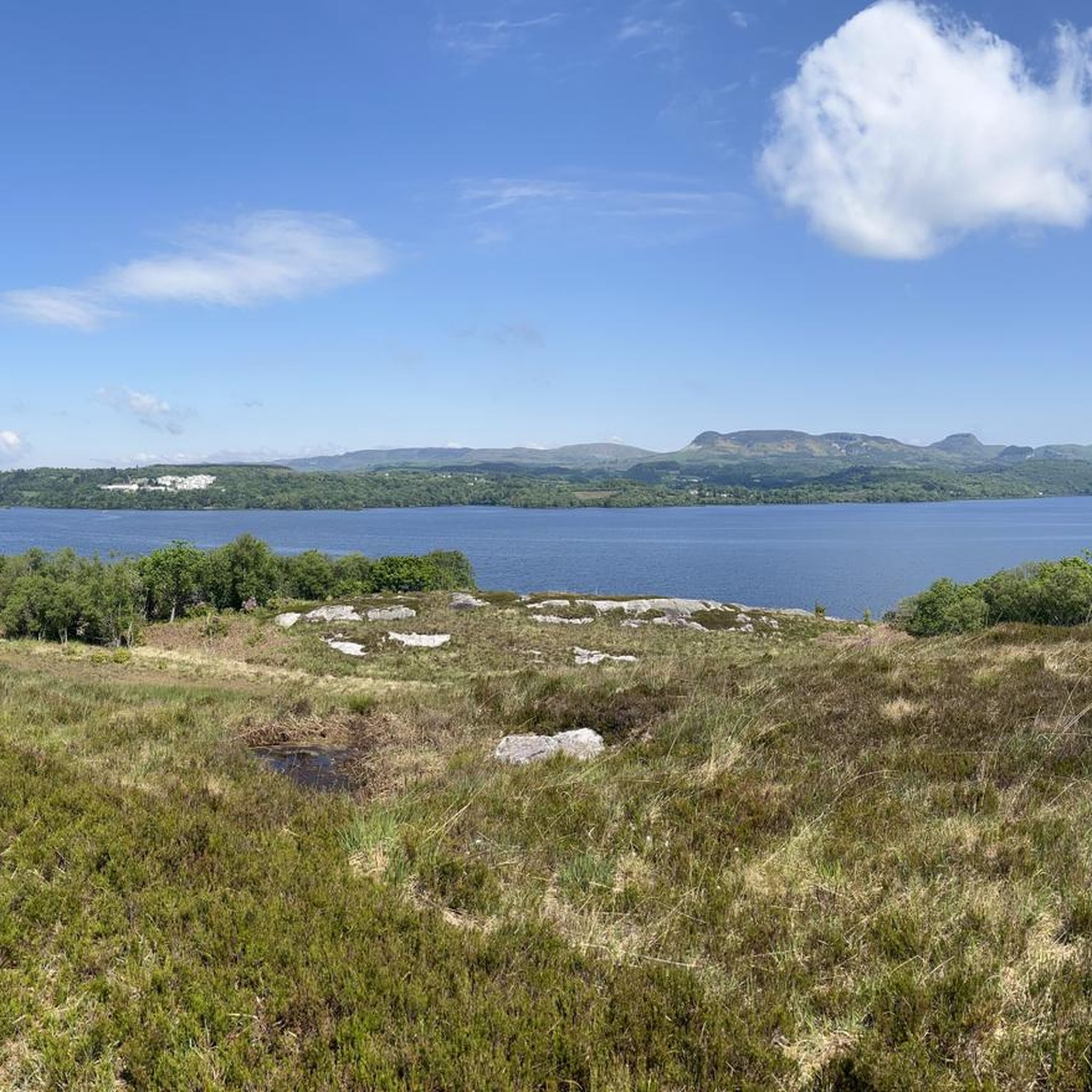
Road cycling around Lough Gill offers diverse routes through picturesque countryside, featuring shimmering waters and forested shores. The region is characterized by rolling hills and secluded woodlands, including Slish Wood and Dooney Rock. Cyclists encounter varied terrain, with paved surfaces suitable for road bikes, and gradual climbs leading to exhilarating downhill stretches. The area provides a mix of flat sections, gentle inclines, and descents, accommodating various fitness levels.
Best road cycling routes around Lough Gill
- The most popular road cycling…
Last updated: July 11, 2026
3.0
(1)
53
riders
99.5km
04:29
870m
870m
Moderate road ride. Good fitness required. Mostly well-paved surfaces and easy to ride.
3.0
(1)
34
riders
48.1km
02:11
520m
520m
Moderate road ride. Good fitness required. Mostly well-paved surfaces and easy to ride.

Sign up for free
5.0
(1)
9
riders
69.9km
03:25
740m
740m
Moderate road ride. Good fitness required. Mostly well-paved surfaces and easy to ride.
4.3
(4)
70
riders
40.0km
01:48
360m
360m
Cycle the moderate Lough Gill Cycle Loop, a 24.8 miles (40.0 km) route offering scenic views of Lough Gill and historical landmarks.
4.0
(1)
3
riders
96.8km
04:31
920m
920m
Cycle the challenging 60.2-mile Gleniff Horseshoe, Lough Melvin, and Manorhamilton loop from Sligo, featuring dramatic scenery.
Get access to more routes and recommendations from other explorers.
Sign up for free
Already have an account?
Our route recommendations are based on thousands of hikes, rides, and runs completed by other people on komoot.
Start today with a free account
Your next adventure awaits.
Login or Signup
Tips from the Community

The Drumcliff Round Tower is the remnant of an early Christian monastery traditionally founded around 560 by Columcille (Columba). Only the stump of the tower remains standing, but together with the High Cross across the road, it forms a clear landmark of the old abbey site. The tower was part of a larger monastic complex that was a religious center for centuries along the old route between Sligo and Donegal. The weathered stones and the open space around the tower give a clear picture of the early medieval presence in Drumcliff.
4
0
Central bridge over the Garavogue River, named after Douglas Hyde. A recognizable landmark in the heart of Sligo, with views of the river and direct access to the Yeats Memorial Building and the city's main streets.
5
0
Neo-Gothic courthouse from 1878 on Teeling Street, designed by James Rawson Carroll. The sandstone facade with turrets and pointed arches gives the building a strikingly stately character. A rare example of Victorian architecture outside of Dublin.
3
0
This Dominican priory, the city's oldest monument, built in the 13th century by Maurice Fitzgerald, has a choir and the remains of a stone rood screen with three arches from that period. Heavily damaged by fire, the abbey received additions in the 15th century, such as the cloister, the nave, the tower, and especially the most beautiful element of the building: the sarcophagus altar, carved with nine panels, unique in its kind in Ireland.
4
0

Creevelea Abbey is an early 16th-century Franciscan friary and National Monument located in Dromahair. While just over the border from County Sligo in County Leitrim, it is an important monument signalling the end (or start) of the Sligo Way. While it is in ruins, Creevelea Abbey is still in use as a grave yard.
1
0

This very impressive, opulent French Gothic courthouse, designed by Rawson Carroll, is well preserved and is not only one of the most striking and memorable buildings in Sligo, but also one of the finest examples of its genre in the country.
2
0
The famous Irish poet William Butler Yeats is closely associated with County Sligo; he used the abbey in two short stories: "The Crucifixion of the Outcasts" and "The Curse of Fire and Shadow." Yeats is buried in the nearby Drumcliffe Church.
4
0
At the Carrowmore Megalithic Cemetery, archaeologists have discovered the remains of more than 60 tombs, of which more than 30 have been excavated. The oldest tombs are about 700 years older than Newgrange and date from around 3800 BC.
0
0
Frequently Asked Questions
How many road cycling routes are available around Lough Gill?
There are over 120 road cycling routes to explore around Lough Gill, offering a wide variety of options for different skill levels and preferences. The komoot community has rated these routes highly, with an average score of 4.16 stars.
Are there any easy road cycling routes suitable for beginners or families?
Yes, Lough Gill offers several routes suitable for beginners and families. There are 14 routes classified as easy, featuring mostly paved surfaces and gentle gradients. These routes allow you to enjoy the picturesque countryside without overly challenging climbs.
What are some popular road cycling routes around Lough Gill?
A highly popular route is the Lough Gill Cycle Loop, a moderate 39.9 km journey that takes you through scenic countryside and past notable attractions like Parkes Castle. Another local favourite is the Hyde Bridge loop from Markievicz Park, a 46.0 km path offering varied terrain and lake views.
What kind of terrain can I expect on road cycling routes in Lough Gill?
The road cycling routes around Lough Gill primarily feature paved surfaces, making them ideal for road bikes. You'll encounter a mix of flat sections, gentle inclines, and exhilarating downhill stretches. The terrain incorporates rolling hills and gradual climbs, providing a varied and engaging experience without being overly challenging.
Are there any challenging road cycling routes for experienced cyclists?
Yes, for more experienced cyclists seeking a challenge, there are 17 difficult routes available. One such route is the Gleniff horseshoe, Lough Melvin and Manorhamilton loop from Sligo, which covers 96.8 km and features significant elevation changes, offering breathtaking vistas and a demanding ride.
What historical sites or landmarks can I see along the cycling routes?
The routes are rich in history. You can visit the restored 17th-century Parkes Castle, which is a significant landmark along the Lough Gill Cycle Loop. The area is also steeped in history, passing by various historic sites and through areas that inspired the poetry of W.B. Yeats. The Sligo Abbey – Hyde Bridge loop from Dooney Rock, for instance, leads through scenic countryside and historical sites.
Are there places to stop for refreshments or a break during a ride?
Yes, approximately halfway through the popular Lough Gill Cycle Loop, you'll find the charming Dromahair Village, which offers pubs and cafes where you can refuel and take a break. Additionally, areas like Slishwood Forest and Dooney Rock feature picnic areas, perfect for a scenic stop.
What natural attractions or viewpoints are there along the routes?
Cyclists can enjoy stunning natural beauty, including the shimmering waters of Lough Gill itself, secluded forests like Slishwood Forest, and majestic mountain ranges. Notable viewpoints include the Tip of Hazelwood and the View of Hazelwood and Lough Gill from the Sligo Way, offering panoramic vistas of the lake and surrounding countryside.
Is it possible to rent a road bike in the Lough Gill area?
Yes, local bike rental shops and tour operators are available in the Lough Gill area, making it convenient to explore the region on two wheels even if you don't bring your own bike.
What do other road cyclists appreciate most about cycling in Lough Gill?
The komoot community highly rates road cycling in Lough Gill, with an average score of 4.16 stars from over 40 reviews. Cyclists often praise the picturesque countryside, the variety of routes catering to different fitness levels, and the stunning views of the lake and forested shores. The well-maintained paved surfaces are also frequently highlighted as a positive aspect.
Are there any long-distance road cycling routes available?
Yes, for those looking for longer rides, routes like the Sligo Abbey – Hyde Bridge loop from Dooney Rock span over 100 km, offering an extensive journey through scenic countryside and historical sites. Another substantial option is the Arigna Mining Experience – Belhavel loop from Slishwood, covering nearly 70 km.
Most popular routes around Lough Gill
Most popular attractions around Lough Gill

Get inspired with the komoot mobile app


Explore more
Browse the best Road cycling routes in other regions.
