The best walks and hikes around Montezuma
4.6
(9)
313
hikers
18
hikes
Hiking around Montezuma offers diverse landscapes for outdoor exploration. The region features varied terrain, including mountainous areas with significant elevation changes and forested paths. Hikers can expect trails that lead through natural environments, providing opportunities for different levels of physical activity. The area's geography supports a range of hiking experiences, from moderate ascents to more challenging climbs.
Best hiking trails around Montezuma
- The most popular hiking route is Grays Peak & Torreys Peak from Argentine Pass Trailhead — White River…
Last updated: May 27, 2026
1
hikers
6.00km
02:42
810m
10m
Moderate hike. Good fitness required. Mostly accessible paths. Sure-footedness required.
9.96km
02:55
430m
40m
Moderate hike. Good fitness required. Easily-accessible paths. Suitable for all skill levels.

Sign up for free
9
hikers
13.9km
06:04
1,190m
1,190m
Hard hike. Very good fitness required. Mostly accessible paths. Sure-footedness required.
9
hikers
7.42km
02:23
340m
340m
Moderate hike. Good fitness required. Easily-accessible paths. Suitable for all skill levels.
7
hikers
8.28km
03:13
620m
620m
Moderate hike. Good fitness required. Easily-accessible paths. Suitable for all skill levels.
Get access to more routes and recommendations from other explorers.
Sign up for free
Already have an account?
Our route recommendations are based on thousands of hikes, rides, and runs completed by other people on komoot.
Start today with a free account
Your next adventure awaits.
Login or Signup
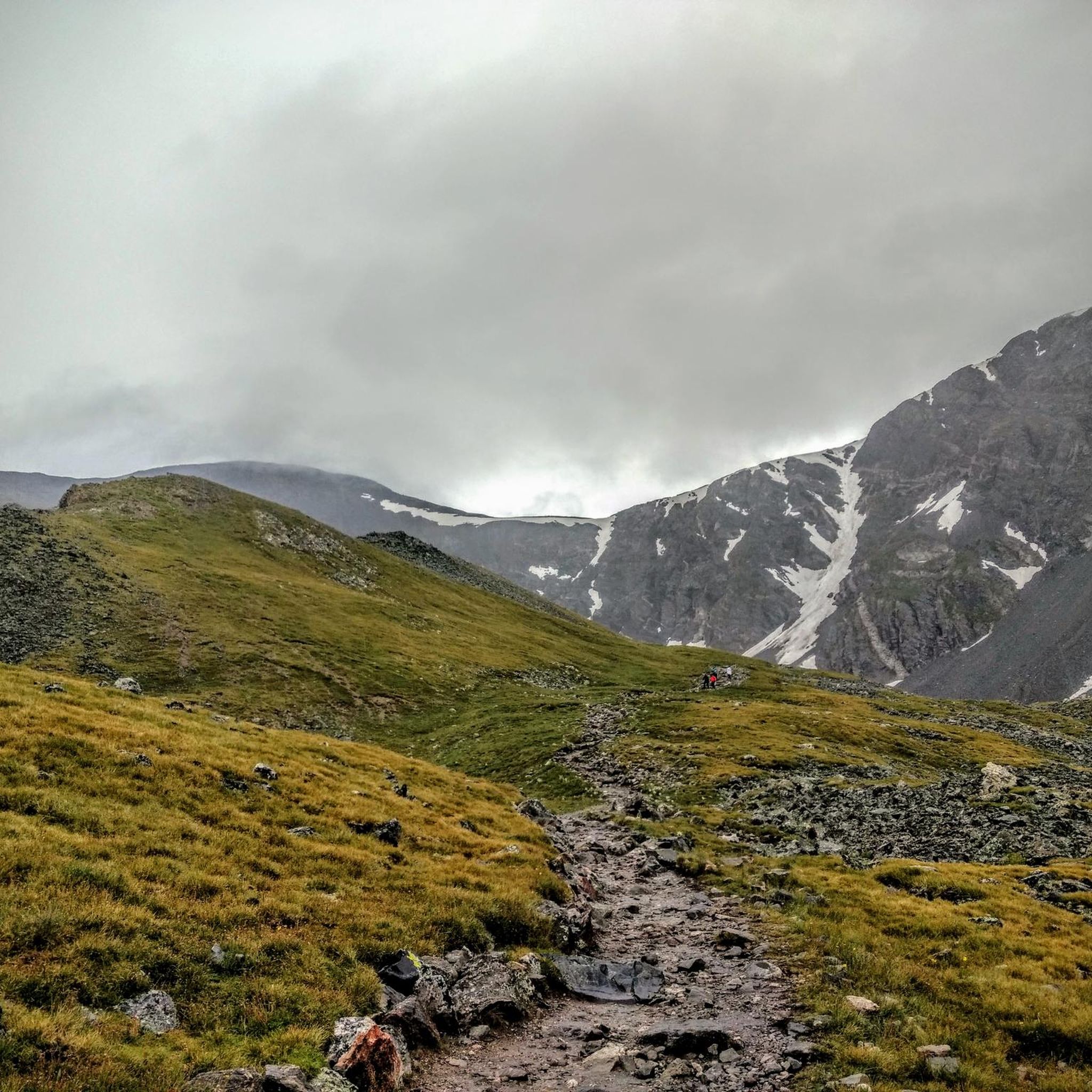
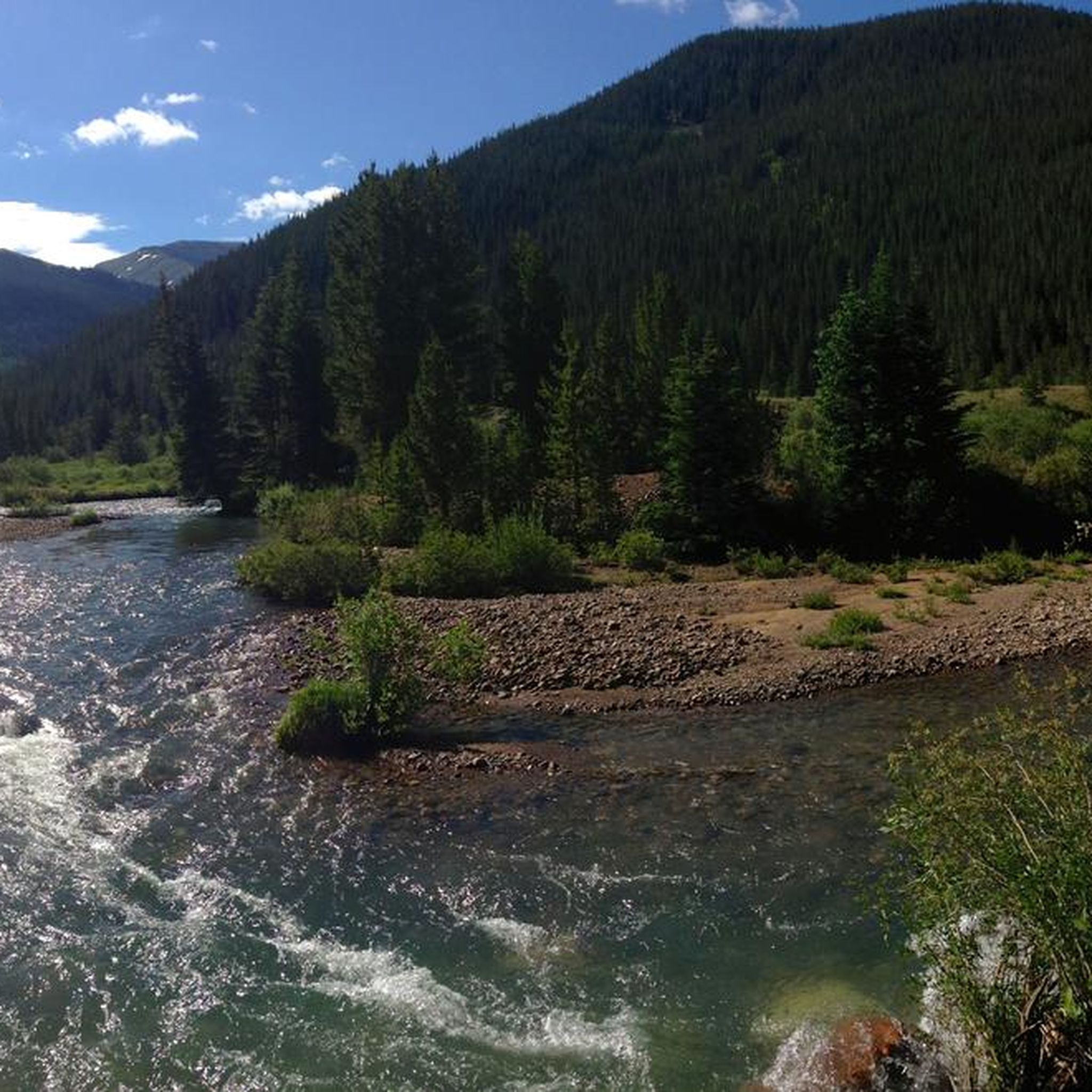
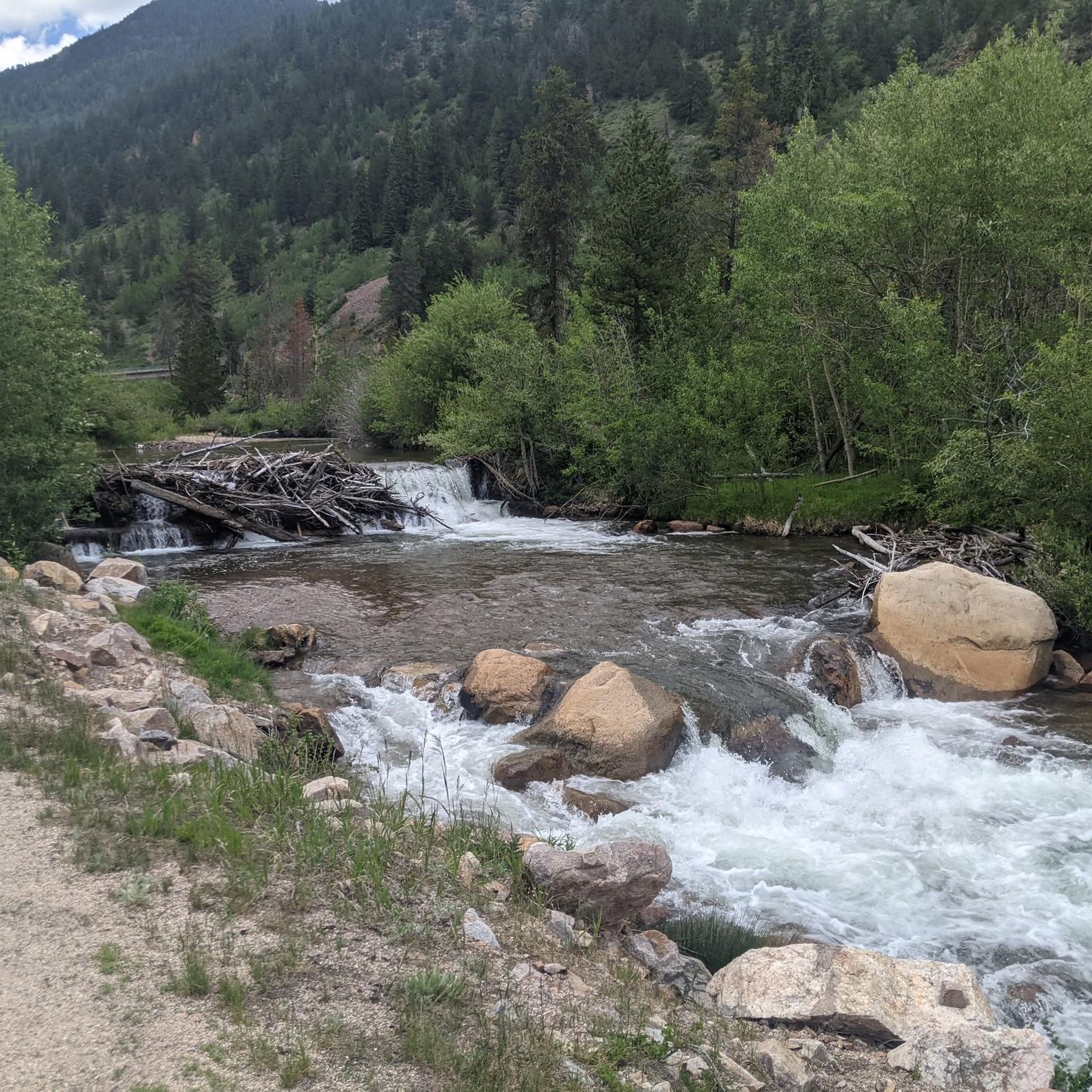
Tips from the Community

Gray's Lake is a secluded alpine lake situated at the southern base of Grays Peak. The road to the trailhead is pretty rough (discouraging a lot of users), but the trail is much more accessible than some of the rockier 14er hikes in the area. This alpine lake shines turquoise blue once it thaws out for the summer.
0
0
Mount Edwards is a 13,856-foot tall peak in Arapaho National Forest. This class 2 summit does not see nearly as many people reaching its peak as the 14er Grays Peak, which shares a long ridge with Mount Edwards. Route finding is straight forward once you are on the ridge, and the views are just as great as the higher summits.
0
0
At an elevation of roughly 13,200 feet, Argentine Pass is one of the most rugged mountain passes still drivable (by well-equipped vehicles) in Colorado. The old mining route passes remnants of a mining village and tops out on the saddle connecting the towering 13ers Mount Edwards and Argentine Peak.
0
0
At an elevation of roughly 13,200 feet, Argentine Pass is one of the most rugged mountain passes still drivable (by well-equipped vehicles) in Colorado. The old mining route passes remnants of a mining village and tops out on the saddle connecting the towering 13ers Mount Edwards and Argentine Peak.
0
0
Mount Edwards is a 13,856-foot tall peak in Arapaho National Forest. This class 2 summit does not see nearly as many people reaching its peak as the 14er Grays Peak, which shares a long ridge with Mount Edwards. Route finding is straight forward once you are on the ridge, and the views are just as great as the higher summits.
0
0
Gray's Lake is a secluded alpine lake situated at the southern base of Grays Peak. The road to the trailhead is pretty rough (discouraging a lot of users), but the trail is much more accessible than some of the rockier 14er hikes in the area. This alpine lake shines turquoise blue once it thaws out for the summer.
0
0

Torreys Peak is just around the corner from Grays Peak – so you can summit two of the 58 peaks that exceed 14,000 feet in one hike. The view from the summit is exceptionally beautiful. Keep an eye on the weather, though. Thunderstorms are likely to occur in the afternoon during the summer months.
4
0
Grays Peak is one of Colorado's famous 14ers and one of the easier ones to summit. If you hike along the iconic Continental Divide Trail (stretching from Mexico to Canada), this mountain is directly on your route. As with all mountains in this area: Keep an eye on the weather. Thunderstorms in the afternoon are very likely during the summer months, so start your hike early. And since you are already here: With Torreys Peak, there is another 14er just around the corner.
4
0
Frequently Asked Questions
What types of hiking trails can I expect in Montezuma?
Montezuma offers a diverse range of hiking experiences, from coastal trails along pristine beaches to paths winding through lush rainforests and leading to impressive waterfalls. You'll find routes that traverse varied terrain, including some with significant elevation changes, providing options for different activity levels.
Are there any easy or family-friendly hikes in Montezuma?
Yes, Montezuma has several easy hiking options suitable for families. For instance, the walk to the first tier of the Montezuma Waterfalls is relatively accessible, offering refreshing swimming holes. Coastal walks, especially at low tide, can also be gentle and enjoyable for all ages, such as the scenic walk to Playa Grande.
Can I find challenging hikes in the Montezuma area?
Absolutely. For a more challenging adventure, consider the trek to El Chorro Waterfall (Cocalito Falls), which involves a 4-hour round-trip hike along the coast and through natural refuges. The Grays Peak & Torreys Peak from Argentine Pass Trailhead route, though geographically distinct from Montezuma's immediate coastal trails, represents the 'difficult' category in our guide, featuring substantial elevation gain over 8.6 miles.
What natural attractions can I see while hiking in Montezuma?
Montezuma is rich in natural beauty. Hikers can explore stunning waterfalls like the iconic Montezuma Waterfalls and the unique El Chorro Waterfall, which cascades directly into the ocean. You'll also encounter pristine beaches such as Playa Montezuma, Playa Grande, and Playa Cocalito, and dense rainforests teeming with wildlife.
Are there any waterfalls accessible by hiking in Montezuma?
Montezuma is famous for its waterfalls. The most popular are the Montezuma Waterfalls, a series of three cascades accessible via a jungle trail from town, offering swimming opportunities. Another unique option is El Chorro Waterfall (Cocalito Falls), which requires a more challenging coastal hike to witness its direct drop into the Pacific Ocean.
What wildlife might I encounter on Montezuma's trails?
Hiking in Montezuma offers excellent opportunities for wildlife spotting. In the lush rainforests and natural refuges, you might see various monkey species, including white-faced and spider monkeys, as well as white-tailed deer and a wide array of bird species, including scarlet macaws. Keep an eye out, especially in protected areas like Cabo Blanco Absolute Natural Reserve or Curú National Wildlife Refuge.
Are there any nearby national parks or reserves for hiking?
Yes, Montezuma is close to significant protected areas. The Cabo Blanco Absolute Natural Reserve, Costa Rica's first national park, offers trails like the Sueco Trail leading to secluded beaches and wildlife viewing. The Curú National Wildlife Refuge is also easily accessible, providing well-maintained trails through diverse ecosystems for excellent wildlife observation.
What do other hikers say about the trails in Montezuma?
The hiking routes in Montezuma are highly rated by the komoot community, with an average score of 4.4 stars from over 10 reviews. Hikers often praise the region's diverse landscapes, the beauty of the waterfalls, and the opportunities for wildlife encounters.
Are there any circular hiking routes in Montezuma?
While many trails in Montezuma are out-and-back, coastal hikes can often be combined with inland paths to create circular experiences, especially when exploring different beaches or waterfall access points. For example, the Horseshoe Basin Trail to Gray's Lake, a moderate 4.6-mile path, offers a loop-like experience through scenic basin landscapes.
What are some interesting landmarks or viewpoints along Montezuma's trails?
Beyond the waterfalls and beaches, hikers might encounter unique spots like Piedra Colorada, known for its rock stacking. For panoramic views, trails leading to higher elevations within the rainforests can offer glimpses of the Pacific coastline. While not directly in Montezuma, highlights like Grays Peak and Torreys Peak are examples of significant summits that offer breathtaking vistas in other mountainous regions.
How many hiking trails are available in Montezuma?
Our guide features over a dozen distinct hiking routes around Montezuma, offering a variety of experiences from easy strolls to more challenging treks. In total, there are 15 tours documented, catering to different skill levels and interests.
What is the best time of year to go hiking in Montezuma?
The best time to hike in Montezuma is generally during the dry season, from December to April. During these months, the weather is sunny with less humidity, making trails more accessible and comfortable. The rainy season (May to November) can bring lush greenery but also muddy trails and potential for heavy downpours.
Most popular attractions around Montezuma

Get inspired with the komoot mobile app


Explore more
Browse the best Hikes in other regions.
