The best cycling routes around Seekamper Lake
4.6
(4382)
14,973
riders
284
rides
Touring cycling around Seekamper Lake, situated within the Holstein Switzerland Nature Park, features routes through a landscape shaped by the last ice age. The region is characterized by tranquil lakes, rolling hills, and lush surroundings, providing a blend of water, forest, meadows, and fields. Well-maintained paths contribute to the area's appeal for cyclists. This natural environment offers a serene setting for active recreation.
Best touring cycling routes around Seekamper Lake
- The most popular touring cycling route is Travenort Estate –…
Last updated: October 9, 2026
4.3
(4)
6
riders
24.3km
01:25
110m
110m
Easy bike ride. Great for any fitness level. Mostly paved surfaces. Suitable for all skill levels.
3
riders
Easy bike ride. Great for any fitness level. Mostly paved surfaces. Suitable for all skill levels.

4.5
(13)
47
riders
28.6km
01:48
170m
170m
Moderate bike ride. Good fitness required. Mostly paved surfaces. Suitable for all skill levels.
4.7
(6)
26
riders
50.1km
03:16
280m
280m
Moderate bike ride. Good fitness required. Mostly paved surfaces. Suitable for all skill levels.
4.0
(2)
11
riders
Moderate bike ride. Good fitness required. Mostly paved surfaces. Suitable for all skill levels.
Get access to more routes and recommendations from other explorers.
Already have an account?
Our route recommendations are based on thousands of hikes, rides, and runs completed by other people on komoot.
Start today with a free account
Your next adventure awaits.

Tips from the Community

The estate in its current form was established in the early 19th century. The place was first mentioned in documents in 1249 and partially burned down in 1882. The estate belongs to Gut Travenhorst. The manor house is magnificent. The estate is characterized by horse breeding (cold-blooded horses), the horses are used in forestry. I didn't dare to go far up into the yard, although no signs prohibited access. https://www.gutkamp.de/dienstleistungen-forst/
0
0

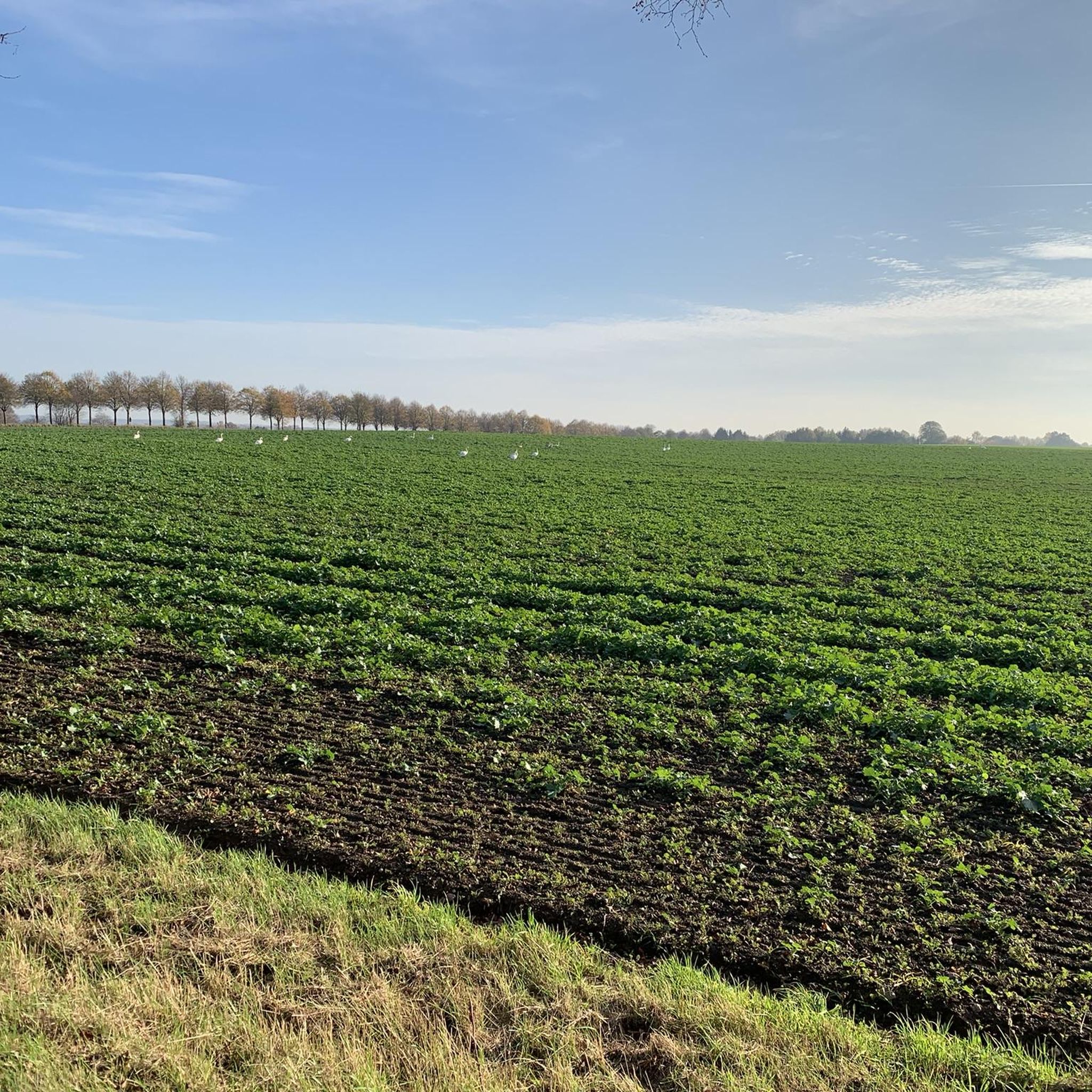
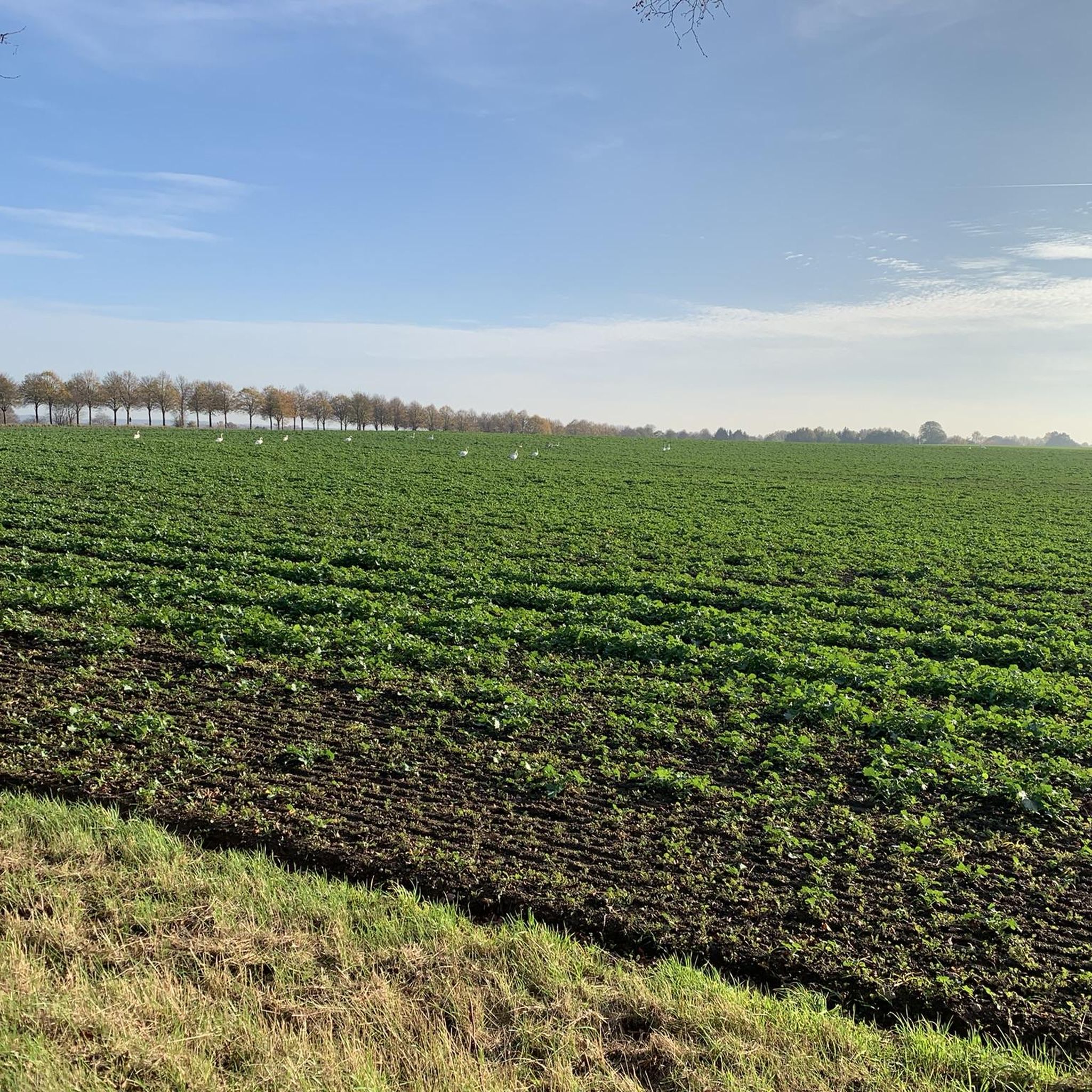
Continuously straight stretch, well suited for riding
0
0

Beautiful path through predominantly beech forest.
2
0

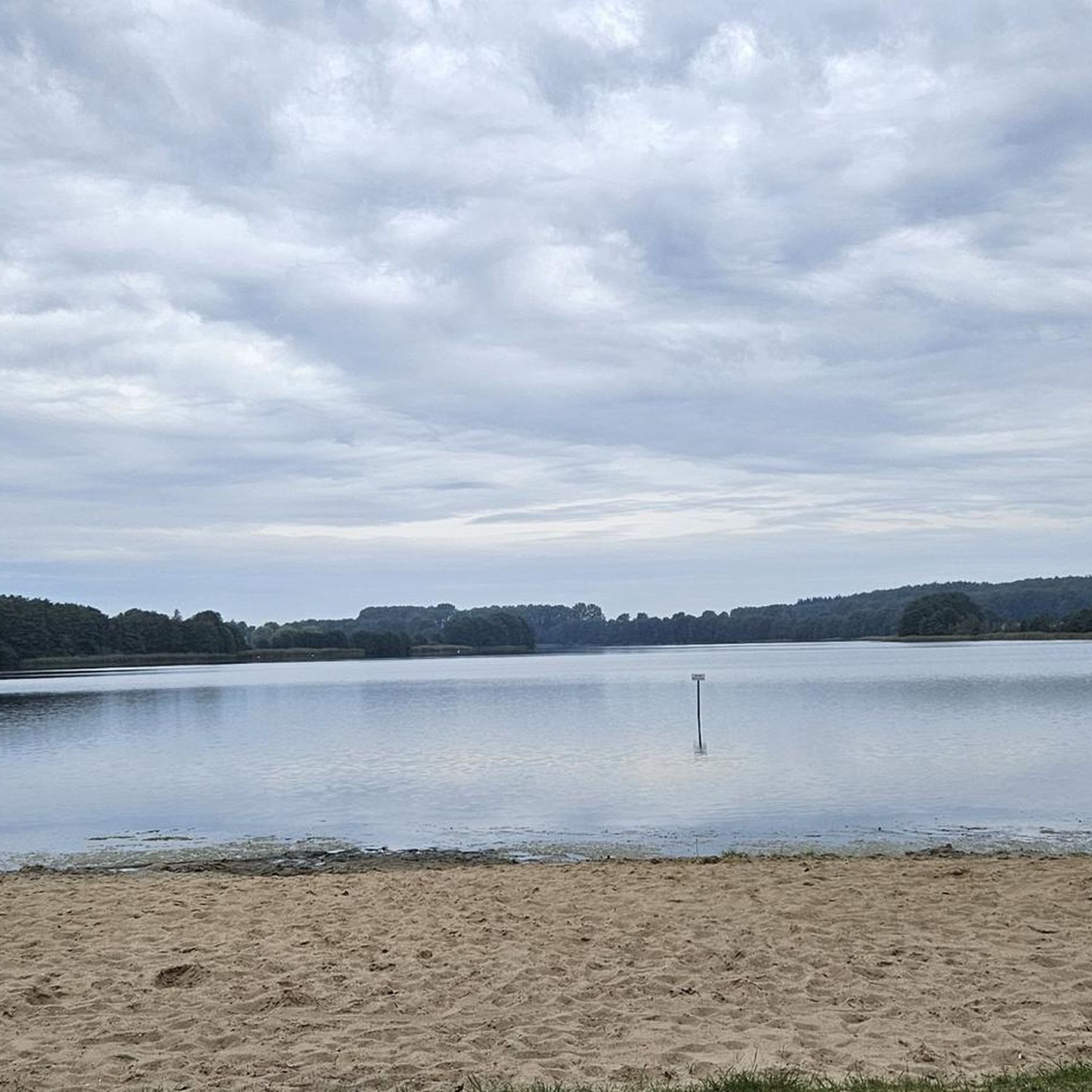
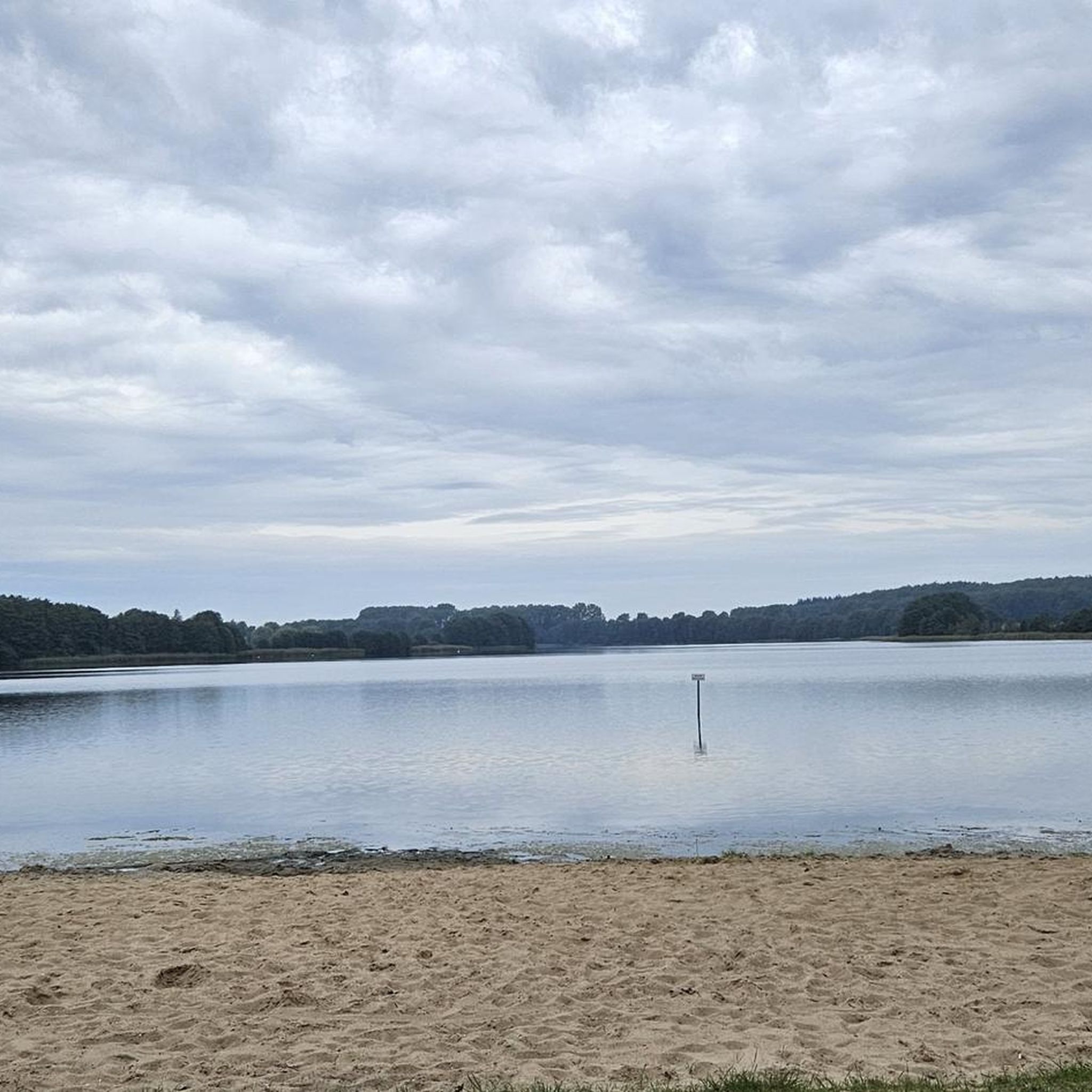
Swimming area on the Großer Plöner See (Great Plön Lake) with a sandy beach, playground, and sunbathing lawn. The long, sandy beach is the ideal swimming spot for families. A sunbathing lawn, benches, a hammock, a slide, mini-golf, and a small playground invite you to linger. The water is gently sloping and marked with a non-swimmer's boundary. Shady spots and a jetty into the water are available, as are changing facilities and restrooms.
12
4
The lake was first mentioned in a document in 1075 in a description of the Limes Saxoniae by Adam of Bremen. The village was first mentioned in 1347, when the knight Nikolaus Splyth pledged his estate, including the village of Stocksee, to Reinfeld Monastery. From 1640 to 1649, Stocksee was owned by the noble Brockdorff family. In 1649, Duke Joachim Ernst (Schleswig-Holstein-Sonderburg-Plön), the first Duke of the Duchy of Schleswig-Holstein-Sonderburg-Plön, acquired Stocksee.[6]
6
0
On October 1, 1937, the municipality of Stocksee was merged with the neighboring village of Damsdorf under the name Stocksee. In 1948, the municipal council decided to separate the municipalities again, and this decision was implemented on March 31, 1951.[8][9] In the 1980s, divers found a roughly 700-year-old dugout canoe in the lake, indicating a longer settlement history in the village.
6
0
Today's lake fills a deeply incised glacial tongue basin from the Weichselian glaciation. This basin was formed by the advance of various glaciers, which carved out large basins in the soft soil and deposited the material laterally. This formation resulted in the lake's shores being relatively steep, and the reed beds along the shores are relatively narrow. The lake contains three islands (Großrethberg, Kleine Insel, and Lange Insel) and a peninsula, which, like the shoreline, are predominantly covered in alder swamp forests. In higher elevations, these wetland forests transition into extensively managed beech forests.
7
0
Cows and calves grazing on pasture is an image often associated with species-appropriate animal husbandry and a high quality of life for the animals. Spending time together on pasture promotes the animals' natural behavior, enables social interaction, and contributes to their health. Advantages of grazing cows and calves: Natural husbandry: Cows and calves can pursue their natural needs, such as eating, exercising, resting, and interacting with other animals. Social learning: Calves learn how to interact in the herd from older animals and imitate their eating behavior. Improved animal welfare: Grazing promotes the animals' health because they can exercise, soak up sunlight, and breathe fresh air. Stable herd structure: Grazing together contributes to the development of close relationships and promotes a calm and stable herd structure. Promoting natural feeding habits: Calves learn to eat pasture feed early on and can thus better meet their needs. Less stress and competition: Due to the larger space and forage variety on the pasture, stress caused by competition is reduced. Aspects to consider when grazing: Weather conditions: Dry weather is important to protect pasture soils and animals from wet conditions. Forage availability: A good pasture with sufficient forage is crucial for successful grazing. Shelter: A sheltered shelter with dry bedding should be available to protect the animals from the elements. Frost-free water troughs: A frost-free water supply is important in winter, so heated water troughs should be provided. Keeping cows and calves together on pasture is an animal-friendly and natural form of husbandry that has a positive effect on the well-being and health of the animals.
6
0
Frequently Asked Questions
How many touring cycling routes are available around Seekamper Lake?
The Seekamper Lake area offers a wide variety of touring cycling routes, with over 300 options available. These include 180 easy routes, 102 moderate routes, and 21 more challenging trails, catering to different skill levels and preferences.
What kind of terrain and elevation can I expect on touring cycling routes around Seekamper Lake?
The landscape around Seekamper Lake, part of the Holstein Switzerland Nature Park, was shaped by the last ice age, resulting in rolling hills and tranquil waters. You can expect a mix of well-maintained paths, passing through forests, meadows, and fields. While generally not mountainous, routes like Linden Avenue Near Seedorf – Weitewelt Signpost loop from Travenhorst, a moderate 17.8-mile (28.6 km) route, can feature elevation gains of around 559 feet (170 meters).
Are there family-friendly touring cycling routes around Seekamper Lake?
Yes, many of the routes around Seekamper Lake are suitable for families. The region is known for its gentle slopes and well-maintained paths, especially around the lake itself. The bathing area in Seekamp, with its gently sloping shore, highlights the family-friendly nature of the area. There are 180 easy routes to choose from, ensuring options for all ages.
Can I find circular touring cycling routes around Seekamper Lake?
Absolutely. Many of the touring cycling routes in the area are designed as loops, allowing you to start and end at the same point. For example, the popular Travenort Estate – Göls Brick House loop from Klärteiche Bahrenkrug is a 15.1-mile (24.3 km) easy circular route, and Seedorf Manor – Weitewelt Signpost loop from Seekamp offers a scenic 10.0-mile (16.1 km) loop.
What natural attractions and scenic views can I enjoy while cycling around Seekamper Lake?
Cyclists around Seekamper Lake can enjoy diverse natural beauty. The region is characterized by tranquil waters, lush surroundings, and a blend of water, forest, meadows, and fields. The Seekamper Seewiesen Boardwalk offers pleasant strolls and opportunities for wildlife observation, including the chance to spot a white-tailed eagle. Scenic vistas are a common feature on many routes.
What do other touring cyclists enjoy the most about cycling in Seekamper Lake?
The area is highly rated by the komoot community, with an average score of 4.6 stars from over 3,300 reviews. Cyclists frequently praise the tranquil ambiance, the well-maintained paths, and the diverse landscapes of water, forest, and fields that make for a serene and engaging touring experience.
When is the best time of year to go touring cycling around Seekamper Lake?
The best time to cycle around Seekamper Lake is generally during the warmer months, from spring through early autumn. During this period, the weather is most favorable for outdoor activities, and the natural landscapes are at their most vibrant. The well-maintained paths are accessible, and the tranquil waters provide a pleasant backdrop.
Are there cafes or restaurants along the touring cycling routes near Seekamper Lake?
While specific establishments directly on every route are not detailed, the towns and villages surrounding Seekamper Lake, such as Seedorf and Bad Segeberg, offer various cafes, pubs, and restaurants where cyclists can stop for refreshments and meals. These are typically easily accessible from the main cycling paths.
Where can I find parking for touring cycling routes around Seekamper Lake?
Parking is generally available in the vicinity of popular starting points for cycling routes around Seekamper Lake. Many routes begin near villages or designated recreational areas where parking facilities are provided. For example, routes like Travenort Estate – Göls Brick House loop from Klärteiche Bahrenkrug often have parking options at their suggested starting points.
Is public transport available to reach the cycling areas around Seekamper Lake?
The Seekamper Lake region, being part of the Holstein Switzerland Nature Park, is generally accessible by public transport, though options may vary by specific starting point. Regional bus services often connect the smaller villages around the lake to larger towns like Bad Segeberg, which have train connections. It's advisable to check local transport schedules for the most convenient access points.
Are there any routes that offer panoramic views?
Yes, the rolling hills of the Holstein Switzerland Nature Park provide several opportunities for scenic vistas. For instance, the Heidmoor Nature Reserve – Panoramic View from Kattenberg loop from Bahrenkrug, Abzweigung is an easy 7.8-mile (12.5 km) route that specifically highlights a panoramic view from Kattenberg, offering expansive sights of the surrounding landscape.
Most popular routes around Seekamper Lake

Get inspired with the komoot mobile app


Explore more
Browse the best Cycling routes in other regions.
