The best walks and hikes around Damshagen
4.6
(4871)
21,426
hikers
30
hikes
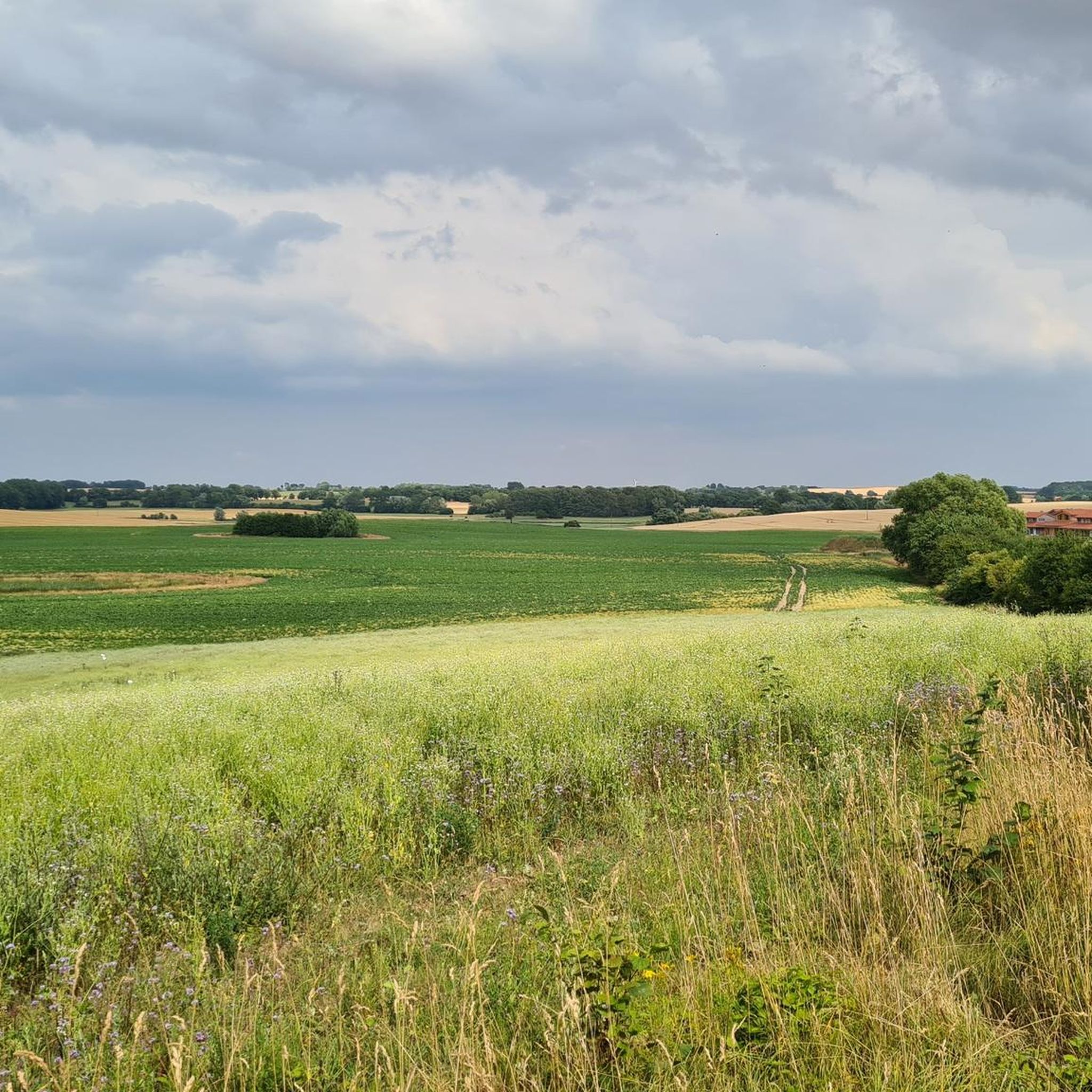
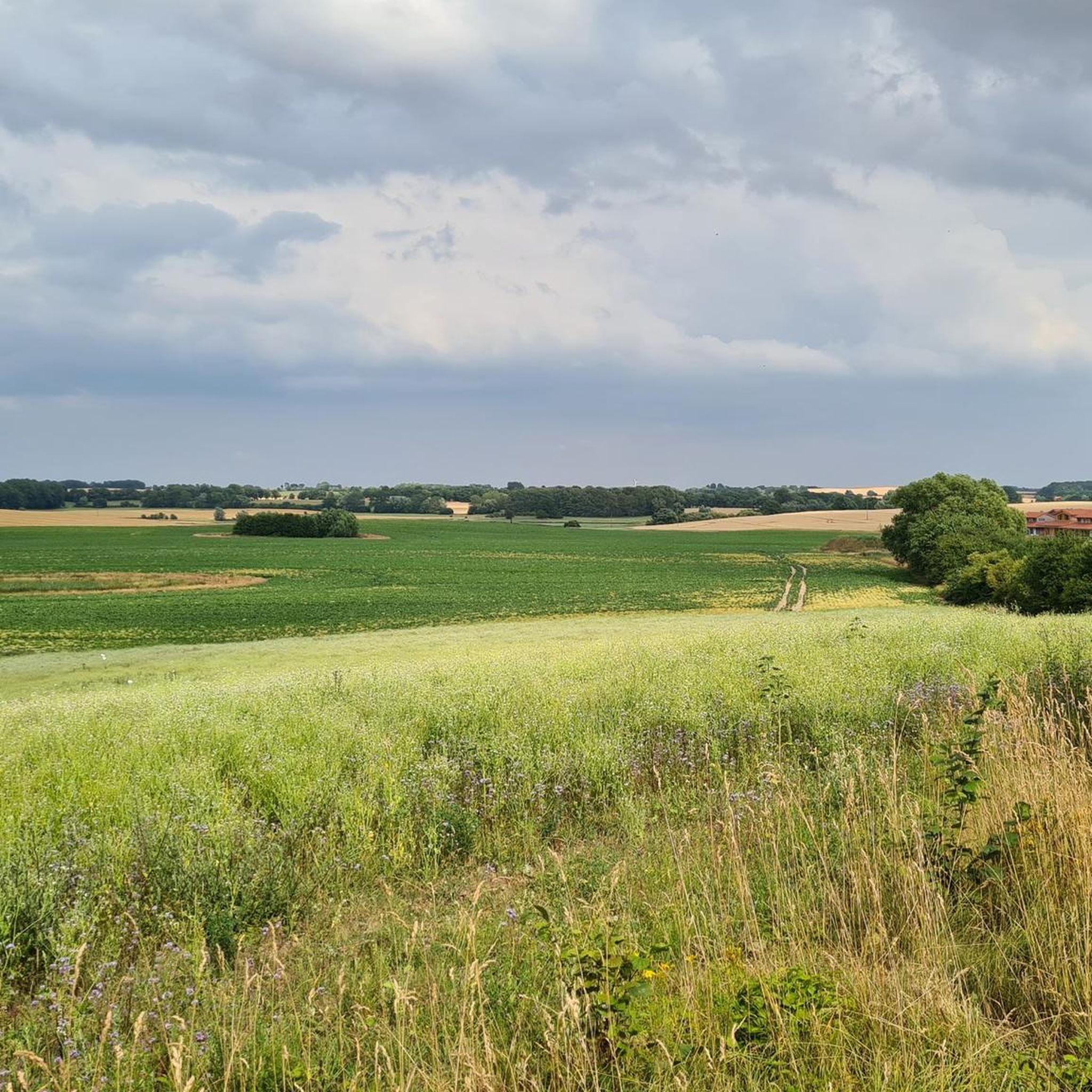
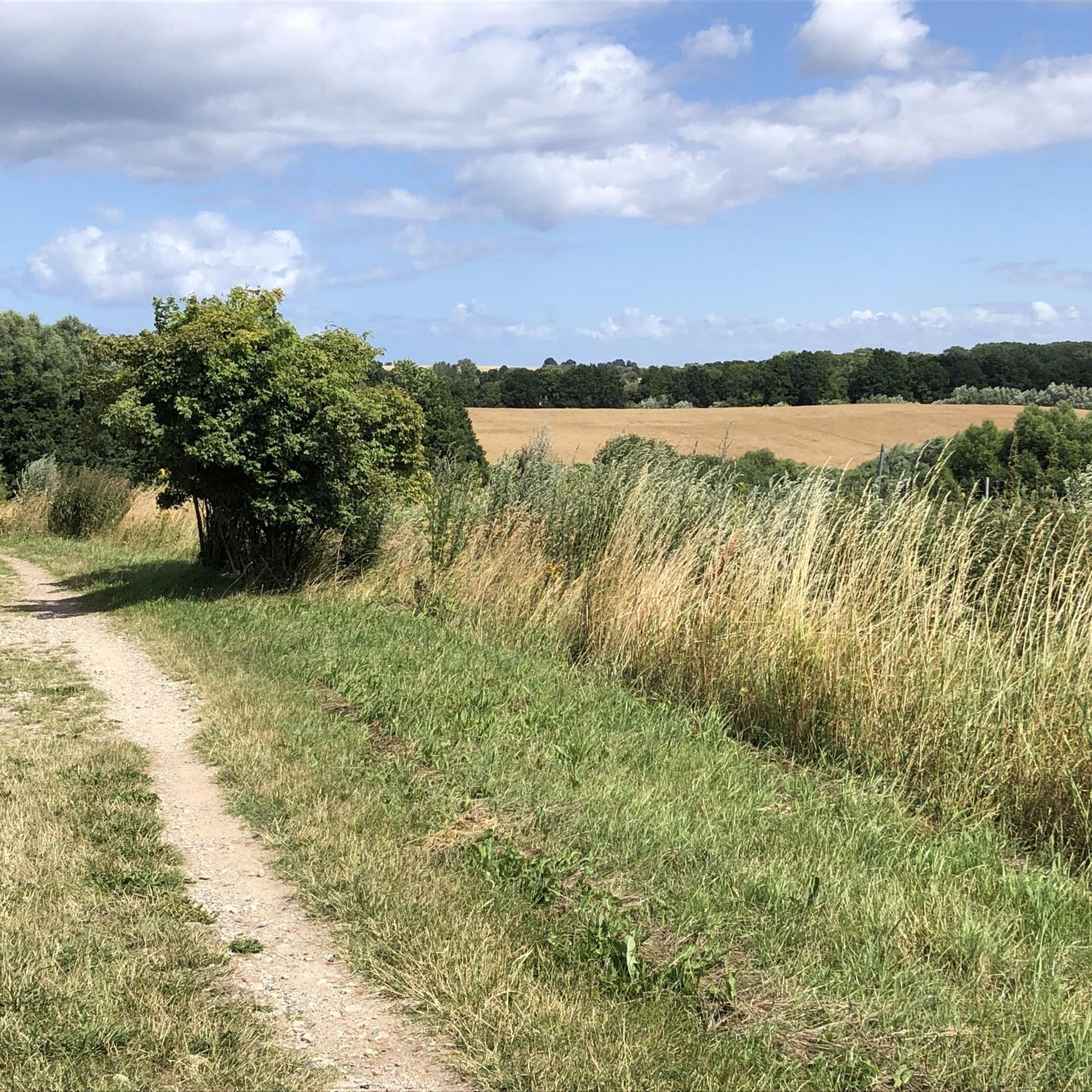
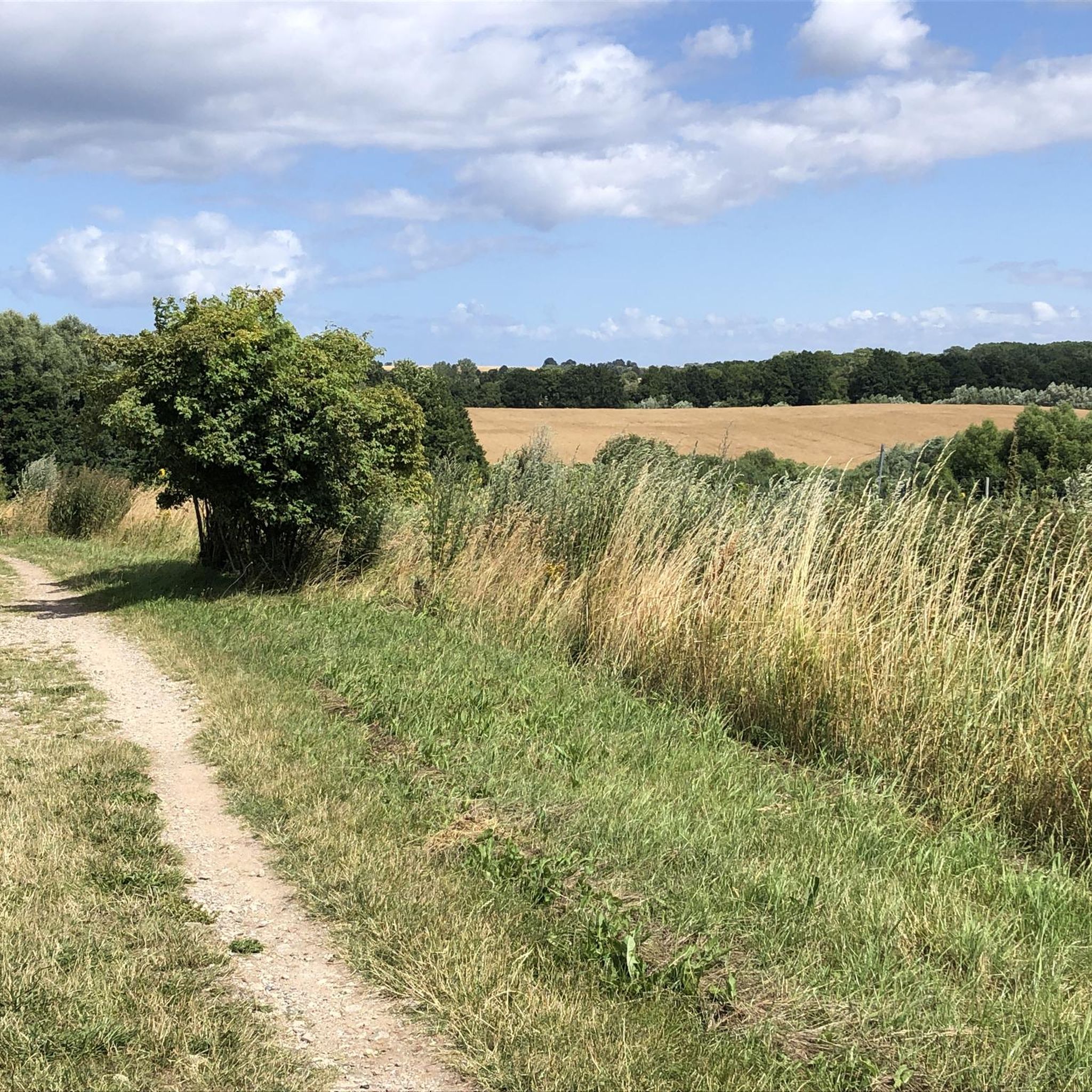
Hiking trails around Damshagen traverse a diverse landscape within Mecklenburg-Vorpommern, characterized by its proximity to the UNESCO Biosphere Reserve Schaalsee. The region features a mosaic of forests, moors, wet meadows, and fields, extending towards the Baltic Sea coast. Hikers can explore varied ecosystems, from dense woodlands to the shores of the Schaalsee lake and coastal paths.
Best hiking trails around Damshagen
- The most popular hiking route is Mäuseturm Ruin – Stellshagen Manor loop from Stellshagen, a 5.6 miles (9.1…
Last updated: October 13, 2026
4.7
(49)
170
hikers
9.16km
02:22
50m
50m
Moderate hike. Good fitness required. Easily-accessible paths. Suitable for all skill levels.
4.6
(20)
91
hikers
5.55km
01:27
40m
40m
Easy hike. Great for any fitness level. Easily-accessible paths. Suitable for all skill levels.

4.8
(20)
67
hikers
12.6km
03:17
90m
90m
Moderate hike. Good fitness required. Easily-accessible paths. Suitable for all skill levels.
4.2
(13)
55
hikers
Easy hike. Great for any fitness level. Easily-accessible paths. Suitable for all skill levels.
4.8
(5)
17
hikers
8.42km
02:11
50m
50m
Moderate hike. Good fitness required. Easily-accessible paths. Suitable for all skill levels.
Get access to more routes and recommendations from other explorers.
Already have an account?
Our route recommendations are based on thousands of hikes, rides, and runs completed by other people on komoot.
Start today with a free account
Your next adventure awaits.
Tips from the Community

The castle and park are impressively embedded in the landscape of the Klützer Winkel. They extend over an island surrounded by a closed moat based on a Dutch model. The garden offers not only peace and idyll – for many summers, the castle park has also served as a green backdrop for concerts that delight thousands.
1
0
An old cog served as a model here for a children's adventure playground.
1
0
Even if you don't know the writer - the building itself speaks for itself. Especially the many small window openings with the shutters.
1
0

The history of Gutshaus Stellshagen dates back to the Bronze Age, 3600 to 3200 BC. Stellshagen was first documented in 1230 as Stellershagen. In 1817, Hans Bernhard von Plessen united the estates in Stellshagen and Damshagen. In 1819, he sold the Gut Stellshagen estate to Gotthard Bernhard Vorbeck for 63,000 Reichsthaler. In 1833, the estate passed to Johann August Bosselmann, and in 1855 to his son Johann Heinrich Georg Friedrich Bosselmann. The latter sold it in 1865 for 225,000 Reichsthaler to Karl Bernhard Rudolff. Through a forced auction, the 353.3-hectare estate was acquired in 1886 by Count Ludwig von Bothmer. In 1894, it passed into the possession of Otto Graf von Bothmer and in 1918 it was sold to Hans von Plessen. In 1924, the Hamburg architect Franz Bach senior acquired the estate with 1500 Morgen of land for his son Franz Bach junior and built a stately manor house on the highest elevation in the area. The new lord of the manor, Franz Bach junior, was a patriarch like all the other lords of the manor in the area, but as a newcomer, he had not grown up with conventional patterns of relationships between lord and day laborers – so it was easier for him to bridge the social gap between him and his employees. In the village, the manor house was called "The Castle" because of its massive dimensions. But no nobles lived in the castle, but people with an uncomplicated and unconventional way of life – everything revolved around agriculture, the weather, the harvest, and the festivals that accompanied the leisurely rhythm of the seasons. In 1944, World War II broke into the idyll of the Klützer Winkel. Streams of refugees from the East poured into the country. Not only the manor house, but also the barn and the houses of the day laborers filled up with people who did not want to be overrun by the Russians. Many arrived with horse-drawn wagons, and some pushed their bundles on wheelbarrows – most of them were women and children. The front line moved ever closer. In the end, it was not the Red Army, but the Americans who marched into Stellshagen. The German soldiers offered no resistance, so the village was spared damage. Mrs. Lore Cordes, daughter of Franz Bach junior, had learned English at the Gymnasium in Hamburg and proved useful as an interpreter. The first thing she heard from the American commander was an eviction order. The American officer gave the Bach family three hours to leave their house, then he moved in himself. Lore Cordes found accommodation with her young son in the estate manager's house. But three weeks later, the Americans moved out again, and the Bachs were able to return to their house. The Americans had handed over the administration to the British. The Bach family left the manor house for Hamburg, but Franz Bach junior did not want to come along. The farmer was attached to his property and was not impressed by rumors that the British were about to withdraw. Soon after, the British left, and the Russians arrived. The lord of the manor, Franz Bach, got along well with the Russians. He met regularly with the Soviet commander for card games and vodka sessions in the manor house's living room, so that something akin to a friendship developed between the two. The land reform was, of course, unavoidable, and Franz Bach was aware that his manor house no longer belonged to him. He only lived there temporarily, but he helped the Soviet commander divide his lands among his former employees. Finally, the Russian officer handed over the administration to the German officials of the Soviet occupation zone. Shortly before this happened, the Russian commander advised his friend Franz Bach: It's time for you to get out. In 1994, Gertrud Cordes, granddaughter of Franz Bach junior, acquired the old manor house and converted it into an organic and health hotel, which opened in 1996.
0
0

From the Mäuseturm, you have a good view of the beautiful landscape in a secluded area.
0
0

A beautiful old avenue that circles the palace gardens. Drive carefully and enjoy. This is how you might have driven here 300 years ago.
1
0


Frequently Asked Questions
How many hiking trails are available around Damshagen?
There are over 30 hiking trails around Damshagen, catering to various skill levels. You'll find 11 easy routes, 18 moderate options, and 1 challenging trail for experienced hikers.
What kind of landscapes can I expect to see while hiking near Damshagen?
Hiking near Damshagen offers a diverse range of landscapes. You can explore a mosaic of forests, tranquil moors, and wet meadows, especially within the nearby UNESCO Biosphere Reserve Schaalsee. The region also extends towards the Baltic Sea coast, providing opportunities to experience coastal paths and views.
Are there any easy, family-friendly walks in the Damshagen area?
Yes, Damshagen offers several easy routes suitable for families. An example is the Stellshagen Manor – Mäuseturm Ruin loop from Klützer Winkel, an easy 5.1 km path that explores natural and cultural landmarks. Another gentle option is the Gutshaus Parin Eco Hotel – Bio-Gutshof Parin loop from Gutshaus Parin, a 4.2 km trail through agricultural landscapes.
What are some notable historical sites or attractions to see along the trails?
While hiking near Damshagen, you can encounter several interesting landmarks. The Mäuseturm Ruin – Stellshagen Manor loop from Stellshagen passes historical points of interest. Additionally, you might explore highlights such as Bothmer Castle or the Feston Avenue at Bothmer Castle. The region also features other castles like Kalkhorst Castle and Arpshagen Castle Ruins.
Can I find circular hiking routes around Damshagen?
Yes, many of the trails around Damshagen are circular routes, offering convenient starting and ending points. Examples include the moderate Mäuseturm Ruin – Stellshagen Manor loop from Stellshagen and the easier Stellshagen Manor – Mäuseturm Ruin loop from Klützer Winkel.
What do other hikers say about the trails in Damshagen?
The trails around Damshagen are highly regarded by the komoot community, with an average rating of 4.6 stars from over 1300 reviews. Hikers often praise the diverse forests, tranquil moors, and the well-maintained paths that offer a variety of experiences for different ability levels.
Are there any long-distance hiking opportunities near Damshagen?
While Damshagen itself offers routes up to about 12.8 km, its proximity to the Baltic Sea Coast means you can access sections of the E9 Baltic Sea Coastal Hiking Trail. This long-distance trail provides a mix of coastal scenery, pine forests, and vibrant rapeseed fields, offering options for extended hiking experiences.
What is the best time of year to go hiking in Damshagen?
Mecklenburg-Vorpommern, where Damshagen is located, offers pleasant hiking conditions through much of the year. Spring brings blooming rapeseed fields, summer provides warm weather for exploring the coast and lakes, and autumn showcases vibrant forest colors. The diverse landscapes make it enjoyable across seasons, though specific trail conditions may vary.
Are there any viewpoints or scenic overlooks on the trails?
The region's varied terrain, including its proximity to the Baltic Sea coast, offers several scenic spots. You can find a notable Cliff View of Lübeck Bay, providing expansive vistas of the coastline.
Can I combine hiking with other outdoor activities in the Damshagen area?
Absolutely. The region is excellent for combining hiking with other outdoor pursuits. The extensive network of trails also includes cycling paths, such as sections of the Baltic Sea Coast Cycle Route. The nearby Schaalsee lake also offers opportunities for water-based activities.
Are there any trails that lead to or pass by windmills?
Yes, you can find routes that include local landmarks like windmills. For instance, the Stellshagen Manor – Klütz Windmill loop from Klützer Winkel is a moderate 9.1 km hike that passes by the Klütz Windmill.
Most popular routes around Damshagen
Most popular attractions around Damshagen

Get inspired with the komoot mobile app


Explore more
Browse the best Hikes in other regions.
