The best cycling routes in Olympic National Forest
4.6
(71)
765
riders
39
rides
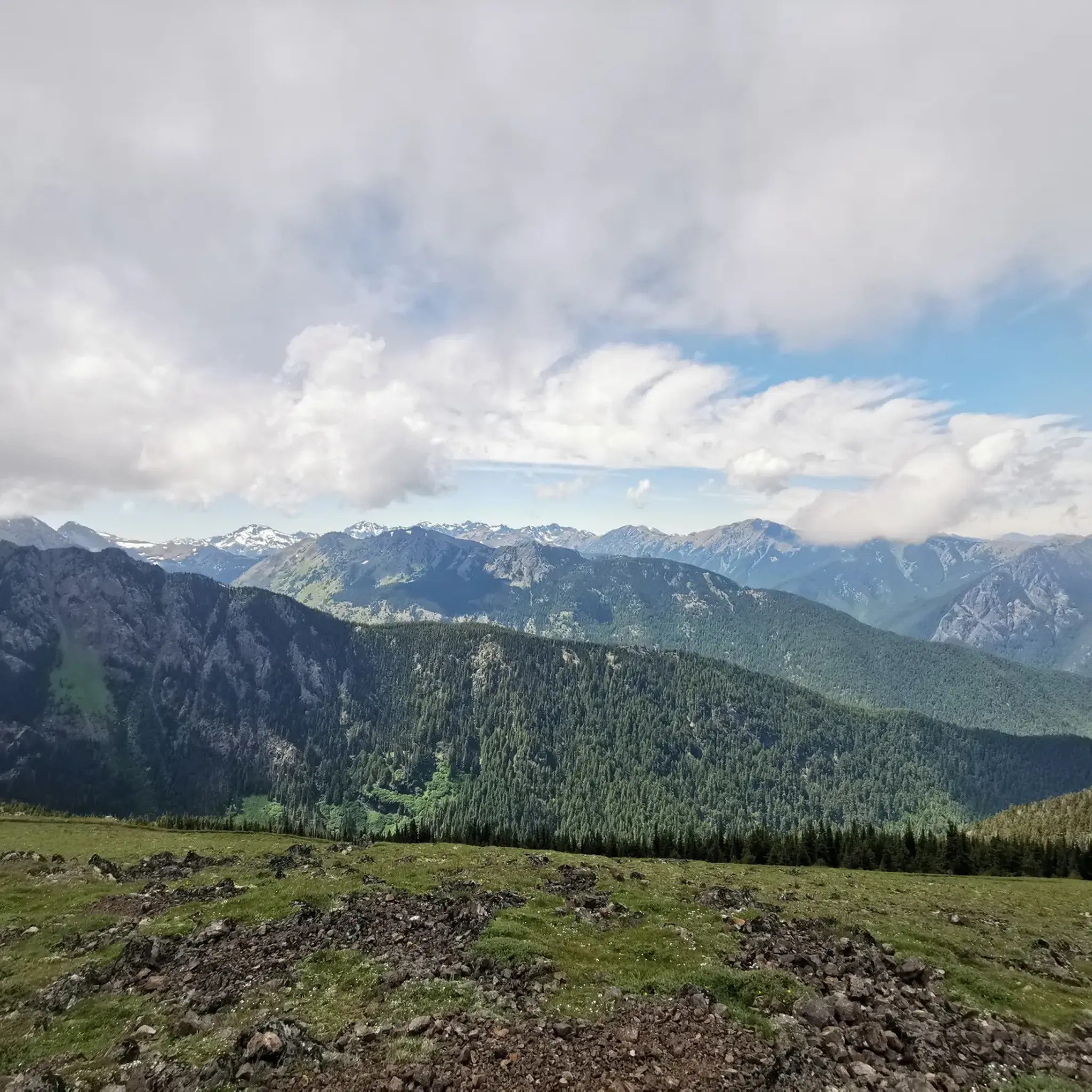
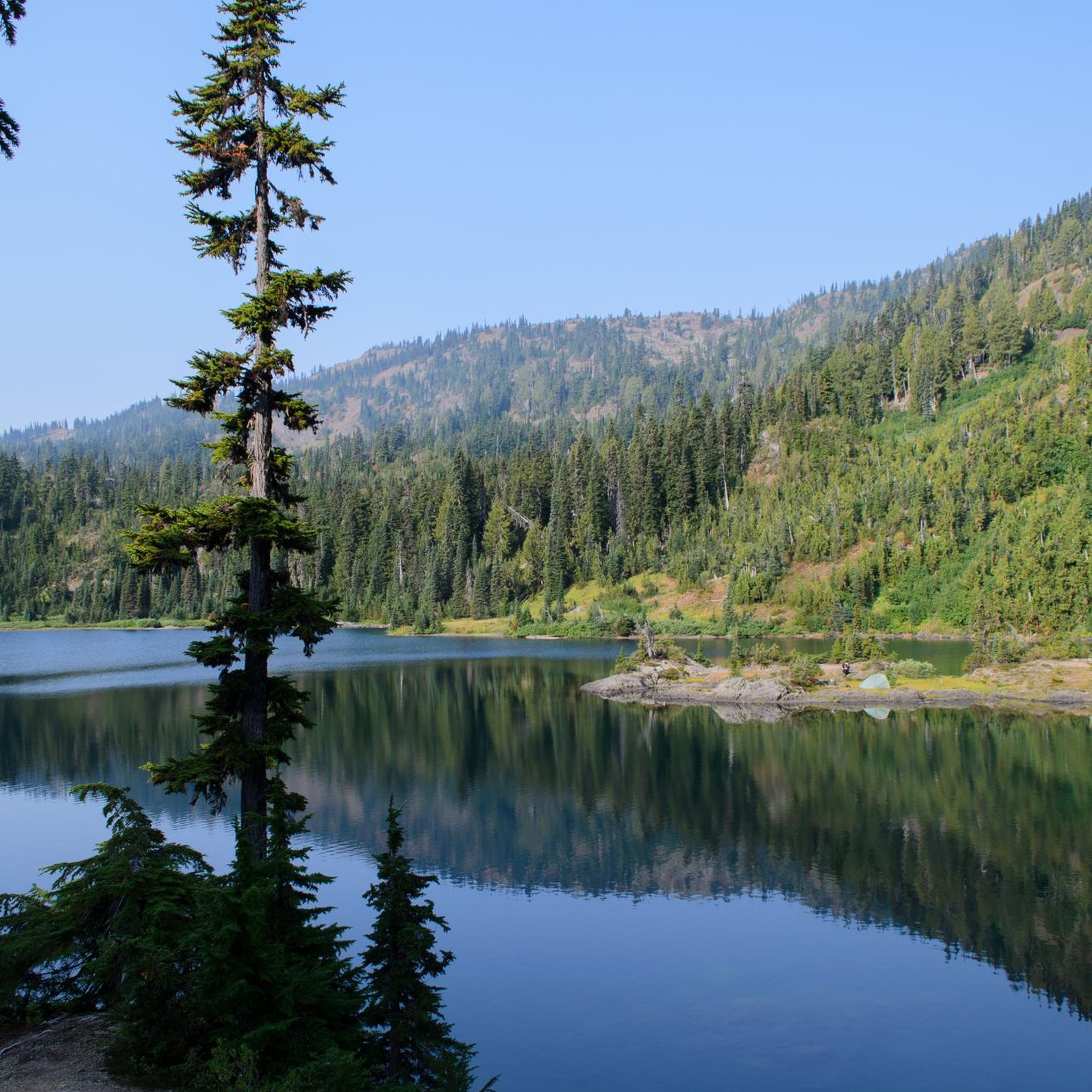
Touring cycling in Olympic National Forest offers diverse terrain, ranging from lush temperate rainforests to mid-elevation mountain ridges and glacial lakes. The region features dense, mossy forests with towering trees like Sitka spruce and Douglas fir, providing scenic routes. Cyclists can explore areas around rushing rivers, large glacial lakes such as Lake Crescent, and wild coastlines. Its location on the Olympic Peninsula also allows for routes that combine forest paths with views of the saltwater fjord of Hood Canal.
Best…
Last updated: September 5, 2026
5.0
(8)
74
riders
44.8km
02:48
460m
460m
Hard bike ride. Very good fitness required. Mostly paved surfaces. Suitable for all skill levels.
9
riders
8.97km
00:32
70m
70m
Easy bike ride. Great for any fitness level. Mostly paved surfaces. Suitable for all skill levels.

Sign up for free
7
riders
123km
07:35
1,110m
1,110m
Hard bike ride. Very good fitness required. Mostly paved surfaces. Suitable for all skill levels.
3
riders
Moderate bike ride. Good fitness required. Mostly paved surfaces. Suitable for all skill levels.
5.0
(1)
30
riders
18.1km
01:05
110m
110m
Easy bike ride. Great for any fitness level. Mostly paved surfaces. Suitable for all skill levels.
Get access to more routes and recommendations from other explorers.
Sign up for free
Already have an account?
Our route recommendations are based on thousands of hikes, rides, and runs completed by other people on komoot.
Start today with a free account
Your next adventure awaits.
Login or Signup
Tips from the Community

You'll have to hop off your bike here for a quick walk to an overlook of the dam itself, and the forest-clad lake it holds back. If you can lock your bike up, there's a walking trail that goes right over the dam.
0
0

The western stretch of the Olympic Discovery Trail crosses over and follows the Sol Duc River (Quileute for sparkling waters) for many miles. Rising in the Olympic Mountains and flowing west for 78 miles, the Sol Duc joins the Bogachiel River and forms the Quillayute River which carries the water a final 4 miles to the Pacific.
0
0
The western stretch of the Olympic Discovery Trail crosses over and follows the Sol Duc River (Quileute for sparkling waters) for many miles. Rising in the Olympic Mountains and flowing west for 78 miles, the Sol Duc joins the Bogachiel River and forms the Quillayute River which carries the water a final 4 miles to the Pacific.
0
0

You pass the side and further back there are some flat gravel areas for camping. Very quiet and no access for cars
0
0

The path here passes straight over Wynoochee Dam, constructed in 1972 for flood control and industrial water. It is surrounded by beautiful nature including towering trees, incredible waterfalls, rivers, a lake and a network of great hiking trails.
1
0

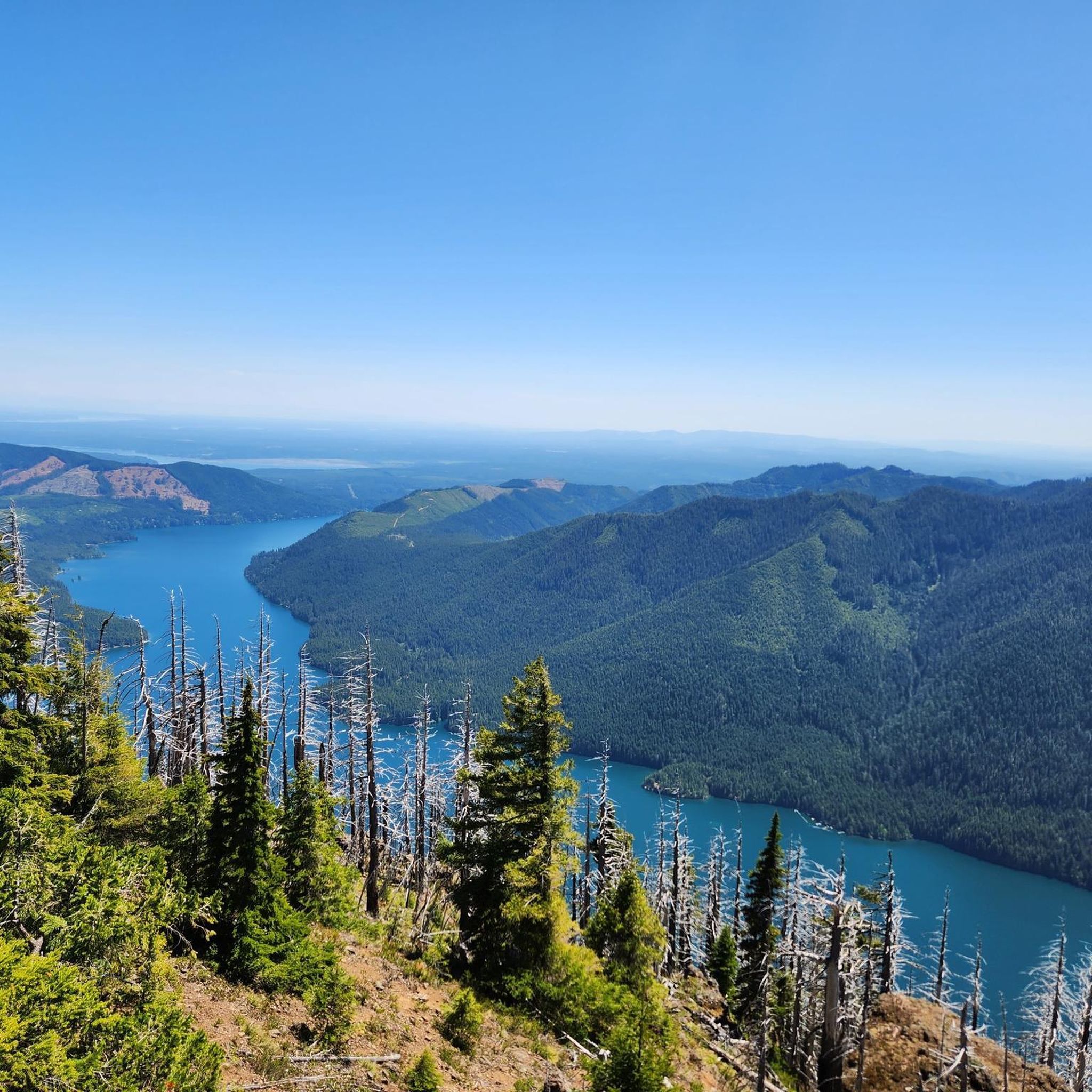
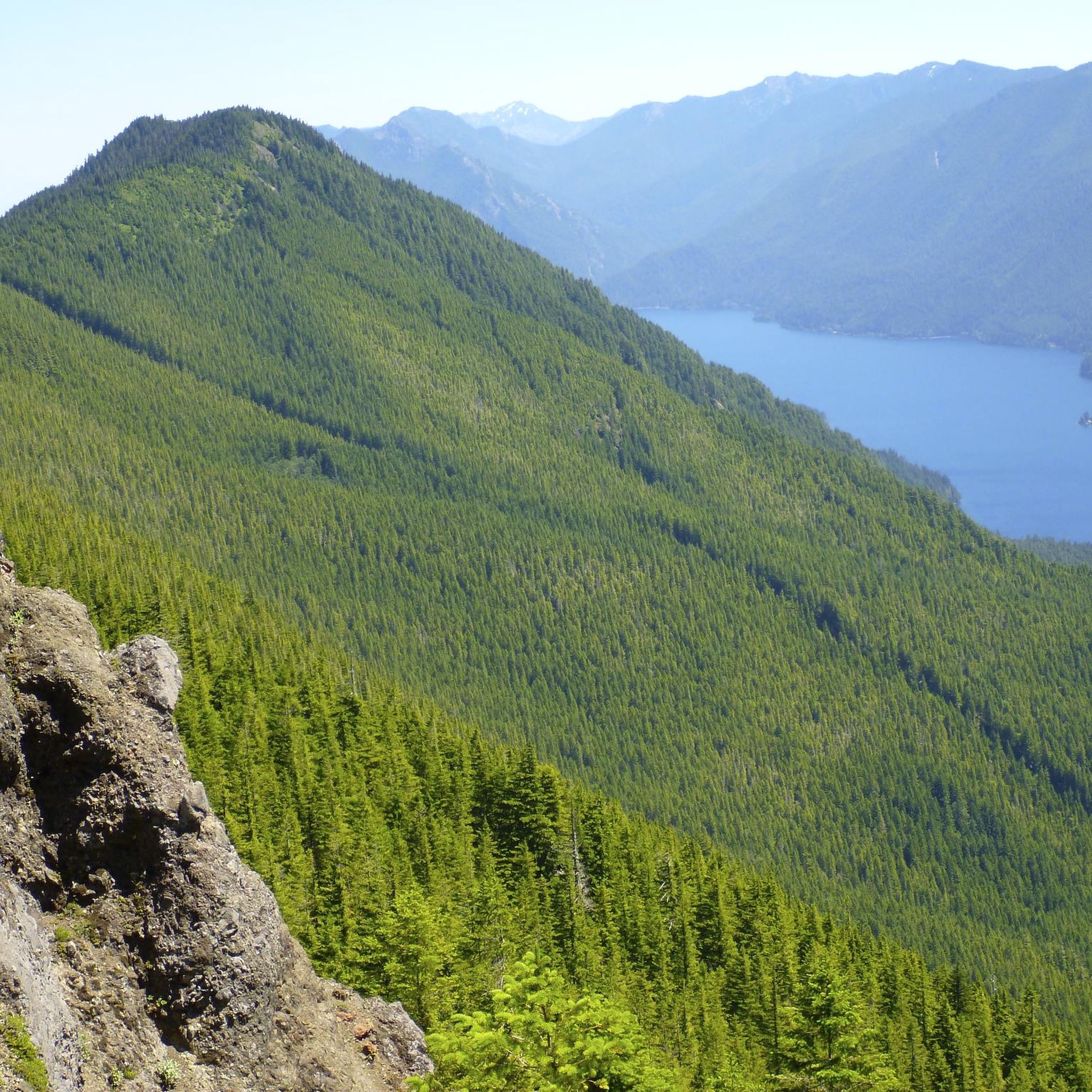
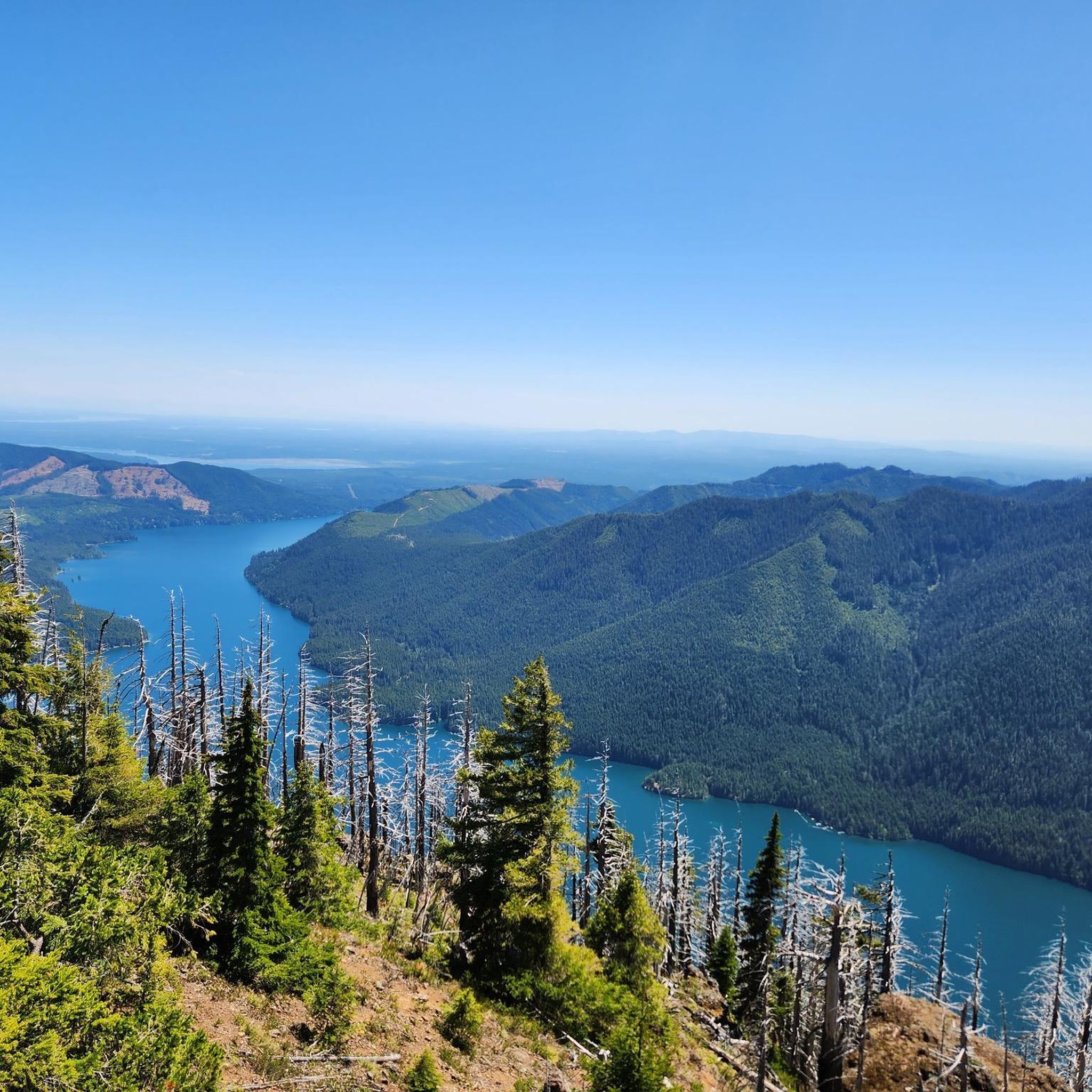
Located in the northern foothills of the Olympic Mountains, Lake Crescent, approximately 18 miles west of Port Angeles, offers a tranquil escape into nature. Its pristine, glacially carved waters make it a perfect destination for those seeking natural beauty. Interestingly, the lake's unique history, including a massive landslide 7,000 years ago, has led to distinct populations of Crescenti and Beardslee trout, adapted through genetic isolation.
0
0

Daley Rankin Tunnel is a nice tunnel carved inside a huge rock along Lake Crescent. Spruce Railroad Trail leads through the tunnel and offers great views from the wooden path right before it.
0
0
Lake Pleasant, nestled in scenic Clallam County offers year-round fishing opportunities, making it a favorite spot for anglers. Here, you can try your luck at catching a variety of fish, including rainbow trout, kokanee, catfish, and even witness the mesmerizing salmon spawning in the lake each year.
0
0
Frequently Asked Questions
How many touring cycling routes are available in Olympic National Forest?
There are over 35 touring cycling routes available in Olympic National Forest. These routes cater to various skill levels, with 4 easy, 15 moderate, and 19 difficult options to explore.
What kind of landscapes can I expect to see while touring cycling in Olympic National Forest?
Olympic National Forest offers incredibly diverse landscapes. You'll cycle through lush temperate rainforests with towering Sitka spruce and Douglas fir trees, experience mid-elevation mountain ridges offering dramatic views, and pass by glacial lakes like Lake Crescent and Lake Quinault. Some routes also provide glimpses of the saltwater fjord of Hood Canal, blending forest and coastal scenery.
Are there any circular touring cycling routes in Olympic National Forest?
Yes, many touring cycling routes in Olympic National Forest are designed as loops. For example, you can try the Lake Crescent – Daley Rankin Tunnel loop from Hwy 101 and Sol Duc Hot Springs Rd, which is a moderate 18.4-mile ride. Another option is the more challenging Bike loop from Madison Falls, covering nearly 20 miles.
Can I find routes that feature waterfalls or other natural monuments?
Absolutely. The region is rich in natural attractions. You can find routes that pass by beautiful features like Madison Falls. The area also boasts impressive natural monuments such as The World's Largest Sitka Spruce and scenic rivers like the Sol Duc River.
What do other cyclists say about touring cycling in Olympic National Forest?
The touring cycling routes in Olympic National Forest are highly rated by the komoot community, with an average score of 4.7 stars from over 50 reviews. Cyclists often praise the stunning old-growth rainforests, the variety of terrain, and the well-maintained paths around scenic lakes like Lake Crescent.
Are there family-friendly touring cycling routes in Olympic National Forest?
Yes, there are several easy touring cycling routes suitable for families. While specific family-friendly routes are not detailed here, the region offers 4 easy routes that are generally shorter and have less elevation gain, making them ideal for a leisurely family outing. The Olympic Discovery Trail, which passes through the area, also has many paved, flat sections perfect for all ages.
What is the best time of year for touring cycling in Olympic National Forest?
The best time for touring cycling in Olympic National Forest is typically from late spring through early autumn (May to October). During these months, the weather is generally milder, and trails are more accessible. While the temperate rainforests are beautiful year-round, winter can bring significant rainfall and snow at higher elevations, making some routes challenging or impassable.
Are dogs allowed on touring cycling routes in Olympic National Forest?
Policies regarding dogs can vary within Olympic National Forest and the adjacent Olympic National Park. Generally, dogs are permitted on roads open to vehicles and in developed campgrounds, but often not on designated trails within the National Park. Always check specific trail regulations before heading out with your dog. It's best to keep them on a leash and practice Leave No Trace principles.
Are there any challenging touring cycling routes for experienced riders?
Yes, Olympic National Forest offers 19 difficult touring cycling routes for experienced riders seeking a challenge. These routes often feature significant elevation gain and cover longer distances. An example is the Lake Crescent – Daley Rankin Tunnel loop from Klahowya Campground, which is nearly 37 miles long with considerable climbing.
Where can I park when visiting touring cycling routes in Olympic National Forest?
Parking is generally available at various trailheads and access points throughout Olympic National Forest. Many routes, especially those around Lake Crescent, have designated parking areas. For routes starting near popular spots like Klahowya Campground or along major roads like Hwy 101, you'll typically find parking facilities. Always check specific route details for the most convenient parking options.
Are there any lakes or rivers I can explore along the cycling routes?
Yes, the region is known for its beautiful waterways. Many cycling routes offer stunning views of and access to glacial lakes like Lake Crescent and Lake Quinault. You can also find routes that follow or cross rushing rivers such as the Sol Duc River. Highlights like Lena Lake & Camp and Wynoochee Lake are also accessible in the broader area.
Do I need any permits for touring cycling in Olympic National Forest?
For general touring cycling on established roads and trails within Olympic National Forest, permits are typically not required. However, if your route takes you into Olympic National Park or involves specific activities like overnight backcountry camping, permits may be necessary. It's always advisable to check the official National Forest and National Park websites for the most current regulations regarding permits and fees, especially if planning a multi-day trip or venturing off main routes.
Most popular routes in Olympic National Forest
Most popular attractions in Olympic National Forest

Get inspired with the komoot mobile app


Explore more
Browse the best Cycling routes in other regions.
