The best cycling routes in Coronado National Forest
4.7
(191)
3,275
riders
17
rides
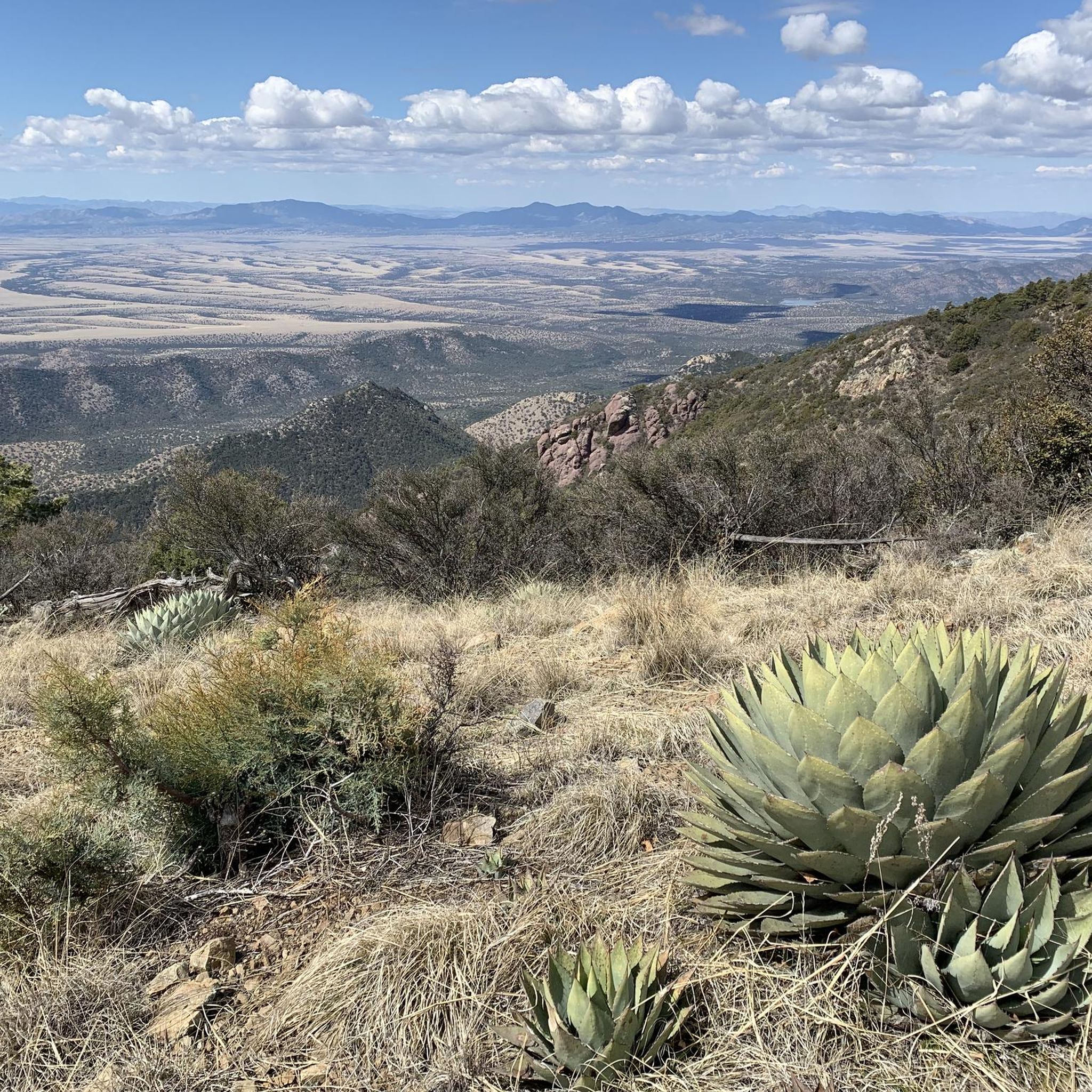
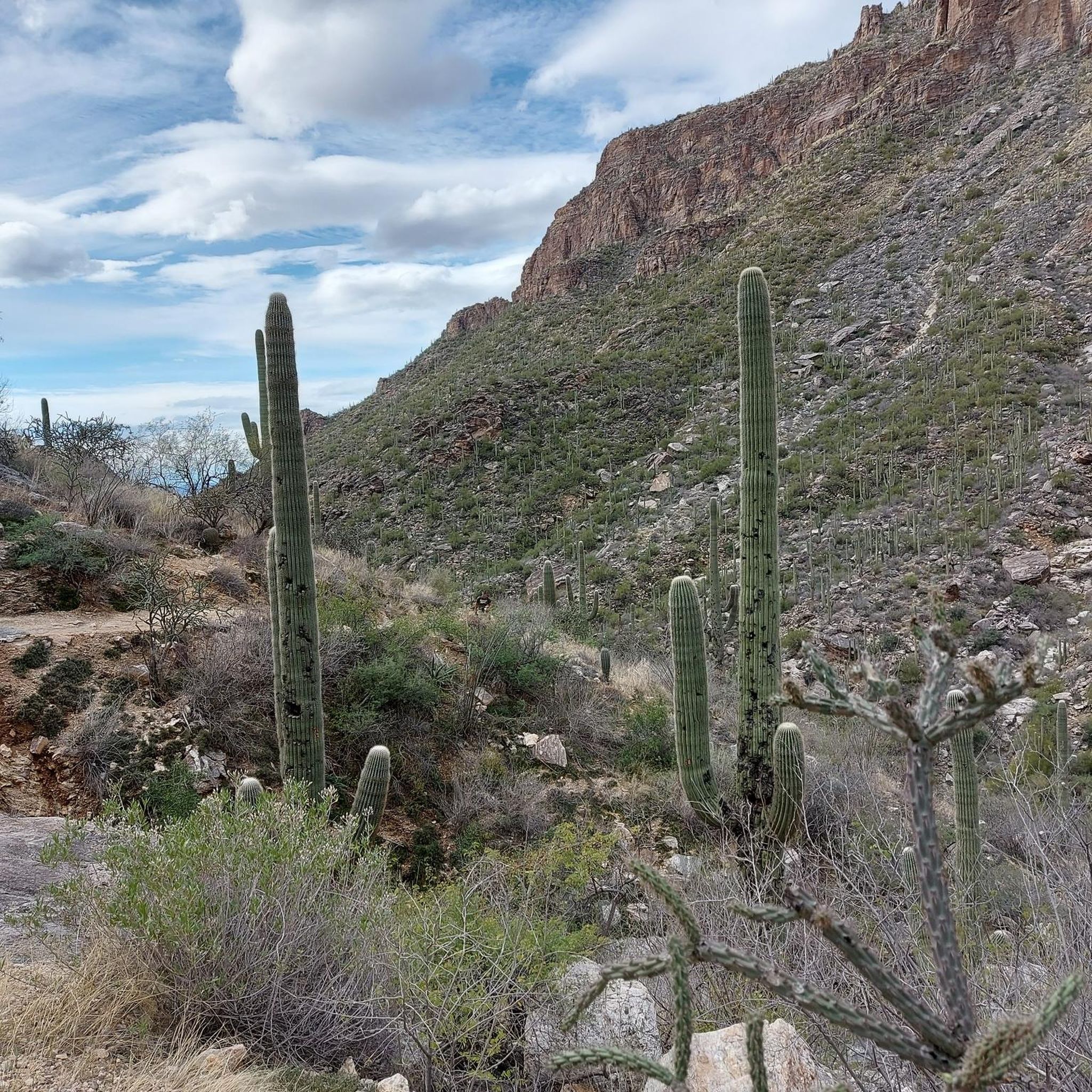
Touring cycling in Coronado National Forest is characterized by its "sky island" landscapes, where mountain ranges rise dramatically from the desert floor. The region spans 1.7 million acres across southeastern Arizona and southwestern New Mexico, encompassing 17 distinct mountain ranges. This creates varied terrain, from desert ecosystems with saguaro cacti to subalpine forests with Ponderosa pines at higher elevations. An extensive trail system offers diverse experiences for cyclists.
Best touring cycling routes in Coronado National Forest
- The most popular touring…
Last updated: September 28, 2026
66
riders
67.4km
06:00
2,270m
760m
Cycle the challenging Mount Lemmon via Catalina Highway, a 41.9-mile route with 7,448 feet of gain, offering diverse, stunning scenery.
5.0
(1)
44
riders
38.0km
02:57
1,050m
1,050m
Hard bike ride. Very good fitness required. Mostly paved surfaces. Suitable for all skill levels.

43
riders
48.7km
03:43
1,280m
1,280m
Hard bike ride. Very good fitness required. Mostly paved surfaces. Suitable for all skill levels.
5.0
(1)
50
riders
Hard bike ride. Very good fitness required. Mostly paved surfaces. Suitable for all skill levels.
5.0
(1)
25
riders
48.1km
04:37
900m
900m
Hard bike ride. Very good fitness required. Mostly paved surfaces. Suitable for all skill levels.
Get access to more routes and recommendations from other explorers.
Already have an account?
Our route recommendations are based on thousands of hikes, rides, and runs completed by other people on komoot.
Start today with a free account
Your next adventure awaits.
Popular around Coronado National Forest
Other adventures in Coronado National Forest


Tips from the Community

Situated along the Arizona Trail, the quaint ski resort of Summerhaven offers a welcome respite for bikers and hikers. At the General Store, trekkers can enjoy a complimentary cup of hot chocolate or coffee and restock on essentials like ramen noodles, tuna, Knorr Sides, and snacks. Open from 10 a.m. to 6 p.m., it's a convenient stop for weary travelers. Meanwhile, the Cookie Cabin, operating from 11 a.m. to 5 p.m., tempts visitors with a delectable array of treats including cookies, cakes, and ice cream, along with savory options like pizza. Note that the pizza oven shuts down thirty minutes before closing time.
0
0

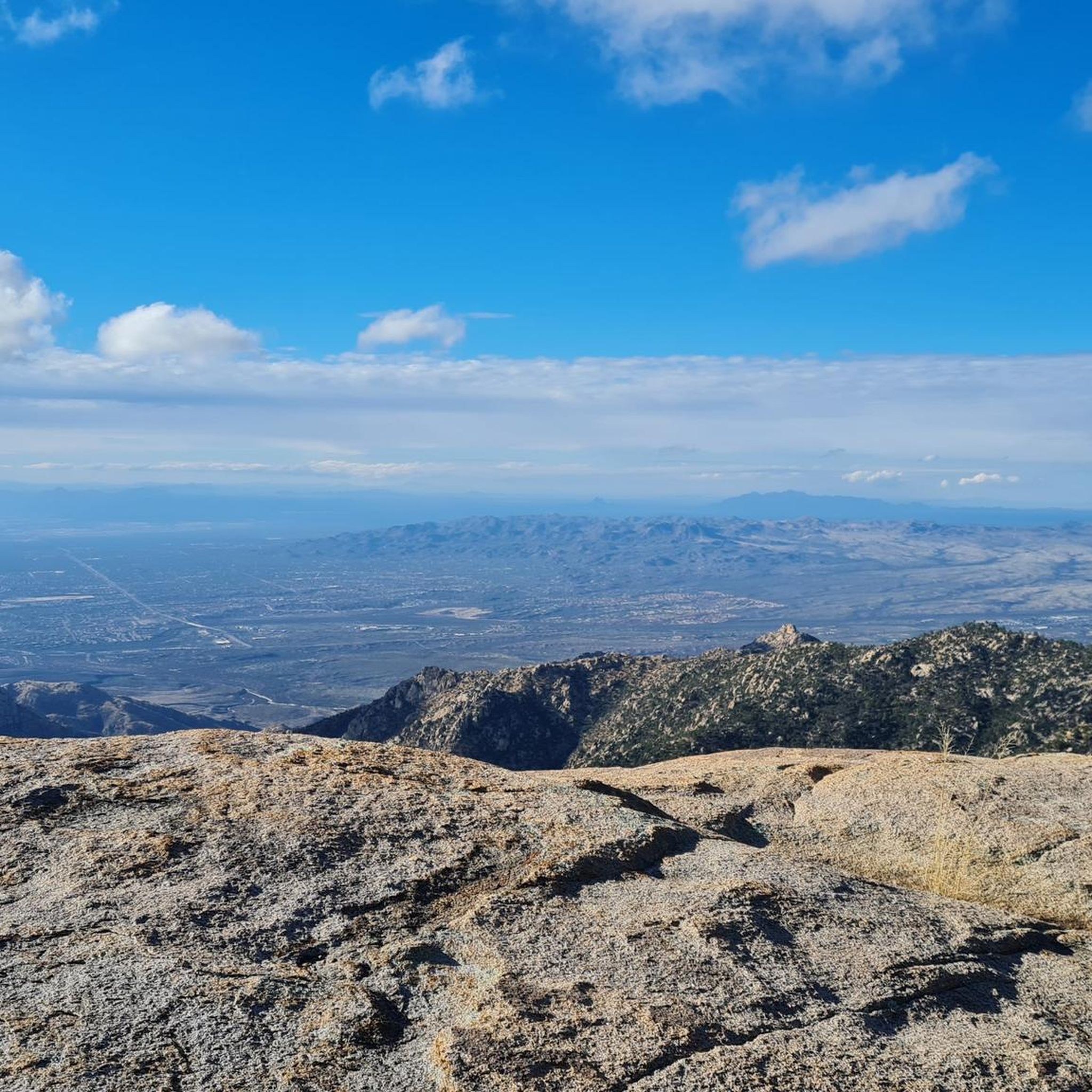
Windy Point is an incredible overlook with a stunning view of the entire Tucson valley, making it a popular stop for tourists. There is a parking area and restrooms here, making it an ideal spot for a break during your ride to take in the breathtaking scenery.
0
0
Situated directly along the Arizona Trail, the campground spans approximately half a mile. Each campsite at the self-fee station costs $10 per night. Amenities include restroom facilities, picnic benches, and fire pits for camper convenience.
0
0
Situated along the Arizona Trail, the quaint ski resort of Summerhaven offers a welcome respite for hikers. At the General Store, trekkers can enjoy a complimentary cup of hot chocolate or coffee and restock on essentials like ramen noodles, tuna, Knorr Sides, and snacks. Open from 10 a.m. to 6 p.m., it's a convenient stop for weary travelers. Meanwhile, the Cookie Cabin, operating from 11 a.m. to 5 p.m., tempts visitors with a delectable array of treats including cookies, cakes, and ice cream, along with savory options like pizza. Note that the pizza oven shuts down thirty minutes before closing time.
0
0

My favorite road climb in the world. Twenty miles up at a mellow grade you pass 7 biomes from the Sonoran desert to pine forests. Every half mile is different. The views are stunning.
3
0

Babad Do'ag Vista Point is a lookout right off the Mount Lemmon Scenic Byway. It provides great views of the Sonoran Desert surrounding Tucson. There is also parking here if you want to take a short hike up the Babad Do'ag trail for even more scenic views.
0
0

Beautiful views to the north from Mt. Lemmon and East Ski Run Road. The road is usually open from April through December.
1
0
If you are looking to do the Mt. Lemmon Drop I highly recommend shuttling up here with Home Grown MTB Tours. They can also help you understand the conditions of the trails depending on the season. https://homegrownmtb.com/
1
0
Frequently Asked Questions
How varied are the touring cycling routes in Coronado National Forest?
Coronado National Forest offers a wide range of touring cycling experiences due to its unique "sky island" landscapes. You'll find routes that traverse diverse ecosystems, from desert floors with saguaro cacti to cooler subalpine forests at higher elevations. The forest features 18 touring cycling routes, including 2 easy, 6 moderate, and 10 difficult options, catering to various skill levels and preferences.
Are there any particularly challenging touring cycling routes for experienced cyclists?
Yes, experienced touring cyclists will find several challenging routes. For instance, the Mount Lemmon via Catalina Highway route is a difficult 41.9-mile (67.4 km) ascent with over 2,200 meters of elevation gain, offering a strenuous climb through varied mountain terrain. Another demanding option is the Sykes Knob – Molino Basin Campground loop from Bear Creek, a difficult 51.7-mile (83.2 km) path with significant climbing.
What kind of natural features can I expect to see along the cycling routes?
The routes in Coronado National Forest showcase dramatic "sky island" mountain ranges, diverse vegetation ranging from saguaro cacti and wildflowers to Ponderosa pines and aspens. You might also encounter various water features such as waterfalls, swimming holes, lakes like Parker Canyon Lake, and mountain streams. The ecological diversity supports a wide array of wildlife, including black bears, white-tailed deer, javelina, and over 400 avian species.
Are there any family-friendly touring cycling routes in the forest?
While many routes involve significant elevation, there are options suitable for families or those seeking less strenuous rides. The forest offers 2 easy touring cycling routes. For a moderate option, consider the Cañada del Oro River Park – Owl at Sweetwater Wetlands loop from Canyon del Oro High School, a 37.7-mile (60.7 km) trail leading through river park and wetlands, which is generally flatter and completed in about 3 hours 31 minutes.
What are some notable landmarks or points of interest to explore near the cycling routes?
Beyond the cycling itself, the region offers several natural attractions. You can explore stunning waterfalls like Seven Falls or Tanque Verde Falls. The area also features impressive canyons and trails such as South Fork Canyon and Creek and Pima Canyon Trail, offering opportunities for additional exploration.
When is the best time of year to go touring cycling in Coronado National Forest?
Coronado National Forest is a year-round destination, but the best time depends on the elevation. Lower desert areas are ideal for cycling in the cooler months from fall through spring. Higher elevations, such as those found on Mount Lemmon, offer cooler temperatures and are particularly popular for cycling during the summer months, providing a refreshing escape from the desert heat.
Are there any loop routes available for touring cyclists?
Yes, there are several loop routes that offer a circular journey. A notable difficult loop is the Lizard Rock – Sykes Knob loop from Seven Cataracts, which covers 23.8 miles (38.4 km) with over 860 meters of elevation gain. Another option is the Cactus Forest Drive – Javelina Rocks loop from Sneed Parcel, a difficult 38.9-mile (62.6 km) route.
What do other touring cyclists enjoy most about cycling in Coronado National Forest?
The touring cycling routes in Coronado National Forest are highly rated by the komoot community, with an average score of 4.6 stars from over 100 reviews. Cyclists often praise the dramatic changes in scenery, from arid desert to lush mountain forests, and the challenging climbs that offer rewarding panoramic views. The extensive trail system and diverse terrain are frequently highlighted as key attractions.
Are dogs allowed on the touring cycling trails in Coronado National Forest?
Coronado National Forest generally welcomes dogs on trails unless otherwise specified. However, it's always best to check specific trail regulations before heading out, as some areas or wilderness sections may have restrictions. Always keep your dog on a leash and ensure you pack out any waste to protect the natural environment and wildlife.
What should I consider bringing for a bike ride in Coronado National Forest?
Given the varied terrain and potential for significant elevation changes, it's crucial to be prepared. Essential items include plenty of water, especially for longer rides and warmer months, sun protection (sunscreen, hat, sunglasses), appropriate layers of clothing for changing temperatures, a repair kit for your bike, and a map or GPS device. Snacks are also recommended for sustained energy.
Is public transport available for cyclists to access routes in Coronado National Forest?
Public transport options directly into the more remote areas of Coronado National Forest are limited. Most cyclists typically access the trailheads and starting points by car. Some routes, particularly those closer to urban centers like Tucson, might be reachable via local bus services, but it's advisable to research specific routes and their accessibility in advance.
Are there any specific permits or regulations for cycling in Coronado National Forest?
Generally, no specific permits are required for day-use cycling on most roads and designated trails within Coronado National Forest. However, all roads and trails outside of Wilderness areas are open to mountain bikes unless otherwise posted. Always adhere to Leave No Trace principles, respect wildlife, and be aware of any temporary closures or specific regulations for certain areas, especially during fire season.
Most popular routes in Coronado National Forest
Most popular attractions in Coronado National Forest

Get inspired with the komoot mobile app


Explore more
Browse the best Cycling routes in other regions.
