Attractions and Places To See in Pico De Orizaba - Top 3
Best attractions and places to see in Pico De Orizaba include Mexico's highest peak, a dormant stratovolcano standing at 5,636 meters (18,491 feet). Located on the border of the Mexican states of Veracruz and Puebla, it is North America's third-highest mountain. The region offers natural features and cultural sites for mountaineers and nature enthusiasts.
Best attractions and places to see in Pico De Orizaba
- The most popular attractions is Piedra Grande Hut, Pico de Orizaba, a hut that serves…
Last updated: July 29, 2026
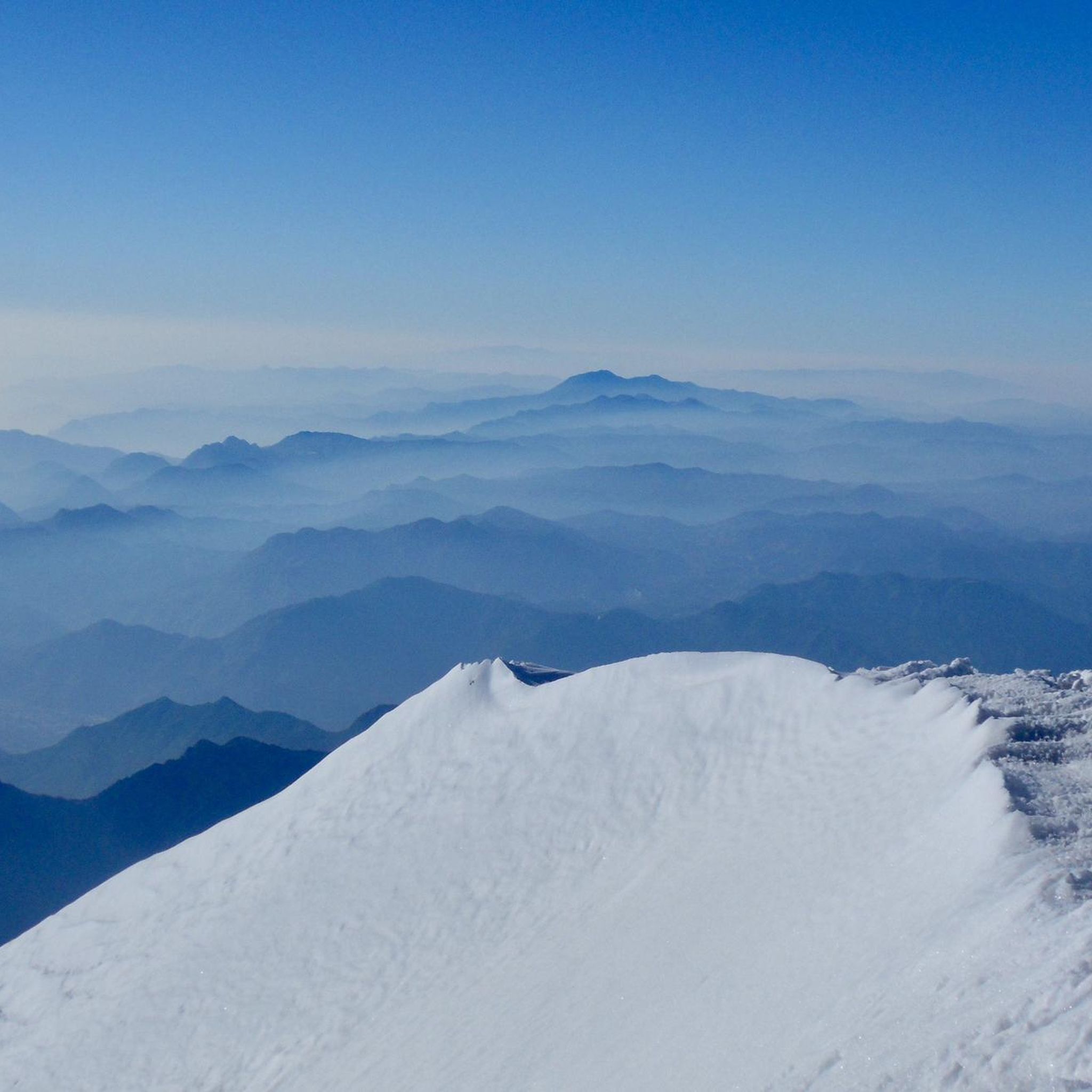
Pico de Orizaba Summit
Highlight • Summit
Tip by

Piedra Grande Hut, Pico de Orizaba
Highlight • Mountain Hut
Tip by
Sign up now to discover places like this
Get recommendations on the best single tracks, peaks, & plenty of other exciting outdoor places.
Sign up for free
Jamapa Glacier
Highlight • Natural Monument
Translated by Google •
Tip by

Start today with a free account
Your next adventure awaits.
Login or Signup
Popular around Pico De Orizaba
Tips from the Community

Bring a sub-zero sleeping bag and a suitable tent. The camping area is reserved for tour agencies with paid guides. To reach the refuge, a four-wheel-drive 4x4 vehicle is required, as the terrain is very uneven and rugged.
0
0
The last great glacier in Mexico, bring glasses to protect your eyes with a high UV factor, use sunscreen and crampons and ice axe are essential. Bear in mind that the slope is very steep up to the summit... enjoy it well before midday when the snow begins to melt.
0
0

I climbed this with a Mexican guiding company owned by a friend of mine. This is a great peak and after getting up to the Piedra Grande hut we did a short acclimatisation hike on the first day. The summit day we were away at 1.15am and after a night time slog up the shale/rocky path to the Labyrinth we found that there was quite a bit of ice on the route that required front pointing and pick work. This was done in rope teams but it was easy enough. After getting through the Labyrinth we started the three hour cold, windy slog that took us up the steep 40 degree slope up to the summit. It was cold and very windy this day but we were rewarded with top summit views. A hard 8 hour slog in total to the summit. Quite a good time and we took 4 hours on the decent. All in all a great mountain day but hard work. For route and comprehensive mountain information click here: https://www.komoot.com/tour/1403847665
1
0


use special equipment (Crampons, Ice Ax, Cane, Helmet) and the 3 layers of clothing for the cold.
2
0
The Piedra Grande Hut is a large building that could sleep about 40-60 people. There is no charge to sleep there. Leaving your gear during your climb is a bit of a risk. The hut is in good condition but basic shelter is all you get. Any supplies (food, water, fuel) you need to plan and bring on your own. It is a busy hut and can get full quite easily on weekends.
5
0
I climbed this with a Mexican guiding company owned by a friend of mine. This is a great peak and after getting up to the Piedra Grande hut we did a short acclimatisation hike on the first day. The summit day we were away at 1.15am and after a night time slog up the shale/rocky path to the Labyrinth we found that there was quite a bit of ice on the route that required front pointing and pick work. This was done in rope teams but it was easy enough. After getting through the Labyrinth we started the three hour cold, windy slog that took us up the steep 40 degree slope up to the summit. It was cold and very windy this day but we were rewarded with top summit views. A hard 8 hour slog in total to the summit. Quite a good time and we took 4 hours on the decent. All in all a great mountain day but hard work. For route and comprehensive mountain information click here: https://www.komoot.com/tour/294381732
4
0
Frequently Asked Questions
What are the main natural attractions in the Pico de Orizaba region?
The primary natural attraction is the Pico de Orizaba Summit itself, Mexico's highest peak and a dormant stratovolcano. Visitors are also drawn to the Jamapa Glacier, a significant natural monument on the mountain. Beyond the main peak, the Pico de Orizaba National Park offers diverse ecosystems, and the nearby Sierra Negra Volcano is notable for hosting the Large Millimeter Telescope.
Where can climbers find a base camp for ascending Pico de Orizaba?
The main base camp for climbers attempting the Jamapa Glacier route is the Piedra Grande Hut, Pico de Orizaba. Located at 4,260 meters (13,976 feet), this large building can accommodate many people and is often busy on weekends. It provides basic shelter, but climbers should bring their own supplies like food, water, and fuel. A 4x4 vehicle is required to reach the refuge due to the rugged terrain.
What equipment is necessary for climbing Pico de Orizaba?
Ascending the Pico de Orizaba Summit, especially via the Jamapa Glacier, requires special equipment. Essential gear includes crampons, an ice axe, and a cane. Additionally, a helmet, appropriate layered clothing for cold conditions, high UV factor glasses, and sunscreen are crucial for safety and comfort on the steep, icy slopes.
Are there any cultural or historical sites to visit in the region?
While the focus is on the volcano, the nearby city of Orizaba offers cultural attractions. You can visit the unique Palacio de Hierro (Iron Palace), an Art Nouveau metal structure designed by Gustave Eiffel's firm. The city also features a Teleférico (Cable Car) for panoramic views, the Orizaba River Walk, and the Veracruz State Art Museum. The mountain town of Tlachichuca has a picturesque church and a small Museo de la Montaña displaying climbing artifacts.
What kind of hiking opportunities are available near Pico de Orizaba?
The Pico de Orizaba region offers various hiking opportunities, from challenging high-altitude climbs to multi-day treks. For experienced hikers, the Pico de Orizaba Loop (La Circunvalación) is a challenging 40 km (25-mile) trail that circumnavigates the entire volcano over two days, offering incredible views. You can find more hiking routes, including loops from Refugio Piedra Grande and Sierra Negra, on the Hiking in Pico De Orizaba guide.
What is the best time of year to visit Pico de Orizaba for climbing?
The best time for climbing Pico de Orizaba is generally during the dry season, which runs from November to March. During these months, the weather is typically more stable with clearer skies and less precipitation, offering better climbing conditions and visibility. However, conditions can change rapidly at high altitudes, so always check the latest weather forecast.
Are there any unique natural features besides the main volcano and glacier?
Yes, within the Pico de Orizaba National Park, you can find the Cascadas de Hielo (Ice Waterfalls), which are natural ice formations. Additionally, the nearby Carbonera Canyon offers opportunities for canyoning, rappelling, and speleology amidst waterfalls and cave systems, providing a different kind of natural exploration.
What do visitors enjoy most about the Pico de Orizaba attractions?
Visitors frequently highlight the rewarding views from the Pico de Orizaba Summit after a challenging ascent. The unique experience of navigating the Jamapa Glacier and the sense of accomplishment from reaching such a high altitude are also highly valued. The Piedra Grande Hut is appreciated as a functional base camp, despite its basic amenities.
Are there any festivals or cultural events in the Pico de Orizaba region?
The region hosts several cultural festivals throughout the year. The Festival de la Montaña, typically held in November, celebrates mountaineering culture. Traditional Mexican holidays like Day of the Dead (November 1-2) and the Feast of the Virgin of Guadalupe (December 12) are celebrated with elaborate altars, processions, and special foods in local communities, offering a deeper understanding of the area's traditions.
What is the significance of Pico de Orizaba in local culture?
Pico de Orizaba, also known as Citlaltépetl, which means 'Star Mountain' in Nahuatl and Totonac languages, holds significant importance in native mythologies. Several traditional indigenous villages around the mountain maintain pre-Hispanic customs and crafts, reflecting the volcano's deep cultural roots and spiritual significance to the Nahuatl and Totonac peoples.
Can I find any unique engineering marvels in the area?
Yes, the nearby Sierra Negra Volcano, a companion peak to Pico de Orizaba, is home to the Large Millimeter Telescope. This is one of the world's largest single-dish steerable millimeter-wavelength telescopes, and the road leading to its summit is notable as the highest road in North America.
Most popular routes in Pico De Orizaba

Get inspired with the komoot mobile app


