The best road cycling routes around Het Vinne
4.4
(110)
8,463
riders
693
rides
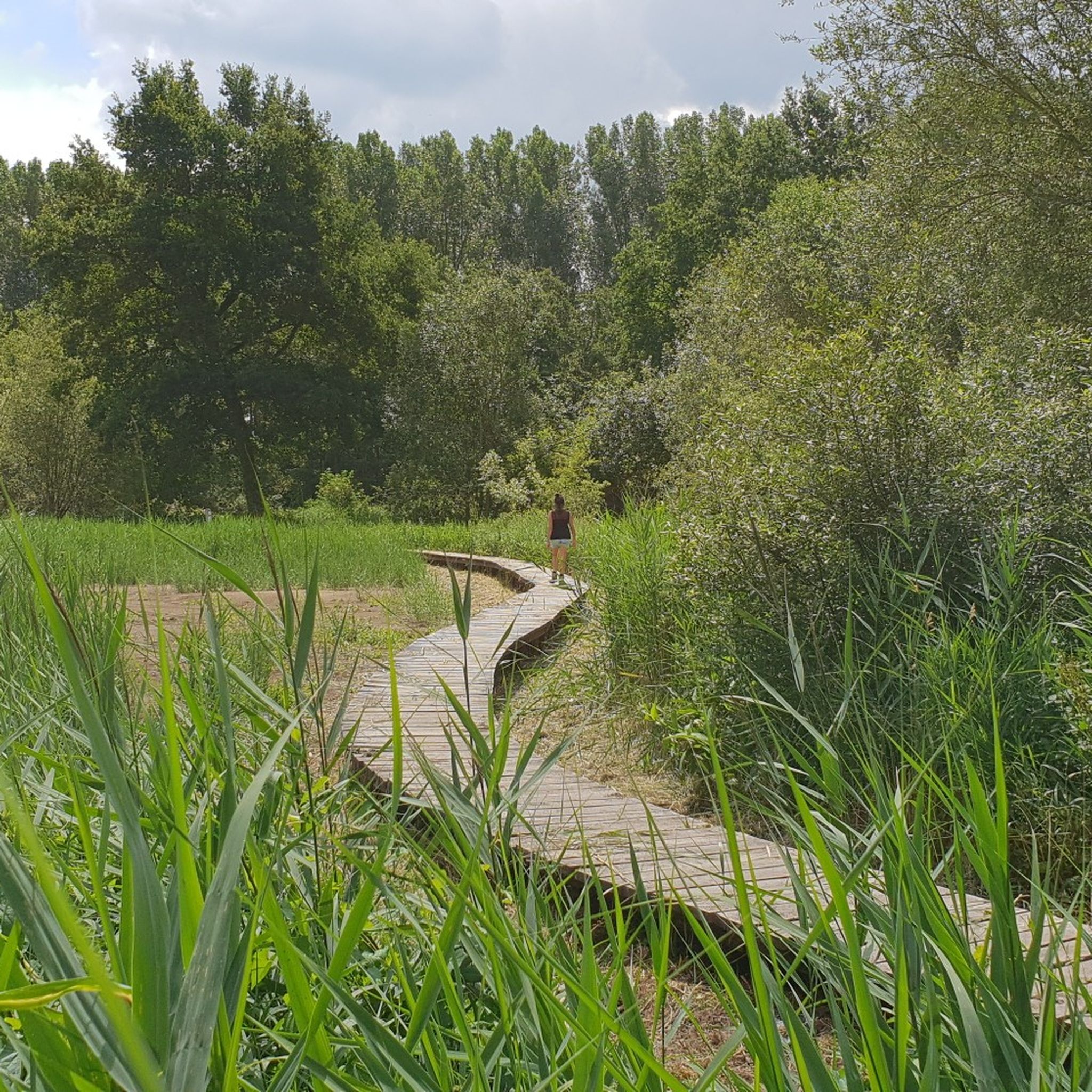
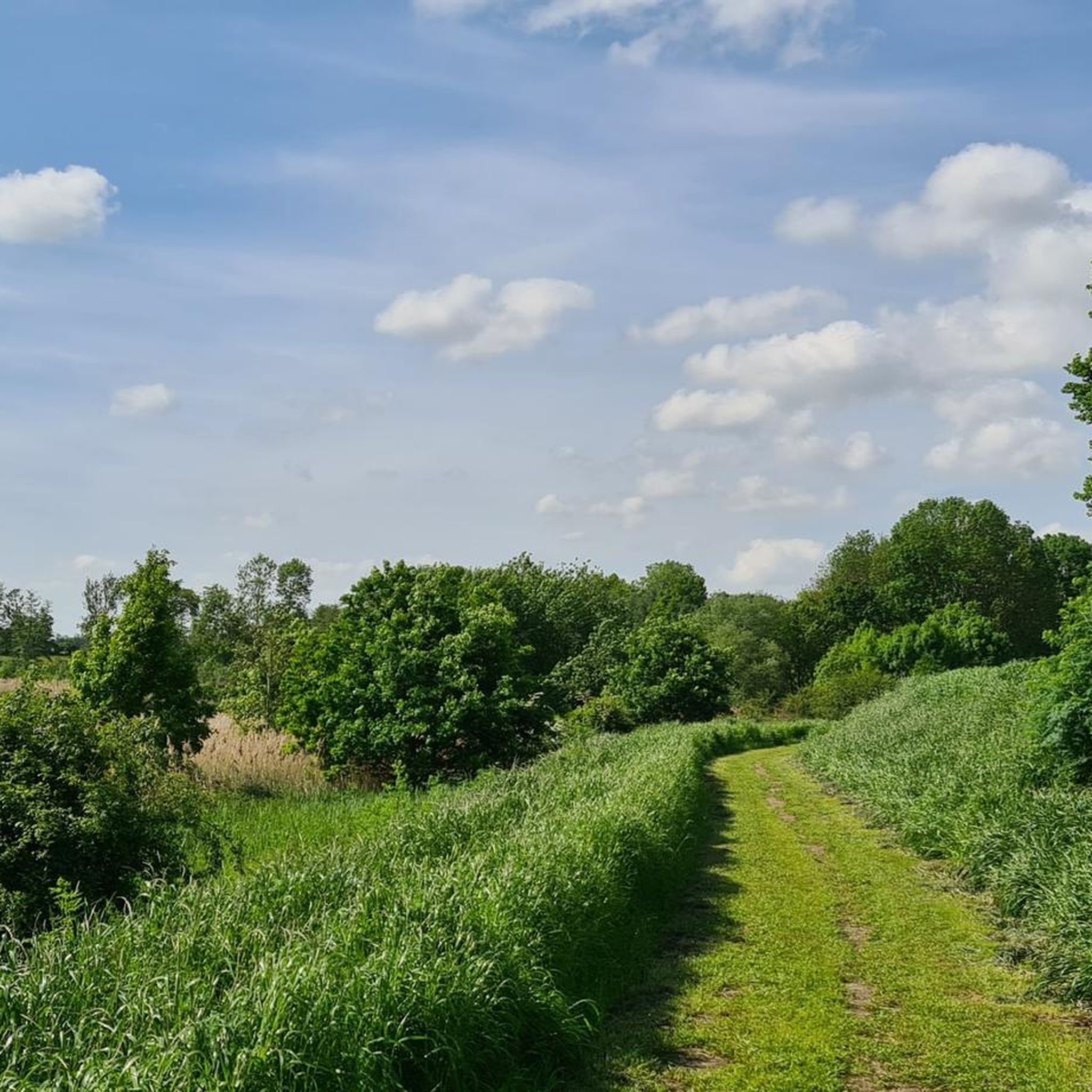
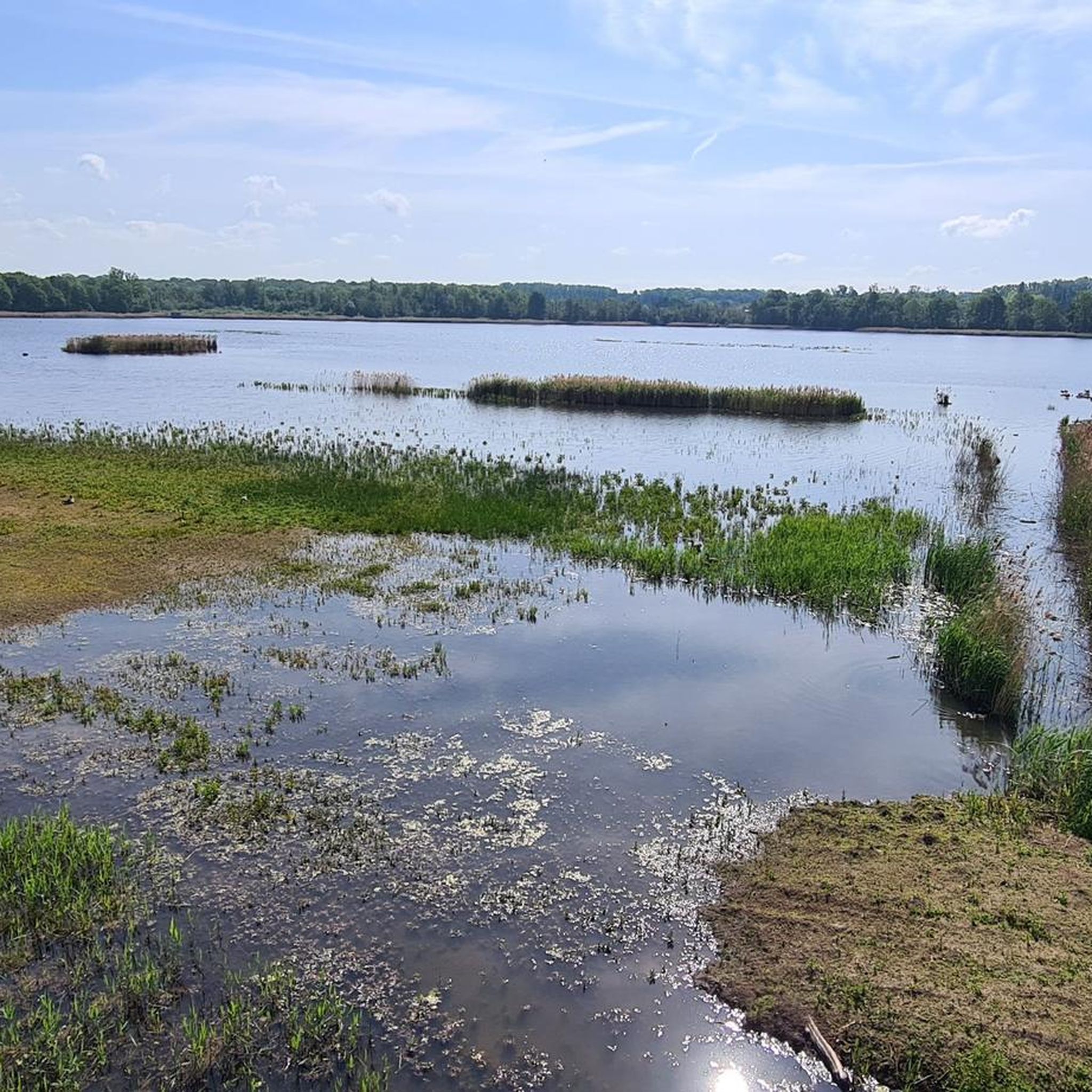
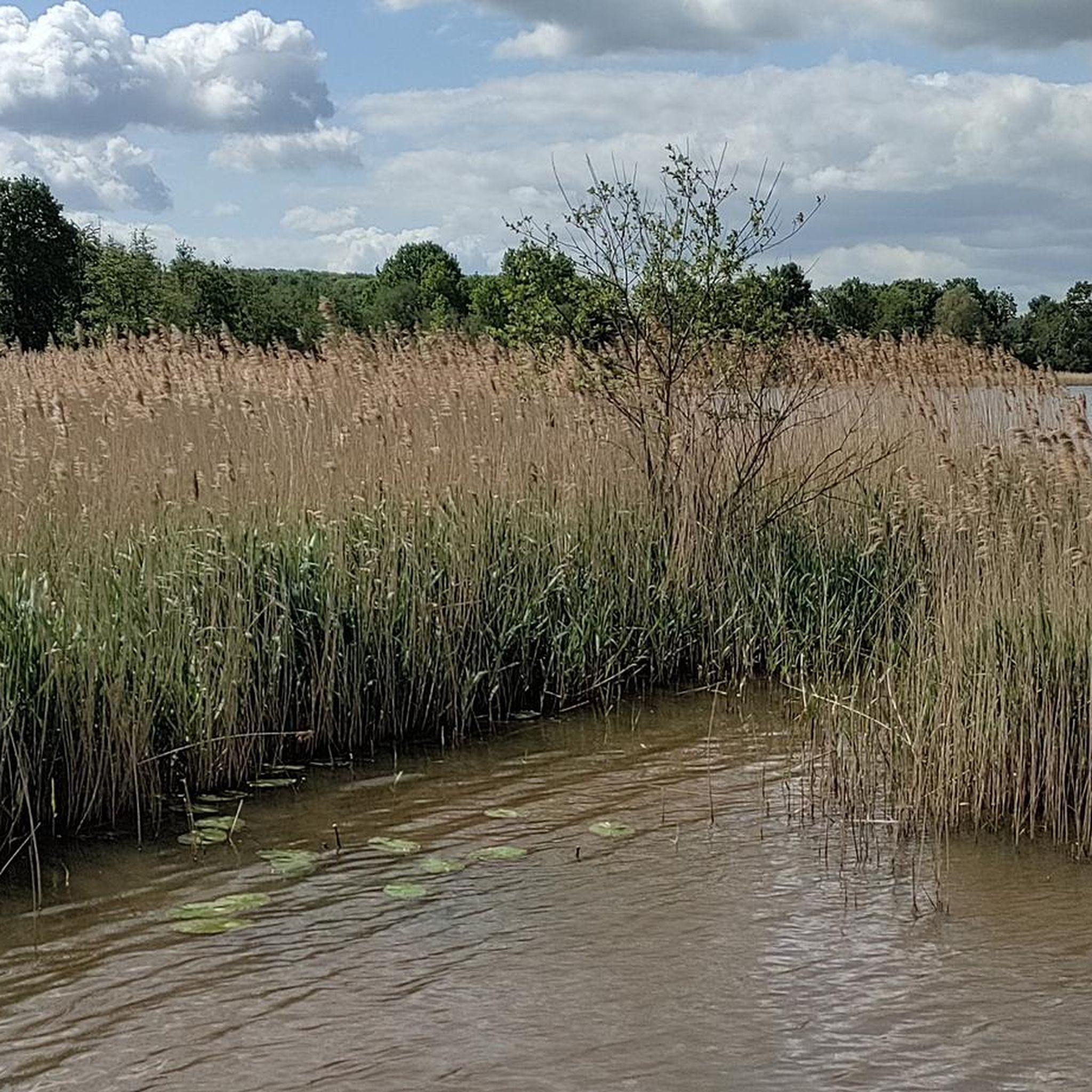
Road cycling routes around Het Vinne are characterized by the region's flat and accessible paved roads, making it suitable for various cycling abilities. The area features the largest natural inland lake in Flanders, a fen that forms a central element of the landscape. Cyclists can explore the rural surroundings of Zoutleeuw, passing through fruit plantations and the valley of the Kleine Gete. The topography is generally gentle, with minimal elevation changes.
Best road cycling routes around Het Vinne
- The most…
Last updated: November 18, 2026
133
riders
9.60km
00:27
40m
40m
Easy road ride. Mostly well-paved surfaces and easy to ride.
3
riders
39.1km
01:51
110m
110m
Moderate road ride. Some segments of this route may be unpaved and difficult to ride.

5.0
(1)
29
riders
31.4km
01:34
40m
40m
Easy road ride. Mostly well-paved surfaces and easy to ride.
5.0
(1)
10
riders
35.2km
01:35
120m
120m
Easy road ride. Mostly well-paved surfaces and easy to ride.
4
riders
58.9km
02:51
300m
300m
Moderate road ride. Good fitness required. Mostly well-paved surfaces and easy to ride.
Get access to more routes and recommendations from other explorers.
Already have an account?
Our route recommendations are based on thousands of hikes, rides, and runs completed by other people on komoot.
Start today with a free account
Your next adventure awaits.

Tips from the Community

On the site of the current Sint-Leonardus church, there was a chapel – whose construction date is unknown – in honor of Saint Leonard of Noblac. After this chapel was elevated to a parish church in 1231, it was replaced by the current church, which had a long construction history: the monumental Gothic building was largely erected between the 13th and 16th centuries. The Sint-Leonardus church is rich in art treasures and owes its international fame mainly to them. The Iconoclastic Fury of 1566 and the French Revolution passed by the church without major damage, so that the impressive artistic heritage built up over centuries has largely been preserved: altarpieces, paintings, statues of saints, copper and silverware, vestments, and other devotional objects.
4
0
On the site of the current Sint-Leonarduskerk, there was a chapel – the construction date of which is unknown – in honor of Saint Leonard of Noblac. After this chapel was elevated to a parish church in 1231, it was replaced by the current church, which had a long construction history: the monumental Gothic building was largely erected between the 13th and 16th centuries. The Sint-Leonarduskerk is rich in art treasures and owes its international fame primarily to them. The Iconoclasm in 1566 and the French Revolution passed by the church without major damage, meaning that the impressive art heritage built up over centuries was largely preserved: altarpieces, paintings, statues of saints, copper and silverware, vestments, and other devotional objects.
3
0
The Grote Markt of Zoutleeuw forms a beautiful historic setting that recalls the city's medieval wealth. The 16th-century town hall is a rare monument between Gothic and Renaissance. The Cloth Hall was built during the heyday of the wool trade. The Sint-Leonarduskerk is an elegant pearl with an impressive artistic heritage. The Spiegelhuis, with its richly decorated Renaissance facade, also attracts attention. The cozy terraces complete the picture.
3
0
Although most chapels are named after the saint for whom they were built, the Bethany Chapel is named after a place name. The biblical place Bethany is said to be the birthplace of Mary Magdalene, the patron saint of the Monastery of Bethany of Zoutleeuw, in whose honor the chapel was erected. The original statue of Mary has disappeared and has been replaced by a statue of Our Lady of Pellevoisin.
3
0
The Zoutleeuw Tourist Office is located in the old Cloth Hall (Lakenhalle), Grote Markt 11, Zoutleeuw. During opening hours, you can also visit the adjacent town hall from the office. Currently, there is an exhibition about the city's rich fortification past: https://www.zoutleeuw.be/ontdek-het-verborgen-vestingverleden-van-zoutleeuw-expo. The exhibition runs until March 31, 2027.
4
0


Historical information about the Town Hall building: In 1526, the city council of Leeuw decided to build a new town hall. The building was constructed between 1530 and 1538, based on a design by Rombout II Keldermans. It is a rather rare monument in the transitional Gothic-Renaissance style: structurally Gothic, but the decorative elements are clear expressions of the Renaissance. The facade's façade is made of blue stone: it has a pedestal with richly decorated panels and a beautifully carved frame. At the foot of the town hall tower, remnants of the first defensive wall around the city, dating from the 12th century, can still be seen. The interior is magnificent: the ground floor housed the mayor's office, the council chamber, and the reception room, where the mural by Maurice Langaskens (early 20th century) is particularly striking. On the first floor, you can visit the exhibition "Archaeological Finds from the Kleine Gete." Explanation of the Lakkenhalle (Ladder Hall): The hall, next to the town hall, was built because Zoutleeuw was an important trading center in the Middle Ages. The city already had a Vleeshuys (butcher's hall) in 1281, but the current hall was intended to replace the building that had become too small and also testify to the greatness of Leeuw. The new hall was built on the wall of the first rampart, which still forms the rear facade. Besides trading, the hall was also used as a meeting place and barracks for the Schuttersgilde (shooting guild), which had a purely military function in the Middle Ages. The grain supplies for the Tafel van de Heilige Geest (Holy Spirit's Table), or poor relief, were stored in the attic: poor relief in Leeuw dates back to 1235 and is perhaps the oldest in the country. Source: https://www.zoutleeuw.be/activiteiten/detail/91/historisch-stadhuis-en-halle-zoutleeuw
4
0
On the site of the current St. Leonard's Church stood a chapel—the date of construction of which is unknown—in honor of Saint Leonard of Noblac. After this chapel was elevated to a parish church in 1231, it was replaced by the current church, which had a long construction history: the monumental Gothic building was largely constructed between the 13th and 16th centuries. St. Leonard's Church is rich in art treasures and owes its international fame primarily to them. The Iconoclasm of 1566 and the French Revolution passed the church by without significant damage, thus preserving most of the impressive artistic heritage accumulated over centuries: altarpieces, paintings, statues of saints, copper and silverwork, vestments, and other devout objects. Below, a few of these showpieces are presented. Upon entering, the first thing that catches the eye is the Marianum: this double statue (1533) is situated within the 15th-century veneration of Mary, which depicted the Virgin Mary as the apocalyptic woman and mediatrix of grace. Not-to-be-missed highlight inside: The Sacrament Tower: A tabernacle crafted from white Avesnes stone is undoubtedly the church's showpiece. The artwork was created in the workshops of Cornelis II Floris de Vriendt in Antwerp and erected in Zoutleeuw in 1552. The tower is 18 meters high, has nine stories, and contains approximately 200 statues depicting scenes from the Old and New Testaments. A replica is on display at London's Victoria and Albert Museum. The Paschal Candlestick This copper candlestick is 5.68 meters high and weighs approximately 950 kg. It was cast by Renier van Thienen, based on a design by Jan Bornam, and installed in the choir by the founder himself in 1483. It is the second-largest Easter candlestick in Europe. Source: https://www.zoutleeuw.be/sint-leonarduskerk
6
0
Frequently Asked Questions
What kind of terrain can I expect when road cycling around Het Vinne?
The region around Het Vinne is characterized by generally flat and accessible paved roads, making it suitable for various cycling abilities. You'll find minimal elevation changes, particularly around the lake and through the rural surroundings of Zoutleeuw, which include fruit plantations and the valley of the Kleine Gete.
Are there many road cycling routes available in the Het Vinne area?
Yes, there are numerous options for road cyclists. Komoot features over 690 road cycling routes around Het Vinne, ranging from easy to moderate and difficult, ensuring there's a suitable path for every skill level.
What natural features or landmarks can I see along the road cycling routes?
Road cycling routes often offer views of Het Vinne lake, the largest natural inland lake in Flanders. You might also encounter the picturesque rural landscapes of Zoutleeuw, including fruit plantations that bloom beautifully in spring. Specific highlights include the Lake Het Vinne itself and various birdwatching huts.
Are there any family-friendly road cycling routes in Het Vinne?
Yes, the flat and accessible nature of the roads makes many routes suitable for families. For example, the Cloth Hall of Zoutleeuw – View of Het Vinne loop from Zoutleeuw is an easy 9.8 km trail offering pleasant views of the lake, ideal for a family outing.
Can I bring my dog on road cycling routes around Het Vinne?
While the natural reserve of Het Vinne itself has specific rules for dogs, many public roads and cycling paths in the wider region of Flemish Brabant are dog-friendly. It's always best to keep your dog on a leash and ensure they are comfortable with the pace and distance of your chosen route.
What is the best time of year for road cycling in Het Vinne?
Early spring is particularly scenic when the fruit plantations around Zoutleeuw are in bloom with white and pink blossoms. The generally flat terrain makes cycling enjoyable throughout spring, summer, and early autumn, with pleasant temperatures and vibrant landscapes.
Are there any circular road cycling routes available?
Yes, many routes around Het Vinne are designed as loops, allowing you to start and end at the same point. An example is the Het Vinne Lake – Monument: Black Devils loop from Zoutleeuw, a moderate 40.7 km route that circles the lake area.
Where can I find parking for road cycling near Het Vinne?
The Provincial Domain Het Vinne offers dedicated parking facilities for visitors. Additionally, parking is often available in Zoutleeuw town center, providing convenient access to various starting points for routes in the region.
Are there cafes or restaurants near the cycling routes in Het Vinne?
Yes, the Vinnehoeve visitor center at Het Vinne houses Bistro Het Vinne, which offers refreshments with views of the lake. You'll also find various cafes and restaurants in the nearby town of Zoutleeuw, perfect for a break during or after your ride.
What do other road cyclists enjoy most about cycling in Het Vinne?
The area is highly rated by the komoot community, with an average score of 4.2 stars from over 60 reviews. Cyclists often praise the flat, accessible paved roads, the scenic views of Het Vinne lake, and the charming rural landscapes with fruit plantations.
Can I connect to a larger cycling network from Het Vinne?
Yes, Het Vinne is well-integrated into the 'Grote Getevallei' cycling route network, which uses junction points for easy navigation. This allows cyclists to extend their rides and explore a broader area of Flemish Brabant.
Are there any routes that pass by historical sites or castles?
Certainly. The Cloth Hall of Zoutleeuw – Binderveld Moated Castle loop from Zoutleeuw is an easy 34.8 km path that winds through rural landscapes and passes by the historic Binderveld Moated Castle, offering a blend of nature and history.
Most popular routes around Het Vinne
Most popular attractions around Het Vinne

Get inspired with the komoot mobile app


Explore more
Browse the best Road cycling routes in other regions.
