Attractions and Places To See around Area B (Cawston/Lower Similkameen) - Top 7
Best attractions and places to see around Area B (Cawston/Lower Similkameen) include a diverse range of natural features and cultural sites. This region, known for its unique semi-arid desert ecosystem and agricultural industries, offers varied terrain from river valleys to mountain peaks. The Area B Cawston Lower Similkameen characteristics geography features the Similkameen River, numerous provincial parks, and a landscape rich in biodiversity. Visitors can explore landmarks viewpoints natural features Lower Similkameen, alongside a thriving wine industry and significant Indigenous…
Last updated: May 11, 2026
Osoyoos Desert Centre
Highlight • Natural
Tip by

Spotted Lake
Highlight • Lake
Tip by

Sign up now to discover places like this
Get recommendations on the best single tracks, peaks, & plenty of other exciting outdoor places.
Sign up for free
Pasayten Wilderness
Highlight • Forest
Tip by

South Okanaghan Grasslands
Highlight • Natural
Tip by
Palmer Lake
Highlight • Lake
Tip by
Sign up for free to discover even more attractions around Area B (Cawston/Lower Similkameen).
Sign up for free
Already have an account?
Start today with a free account
Your next adventure awaits.
Login or Signup
Popular around Area B (Cawston/Lower Similkameen)
Tips from the Community

Most of the lake's water evaporates in the summer, releasing colorful mineral deposits. This creates large "spots" on the lake, whose color changes depending on their mineral composition and seasonal rainfall. Spotted Lake, originally known as Kłlil'xᵂ in the Nsyilxcən language of the Syilx First Nation of the Okanagan Valley, was revered for centuries as a sacred place believed to provide therapeutic waters.
2
0

The Pasayten Wilderness is a vast and remote wild area covering 531,000 acres within the Okanogan-Wenatchee and Mount Baker National Forests. It greets the Canada border for over 50 miles and has over 150 peaks above 7,500 feet, including Jack Mountain (9,075 ft), the highest point in the wilderness. Forests are made up of fir, cedar, and western hemlock in the west to fir, pine, and larch in the east, teeming with deer, moose, mountain goats, bighorn sheep, gray wolves, and the largest population of Canada lynx in the Lower 48.
0
0
Palmer Lake was originally called Haipwil by the Indigenous people; it is named for James Palmer, who established a cattle ranch there in 1875. It is now popular for fishing species like Kokanee, smallmouth and largemouth bass, Yellow perch, black crappie, bluegill, rainbow trout, and mountain whitefish.
0
0

The Osoyoos Desert Centre is a nature education facility where visitors learn about desert ecology, habitat restoration and the protection of endangered ecosystems in the semi-arid shrubland of the southern Okanagan. Visitors are invited to explore the desert on a tour along a boardwalk. The Desert Centre, located north of Osoyoos on Highway 97, is operated by the Osoyoos Desert Society, a non-profit organization and is open annually from May to early October. (Visit May 25, 2018) https://www.desert.org/visit-us
2
0

A footbridge leads through the park, which is interesting for plant lovers and there are no animals to be seen
1
0

The small lake is a so-called soda lake and is rich in a variety of minerals such as calcium, sodium sulfate and magnesium sulfate. During the summer months the concentration of minerals increases and they become visible in various places in the form of pools. That is why the lake has its name. Incidentally, during World War I, up to a ton of salt was mined here every day in some cases and used for the production of ammunition.
3
0
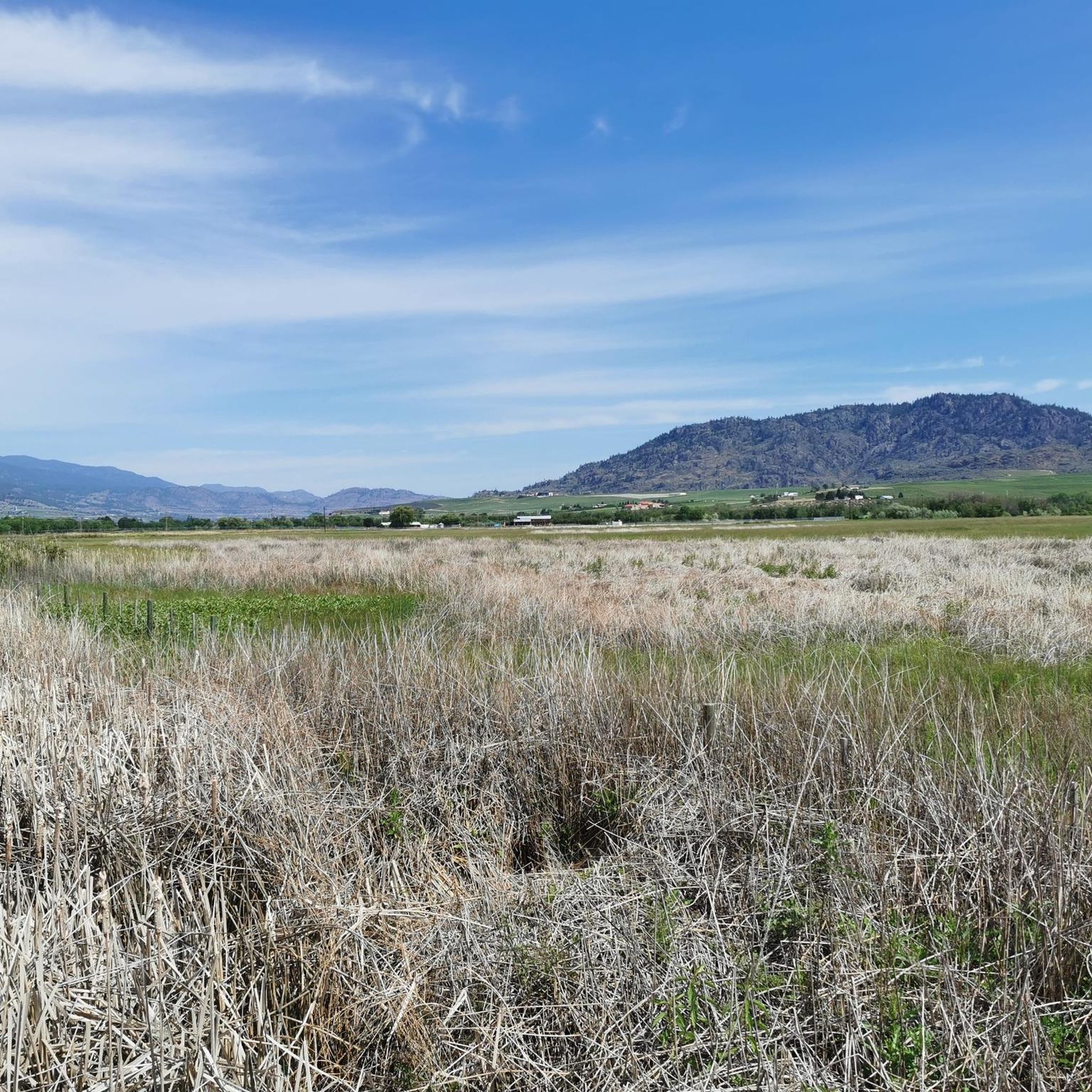
The South Okanagan Grasslands are a very special place since it is one of four most endangered ecosystems in Canada. You can see rare birds, mammals, reptiles and amphibians that are typical for this grassy environment. The Grasslands is a perfect place to enjoy nature by hiking, cycling and even fishing. The best hiking trails are Mt Kobau and Chopaka Lookout trail.
2
0
Frequently Asked Questions
What unique natural phenomena can I see in the Lower Similkameen Valley?
The region is home to Spotted Lake, a unique soda lake where mineral concentrations create distinct, colorful spots on its surface during summer. This sacred site, known as Kłlil'xᵂ by the Syilx First Nation, is revered for its therapeutic waters.
Are there opportunities to learn about desert ecosystems in the area?
Yes, the Osoyoos Desert Centre offers a nature education facility where visitors can learn about desert ecology, habitat restoration, and the protection of endangered ecosystems. You can explore the semi-arid shrubland on a boardwalk tour.
Where can I experience the region's diverse grasslands and wildlife?
The South Okanaghan Grasslands are a very special place, recognized as one of Canada's most endangered ecosystems. It's home to rare birds, mammals, reptiles, and amphibians. Popular hiking trails like Mt Kobau and Chopaka Lookout offer excellent opportunities to enjoy nature here.
What river activities are available on the Similkameen River?
The Similkameen River is central to the valley's natural appeal. Visitors can enjoy tubing, canoeing, kayaking, swimming, and fly fishing. Bromley Rock Provincial Park and Stemwinder Provincial Park offer excellent access points for cooling off and starting tubing adventures downstream.
What kind of provincial parks can I explore in the Lower Similkameen Valley?
The region boasts several provincial parks. Cathedral Lakes Provincial Park offers 80,000 acres of alpine meadows, lakes, and peaks for hiking. Bromley Rock Provincial Park features a striking rock bluff and swimming spots. Stemwinder Provincial Park provides public river access and campsites. While slightly further, E.C. Manning Provincial Park is considered a gateway with extensive outdoor activities.
What historical and cultural sites are there to visit?
You can step back in time at The Grist Mill and Gardens at Keremeos, a provincial heritage site featuring a working 1877 flour mill, gardens, and an original general store. Another notable landmark is the Red Bridge (Ashnola Bridge) near Keremeos, the last remaining covered bridge in Western Canada, built in 1909.
What outdoor activities, like cycling, can I do in the Area B (Cawston/Lower Similkameen) region?
The area offers various cycling opportunities. For road cycling, you can find routes like the 'Pentâge Winery – Along the Lake loop' or 'Deadman Lake – Haynes Ranch loop'. If you prefer touring, options include the 'Skaha Lake Trestle – Kenyon Park and Beach loop' or the 'Burrowing Owl Winery loop'. You can find more details on these and other routes in the Road Cycling Routes and Cycling around Area B (Cawston/Lower Similkameen) guides.
What is the best time to visit Area B (Cawston/Lower Similkameen) for outdoor activities?
The summer months are ideal for river activities like tubing and swimming. For hiking and exploring the unique landscapes, spring and fall offer pleasant temperatures. The region's wineries and farms are generally active from spring through fall, providing fresh produce and tasting experiences.
Are there family-friendly attractions in Cawston and the Lower Similkameen Valley?
Absolutely. Families can enjoy exploring The Grist Mill and Gardens at Keremeos, which offers an educational and interactive experience. Many organic orchards and fruit stands provide opportunities for farm tours and picking fresh produce. Additionally, the Similkameen River offers family-friendly activities like swimming and tubing.
What are the highlights of the local wine and culinary scene?
Cawston is known as the 'Organic Farm Capital of Canada' and an award-winning wine region. You can visit numerous wineries like Forbidden Fruit Winery, Crowsnest Vineyards, and Seven Stones Winery, many offering tastings and stunning views. There are also cideries and distilleries like Sharpe Distillery, along with organic orchards and fruit stands offering fresh, local produce.
Can I find remote wilderness experiences in the area?
Yes, the Pasayten Wilderness, a vast and remote area bordering Canada, offers over 531,000 acres of forests, peaks, and lakes. It's a challenging but rewarding destination for experienced hikers and nature enthusiasts, teeming with diverse wildlife.
What kind of fishing opportunities are available?
The Similkameen River is popular for fly fishing. Additionally, Palmer Lake, historically known as Haipwil, is a popular spot for fishing various species including Kokanee, smallmouth and largemouth bass, yellow perch, and rainbow trout.
Most popular routes around Area B (Cawston/Lower Similkameen)

Get inspired with the komoot mobile app


Explore more
Still not found the Highlight you’re looking for? See guides of the top attractions in other regions:
