The best cycling routes in Acadia National Park
4.9
(32)
1,100
riders
39
rides
Touring cycling routes in Acadia National Park traverse a landscape characterized by glaciated mountains, dense woodlands, and a rugged coastline. The park features a network of historic crushed-stone carriage roads, free of motor vehicles, providing a unique cycling experience. Paved sections like the Park Loop Road offer access to iconic sights, while tranquil lakes and ponds dot the interior. Elevations range from sea level to mountains like Cadillac Mountain, the highest point on the U.S. Atlantic coast.
Best touring cycling…
Last updated: July 21, 2026
5.0
(4)
166
riders
51.6km
03:40
870m
870m
The Cadillac Mountain & Otter Cliffs loop offers a spectacular touring cycling experience, blending Acadia National Park's dramatic coastline with a significant mountain climb. You'll wind through fragrant pine forests,…
5.0
(6)
123
riders
33.5km
03:16
560m
560m
Embark on the Around the Mountain Loop for a difficult touring cycling adventure spanning 20.8 miles (33.5 km) with a significant 1847 feet (563 metres) of elevation gain. This challenging…

Sign up for free
5.0
(4)
82
riders
21.5km
01:55
220m
220m
Embark on the Tri Lakes Loop, a moderate touring bicycle route that guides you through Acadia National Park's unique carriage road system. You will cycle on well-maintained fine gravel paths,…
4.7
(3)
57
riders
9.69km
00:57
110m
110m
Embark on the Eagle Lake Loop, an easy touring cycling route that takes you 6.0 miles (9.7 km) around the crystal waters of Eagle Lake. You'll gain 361 feet (110…
5.0
(1)
15
riders
23.3km
01:26
210m
210m
Embark on the Bass Harbor Light Station & Seawall Road loop for a touring bicycle ride through classic coastal Maine scenery. This moderate route covers 14.5 miles (23.3 km) with…
Get access to more routes and recommendations from other explorers.
Sign up for free
Already have an account?
Our route recommendations are based on thousands of hikes, rides, and runs completed by other people on komoot.
Start today with a free account
Your next adventure awaits.
Login or Signup
Other adventures in Acadia National Park

Tips from the Community

One of the highlights in Arkadia National Park. Easily reachable on foot
0
0
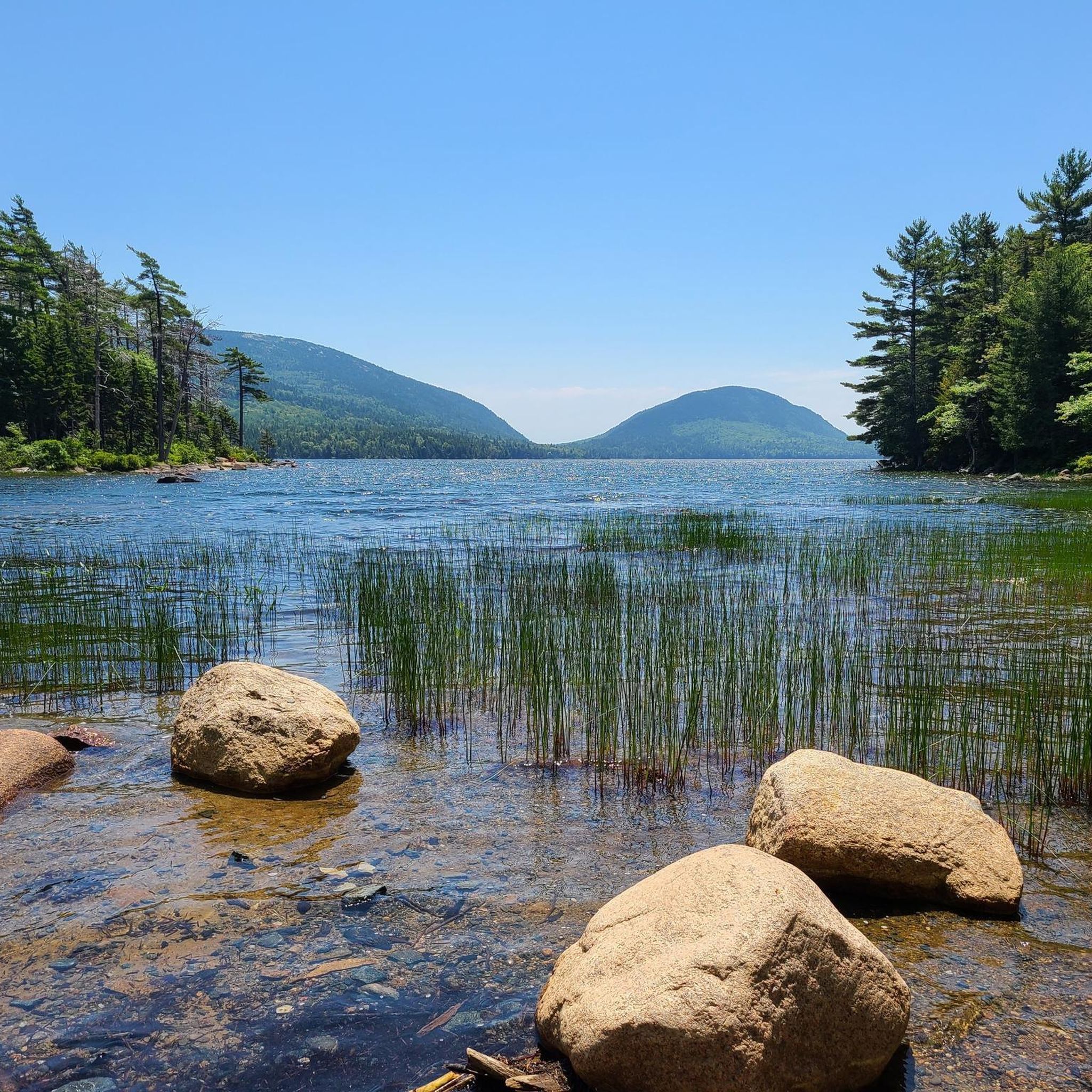
A lake in the middle of Arcadia National Park that is very well suited for hiking, running, and cycling
0
0
A lake in Arcadia National Park, which is very idyllically situated. Super easy to reach on a hike or by bike
0
0

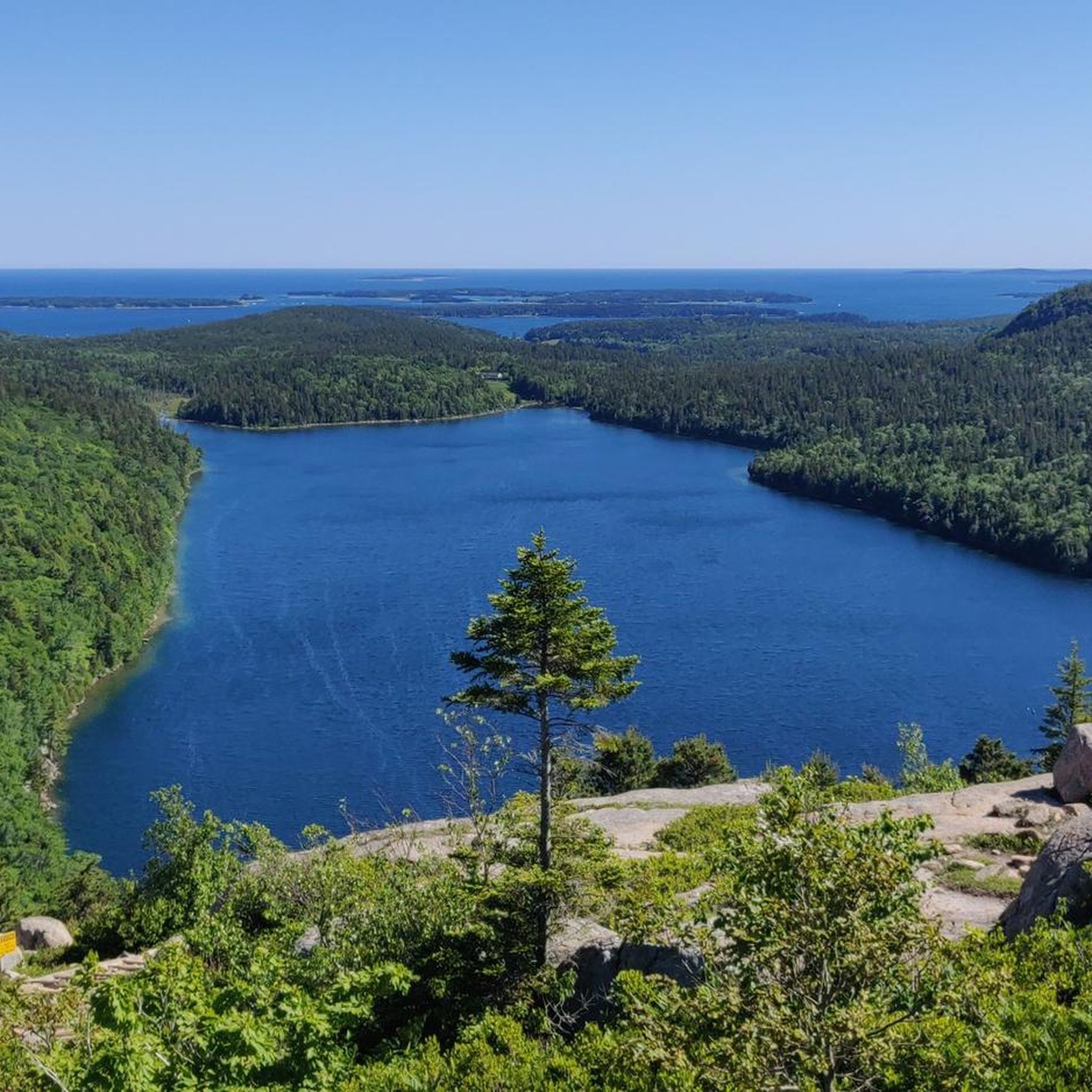
Very nice view
4
0

Nice stone bridge that takes you over a small creek that juts out from Jordan Pond. The bridge is part of Carriage Trail, and like the road, it is well maintained.
1
0
Frequently Asked Questions
How many touring cycling routes are available in Acadia National Park?
Acadia National Park offers over 40 touring cycling routes, catering to a wide range of abilities. These routes explore the park's diverse landscapes, from historic carriage roads to scenic coastal paths.
What types of cycling paths can I expect in Acadia National Park?
You'll find two primary types of cycling paths: the historic, motor-vehicle-free carriage roads, which are crushed-stone paths with gentle grades, and the paved Park Loop Road. The carriage roads offer a peaceful experience through the park's interior, while the Park Loop Road provides access to iconic coastal sights, though it is shared with cars in sections.
Are there easy touring cycling routes suitable for beginners or families?
Yes, Acadia National Park has several easy touring cycling routes perfect for beginners or families. The Eagle Lake Loop is an easy 6-mile (9.7 km) ride along the park's largest glacial lake. Another great option is the Witch Hole Pond Loop, an easy 5-mile (8 km) route that offers a tranquil experience through woodlands.
Where can I find challenging touring cycling routes in Acadia National Park?
For a more challenging ride, consider routes that incorporate elevation gains. The Cadillac Mountain & Otter Cliffs loop is a difficult 32.1-mile (51.6 km) route that combines the ascent to Cadillac Mountain with stunning coastal views. Another demanding option is the Around the Mountain Loop, a difficult 20.8-mile (33.5 km) path utilizing the historic carriage roads through varied terrain.
What natural features and landmarks can I see while cycling in Acadia National Park?
While cycling, you can explore a wealth of natural beauty and landmarks. The carriage roads will lead you past architecturally significant stone bridges like Duck Brook Bridge and Cobblestone Bridge. You can also visit serene glacial lakes such as The Tarn, Jordan Pond, and Eagle Lake. Coastal routes offer views of rugged granite cliffs, Sand Beach, and the famous Thunder Hole. For panoramic vistas, the summit of Cadillac Mountain is a must-see.
Are there any circular touring cycling routes in Acadia National Park?
Yes, many of Acadia's touring cycling routes are designed as loops, offering a continuous journey through the park's scenery. Popular circular routes include the Tri Lakes Loop, which passes Eagle Lake, Bubble Pond, and Jordan Pond, and the Eagle Lake Loop. The carriage road system itself is ideal for creating various circular routes, such as the Witch Hole Pond Loop and Around the Mountain Loop.
What is the best time of year to go touring cycling in Acadia National Park?
The best time for touring cycling in Acadia National Park is generally from late spring through fall. The weather is milder, and all park facilities and roads are typically open. Fall foliage offers particularly stunning views. While some roads may be open in winter, conditions can be challenging due to snow and ice, and many services are closed.
Are there options for bike rentals in or near Acadia National Park?
Yes, bike rentals are available near Acadia National Park, particularly in the Bar Harbor area. This allows visitors to easily access the park's extensive cycling network, including the carriage roads.
How can I access the cycling routes if I don't have a car?
Acadia National Park offers a free Bicycle Express shuttle service that operates between Bar Harbor Village Green and Eagle Lake. This provides convenient access to the carriage road system without needing a personal vehicle. For more detailed information on bicycling in the park, you can visit the official National Park Service website.
What do other cyclists say about touring cycling in Acadia National Park?
The touring cycling experience in Acadia National Park is highly rated by the komoot community, with an average score of 4.96 stars from over 58 reviews. Cyclists often praise the unique experience of the historic carriage roads, the stunning coastal and mountain views, and the well-maintained paths that cater to various skill levels.
Are there any cafes or places to eat along the cycling routes?
While the carriage roads themselves are primarily natural paths, you'll find amenities like the Jordan Pond House near Jordan Pond, famous for its popovers and scenic views. The nearby towns, particularly Bar Harbor, offer a wide array of cafes, restaurants, and accommodation options for before or after your ride.
Can I bring my dog on the touring cycling routes in Acadia National Park?
Acadia National Park is generally dog-friendly, and leashed pets are permitted on all 45 miles of carriage roads. This makes it a great destination for cyclists who wish to bring their canine companions along for the ride.
Most popular routes in Acadia National Park
Most popular attractions in Acadia National Park

Get inspired with the komoot mobile app


Explore more
Browse the best Cycling routes in other regions.
