The best walks and hikes in Lake Clark National Park
5
hikers
6
hikes
If you've ever tried to plan hiking in Lake Clark National Park, you know how quickly the sheer scale of this Alaskan wilderness can feel overwhelming. With so much untouched backcountry, it's hard to tell which routes are genuinely worth your limited time and effort. That's where komoot comes in. Our community has explored, mapped, and reviewed the best trails, cutting through the noise to bring you a curated shortlist of routes that promise genuine rewards.
Hiking here is a…
Last updated: May 10, 2026
10.5km
03:41
580m
580m
The Portage Creek Trail in Lake Clark National Park offers a genuine Alaskan wilderness experience, leading you through varied terrain from relatively flat beginnings to a challenging climb into alpine…
3.42km
01:00
110m
70m
The Tanalian Falls Trail offers a delightful journey through the pristine Alaskan wilderness, leading you to a powerful 30-foot waterfall. As you hike, you'll traverse diverse terrain, from dense boreal…

Sign up for free
2
hikers
6.87km
01:57
150m
150m
The Tanalian Falls Trail offers a captivating journey through Lake Clark National Park, winding through boreal forests of birch and spruce. You'll traverse boardwalks over swampy ground and moraine deposits,…
1
hikers
10.5km
02:53
180m
180m
The Kontrashibuna Lake Trail offers a deep dive into Alaska's backcountry, guiding you through serene birch groves and spruce forests before revealing the stunning turquoise waters of Kontrashibuna Lake, framed…
1
hikers
5.55km
01:33
100m
100m
The Tanalian Falls and Beaver Pond Loop offers a delightful journey through diverse Alaskan scenery, perfect for a shorter outing. You'll trek through birch groves and spruce-studded hillsides, encountering the…
Our route recommendations are based on thousands of hikes, rides, and runs completed by other people on komoot.
Start today with a free account
Your next adventure awaits.
Login or Signup
Popular around Lake Clark National Park
Tips from the Community

The Joe Thompson Public Use Cabin sits at the trailhead for the Portage Creek Trail. You have to pay a fee and make a reservation to actually stay at the Joe Thompson Public Use Cabin, but you can run the trail and head back to the main part of the island in just a few hours. Note that like many trailheads in Lake Clark National Park, you can only get here by boat or float plane.
0
0
The only logical way to get to Lake Clark National Park is via plane or boat. One of the most popular sites for arriving to the park is at Port Alsworth. Only small passenger planes can land here along with boats, so it's best to plan your visit well in advance. That being said, a run in Lake Clark National Park can be an inspiring outing. For more information about flights and boat reservations, visit the NPS website: https://www.nps.gov/lacl/planyourvisit/directions.htm
0
0
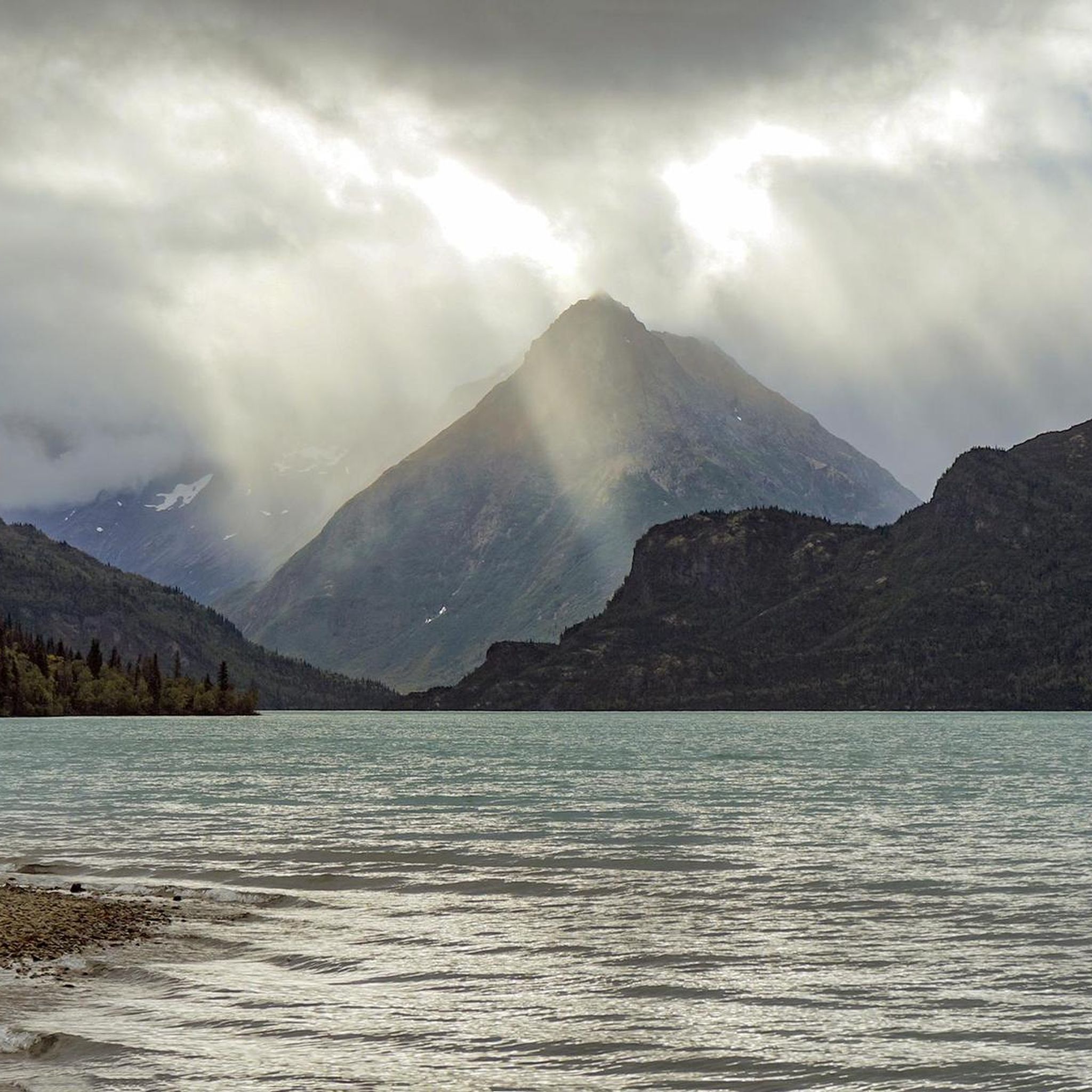
Kontrashibuna Lake is located within Lake Clark National Park's wilderness area. The trails are more primitive, and so is the nature you will encounter.
0
0
Tanalian Falls is a 30-foot waterfall found near Kontrashibuna Lake along the Tanalian River. There are some benches at the overlook area and camping at the end of the Lake Trail. The further past the falls you run, the fewer people you will see.
0
0

The maintained Portage Creek Trail ends above treeline, ushering you into an alpine tundra wonderland. This trail in Lake Clark National Park is incredibly remote, so if you choose to explore past this point, you should be prepared to navigate off-trail in limited visibility in rapidly changing weather, and to be self-sufficient for some time if you were to need a rescue.
1
0
The Portage Creek Trail is part of the trail that trapper Joe Thompson used to access his cabin — now the Joe Thompson Public Use Cabin. The first part of this trail wanders through a forest, but it delivers you to alpine tundra, above treeline, within just a few miles.
1
0
The Joe Thompson Public Use Cabin, located in Lake Clark National Park, is accessible by boat or float plane from the nearby town of Port Alsworth. The cabin must be reserved in advance, for a fee, through https://www.recreation.gov/.
1
0
The beaver pond — and a well-placed bench for taking it in — is a highlight of this relatively tranquil trail. You might even be lucky enough to see wild beavers. Watch for the giant mound of sticks that signals a beaver lodge, and be on the lookout for the beavers themselves both in the water and on land. You can turn back and return on the beaver pond trail or, for a change of pace, return via part of the Tanalian Falls trail — although you'll need to make a detour if you want to see the falls themselves.
1
0
Frequently Asked Questions
How do I get to the trailheads in Lake Clark National Park?
There are no roads into Lake Clark National Park. Access is almost exclusively by small aircraft, often a floatplane, from hubs like Anchorage, Kenai, or Homer. Most of the maintained trails, including the Tanalian Trails system, begin near the community of Port Alsworth, which serves as the main entry point for hikers.
What should I know about bear safety when hiking in Lake Clark?
Lake Clark has a dense population of brown bears. It is essential to be bear-aware at all times. Make noise while you hike by talking or clapping to avoid surprising a bear. Carry bear spray and know how to use it. Store all food, garbage, and scented items in approved bear-resistant containers. Never feed wildlife.
Are there any easy hikes suitable for beginners or families?
Yes, the park offers some less strenuous options. The Beaver Pond Loop is a gentle 3.4-mile (5.5 km) trail that winds through birch groves and past a beaver pond, making it a great choice for a quieter walk with opportunities to see shorebirds.
I'm looking for a challenging multi-day backpacking trip. What are my options?
For experienced backpackers, the park offers immense opportunities for cross-country trekking in a trail-less wilderness. One historic option is the 50-mile Telaquana Route, an ancient Dena'ina path that crosses forests, glacial rivers, and alpine tundra. This requires advanced navigation skills, proper gear, and self-sufficiency.
What kind of wildlife might I see besides bears?
While bears are iconic, the park is rich with other wildlife. On trails through forested and wetland areas, you might spot moose, caribou, Dall sheep in the higher elevations, and wolves. The lakes and rivers are home to beavers, otters, and numerous bird species, including bald eagles and various shorebirds.
Can I see a waterfall in the park?
Yes, the most accessible waterfall is Tanalian Falls. A popular day hike leads to this powerful 30-foot cascade. The Tanalian Falls Trail Loop is a well-defined route that takes you through spruce and birch forest to the falls.
What is the best time of year to hike in Lake Clark National Park?
The primary hiking season is from June through September. During these months, the weather is mildest and the days are long. July and August offer lush green landscapes, while September brings vibrant autumn colors. Be prepared for rapidly changing weather, including rain and wind, at any time of year.
Are there guided hiking tours available?
Yes, several guide services operate out of Port Alsworth and other gateway communities. They offer a range of services from guided day hikes to fully outfitted multi-day backpacking expeditions. Using a guide is a great option if you are unfamiliar with remote wilderness travel or want to learn more about the park's ecology.
What is a good moderate day hike with lake views?
For a moderately challenging hike that rewards you with beautiful scenery, consider the hike to Kontrashibuna Lake. This route extends past Tanalian Falls into the designated wilderness, leading to a serene lake nestled in the mountains, offering a true sense of solitude.
What essential gear should I pack for a day hike?
For any hike in Lake Clark, you must be self-sufficient. Essentials include a map and compass (and GPS), extra layers of non-cotton clothing, waterproof rain gear, sturdy hiking boots, plenty of water and a filter, high-energy food, a first-aid kit, and bear spray. Insect repellent is also highly recommended, especially during mid-summer.
Are there any official trail maps I can use?
The National Park Service provides maps and information for the maintained Tanalian Trails system. You can find details on their website to help plan your hikes from Port Alsworth. For any off-trail travel, you will need detailed topographic maps and strong navigation skills. You can find more information on the official NPS website.
What is the most difficult hike in this guide?
The most strenuous hike is the ascent of Tanalian Mountain. This 8.6-mile (13.9 km) round trip involves over 1,000 meters of elevation gain, taking you from the forest floor into the fragile alpine tundra. It's a full-day effort that rewards hikers with panoramic views of Lake Clark and the surrounding Chigmit Mountains.
Most popular routes in Lake Clark National Park
Most popular attractions in Lake Clark National Park

Get inspired with the komoot mobile app


Explore more
Browse the best Hikes in other regions.
