Attractions and Places To See in Great Sand Dunes National Park - Top 11
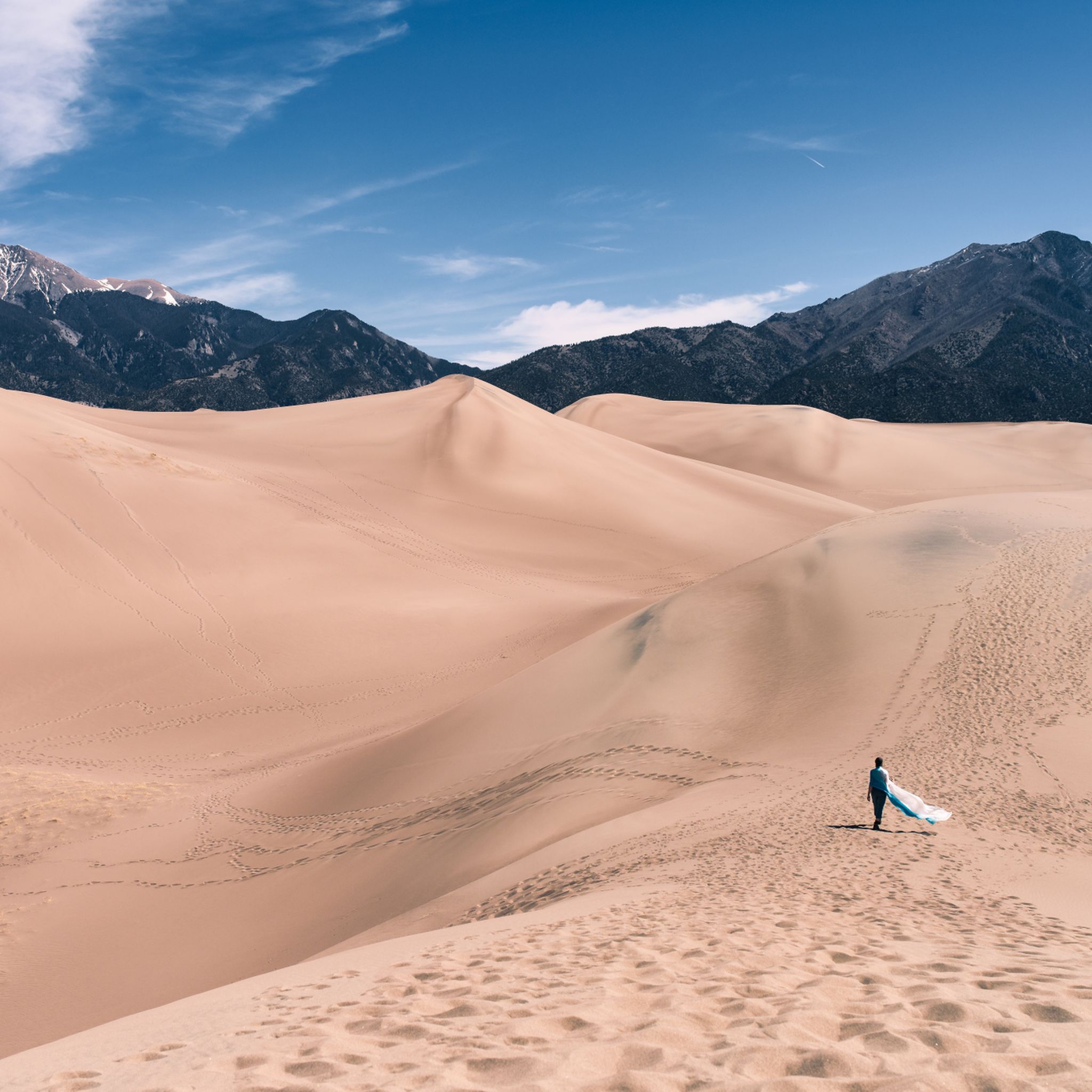
Best attractions and places to see in Great Sand Dunes National Park features towering sand dunes, diverse ecosystems, and a rich cultural history. The park is home to the tallest sand dunes in North America, set against the backdrop of the Sangre de Cristo Mountains. Visitors can explore a variety of landscapes, from grasslands and wetlands to alpine tundra. This unique environment supports a wide array of plant and animal life.
Best attractions and places to see in Great Sand Dunes National Park
- The most popular attractions is Dunes Trailhead, Great Sand Dunes National Park, a parking area that serves as the starting point into the massive dune field. It offers showers, restrooms, and information boards before entering the sandy area.
- Another must-see spot is High Dune, a natural monument that is one of the tallest sand dunes in North America. It offers expansive views of the entire dune field and surrounding mountains.
- Visitors also love Medano Creek, a river that flows seasonally at the base of the dunefield. It is an important water source for the vegetation within the National Park.
- Great Sand Dunes National Park is known for its sand dunes, diverse ecosystems, and mountain trails. Visitors can explore a variety of attractions, including natural monuments, rivers, and trailheads.
- The attractions in Great Sand Dunes National Park are appreciated by the komoot community, with 9 upvotes and 25 photos shared.
Last updated: October 5, 2026
High Dune
Highlight • Natural Monument
Tip by

Medano Creek
Highlight • River
Tip by
Sign up now to discover places like this
Get recommendations on the best single tracks, peaks, & plenty of other exciting outdoor places.
Dunes Trailhead, Great Sand Dunes National Park
Highlight • Parking
A popular hike from here is to summit the High Dune which is one of the tallest sand dunes in North America. Be prepared for different weather conditions as it may be very hot in the summer months with absolutely no shade and the sand reflecting the heat. Strong winds are also possible, so bring appropriate clothing or gear to cover your face and skin. On your hike towards the dunes, you will cross Medano Creek which is a flowing river until early summer and a vast flat space during the rest of the year.
If you want to spend more time in the dune field, you can obtain a backcountry permit and stay overnight in the sandy wilderness: recreation.gov/permits/4675316.
Tip by
Buck Creek Campsites
Highlight • Rest Area
Tip by
Mosca Pass Trail
Highlight • Trail
Tip by

Sign up for free to discover even more attractions in Great Sand Dunes National Park.
Already have an account?
Start today with a free account
Your next adventure awaits.
Popular around Great Sand Dunes National Park
Tips from the Community


The Great Sand Dunes cover an area of approximately 80 km² and, at a height of approximately 230 meters, are the highest dunes in North America. The sand dunes are approximately 12,000 years old and were formed by sand deposits from the Rio Grande and its tributaries. You should be in good physical shape to hike the dunes. The constant inclines in the loose sand can be very strenuous.
2
0

Just really beautiful! A tough hike through the loose sand.
2
0
The Creek was completely dried up now.
1
0

Buck Creek Campsite is a great place to spend the night if you don't need the facilities of an established campground. It is just a short hike from Piñon Flats Campground and you will enjoy a lot more solitude and a stunning view towards the dunes. There are no reliable water sources, so bring all the water you need. The site has no toilets, so practice Leave No Trace. To spend the night here, you have to make a reservation via https://www.recreation.gov. There are plenty of nice spots, shaded and sunny, but a reservation is just accepted for one sole party between 1 to 6 persons.
4
0

Unfortunately dried out in summer. But you can see the riverbed from the greenery that is still there.
3
1
Frequently Asked Questions
What are some popular hiking trails in Great Sand Dunes National Park?
Beyond exploring the main dune field, popular trails include the Mosca Pass Trail, which offers views of the Sangre de Cristo Mountains and occasional glimpses of the dunes. For easier options, consider the Montville Nature Loop Trail or the Dunes Overlook Trail, both providing excellent views and experiences. You can find more hiking options in the Hiking in Great Sand Dunes National Park guide.
How challenging is the hike to High Dune?
Hiking to High Dune is a strenuous experience due to the loose sand and significant incline, but it offers breathtaking panoramic views. While not the absolute tallest, it's a popular and rewarding destination. It's crucial to bring plenty of water, avoid the heat of the day, and be prepared for strong winds.
What makes the sand dunes in the park unique?
The Great Sand Dunes are unique because they are the tallest in North America, reaching up to 750 feet with Star Dune. They are set against the dramatic backdrop of the Sangre de Cristo Mountains and are part of a diverse ecosystem that includes grasslands, wetlands, forests, and alpine tundra, not just sand.
What family-friendly activities are available in Great Sand Dunes National Park?
Families can enjoy splashing and wading in Medano Creek when it flows seasonally (typically late May to early June). Sandboarding and sand sledding on the dunes are also popular, with equipment available for rent from nearby vendors. The Montville Nature Loop Trail is a kid-friendly hiking option, and the park offers various ranger-led programs.
Are there accessible options for visitors with mobility needs?
Yes, the Dunes Trailhead area provides facilities like restrooms and information boards. While direct access onto the deep sand dunes can be challenging, the park offers some accessible pathways and facilities. The Visitor Center is also wheelchair accessible.
When is the best time of year to visit Great Sand Dunes National Park?
The best time to visit is generally in late spring (late May to early June) when Medano Creek is flowing, offering a unique experience at the base of the dunes. Spring and fall also provide milder temperatures for hiking. Summer can be very hot with no shade on the dunes, while winter offers a stark, snow-dusted landscape.
Can I camp overnight in the park?
Yes, backcountry camping in the dunes is permitted with a permit. Additionally, Piñon Flats Campground offers sites for tents, RVs, or groups from April through October. Reservations are highly recommended due to its popularity and can be made through recreation.gov.
What kind of wildlife can I expect to see?
The park's diverse ecosystems support a wide array of wildlife. You might spot elk, bison, pronghorn, and various bird species. Seasonal highlights include the Sandhill Crane migration. The park's varied habitats, from alpine tundra to wetlands, contribute to its rich biodiversity.
Can I go sandboarding or sand sledding on the dunes?
Absolutely! Sandboarding and sand sledding are signature activities at Great Sand Dunes National Park. You can rent specialized equipment from vendors located outside the park. It's a thrilling way to experience the unique landscape of the dunes.
What is the Medano Pass Primitive Road?
The Medano Pass Primitive Road is a scenic backcountry route that requires a high-clearance 4WD vehicle. It offers access to remote car camping sites, picnic areas, and trailheads like the Sand Ramp Trail, providing a different perspective of the park's diverse terrain.
Is Great Sand Dunes National Park good for stargazing?
Yes, Great Sand Dunes National Park is designated as an International Dark Sky Park. This means it offers exceptional opportunities for stargazing and experiencing the night sky with minimal light pollution, making it a prime location for astronomy enthusiasts.
What are some notable natural features to explore beyond the main dune field?
Beyond the towering dunes, you can explore the seasonal Medano Creek, the dramatic Sangre de Cristo Mountains that frame the park, and diverse ecosystems ranging from grasslands to alpine tundra. High alpine lakes like Medano Lake and Sand Creek Lakes also offer rewarding, though more strenuous, hiking destinations.
Most popular routes in Great Sand Dunes National Park
Most popular attractions in Great Sand Dunes National Park

Get inspired with the komoot mobile app


Explore more
Still not found the Highlight you’re looking for? See guides of the top attractions in other regions:
