The best road cycling routes in Mount Rainier National Park
4.0
(1)
266
riders
12
rides
Road cycling in Mount Rainier National Park offers challenging experiences across a landscape dominated by an active stratovolcano, extensive glacier systems, and ancient forests. The region features significant elevation gains, with roads winding through subalpine wildflower meadows and past diverse natural features. Cyclists navigate narrow, steep, and winding park roads, which are the only areas where bicycles are permitted. The terrain transitions from dense evergreen forests to exposed switchbacks, providing varied conditions for road cyclists.
Best road cycling routes in Mount Rainier National Park
- The most popular road cycling route is Longmire, Paradise, Valley Road, and Ruby Falls loop, a 29.4 miles (47.2 km) trail that takes 2 hours 35 minutes to complete. This difficult route features significant elevation gain as it connects key areas within the park.
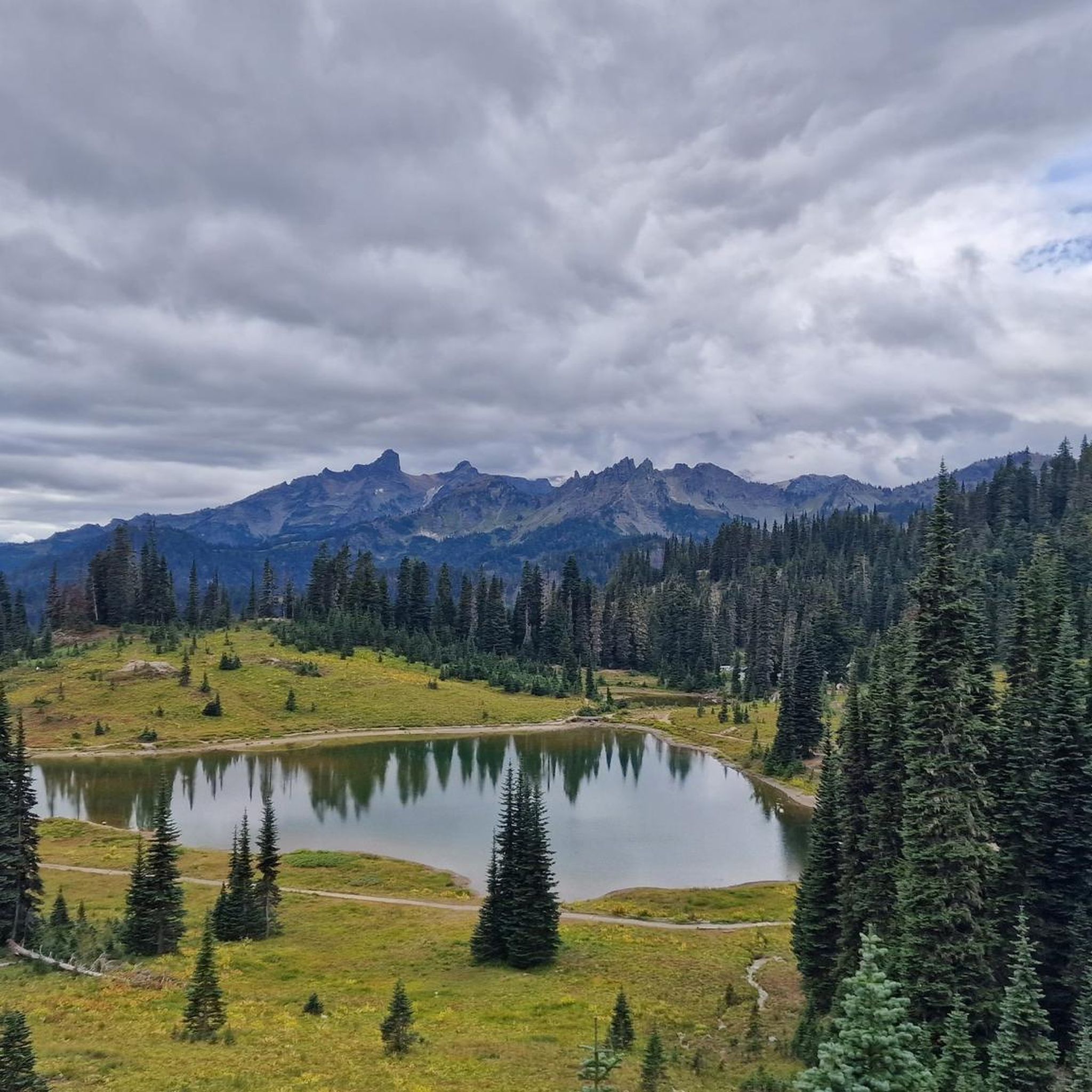
- Another top favourite among local road cyclists is Tipsoo Lake – Chinook Pass loop from Crystal Lake Trailhead, a difficult 46.8 miles (75.4 km) path. This route offers views of Mount Rainier, Tipsoo Lake, and Naches Peak, with challenging grades.
- Local road cyclists also love the Paradise Visitor Center – Paradise Inn loop from Shriner Peak Trailhead, a 50.2 miles (80.8 km) trail leading through areas with panoramic views, often completed in about 4 hours 31 minutes.
- Road cycling in Mount Rainier National Park is defined by an active stratovolcano, subalpine wildflower meadows, and ancient forests. The network offers options for different ability levels, including 1 easy, 6 moderate, and 4 difficult road cycling routes.
- The routes in Mount Rainier National Park are highly rated by the komoot community with an average score of 4.5 stars from over 2 reviews. More than 300 road cyclists have used komoot to explore Mount Rainier National Park's varied terrain.
Last updated: October 10, 2026
4.0
(1)
29
riders
47.2km
02:36
1,030m
1,030m
Hard road ride. Very good fitness required. Mostly well-paved surfaces and easy to ride.
121
riders
75.4km
04:30
1,650m
1,650m
Hard road ride. Very good fitness required. Some segments of this route may be unpaved and difficult to ride.

25
riders
88.3km
05:02
1,900m
1,900m
Hard road ride. Very good fitness required. Some segments of this route may be unpaved and difficult to ride.
9
riders
Moderate road ride. Good fitness required. Some segments of this route may be unpaved and difficult to ride.
8
riders
48.3km
02:36
930m
930m
Hard road ride. Very good fitness required. Mostly well-paved surfaces and easy to ride.
Get access to more routes and recommendations from other explorers.
Already have an account?
Our route recommendations are based on thousands of hikes, rides, and runs completed by other people on komoot.
Start today with a free account
Your next adventure awaits.
Popular around Mount Rainier National Park
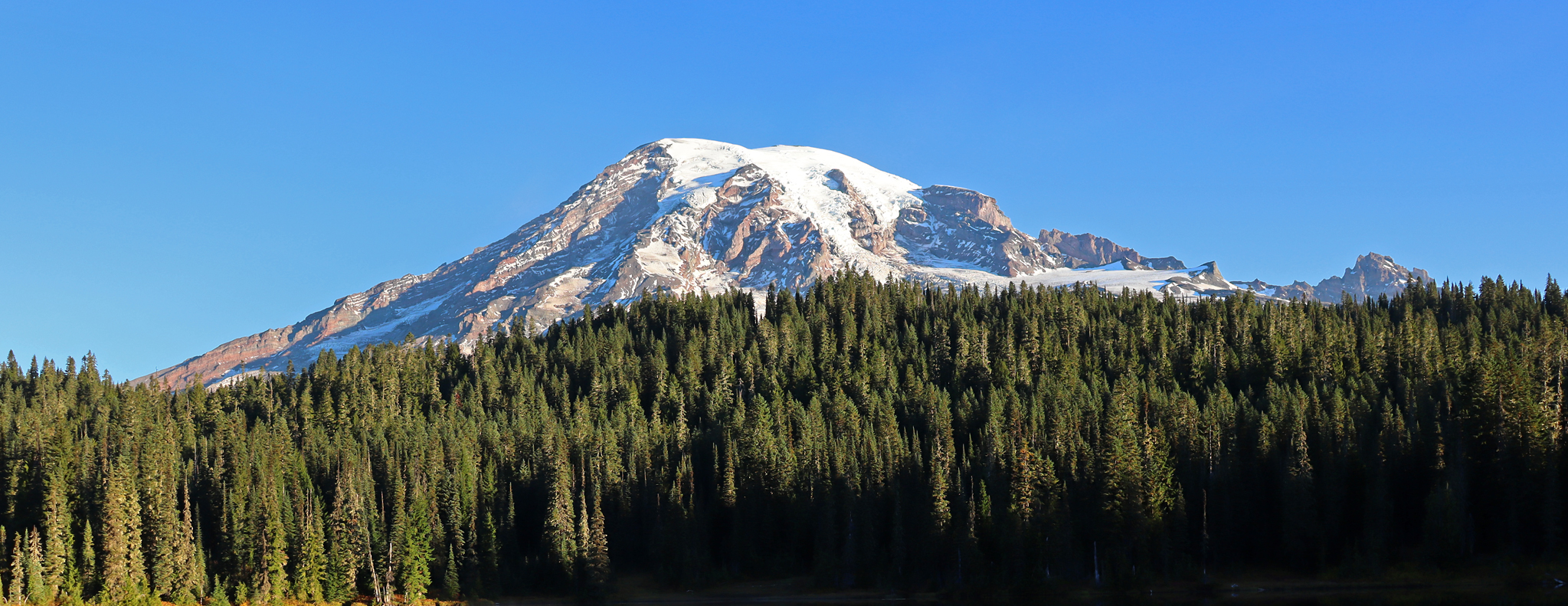
Wonderland Trail — 93 iconic miles around Mount Rainier
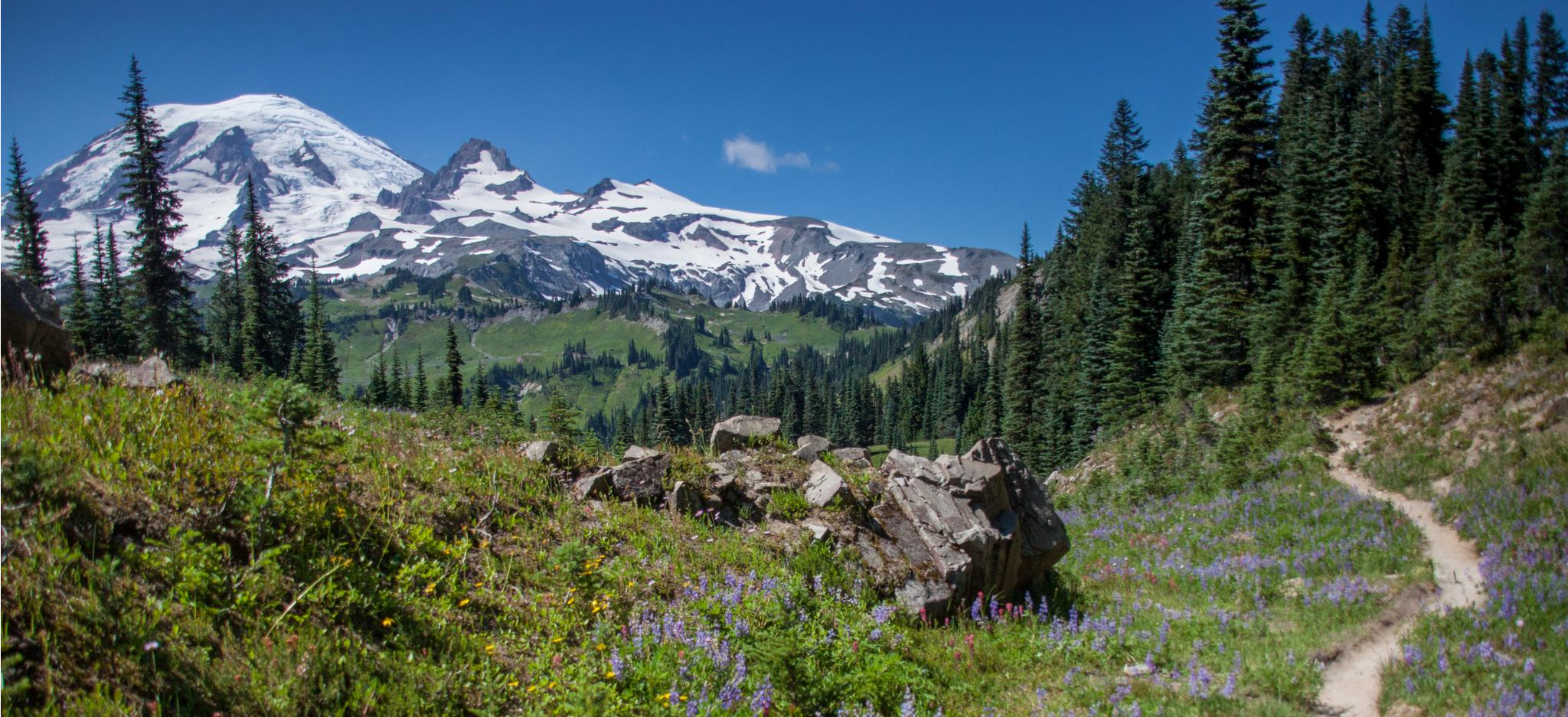
Wonderland Trail — 3-Day fastpacking through the dreamscape
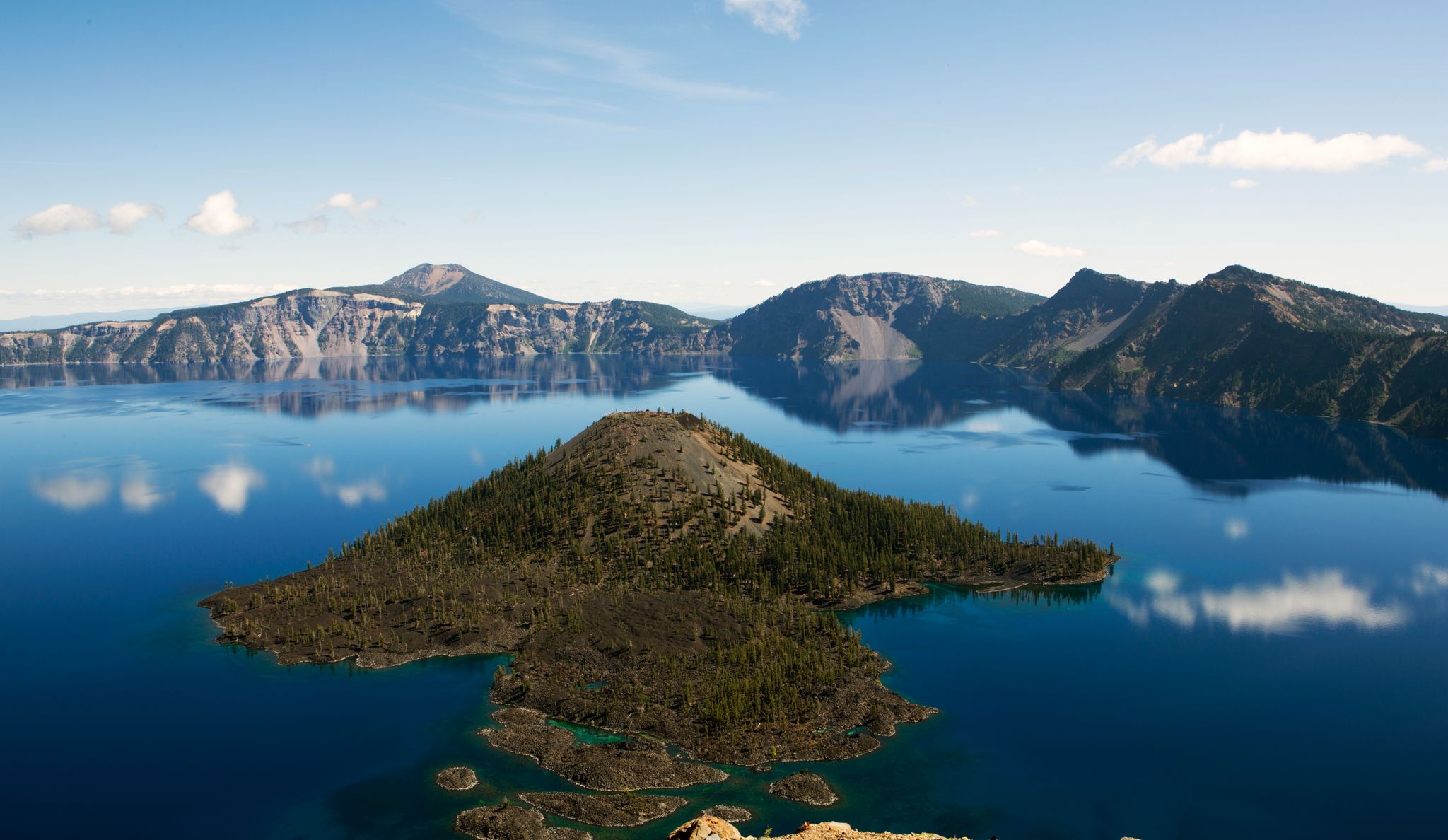
Volcanic peaks and glistening shores – discover Oregon and Washington
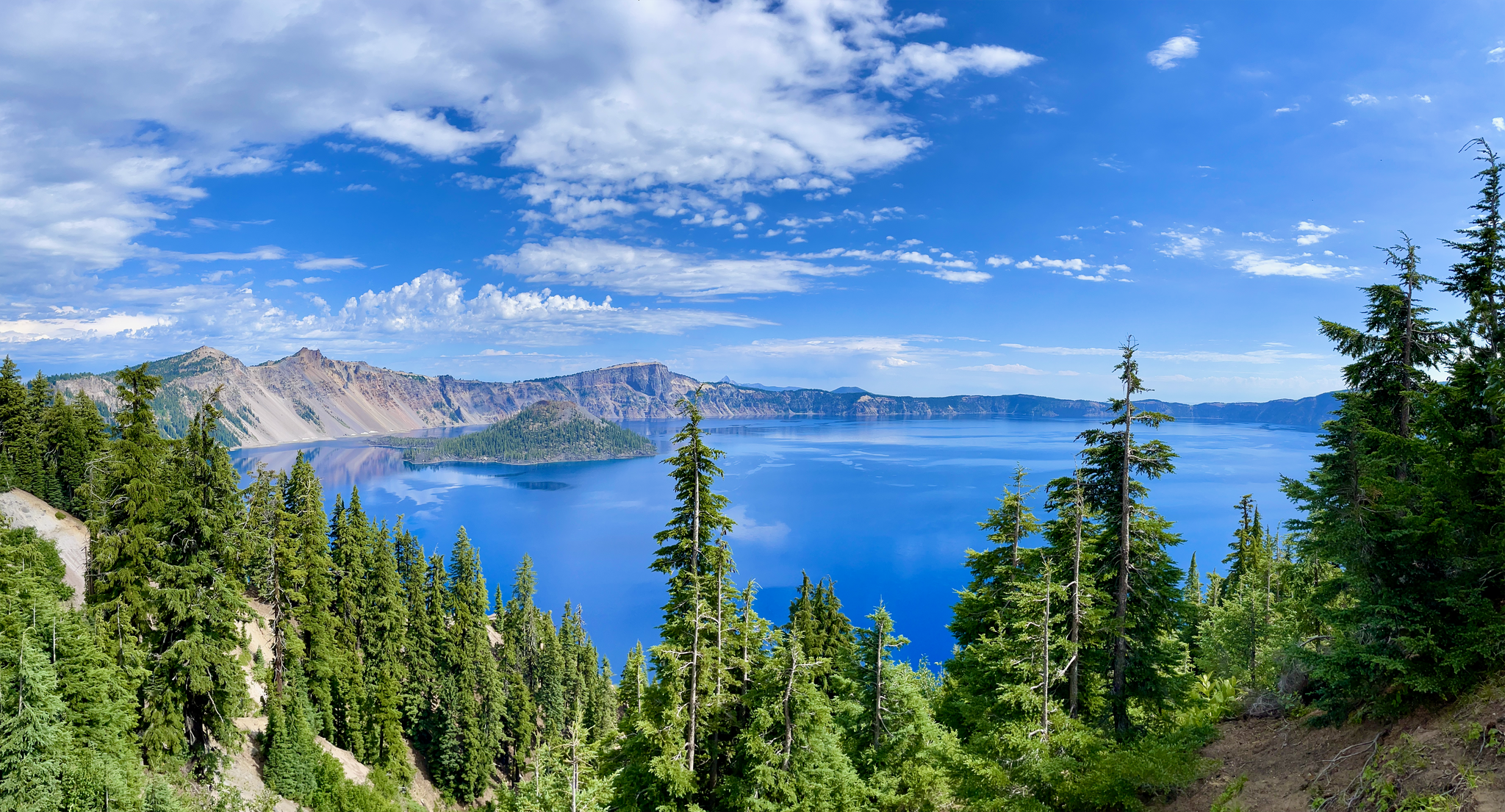
The pristine beauty of the US National Parks
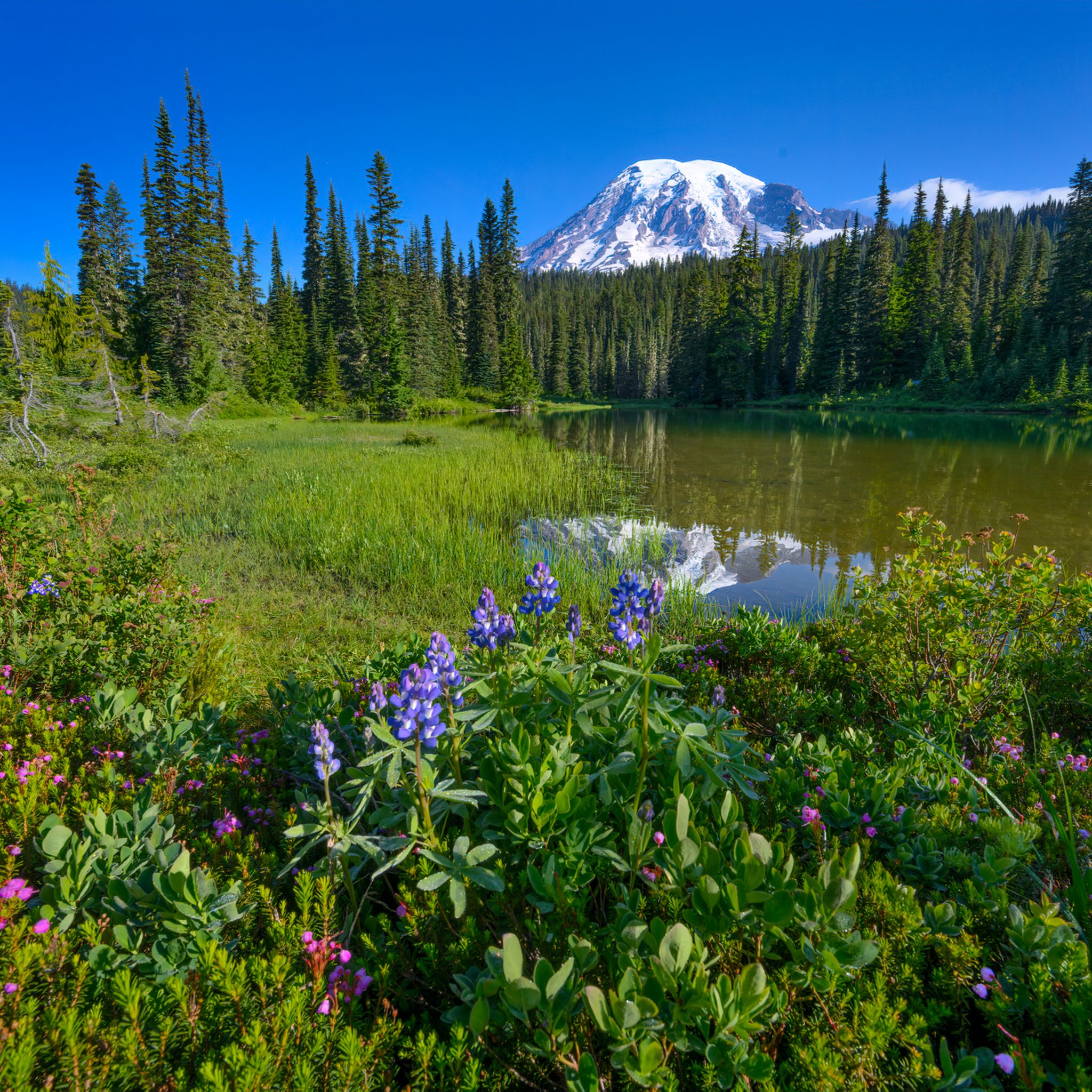
Hiking in Mount Rainier National Park
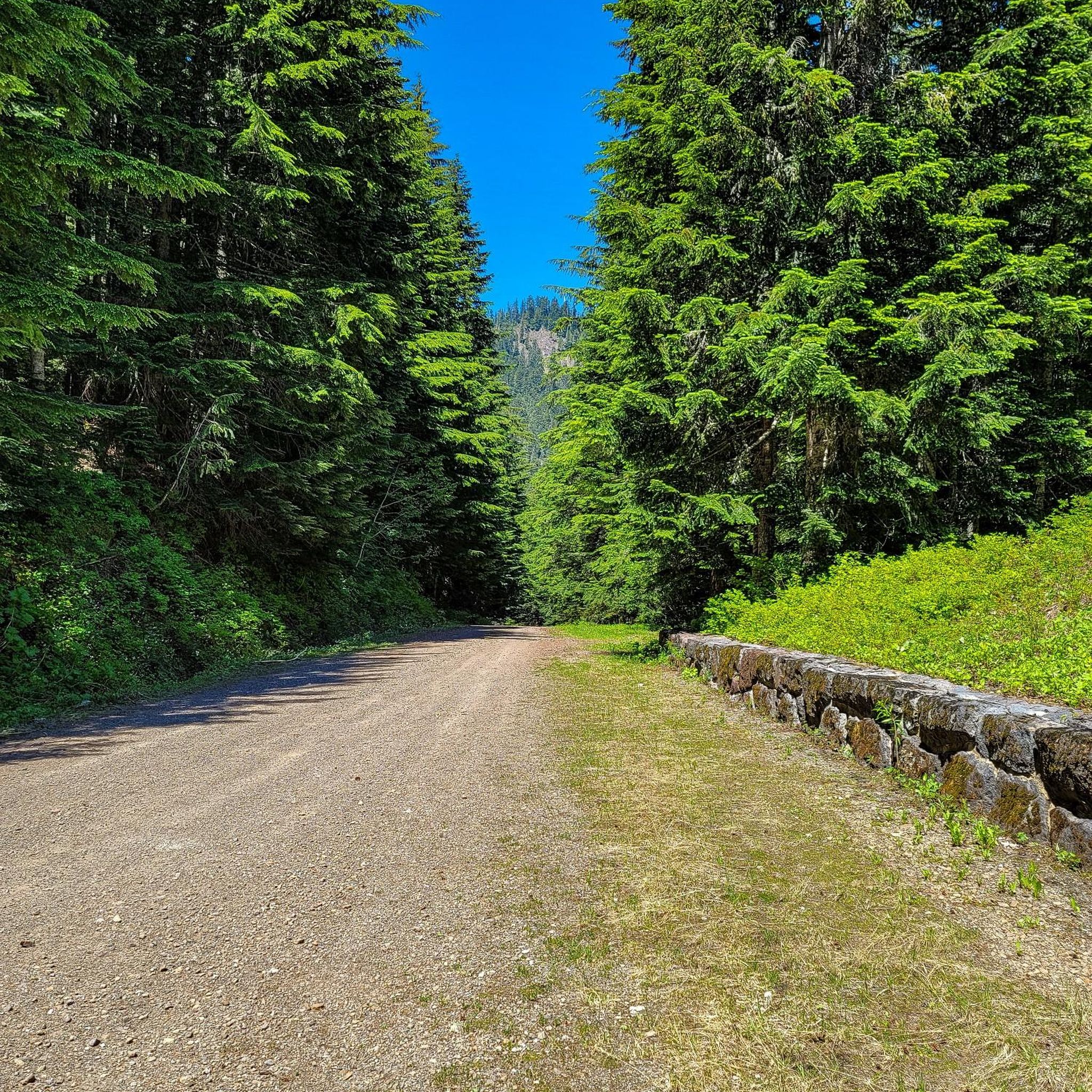
Cycling in Mount Rainier National Park
Running Trails in Mount Rainier National Park
MTB Trails in Mount Rainier National Park
Other adventures in Mount Rainier National Park


Tips from the Community

A great way to get up close and personal with the glaciers and high alpine environment of Mt Rainier.
0
0


Beautiful hike. Crowded. Make sure you bring water as there is no where to fill up. Not even visitor center. No restrooms. Just overstuff porta potties. Come early. Parking difficult. We got here at 310 pm and found some. But there’s a lot of people. We waiting in line to get into park 1 hour! They need a better system!
0
0

Great trail with amazing views of the surrounding mountains and Mt. Rainier.
0
0

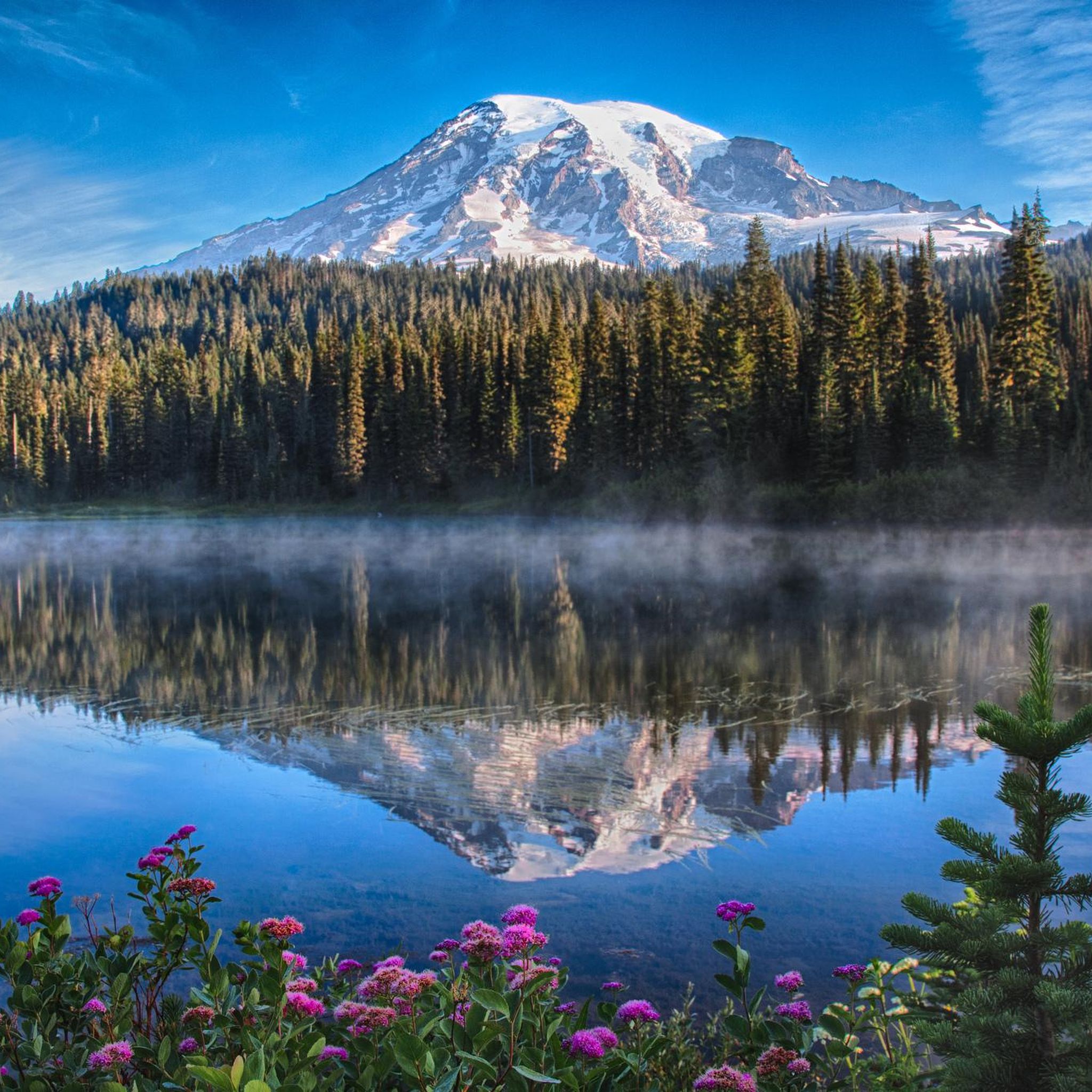
One of the most impressive view points to see Mount Rainier. During sunrise and sunset, when there's no wind or rain, this lake right by the park road reflects the mountain in all of its majesty.
0
0

Box Canyon is a narrow, dramatic gorge carved by the Muddy Fork of the Cowlitz River. It’s a quick but impressive stop along the Wonderland Trail, with a footbridge offering a dizzying view into the deep slot canyon below.
0
0
White River Campground is a convenient stop or overnight spot, especially for those breaking up the Wonderland Trail into stages. With road access, it’s a good place to cache food in one of the bear boxes or meet a friend for resupply. It also serves as a trailhead for several routes. The campground has reliable water, composting toilets, picnic tables, and plenty of flat ground to rest. It sits close to the trail, making it easy to continue the next morning without adding extra mileage. It can get crowded in summer, so plan your resupply accordingly or avoid the peak season. From July 11 to mid-October 2025, timed entry is required to access the Sunrise Corridor (which includes this campground) between 7 am and 5 pm. If you secure a campsite before 7 am, your permit can be used in place of a timed entry pass for the rest of your stay. Plan ahead, as both campsite and entry availability are not guaranteed.
0
0
Frequently Asked Questions
What is the overall difficulty level for road cycling in Mount Rainier National Park?
Road cycling in Mount Rainier National Park is generally challenging due to significant elevation gains and winding mountain roads. The park offers a range of routes, including 1 easy, 6 moderate, and 4 difficult options. Many routes involve substantial climbs, such as the 19-mile ascent to Paradise with 3,400 feet of gain, or the 20-mile ride to Sunrise with 3,650 feet of gain.
Are there any easy or family-friendly road cycling routes in Mount Rainier National Park?
While many routes are challenging, there is at least one easy road cycling route available. For a less strenuous experience, the first three miles of Westside Road are open to both vehicles and bicycles, offering a gentler ride through old-growth forests. This section is suitable for families or those seeking a more relaxed pace.
What are some of the most scenic viewpoints or natural features accessible by road bike in Mount Rainier National Park?
Road cycling routes in Mount Rainier National Park offer breathtaking views of the iconic Mount Rainier, its extensive glacier systems, and subalpine wildflower meadows. Notable scenic points include Paradise, Sunrise, and Tipsoo Lake. The Tipsoo Lake – Chinook Pass loop from Crystal Lake Trailhead, for instance, provides incredible vistas of Mount Rainier, Tipsoo Lake, and Naches Peak. You can also explore areas like Chinook Pass and Cayuse Pass for panoramic views.
When is the best time of year for road cycling in Mount Rainier National Park?
Fall, particularly September and early October, is often recommended for road cyclists in Mount Rainier National Park. During this period, there are typically fewer vehicles on the roads, and the weather can still be pleasant. Summer offers beautiful wildflower blooms but can experience heavy traffic on popular routes to Paradise and Sunrise.
Are there any waterfalls or lakes I can see while road cycling in the park?
Yes, the park features numerous waterfalls and picturesque lakes. The Carbon River Trail, though not a paved road cycling route, has a short side trail near Ipsut Creek Campground leading to a striking waterfall. For road cyclists, routes like the Longmire, Paradise, Valley Road, and Ruby Falls loop can bring you close to features like Ruby Falls. Additionally, areas around Mowich Lake and Tipsoo Lake offer stunning natural beauty.
What kind of wildlife might I encounter while road cycling in Mount Rainier National Park?
Mount Rainier National Park's diverse ecosystems support abundant wildlife. While cycling, you might spot black-tailed deer, Roosevelt elk, black bears, mountain goats, raccoons, squirrels, and marmots. Always maintain a safe distance and never feed wildlife.
Are there any loop routes for road cycling in Mount Rainier National Park?
Yes, several loop routes are available for road cyclists. A popular option is the Paradise Visitor Center – Paradise Inn loop from Shriner Peak Trailhead, which is a difficult 50.2-mile trail offering panoramic views. Another is the Nisqually Suspension Bridge – Longmire Historic District loop from Christine Falls, a moderate 44.8-mile route.
What permits or regulations should I be aware of for road cycling in Mount Rainier National Park?
Bicycles are permitted on park roads, but they are not allowed on hiking trails. There are no designated bike trails within the park. For detailed information on park entrance fees, permits, and specific bicycling regulations, it's advisable to check the official National Park Service website for Mount Rainier National Park: nps.gov/mora/planyourvisit/bicycling.htm.
Where can I find amenities like food or lodging near the road cycling routes?
Within Mount Rainier National Park, amenities are available at key visitor areas. For example, the Paradise Inn is a notable lodging option. Sunrise also features visitor facilities. It's recommended to carry sufficient water and snacks, especially on longer routes, as services can be limited between these main hubs.
What makes road cycling in Mount Rainier National Park unique compared to other regions?
Road cycling in Mount Rainier National Park is unique due to its dramatic landscape dominated by an active stratovolcano, extensive glacier systems, and ancient forests. The challenging climbs offer unparalleled views of Mount Rainier and surrounding peaks, transitioning from dense evergreen forests to exposed switchbacks. The park's geological and hydrological features, including 25 named glaciers and numerous waterfalls, create a truly awe-inspiring backdrop for any ride.
Are there any less crowded road cycling options in the park?
While popular routes can get busy, especially in summer, considering routes like the Westside Road beyond the first three miles (where vehicles are restricted) can offer a quieter experience. This section allows cyclists to ride through old-growth forests to Klapatche Point, climbing approximately 2,100 feet from Dry Creek, with fewer cars.
What is the average rating for road cycling routes in Mount Rainier National Park?
The road cycling routes in Mount Rainier National Park are highly rated by the komoot community, with an average score of 4.5 stars from over 2 reviews. Cyclists often praise the challenging climbs, stunning panoramic views, and the immersive experience within the park's unique natural environment.
Most popular routes in Mount Rainier National Park
Most popular attractions in Mount Rainier National Park

Get inspired with the komoot mobile app


Explore more
Browse the best Road cycling routes in other regions.
