Joshua Tree National Park
Joshua Tree National Park
The 6 Most Amazing Peaks in Joshua Tree National Park
Best mountain peaks in Joshua Tree National Park offer diverse hiking experiences within a distinct desert landscape. The park is known for its unique flora, including Joshua trees, and varied terrain, which includes parts of the Little San Bernardino Mountains. These peaks provide panoramic views of the surrounding desert, valleys, and distant mountain ranges. The region's geology features some of California's oldest rocks and unique basalt formations.
Best mountain peaks in Joshua Tree National Park
- The most popular mountain peaks…
Last updated: September 28, 2026
Mastodon Peak
Highlight • Summit
Tip by

View from Ryan Mountain
Highlight • Viewpoint
Tip by
Sign up now to discover places like this
Get recommendations on the best single tracks, peaks, & plenty of other exciting outdoor places.
Vista from second peal Warren peak
Highlight • Viewpoint
Tip by

Warren Peak
Highlight • Summit
Tip by
Eureka Peak
Highlight • Summit
Tip by
Sign up for free to discover even more peaks in Joshua Tree National Park.
Already have an account?
Start today with a free account
Your next adventure awaits.

Tips from the Community

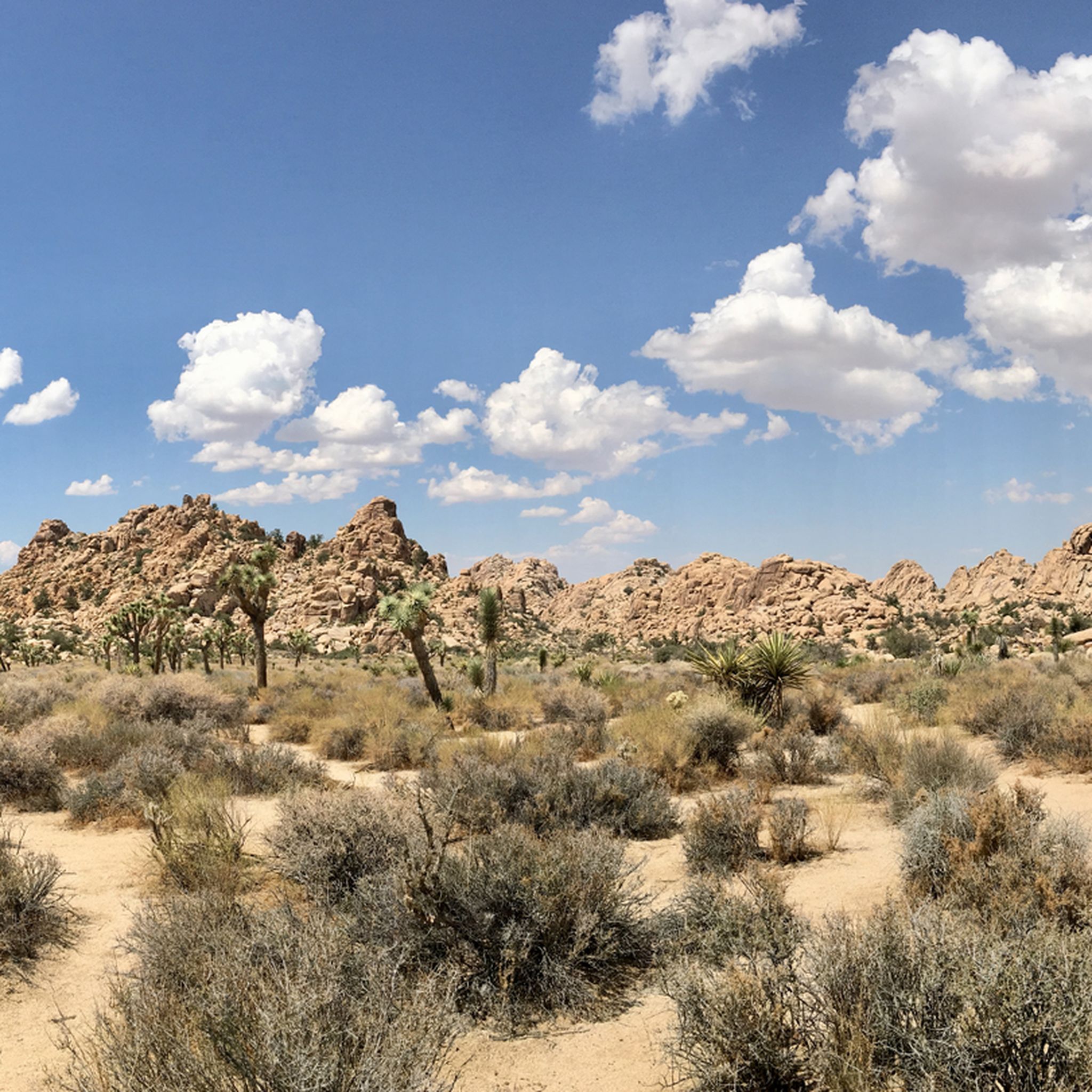
Truly a small "highlight" of this scramble summit (1030 m). Probably rather rarely visited (like the southern entrance in general), but definitely worth a (short?) detour! The best route leads from the turn-off of the main path to the right around the mountain, the ascent is then clearly visible on the back of the small rocky elevation. It's not actually difficult, but you should definitely not suffer from vertigo and shoes with a friction-resistant sole don't hurt either. At the top: 360° panoramic view - all the way to the large salt lake near the Mecca Hills...
0
0
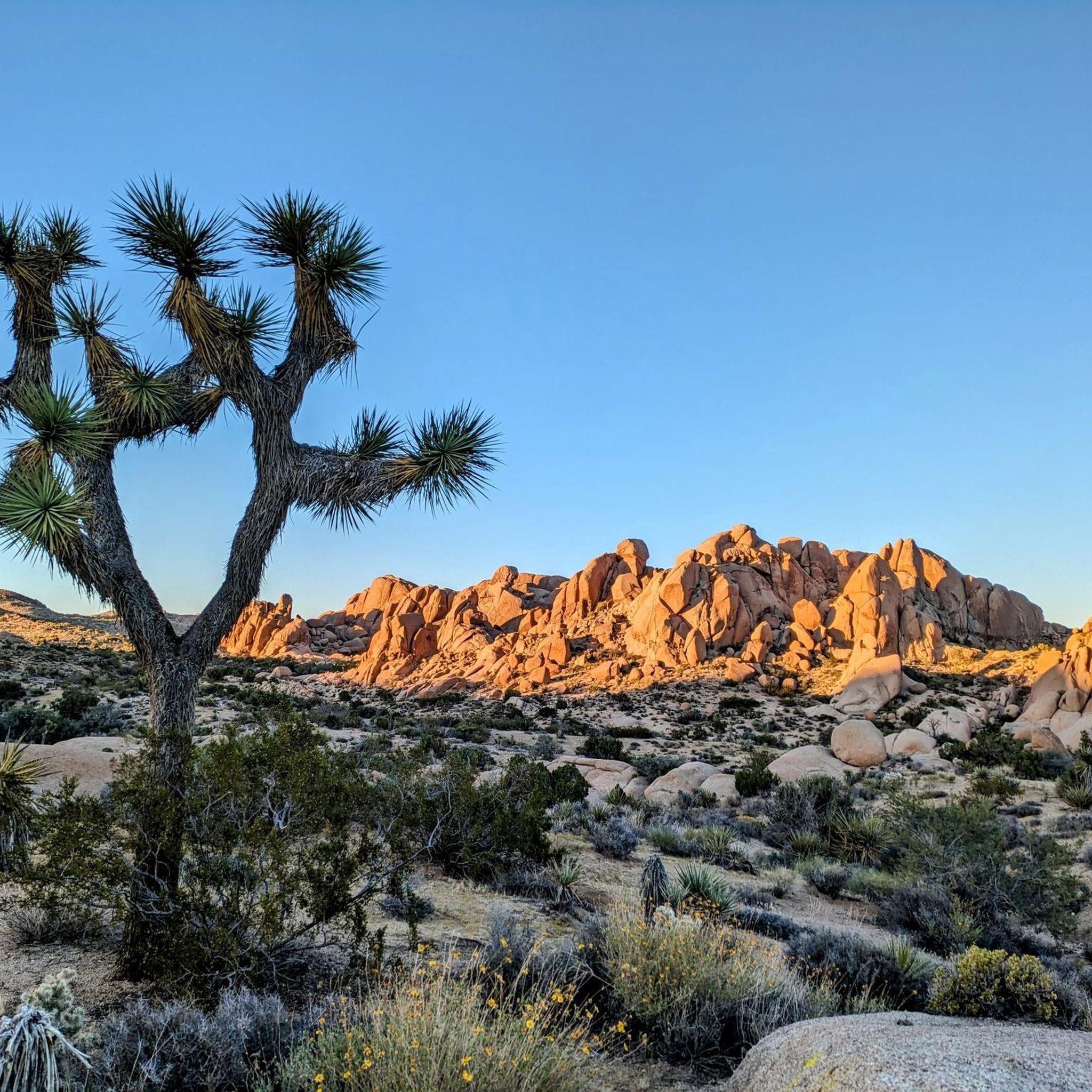
Ryan Mt. (1663m) is named after the early rancher and mine operator J.D. Ryan (he lived here from the mid-1890s – began building his ranch in 1896 – and also operated the nearby Lost Horse Mine – after all: the Lost Horse Mine produced more than 10,000 ounces of gold (approx. 280 kg) and 16,000 ounces of silver (approx. 450 kg) between 1894 and 1931). The trail itself is classified as "hard", it goes – well-maintained – moderately steep for us to the summit, here then 360° panoramic view! ATTENTION: rattlesnakes are said to be "at home" under the piled-up stones on the summit – so: keep your eyes and ears open!
0
0

Looking west from the summit you can see across Pinto Basin to Joshua Tree National Park. Indeed, Ryan Mountain has its own display of unique desert flora. The trail starts flat and becomes more steep as you climb, offering spectacular panoramic views and plenty of space to explore at the summit.
0
0

This small mountain in the lower part does not see as many visitors as the center of Joshua Tree National Park. Leave the crowds behind and enjoy a hike to this peak and the scenic ruins of the old Mastodon Mine. In the 1930s, the Hulsey Family found some gold ore, but was not able to get to the main vein, so the mine was abandonded pretty soon.
0
0

A great summit to do, offering 360 views to the park, the desert, the San Bernardino and the San Jacinto mountains.
0
0
I recommend to combine warren Peak with panoramic trail - this peak offer amazing views and first hand sight of San Jacinto high mountains.
0
0
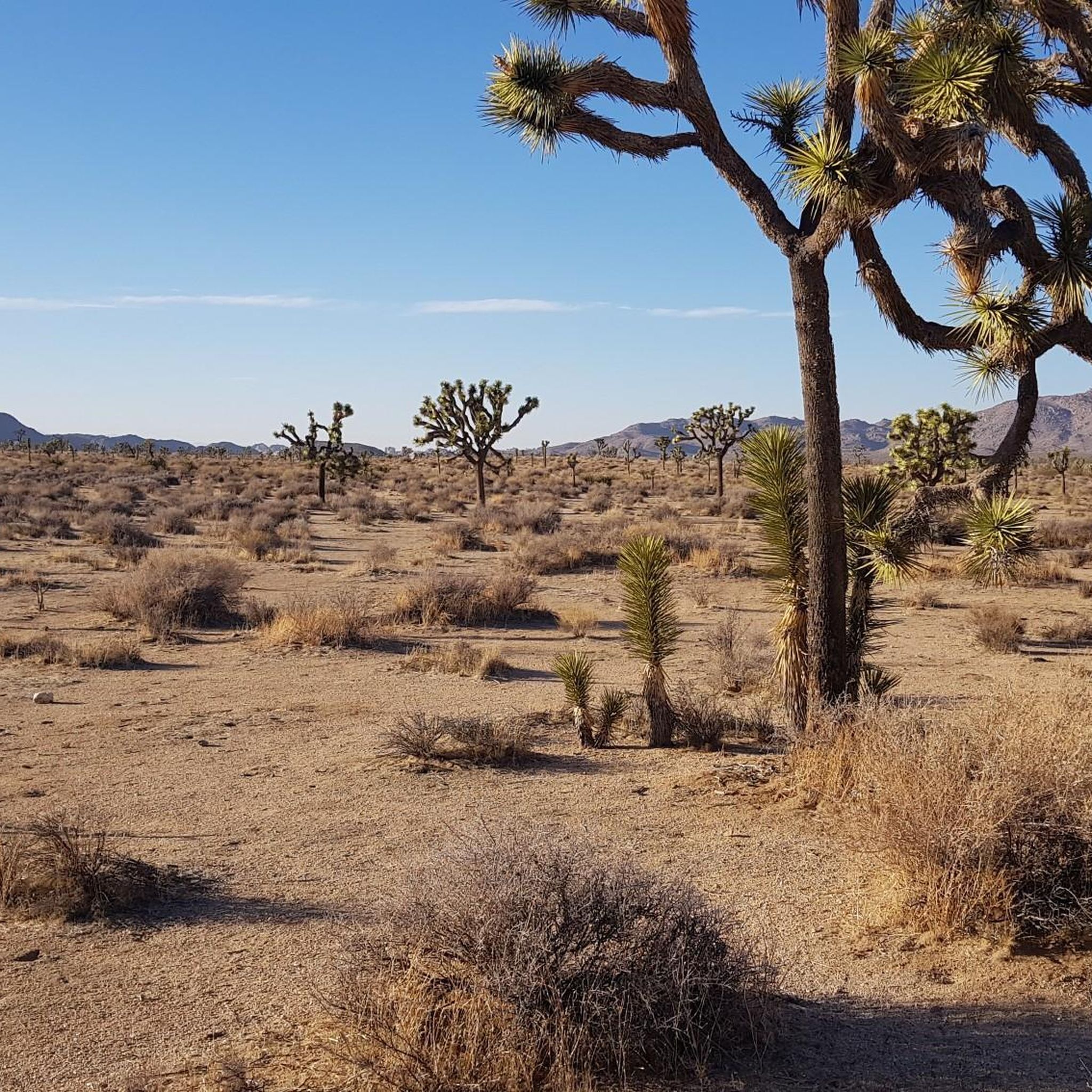
Eureka Peak is not the highest mountain in Joshua Tree National Park, but a great workout for running, especially if you like to get away from the crowds. At a height of 5,518 feet the summit offers a scenic panorama over the park, its canyons, and snow capped mountains in the distance.
1
1
The hike up to Ryan Mountain is one of the more strenuous within Joshua Tree National Park. But your effort is worth the open panoramic views over the park and the tall Joshua Trees.
3
0
Frequently Asked Questions
What are some popular mountain peaks to hike in Joshua Tree National Park?
Joshua Tree National Park offers several popular peaks. For panoramic views, consider Ryan Mountain, known for its 360-degree vistas. Warren Peak is another excellent choice, offering extensive views of the park and distant mountain ranges, and can be combined with the Panorama Loop. For a less crowded experience with historical interest, Mastodon Peak provides a hike to the peak and the ruins of the old Mastodon Mine.
What is the highest mountain peak in Joshua Tree National Park?
The highest point within Joshua Tree National Park is Quail Mountain, standing at 5,816 feet (1,773 m). It's considered a true backcountry adventure, requiring strong navigation skills as there are no marked trails directly to the summit.
Are there challenging hikes to mountain peaks in Joshua Tree National Park?
Yes, several peaks offer challenging hikes. The ascent to Quail Mountain is an off-trail, backcountry experience demanding strong navigation. The hike up Ryan Mountain is also considered strenuous, gaining over 1,000 feet in elevation over a 3-mile round trip, but rewards hikers with spectacular views.
Are there family-friendly mountain peak hikes in Joshua Tree National Park?
While many peak hikes in Joshua Tree are moderate to strenuous, some areas offer easier access to scenic views. For instance, Mount Inspiration, accessible from Keys View, provides excellent vistas with a relatively shorter hike, making it a good option for families seeking less strenuous activity.
What kind of views and natural features can I expect from the mountain peaks?
From the mountain peaks, you can expect spectacular 360-degree panoramic views of the park's iconic Joshua tree forests, unique rock formations, and various valleys like Pinto Basin and Lost Horse Valley. On clear days, distant views can include the Salton Sea and the snow-capped peaks of San Jacinto and San Gorgonio. Peaks like Eureka Peak and Warren Peak are particularly noted for their extensive panoramas. You'll also encounter diverse flora, including Joshua trees, junipers, and pinyon pines, and unique geological formations, some of which are among California's oldest rocks.
When is the best time to hike the mountain peaks in Joshua Tree National Park?
The best times to hike the mountain peaks in Joshua Tree National Park are during the fall, winter, and spring months. Summer is characterized by extremely hot temperatures, making strenuous hikes challenging and potentially dangerous. Cooler temperatures and occasional snow in winter at higher elevations can also offer a unique hiking experience.
Do I need a permit to hike mountain peaks in Joshua Tree National Park?
While specific permits for hiking individual peaks are generally not required, standard park entrance fees apply to access Joshua Tree National Park. For backcountry trips, especially those involving overnight stays, wilderness permits may be necessary. Always check the official National Park Service website for the most current regulations before your visit.
Are there historical sites near the mountain peaks in Joshua Tree National Park?
Yes, the Lost Horse Mountain area is rich in history. A hike around this peak offers the opportunity to explore the historic Lost Horse Mine, which was a significant gold and silver producer from 1894 to 1931. Mastodon Peak also has nearby ruins of the old Mastodon Mine, adding a historical element to your hike.
What outdoor activities can I do near these mountain peaks?
Beyond peak bagging, Joshua Tree National Park offers a variety of outdoor activities. You can explore numerous hiking trails, including the Warren Peak via Black Rock Canyon and Panorama Loop or the Ryan Mountain Trail. The park is also popular for cycling, with options ranging from easy to difficult routes. You can find more details on cycling and road cycling routes within the park.
Are there loop trails for mountain hiking in Joshua Tree National Park?
Yes, some peak hikes can be incorporated into loop trails. For example, the hike to Warren Peak can be combined with the Panorama Loop for an extended experience. The Lost Horse Mountain area also features a loop trail that provides views into Pleasant Valley and access to the historic mine.
What makes the Little San Bernardino Mountains significant to Joshua Tree National Park?
The Little San Bernardino Mountains form the park's southwest edge, separating the Mojave Desert to the north from the Colorado Desert to the south. Their higher elevations result in cooler temperatures and more precipitation, supporting a diverse array of plant life not found in other parts of the park. Many of the prominent peaks, including Quail Mountain, are part of this range.
Most popular routes in Joshua Tree National Park
Most popular attractions in Joshua Tree National Park

Get inspired with the komoot mobile app


Explore more
See even more amazing summits in Joshua Tree National Park with these guides:
