The best road cycling routes in Cluj
4.7
(109)
1,680
riders
56
rides
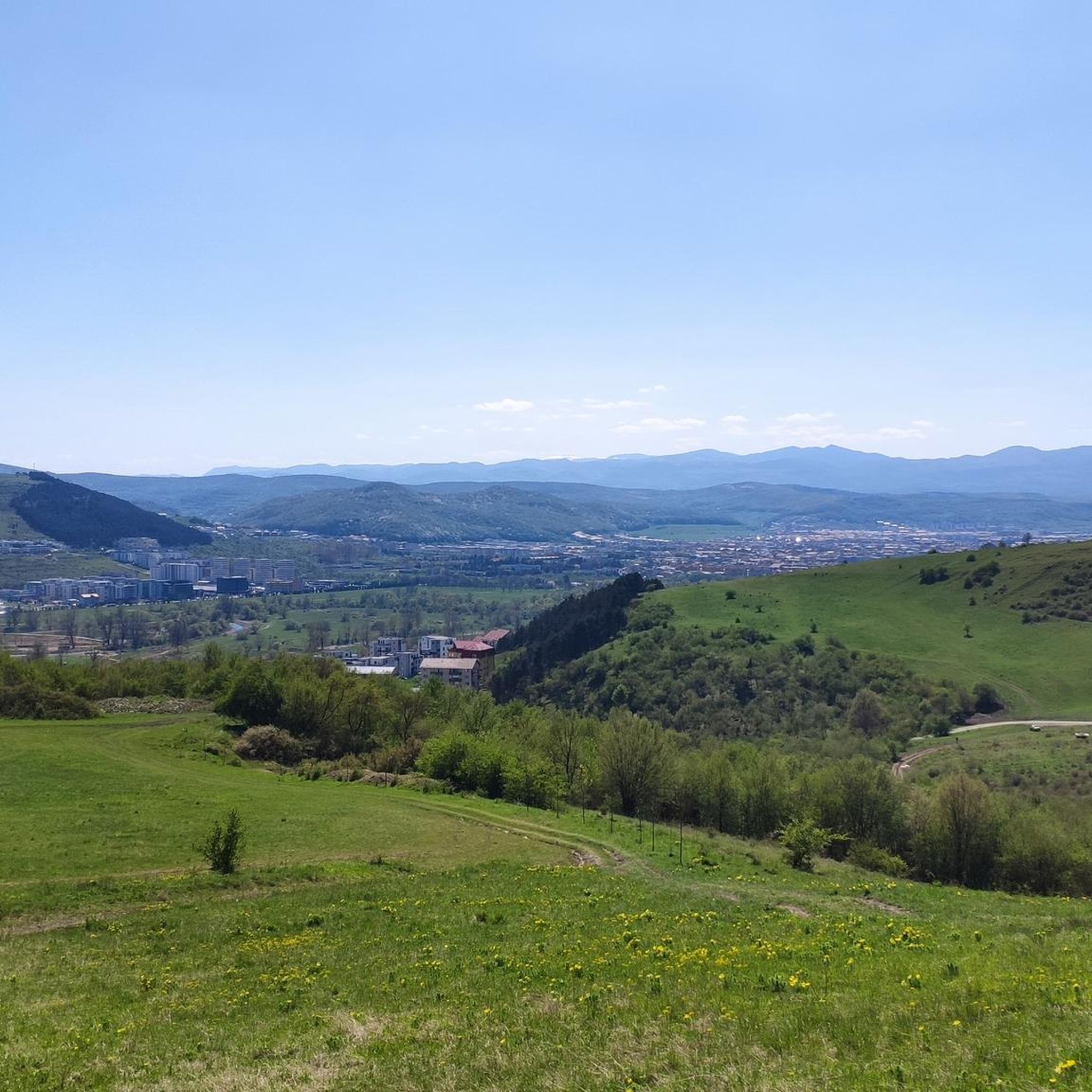
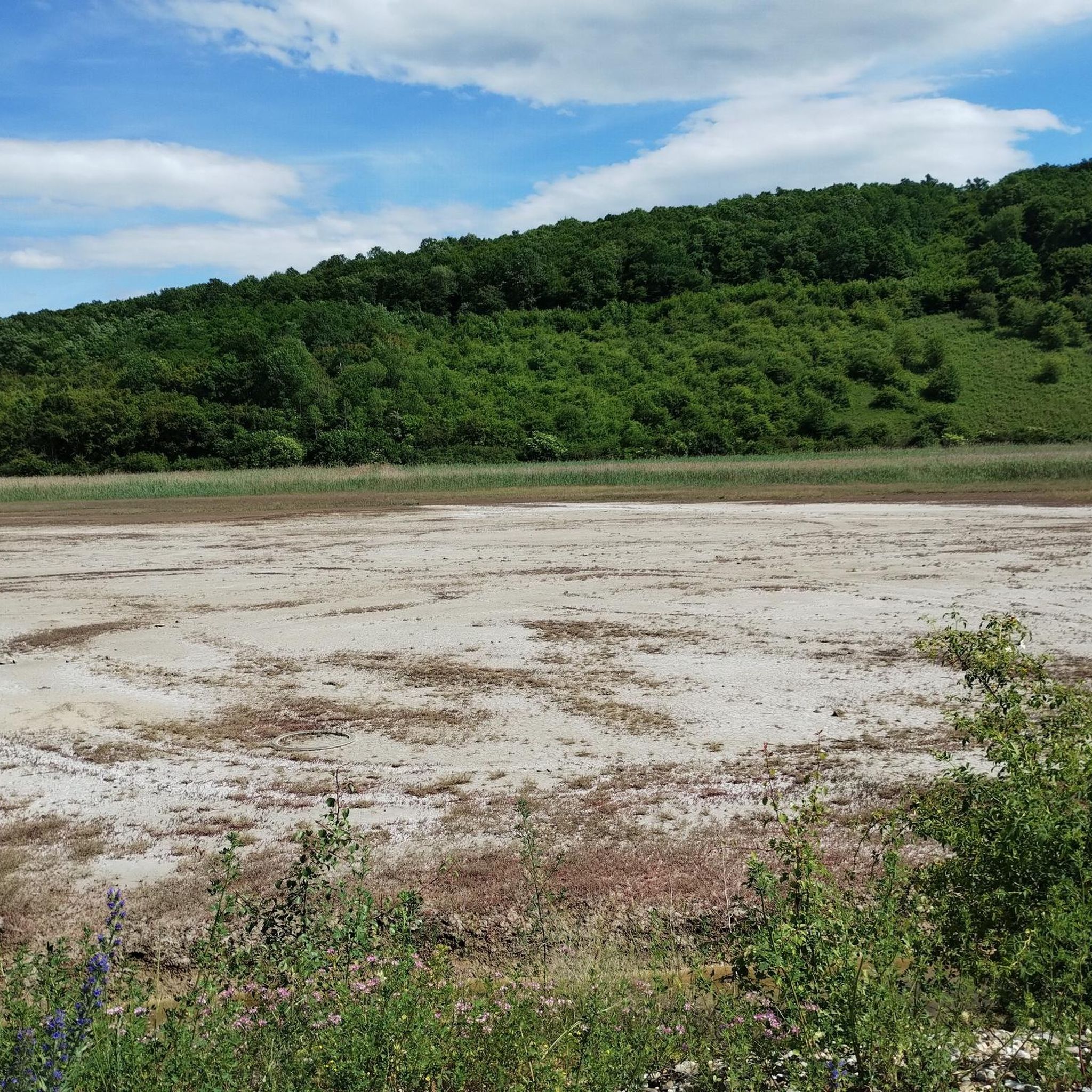
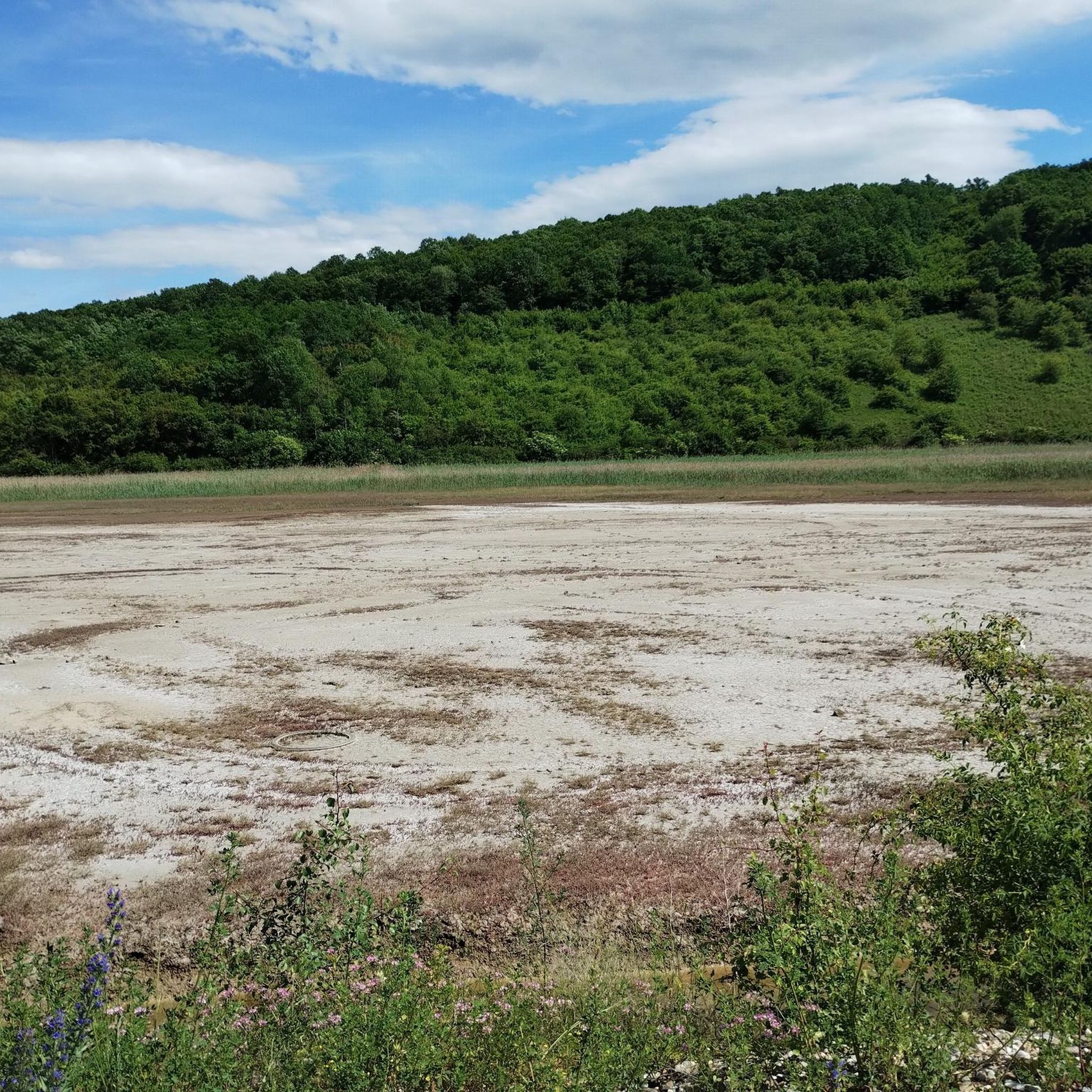
Road cycling routes in Cluj offer diverse landscapes, from the rolling Transylvanian hills and the Someș plateau to the foothills of the Apuseni Mountains. The region provides varied terrain suitable for different cycling preferences, including challenging climbs and scenic routes through forests and rural areas. Cyclists can explore routes featuring both paved and unpaved surfaces, with significant elevation changes in some areas. The strategic location of Cluj-Napoca allows access to a network of routes that showcase the natural features of the surrounding countryside.
Best road cycling routes in Cluj
- The most popular road cycling route is Făget Landscape – Scenic Cycling Route loop from Cluj Napoca, a 39.9 miles (64.2 km) trail that takes 2 hours 55 minutes to complete. This route offers scenic views through the Făget Landscape.
- Another top favourite among local road cyclists is Tarnita Dam – Tărnita to Mărișel Climb loop from VIVO!, a difficult 54.8 miles (88.3 km) path. This route features significant climbs around the Tarnita Dam and towards Mărișel.
- Local road cyclists also love the Statue of Michael the Brave – Făget Landscape loop from Cluj Napoca, a 22.9 miles (36.9 km) trail leading through the Făget Landscape, often completed in about 1 hour 54 minutes.
- Road cycling in Cluj is defined by rolling Transylvanian hills, the Făget Forest, and the areas around Tarnita Dam. The network offers options for various ability levels, from moderate loops to more challenging routes with substantial elevation gain.
- The routes in Cluj are highly rated by the komoot community with an average score of 4.5 stars from over 60 reviews. More than 1600 road cyclists have used komoot to explore Cluj's varied terrain.
Last updated: November 17, 2026
4.8
(18)
135
riders
63.3km
02:52
600m
600m
Moderate road ride. Good fitness required. Mostly well-paved surfaces and easy to ride.
4.5
(6)
112
riders
81.5km
03:50
1,090m
1,090m
Hard road ride. Very good fitness required. Mostly well-paved surfaces and easy to ride.

4.7
(3)
108
riders
88.4km
04:23
1,320m
1,320m
Hard road ride. Very good fitness required. Mostly well-paved surfaces and easy to ride.
4.8
(16)
98
riders
36.0km
01:51
490m
490m
Moderate road ride. Good fitness required. Mostly well-paved surfaces and easy to ride.
5.0
(4)
96
riders
71.0km
03:30
1,110m
1,110m
Hard road ride. Very good fitness required. Mostly well-paved surfaces and easy to ride.
66
riders
113km
05:25
1,380m
1,380m
Hard road ride. Very good fitness required. Some segments of this route may be unpaved and difficult to ride.
4.9
(7)
68
riders
56.4km
02:30
430m
430m
Moderate road ride. Good fitness required. Mostly well-paved surfaces and easy to ride.
5.0
(1)
66
riders
88.5km
04:49
1,760m
1,760m
Hard road ride. Very good fitness required. Mostly well-paved surfaces and easy to ride.
5.0
(1)
60
riders
63.0km
03:01
880m
880m
Moderate road ride. Good fitness required. Mostly well-paved surfaces and easy to ride.
4.4
(5)
51
riders
18.5km
00:59
290m
290m
Easy road ride. Mostly well-paved surfaces and easy to ride.
Get access to more routes and recommendations from other explorers.
Already have an account?
Our route recommendations are based on thousands of hikes, rides, and runs completed by other people on komoot.
Start today with a free account
Your next adventure awaits.

Tips from the Community


The Matthias Corvinus Monument (Monumentul Matia Corvin) is a bronze equestrian statue created by the Hungarian sculptor János Fadrusz and erected in 1902. It shows the Hungarian King Matthias Corvinus ("the Raven"), who was born on February 23, 1443 in Cluj-Napoca. Corvinus ruled over Hungary and Croatia from 1458 until his death on April 6, 1490 in Vienna and was also (counter-)king of Bohemia from 1469 to 1490. He conquered large parts of the Habsburg hereditary lands and ruled these areas from Vienna from 1485 onwards. The monument and the inscription on the base have often caused a stir in the past; this culminated in civil war-like unrest between Hungarians and Romanians before the turn of the millennium. The diplomatic result is the current inscription in Latin: "Rex Mathias"
16
0
The landmark of Cluj-Napoca is St. Michael's Church (Biserica Sfântul Mihail) in the city center. It is considered the most important example of a three-aisled Gothic hall church in Transylvania. Its construction probably began around 1350 on the site of a former St. James's Chapel. The choir was built in the first phase. The building was originally intended to have two towers, but one remained unfinished. The completed tower on the north side, built between 1834 and 1863 in the neo-Gothic style, is 80 meters high including the cross, making it the highest church tower in Romania. Because of the nearby Cluj airport, a red light flashes at the top. The church is now used by the Roman Catholic community of Cluj. From 1566 until the Counter-Reformation in 1716, St. Michael's Church was the parish church of the Unitarian community. The reformer Franz David held his first anti-Trinitarian sermon here in 1566. At the end of the 18th century, the Unitarian community built its own church, the Unitarian Church. After it was returned to the Catholics, the church was expanded with baroque elements, such as the pulpit, which is crowned by the patron saint, Saint Michael, slaying the dragon.
17
0
The Bishop of the Diocese of Alba Iulia, Áron Márton, was President of the Romanian Bishops' Conference from 1970 until his death in 1980. Because of his opposition to the planned deportation of Romanian and Hungarian Jews during the Second World War, Márton was awarded the Israeli honorary title "Righteous Among the Nations" on December 27, 1999.
14
0
The "Casa Matei Corvin" is the birthplace of the future Hungarian king. It is the oldest secular building in the city, built in the 15th century in the Gothic style as a small guesthouse. Matthias Corvinus ("the Raven") was born here on February 23, 1443. He ascended the Hungarian throne in 1458 at the age of fourteen. In gratitude for the hospitality that the house owner Jakab Méhffi had once shown his heavily pregnant mother, King Matthias decreed in 1467 that Méhffi and all his descendants were exempt from all taxes and duties. Over the course of its history, the house served as a prison, hospital and museum. Today it houses an institute for fine arts at the local art and design college.
15
0
The monument to the signatories of the Memorandum for the Transylvanian Romanians was erected in 1994 on the centenary of the trial initiated against the Memorandists in 1894. The "Transylvanian Memorandum" was a petition addressed to the Austro-Hungarian Emperor Franz Josef on 28 May 1892 by the leaders of the Romanians in Transylvania, demanding that the population have the same ethnic rights as the Hungarian population. In 1894, the signatories of the Memorandum were tried in Cluj. Most of the defendants were sentenced to prison terms, but after a few months they were pardoned by the monarch as a sign of reconciliation.
14
0

The Roman Catholic St. Michael's Church in Cluj-Napoca was built between 1350 and 1480, is considered an important monument of Gothic architecture in Romania and is a landmark of the Transylvanian city. The church stands on land where, according to historical sources, there was previously a cemetery and a chapel dedicated to Saint James. A document from 1349 issued by the papal court in Avignon mentions the granting of indulgences to all who contribute financially to the construction of the church. The construction took place in two stages - from 1316 to 1390 and from 1410 to 1487.
5
0
This listed monument, designed by János Fadrusz and opened in 1902, depicts Matthias Corvinus. It is listed in the National Register of Historical Monuments in Romania and has the number CJ-III-mA-07819. After the sculpture was cast in bronze in the ore foundry, another small plaster model was made and sent to the World Exhibition in Paris. The plaster pattern was awarded the Grand Prix, the World's Fair's highest honor.
8
0
Frequently Asked Questions
How many road cycling routes are available in Cluj?
Cluj offers a wide selection of road cycling routes, with over 60 options available on komoot. These routes cater to various skill levels, from moderate loops to challenging rides with significant elevation gain.
What kind of terrain can I expect when road cycling in Cluj?
Road cycling in Cluj features diverse terrain, including rolling Transylvanian hills, the Someș plateau, and the foothills of the Apuseni Mountains. You'll encounter a mix of paved and unpaved surfaces, with some routes offering substantial climbs and descents through forests and rural landscapes.
Are there road cycling routes suitable for beginners in Cluj?
Yes, Cluj has routes suitable for beginners. While many routes involve some elevation, there are easier options available. For example, the Statue of Michael the Brave – Făget Landscape loop from Cluj Napoca is a moderate 22.9-mile (36.9 km) trail that provides a good introduction to the area's cycling.
Are there challenging road cycling routes for experienced cyclists in Cluj?
Absolutely. Experienced cyclists will find plenty of challenging routes with significant elevation. The Tarnita Dam – Tărnita to Mărișel Climb loop from VIVO! is a difficult 54.8-mile (88.3 km) path featuring substantial climbs around the Tarnita Dam and towards Mărișel. Another demanding option is the Night Cycling Route – Făget Landscape loop from Cluj Napoca, covering over 113 km with significant elevation.
What is the best time of year for road cycling in Cluj?
The best time for road cycling in Cluj is generally from spring through autumn, when the weather is mild and the landscapes are vibrant. Summer offers long daylight hours, while spring and autumn provide pleasant temperatures and beautiful scenery. Winter cycling options are limited due to snow and colder conditions, especially in higher elevations.
Are there circular road cycling routes in Cluj?
Many road cycling routes in Cluj are designed as loops, allowing you to start and end in the same location. Examples include the popular Făget Landscape – Scenic Cycling Route loop from Cluj Napoca and the Tarnita Dam – Sunday loop from Cluj Napoca.
What natural attractions can I see along road cycling routes in Cluj?
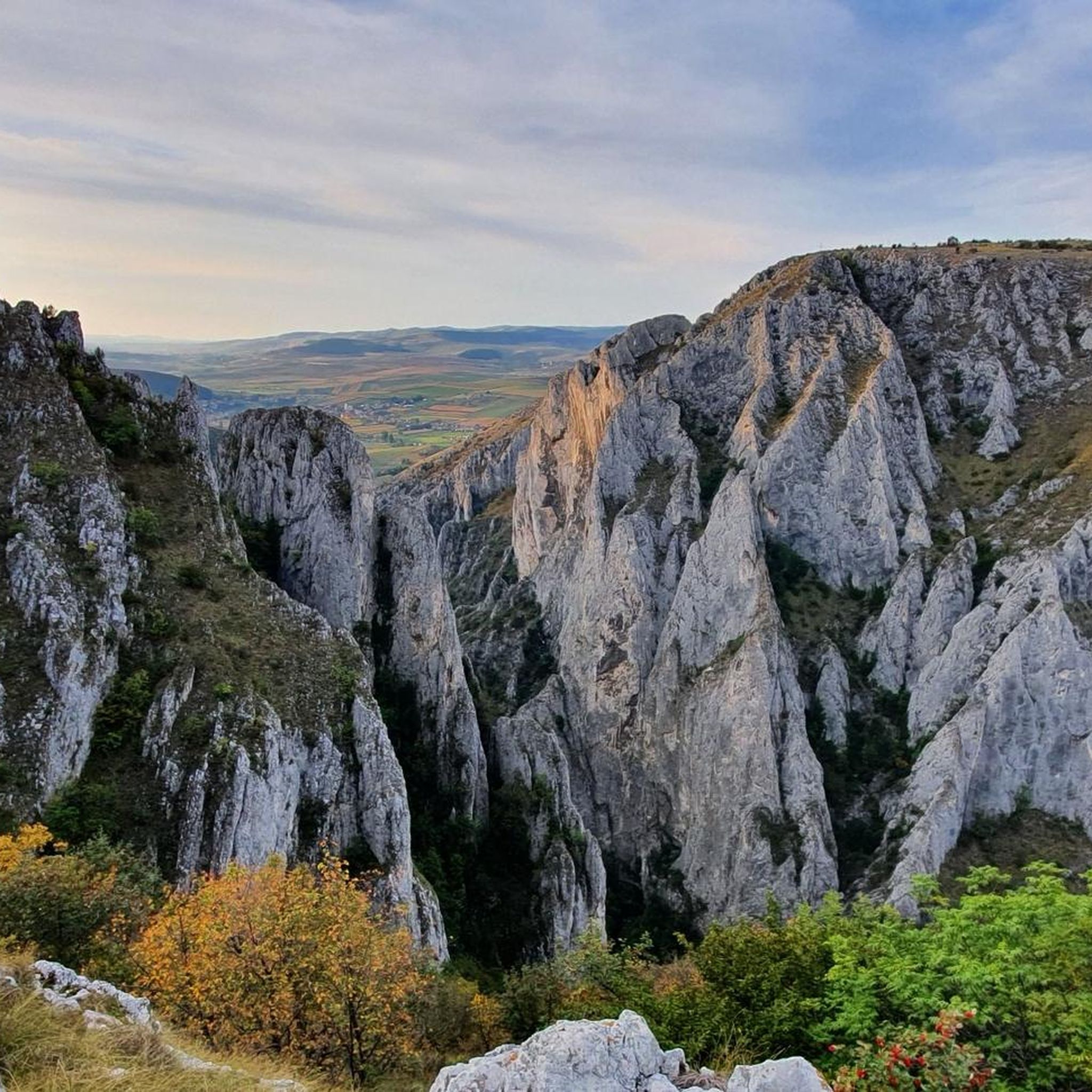
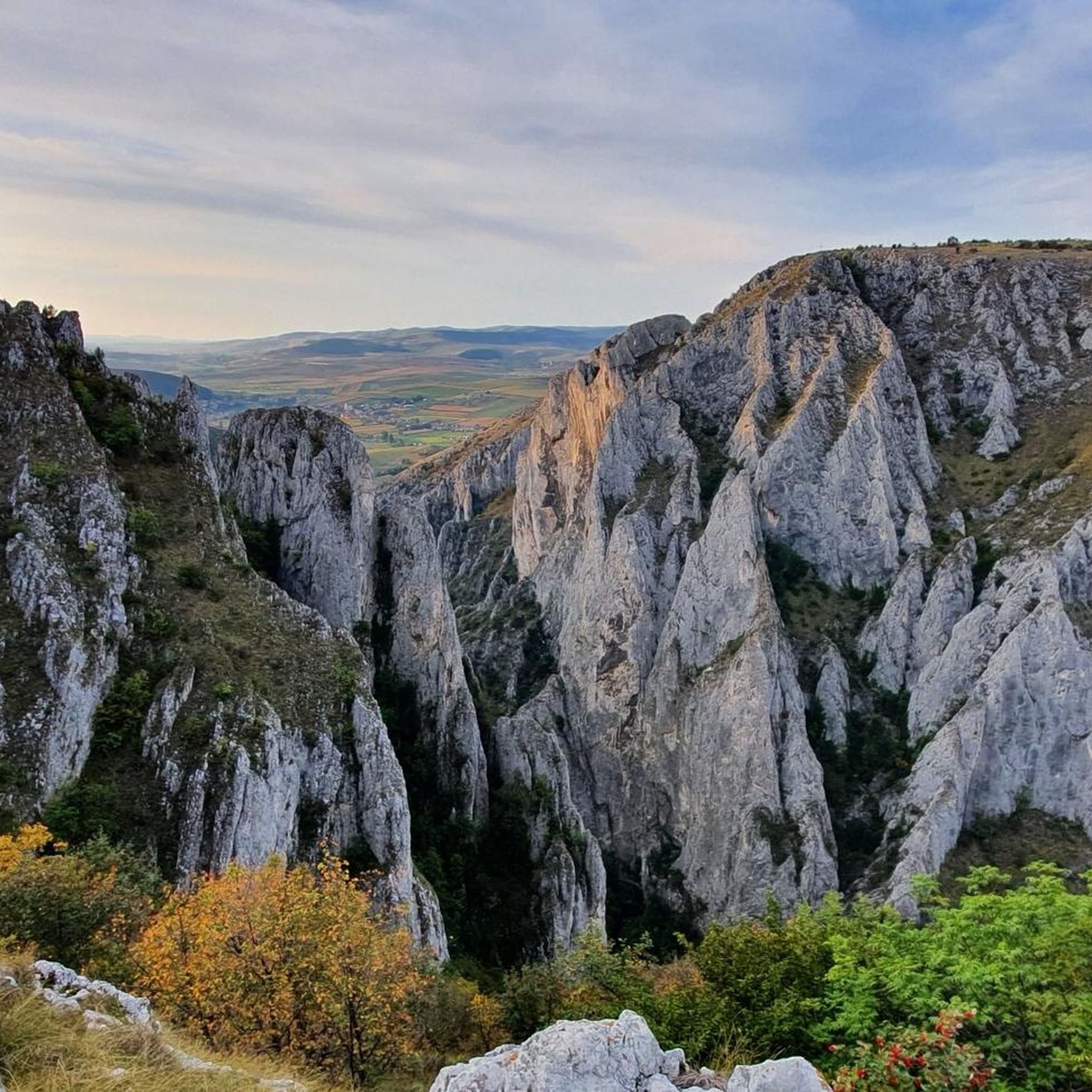
The region around Cluj is rich in natural beauty. Many routes pass by or offer views of the Tarnita Dam and Lake, the scenic Făget Forest, and the dramatic Turda Gorge. You might also encounter smaller lakes like Salicea Lake or even the Ciucaș Waterfall on some routes.
Are there any unique landmarks or cultural sites accessible by road bike near Cluj?
While the primary focus is on natural landscapes, some routes can lead you close to cultural points of interest. The Turda Gorge, a significant natural monument, is a stunning backdrop for cycling. For a unique cultural experience, Salina Turda (Turda Salt Mine) is a short drive from Cluj and can be combined with a cycling day trip, though not directly on a road cycling route.
What do other road cyclists enjoy most about the routes in Cluj?
The road cycling routes in Cluj are highly rated by the komoot community, with an average score of 4.5 stars from over 60 reviews. Cyclists often praise the varied terrain, the scenic views through areas like the Făget Landscape, and the challenging climbs around the Tarnita Dam, which provide a rewarding workout.
Are there routes that offer panoramic views of Cluj-Napoca?
Yes, some routes provide excellent viewpoints. Feleac Hill, located south of the city, is known for offering complete panoramic views of Cluj-Napoca, especially beautiful at sunset. Routes that traverse the higher elevations around the city's perimeter often include these scenic vistas.
Can I find routes that explore the Făget Forest?
The Făget Forest is a prominent feature in many Cluj road cycling routes. You can explore it on tours like the Făget Landscape – Scenic Cycling Route loop from Cluj Napoca or the View of Săliște – Făget Landscape loop from Cluj Napoca, which offer a mix of paved and unpaved sections through its woodlands.
Are there family-friendly road cycling options in Cluj?
While many routes in Cluj involve significant elevation, some shorter, moderate loops can be suitable for families with older children or those comfortable with some climbing. It's best to check the difficulty and elevation profile of specific routes, such as the Statue of Michael the Brave – Făget Landscape loop from Cluj Napoca, to ensure they match your family's fitness level.
Most popular attractions in Cluj

Get inspired with the komoot mobile app


Didn’t find what you were looking for?
Check out more Road cycling routes throughout Cluj below and find the perfect route in your destination.
Explore more
Browse the best Road cycling routes in other regions.
