Attractions and Places To See around Dead Sea - Top 5
Attractions and places to see around Dead Sea include a unique hypersaline lake, historical sites, and diverse natural landscapes. This region, situated at Earth's lowest elevation point, is known for its high salt content allowing effortless floating. Visitors can explore ancient fortresses, archaeological sites, and lush nature reserves. The area offers a range of experiences from therapeutic mud baths to adventurous canyoning.
Best attractions and places to see around Dead Sea
- The most popular attractions is Dead Sea Beach with…
Last updated: May 11, 2026
Dead Sea Beach with Mud Bath and Freshwater Showers
Highlight • Beach
Translated by Google •
Tip by

Wadi Mujib
Highlight • Canyon
Translated by Google •
Tip by

Sign up now to discover places like this
Get recommendations on the best single tracks, peaks, & plenty of other exciting outdoor places.
Sign up for free
Wadi Mujib Canyon
Highlight (Segment) • Canyon
..definitely visit....but if possible early in the morning....great light and fewer visitors
Translated by Google •
Tip by

View of the Sea and Lot's Wife
Highlight • Viewpoint
Translated by Google •
Tip by

Viewpoint and Parking Area at the Dead Sea
Highlight • Viewpoint
Translated by Google •
Tip by

Start today with a free account
Your next adventure awaits.
Login or Signup
Popular around Dead Sea
Tips from the Community

The salinity is 34%. There are no fish in the water, hence the name Dead Sea.
0
0

Only accessible to hotel guests. Bathing in the extremely salty water is good for the skin. But it shouldn't take longer than 20 minutes. No water in your eyes!
4
0

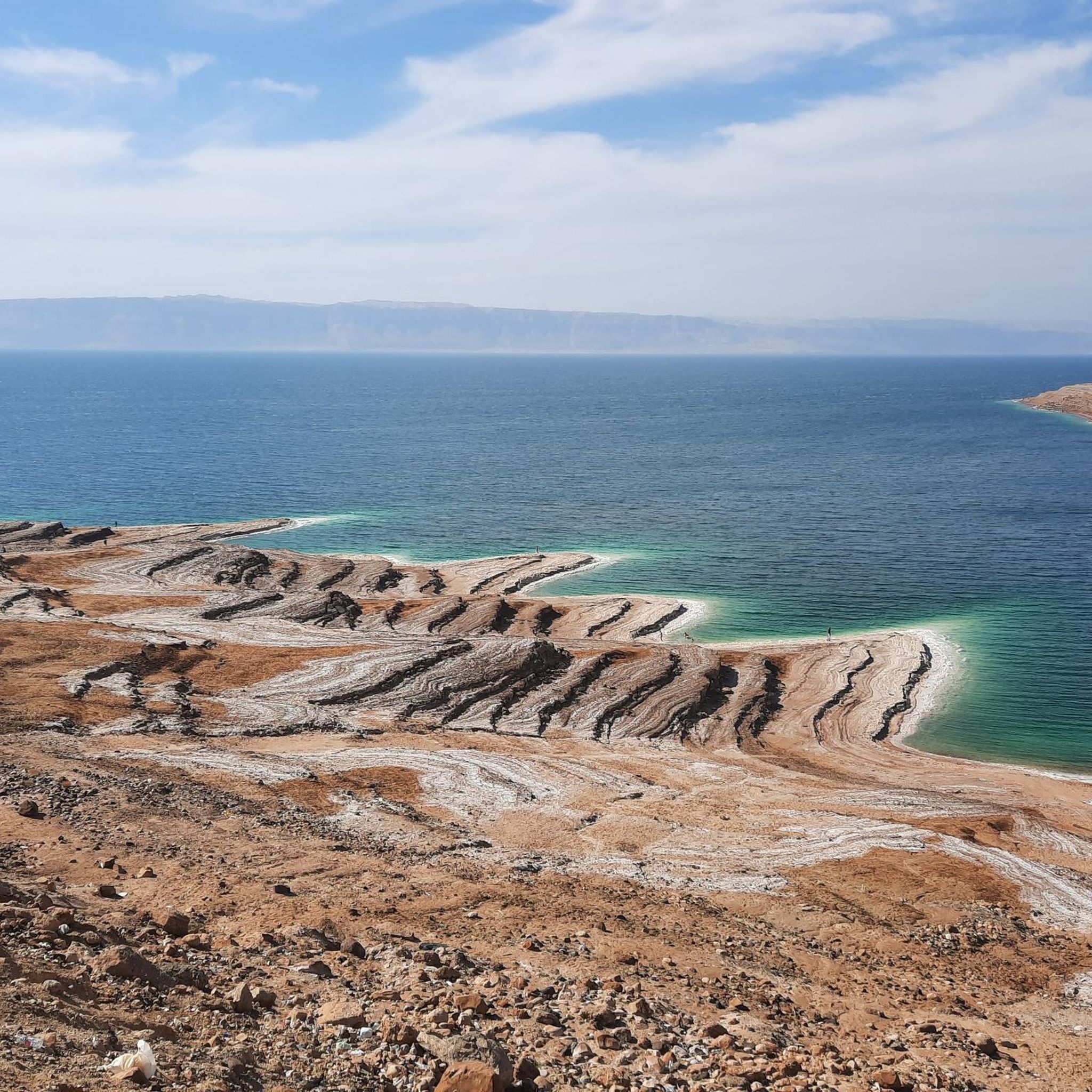
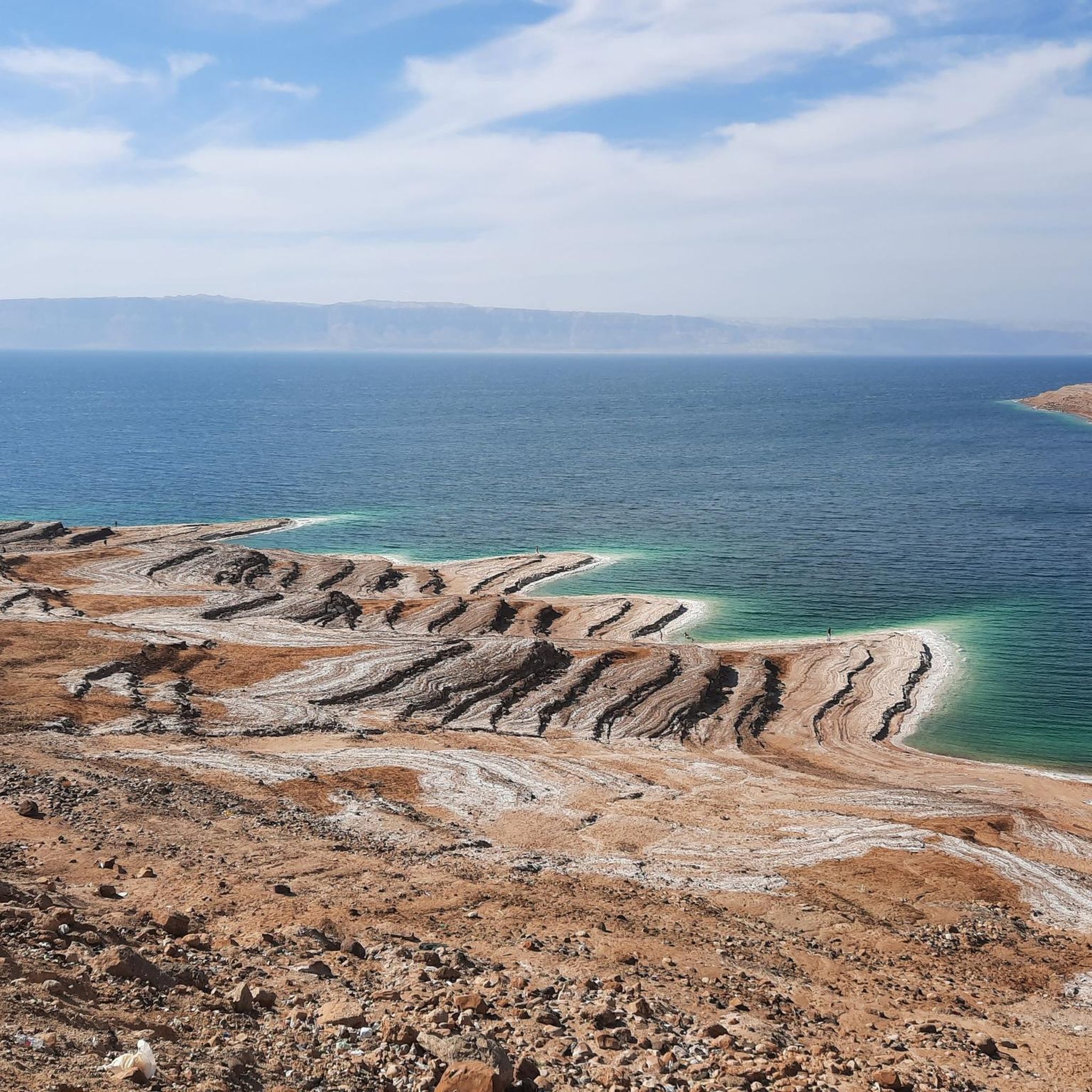
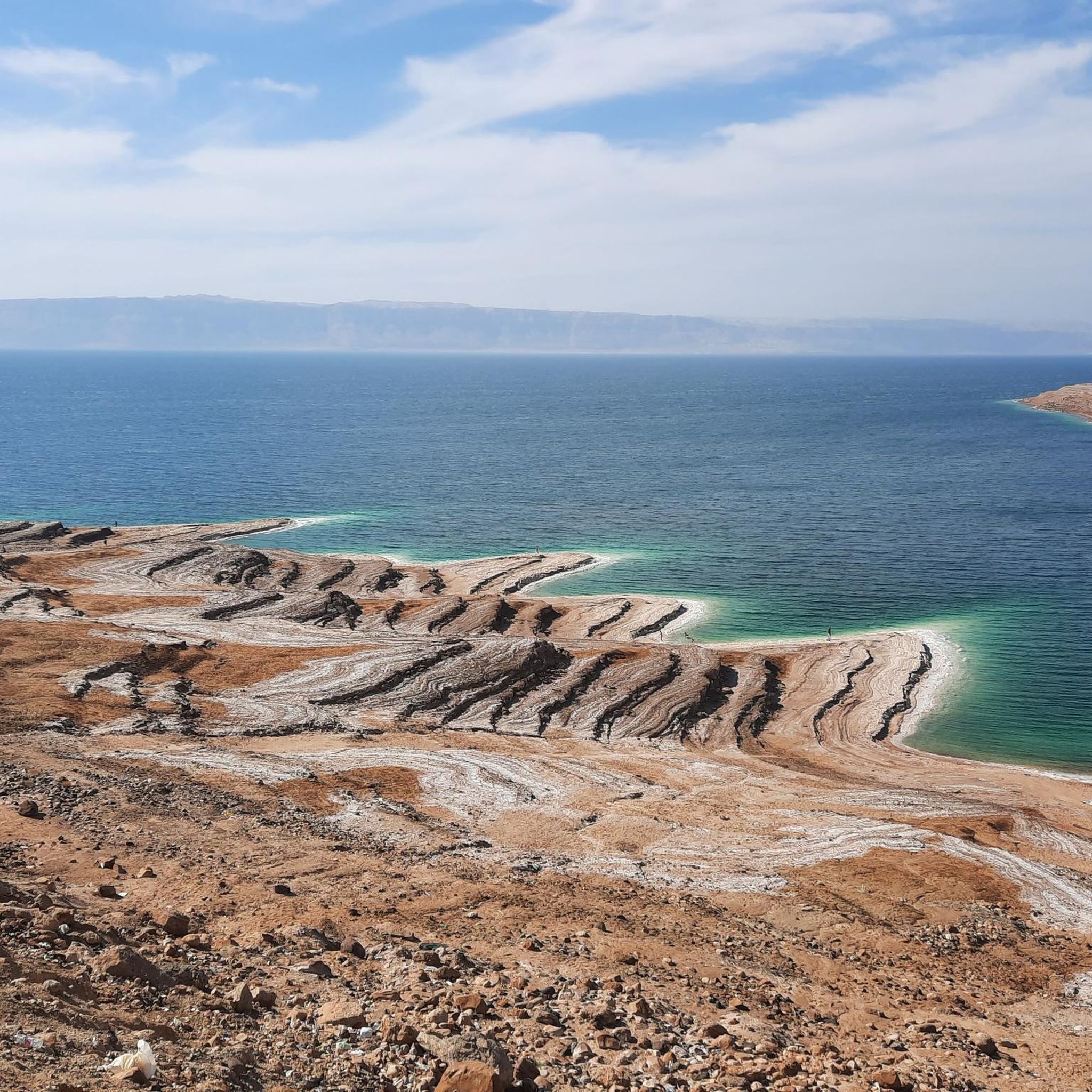
Here you can make a short stop and go down to the Dead Sea. The salt crusts there are impressive.
0
0

Adventurous walk in the water with stairs, dips and small jumps to reach a beautiful waterfall in the fantastic scenery of Wadi Mujib Usually open from April to October but we did it on November 10th
3
0

Wadi Mujib ..definitely visit....but if possible early in the morning....great light and fewer visitors
0
0

We use the Komoot for the road trip and are thrilled. The trip along the Dead Sea was much nicer and faster than on the highway. The seafood restaurant served wonderfully fresh grilled local fish.
0
0
Frequently Asked Questions
What are the unique natural features of the Dead Sea region?
The Dead Sea is Earth's lowest elevation point on land, approximately 430 meters (1,410 feet) below sea level. Its incredibly high salt content, around 34%, allows visitors to effortlessly float. The region also features the lush Ein Gedi Nature Reserve with year-round streams and waterfalls, and the dramatic Wadi Mujib canyon.
What historical sites can I explore near the Dead Sea?
The region is rich in history. You can visit Masada National Park, a UNESCO World Heritage site featuring an ancient hilltop fortress. Another significant site is Qumran Caves National Park, where the Dead Sea Scrolls were discovered. On the Jordanian side, Mukawir (Machaerus) offers historical ruins and astonishing views.
Are there opportunities for outdoor activities and hiking around the Dead Sea?
Yes, the Dead Sea region offers diverse outdoor activities. You can find numerous hiking trails, including those in the Ein Gedi Nature Reserve, which features trails of varying difficulty. For adventurous visitors, Wadi Mujib offers adventurous wet-hikes and canyoning. You can also find MTB trails and cycling routes in the area.
What is the best time of year to visit the Dead Sea for outdoor activities?
The cooler months, typically from autumn to spring (October to April), are generally considered the best time for hiking and exploring the outdoor attractions. Summers can be extremely hot, making strenuous activities challenging. Wadi Mujib is usually open from April to October for canyoning.
Are there family-friendly attractions or activities in the Dead Sea region?
Absolutely. Floating effortlessly in the Dead Sea is a unique experience for all ages. Many public and private beaches, like Dead Sea Beach with Mud Bath and Freshwater Showers, offer facilities. The Viewpoint and Parking Area at the Dead Sea is also family-friendly for a short stop. The Ein Gedi Nature Reserve has easier trails suitable for families, and the Ein Gedi Botanical Garden is a pleasant visit.
Where can I experience the therapeutic mud baths and floating in the Dead Sea?
You can experience floating and mud baths at various public and private beaches along the Dead Sea. Dead Sea Beach with Mud Bath and Freshwater Showers is a popular option, especially for hotel guests. The mineral-rich mud and water are renowned for their therapeutic properties.
What are some recommended viewpoints for panoramic Dead Sea scenery?
For stunning panoramic views, visit View of the Sea and Lot's Wife. The Viewpoint and Parking Area at the Dead Sea also offers impressive vistas. On the Jordanian side, the Dead Sea Panoramic Complex provides breathtaking views of the Dead Sea and surrounding mountains.
What should I wear for a Dead Sea mud bath and swim?
For floating and mud baths, wear an old swimsuit as the minerals and mud can stain. It's also advisable to bring water shoes to protect your feet from salt crystals on the shore. Remember to avoid getting the hypersaline water in your eyes.
Are there any less crowded spots or hidden gems around the Dead Sea?
While popular beaches can get busy, some areas, particularly those near Wadi Mujib in Jordan, offer free swimming spots with unique salt formations that can be less crowded. Exploring the less-trafficked trails in the Ein Gedi Nature Reserve or visiting sites like Mount Sodom for its unique geological formations can also offer a more secluded experience.
How long should I plan for a visit to the Dead Sea attractions?
The duration depends on your interests. A quick float and mud bath experience can take a couple of hours. To explore historical sites like Masada or Qumran, allow half a day for each. Hiking in Ein Gedi or canyoning in Wadi Mujib can be full-day activities. Many visitors spend 2-3 days to experience a good range of the region's offerings.
What kind of facilities are available at Dead Sea beaches?
Many public and private beaches, such as Dead Sea Beach with Mud Bath and Freshwater Showers, offer amenities like freshwater showers to rinse off the salt, changing rooms, and sometimes sun loungers. Some private beaches associated with hotels also provide spa services and cafes.
Can I find accommodation and dining options near the Dead Sea attractions?
Yes, there are various accommodation options ranging from resorts and hotels to guesthouses, particularly around areas like Ein Bokek. You'll also find cafes and restaurants, with some offering local cuisine and fresh seafood, especially along the scenic routes.

Get inspired with the komoot mobile app


Explore more
Still not found the Highlight you’re looking for? See guides of the top attractions in other regions:
