The best road cycling routes around Vistula Lagoon
4.3
(67)
1,207
riders
67
rides
Road cycling around Vistula Lagoon offers routes across a distinctive landscape, primarily defined by the Vistula Spit, a long sandy peninsula separating the lagoon from the Baltic Sea. The terrain features gentle elevations, dunes, and pine forests, with the calm waters of the lagoon providing a serene backdrop. While generally flat, the adjacent Elbląg Upland offers some varied terrain with hills under 200 meters. The region's well-developed cycling infrastructure includes dedicated paths and less-traveled public roads.
Best road cycling routes around Vistula Lagoon
- The most popular road cycling route is Kąty Rybackie Lighthouse – Lighthouse in Krynica Morska loop from Bezleśna wydma szara, an easy 17.0 miles (27.3 km) trail that takes 1 hour 8 minutes to complete. This route offers views of both the lagoon and the Baltic Sea along the Vistula Spit.
- Another top favourite among local road cyclists is Historic Drawbridge in Tujsk – Rest Area by the Vistula loop from gmina Sztutowo, a moderate 46.0 miles (74.1 km) path. This route explores the southern shore of the lagoon, passing by historical drawbridges and tranquil waterside areas.
- Local road cyclists also love the Historic Drawbridge in Tujsk – Nogat River Bridge loop from Kąty Rybackie, a 57.1 miles (91.8 km) trail leading through the flat, open landscapes near the Nogat River, often completed in about 3 hours 44 minutes.
- Road cycling around Vistula Lagoon is defined by the Vistula Spit's sandy dunes, extensive pine forests, and the calm waters of the lagoon, with routes often utilizing dedicated cycling paths. The network offers options for easy, moderate, and difficult ability levels.
- The routes in Vistula Lagoon are highly rated by the komoot community with an average score of 4.5 stars from more than 30 reviews. More than 900 road cyclists have used komoot to explore Vistula Lagoon's varied terrain.
Last updated: May 17, 2026
3.0
(2)
52
riders
Easy road ride. Great for any fitness level. Mostly well-paved surfaces and easy to ride.
11
riders
63.5km
03:11
70m
70m
Moderate road ride. Good fitness required. Some segments of this route may be unpaved and difficult to ride.

Sign up for free
64
riders
Moderate road ride. Good fitness required. Some segments of this route may be unpaved and difficult to ride.
3.0
(2)
54
riders
Easy road ride. Great for any fitness level. Mostly well-paved surfaces and easy to ride.
5.0
(3)
14
riders
Moderate road ride. Good fitness required. Mostly well-paved surfaces and easy to ride.
Get access to more routes and recommendations from other explorers.
Sign up for free
Already have an account?
Our route recommendations are based on thousands of hikes, rides, and runs completed by other people on komoot.
Start today with a free account
Your next adventure awaits.
Login or Signup
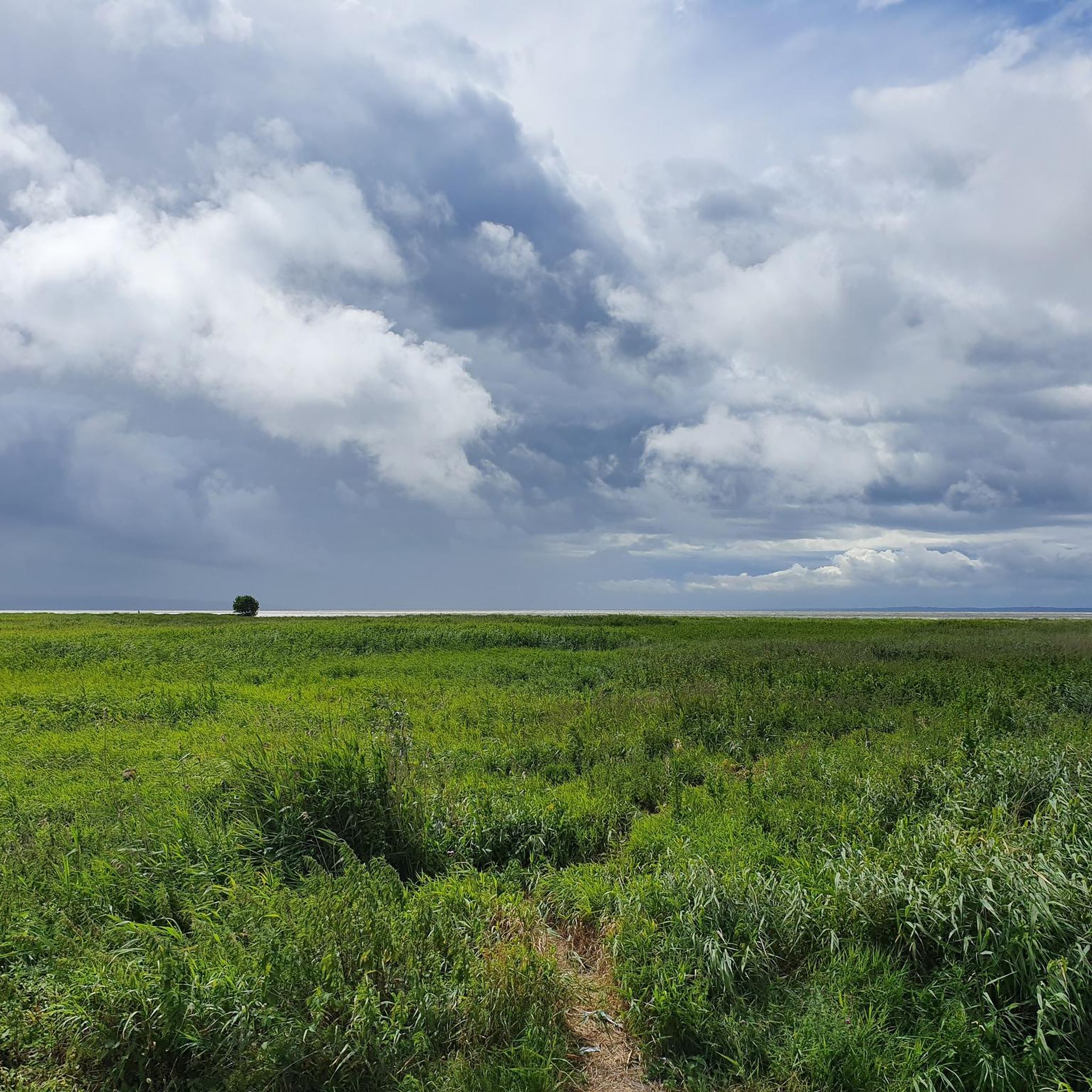
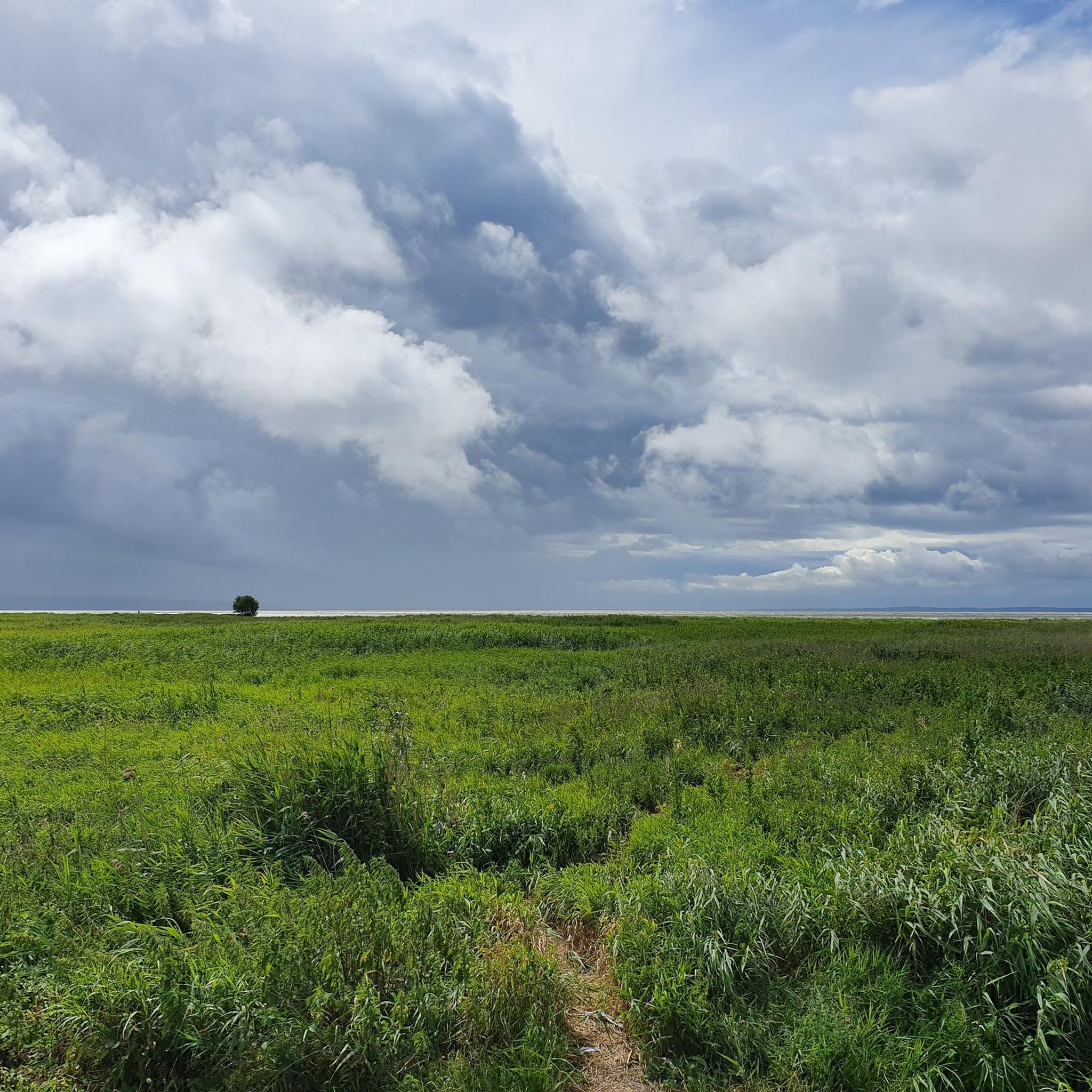
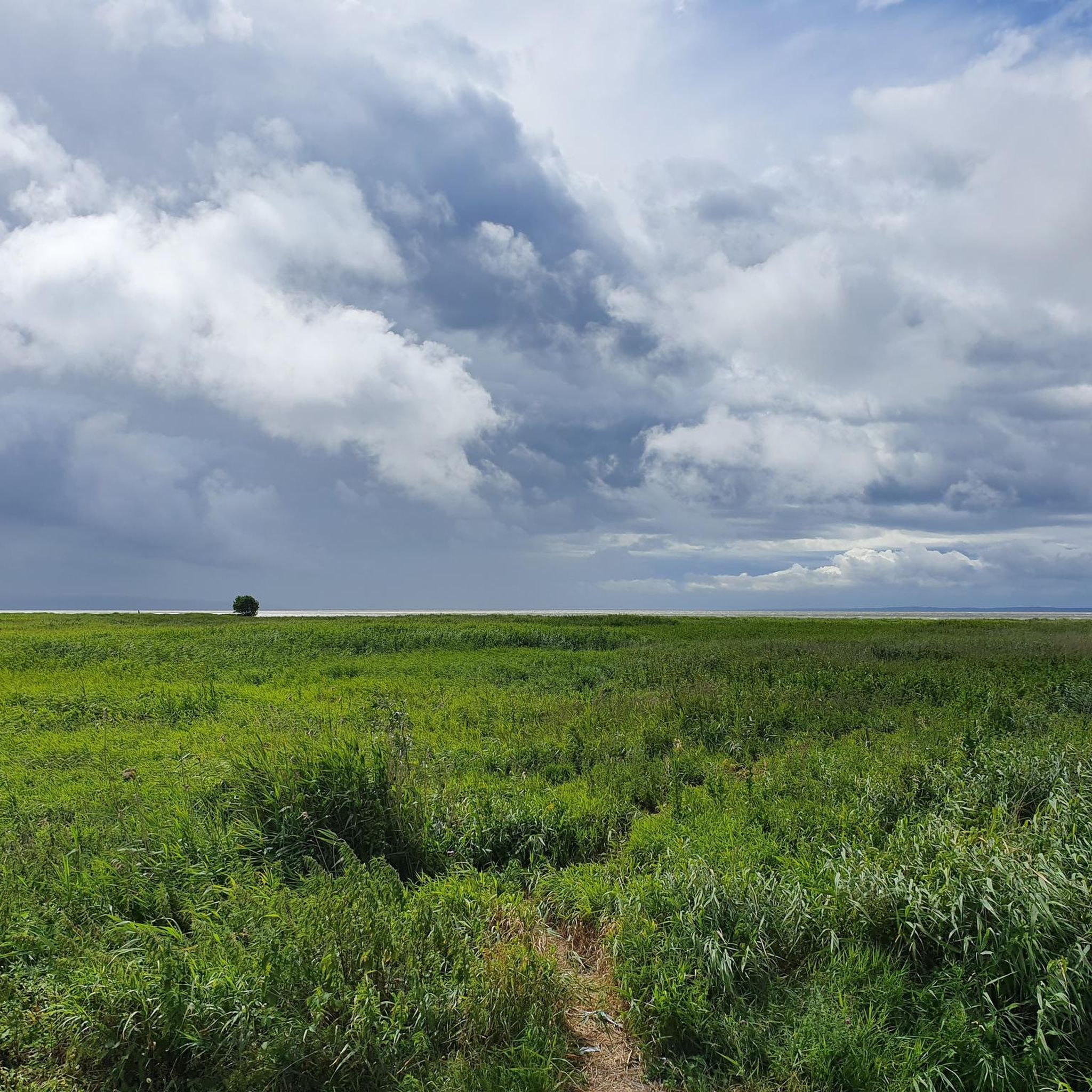

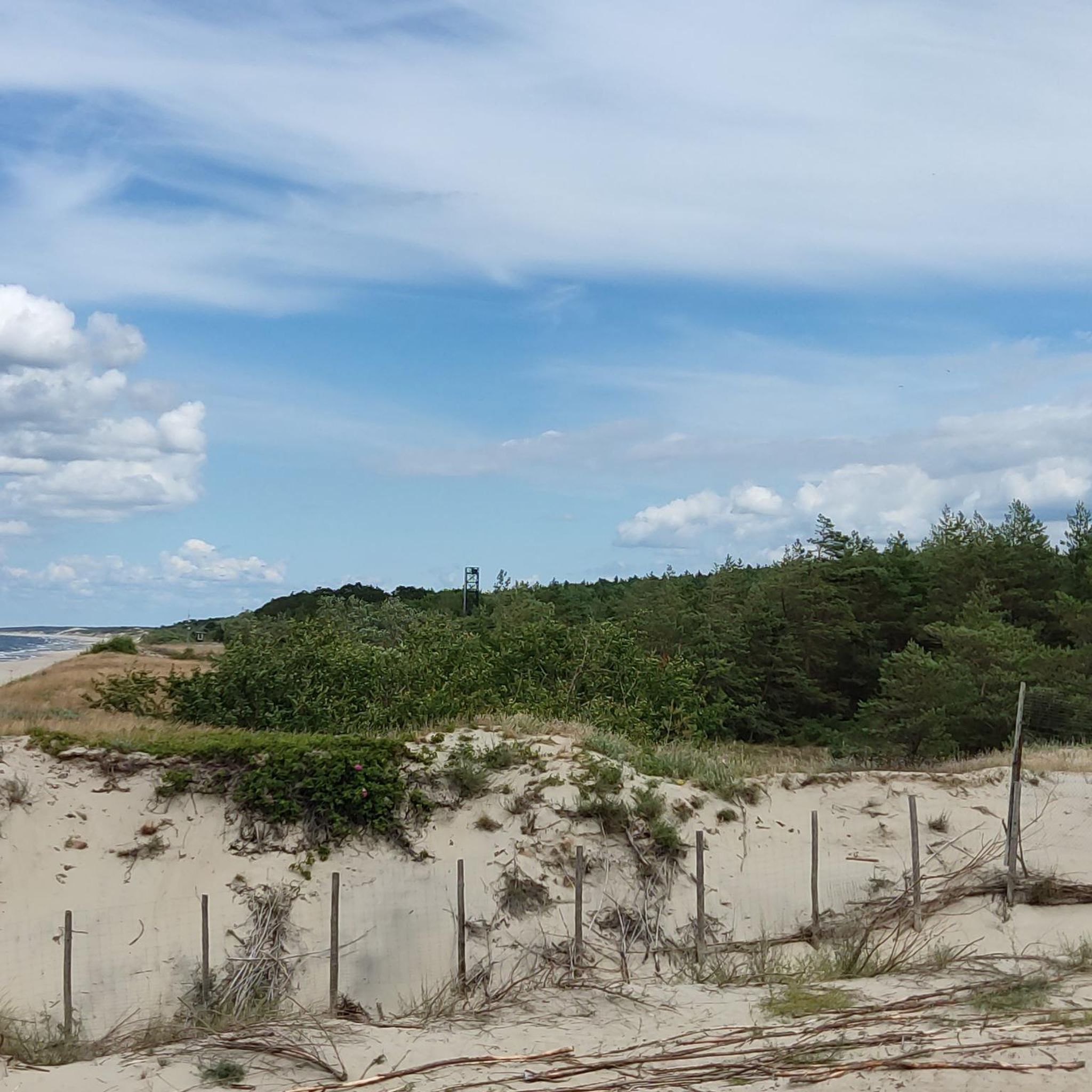
Tips from the Community

The Świbno ferry is the largest cable ferry on the Vistula, operating between Świbno and Mikoszewo. It is powered by a tugboat and can carry up to 60 tons of cargo or 200 people. The tradition of crossing here dates back to 1895, after a new mouth of the Vistula was dug. The current ferry has been operating since 1945 and is a popular shortcut on bicycle routes connecting Żuławy with the Vistula Spit. The ferry operates seasonally. The price list and operating hours can be checked at https://swibnoprom.pl/.
3
1

The first lighthouse was built in 1895 as a brick tower with a Fresnel shade and a fuel source – a kerosene lamp, which was replaced by an electric one in 1938. The lighthouse was blown up in 1945 by retreating German troops. Reconstruction after the war A new facility was built and launched in 1951, according to designs from the Gdańsk University of Technology. It was made of concrete blocks, in the form of a truncated cone, about 27m high, and the light is located at a height of 53m above sea level, with a range of up to 18–19 Mm.
2
0
Piaski (formerly NowaKarczma, German Neukrug) dates back to the Middle Ages. The settlement developed around fishing and amber, with wooden fishing buildings from the 19th century and typical elements such as sturgeon huts, smokehouses and Żuławy hangars. Fishing was the basis of the inhabitants' existence: the young port served fishing boats, building a local community and culture.
3
0
A resting place with benches and a shelter and a view of the Vistula. Right next to it, a ferry to Sobieszewska Island departs.
0
0

Fishing port, cutters, boats, fishing equipment.
0
0

You can rest here and hide from the rain.
0
0


Frequently Asked Questions
What kind of terrain can I expect when road cycling around the Vistula Lagoon?
Road cycling around the Vistula Lagoon primarily features gentle elevations, especially along the Vistula Spit, which is characterized by dunes and pine forests. While generally flat, the adjacent Elbląg Upland offers more varied terrain with hills under 200 meters, providing options for those seeking more challenging climbs. Routes often utilize dedicated cycling paths and less-traveled public roads, offering a serene backdrop of the lagoon's calm waters.
Are there many road cycling routes available in the Vistula Lagoon region?
Yes, the Vistula Lagoon region offers a comprehensive network for road cyclists. There are over 60 road cycling routes available, catering to various skill levels. You'll find 25 easy routes, 35 moderate routes, and 1 more difficult option, ensuring there's something for every cyclist.
What are some popular long-distance cycling routes in the Vistula Lagoon area?
The region is well-equipped with cycling paths, including sections of major European routes. The R10 cycling route along the Vistula Spit is a significant draw, offering over 50 kilometers of bike paths. Additionally, a segment of the EuroVelo 10 (Baltic Sea Cycle Route) and a section of the Green Velo before Elbląg contribute to a network suitable for longer rides.
What do other road cyclists enjoy most about cycling in the Vistula Lagoon?
The area is highly rated by the komoot community, with an average score of 4.5 stars from over 30 reviews. Reviewers often praise the unique landscape of the Vistula Spit, the well-developed cycling infrastructure, and the serene views of the lagoon and Baltic Sea. Many appreciate the combination of natural beauty and charming towns along the routes.
Are there any family-friendly road cycling routes around the Vistula Lagoon?
Many routes along the Vistula Spit are suitable for families due to their gentle elevations and dedicated cycling paths, often separated from car traffic. These paths wind through forests and along the coast, providing a safe and enjoyable environment. For example, the easy route Kąty Rybackie Lighthouse – Lighthouse in Krynica Morska loop from Bezleśna wydma szara offers scenic views and is relatively short, making it a good option for families.
What are some notable landmarks or natural features to see while cycling?
The Vistula Lagoon region is rich in attractions. You can cycle past the impressive Polish-Russian Border at Piaski, enjoy the expansive Vistula Spit Beach, or visit the Cliff Above the Vistula Lagoon for panoramic views. The Vistula Spit Canal, a marvel of Polish engineering, is also a fascinating sight to incorporate into your ride.
Can I find cafes or restaurants along the road cycling routes?
Yes, charming towns like Krynica Morska, often referred to as the 'vibrant heart of the Spit,' offer a range of tourist amenities, including cafes, pubs, and restaurants. Kąty Rybackie and Stegna also provide options for refreshments and meals, especially along the more popular cycling routes like the R10.
What is the best time of year to go road cycling in the Vistula Lagoon region?
The Vistula Lagoon region is best enjoyed for road cycling during the warmer months, typically from late spring to early autumn. During this period, the weather is generally pleasant, and the natural beauty of the dunes, pine forests, and calm lagoon waters is at its peak. This also coincides with the operating season for many local amenities and ferry services.
Are there options for parking my car when starting a road cycling route?
Yes, designated parking areas are available, particularly near popular trailheads and towns along the Vistula Spit. For example, you can find parking at Parking Area at Park Krajobrazowy Mierzeja Wiślana, which serves as a convenient starting point for exploring the Vistula Spit Landscape Park.
Are there any specific regulations for cycling on dikes or protected areas?
While many routes utilize dedicated cycling paths, some sections might be on less-traveled public roads or dikes. It's always advisable to be aware of local regulations, especially when cycling through protected areas like the Vistula Spit Landscape Park, to ensure you adhere to any specific rules regarding access or permits.
Can I combine cycling with public transport in the Vistula Lagoon region?
Yes, for road cyclists, the seasonal Świbno–Mikoszewo ferry across the Vistula Przekop is a convenient option, allowing you to shorten routes and access different parts of the Vistula Spit. This ferry can be particularly useful for planning longer tours or creating loop routes that incorporate both sides of the Vistula River mouth.
What is a good moderate-difficulty route to explore the southern shore of the lagoon?
For a moderate ride exploring the southern shore, consider the Historic Drawbridge in Tujsk – Rest Area by the Vistula loop from gmina Sztutowo. This 46.0-mile (74.1 km) path takes you past historical drawbridges and tranquil waterside areas, offering a different perspective of the Vistula Lagoon.
Are there any routes that offer views of both the lagoon and the Baltic Sea?
Absolutely. Routes along the Vistula Spit often provide this unique experience. The easy route Kąty Rybackie Lighthouse – Lighthouse in Krynica Morska loop from Bezleśna wydma szara is a prime example, offering picturesque views of both the calm lagoon waters on one side and the more dynamic Baltic Sea on the other.
Most popular routes around Vistula Lagoon
Most popular attractions around Vistula Lagoon

Get inspired with the komoot mobile app


Explore more
Browse the best Road cycling routes in other regions.
