Attractions and Places To See around La Vega - Top 20
Attractions and places to see around La Vega offer a diverse range of experiences in the heart of the Dominican Republic. This region is characterized by its historical sites, cultural landmarks, and natural landscapes. Visitors can explore significant religious buildings and archaeological parks that reflect the area's past. The surrounding mountains and rivers provide opportunities for outdoor activities and ecotourism.
Best attractions and places to see around La Vega
- The most popular attractions is Plaza of Spain, a man-made…
Last updated: July 20, 2026
Seville Cathedral (Cathedral of Seville)
Highlight • Religious Site
Translated by Google •
Tip by

Plaza of Spain
Highlight • Monument
Translated by Google •
Tip by
Sign up now to discover places like this
Get recommendations on the best single tracks, peaks, & plenty of other exciting outdoor places.
Sign up for free
The Giralda and the cathedral
Highlight • Religious Site
Translated by Google •
Tip by
Torre del Oro
Highlight • Monument
Translated by Google •
Tip by
Metropol Parasol (Seville's Mushrooms)
Highlight • Monument
Translated by Google •
Tip by
View from the Triana Bridge
Highlight • Viewpoint
It was …
Translated by Google •
Tip by
Monumental Carob Tree, María Luisa Park
Highlight • Natural Monument
It was inaugurated in 1914 and …
Translated by Google •
Tip by
Seville Cathedral
Highlight • Religious Site
Translated by Google •
Tip by
Real Alcázar of Seville
Highlight • Historical Site
Translated by Google •
Tip by
Plaza de Toros de la Real Maestranza de Sevilla
Highlight • Monument
Translated by Google •
Tip by
Sign up for free to discover even more attractions around La Vega.
Sign up for free
Already have an account?
Start today with a free account
Your next adventure awaits.
Login or Signup
Popular around La Vega

Triathlon 360 – my journey around the world
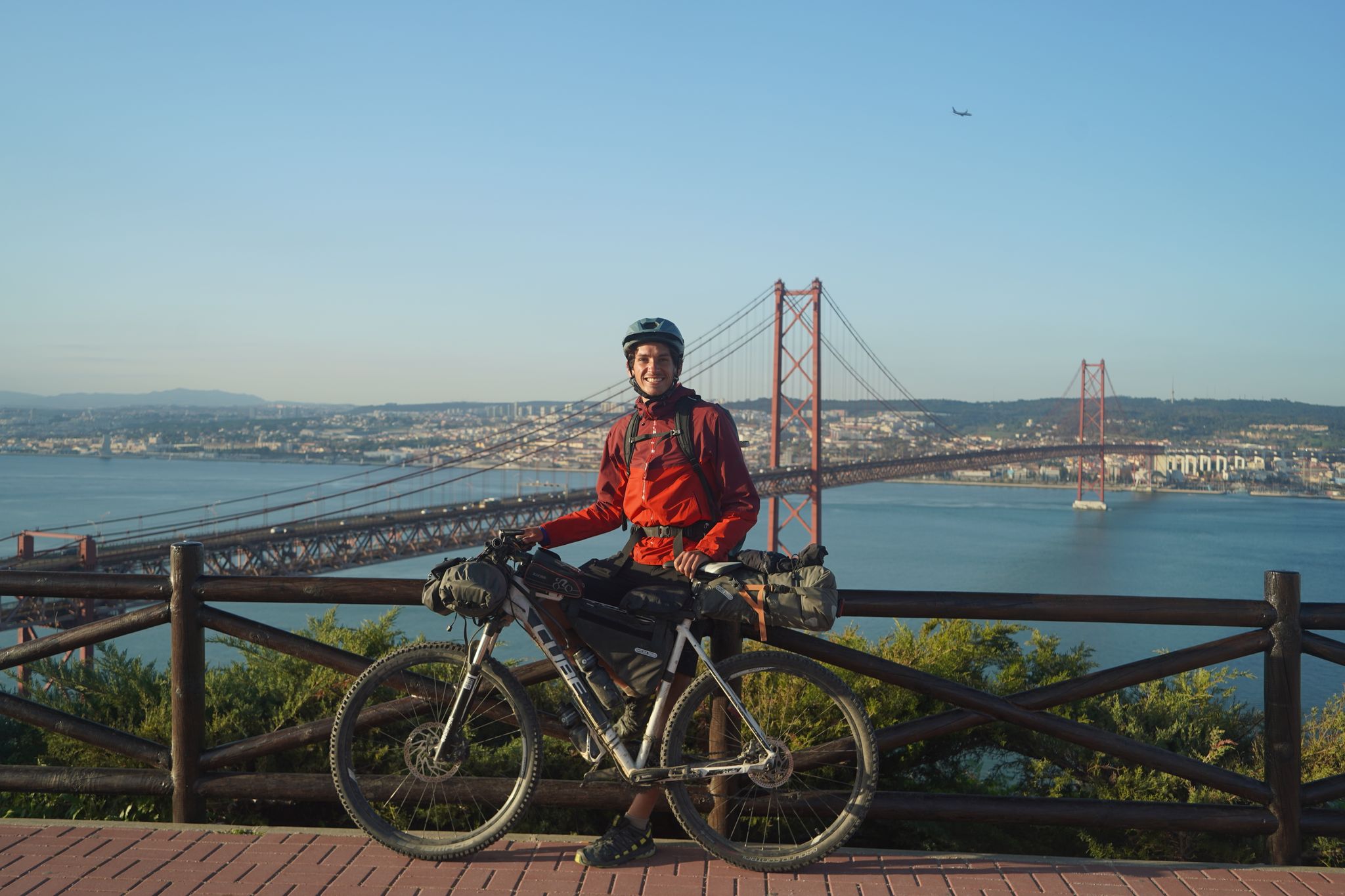
Road to Lisbon – bikepacking the Alps, Pyrenees and Picos de Europa
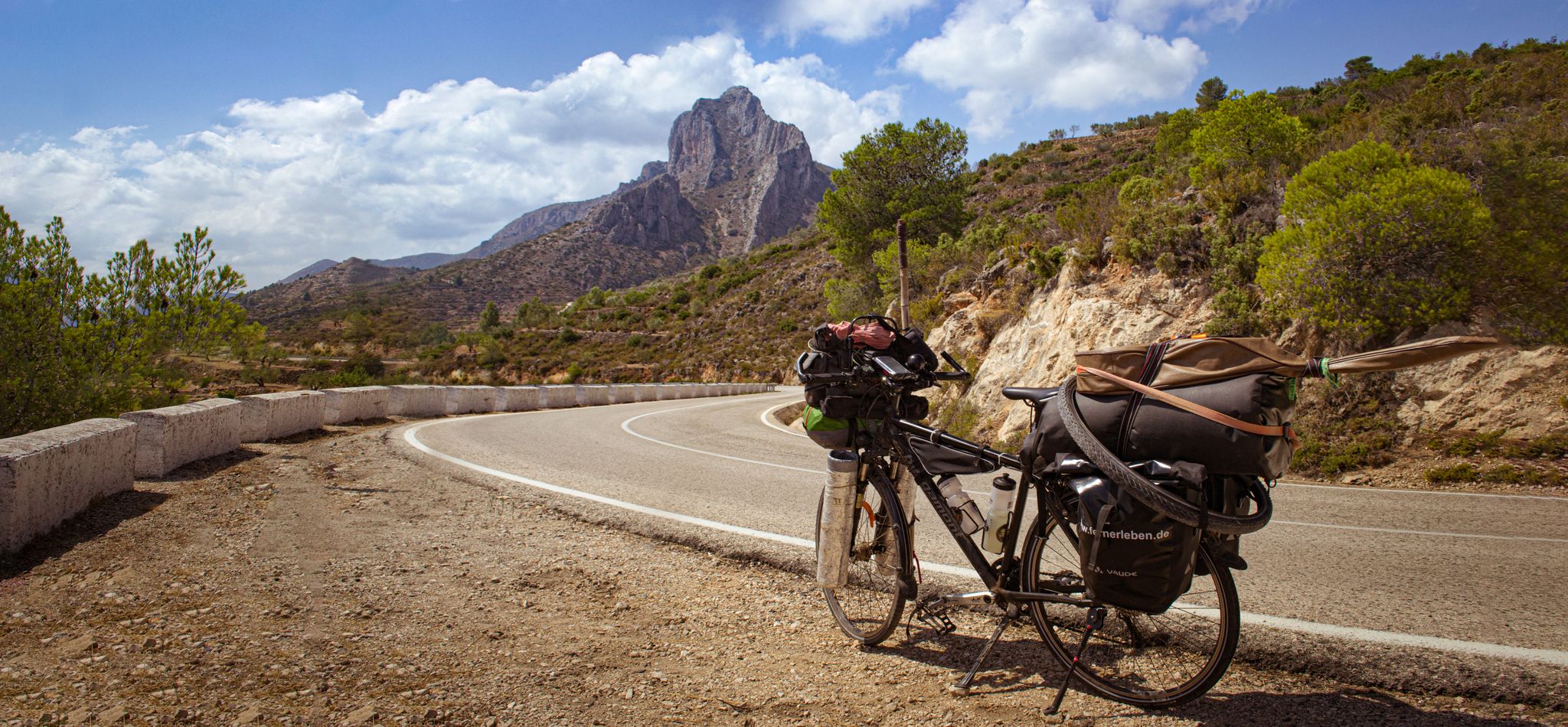
On the road to the sun — bikepacking to southeast Spain
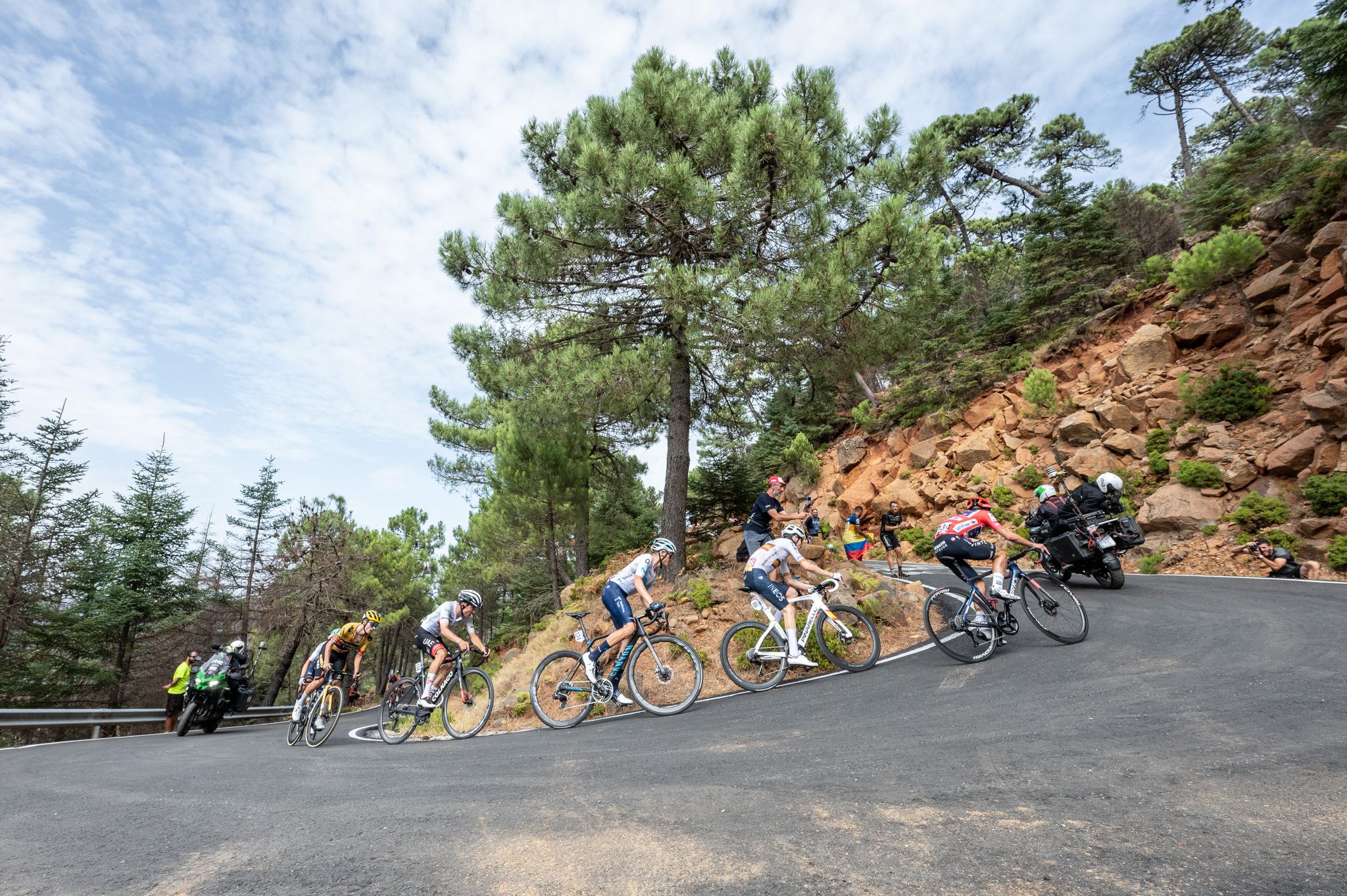
La Vuelta 26 — All Official Stages
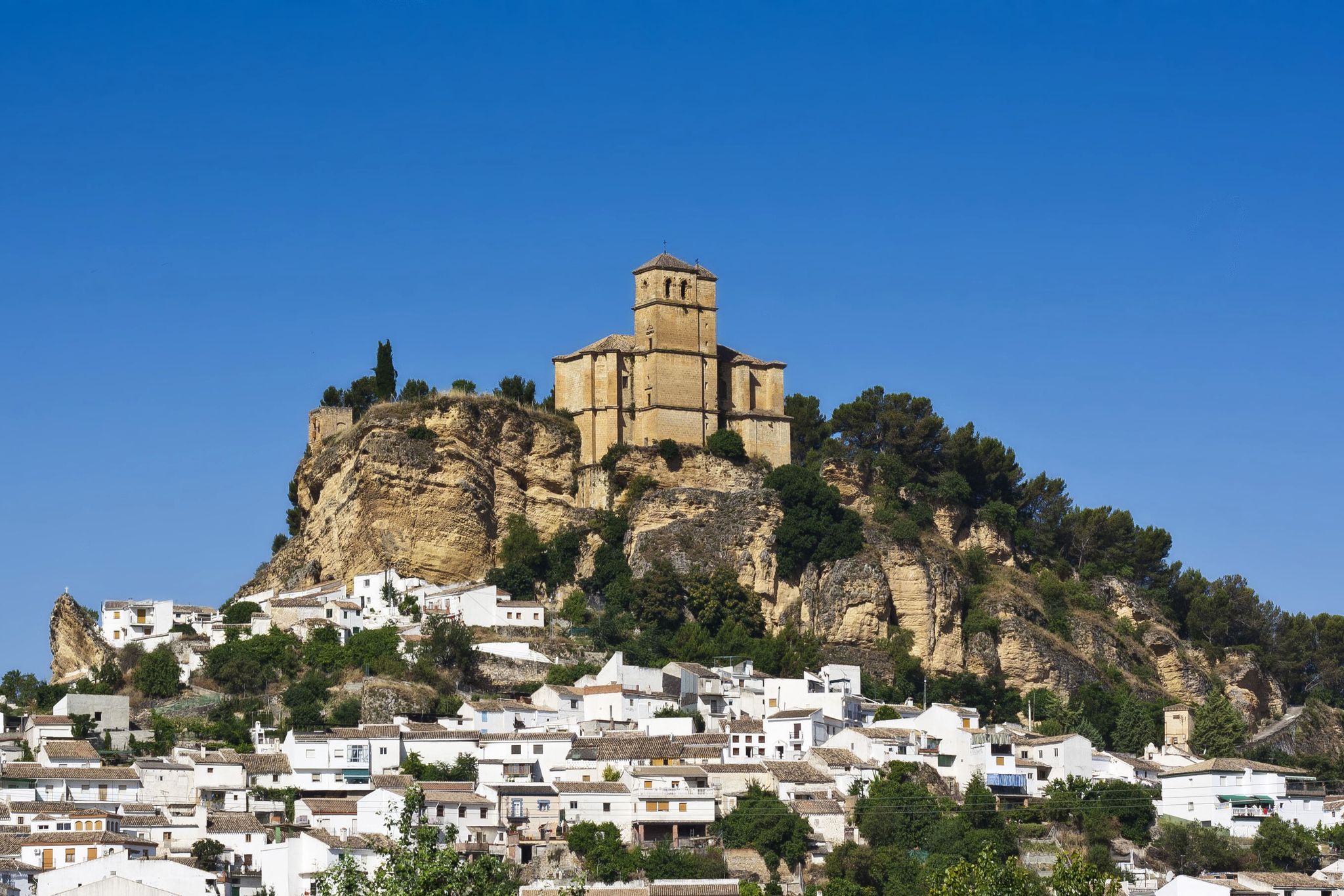
Washington Irving – cycle through the Arab vestiges of Andalusia
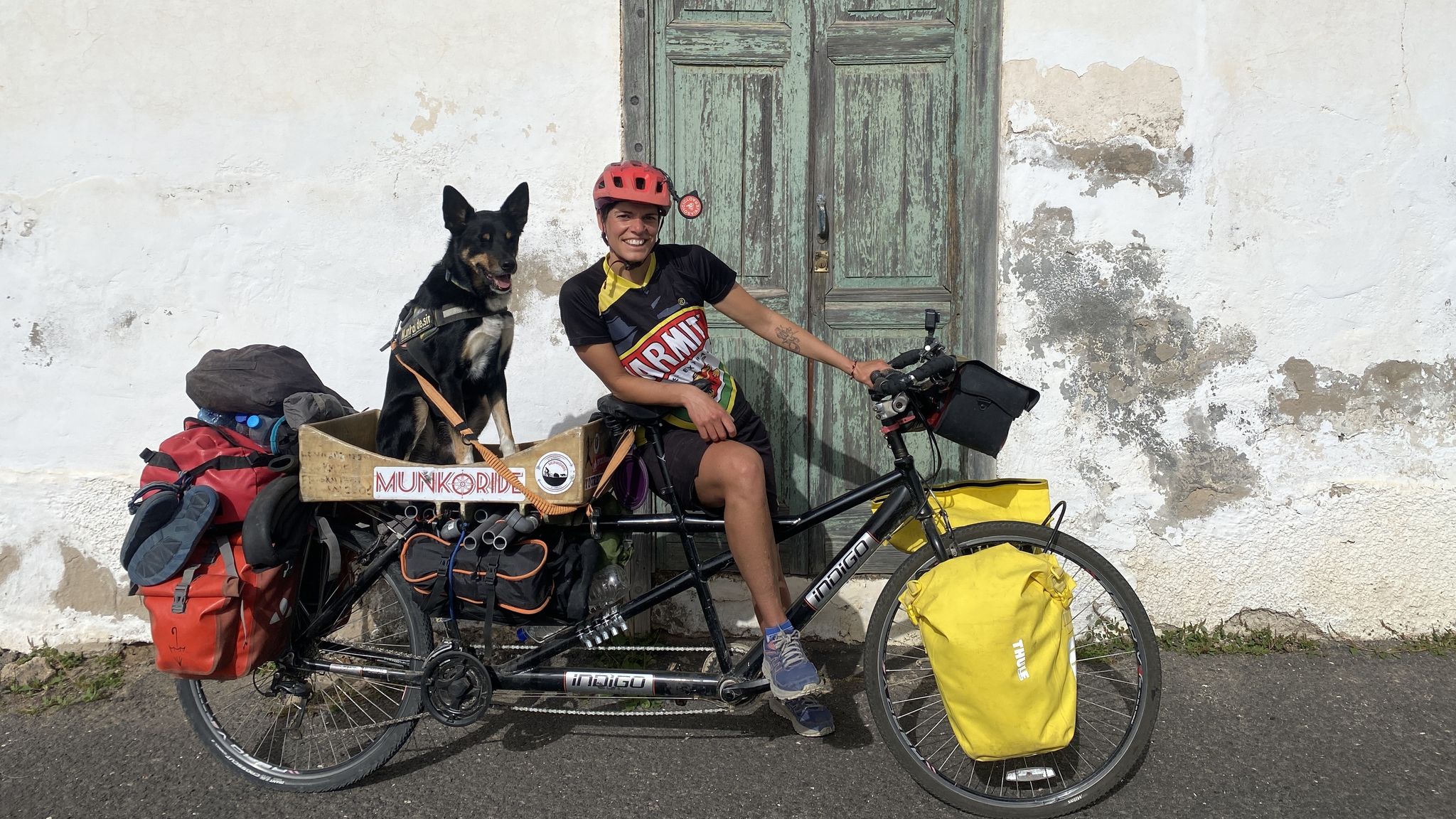
A winter getaway along the greenways of Andalusia in Spain
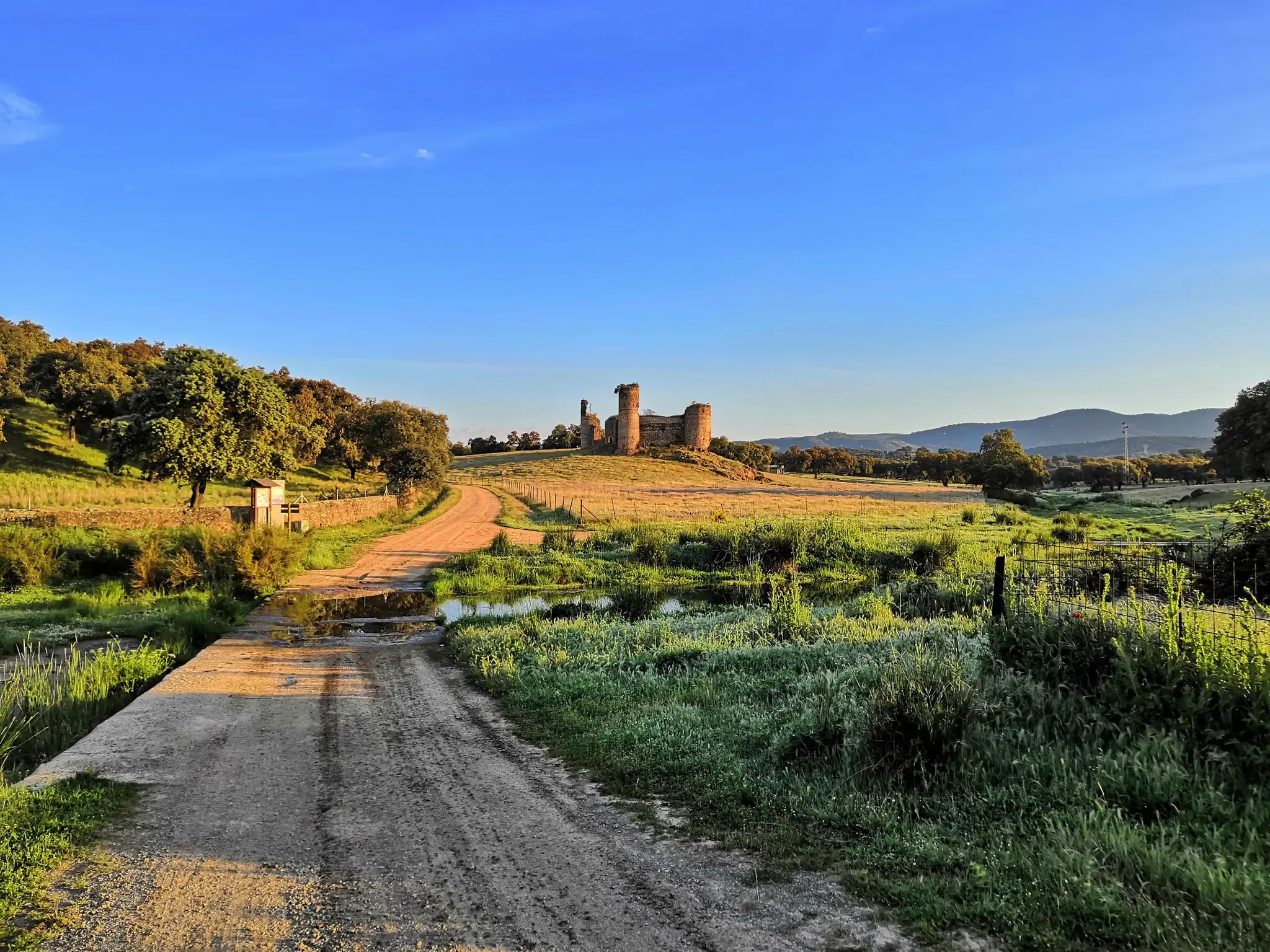
A romantic journey in the footsteps of the Romans – Via de la Plata
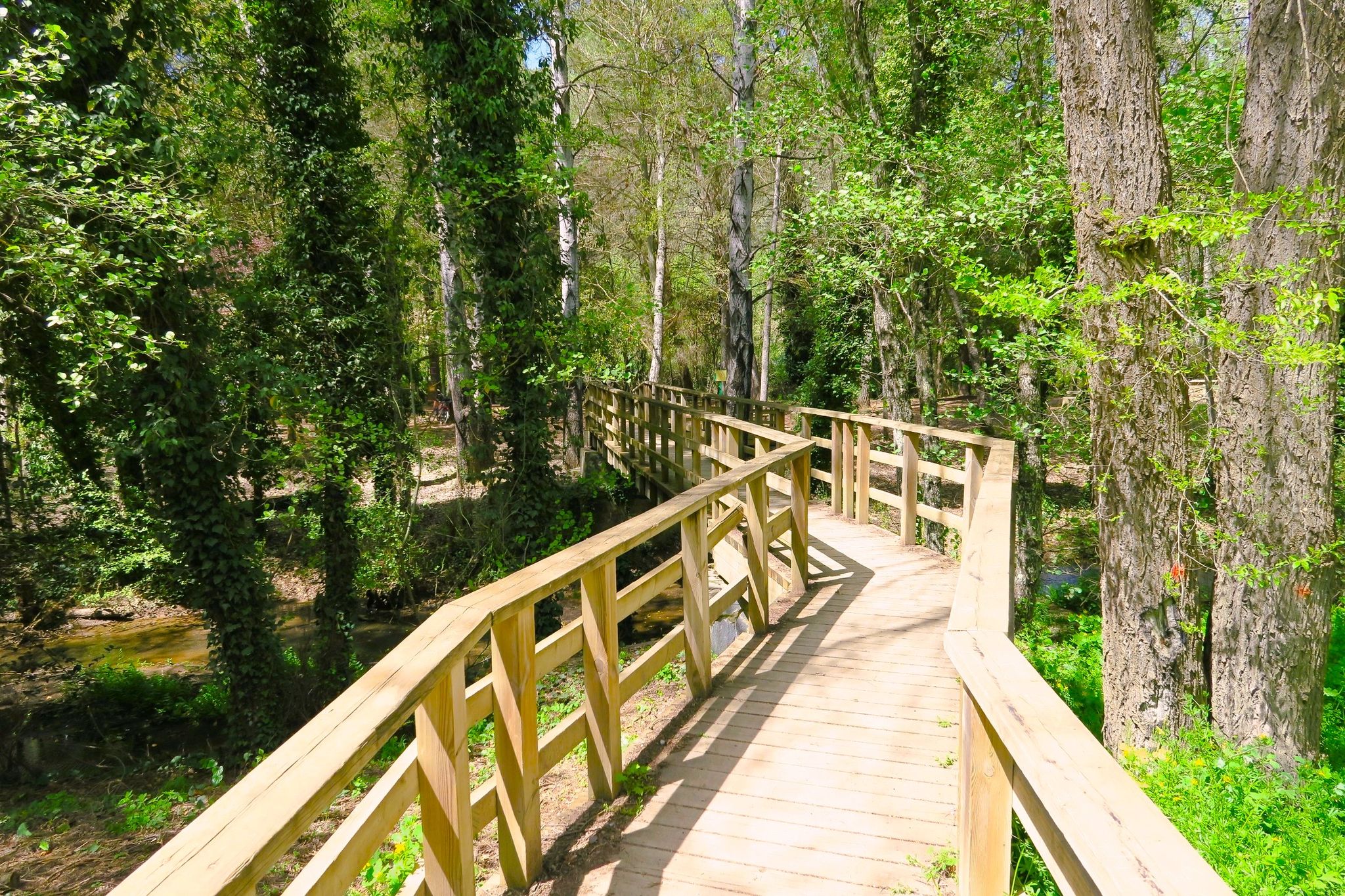
Land, culture, disconnection — Sierra Norte de Sevilla Natural Park
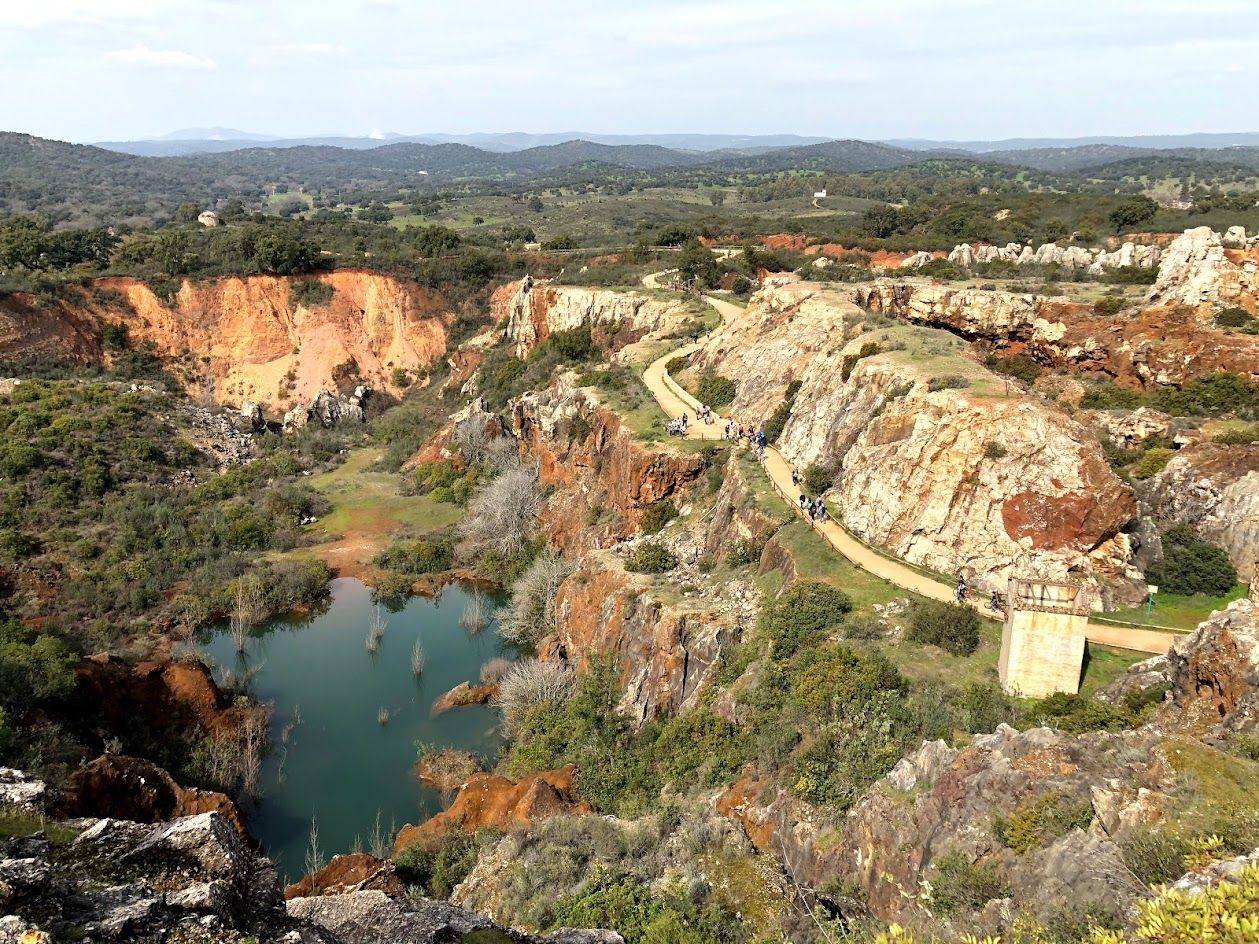
Journey through Spain’s Sierra Morena — Cordoba to Seville by bike
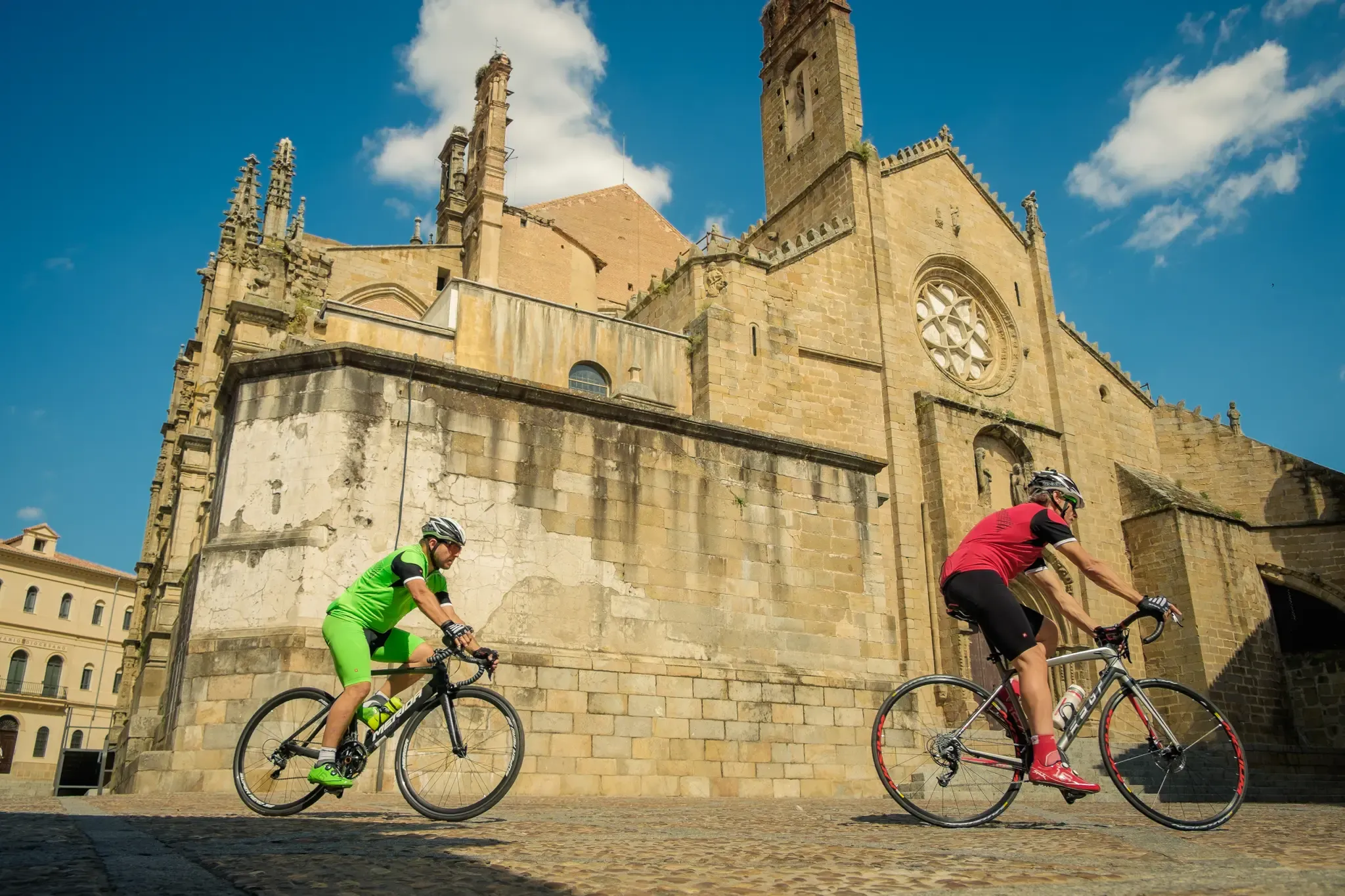
Vía de la Plata – from Seville to Gijón by bike
Other adventures around La Vega


Tips from the Community


A truly impressive tower. It was actually a minaret before being converted into a bell tower after the Christian reconquest of Spain.
5
0
Always under construction, but extremely impressive
1
0

La Terraza del EME is a panoramic bar located on the rooftop of the EME Catedral Mercer Hotel, at 27 Calle Alemanes. This venue offers spectacular views of Seville Cathedral and the Giralda, creating a unique and sophisticated atmosphere. The bar is open daily from 1:30 PM to 1:00 AM. It's an ideal place to enjoy cocktails, tapas, and a vibrant atmosphere, especially at sunset.
8
0
The Admiral's Chamber is located in the Royal Alcázar of Seville. This historic room is accessed from the Patio de la Montería and is the only remaining room of the original building of the Casa de Contratación de las Indias, dating from the 16th and 17th centuries. The Casa de Contratación was a key institution in the administration and control of trade with the Americas.
9
0
Seville Cathedral, also known as the Cathedral of Saint Mary of the See, is one of the largest and most majestic Gothic cathedrals in the world. Built in the 15th century on the remains of an ancient mosque, the cathedral is a stunning example of Gothic and Renaissance architecture.
17
0
Seville Cathedral, also known as the Cathedral of Saint Mary of the See, is one of the largest Gothic cathedrals in the world. Built on the site of a former mosque, its construction began in 1401 and was completed in 1507. Some highlights include: La Giralda: The bell tower, originally a minaret of the mosque, is one of Seville's most recognizable symbols. Royal Chapel: Houses the remains of several monarchs, including Ferdinand III of Castile. Main Altarpiece: Considered one of the largest altarpieces in Christendom, with an impressive collection of sculptures and reliefs. The cathedral also houses a rich art collection, including works by Murillo and Goya.
13
0

See: https://nl.wikipedia.org/wiki/Kathedraal_van_Sevilla
4
0
Frequently Asked Questions
What are the must-see historical and cultural sites in La Vega?
La Vega offers a rich historical and cultural experience. You can visit the impressive Concepción de La Vega Cathedral, an important sanctuary featuring a striking figure of the Risen Christ. Explore Santo Cerro, a significant religious site with panoramic views, or delve into the past at La Vega Vieja (Pueblo Viejo National Park), the archaeological site of the first European settlement. Don't miss the Museo del Carnaval Vegano to learn about the city's famous carnival tradition.
Where can I experience nature and ecotourism near La Vega?
The region around La Vega is a hub for nature lovers. Head to Jarabacoa, known as the 'City of Eternal Spring,' for activities like hiking and rafting. Here you can find stunning waterfalls such as Salto de Jimenoa and Salto Baiguate, and the refreshing natural pool Pozo Azul. Another option is Constanza, the highest town in the Caribbean, home to the scenic Aguas Blancas Waterfall and the vast Valle Nuevo National Park.
Are there any significant natural reserves or parks to explore?
Yes, the Ebano Verde Scientific Reserve is an ecological reserve rich in diverse flora and fauna, including many endemic species. It offers guided tours through its lush forests, providing an excellent opportunity for nature observation and learning about the local ecosystem.
What are the options for challenging hikes or mountain adventures?
For challenging mountain adventures, you can trek to Pico Duarte, the highest peak in the Caribbean, accessible from the La Vega/Jarabacoa region. Another recommended summit for hiking is El Mogote, which offers significant downhill stretches and requires preparation with water and snacks. The Valle Nuevo National Park also provides opportunities for hiking and birdwatching.
What is the best time to visit La Vega for outdoor activities?
La Vega's location in the Central Mountain Range provides a diverse climate. Generally, the cooler, drier months from December to April are ideal for outdoor activities like hiking and exploring natural sites, as the weather is more comfortable for physical exertion.
Are there family-friendly attractions or activities in La Vega?
Many of La Vega's natural attractions are suitable for families, such as the accessible waterfalls in Jarabacoa like Salto Baiguate, where you can swim. Exploring the archaeological park of La Vega Vieja can also be an educational experience for older children. The city's central Parque Duarte offers a public space for relaxation and local activity.
What is the famous Carnival of La Vega?
The Carnival of La Vega (Carnaval Vegano) is widely known as the 'Carnival epicenter' and the 'City of the Carnival' of the Dominican Republic. Celebrated every February, it is considered the most important and oldest carnival in the Caribbean, filling the streets with colorful costumes, lively music, dancing, and unique 'Diablos Cojuelos' (devils) with ornate masks.
Can I find any waterfalls near La Vega?
Absolutely. The region is home to several beautiful waterfalls. In the Jarabacoa area, you can visit Salto de Jimenoa and Salto Baiguate. Near Constanza, you'll find the impressive Aguas Blancas Waterfall, noted as the highest waterfall in the Caribbean. Additionally, the Damajagua Waterfalls, though just outside La Vega, are a popular spot for swimming and guided tours.
What kind of outdoor activities can I do near La Vega?
Beyond exploring attractions, La Vega and its surroundings offer various outdoor activities. You can find numerous MTB trails, running trails, and road cycling routes. The mountainous terrain also provides opportunities for hiking, rafting, and even paragliding in areas like Jarabacoa.
Where can I find cultural centers or theaters in La Vega?
La Vega has a vibrant cultural scene. The Casa de la Cultura is a cultural center that offers art education, including music, and contributes to the city's artistic life. You can also visit Teatro La Progresista, an important theater that plays a role in the cultural and artistic life of La Vega.
Are there any viewpoints offering panoramic views of the region?
Yes, Santo Cerro is a significant religious site that also offers panoramic views of La Vega and the wider Cibao Valley, providing a tranquil spot for reflection and enjoying the scenic landscape.
Most popular routes around La Vega
Most popular attractions around La Vega

Get inspired with the komoot mobile app


Didn’t find what you were looking for?
Are you keen on exploring more awesome places nearby? Browse our guides:
Explore more
Still not found the Highlight you’re looking for? See guides of the top attractions in other regions:
