Attractions and Places To See around La Axarquía - Top 20
Best attractions and places to see around La Axarquía include a diverse range of natural landscapes, cultural heritage sites, and traditional white villages. Located in the eastern part of Málaga province, this region is characterized by its rugged mountains, extensive coastline, and rich Moorish history. Visitors can explore impressive natural monuments, historic settlements, and significant archaeological sites. The area offers a blend of outdoor activities and cultural immersion.
Best attractions and places to see around La Axarquía
- The most popular attractions is El Saltillo Suspension Bridge, a bridge that is part of a challenging hiking trail featuring cliff-clinging paths. It is located near Canillas de Aceituno.
- Another must-see spot is Frigiliana Old Town, a settlement known for its whitewashed houses, cobbled streets, and vibrant flowers. It is often cited as one of the most beautiful white villages in the region.
- Visitors also love Enginal Pass, Sierras de Tejeda, Almijara and Alhama Natural Park, a mountain pass offering extensive hiking opportunities within a rugged mountainous region. This natural park is home to La Maroma, the highest peak in La Axarquía.
- La Axarquía is known for its white villages, natural parks, and historical sites. The region offers a variety of attractions to see and explore, from ancient castles to impressive caves and coastal viewpoints.
- The attractions around La Axarquía are appreciated by the komoot community, with more than 720 upvotes and over 840 photos shared by visitors.
Last updated: August 3, 2026
The Alcazaba of Málaga and the Roman Theatre
Highlight • Historical Site
Translated by Google •
Tip by

Málaga Cathedral (Catedral de la Encarnación)
Highlight • Religious Site
a landmark of the city of Malaga.
The baroque facade dates back to the 16th century.
Translated by Google •
Tip by

Sign up now to discover places like this
Get recommendations on the best single tracks, peaks, & plenty of other exciting outdoor places.
Sign up for free
Palmeral de las Sorpresas, Port of Málaga
Highlight • Structure
The harbor complex is worth a visit.
Translated by Google •
Tip by
Malaga Park
Highlight • Forest
Translated by Google •
Tip by
Roman Theatre of Málaga
Highlight • Historical Site
Ancient Roman theater with artifacts and lots of information.
Translated by Google •
Tip by
Constitution Square, Malaga
Highlight • Historical Site
Great streets, beautiful alleys and lovely people.
Translated by Google •
Tip by
Frigiliana Old Town
Highlight • Settlement
Translated by Google •
Tip by

El Saltillo Suspension Bridge
Highlight • Bridge
Translated by Google •
Tip by

Genoa Fountain, Plaza de la Constitución
Highlight • Monument
Translated by Google •
Tip by

Frigiliana Old Town
Highlight (Segment) • Settlement
Translated by Google •
Tip by

Sign up for free to discover even more attractions around La Axarquía.
Sign up for free
Already have an account?
Start today with a free account
Your next adventure awaits.
Login or Signup
Popular around La Axarquía
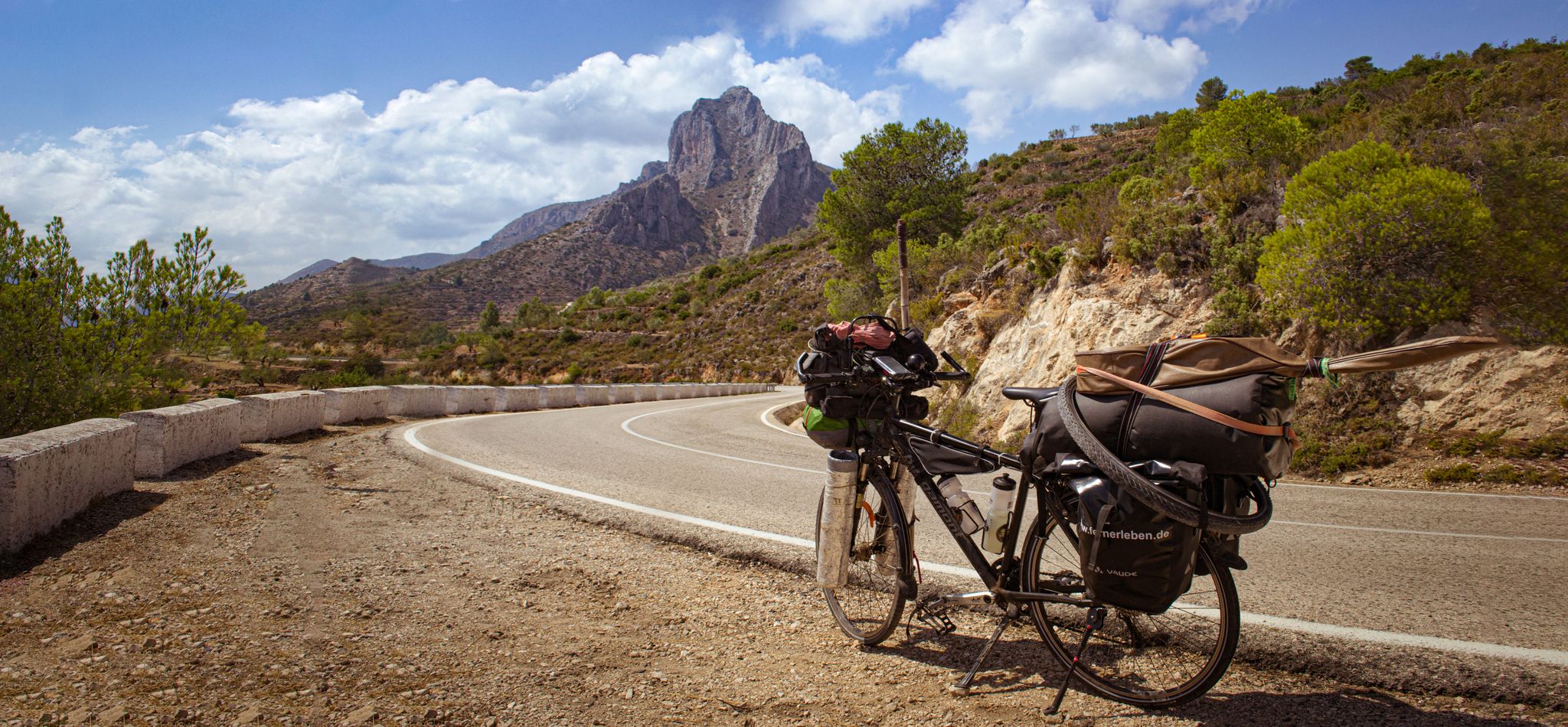
On the road to the sun — bikepacking to southeast Spain
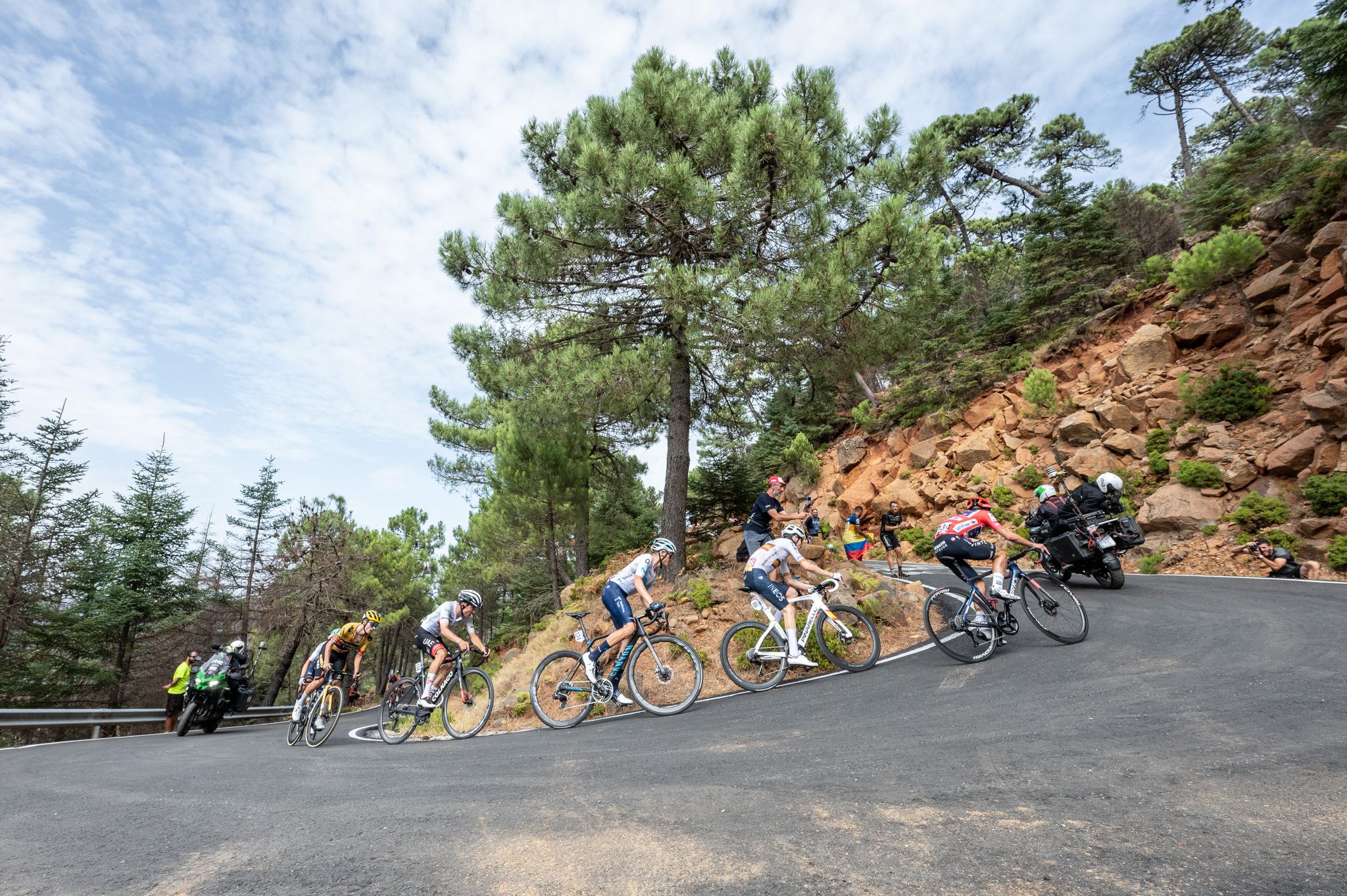
La Vuelta 26 — All Official Stages
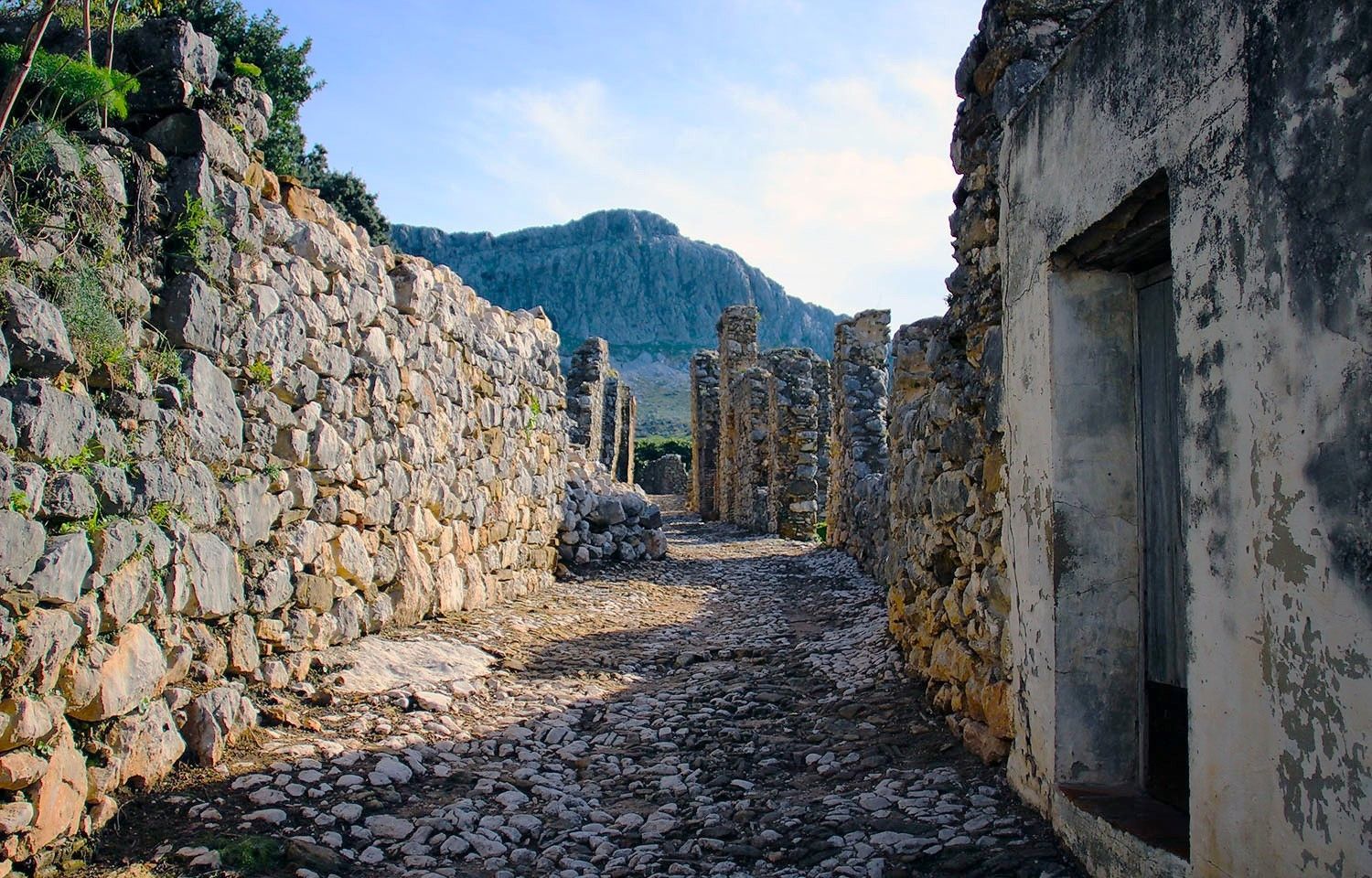
Andalusia without limits – Tarifa to La Puebla de Don Fabrique on the GR 7
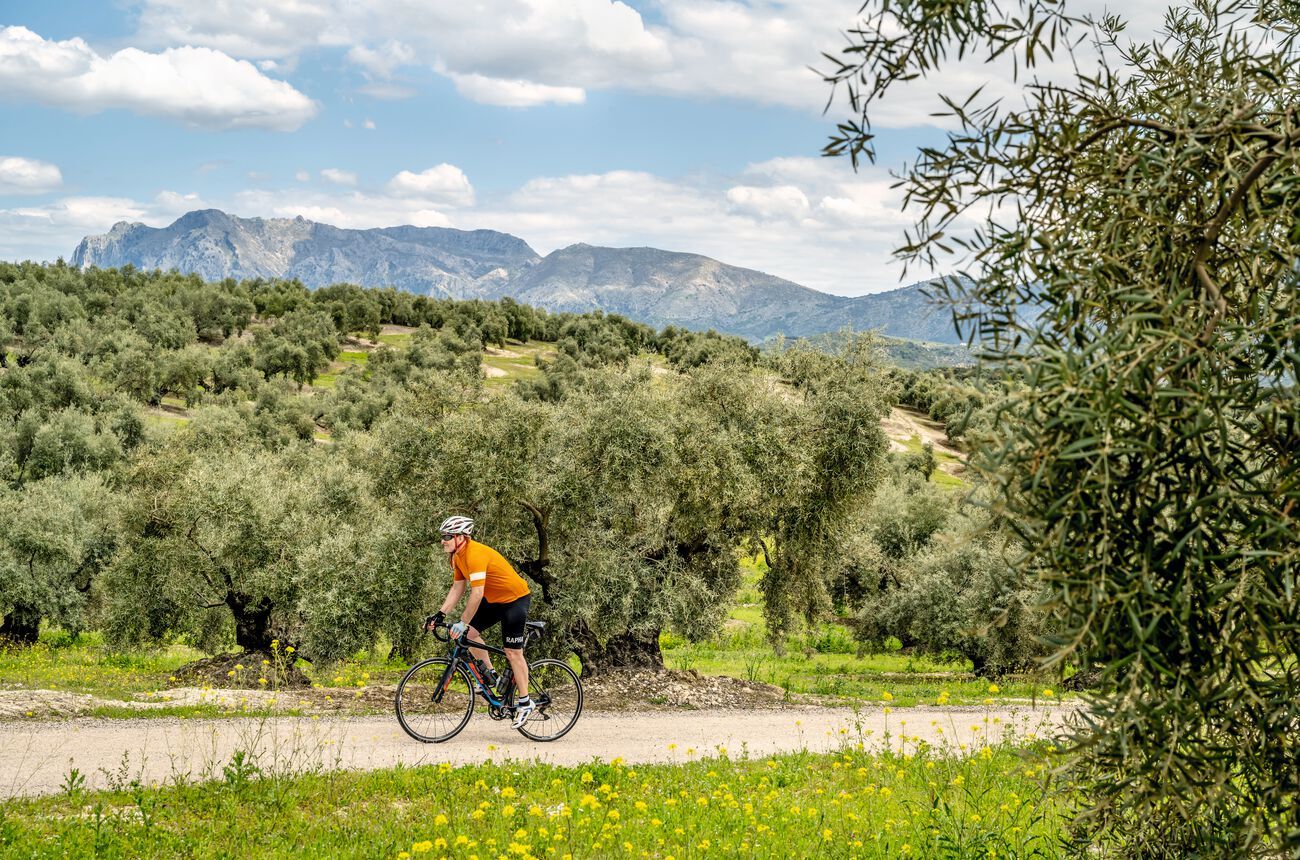
With TOUR in Andalusia - Costa del Sol and hinterland
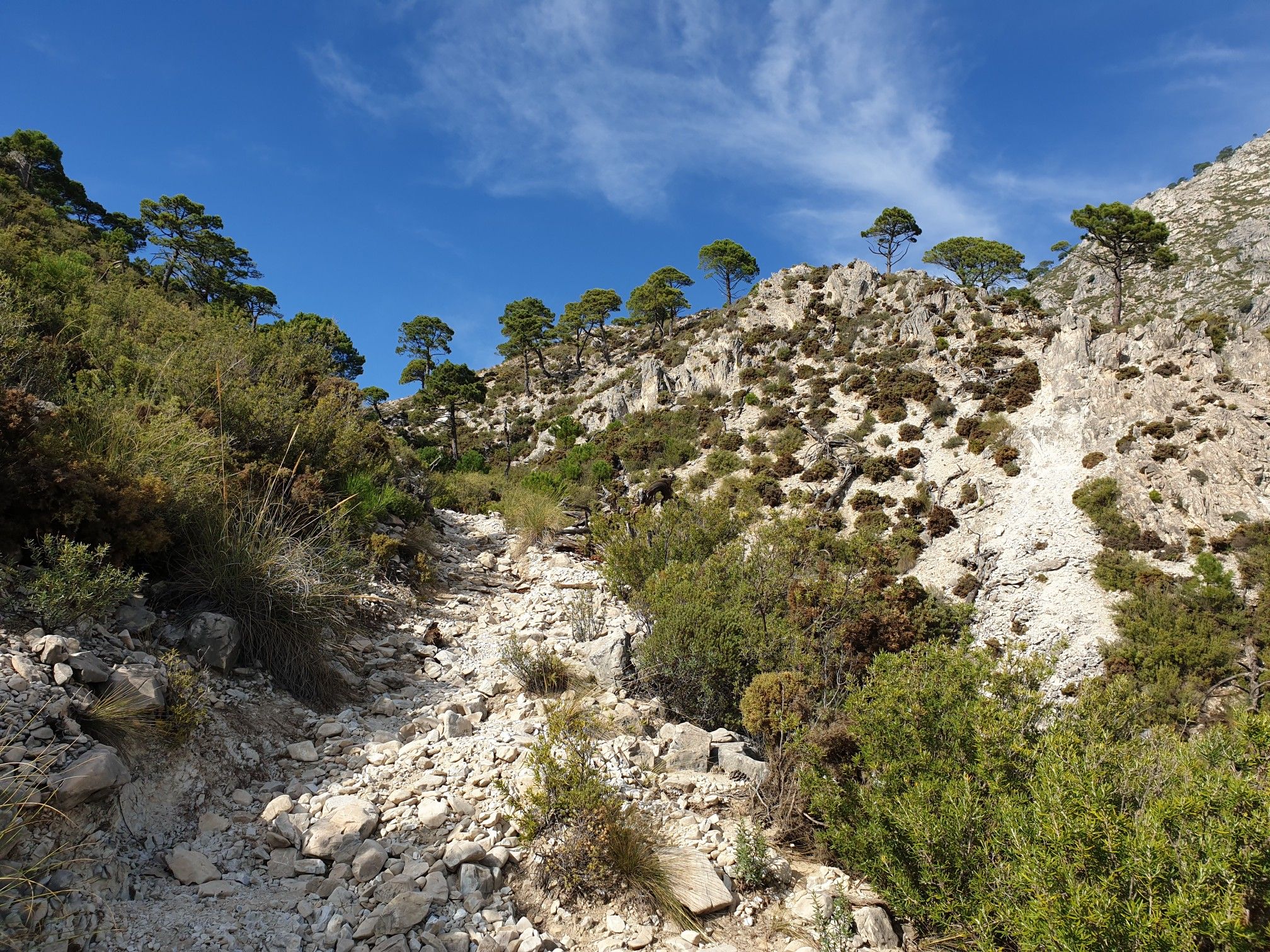
Between white villages and mountains – GR 242 Tejeda-Almijara
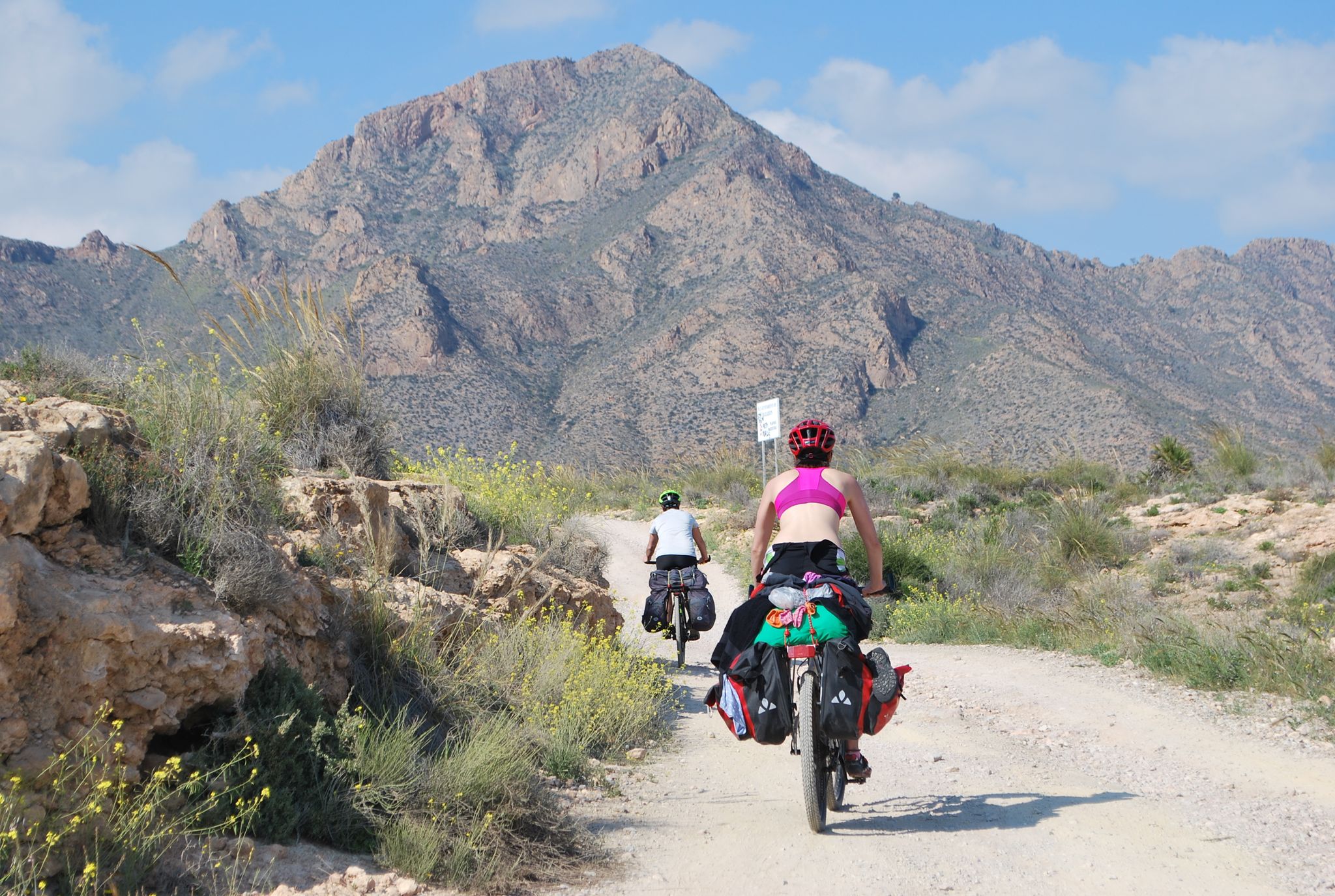
Mediterranean coastal paradise – EuroVelo 8 in Spain
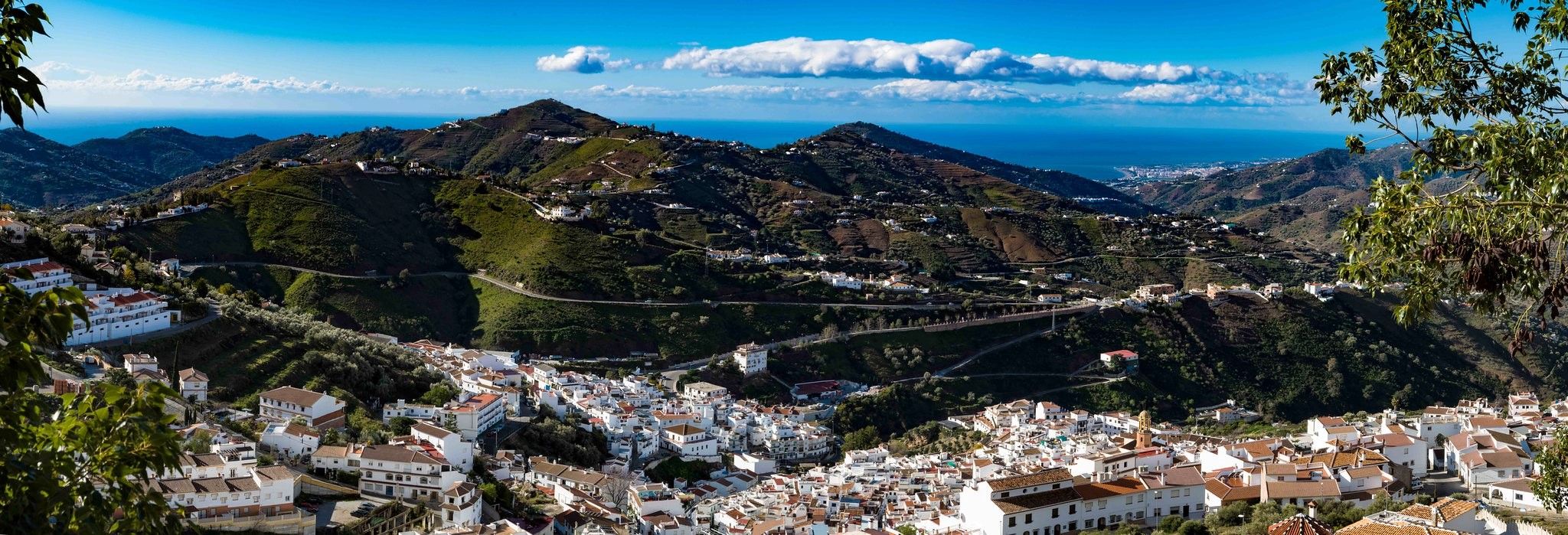
Hike between sea and mountains — Gran Senda de Málaga (GR 249)
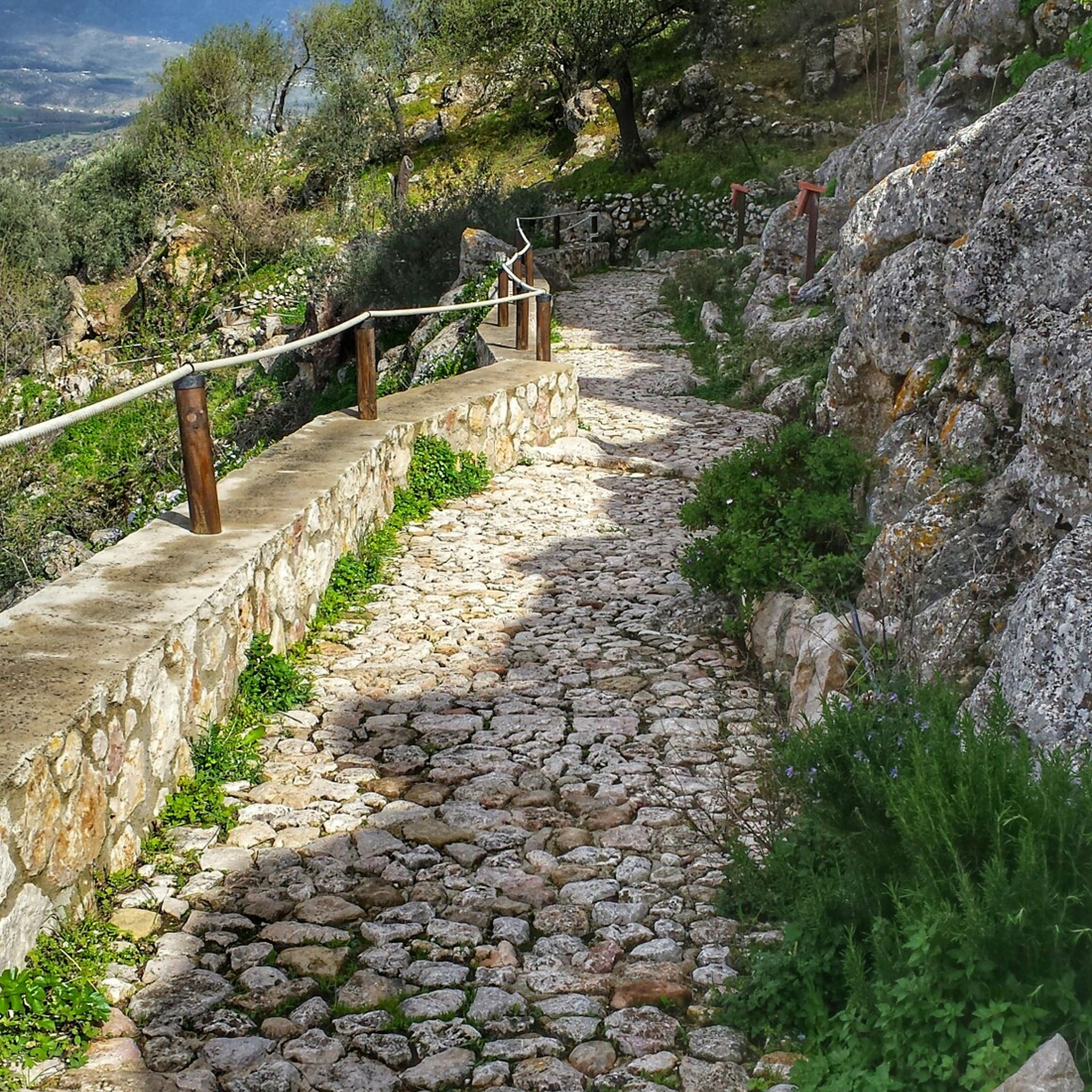
Hiking around La Axarquía
Road Cycling Routes around La Axarquía
Cycling around La Axarquía
Other adventures around La Axarquía


Tips from the Community

Very nicely laid out alleys and houses, everything wonderfully decorated with flowers and plants. The stairs are very winding and behind every house corner you discover new impressions.
1
0

Visit the beautiful old town of Frigilia. There are great places to eat and drink with fantastic views.
0
0

The Port of Málaga is an international seaport located in the city of Málaga in southern Spain, on the Costa del Sol coast of the Mediterranean. It is the oldest continuously-operated port in Spain and one of the oldest in the Mediterranean. Principal port activities include cruise shipping and the importation of containerised manufactured products, break bulk and vehicles. A small fishing fleet also operates from the port.
6
0

Frigiliana is a beautiful white village in the province of Málaga, known for its cobbled streets and whitewashed houses.
4
0

The Teatro Romano in Málaga was built under Caesar Augustus in the 1st century BC and had seating for approximately 1,400 spectators. During Roman times, the city of Málaga was called Malaca. The city of Málaga was part of the province of Hispania Ulterior and was part of the Roman Empire.
4
1

The Alcazaba of Malaga is an imposing 11th-century Moorish fortress that towers majestically over the city; with its graceful arches, opulent courtyards and winding pathways, it offers an enchanting blend of Islamic architecture and history, while its strategic position on Gibralfaro Hill not only served as a defence but now also offers breathtaking panoramic views over the glittering Mediterranean Sea and the bustling city below, making it an unmissable destination for anyone wanting to experience Malaga's rich cultural heritage.
8
0

The Alcazaba is a palatial fortress built during the Muslim Al-Andalus period. Construction of the current complex began in the 11th century and was altered or rebuilt several times until the 14th century. It is one of the best-preserved alcazabas in Spain. The Alcazaba is also connected to the higher-lying Gibralfaro Castle by a walled corridor, and next to the Alcazaba entrance are the remains of a Roman theater dating back to the 1st century AD. Opening hours: November 1 to March 31: 9:00 a.m. to 6:00 p.m. - last entry at 5:15 p.m. April 1 to October 31: 9:00 a.m. to 8:00 p.m. - last entry at 7:15 p.m. Bicycles must be parked and locked in advance; bicycles cannot be taken inside. Further information at: https://en.wikipedia.org/wiki/Alcazaba_of_Málaga https://alcazabaygibralfaro.malaga.eu/de/visitas/alcazaba/ https://en.wikipedia.org/wiki/Alcazaba_of_Málaga
12
0

The sight of cruise ship giants entering the port is particularly impressive. This sight is sure to motivate one or two of the port guests to set off on a harbor tour or to listen to one of the concerts held there. Since its foundation, the port of Málaga has been of supra-regional importance for the entire Mediterranean region. The area was founded as a trading port by the Phoenicians as early as 1,000 BC.
11
2
Frequently Asked Questions
What are the best natural attractions to visit in La Axarquía?
La Axarquía offers diverse natural beauty. You can explore the impressive Caves of Nerja, a major natural monument, or hike through the rugged landscapes of the Sierra de Tejeda, Almijara and Alhama Natural Park, home to La Maroma, the region's highest peak. Don't miss the challenging trail featuring the El Saltillo Suspension Bridge near Canillas de Aceituno, or the scenic Lake Viñuela, the largest reservoir in the province.
Which historical sites and cultural landmarks should I visit in La Axarquía?
The region is rich in history. Explore the historic center of Vélez-Málaga, including its fortress, or visit the ancient Bentomiz Castle near Arenas, which offers breathtaking views. The coastline is also dotted with ancient watchtowers. For a deeper dive into the past, the Museum of Nerja showcases local history and culture, while villages like Árchez preserve 14th-century minarets, such as the one at the Church of Nuestra Señora de la Encarnación.
Are there any family-friendly attractions in La Axarquía?
Yes, La Axarquía has options for families. The Caves of Nerja are a fascinating experience for all ages. During summer, the Aquavelis Water Park in Vélez-Málaga is a popular choice. Many of the white villages, like Frigiliana Old Town, are pleasant to explore with children, offering charming streets and viewpoints. Additionally, the Montes de Málaga Natural Park provides accessible trails suitable for family walks.
What are the most picturesque white villages to see in La Axarquía?
La Axarquía is famous for its 'Pueblos Blancos'. Frigiliana Old Town is often cited as one of the most beautiful, known for its cobbled streets, whitewashed houses, and vibrant flowers. Other notable villages include Cómpeta, known for its wine, and those along the Mudejar Route like Salares, Árchez, Canillas de Aceituno, and Sedella, which showcase strong Arab influence in their architecture.
What kind of hiking opportunities are available near La Axarquía's attractions?
La Axarquía offers extensive hiking opportunities. The Sierra de Tejeda, Almijara and Alhama Natural Park, accessible via places like Enginal Pass, provides numerous trails. A popular and challenging option is the trail featuring the El Saltillo Suspension Bridge near Canillas de Aceituno. You can find more detailed hiking routes and guides for the area on the Hiking around La Axarquía page.
Are there any cycling routes or mountain biking trails in La Axarquía?
Yes, the region is well-suited for cycling. The Montes de Málaga Natural Park offers various hiking and cycling routes. For mountain biking enthusiasts, there are challenging trails like the 'Circular de Frigiliana y Cómpeta' or the 'Axarquía Coast and Inland Loop'. More information on these and other routes can be found on the MTB Trails around La Axarquía guide.
What is the best time of year to visit La Axarquía?
La Axarquía is pleasant to visit for much of the year. Spring (April-May) and autumn (September-October) offer mild temperatures ideal for outdoor activities like hiking and exploring the white villages. Summers can be hot, especially inland, but the coastal areas provide relief and are popular for beach activities. Winters are generally mild, making it a good destination for those seeking a warmer escape.
Can I find any unique cultural routes or experiences in La Axarquía?
Absolutely. La Axarquía features several thematic routes that highlight its unique culture and heritage. The Mudejar Route showcases villages with strong Arab influence. The Sun and Wine Route, also known as the Raisin Route, focuses on the region's significant wine culture and Moscatel grape production. There's also the Oil and Mountains Route, which delves into traditional olive oil production.
What are some lesser-known or 'hidden gem' attractions in La Axarquía?
Beyond the main highlights, consider exploring the Baños de Vilo Spa, historically significant in Andalusia. The Salvador Rueda Museum in Benaque offers insight into the life of a local poet. For architectural enthusiasts, the well-preserved minarets in villages like Daimalos and Salares are fascinating. These spots offer a glimpse into the region's authentic character away from the more crowded areas.
What kind of coastal landscapes can I expect in La Axarquía?
The coastline of La Axarquía, part of the Costa del Sol Oriental, is diverse. It features dramatic cliffs, secluded coves, and sandy beaches. The iconic Balcón de Europa in Nerja provides stunning panoramic views of the Mediterranean Sea and is a great starting point to appreciate the coastal beauty.
Are there any attractions in La Axarquía that are wheelchair accessible?
While many of the historic white villages with their cobbled streets can be challenging, some areas offer better accessibility. The Palmeral de las Sorpresas at the Port of Málaga, though technically just outside the immediate Axarquía region, is a modern, accessible promenade. Within La Axarquía, some natural parks may have accessible paths, but it's advisable to check specific trail conditions beforehand.
What local gastronomy can I enjoy in La Axarquía?
La Axarquía is known for its rich cuisine, utilizing local products from both land and sea. Expect dishes featuring high-quality olive oil, avocados, and mangoes, which are cultivated in the region. Traditional recipes often include fresh seafood, goat, and local wines, especially those made from the Moscatel grape. Don't miss trying the local cane honey, particularly if visiting Frigiliana.
Most popular routes around La Axarquía
Most popular attractions around La Axarquía

Get inspired with the komoot mobile app


Didn’t find what you were looking for?
Are you keen on exploring more awesome places nearby? Browse our guides:
Explore more
Still not found the Highlight you’re looking for? See guides of the top attractions in other regions:
