Attractions and Places To See around Condado Campiña - Top 20
Attractions and places to see around Condado Campiña encompass a region in Huelva, Spain, known for its rich history, cultural heritage, and diverse natural landscapes. This area features significant historical sites, including ancient castles and churches, alongside extensive natural parks and river systems. The region is characterized by agricultural plains, vineyards, and coastal areas, offering a variety of outdoor experiences. It provides a blend of historical exploration and natural beauty for visitors.
Best attractions and places to see around Condado…
Last updated: August 16, 2026
Plaza de España - La Palma del Condado
Highlight • Settlement
Translated by Google •
Tip by

Niebla Castle
Highlight • Castle
Tip by

Sign up now to discover places like this
Get recommendations on the best single tracks, peaks, & plenty of other exciting outdoor places.
Sign up for free
Alcázar or Castle of the Guzmáns
Highlight • Castle
Translated by Google •
Tip by

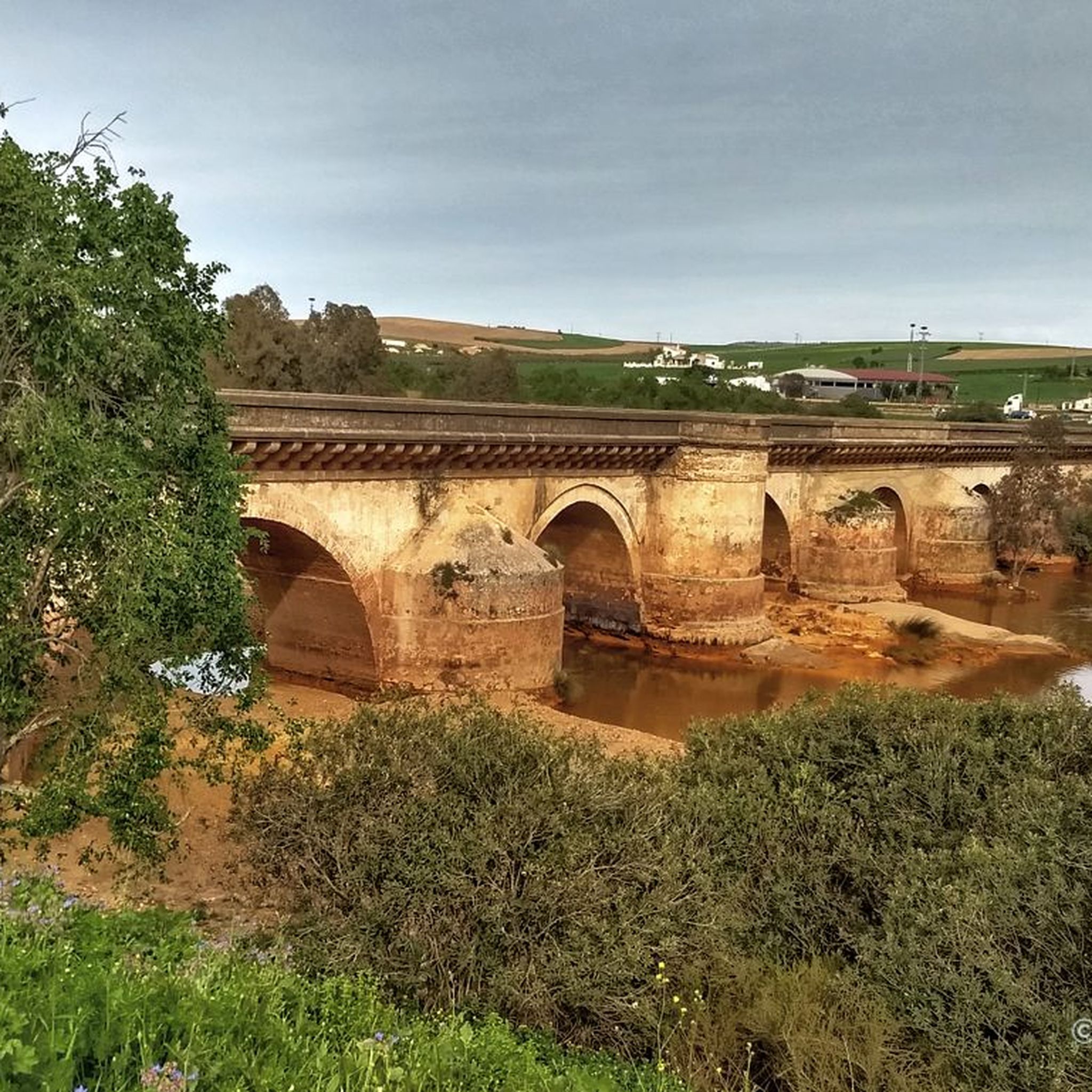
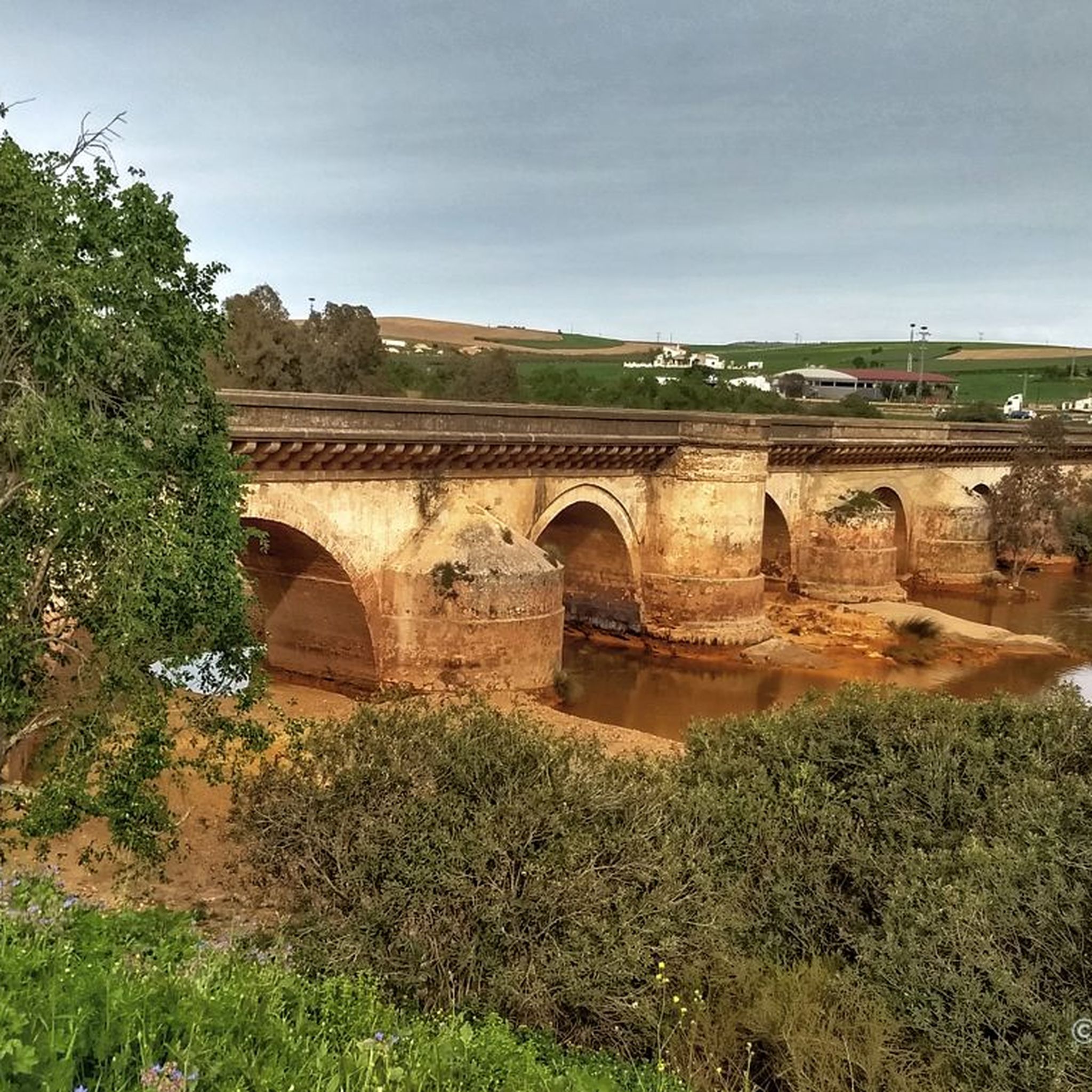
Roman Bridge 🌉 Niebla
Highlight • Bridge
Translated by Google •
Tip by
Vía Verde Molino de Acha
Highlight • Trail
Translated by Google •
Tip by

Santa María de la Granada Church
Highlight • Religious Site
Translated by Google •
Tip by
Roman Walls – North Gate, Niebla
Highlight • Historical Site
Translated by Google •
Tip by
Puerta del Buey
Highlight • Historical Site
Tip by
Pilar de la Media Legua
Highlight • Monument
Translated by Google •
Tip by
Hay Bales Near Trigueros
Highlight • Structure
Translated by Google •
Tip by

Sign up for free to discover even more attractions around Condado Campiña.
Sign up for free
Already have an account?
Start today with a free account
Your next adventure awaits.
Login or Signup
Tips from the Community

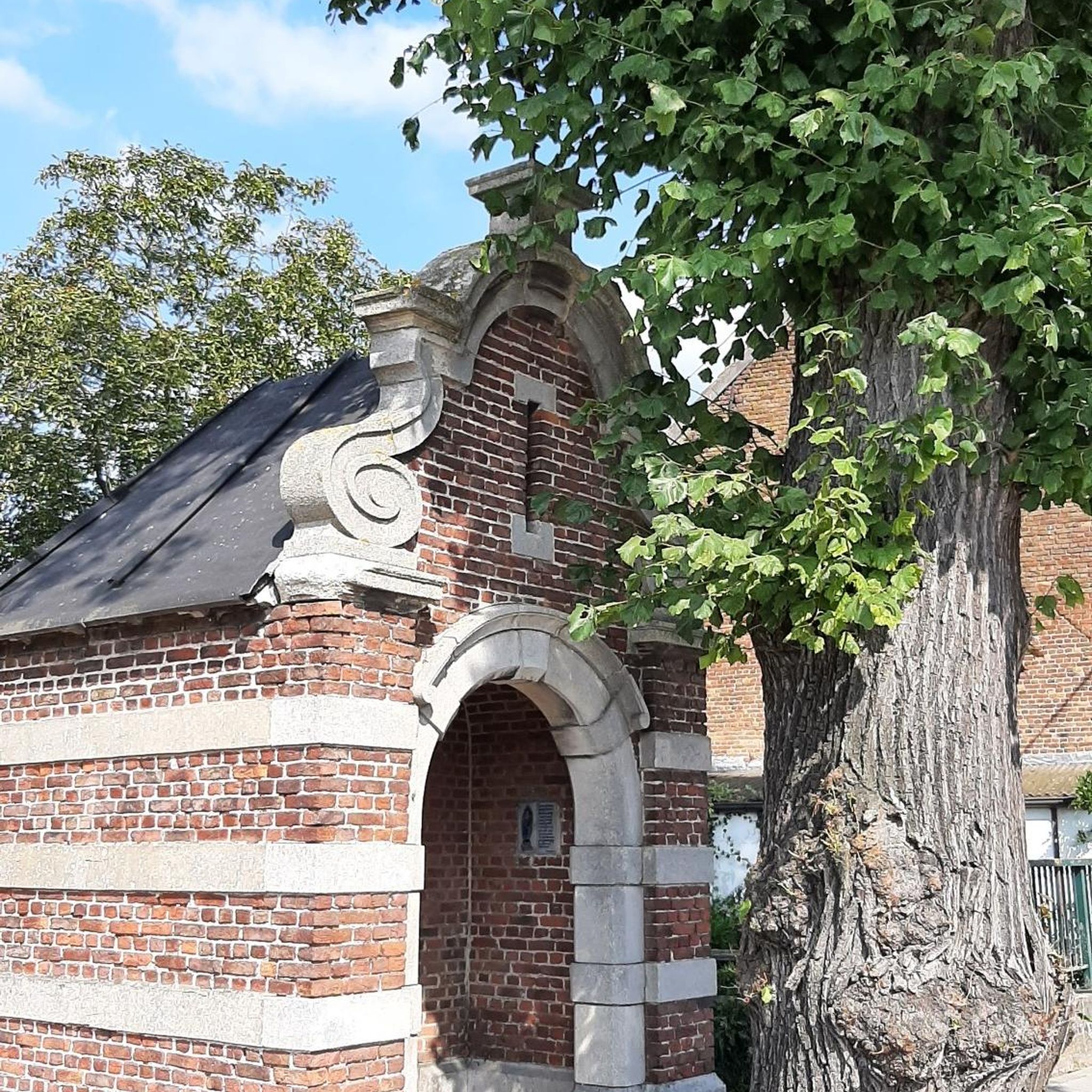
Origin: Built during the Almohad period (12th-13th centuries), as part of Niebla's defensive system. Legend of the name: During the siege by Alfonso X the Wise (1262), the last Muslim king of Niebla, Aben-Mafot, sent a fattened ox out through this gate to create the illusion of abundant provisions and discourage the Christian troops. The stratagem failed, and the city was conquered.
1
0
The Puerta del Buey (Ox Gate) is one of the most emblematic entrances to the walled town of Niebla (Huelva), with great historical and architectural value. It is located on Avenida Puerta del Buey, next to the Tinto River, and forms part of the Almohad wall that surrounds the town.
1
0
The church was built on the site of Niebla's main mosque (11th century), which itself stood on the site of an ancient Roman temple. After the Reconquista (13th century), it was transformed into a Christian church in the Gothic-Mudéjar style. It preserves Roman, Visigothic, Islamic, and Christian elements, such as: A Muslim mihrab and minaret tower. An ornamental panel and Visigothic episcopal chair. Roman columns. A Mudéjar apse and a Gothic presbytery with star vaults.
2
0
The Plaza de Santa María de la Granada in Niebla (Huelva) is home to the Church of Santa María de la Granada, one of the town's most emblematic monuments. The church was built on the site of Niebla's main mosque (11th century), which itself stood on the site of an ancient Roman temple. After the Reconquista (13th century), it was transformed into a Christian church in the Gothic-Mudéjar style.
1
0

Place from which to start many gravel and mountain biking routes
0
0
The Plaza de España in La Palma del Condado is an emblematic and central place in this charming town in the province of Huelva. Surrounded by historic buildings and with a vibrant atmosphere, it is a popular meeting point for both locals and visitors. In this square, you can find the Parish Church of San Juan Bautista, one of the most representative churches of the 18th century Sevillian Baroque style. In addition, the square is close to other points of interest such as the Convent of Our Lady of Carmen and the Old Town Hall.
3
0

Top here is an old Roman bridge
1
0

The route is nice but it is better to start in Trigueros if you are going with a hybrid or gravel bike, up to there the terrain is very bad and there is nothing remarkable from San Juan del Puerto.
0
0
Frequently Asked Questions
What historical sites can I explore in Condado Campiña?
Condado Campiña is rich in history. You can visit the ancient town of Niebla, which features the impressive Niebla Castle, a fortified complex with Roman, Visigothic, and Arab influences. Also in Niebla, don't miss the Roman Bridge 🌉 Niebla, which has been in use for over 2000 years, and the Santa María de la Granada Church, built on the site of an 11th-century mosque. La Palma del Condado also offers historical charm, centered around its Plaza de España, surrounded by historic buildings like the Parish Church of San Juan Bautista.
Are there any significant natural parks or features in the region?
Yes, a major natural highlight is the Doñana National Park, a UNESCO World Heritage site that covers 30% of the Condado's surface. It's a vital wetland area known for diverse wildlife, including wild horses and pink flamingos. The region is also characterized by unique river landscapes, such as the Tinto River, famous for its reddish color, and the Corumbel River. You can experience some of these natural settings along trails like the Vía Verde Molino de Acha, which passes through pine forests and cork oak meadows.
What kind of outdoor activities, like cycling or hiking, are available?
The area offers various outdoor activities. For cycling, you can explore numerous routes, including those found in the Road Cycling Routes around Condado Campiña guide, the Gravel biking around Condado Campiña guide, and the MTB Trails around Condado Campiña guide. A popular option is the Vía Verde Molino de Acha, a 33.2 km trail suitable for both cycling and walking, following the banks of the Tinto River. Other routes like 'Pinares y Campiña' and 'Sendero Beas – Ruta de los Molinos' also offer great opportunities for hiking and exploring the countryside.
Are there family-friendly attractions in Condado Campiña?
Many attractions in Condado Campiña are suitable for families. The Plaza de España - La Palma del Condado is a vibrant social hub where families can enjoy the atmosphere. The Roman Bridge 🌉 Niebla is an impressive historical site that can be enjoyed by all ages. Additionally, the Vía Verde Molino de Acha is categorized as family-friendly, offering an accessible path through diverse landscapes.
What is there to see in La Palma del Condado?
La Palma del Condado is known for its charming old town, declared a Site of Cultural Interest. The heart of the town is the Plaza de España, considered one of the most beautiful in Huelva province. It's surrounded by historic buildings like the 16th-century Casa de los Arcos, the Town Hall, and the Parish Church of San Juan Bautista, an excellent example of 18th-century Sevillian Baroque style. The town is also a great place to experience the region's strong viticultural tradition, with renowned wines and vinegars.
What are the main historical attractions in Niebla?
Niebla is a town steeped in history, with influences from Roman, Visigothic, Islamic, and Christian eras. Key attractions include the Niebla Castle (also known as Alcázar or Castle of the Guzmáns), a 15th-century fortress with Roman and Muslim origins, considered one of Andalusia's best-preserved. You can also visit the Santa María de la Granada Church, which incorporates elements from an 11th-century mosque and an ancient Roman temple. The Roman Bridge 🌉 Niebla and the ancient Roman Walls – North Gate, Niebla are also significant historical landmarks.
What is the best time of year to visit Condado Campiña for outdoor activities?
The Condado Campiña region, located in Huelva, Spain, generally experiences mild winters and hot summers. For outdoor activities like hiking and cycling, spring (March to May) and autumn (September to November) are ideal. During these seasons, the weather is pleasant, with comfortable temperatures for exploring the natural landscapes and historical sites without the intense heat of summer.
What do visitors particularly enjoy about the attractions in Condado Campiña?
Visitors appreciate the rich blend of history and natural beauty. The ancient structures, like the Niebla Castle and the Roman Bridge 🌉 Niebla, are often highlighted for their excellent preservation and historical significance. The scenic trails, such as the Vía Verde Molino de Acha, are enjoyed for their diverse landscapes, passing through countryside, pine forests, and cork oak meadows. The vibrant atmosphere of places like Plaza de España - La Palma del Condado is also a favorite among those looking to experience local culture.
Where can I experience the region's wine tradition?
The Condado de Huelva has a strong viticultural tradition. The region is known for its renowned wines and vinegars, which hold their own Denominación de Origen (Designation of Origin) since 1978. Towns like La Palma del Condado are excellent places to explore this heritage, with opportunities to learn about and taste local wines and vinegars.
Are there any unique river landscapes to explore?
Yes, the region is characterized by several rivers, most notably the Tinto River, famous for its striking reddish color due to its high mineral content. The Corumbel River also flows through diverse landscapes. You can explore these unique river environments along various trails, including sections of the Vía Verde Molino de Acha, which follows the banks of the Tinto River.
Are there any ancient Roman structures still visible in Condado Campiña?
Absolutely. The most prominent Roman structure is the Roman Bridge 🌉 Niebla, which has stood for over two millennia and continues to serve its original function across the Tinto River. The Niebla Castle also contains remnants of Roman construction within its ancient walls. Additionally, the Santa María de la Granada Church in Niebla was built on the site of an ancient Roman temple, with some Roman columns still visible.
Can I find coastal areas near Condado Campiña?
Yes, the Condado de Huelva region does feature significant coastal areas. Popular spots include Matalascañas and the Mazagón Marina. These areas offer beaches and opportunities for relaxation and water sports, providing a different natural experience compared to the inland historical and agricultural landscapes.
Most popular routes around Condado Campiña

Get inspired with the komoot mobile app


Didn’t find what you were looking for?
Are you keen on exploring more awesome places nearby? Browse our guides:
Explore more
Still not found the Highlight you’re looking for? See guides of the top attractions in other regions:
