Top 6 Castles around Riberas Del Jucar
Castles around Riberas Del Jucar offer a glimpse into Spain's rich past, with historic fortresses carved by the meandering Júcar River. This region is characterized by dramatic rocky promontories and strategic hilltops, providing natural defensive positions. The castles showcase unique architectural features and reflect centuries of diverse cultural influences. Exploring these sites reveals the historical significance and natural beauty of the area.
Best castles around Riberas Del Jucar
- The most popular castles is Castell de Xàtiva, a castle strategically…
Last updated: August 4, 2026
Castell de Xàtiva
Highlight • Castle
Translated by Google •
Tip by

Castillo de Corbera
Highlight • Castle
Translated by Google •
Tip by

Sign up now to discover places like this
Get recommendations on the best single tracks, peaks, & plenty of other exciting outdoor places.
Sign up for free
Sun Tower of Xàtiva
Highlight • Castle
Translated by Google •
Tip by

Ascent to Cullera Castle
Highlight (Segment) • Castle
Translated by Google •
Tip by
La Solana del Castell
Highlight • Historical Site
Translated by Google •
Tip by
View of Castell de Xàtiva
Highlight • Viewpoint
Translated by Google •
Tip by

Start today with a free account
Your next adventure awaits.
Login or Signup
Popular around Riberas Del Jucar
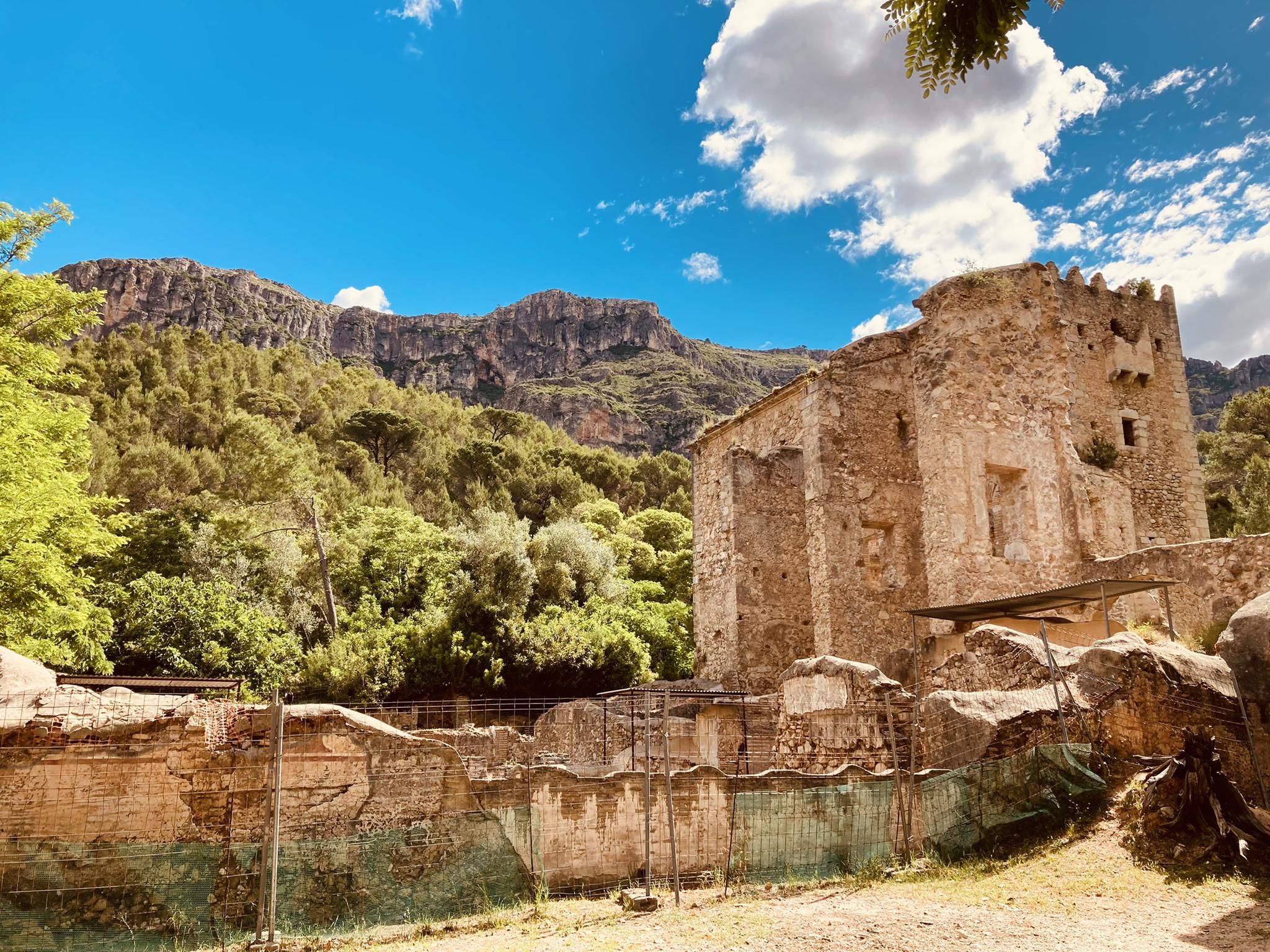
A spiritual walk - Monasteries of Valencia Route (GR 236)
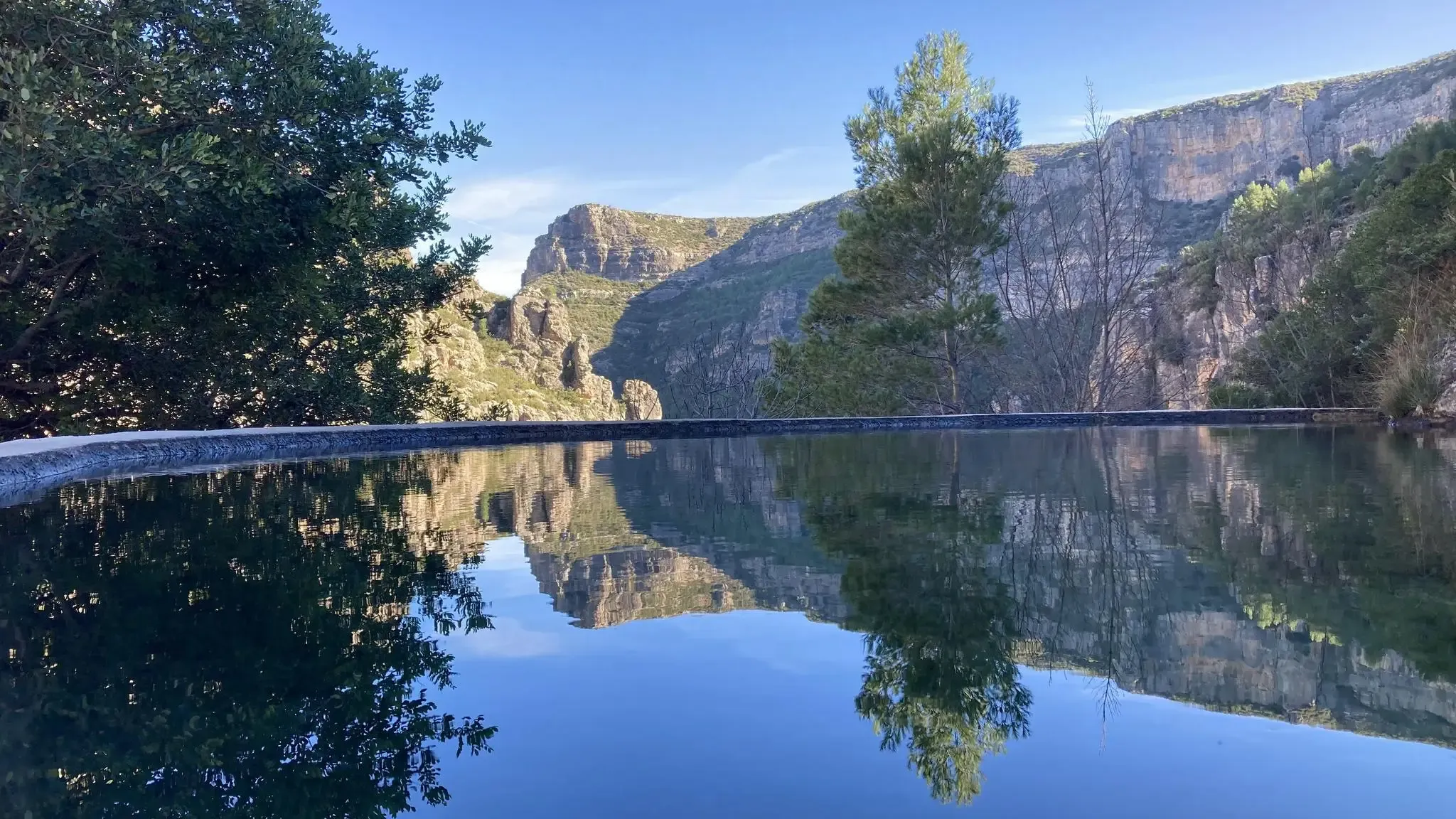
The hidden gem of Valencia – Caroig Massif (GR 237)
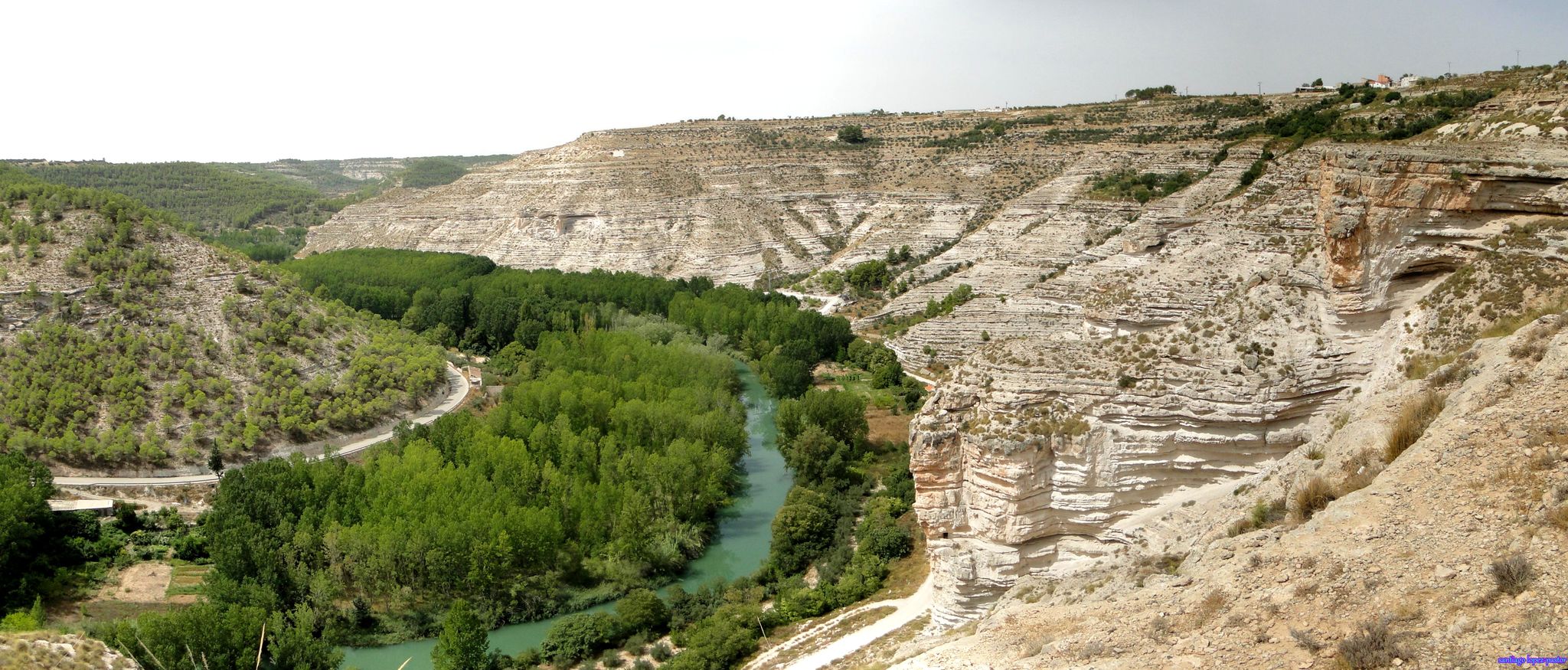
Explore Spain’s Júcar River by bike
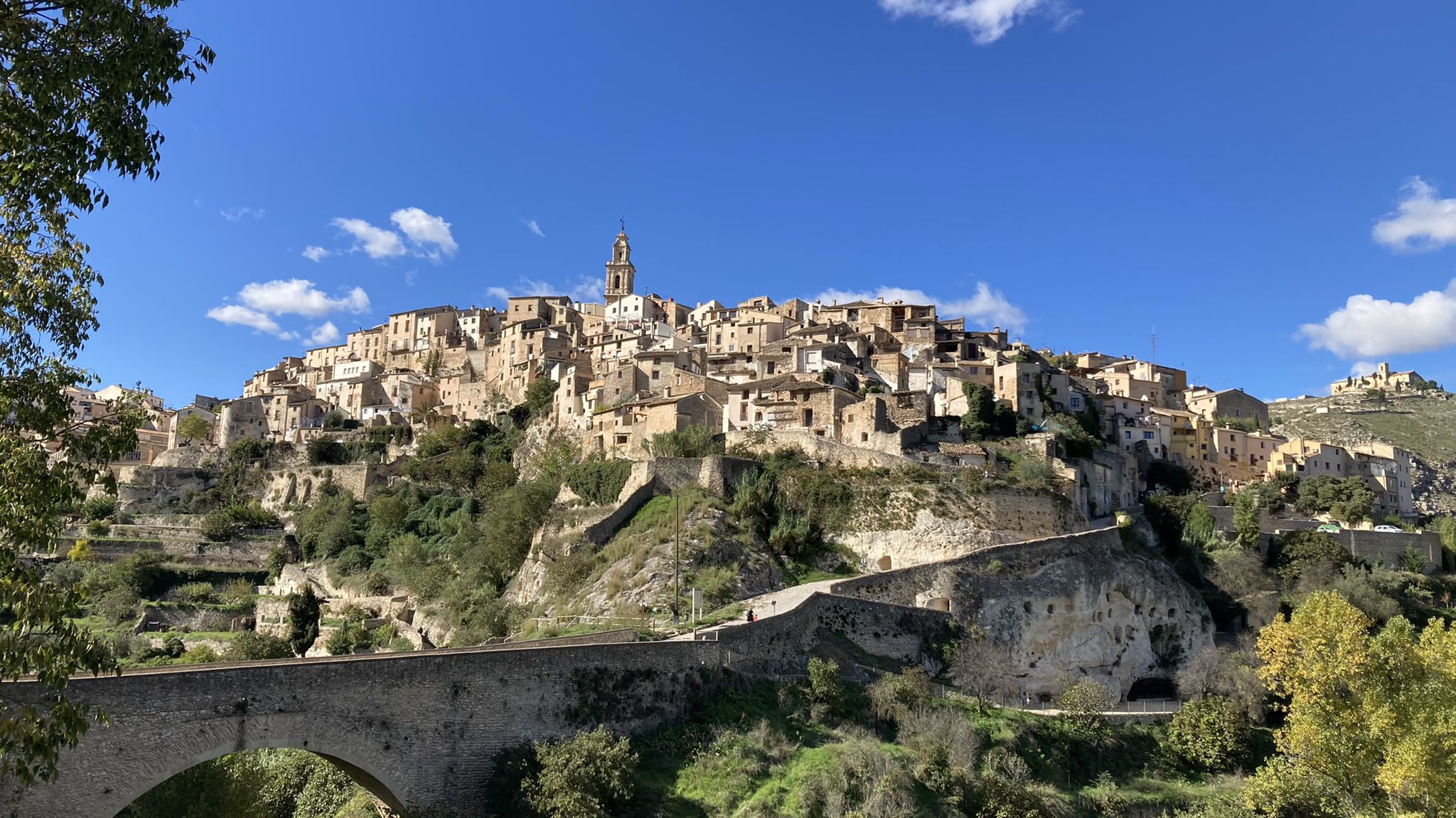
El Camino del Cid – defence of the south by gravel bike
A journey to the interior of the Iberian Peninsula – Levante Way (GR 239)
El Camino del Cid – defence of the south on MTB
The unknown face of Valencia – Caroig Massif
The Way of El Cid by bicycle – La Defensa del Sur (The Defence of the South)
Mediterranean coastal paradise – EuroVelo 8 in Spain
Hiking around Riberas Del Jucar
Other adventures around Riberas Del Jucar


Tips from the Community

Impressive facility and fantastic views
1
0

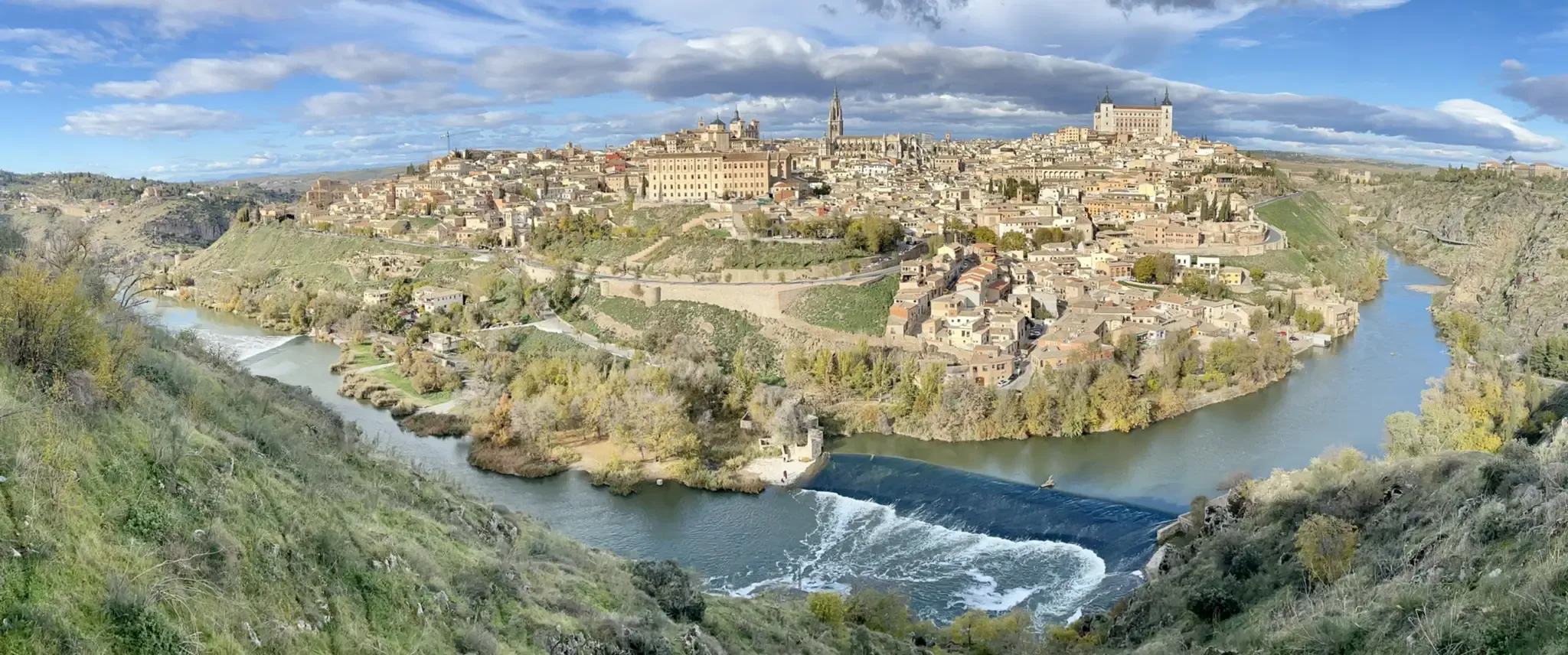
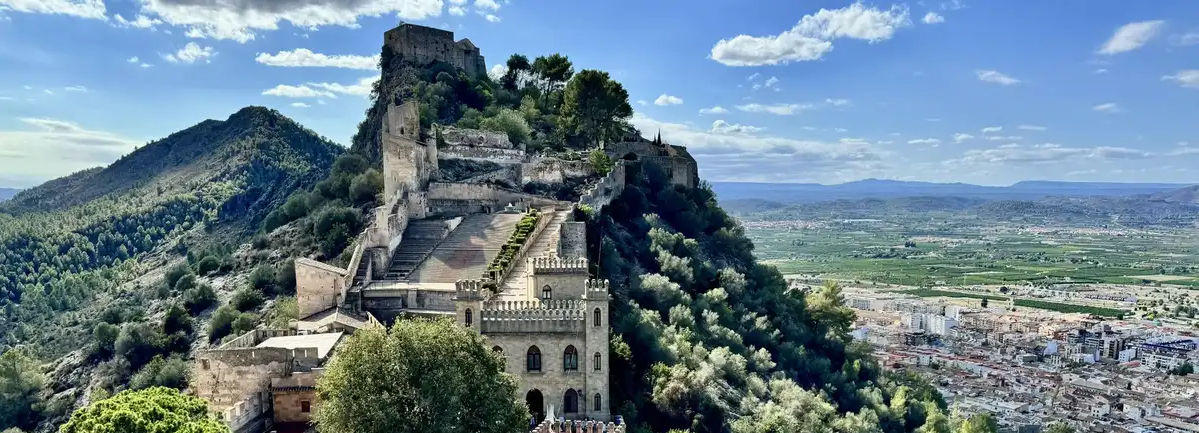
The Castell de Xàtiva towers over the city. The double fortress in the Castell mountains has been the scene and witness of numerous conflicts due to the strategic location of the city. The fortress was on the ancient Via Augusta road that led from Rome across the Pyrenees and down the Mediterranean coast to Cartagena and Cádiz.
2
0

Wonderful place worth visiting and exploring. The Castell has a unique value for the entire Valencian Community since it was once one of the strongest and strategic points of the ancient Kingdom of Valencia. Today it offers amazing views of the entire La Costera valley and you cannot miss visiting it from the inside. To get there you will travel part of the Via Augusta, an ancient and well-known route that linked Rome with Cartagena and Cádiz, running along the Mediterranean coast and crossing the Pyrenees.
2
0

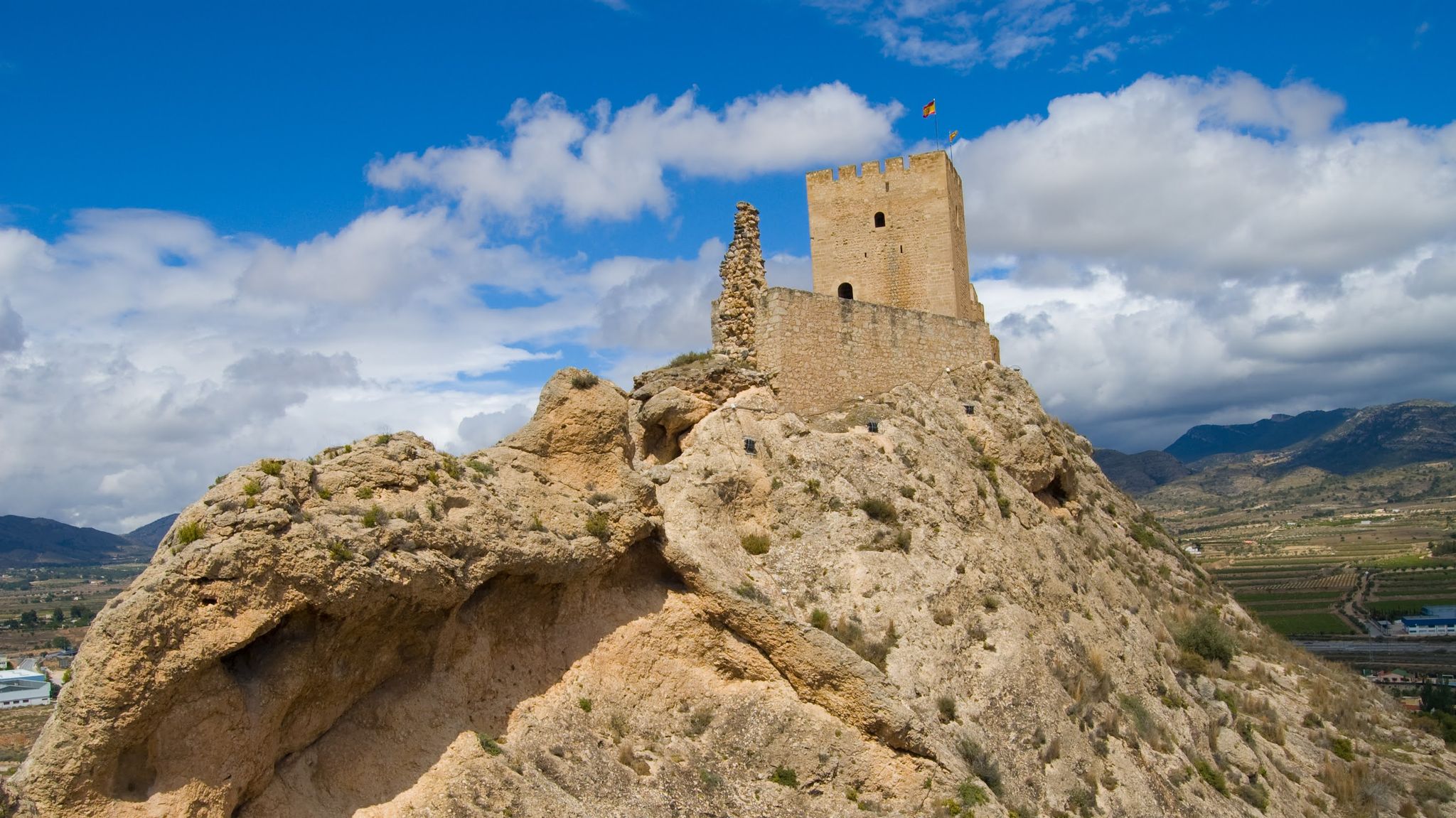
It is, without a doubt, the most important monument in the town, which is located on a hill. At its feet lies the town of Corbera. Its origin must be sought in the Roman era. Nevertheless, the fortress, probably built on previous foundations, is a clear example of Islamic fortification, although reformed in the Christian era. The Castle played an important role during the War of the Germanies, where in June 1521 a battle took place that completely destroyed it. More information on the Corbera Town Council website: https://www.corbera.es/ca/pagina/castell-0
1
0
A very cool and entertaining path along the sunny side with very nice views of the castle and its fortress. It is a very pleasant route with a surface in very good condition.
3
0
It is an Almohad tower from the 13th century that was part of the defense wall of the castle of Xàtiva. Its name is due to its orientation since it is given the first rays of the sun of the day. It consists of a rectangular floor plan with its peculiar semicircular side. It has two floors and an attached cistern.
4
0
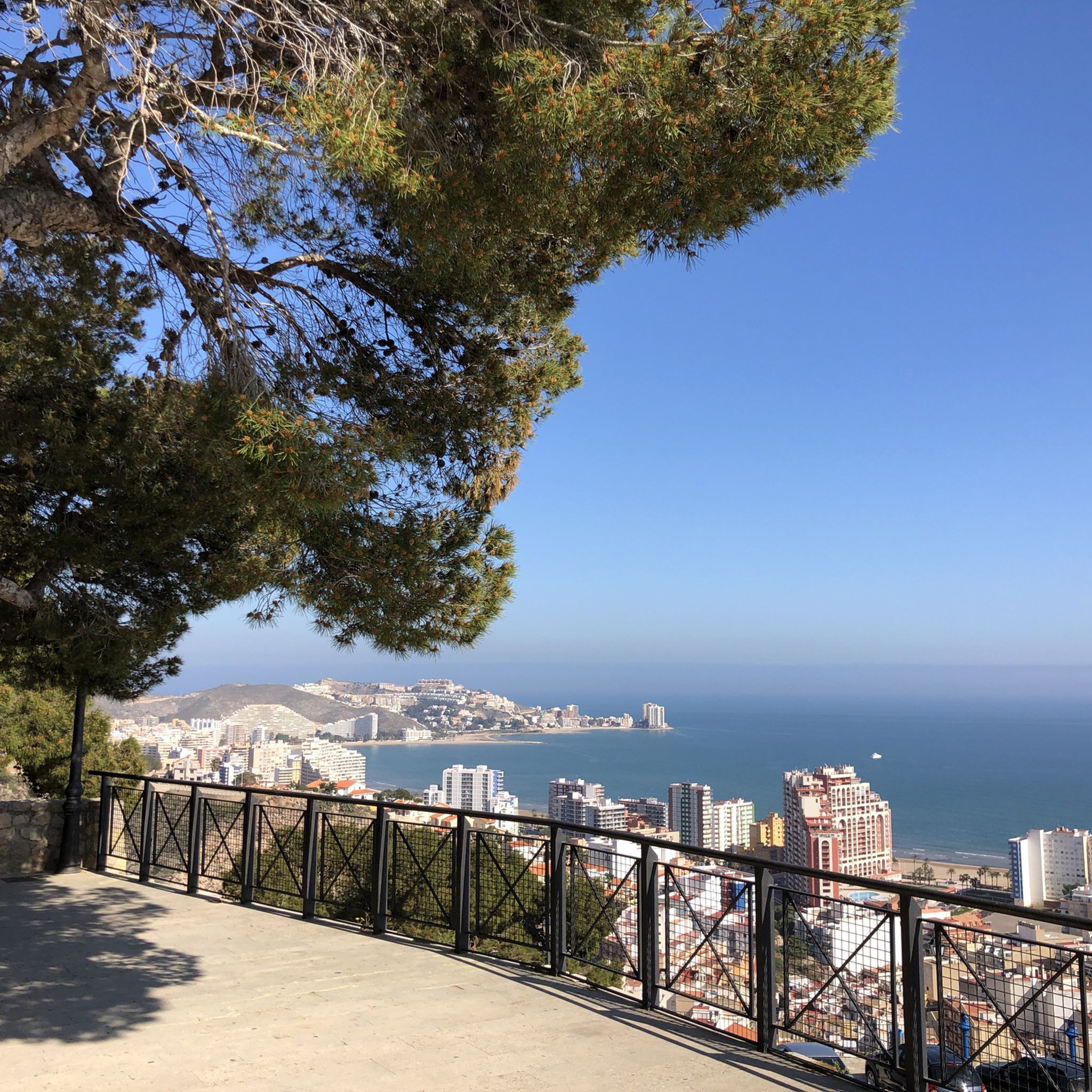
On the way up we can differentiate between two different sections: a rather hard initial one during the exit from the town center until the bifurcation with the road that goes to the weather radar and another lighter one until you reach the lower viewpoint of the castle. From there you can enjoy beautiful views of Cullera and its coast.
3
0

Double fortress located in the Sierra del Castell, above Xàtiva, due to the strategic location of the city it has been the scene and witness of numerous conflicts. Divided into the Castell Menor and the Castell Major, the former sits on Iberian and Roman remains. The successive cultures that have populated these lands have been expanding and fortifying it. It already had a leading role during Hannibal's campaigns, and in the Al-Andalus period. It was later important, in the times of the Kingdom of Valencia, in the wars against Castile, in those of Germanías and in the Succession, as well as a prison for illustrious convicts.
12
0
Frequently Asked Questions
What historical significance do the castles in Riberas del Júcar hold?
The castles in Riberas del Júcar are deeply rooted in Spain's past, showcasing centuries of diverse cultural influences. Many, like the Castell de Xàtiva, have Iberian, Roman, Islamic, and medieval Christian origins, playing crucial roles in conflicts and controlling strategic territories. They offer a glimpse into the region's rich history and architectural evolution.
Which castles offer the best panoramic views of the region?
Several castles provide breathtaking panoramic views. Alcalá del Júcar Castle, perched dramatically on a rocky promontory, offers stunning 360-degree vistas of the Júcar river gorge and the village. The Castell de Xàtiva provides magnificent views over the city of Xàtiva and the surrounding Costera region. Additionally, View of Cullera from the Castle offers spectacular sights of Cullera, the coastline, and the Júcar River delta.
Are there any unique architectural features to look out for in these castles?
Yes, the castles boast unique architectural elements. Alcalá del Júcar Castle features an Islamic style with a distinctive pentagonal fortified tower and two circular turrets. Castell de Xàtiva is a formidable twin fortress with sections built upon Iberian, Roman, Islamic, and Gothic remains. Castillo de Corbera is notable for its Albarrana tower, considered one of the best-preserved in Europe.
What are some lesser-known castles worth visiting in the Riberas del Júcar area?
Beyond the more prominent sites, Castillo de Corbera, with its impressive Muslim foundations and well-preserved Albarrana tower, offers a profound sense of history. Chirel Castle, a purely Muslim-built fortress, is highly recommended for its incredible vistas of the Júcar River winding through canyons, providing a unique natural experience.
Are there hiking opportunities near the castles in Riberas del Júcar?
Absolutely. The region offers numerous hiking opportunities. For example, near Xàtiva, you can explore the Landscapes of Xàtiva Trail. The area around Cullera Castle also provides great walks with magnificent views. You can find more detailed hiking routes and their difficulties in the Hiking around Riberas Del Jucar guide.
Can I find cycling routes close to the castles?
Yes, the Riberas del Júcar region is also suitable for cycling. Routes like 'La Ribera del Xúquer — Circular Tour from Sueca to Cullera' offer scenic rides that can include views or proximity to castles like Cullera. Discover more options in the Cycling around Riberas Del Jucar guide.
Are there family-friendly activities or trails around the castles?
Many castles, including Castell de Xàtiva, are marked as family-friendly, offering engaging historical exploration for all ages. The walks around these historical sites often provide accessible paths, and the stunning views are enjoyable for families. Always check specific castle information for facilities like restrooms or picnic areas.
What kind of terrain can I expect when visiting castles in the Riberas del Júcar region?
The terrain around the castles in Riberas del Júcar is often dramatic and varied. Many castles are perched on rocky promontories or hills, such as Alcalá del Júcar Castle and Castell de Xàtiva, meaning ascents are common. Paths can be rocky and sometimes slippery, especially on trails leading to viewpoints like View of Cullera Castle and Miranda Tower. Good trekking footwear is recommended.
When is the best time of year to visit the castles in Riberas del Júcar?
The best time to visit the castles in Riberas del Júcar for outdoor activities and comfortable exploration is generally during the spring (April-May) and autumn (September-October) months. During these periods, the weather is typically mild and pleasant, avoiding the intense heat of summer and the cooler, potentially wetter days of winter. This allows for more enjoyable walks and sightseeing.
Are there facilities like cafes or accommodation near the castles?
Yes, larger towns associated with the castles, such as Alcalá del Júcar, Xàtiva, and Cullera, offer a range of cafes, restaurants, and accommodation options. While some castles might have small kiosks or facilities on-site, it's advisable to check the specific location for amenities, especially in more remote areas like Chirel Castle.
Is parking available at the castles?
Parking availability varies by castle. For popular sites like Castell de Xàtiva and Cullera Castle, there are often designated parking areas, sometimes requiring a short walk to the entrance. For viewpoints like View of Cullera Castle and Miranda Tower, large free parking lots can be found. It's recommended to research specific parking options for each castle you plan to visit.
What do komoot users particularly enjoy about the castles in Riberas del Júcar?
Komoot users highly appreciate the strategic locations and the magnificent panoramic views offered by these castles. The historical significance and the opportunity to explore ancient fortresses are also frequently mentioned. Highlights like Castell de Xàtiva are praised for being grandiose and imposing, while the View of Cullera from the Castle is noted for its breathtaking coastal vistas.
Most popular routes around Riberas Del Jucar
Most popular attractions around Riberas Del Jucar

Get inspired with the komoot mobile app


Didn’t find what you were looking for?
Explore Riberas Del Jucar’s best castles region by region:
Explore more
Looking for the best castles somewhere else? Discover other guides around Riberas Del Jucar:
