Attractions and Places To See around Llanos Centrales - Top 20
Best attractions and places to see around Llanos Centrales encompass a region characterized by its expansive savannas, flat plains, and distinctive geological formations. This area is known for its diverse wildlife and rich llanero culture, offering a blend of natural beauty and traditional experiences. The landscape features numerous rivers and unique "galeras" or small mountains, providing varied terrain for exploration. It serves as a habitat for a wide array of species, making it suitable for wildlife observation.
Best attractions and…
Last updated: October 10, 2026
Hermitage of San Miguel on Pico Bartolo
Highlight • Religious Site
Showing Translation
Tip by

Bartolo Summit
Highlight • Summit
Translated by Google •
Tip by

Sign up now to discover places like this
Get recommendations on the best single tracks, peaks, & plenty of other exciting outdoor places.
Arch of Cabanes
Highlight • Historical Site
Translated by Google •
Tip by

Bandereta Pass
Highlight • Mountain Pass
Showing Translation
Tip by

Puerto de la Serratella
Highlight (Segment) • Mountain Pass
Showing Translation
Tip by
Hermitage of Saint Joseph of Quartico
Highlight • Religious Site
Translated by Google •
Tip by

Green Chair of Benlloc (Via 7 Cadires)
Highlight • Monument
Translated by Google •
Tip by

Vilafamés
Highlight • Settlement
Vilafamés stands out for its old quarter. Strolling through its streets calmly, transports …
Translated by Google •
Tip by
Giant blue chair
Highlight • Structure
Translated by Google •
Tip by
Ermita de l'Adjutori
Highlight • Religious Site
It has a grove and a picnic area.
The …
Translated by Google •
Tip by
Sign up for free to discover even more attractions around Llanos Centrales.
Already have an account?
Start today with a free account
Your next adventure awaits.
Popular around Llanos Centrales
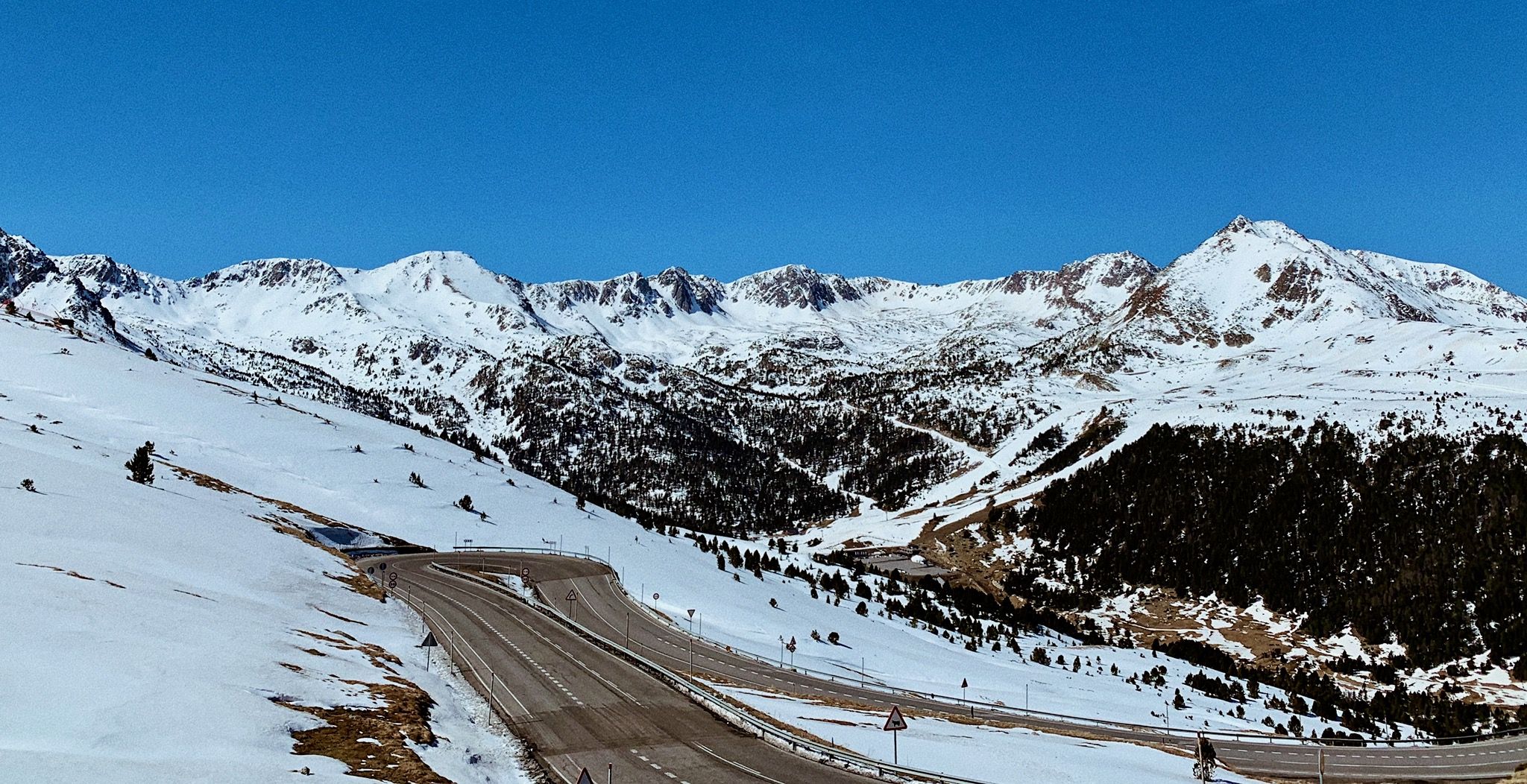
Valencia to Toulouse — Riding over the Pyrenees
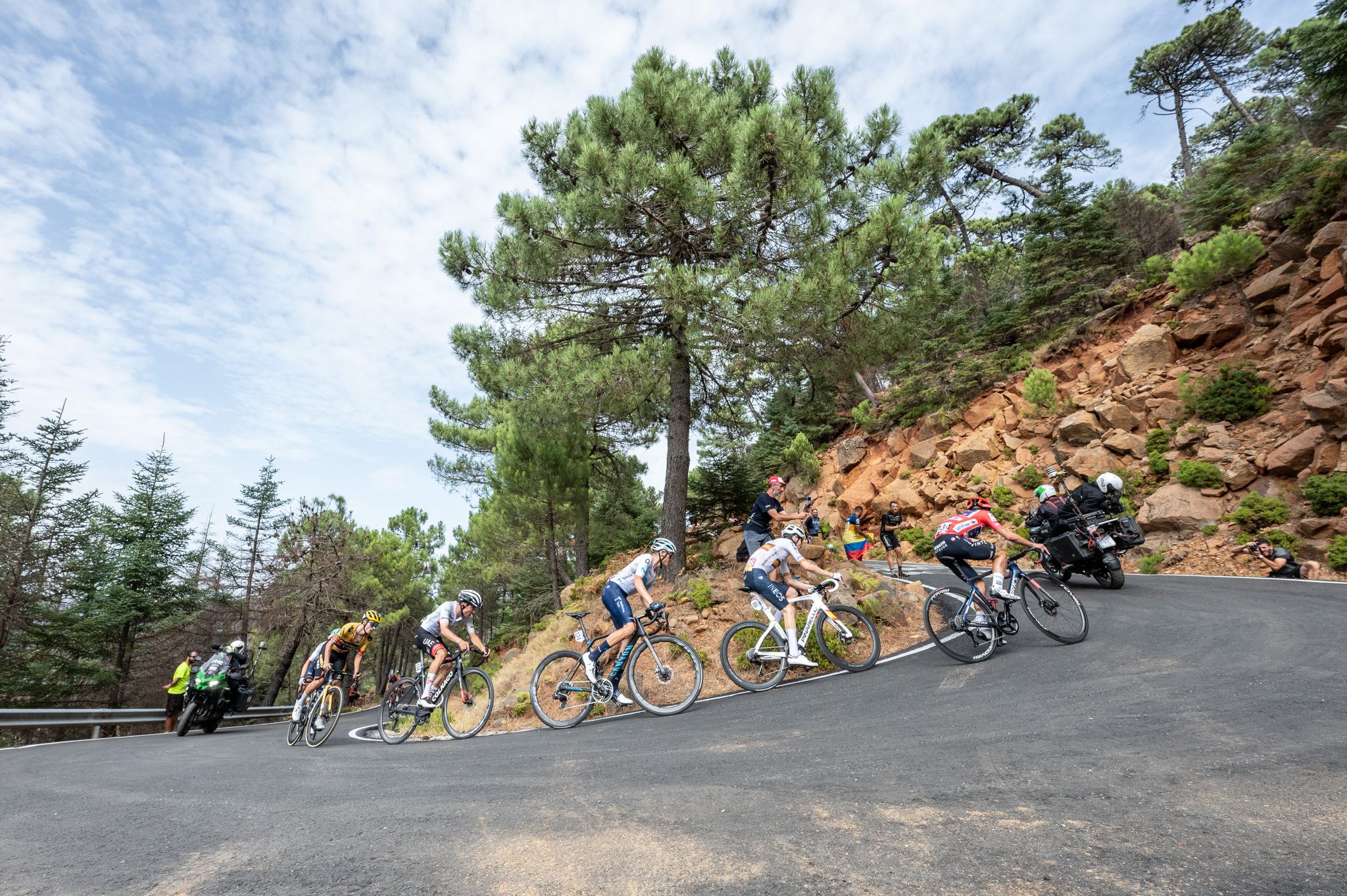
La Vuelta 26 — All Official Stages
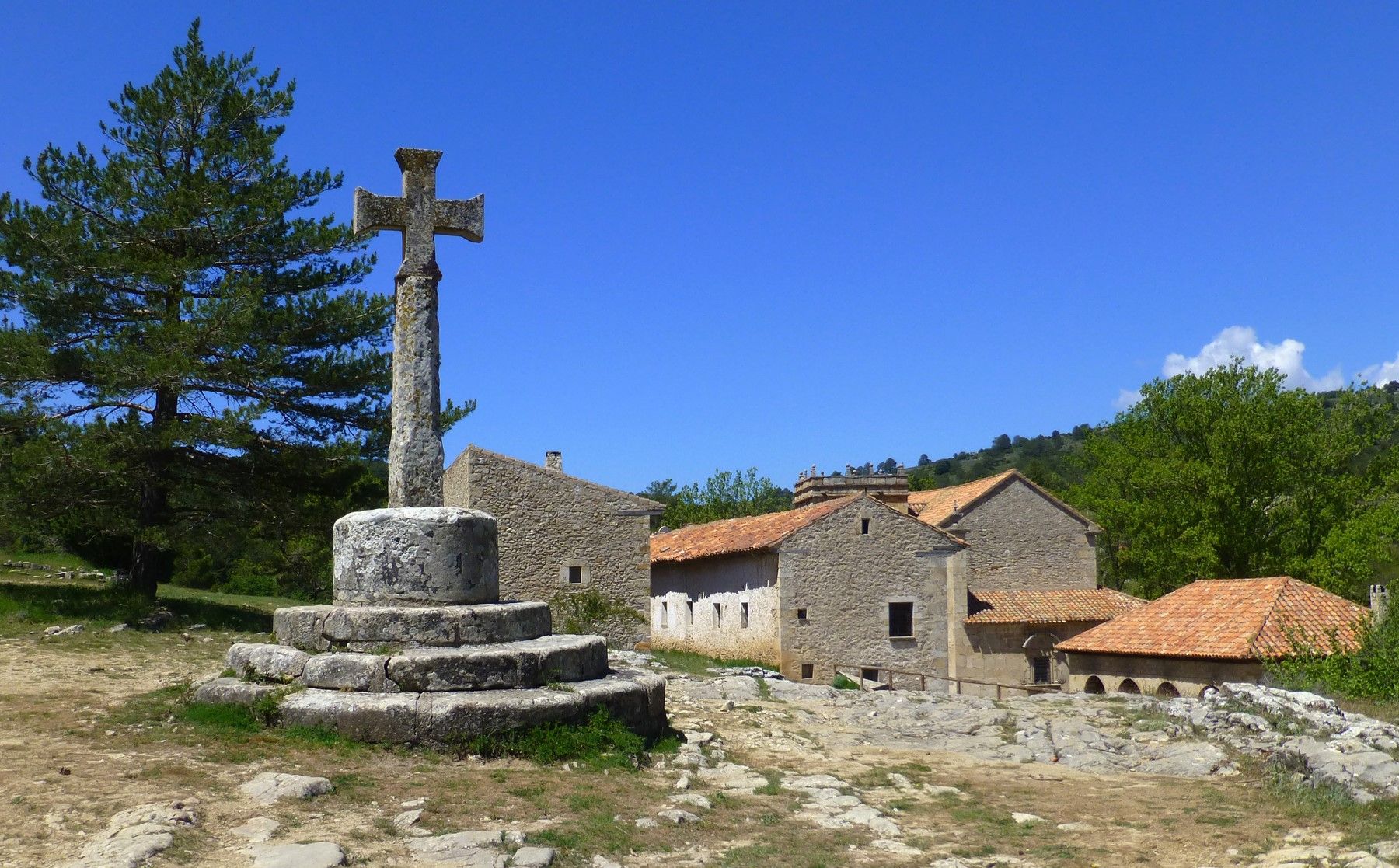
Between spiritual and earthly – Full Moon Trail (GR 33) in Spain
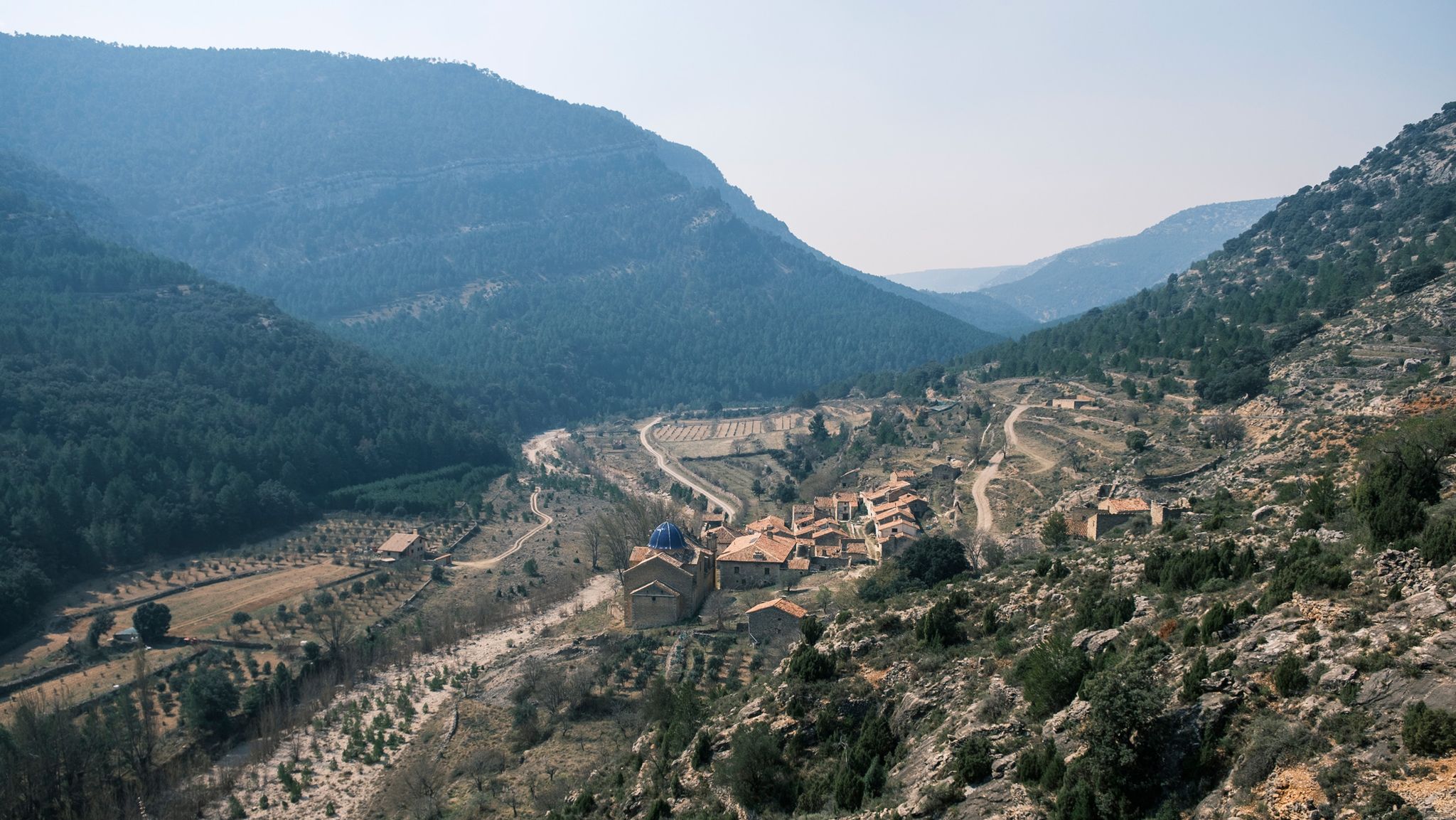
Four Mediterranean nature parks – Gran Vertical 2023
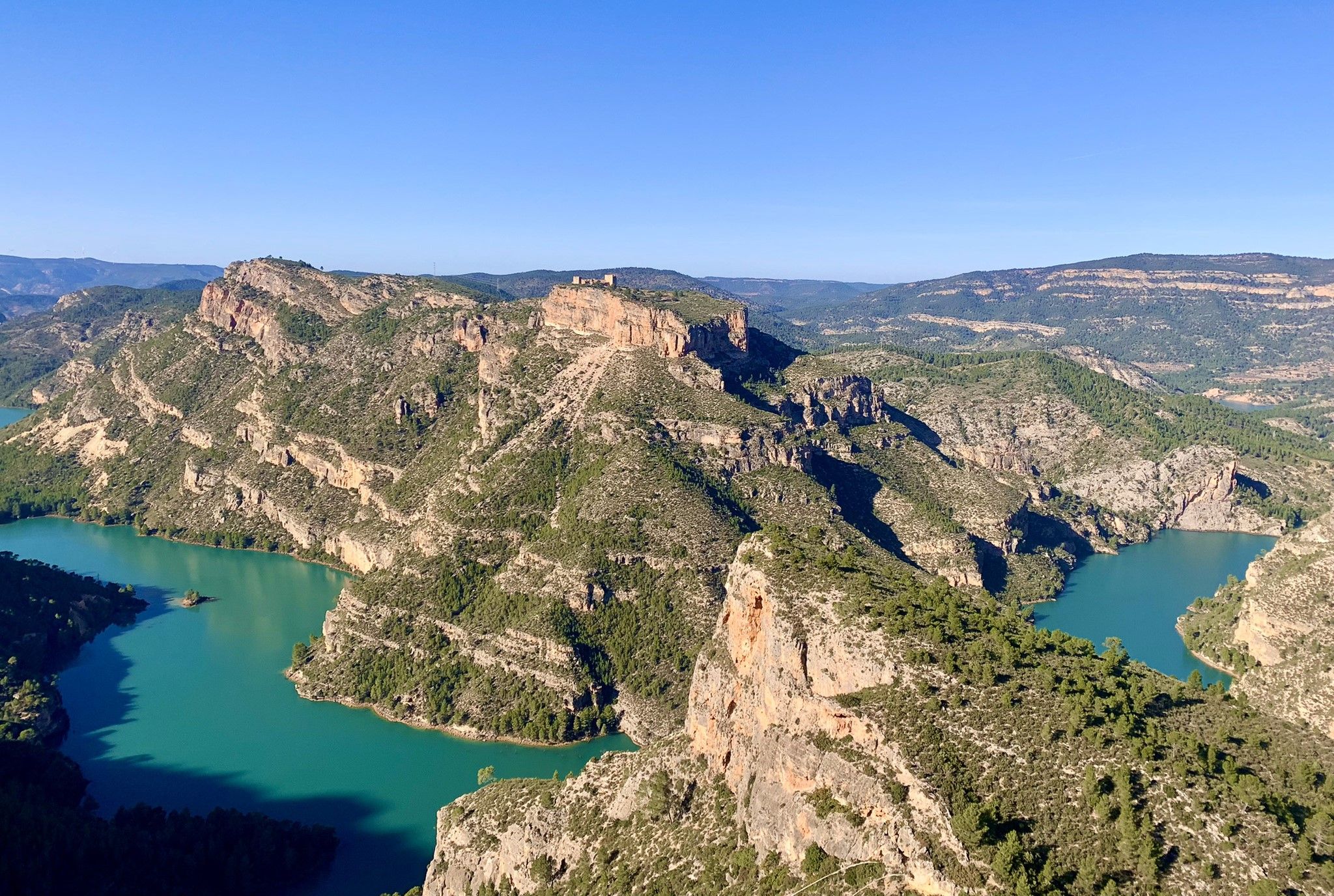
A journey full of discoveries – the Valencia region on foot (GR7)
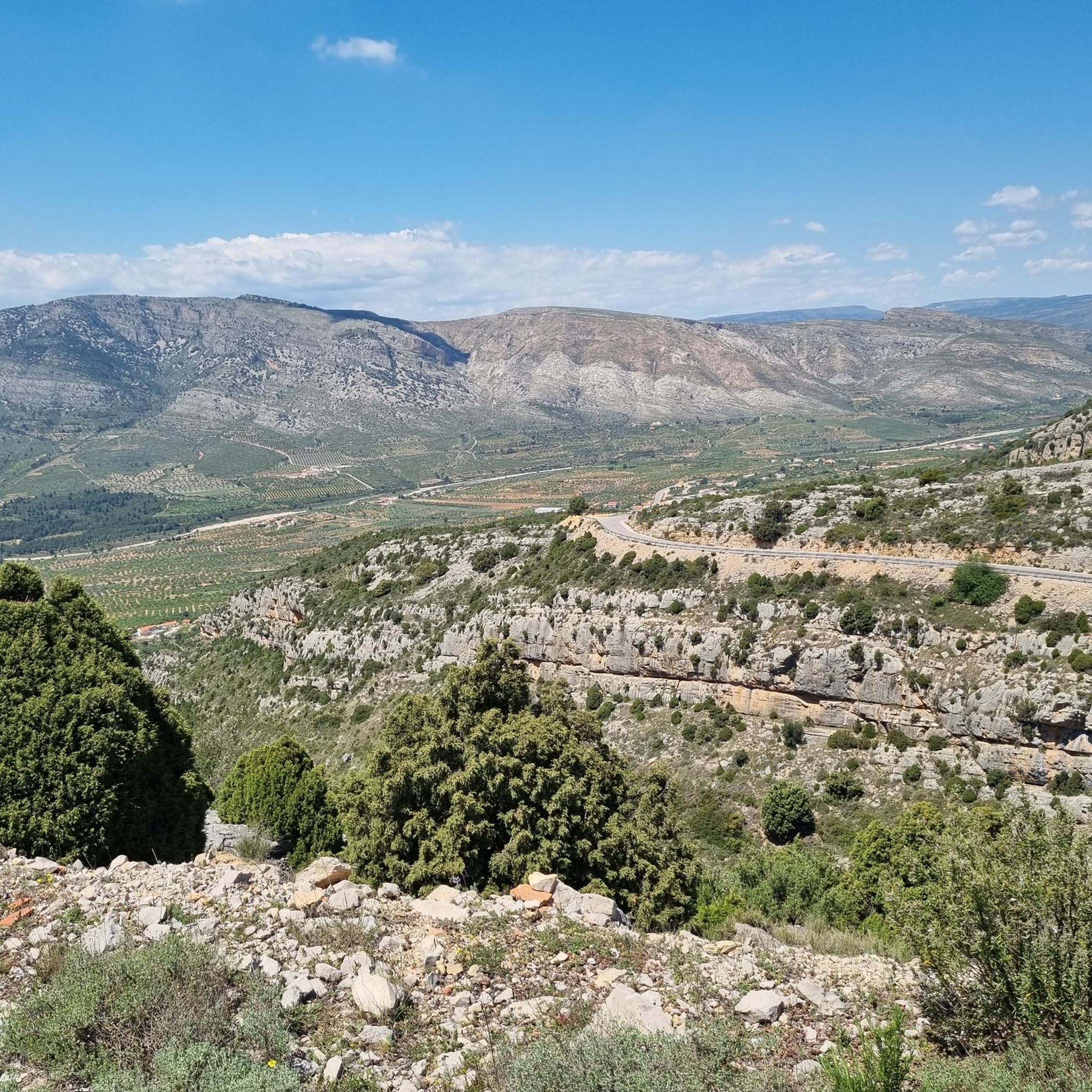
Road Cycling Routes around Llanos Centrales
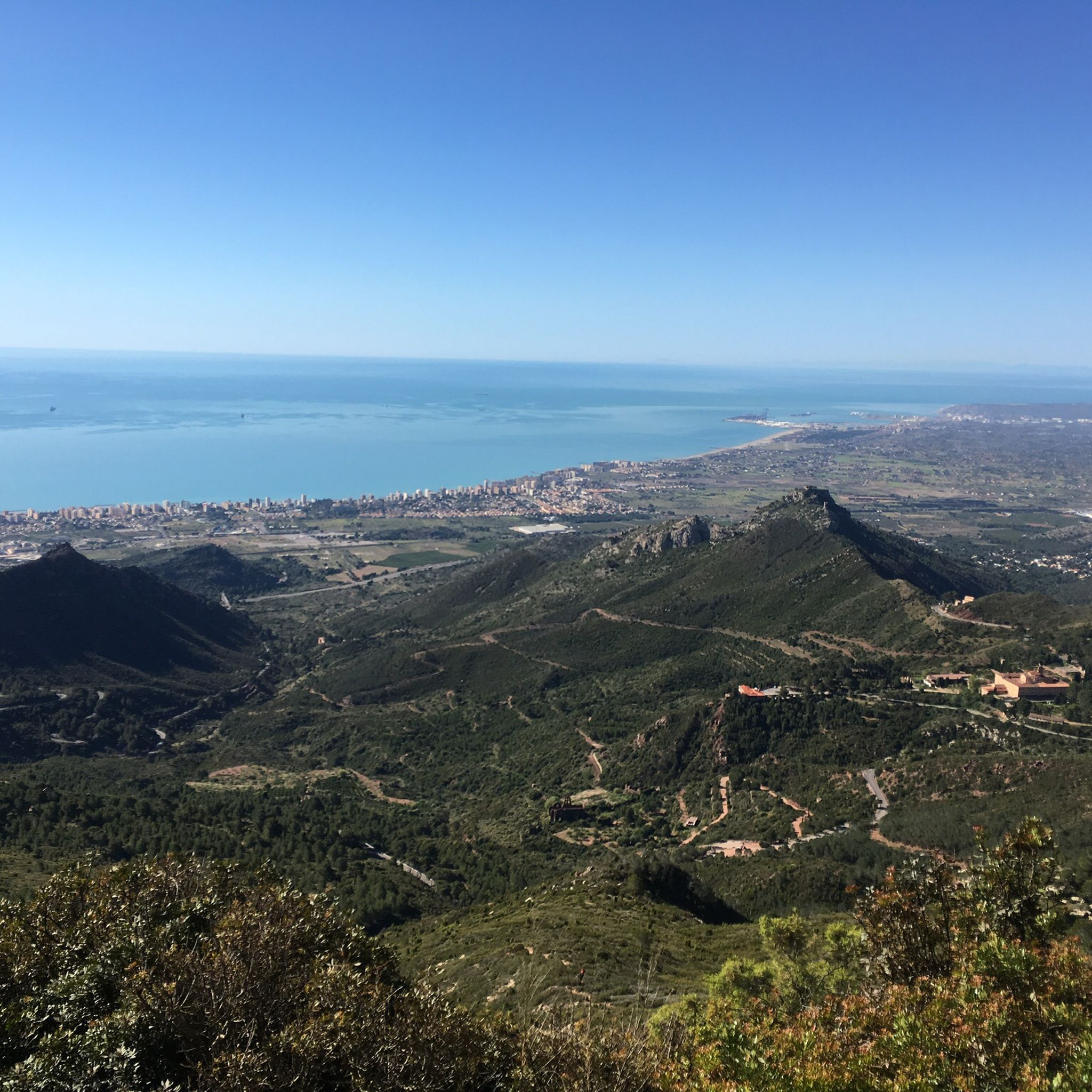
MTB Trails around Llanos Centrales
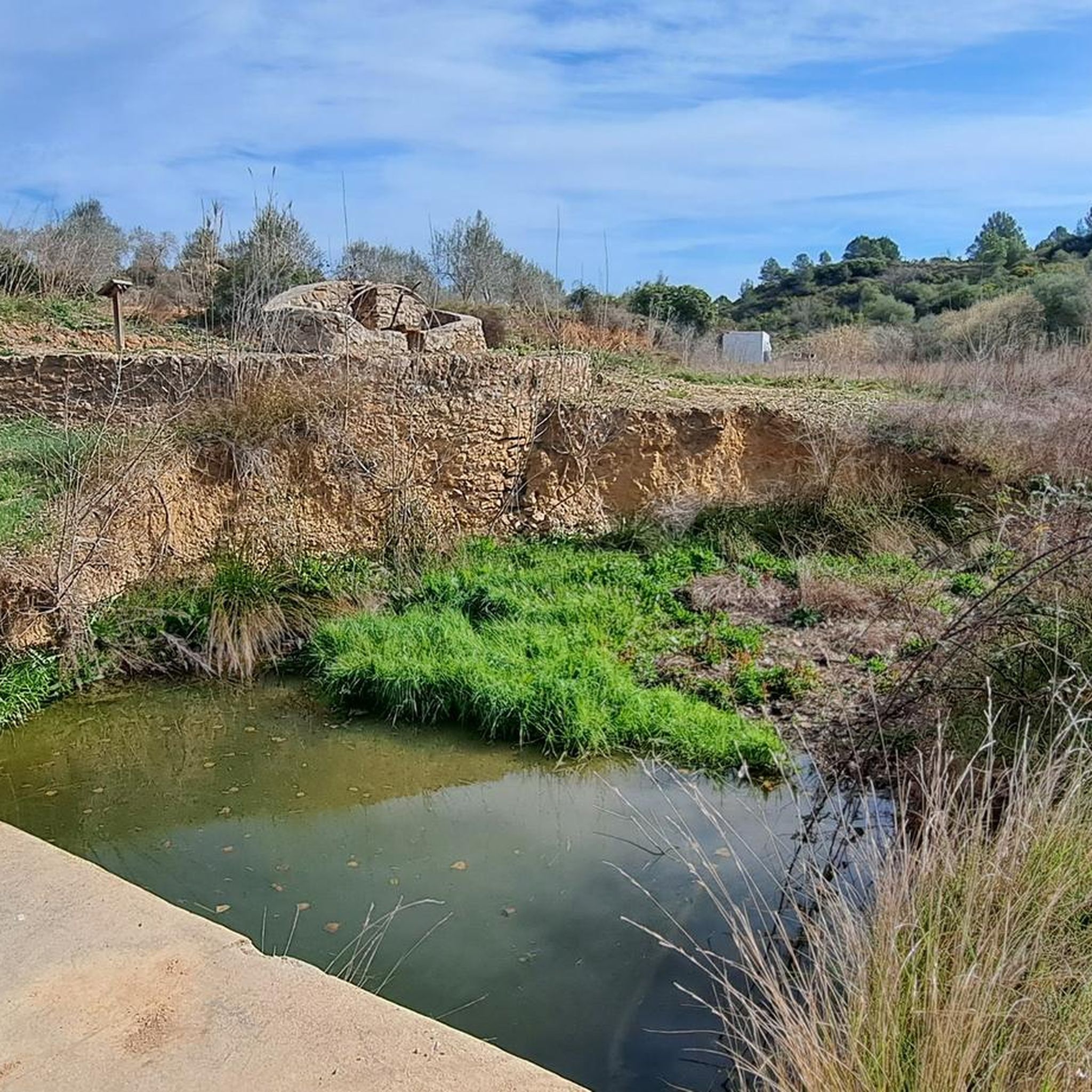
Running Trails around Llanos Centrales
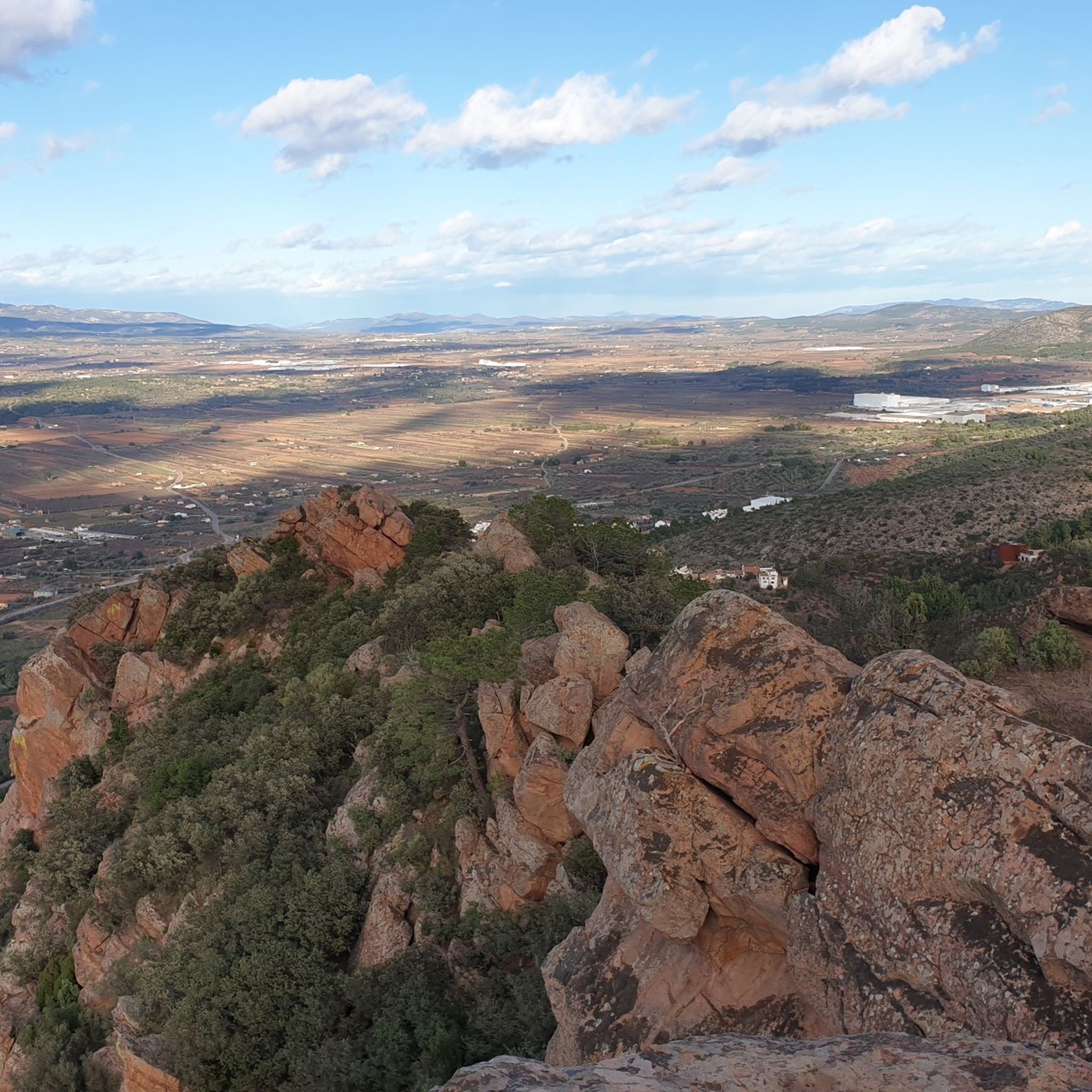
Hiking around Llanos Centrales
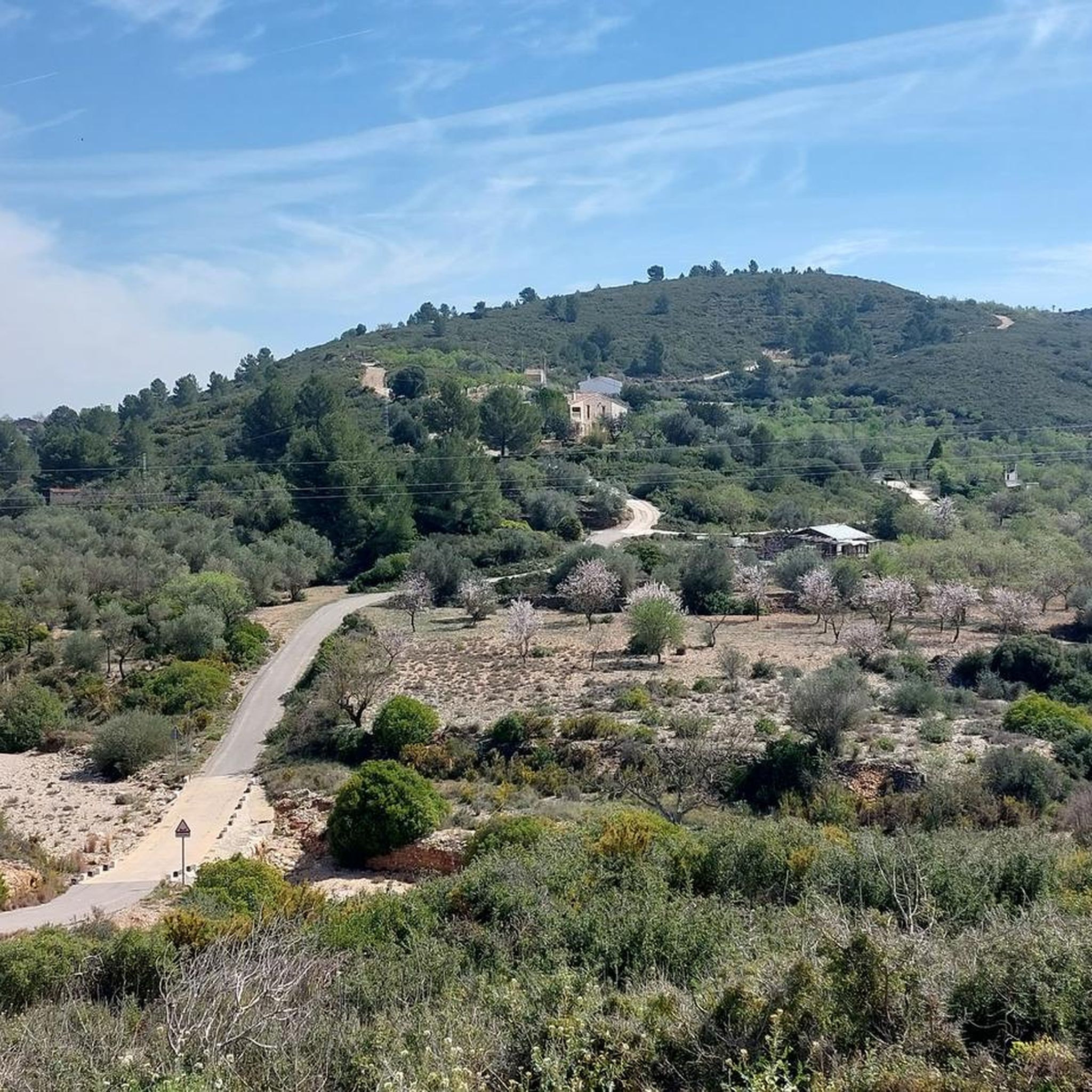
Cycling around Llanos Centrales
Other adventures around Llanos Centrales


Tips from the Community

The current state of the hermitage and the geodetic point is one of palpable deterioration to the naked eye. What a shame! The views to the east are spectacular.
0
1


Old Hermitage interesting to see
1
1

Great view! Especially beautiful in late spring (May, for example), when everything is already blooming and all the plants are lush green.
0
1

One of the seven giant chairs on the Placa de l'Arc. The chair is positioned somewhat off-road, requiring about 100-200 meters of riding over fairly eroded, rocky paths. Mountain bikers shouldn't have a problem with this, but other cyclists might – but it's doable with a bit of skill.
0
0

Old village, but not much going on.
0
0

With a recreational area and trees, legend has it that it was Portuguese sailors who placed the image of l’Adjutori in the temple where Sant Abdón y Senent was venerated, built in 1445 and still standing.
0
0

Beautiful blue giant chair, accessible via the rough gravel road, sometimes not easy to drive (only recommended for wider tires)
0
0
Frequently Asked Questions
What natural attractions can I explore in Llanos Centrales?
The Llanos Centrales are renowned for their expansive savannas and numerous rivers, often called the 'Serengeti of America' due to their rich biodiversity. Key natural features include the striking Morros de San Juan, unique geological formations that stand out in the landscape. You can also find smaller mountain ranges known as 'galeras,' such as the Galera de Baúl in Cojedes.
Where can I experience the local llanera culture?
To immerse yourself in the llanera culture, consider visiting traditional ranches, known as hatos. Places like Hato Piñero in Cojedes offer ecological tourism, guided excursions, and horseback riding, allowing you to experience the traditional llanero way of life. The region is the heartland of Venezuelan llanera music, dance, and gastronomy.
What kind of wildlife can I expect to see in Llanos Centrales?
The region is a biodiversity hotspot, particularly known for its abundant wildlife. You can observe capybaras, deer, giant anteaters, armadillos, anacondas, and spectacled caimans. Birdwatching is exceptional, with species like scarlet ibis, roseate spoonbills, and hoatzin. The Orinoco crocodile, one of the largest crocodile species, is also present in rivers and estuaries.
Are there family-friendly attractions in Llanos Centrales?
Yes, several attractions cater to families. Wildlife observation tours, often by boat or vehicle, are a fantastic experience for all ages. Exploring local villages offers insight into rural life, and some man-made monuments like the Green Chair of Benlloc (Via 7 Cadires) and the Giant blue chair provide unique photo opportunities and a fun stop for children.
What is the best time of year to visit Llanos Centrales for wildlife viewing?
The dry season, typically from October to April, is generally considered the best time for wildlife viewing. During this period, animals concentrate around scarcer water sources, making them easier to spot. The wet season (May to November) transforms the savannas into flooded areas, supporting a rich ecosystem but making some areas less accessible.
What outdoor activities are available near the attractions?
Beyond wildlife safaris and horseback riding at hatos, the region offers various outdoor activities. You can enjoy river excursions for boat safaris, sport fishing, kayaking, and canoeing. For those interested in land-based activities, there are numerous routes for running, road cycling, and general cycling, with options ranging from moderate to difficult.
Are there any historical sites to visit?
While the region is primarily known for its natural beauty, you can find historical elements. The town of Vilafamés, for example, is a historical complex declared an Asset of Cultural Interest, featuring an old quarter with Arab origins, a castle, and a parish church. The Arch of Cabanes is another notable historical monument.
What are some unique viewpoints in the area?
For spectacular views, consider visiting the Bartolo Summit, which offers panoramic vistas over the Benicàssim beach section and surrounding mountains. The Coll de la Bandereta and Puerto de la Serratella are mountain passes that also provide picturesque landscapes and rewarding views for cyclists and hikers.
Can I find religious sites or hermitage in Llanos Centrales?
Yes, the region has several religious sites. The Hermitage of Saint Michael on Pico Bartolo is located at 728 meters altitude, offering both spiritual significance and breathtaking views. Another notable site is the Hermitage of Saint Joseph of Quartico.
What are some challenging adventures for experienced outdoor enthusiasts?
Experienced adventurers can tackle challenging routes like the ascent to the Bartolo Summit, which involves steep, rough terrain but rewards with incredible views. Mountain passes such as Coll de la Bandereta and Puerto de la Serratella offer demanding cycling experiences with significant elevation gains and stunning scenery.
What do visitors enjoy most about Llanos Centrales?
Visitors frequently highlight the region's unique natural environment and abundant wildlife, often comparing it to the 'Serengeti of America.' The opportunity for wildlife spotting, especially capybaras and diverse bird species, is a major draw. Experiencing the authentic llanera culture at traditional ranches and exploring the distinctive geological formations like the Morros de San Juan are also highly appreciated.
Most popular routes around Llanos Centrales
Most popular attractions around Llanos Centrales

Get inspired with the komoot mobile app


Didn’t find what you were looking for?
Are you keen on exploring more awesome places nearby? Browse our guides:
Explore more
Still not found the Highlight you’re looking for? See guides of the top attractions in other regions:
