The best cycling routes around Cuenca Pamplona
4.4
(500)
8,687
riders
359
rides
Touring cycling around Cuenca Pamplona offers diverse landscapes, from the high-altitude Andean foothills of Ecuador to the Pyrenean foothills and river valleys of Spain. The region features varied terrain, including paved routes through agricultural valleys, challenging mountain trails, and urban paths along rivers. Elevation changes are significant in the mountainous areas, providing options for different skill levels.
Best touring cycling routes around Cuenca Pamplona
- The most popular touring cycling route is Ororbia, City of Pamplona – Circular Route, a 23.3 miles (37.6 km) trail that takes 2 hours 41 minutes to complete. This route offers a balanced ride through the outskirts of Pamplona.
- Another top favourite among local touring cyclists is Pamplona, Badostain, Sagaseta, Elkano Azpa, Labiano, Balsa Ezkoriz – Circular Route, a difficult 28.9 miles (46.5 km) path. This route features substantial elevation gain through varied countryside around Pamplona.
- Local touring cyclists also love the Aragonese Way Trail, a 9.8 miles (15.8 km) trail leading through historic paths, often completed in about 1 hour 7 minutes.
- Touring cycling around Cuenca Pamplona is defined by Andean foothills, Pyrenean valleys, and historic city centers. The network offers options for both leisurely rides and more challenging routes with significant elevation changes.
- The routes in Cuenca Pamplona are highly rated by the komoot community with an average score of 4.4 stars from over 300 reviews. More than 7,000 touring cyclists have used komoot to explore Cuenca Pamplona's varied terrain.
Last updated: August 11, 2026
3.6
(7)
85
riders
64.7km
04:37
610m
1,060m
Hard bike ride. Very good fitness required. Mostly paved surfaces. Suitable for all skill levels.
4.6
(8)
54
riders
37.6km
02:41
230m
230m
Moderate bike ride. Good fitness required. Mostly paved surfaces. Suitable for all skill levels.

Sign up for free
9
riders
Hard bike ride. Very good fitness required. Mostly paved surfaces. Suitable for all skill levels.
15.8km
01:07
130m
130m
Easy bike ride. Great for any fitness level. Mostly paved surfaces. Suitable for all skill levels.
41.0km
03:12
760m
760m
Hard bike ride. Very good fitness required. Mostly paved surfaces. Suitable for all skill levels.
4.3
(58)
474
riders
Easy bike ride. Great for any fitness level. Mostly paved surfaces. Suitable for all skill levels.
4.4
(55)
347
riders
Easy bike ride. Great for any fitness level. Mostly paved surfaces. Suitable for all skill levels.
4.4
(29)
152
riders
86.5km
06:01
1,520m
1,510m
Hard bike ride. Very good fitness required. Mostly paved surfaces. Suitable for all skill levels.
4.0
(9)
178
riders
19.0km
01:25
440m
440m
Moderate bike ride. Good fitness required. Mostly paved surfaces. Suitable for all skill levels.
4.3
(4)
180
riders
32.8km
02:13
350m
350m
Hard bike ride. Good fitness required. You may need to push your bike for some segments of this route.
Get access to more routes and recommendations from other explorers.
Sign up for free
Already have an account?
Our route recommendations are based on thousands of hikes, rides, and runs completed by other people on komoot.
Start today with a free account
Your next adventure awaits.
Login or Signup
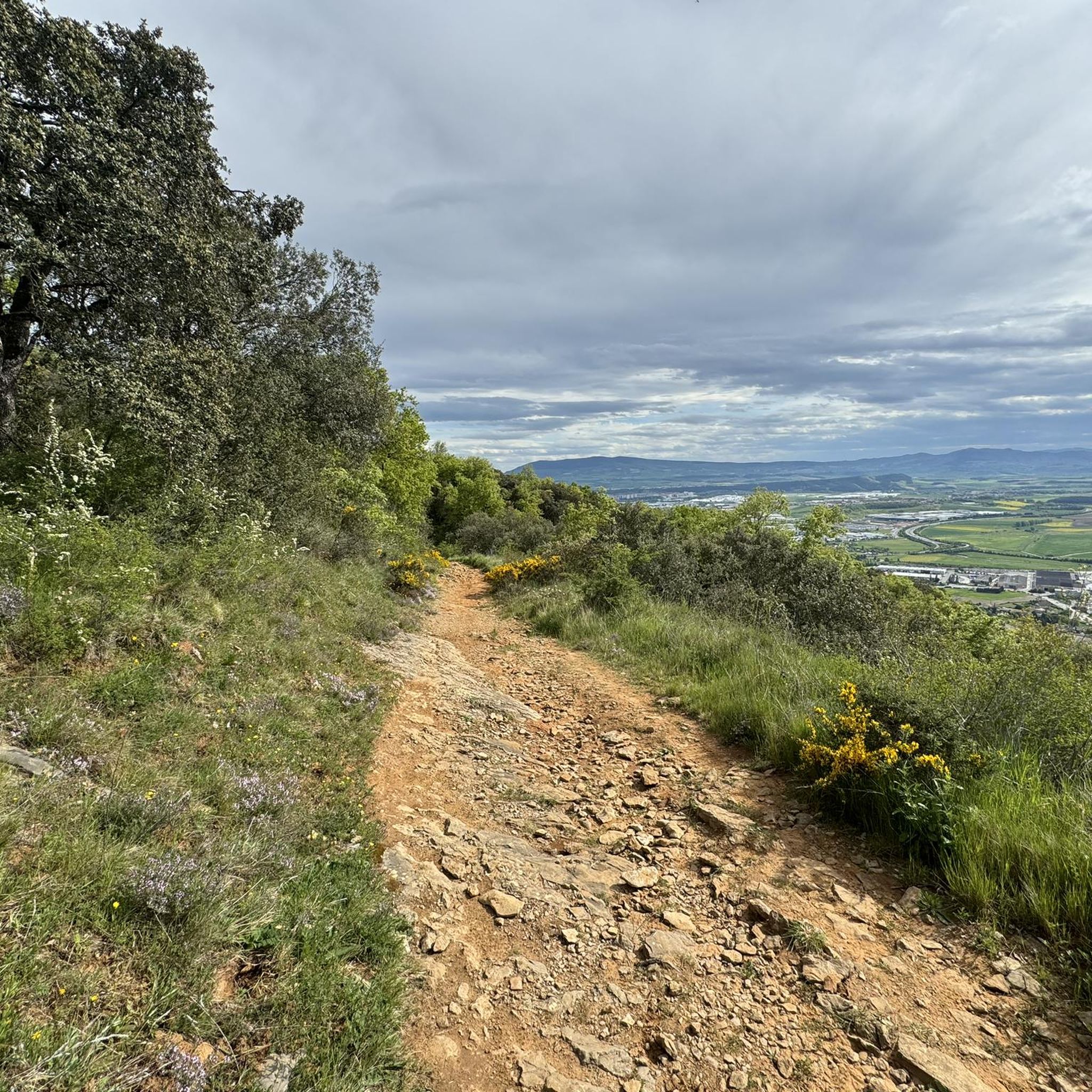
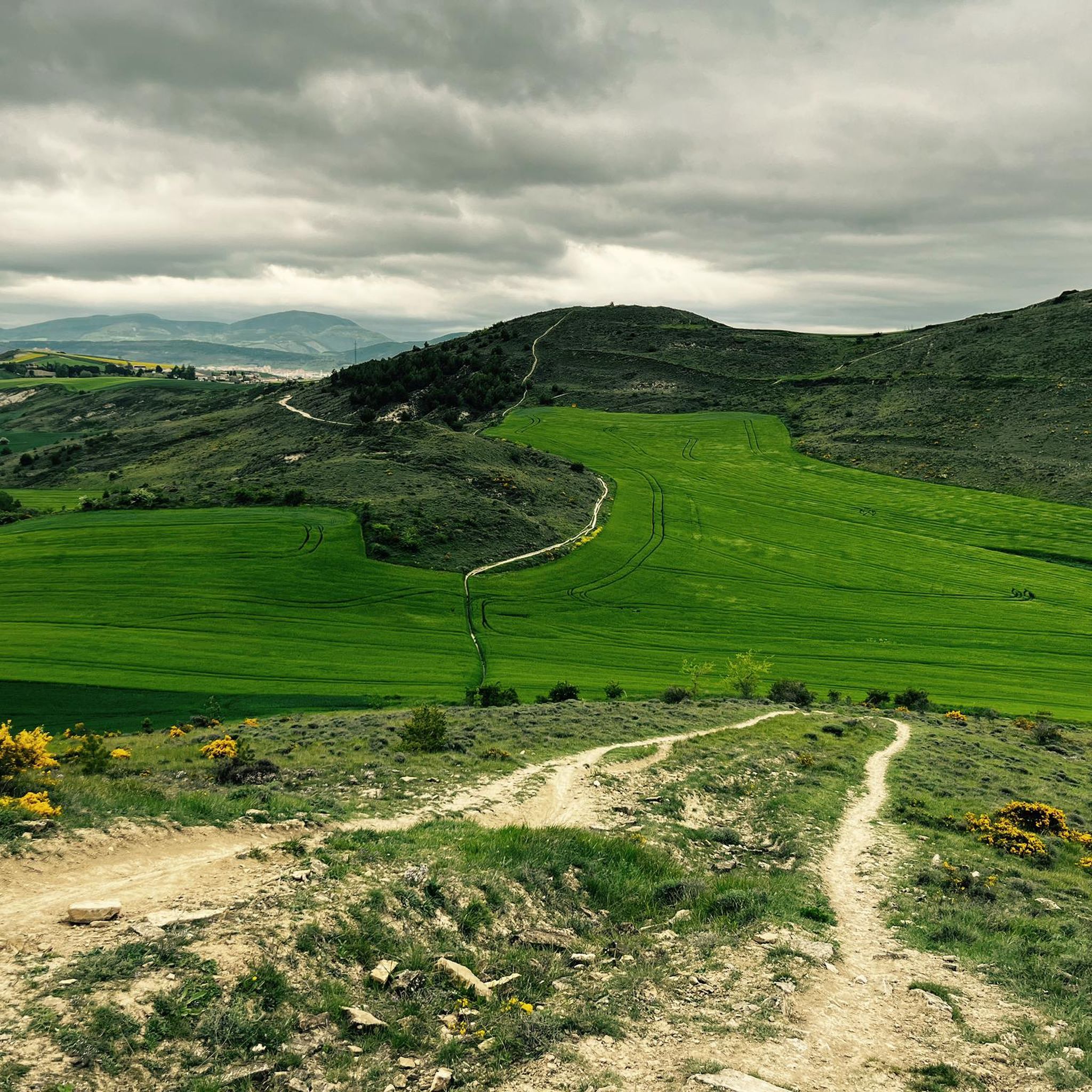
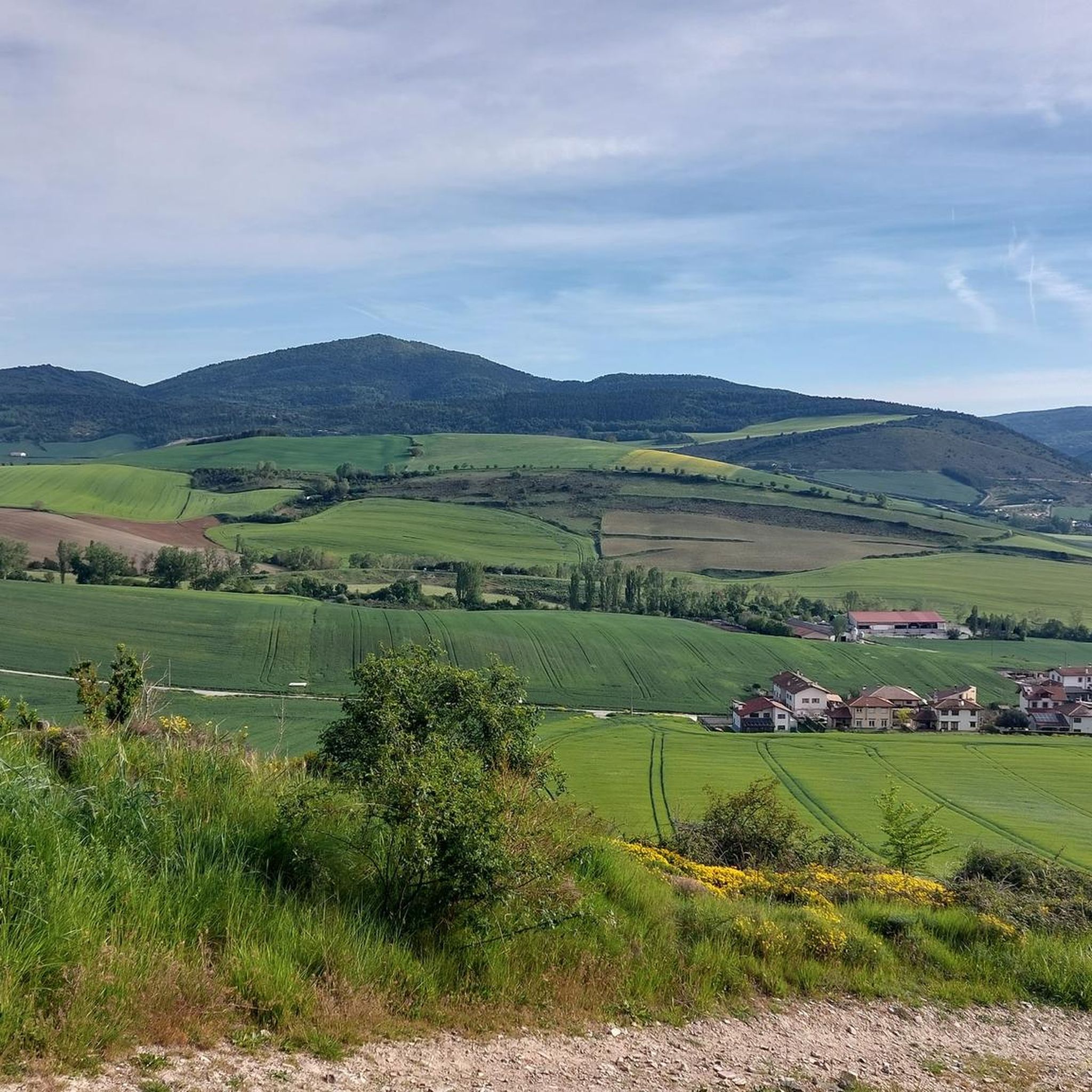
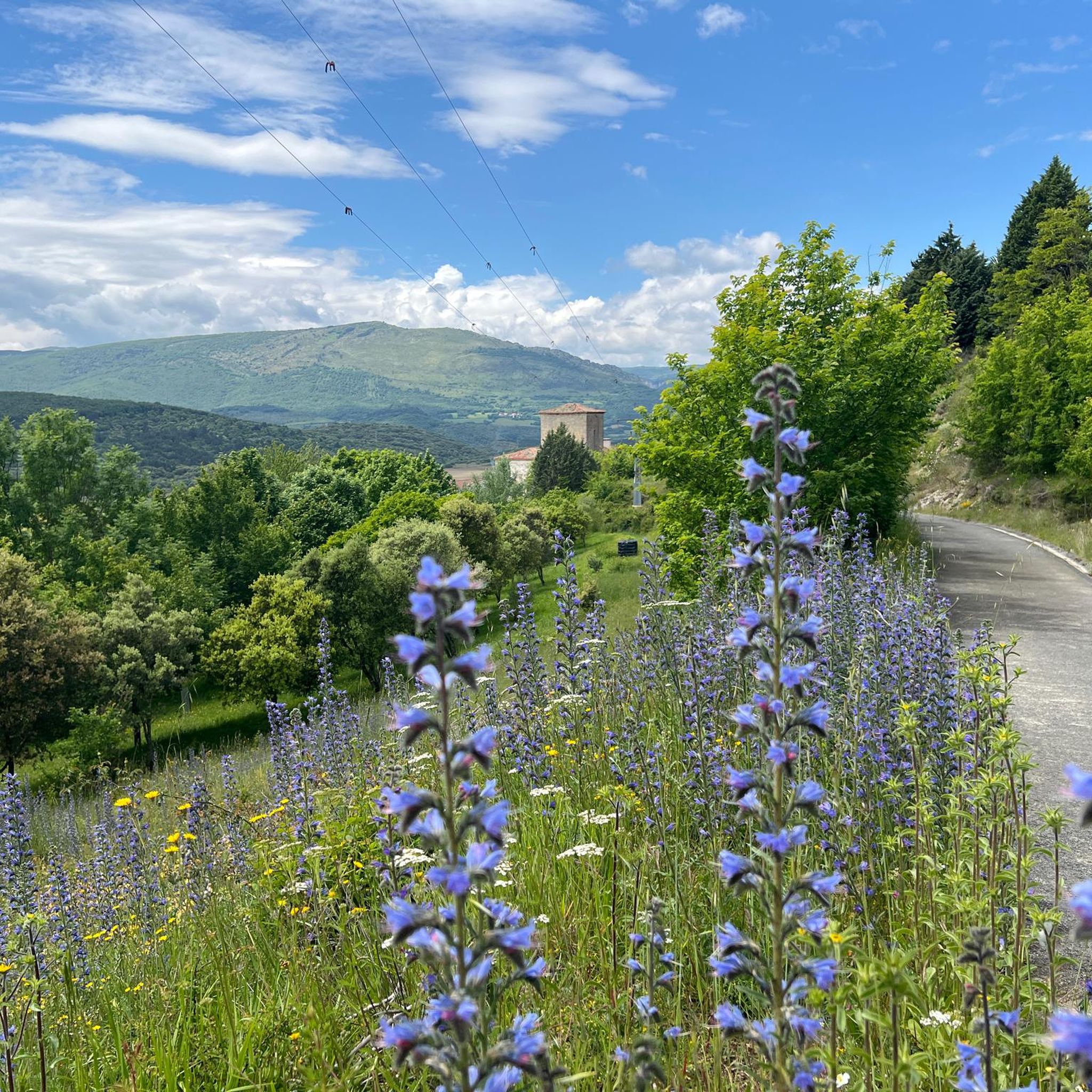
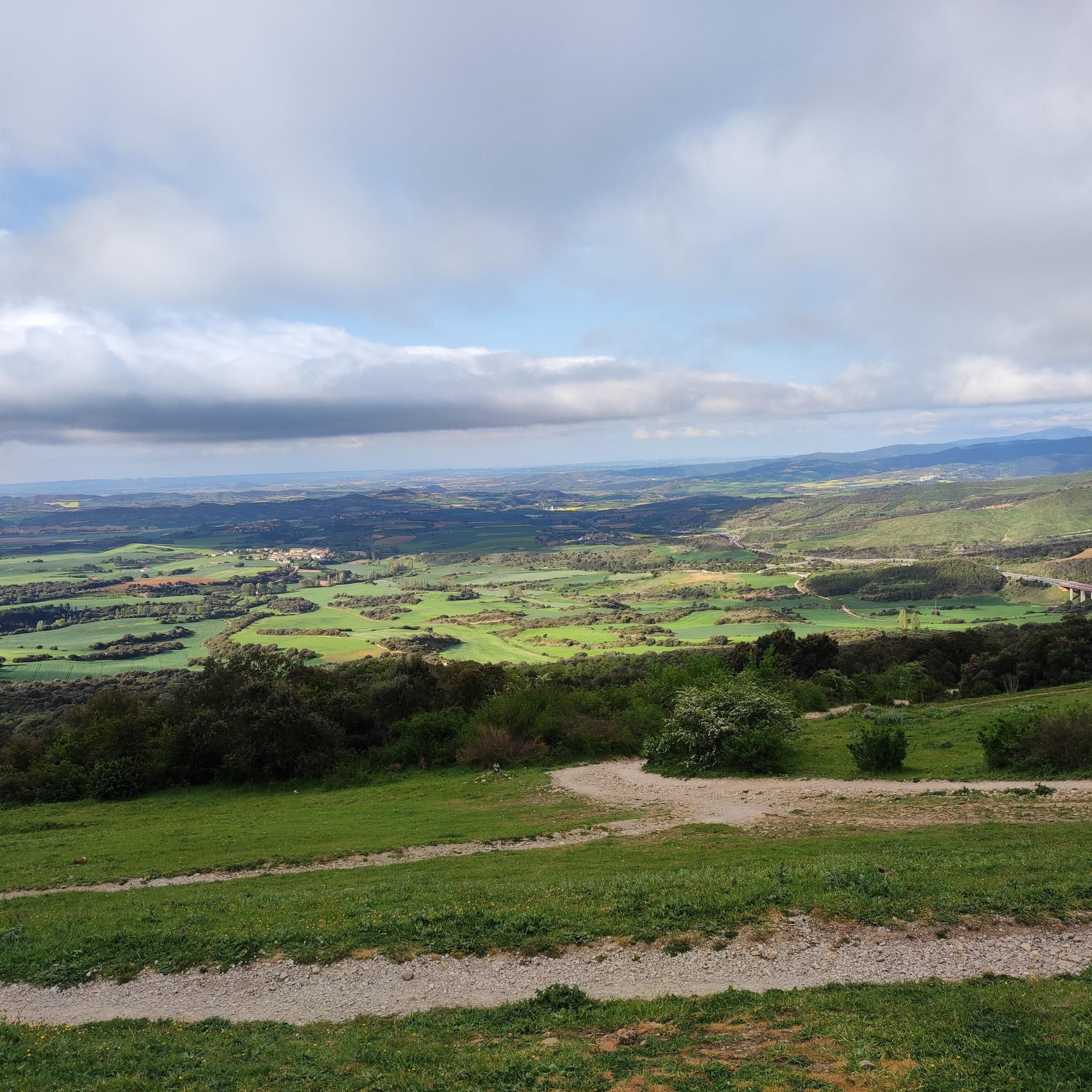
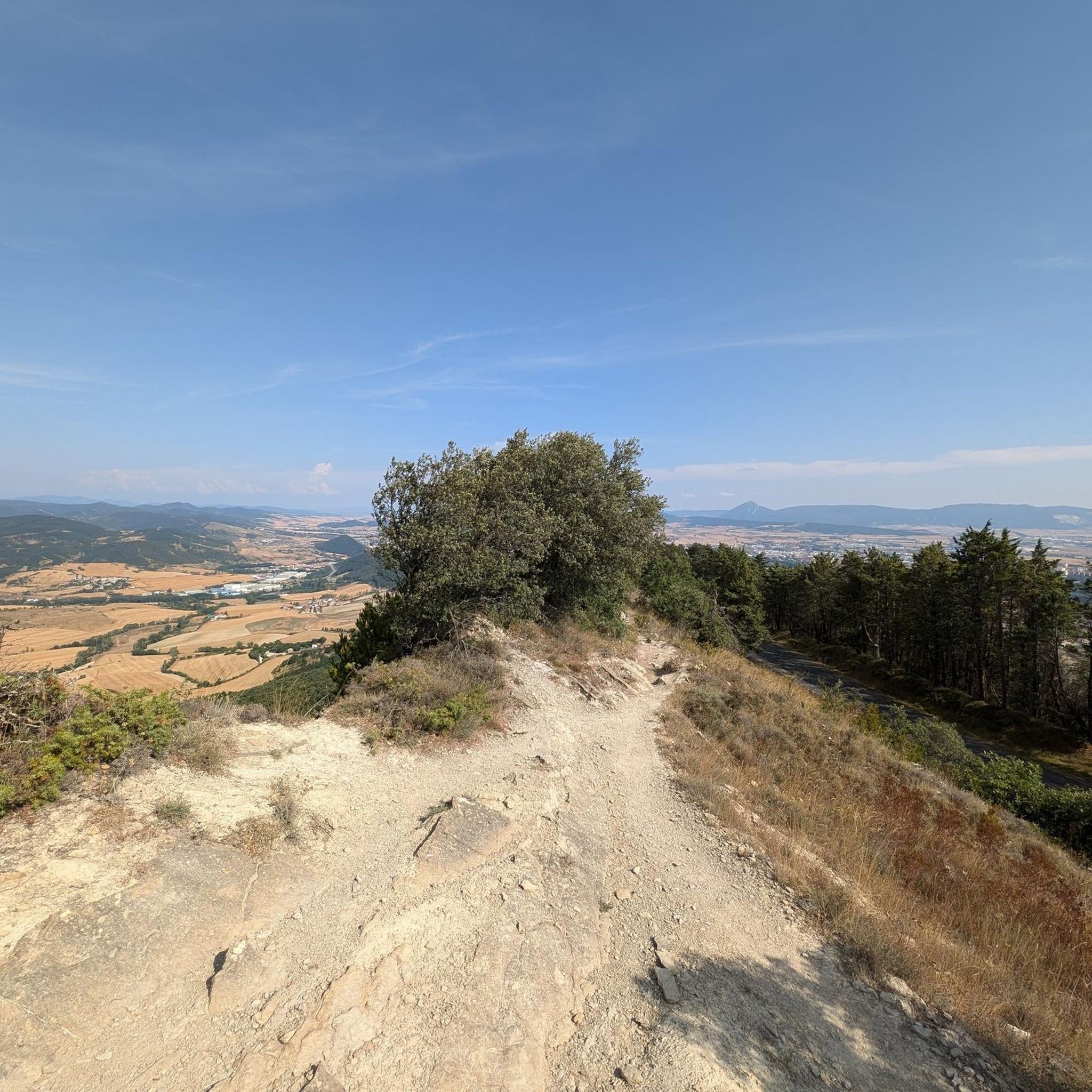
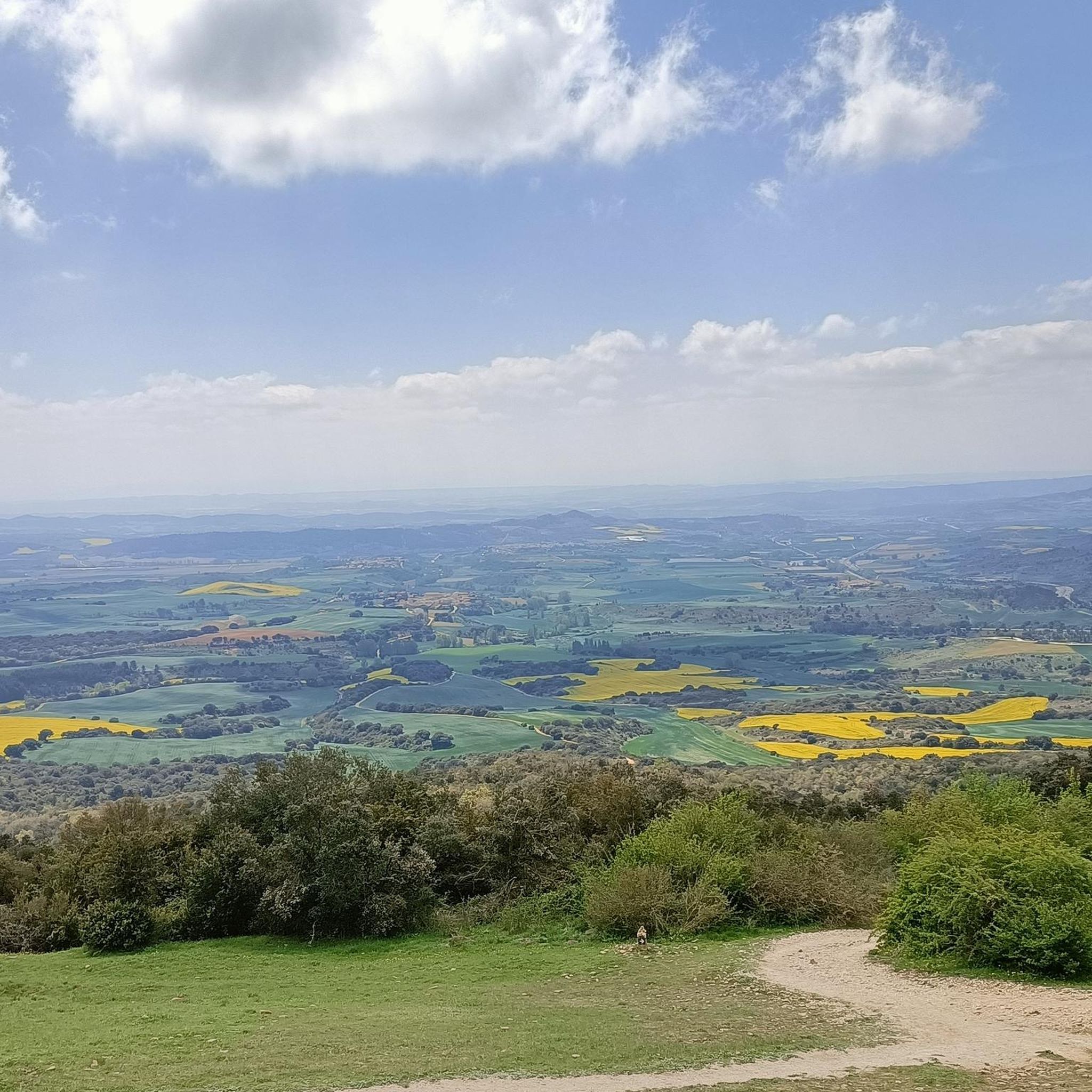
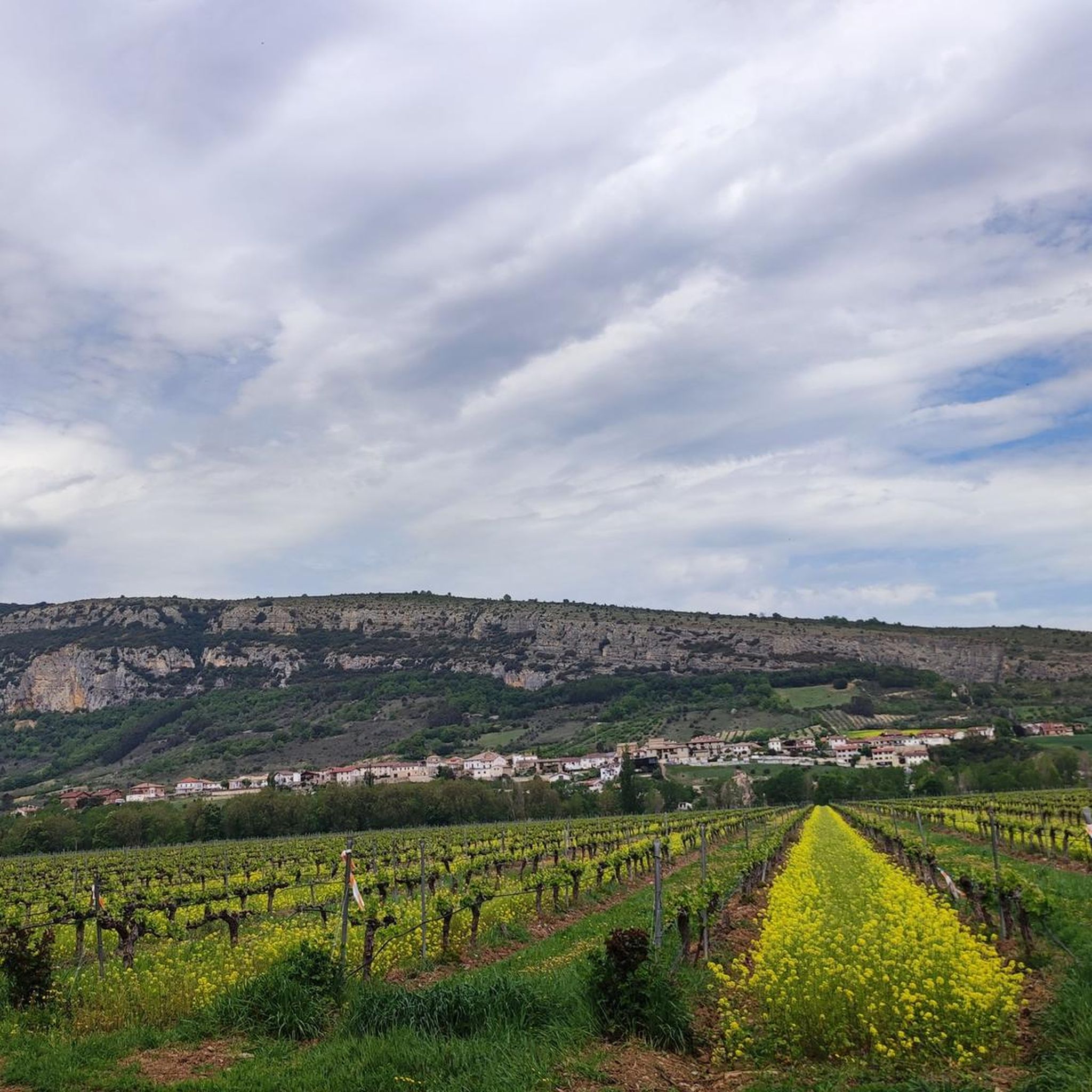
Other adventures around Cuenca Pamplona


Tips from the Community

Santa Maria de Eunate A modest little church, yet shrouded in mystery and of rare elegance and harmony. On the Camino de Santiago in the hills lies the octagonal church with a small apse, built in the 12th century. Around it runs an also octagonal arched gallery with pillars and double columns. The whole is surrounded by a wall. The purpose of this gallery is not yet clarified today. Outside the walls, graves of pilgrims with scallop shells were found, which is why it is plausible to assume that it was also a cemetery chapel. A document also mentions a hospital of the Order of St. John, which is said to have been located in the vicinity. A legend also tells that it is a replica of the Holy Sepulchre in Jerusalem and belonged to the Knights Templar.
0
0

We loved the town of Estella! Very welcoming ♥
0
0

At the general audience on June 21, 2006, the then Holy Father briefly summarized two biblically recorded events that describe the special position of James the Greater, the patron saint of this church, among the disciples: + "He was privileged, along with Peter and John, to participate in the hour of Jesus' agony in the Garden of Gethsemane and in the event of Jesus' Transfiguration. (...) In the first instance, James, together with the other two apostles, experiences the glory of the Lord; he sees him speaking with Moses and Elijah; he sees the splendor of divine glory shining in Jesus; in the other instance, he faces suffering and humiliation; he sees with his own eyes how the Son of God humbles himself and is obedient to the point of death. The second experience was certainly an opportunity for him to mature in faith and to correct the one-sided, triumphalist interpretation of the first experience: He had to recognize that the Messiah, awaited by the Jewish people as a triumphant leader, was in reality not only full of honor and glory. surrounded not only by suffering, but also by suffering and weakness. The glory of Christ is realized precisely on the cross, in sharing in our sufferings." (Pope Benedict XVI)
2
0


Beautiful Romanesque church with a small but beautiful cloister in which we can find an intertwined column.
0
0

Always a pleasant stretch on the path that surrounds the Escoriz-Zolina reservoir
0
0

San Pedro de la Rúa is a beautiful historic church located in the heart of the medieval town of Estella-Lizarra, along the famous Camino de Santiago. Built in the 12th century, this church is a magnificent example of Romanesque architecture. Its most striking feature is the cloister, considered one of the richest sculptural ensembles in Navarra. The church itself is imposing and exudes a serene tranquility. Inside you will find beautiful vaults and historical works of art that reflect the rich history of the region. San Pedro de la Rúa’s location, high above the town, offers magnificent views over Estella and the surrounding landscapes.
1
0
The Church of Santiago in Puente la Reina, also known as the Church of Santiago el Mayor, is a historical and architectural gem. This parish church originally dates back to the 12th century, but most of what you see today dates back to the 16th century after extensive reconstruction. One of its most striking features is the late Romanesque entrance, which was preserved during later renovations. Inside you will find a special statue, known as the Black Santiago.
4
0
Frequently Asked Questions
How many touring cycling routes are available in the Cuenca Pamplona region?
The Cuenca Pamplona region offers a wide variety of touring cycling routes, with over 340 options available on komoot. These routes cater to all skill levels, including 41 easy, 122 moderate, and 183 difficult trails.
Are there any easy touring cycling routes suitable for beginners or families?
Yes, both Cuenca and Pamplona offer excellent options for beginners and families. In Cuenca, the Ciclovía Cuenca Unida provides a relatively flat, paved path along the Tomebamba and Yanuncay rivers, perfect for leisurely rides. In Pamplona, the Ezcabarte River Park – Trinidad de Arre Bridge loop from Burlada / Burlata is an easy 9.1-mile (14.6 km) route, and the Aragonese Way Trail is another accessible option.
What kind of challenging routes can advanced touring cyclists expect in Cuenca Pamplona?
Advanced touring cyclists will find plenty of challenging routes. In Cuenca, El Cajas National Park offers rugged mountain biking trails with significant elevation changes and high-altitude landscapes. Near Pamplona, routes like Pamplona, Badostain, Sagaseta, Elkano Azpa, Labiano, Balsa Ezkoriz – Circular Route feature substantial elevation gain through varied countryside. The Etxauri, Alto del Perdón, Balsa Iiazabal – Circular Route also includes the challenging ascent to Alto del Perdón, known for its steep gradients.
Are there any circular touring cycling routes available?
Yes, many routes in the region are circular, offering convenient starting and ending points. Popular circular routes include Ororbia, City of Pamplona – Circular Route, which provides a balanced ride through the outskirts of Pamplona, and the more challenging Pamplona Citadel – Gazebo in Plaza del Castillo loop from Pamplona / Iruña.
What are some notable natural attractions or viewpoints along the cycling routes?
The region boasts diverse natural beauty. In Cuenca, riverside trails offer views of the city's four rivers, and El Cajas National Park features high-altitude glacial lakes. Near Pamplona, you can find the Artazul Waterfall and the Zokorena Dam. The Alto del Perdón offers panoramic views, and the View from the Etxauri Pass is another stunning viewpoint.
What historical or cultural landmarks can I explore while cycling?
Both Cuenca and Pamplona are rich in history. In Cuenca, cycling along the rivers provides easy access to the historic center, Parque de la Madre, and the Pumapungo Museum. In Pamplona, routes often pass by the historic city center, the Pamplona Cathedral, and the Magdalena Bridge. The Gazebo in Plaza del Castillo – Puente la Reina Romanesque Bridge loop from Echarri / Etxarri also takes you through culturally significant areas, including a Romanesque bridge.
What is the best season for touring cycling in Cuenca Pamplona?
The best season depends on the specific location and your preferences. Cuenca, being in the Andes, has a more consistent climate year-round, though the dry season (June-September) is often preferred. Pamplona, in Spain, experiences warmer summers and cooler winters. Spring (April-May) and autumn (September-October) generally offer pleasant temperatures and less rain, making them ideal for touring cycling in both regions, especially for routes with significant elevation.
Are there any routes that offer opportunities for food and drink stops?
Yes, many routes, especially those passing through or near urban centers and villages, offer opportunities for food and drink. In Cuenca, routes along the rivers lead to the historic center with its cafes and restaurants. In Pamplona, cycling through the old town or nearby villages allows you to experience local gastronomy, including traditional 'pintxos' and cafes. Routes like Lamiturri Spring loop from Burlada / Burlata often have amenities nearby.
What do other touring cyclists say about the routes in Cuenca Pamplona?
The touring cycling routes in Cuenca Pamplona are highly rated by the komoot community, with an average score of 4.4 stars from over 300 reviews. More than 7,000 touring cyclists have used komoot to explore the varied terrain, often praising the diverse landscapes, from Andean foothills to Pyrenean valleys, and the mix of challenging and leisurely options.
Are there any specific routes that are particularly scenic or unique?
Absolutely. In Cuenca, the Ciclovía Cuenca Unida offers scenic urban river views. For a unique experience near Pamplona, the Vía Verde del Plazaola follows an old railway track through lush valleys and forests. The Urbasa Natural Park route climbs to a plateau through pristine beech forests, and the Bardenas Reales semi-desert area offers a distinctive gravel biking experience through a unique desert landscape.
Most popular routes around Cuenca Pamplona
Most popular attractions around Cuenca Pamplona

Get inspired with the komoot mobile app


Didn’t find what you were looking for?
Check out more Cycling routes throughout Cuenca Pamplona below and find the perfect route in your destination.
Explore more
Browse the best Cycling routes in other regions.
