Attractions and Places To See around Río Mula - Top 20
Attractions and places to see around Río Mula, located in Murcia, Spain, offer a diverse landscape of natural and historical sites. The region features significant riverine environments, including the Mula River, alongside valleys and mountainous areas like Sierra Espuña. Visitors can explore ancient archaeological findings, impressive architectural structures, and serene natural settings. This area provides a blend of cultural heritage and outdoor exploration opportunities.
Best attractions and places to see around Río Mula
- The most popular attractions is Mula River…
Last updated: May 9, 2026
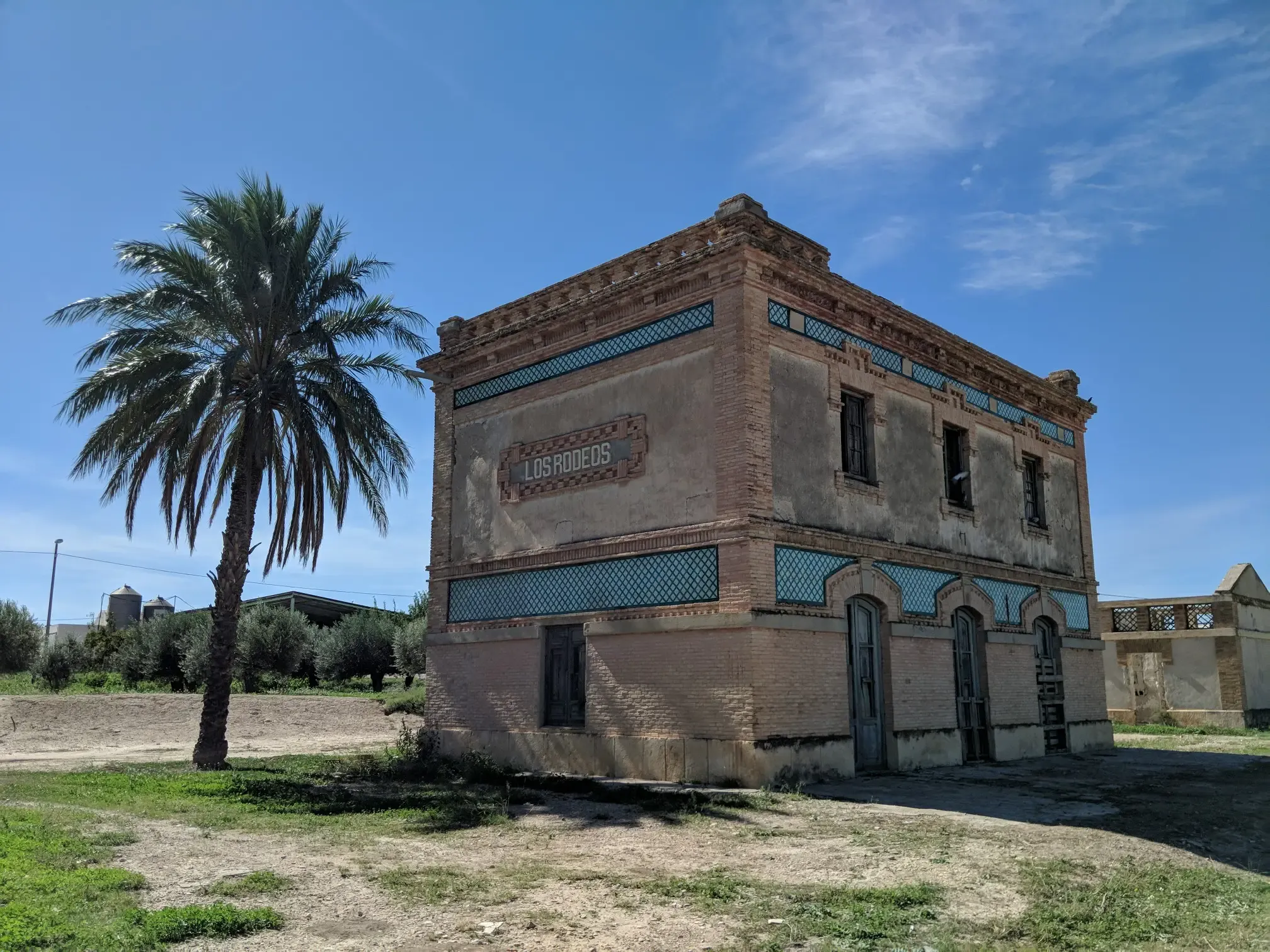
Old Los Rodeos railway station
Highlight • Historical Site
Translated by Google •
Tip by

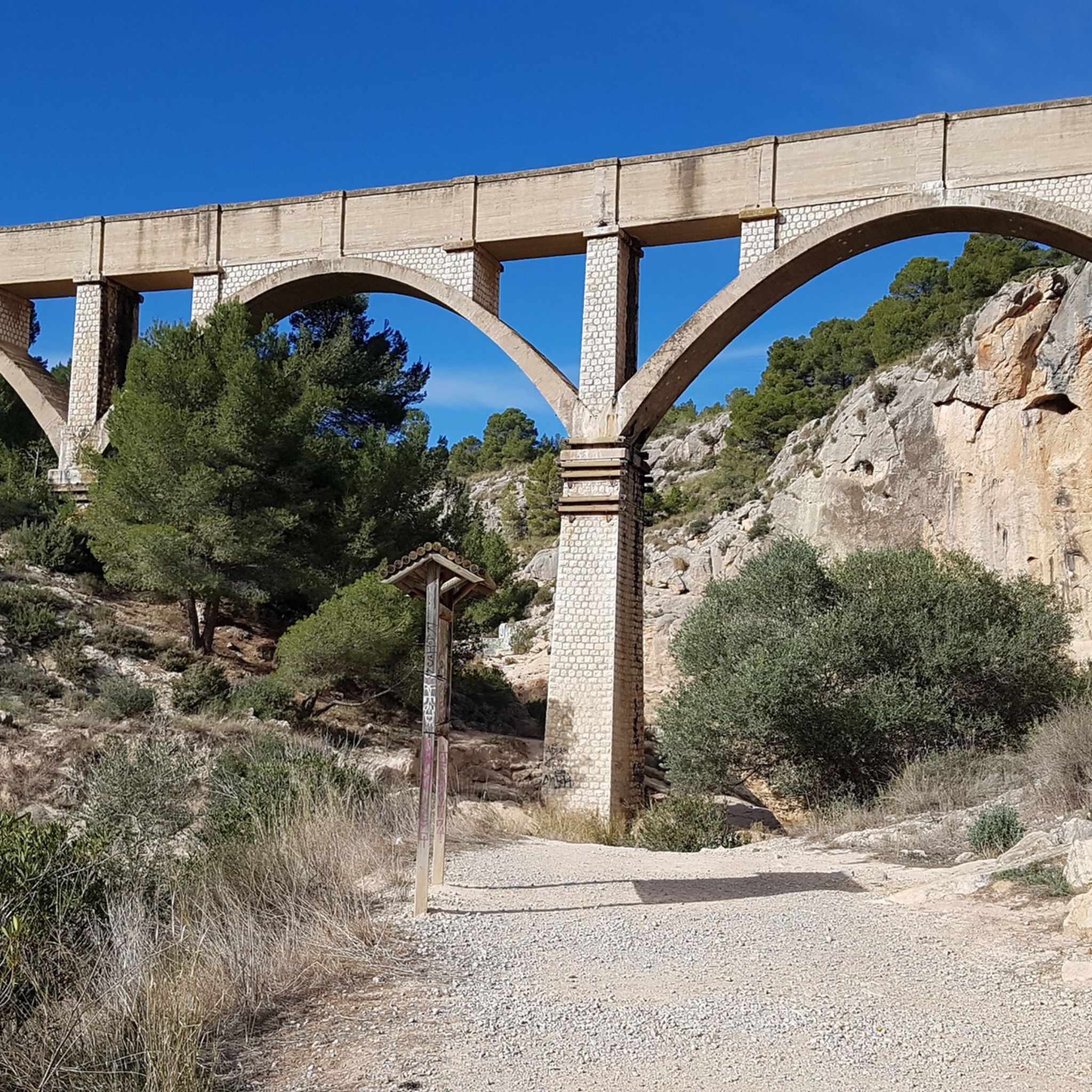
Mula River Viaduct
Highlight • Bridge
It is over 21 meters high and …
Translated by Google •
Tip by

Sign up now to discover places like this
Get recommendations on the best single tracks, peaks, & plenty of other exciting outdoor places.
Sign up for free
Scenic route from Gebas to Alhama de Murcia
Highlight (Segment) • Cycleway
Translated by Google •
Tip by

La Luz Hostel
Highlight • Mountain Hut
You can make your reservation at the following link:
turismodemula.es/planifica-tu-viaje/donde-dormir/albergues/refugio-la-luz-de-mula
Translated by Google •
Tip by
Old Baños de Mula Railway Station
Highlight • Historical Site
Translated by Google •
Tip by
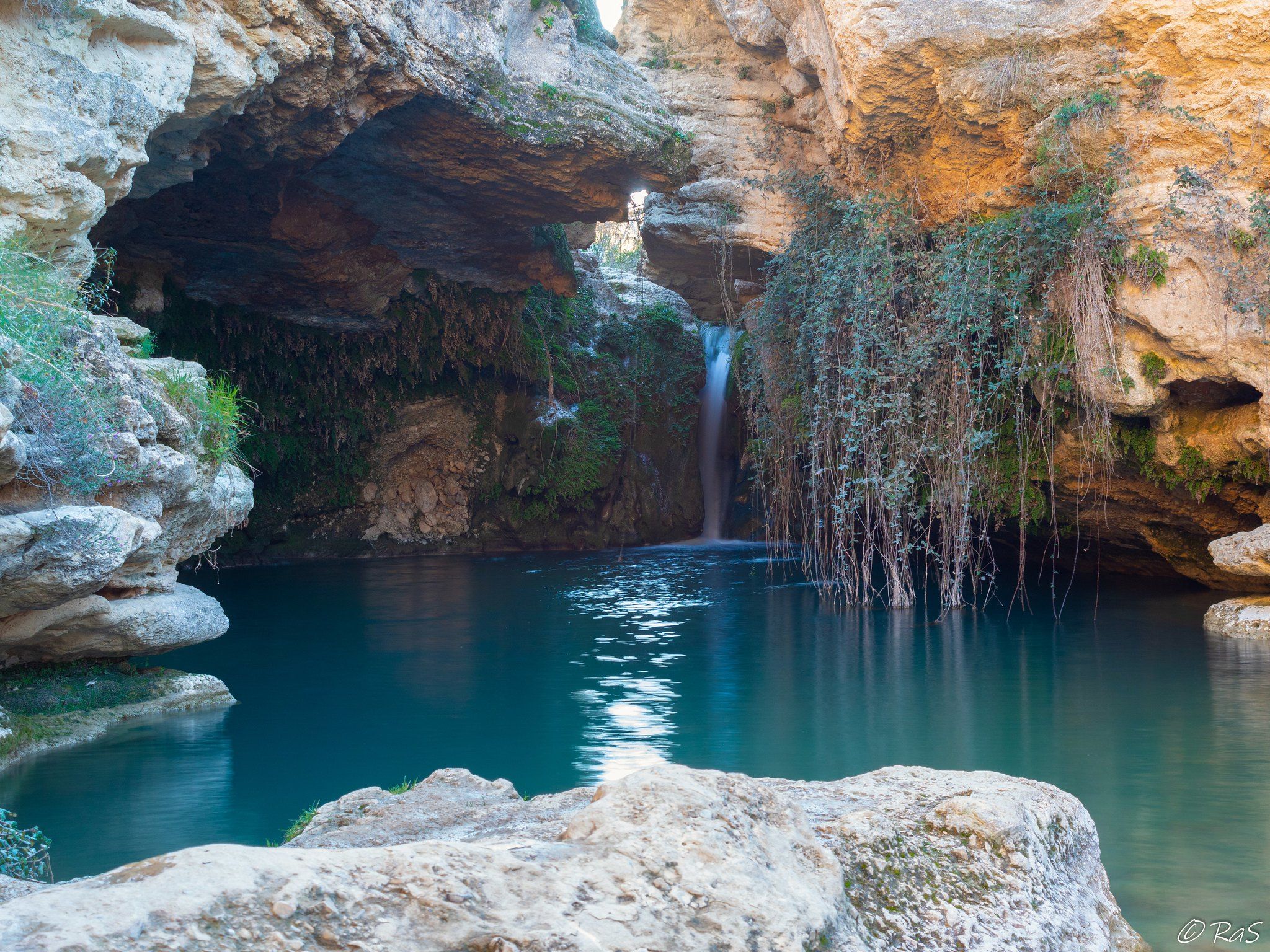
Fuente Caputa Waterfall
Highlight • Waterfall
Translated by Google •
Tip by

Viaduct over the Perea ravine
Highlight • Bridge
Translated by Google •
Tip by
Sierra Espuña North-facing Slope
Highlight • Forest
Translated by Google •
Tip by

Trail through pine trees
Highlight • Trail
Translated by Google •
Tip by

La Almoloya Archaeological Site
Highlight • Historical Site
Translated by Google •
Tip by

Sign up for free to discover even more attractions around Río Mula.
Sign up for free
Already have an account?
Start today with a free account
Your next adventure awaits.
Login or Signup
Popular around Río Mula
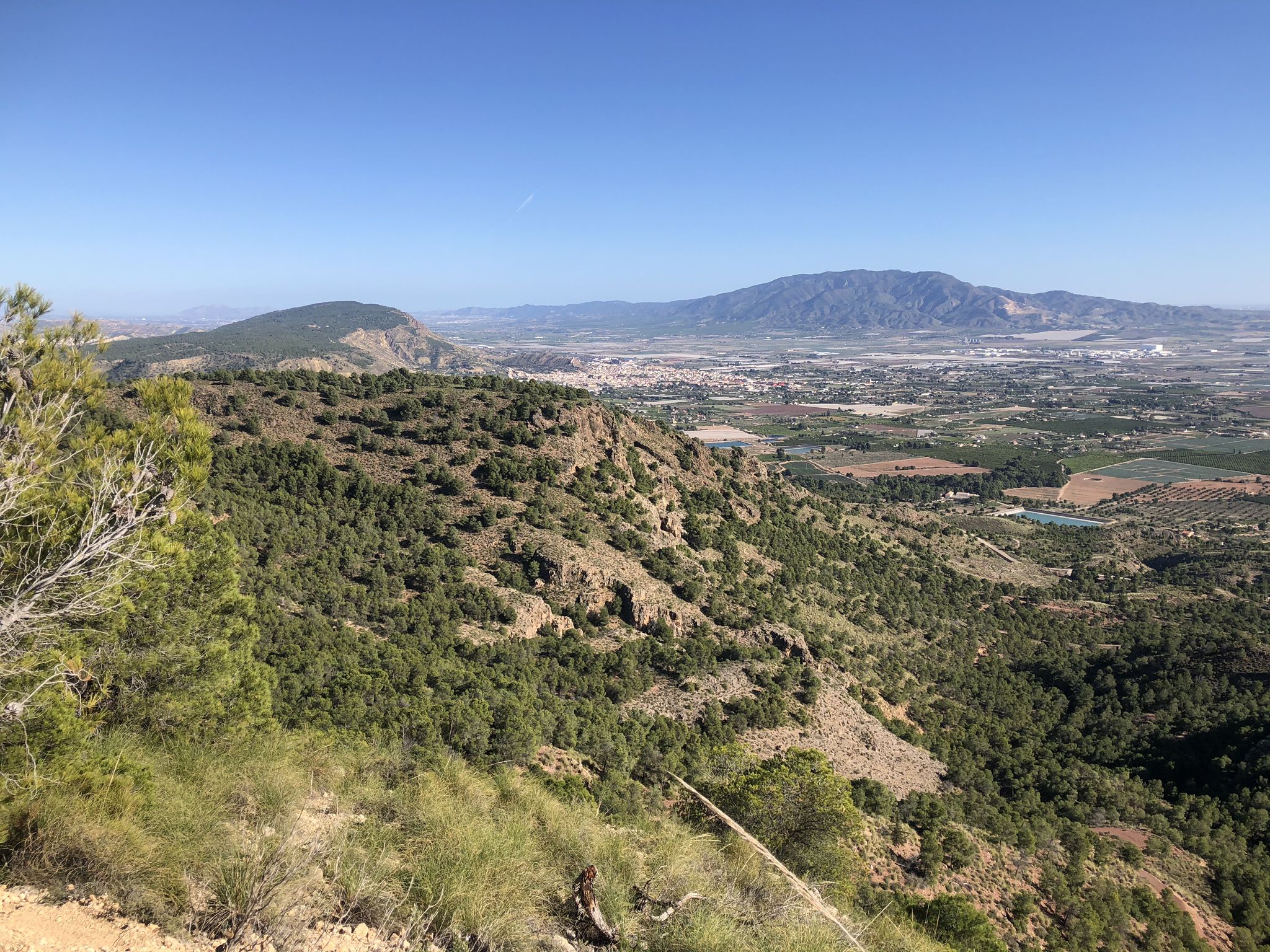
The lungs of Murcia in Spain – Sierra Espuña
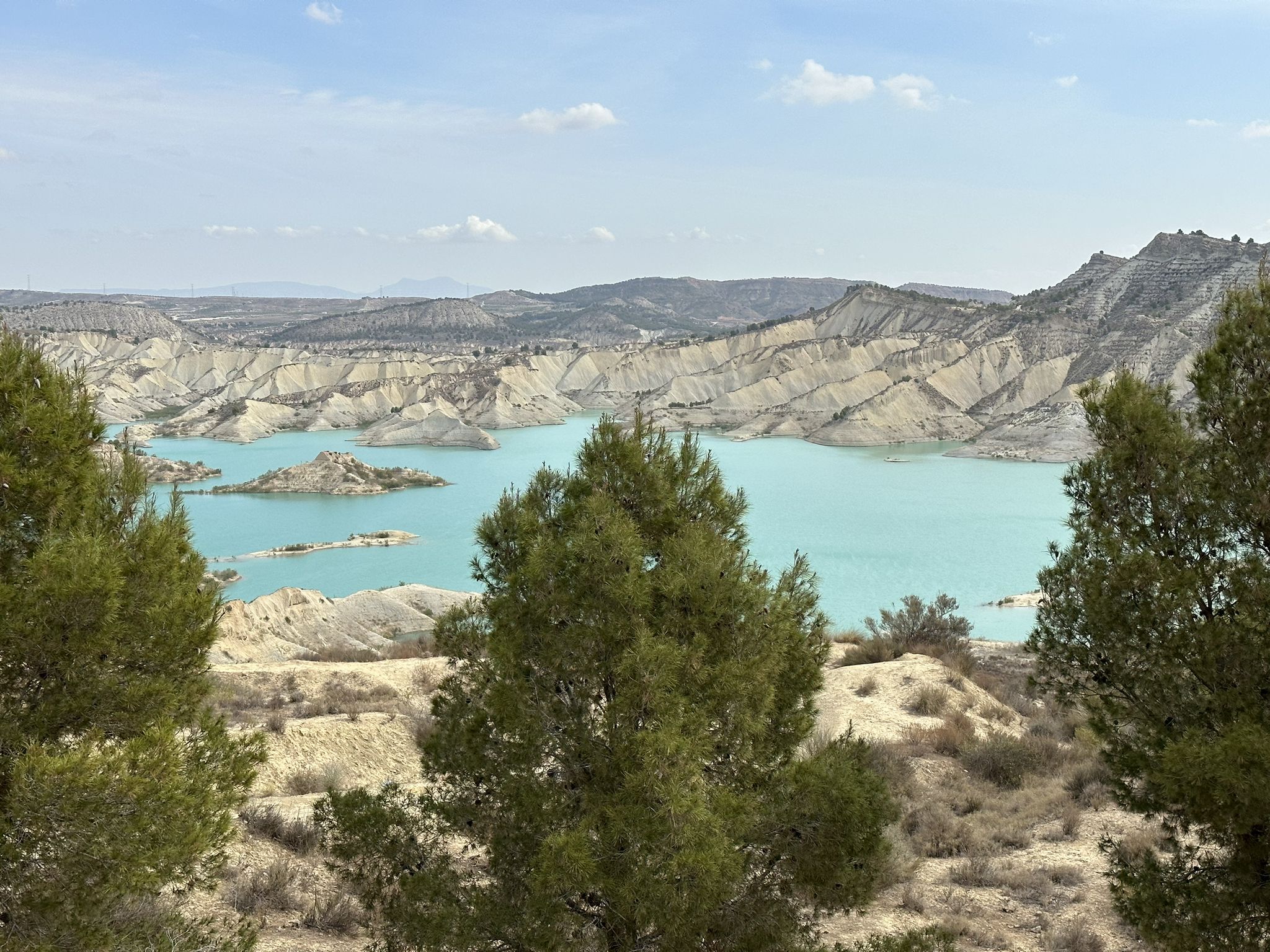
Disconnection in the mountains – Sierra Espuña by MTB
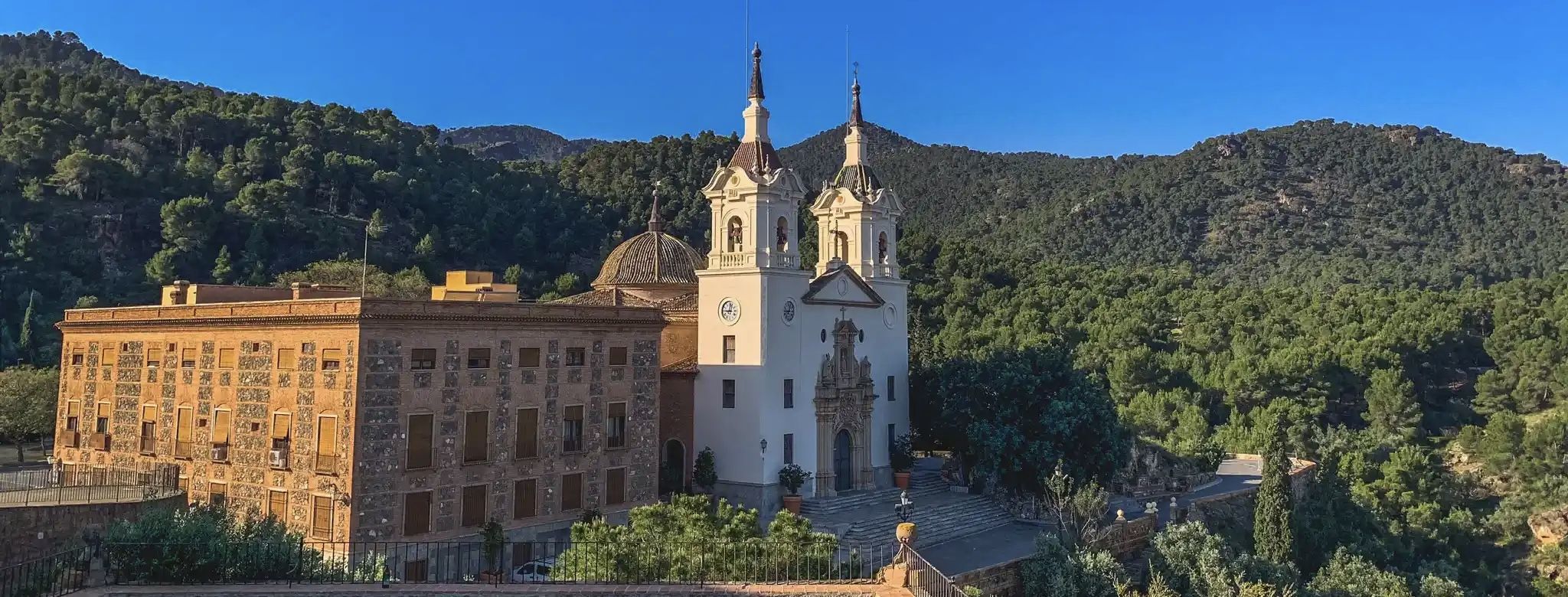
A ride through the "Huerta de Europa" – Transmurciana on MTB
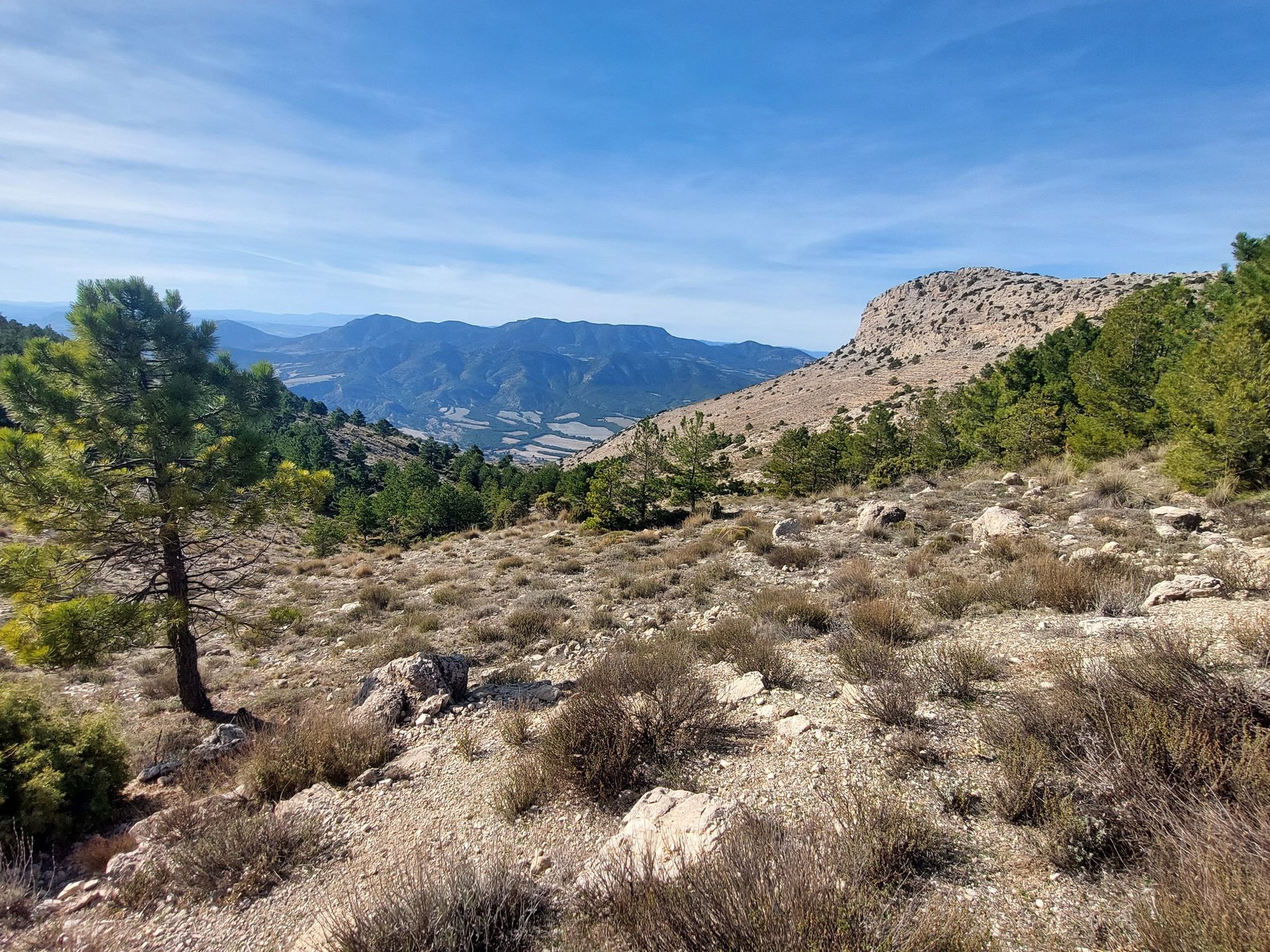
Badlands, limestone hills and pine forests – cycle around Sierra Espuña
The Vera Cruz pilgrimage – Way of the Apostle (GR 250.1)
The road to the Holy City – Spain’s Northwest Greenway
Hiking around Río Mula
Cycling around Río Mula
Road Cycling Routes around Río Mula
MTB Trails around Río Mula
Other adventures around Río Mula


Tips from the Community

Old and beautiful station of Baños de Mula
0
0

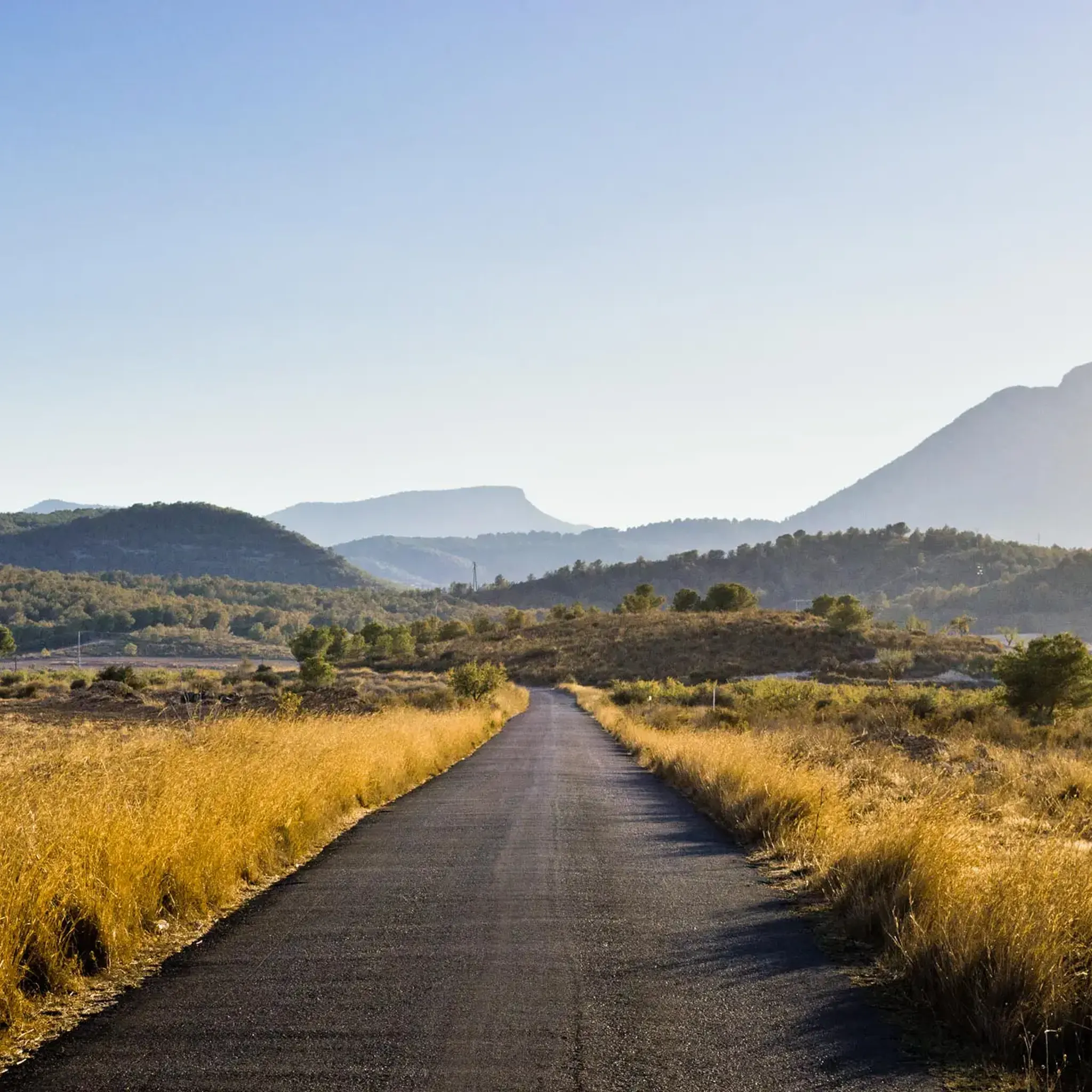
In the north mostly new asphalt (but not everywhere), very wavy. Relatively little traffic despite the tourists. Very nice view of the great landscape. In the north of this section it is worth planning to go west, as it goes directly through the Sierra Espuña :)
1
0

This route is fantastic to do by bicycle.
0
1

Old train station on the Murcia to Caravaca railway line
0
0

Coming from Bullas, you first cross the superb viaduct, then comes the old station and after that the first tunnel. The info panel is currently intact and useful for distances & altitudes.
0
0

Along this track you can enjoy a peaceful route among replanted pine forests and with views of the surrounding mountains.
2
1

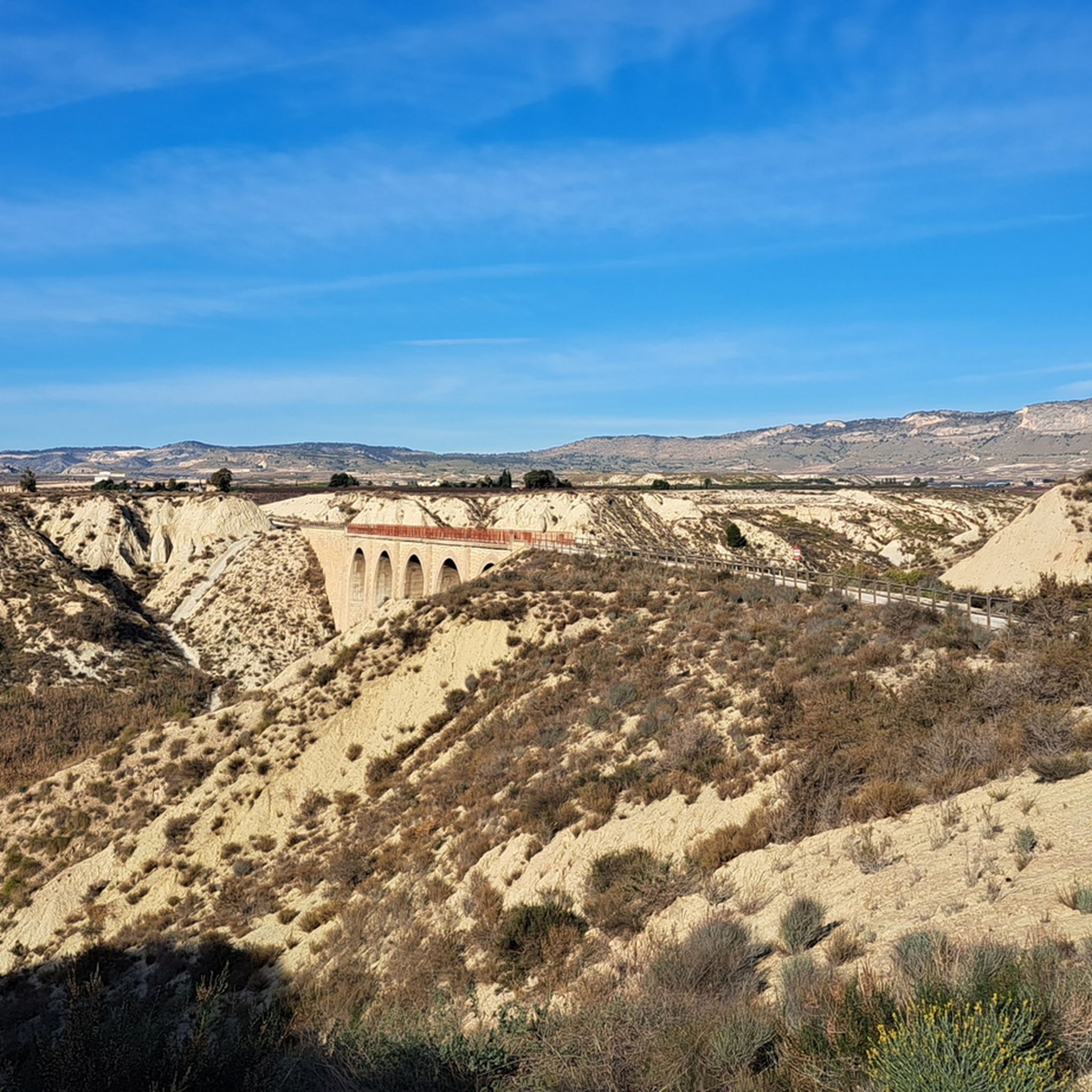
It is an impressive viaduct over the Mula River built to facilitate the passage of the train that would connect Caravaca and Murcia. It is over 21 meters high and 151 meters long. Ideal for obtaining the best panoramic views. It is worth a little stop.
1
0
The panoramic view of the viaduct, about 16 meters high, over the arid boulevard is spectacular. It is one of the most famous corners of the Vía Verde del Noroeste.
0
1
Frequently Asked Questions
What natural features and viewpoints can I explore around Río Mula?
The Río Mula region offers diverse natural beauty. You can visit the stunning Salto del Usero, a beautiful waterfall near Bullas, ideal for admiring limestone formations and swimming. The Sierra Espuña North-facing Slope provides picturesque walks through forests. Don't miss the Fuente Caputa Waterfall, a small oasis with Roman historical ties, or the impressive Mula River Viaduct for panoramic views over the river.
Are there any significant historical or archaeological sites in the Río Mula region?
Yes, the region is rich in history. The La Almoloya Archaeological Site in Pliego is a crucial Argaric Culture settlement from 2200-1550 BC. You can also explore the Milano Shelters, a UNESCO World Heritage site with cave paintings and a Neolithic burial. The Medieval Quarter of Mula retains fascinating elements like parts of the old wall and narrow streets. Additionally, the Old Los Rodeos railway station and Old Baños de Mula Railway Station are examples of historical architecture along the old Murcia-Caravaca railway line, now a Vía Verde.
What cultural attractions can I find in Mula town?
Mula town boasts several cultural gems. The Painted House (Casa Pintada), a former palatial house from 1770, is recognizable by its unique Baroque-Murcian facade paintings and now houses an art museum. The Royal Monastery of the Incarnation is significant for its role in local religious traditions. You can also visit the Art Museum of Saint Michael the Archangel, featuring a collection of 16th to 20th-century paintings, and the Convent of Saint Francis, which houses the City Museum of Mula.
Are there hiking trails suitable for different skill levels around Río Mula?
Absolutely. The Río Mula area offers a variety of hiking trails. For an easy walk, consider the Fuente Caputa and Rambla de Perea Loop. Moderate options include the PR-MU 78 Umbría del Bosque Trail and the Sendero Almoyola (PR-MU 108). If you're looking for a more challenging hike, the Sierra Espuña North-facing Slope – Trail through pine trees loop from Casas Nuevas is a difficult option. You can find more details and routes on the Hiking around Río Mula guide page.
Can I go cycling or gravel biking in the Río Mula area?
Yes, the region is excellent for cycling and gravel biking. The old railway line has been converted into a Vía Verde, perfect for both activities, passing by historical sites like the Mula River Viaduct. For cycling, you can try the La Cierva Reservoir and Fuente Caputa Loop or the Mula River Viaduct – Salto del Usero loop from La Almoloya. Gravel biking enthusiasts can explore the challenging Sierra Espuña gravel tour or the Greenway of the Northwest – Vía Verde del Noroeste loop from Bullas. Discover more routes on the Cycling around Río Mula and Gravel biking around Río Mula guide pages.
Are there any family-friendly attractions around Río Mula?
Many attractions in Río Mula are suitable for families. The Salto del Usero waterfall is a great spot for swimming and enjoying nature. The Vía Verde (greenway) offers easy and safe paths for walking or cycling with children, passing by interesting sites like the Old Los Rodeos railway station. The Trail through pine trees is also noted as family-friendly, offering peaceful journeys through forests.
What are the most notable architectural landmarks in the region?
The region features several impressive architectural landmarks. The 16th-century Castle of Los Fajardo (Castle of Los Vélez / Mula Castle) dominates Mula from a hilltop, though it's privately owned. The Castle of Alcalá, an Islamic fortress from the 7th century, is another significant historical structure. In Mula town, the 19th-century Clock Tower (Torre del Reloj) is a charming landmark, and the Mula Town Hall building itself is a 17th-century construction in the main square.
Can I find wild swimming spots in Río Mula?
Yes, the Salto del Usero waterfall is considered one of the prettiest waterfalls in the Region of Murcia and cascades into a pond, offering an ideal spot for swimming. The downstream ponds of the Mula River near the waterfall also provide opportunities for enjoying the water in a natural setting.
What is the best time to visit Río Mula for outdoor activities?
The Río Mula region, being in Murcia, Spain, generally enjoys a Mediterranean climate. Spring (April-May) and autumn (September-October) are typically the best times for outdoor activities like hiking and cycling, as temperatures are milder and the landscapes are vibrant. Summers can be very hot, making early mornings or late afternoons preferable for activities, while winters are generally mild.
Are there any easy walks or trails for beginners around Río Mula?
Yes, there are several options for easy walks. The Vía Verde, built on the old railway line, offers flat and accessible paths perfect for leisurely strolls. The Fuente Caputa and Rambla de Perea Loop is also classified as an easy hiking route. Additionally, the Trail through pine trees provides a peaceful and relatively easy journey through replanted pine forests.
What are the valleys of the Mula and Pliego Rivers known for?
The valleys of the Mula and Pliego Rivers are notable for their striking contrasts. They form the only part of the municipality dedicated to irrigation cultivation, creating lush, green riverine landscapes that stand out against the surrounding drier, greyish lands. These valleys are significant natural waterways, supporting local flora and fauna, including small forests of willows and poplars.
Most popular routes around Río Mula
Most popular attractions around Río Mula

Get inspired with the komoot mobile app


Didn’t find what you were looking for?
Are you keen on exploring more awesome places nearby? Browse our guides:
Explore more
Still not found the Highlight you’re looking for? See guides of the top attractions in other regions:
