Attractions and Places To See around Altiplano - Top 20
Attractions and places to see around Altiplano include a diverse range of natural and historical sites. This region features unique desert landscapes shaped by erosion, ancient caves, and prominent summits offering expansive views. Visitors can explore geological formations, historical religious buildings, and natural monuments. The Altiplano offers opportunities to discover both serene natural beauty and cultural heritage.
Best attractions and places to see around Altiplano
- The most popular attractions is Cortao de las Peñas, a viewpoint that offers views.…
Last updated: October 10, 2026
Los Baños de Fortuna
Highlight • Rest Area
Translated by Google •
Tip by

Desierto de Abanilla
Highlight • Natural
Translated by Google •
Tip by

Sign up now to discover places like this
Get recommendations on the best single tracks, peaks, & plenty of other exciting outdoor places.
Chicamo River Canyon
Highlight • Canyon
Translated by Google •
Tip by

Horadada Cave of Monte Arabí
Highlight • Cave
The space is included in the delimitation of the environment for the protection of Cantos de Visera …
Translated by Google •
Tip by

El Carche Summit and Mountain Refuge
Highlight • Summit
Translated by Google •
Tip by
Ermita de Santa Ana
Highlight • Religious Site
Translated by Google •
Tip by
Monasterio de Santa Ana
Highlight • Religious Site
Translated by Google •
Tip by

Cueva del Lagrimal
Highlight • Cave
Translated by Google •
Tip by

Geodetic Vertex of La Capilla
Highlight • Summit
Translated by Google •
Tip by
Piedra del Corazón
Highlight • Natural Monument
Translated by Google •
Tip by
Sign up for free to discover even more attractions around Altiplano.
Already have an account?
Start today with a free account
Your next adventure awaits.
Popular around Altiplano
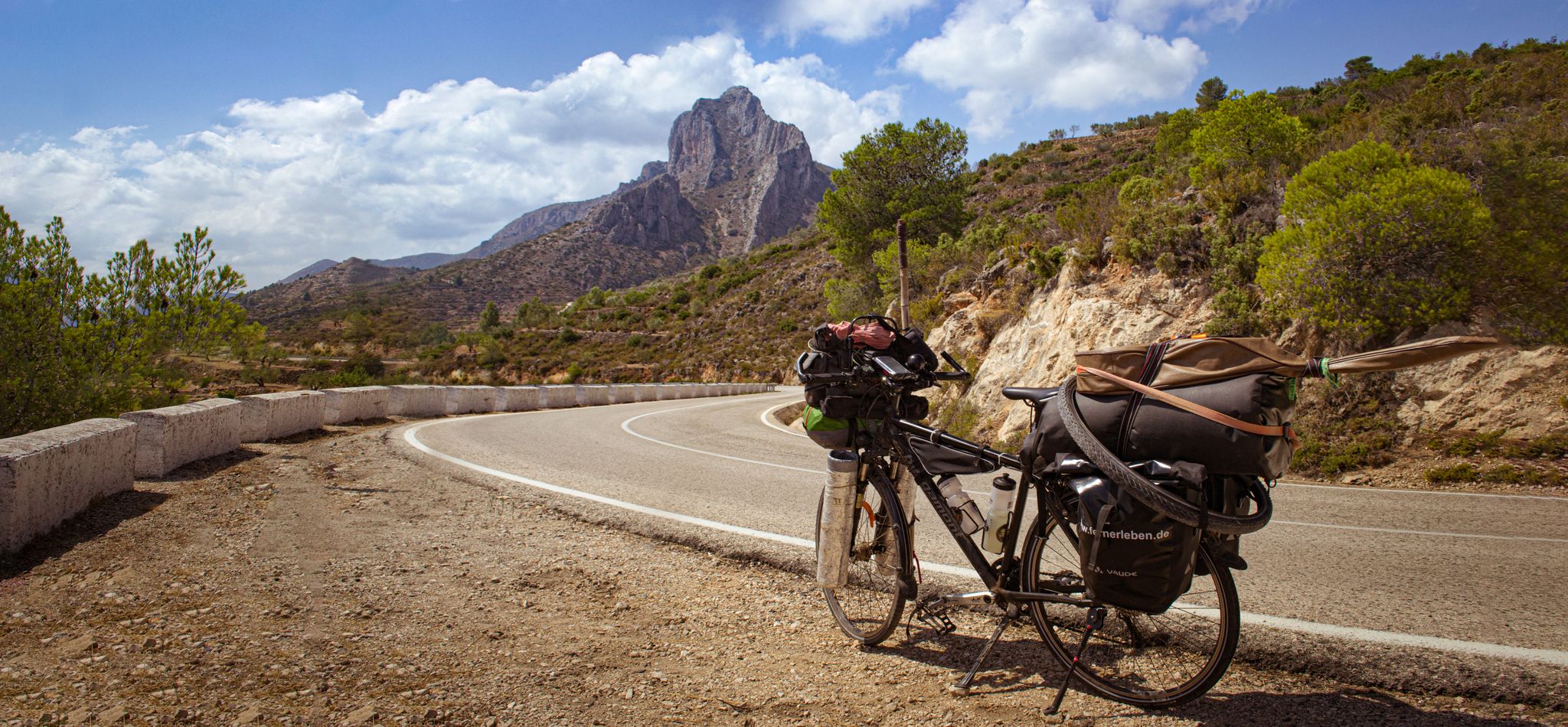
On the road to the sun — bikepacking to southeast Spain
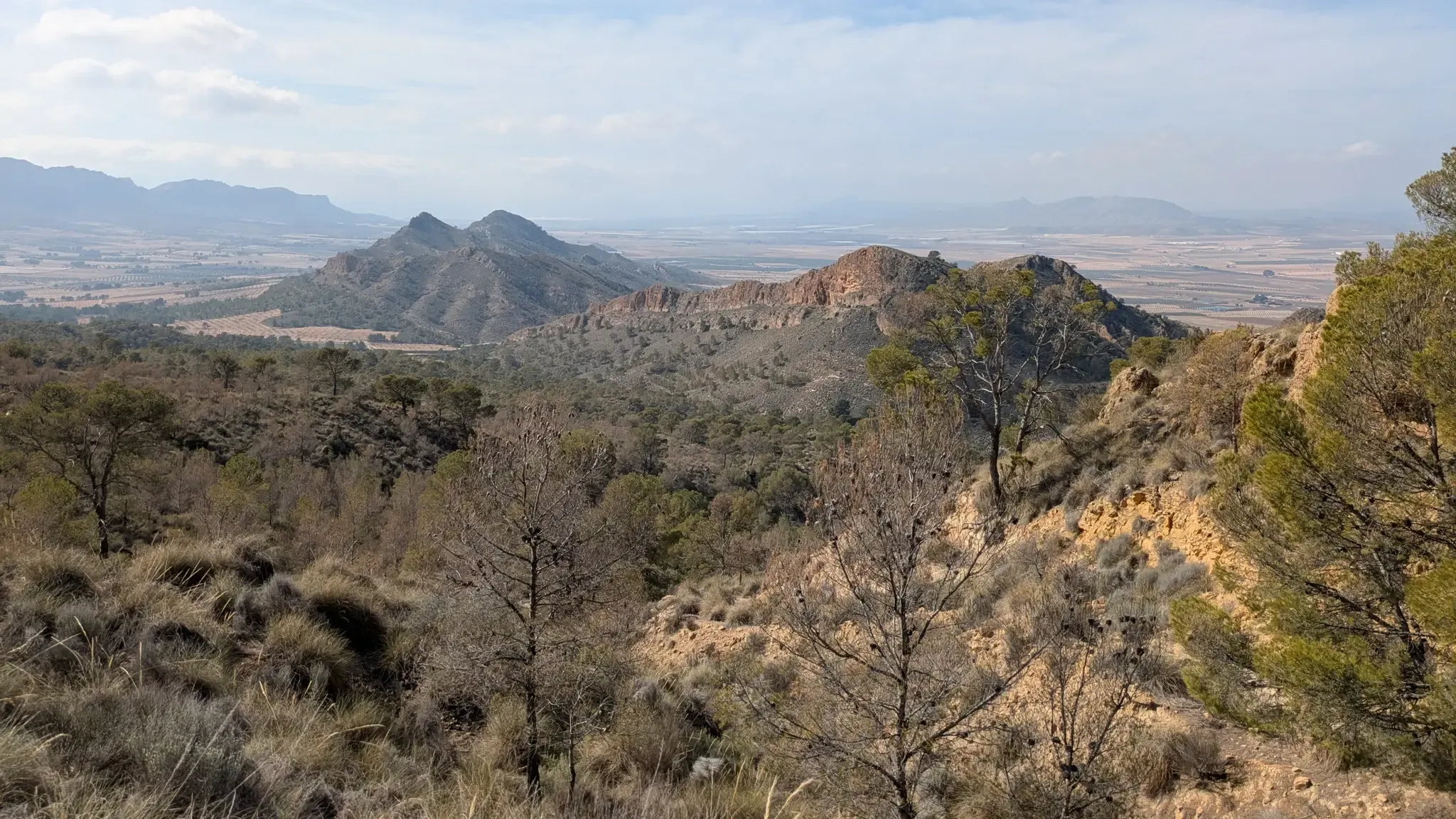
Path of the Cross of the Altiplano – GR 251
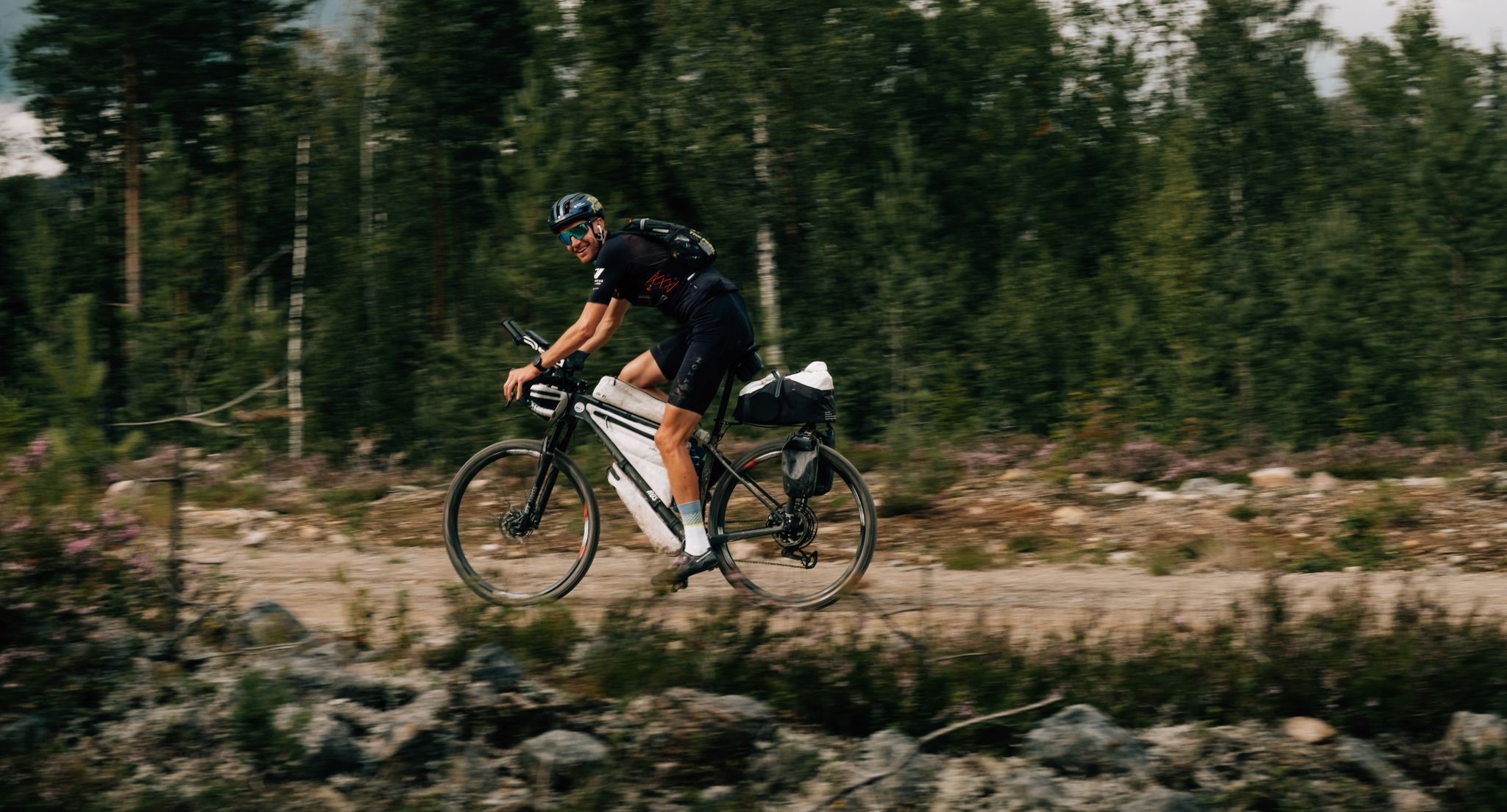
European D̶I̶V̶I̶D̶E̶ Connect Trail Project – a journey across Europe
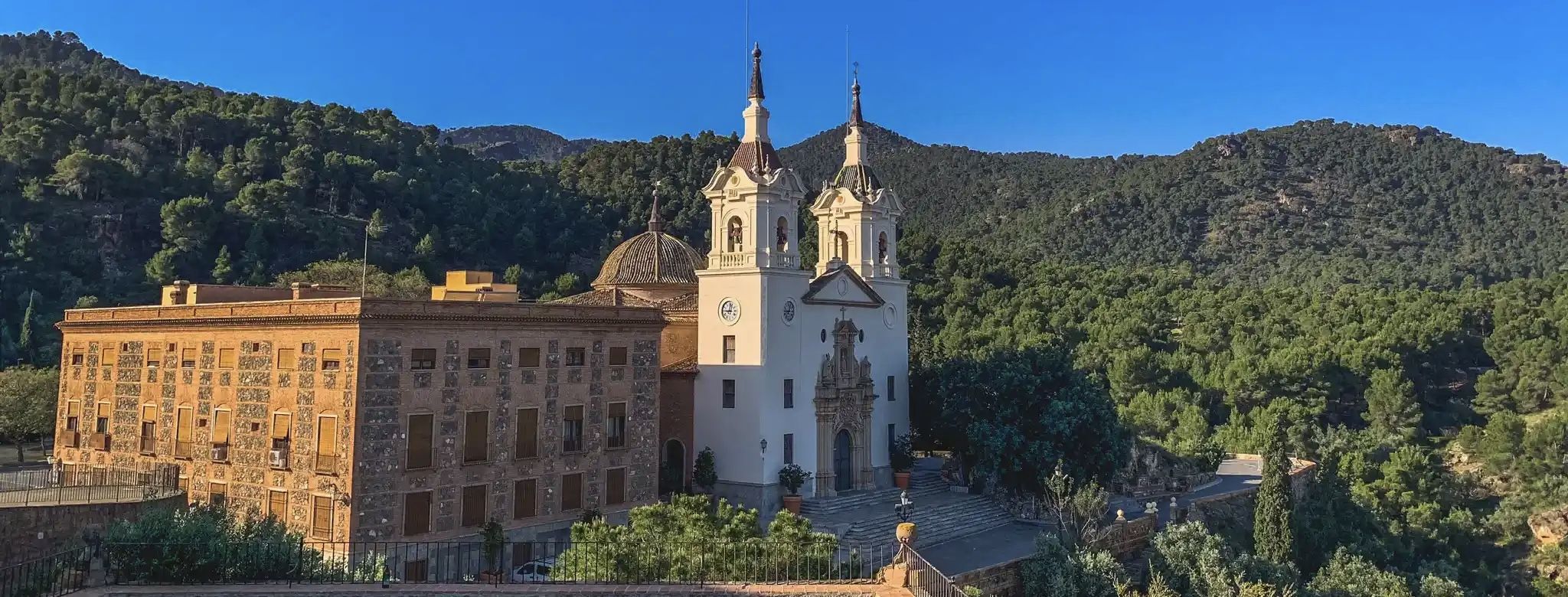
A ride through the "Huerta de Europa" – Transmurciana on MTB
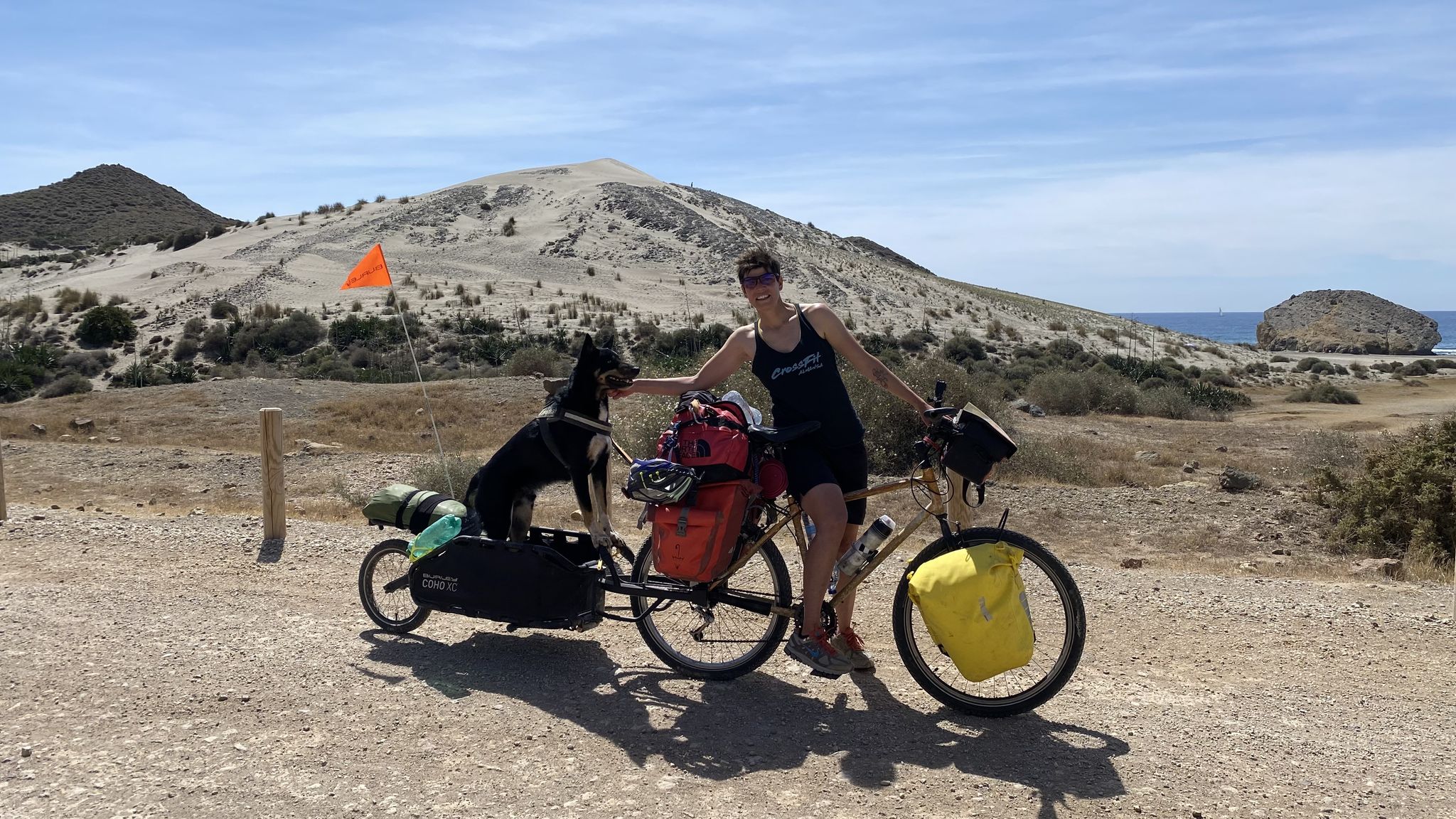
Let’s head south – cycle in Andalusia with me and my dog
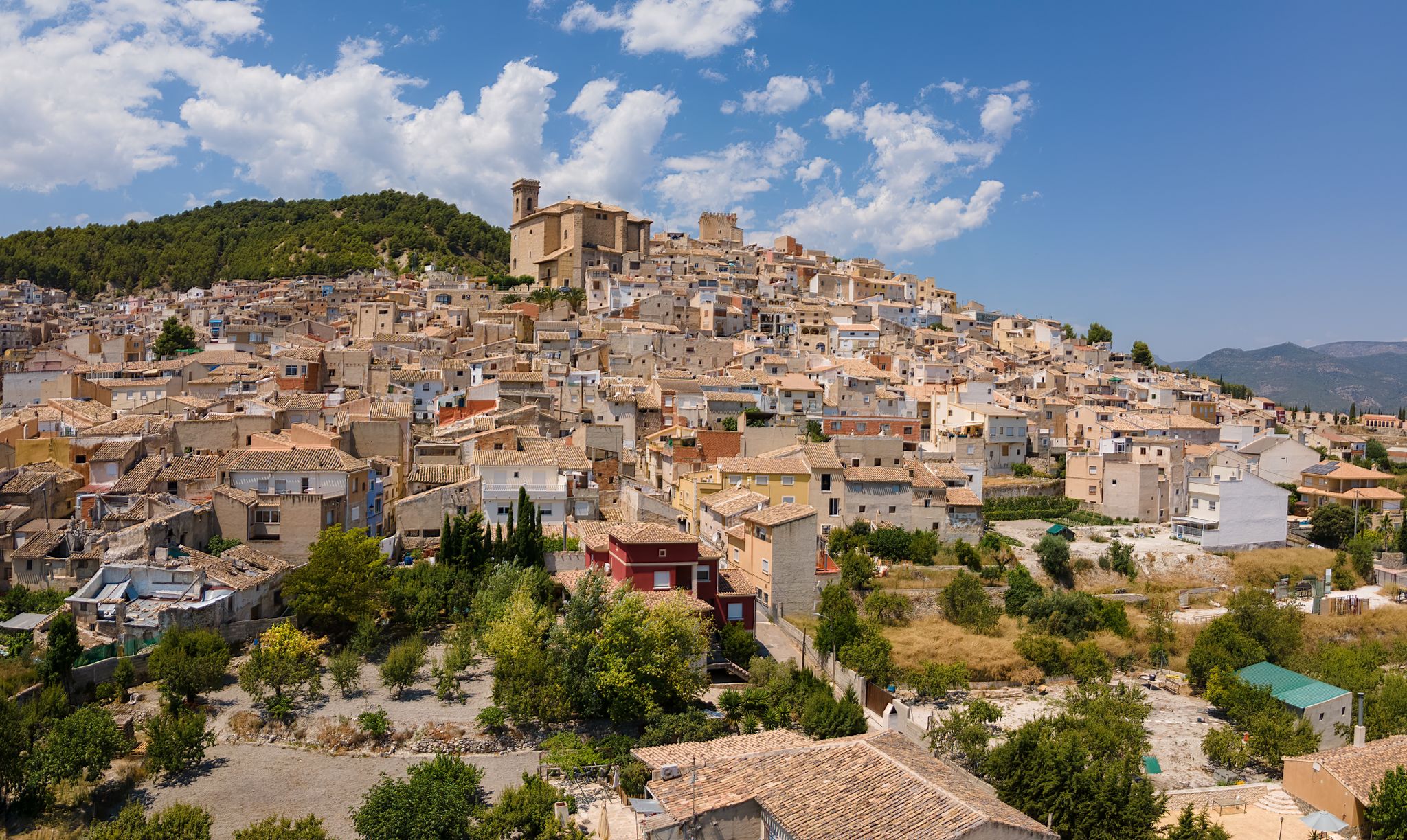
Castles, plains and charming villages – Murcia on foot (GR 7)
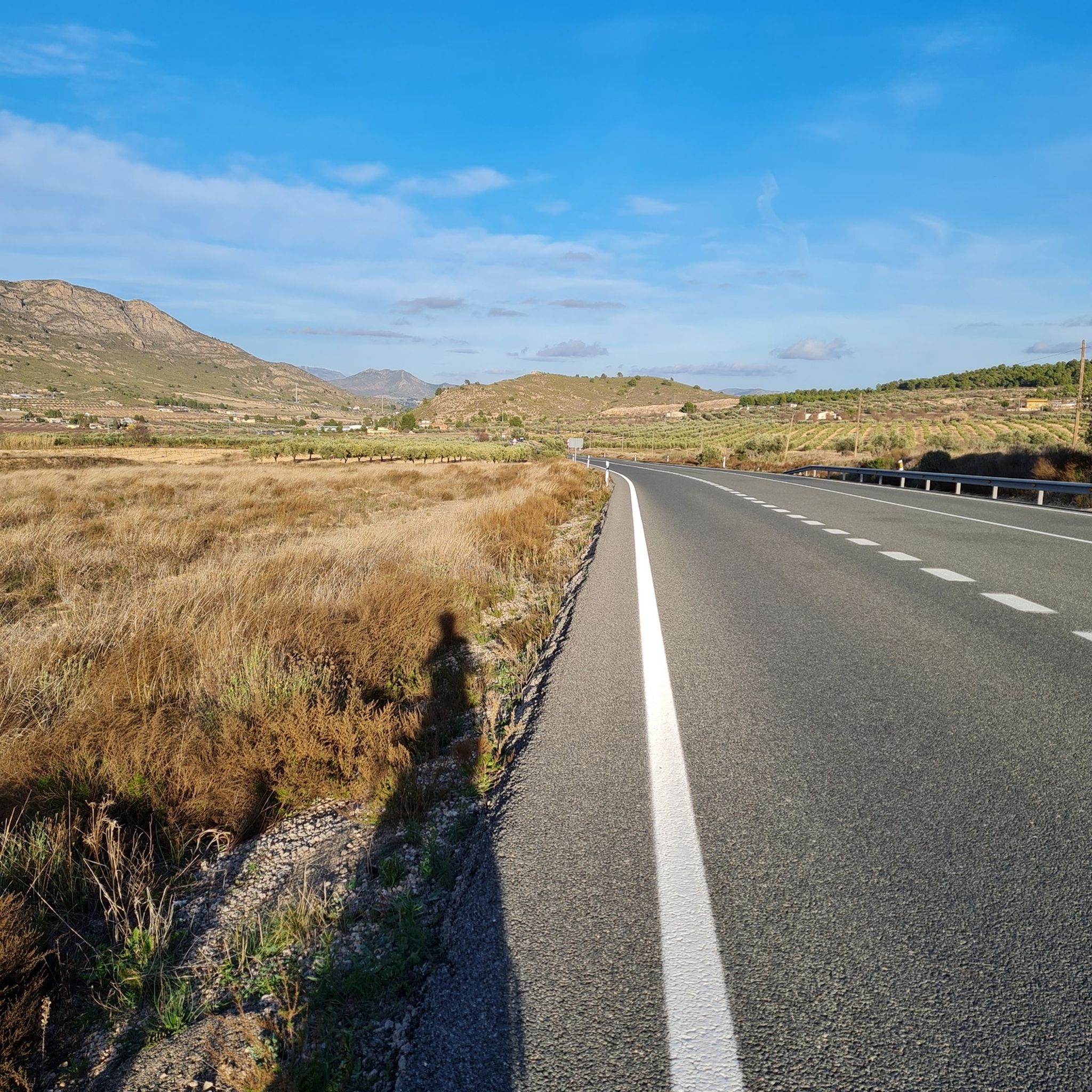
Road Cycling Routes around Altiplano
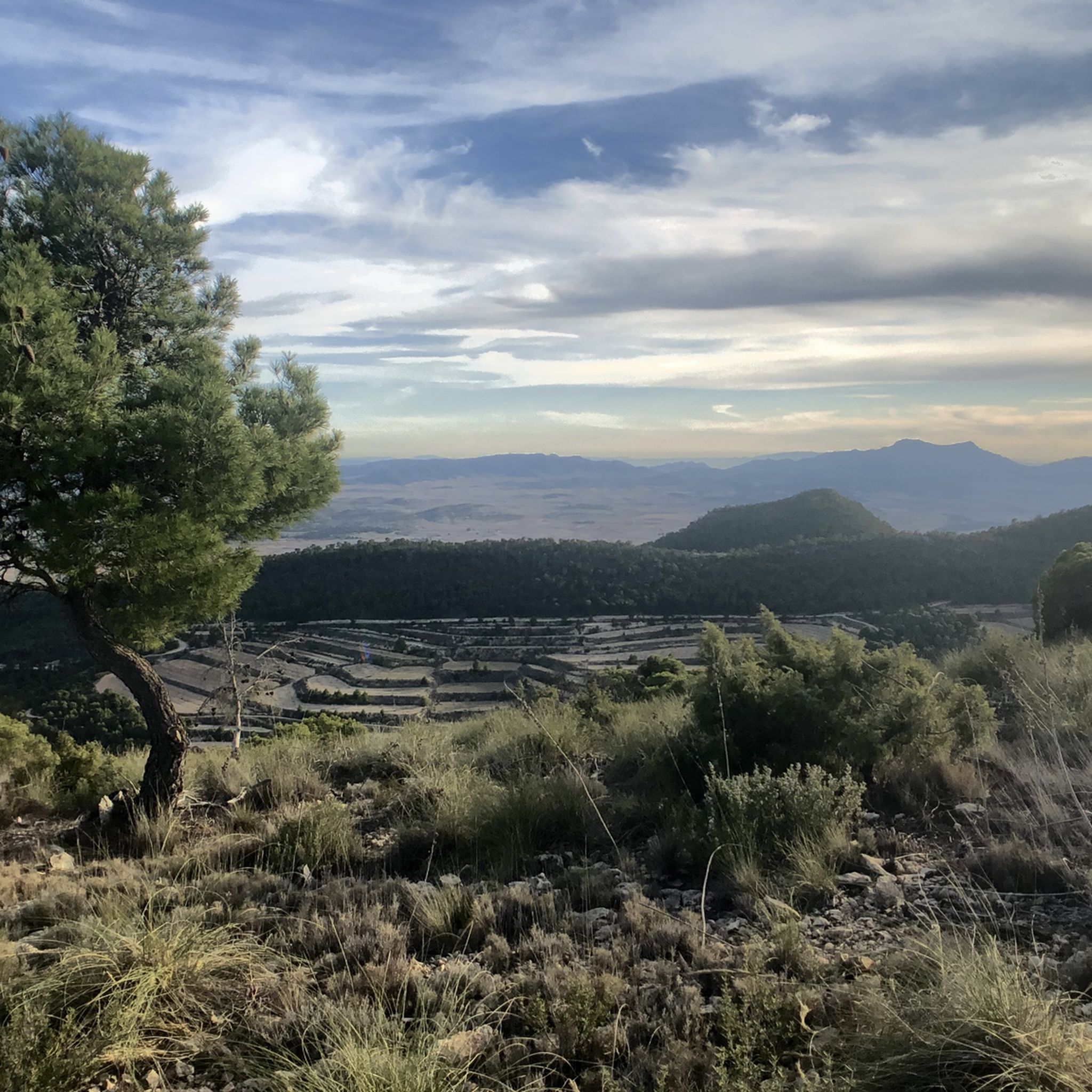
Hiking around Altiplano
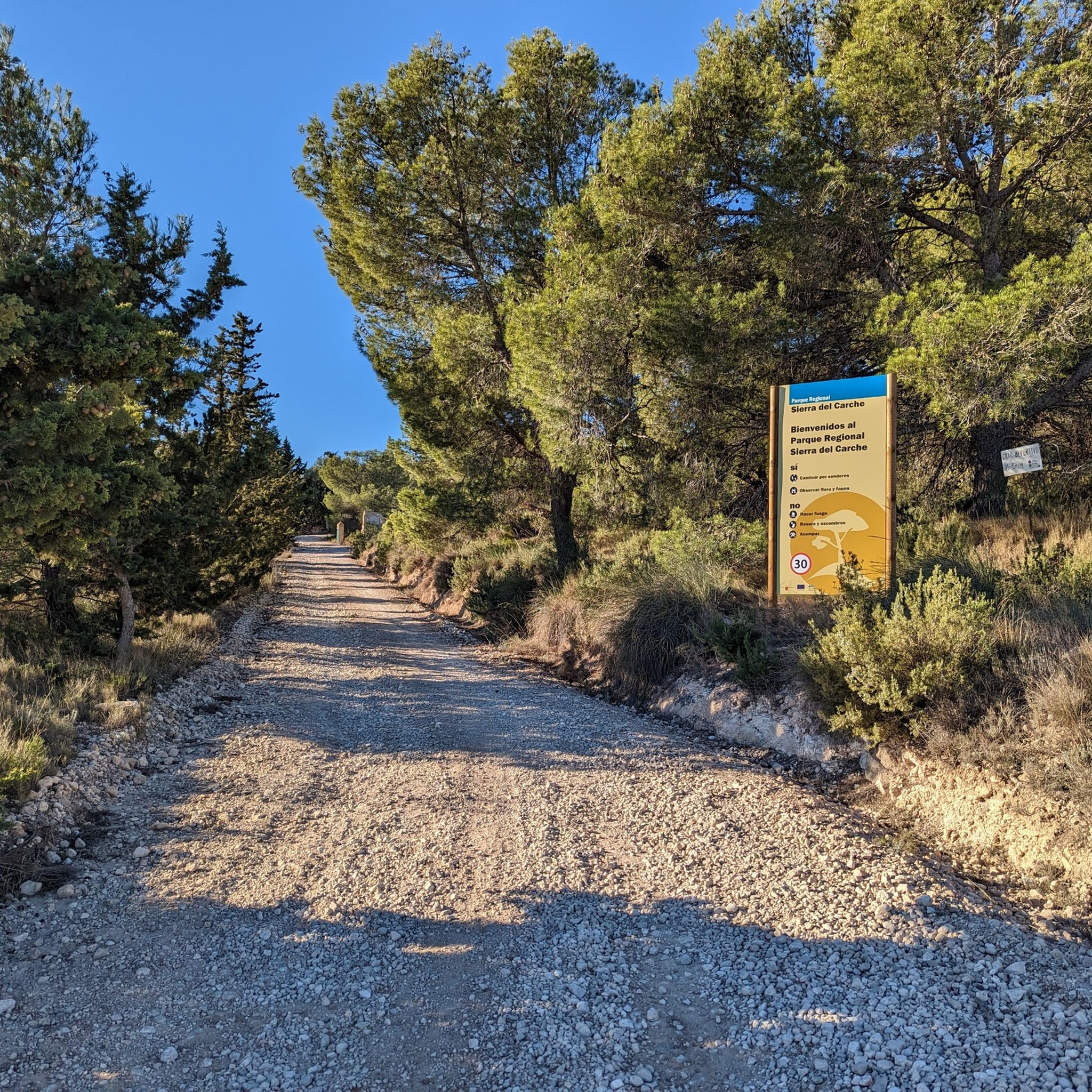
MTB Trails around Altiplano
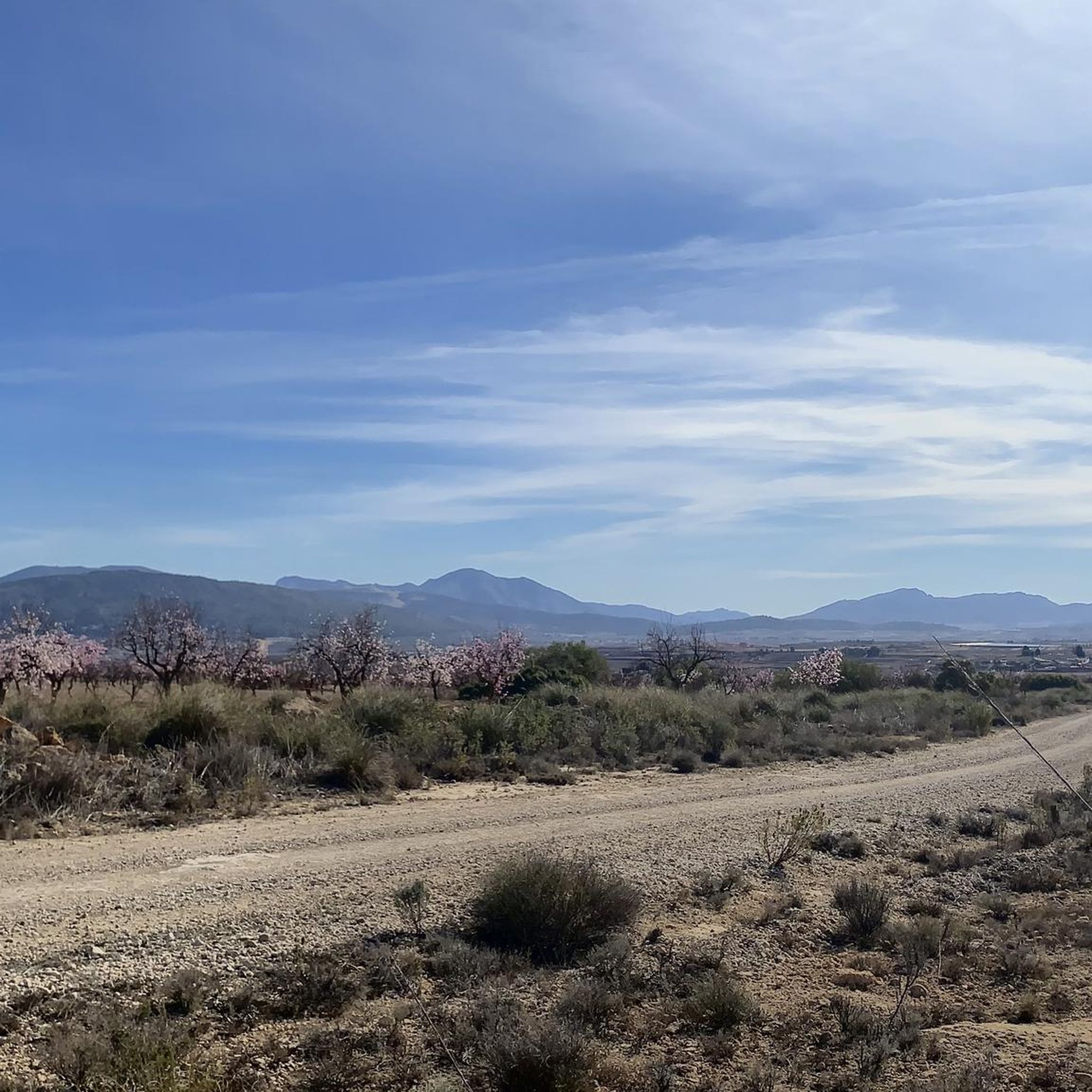
Cycling around Altiplano
Other adventures around Altiplano


Tips from the Community

It is located south of the city of Jumilla, in the heart of the Sierra de Santa Ana mountain range, surrounded by a privileged natural environment with panoramic views over the Altiplano plateau. The access road winds through pine forests and hills that have historically created a landscape of tranquility and peace.
3
0
The Monastery of Santa Ana del Monte, also known as the Franciscan Convent of Santa Ana, is one of Jumilla's most emblematic monuments and a spiritual, cultural, and natural landmark of the Murcian Altiplano. The first place of worship in this area dates back to around 1450, next to an ancient spring. The current monastery was built in the 16th century by Discalced Franciscan friars and consecrated in 1573.
3
0

The location of the Roman Baths of Fortuna was first pinpointed in 1984, thanks to the work of Gonzalo Matilla to provide archaeological context for the Black Cave of Fortuna. Although modern baths already existed at the same site and were in use until the first third of the 19th century, the area was known as "Los Baños Moros" (The Moorish Baths) from the late 19th century onward.
15
0
The Abanilla Desert, also known as the Mahoya Desert, is one of the most unique and fascinating places in the Murcia region, just an hour's drive from the beaches of the Costa Cálida and Costa Blanca South. This surreal landscape, often compared to the surface of the moon, offers a perfect combination of natural beauty and tranquility. Whether you're a nature lover, an adventurer, or simply looking for a place to relax,
17
0
On the road to Baños de Fortuna, you'll find a desert that was the seabed millions of years ago, now shaped by erosion. The Ramblas de la Parra, del Font, Balonga, Zurca, and the Chícamo Basin form one of Murcia's most otherworldly landscapes. Here you can see the remnants of ancient seas, such as the coral reefs formed by the Chícamo River and the El Cajer Ravine, which are now a feast for the eyes and the camera.
5
0

This hermitage stands high on the mountain, surrounded by a dense pine forest. If you have time, this remote spot is worth a stop.
1
0

for the second time in a month we were amazed here
4
0

A small highlight for inexperienced hikers who "only" want to go to the entrance of the gorge. Small wooden bridges have been built for the few river crossings, so that you can reach the gorge without getting wet shoes
2
1
Frequently Asked Questions
What unique natural landscapes can I explore in the Altiplano region?
The Altiplano is renowned for its diverse and dramatic natural landscapes. You can visit the Desierto de Abanilla, a surreal desert shaped by erosion that was once a seabed. Other notable features include the Chicamo River Canyon, offering impressive views, and the Horadada Cave of Monte Arabí, a large open cavity in the rock with a hole in its ceiling. The region also boasts the world's largest salt flat, Salar de Uyuni, and the highest commercially navigable lake, Lake Titicaca, known for its unique microclimate and floating islands.
Are there any historical or cultural sites to visit in the Altiplano?
Yes, the Altiplano is rich in history and culture. You can explore ancient sites like Tiwanaku in Bolivia, a pre-Columbian archaeological site, or Sillustani in Peru, known for its distinctive tower-like burial structures. The region also features beautiful religious buildings such as the Ermita de Santa Ana and the Monasterio de Santa Ana. Many villages throughout the Altiplano, including those in the Arica region of Chile, offer glimpses into local life and colonial architecture.
What kind of outdoor activities can I do near the Altiplano attractions?
The Altiplano offers a variety of outdoor activities, particularly hiking and mountain biking. You can find easy hikes like the Chícamo River Canyon Loop or a walk through the Albanilla desert to the thermal baths of Fortuna. For mountain biking enthusiasts, there are routes like 'Salinas de la Rosa, Pozo de la Nieve' or 'Yecla, Monte Arabí, Cueva de La Horadad' which can be found in the MTB Trails around Altiplano guide.
Are there family-friendly attractions in the Altiplano region?
Absolutely. The Horadada Cave of Monte Arabí is described as an ideal place to visit with the whole family, where children will love exploring the large open cavity. The thermal springs at Los Baños de Fortuna also offer a relaxing experience for all ages. Additionally, the Uros Islands on Lake Titicaca provide a unique cultural experience that can be fascinating for families.
Where can I find the best viewpoints in the Altiplano?
For breathtaking panoramic views, head to Cortao de las Peñas, a popular spot for nature lovers to take a break and enjoy the scenery. The El Carche Summit, at 1370 meters, offers amazing views of the valleys of the Altiplano de Murcia and beyond. Many other highlights, including the Desierto de Abanilla and the Chicamo River Canyon, also feature excellent viewpoints.
What are some of the geological formations I can see in the Altiplano?
The Altiplano is a geological marvel. The Desierto de Abanilla showcases unique desert landscapes shaped by millions of years of erosion. You can also explore caves like Horadada Cave of Monte Arabí and Cueva del Lagrimal. The region is also home to active geysers like Sol de Mañana, vibrant lagoons such as Laguna Colorada and Laguna Verde, and surreal rock formations in the Salvador Dalí Desert.
Are there any thermal springs or healing waters in the Altiplano?
Yes, the Altiplano is known for its thermal springs. Los Baños de Fortuna is a spa town recognized for its world-famous healing thermal waters, where you can relax and rejuvenate. The region also features natural hot springs like Termas de Polques, offering a unique opportunity to soak in warm waters amidst the high-altitude environment.
What do visitors enjoy most about the Altiplano attractions?
Visitors frequently praise the Altiplano for its stunning natural beauty and tranquility. They particularly enjoy the surreal landscapes of places like the Desierto de Abanilla, often comparing it to a lunar surface. The breathtaking views from spots like Cortao de las Peñas and the peaceful atmosphere of the thermal springs at Los Baños de Fortuna are also highly appreciated. The region's unique geological formations and rich cultural heritage consistently impress visitors.
Can I find opportunities for running or jogging in the Altiplano?
Yes, the Altiplano offers various routes suitable for running and jogging. You can explore options like the 'Running circular around Monte Arabi and Cueva Horadada' or more challenging routes such as 'La Madama – Cerro del Quemado loop' in the Running Trails around Altiplano guide. These trails provide a great way to experience the region's landscapes while staying active.
Are there any high-altitude summits or mountains to explore?
The Altiplano is characterized by its high-altitude terrain. You can ascend to the El Carche Summit, which stands at 1370 meters and offers incredible panoramic views. The region is also dotted with active and dormant volcanoes, such as Volcán Sajama in Sajama National Park, which is Bolivia's highest snow-capped mountain, and others like Licancabur, Parinacota, and Pomerape.
What are some of the unique cultural experiences available in the Altiplano?
The Altiplano is home to several indigenous communities, including the Aymara, Quechua, and Uros, whose traditions offer unique cultural experiences. You can visit the Uros Islands on Lake Titicaca, which are floating islands made entirely of reeds, or Taquile Island, famous for its handwoven textiles. Opportunities for overnight homestays on Amantani Island also provide insights into traditional Andean life.
Most popular routes around Altiplano
Most popular attractions around Altiplano

Get inspired with the komoot mobile app


Didn’t find what you were looking for?
Are you keen on exploring more awesome places nearby? Browse our guides:
Explore more
Still not found the Highlight you’re looking for? See guides of the top attractions in other regions:
